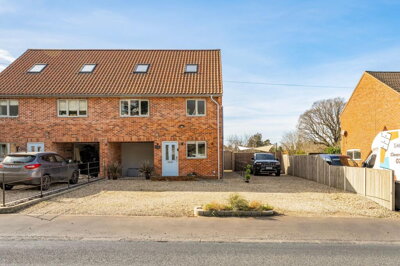
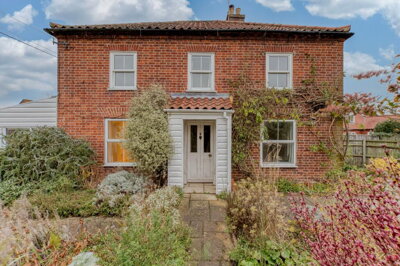
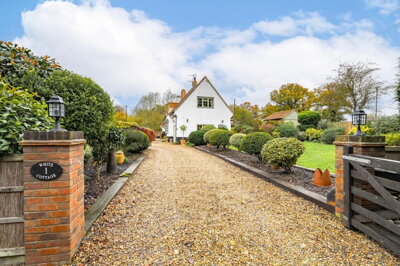
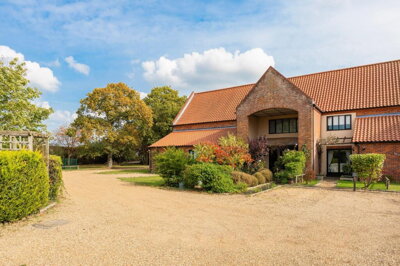
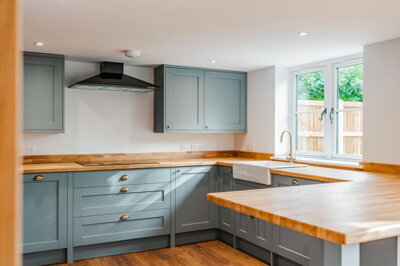
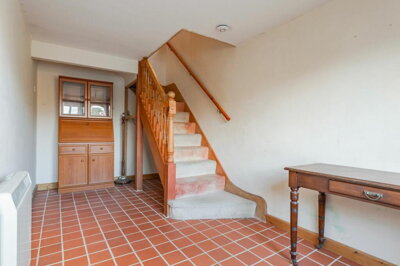
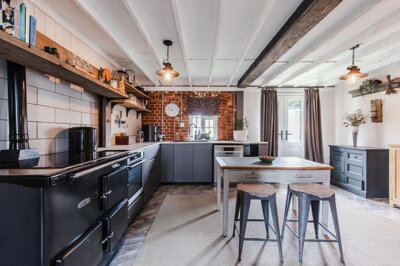
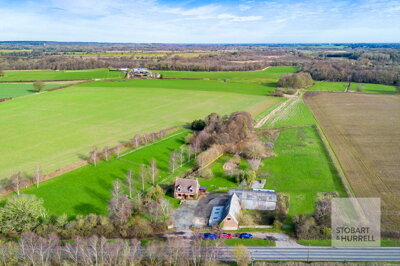
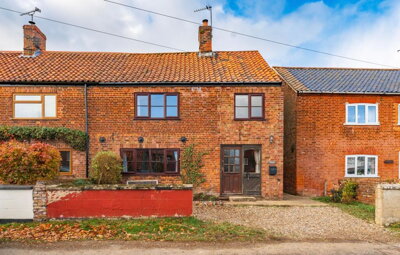
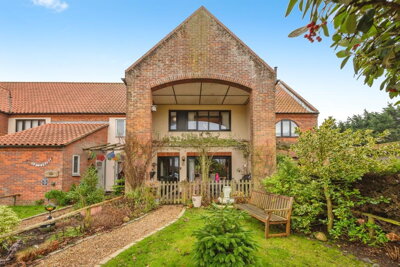
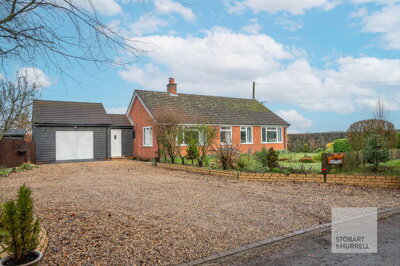
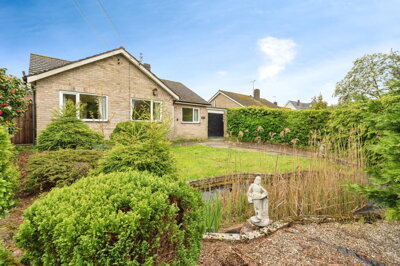
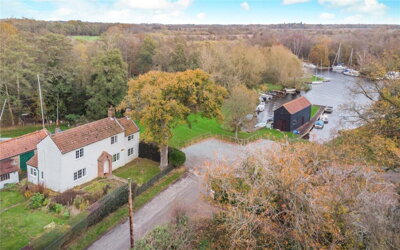
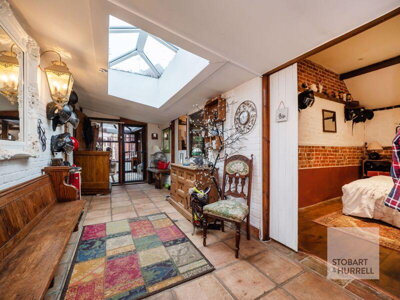
Browse 18 homes for sale in Smallburgh, North Norfolk from local estate agents.
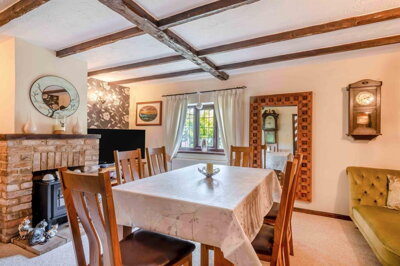
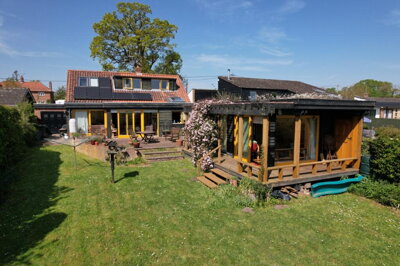
Three bedroom properties represent a significant portion of the Smallburgh housing market, offering space for families with multiple reception rooms and gardens in many cases. Browse detached, semi-detached, and terraced options ranging from period character homes to contemporary developments.
£475k
3
0
110
Source: home.co.uk
Showing 3 results for 3 Bedroom Houses for sale in Smallburgh, North Norfolk. The median asking price is £475,000.
Source: home.co.uk
Detached
2 listings
Avg £625,000
Semi-Detached
1 listings
Avg £350,000
Source: home.co.uk
Source: home.co.uk
The Smallburgh property market has demonstrated remarkable strength over the past year, with average prices climbing approximately 49% compared to the previous year according to Rightmove data. Zoopla records show properties averaging around £427,500, while OnTheMarket indicates figures closer to £442,000, reflecting active market conditions and growing buyer interest in this part of North Norfolk. This price growth reflects the broader appeal of the area, where demand for rural properties with character significantly outstrips supply. Buyers entering the market now should expect competitive conditions, particularly for the most desirable properties in this sought-after village.
Property types in Smallburgh cater to various buyer requirements, with detached homes commanding the highest prices at approximately £481,667 on average. Semi-detached properties offer more accessible entry points at around £265,000, while terraced homes typically sell for approximately £258,000. The housing stock reflects the village's heritage, with many properties built using traditional Norfolk materials including gault brick, flint, and slate or plain tile roofs. This construction style not only gives the village its distinctive appearance but also means buyers should factor in the maintenance characteristics of older properties when planning their purchase.
The recent planning application for a single-storey dwelling at Plovers on Low Street in Smallburgh illustrates the limited new build activity within the village itself, with most development focused on conversions of existing historic buildings rather than new construction. The postcode NR12 area surrounding Smallburgh does include newer developments such as Bureside Quay in nearby Hoveton, offering high-specification waterfront homes, though these fall outside the village boundary. For buyers specifically seeking new build properties, options within Smallburgh remain scarce, making the existing housing stock the primary focus for most purchasers.

Smallburgh offers a lifestyle rooted in Norfolk's rich agricultural heritage and natural beauty. The village has evolved over centuries, with records showing various trades including carpenters, bricklayers, plumbers, farmers, and smallholders contributing to its economy. Today, the settlement maintains its rural character while adapting to modern life, with The Crown serving as the remaining village pub following the closure of the school in the 1980s and the Post Office in the 2000s. This tight-knit community continues to attract those seeking an escape from urban living, with residents drawn to the area's peaceful surroundings and strong sense of local identity.
The demographic profile of Smallburgh reveals a community with a mean age of 48.5 years, suggesting a settled population that has chosen to remain in the area long-term. This is reflected in the housing stock, which includes numerous historic properties dating from the 16th, 18th, and 19th centuries, including notable buildings such as Smallburgh Old Hall, Holly House, and Manor Farmhouse. The presence of seven Grade II listed buildings and the Grade II* listed Church of St Peter at Cat's Common underscores the village's architectural significance. Living in Smallburgh means becoming part of a community that values its heritage while embracing contemporary rural life.
The local economy of the broader North Norfolk district is characterised by predominantly micro-businesses, with agriculture, forestry and fishing, accommodation and food services, construction, retail, and manufacturing accounting for the majority of local businesses. While Smallburgh itself has limited local employment, the wider area offers opportunities in tourism related to the Broads National Park, agricultural sector work, and commuting distance to Norwich where larger employers are based. The Tunstead and Happing House of Industry, which operated as a workhouse until 1920, represents the village's industrial past, while modern residents typically commute to surrounding towns for work.

Families considering a move to Smallburgh should note that the village school closed in the 1980s, meaning children currently attend schools in surrounding villages and towns. The nearest primary schools are typically found in nearby settlements across the NR12 postcode area, with Hoveton and Wroxham offering educational facilities approximately 4-5 miles away. Parents are advised to research specific catchment areas and admission arrangements for their chosen school, as these can vary significantly depending on the local education authority. School performance data and Ofsted ratings should be consulted when evaluating options for younger children.
Secondary education in the area is provided by schools in larger nearby towns, with students often travelling to access comprehensive or grammar school options. The broader North Norfolk district offers a range of educational pathways, though families should carefully consider transportation arrangements when selecting a property in Smallburgh. Sixth form provision and further education colleges are primarily located in Norwich, which is accessible via regular bus services or by car. For buyers with school-age children, we recommend visiting potential schools and understanding travel times before committing to a property purchase in this rural location.
The journey to secondary schools typically involves transport arrangements, with school buses serving some routes but private transportation often necessary for families in more isolated properties. Many parents choose to relocate to Smallburgh when children have finished primary school, opting to stay close to extended family or maintain their established community ties. The aging demographic of the village, with a mean age of 48.5 years, reflects this pattern of established families and those who have lived in the area for many years.
Transport connections from Smallburgh reflect its rural character, with residents relying primarily on road travel and limited public transport options. The village sits within easy reach of the A1151, which provides access to Norwich to the south and the North Norfolk coast to the north. For commuters working in Norwich, the journey by car typically takes around 25-30 minutes depending on traffic conditions, making Smallburgh viable for those who work in the city but prefer countryside living. The North Norfolk Railway, though not passing through Smallburgh itself, serves the wider area and offers recreational travel opportunities for residents.
Public transport options are more limited in common with many rural Norfolk villages, with bus services connecting Smallburgh to nearby towns on less frequent schedules than urban areas. Norwich railway station, located approximately 18 miles away, offers direct services to London Liverpool Street, with journey times of around two hours. For residents who need to commute regularly, driving to the station or parking at Norwich is typically necessary. Cycling is popular in the Broads area, with dedicated routes available, though the Norfolk countryside presents some challenging terrain. Those considering a move to Smallburgh should assess their transportation requirements carefully, particularly if regular commuting is necessary.
The A1151 road provides the main arterial route connecting Smallburgh to the surrounding area, passing through neighbouring villages before reaching Norwich's northern outskirts. Traffic volumes on this route can increase during peak holiday seasons when visitors travel to the Broads National Park and coastal areas. Road conditions in rural Norfolk can be narrow in places, particularly around village centres and along lanes approaching the River Ant, requiring confident driving in larger vehicles.
Properties in Smallburgh reflect the traditional building practices of North Norfolk, with materials and construction methods that differ significantly from modern housing. Historic buildings in the village commonly feature gault brick, which was widely used in East Anglia due to the local availability of suitable clay deposits. This pale yellow brick creates the distinctive appearance of properties like Holly House, where gault brickwork is paired with slate roofing to create an architecturally cohesive result. Understanding these traditional materials helps buyers appreciate the craftsmanship of older properties while anticipating maintenance requirements specific to historic Norfolk buildings.
Flint construction represents another characteristic building method found throughout Smallburgh and the surrounding Broads area. Smallburgh Old Hall exemplifies this tradition, being constructed of brick and flint with plain tile roofs, a combination that provided both structural strength and weather resistance in the local climate. The use of flint, which is readily available in Norfolk's glacial deposits, reduced construction costs while creating the distinctive patchwork patterns visible in many village buildings. Properties featuring flint construction require specialist repair techniques, as modern cement mortars can trap moisture and cause the flint to deteriorate over time.
Traditional construction in East Anglia also includes clay lump or clay-bat building, which uses earth with high clay content mixed with straw, chalk or flint to form blocks. This method was common in Victorian and Edwardian properties and creates walls with different characteristics from both timber-frame and modern brick cavity construction. Clay lump walls breathe differently from modern constructions, which means they require appropriate insulation approaches and ventilation to prevent moisture-related issues. Our surveyors frequently identify defects in these older construction types during property assessments in the Smallburgh area.
Smallburgh's location within the Broads National Park brings specific environmental considerations that buyers should understand before purchasing property. The village sits near the River Ant and its associated dyke system, placing it within an area managed by the Norfolk Rivers Internal Drainage Board for flood risk purposes. Rising seawater and tidal locking, where high sea levels prevent rivers from draining, represent significant flooding causes in the Upper Thurne catchment affecting Broads communities. Norfolk County Council's Preliminary Flood Risk Assessment identified Norfolk as the 10th most at-risk area out of 149 English authorities for flooding from surface run-off, underscoring the importance of thorough environmental investigations when buying in this region.
The underlying geology of Norfolk presents additional considerations for property buyers, as the region's sands, gravels, and clay deposits from the Anglian glaciation create variable ground conditions. Fine-grained, clay-rich soils are susceptible to shrink-swell behaviour, meaning they expand when wet and contract during dry periods, potentially causing movement in building foundations. Properties in Smallburgh may require specialist foundation advice depending on local soil conditions, and our surveyors will note any signs of subsidence or ground movement during property assessments. The British Geological Survey's GeoSure data can provide more detailed information about specific plot conditions when required.
Properties near watercourses and dykes in Smallburgh may also face considerations regarding water table levels and drainage characteristics. The proximity to the River Ant offers attractive views and recreational opportunities, but buyers should investigate drainage arrangements, sewerage systems, and any maintenance responsibilities associated with water boundaries. Properties in flood risk areas may require specific insurance arrangements, and lenders will often require flood risk searches as part of the conveyancing process.
Explore current property listings in Smallburgh and surrounding NR12 villages. Understanding price trends and available property types will help you set realistic expectations. Given the village's historic character and conservation-sensitive location within the Broads National Park, researching planning restrictions and permitted development rights is particularly important. The recent 49% increase in average prices demonstrates the market's current dynamism, making thorough research essential for any buyer.
Before arranging viewings, secure a mortgage agreement in principle from a lender. This strengthens your position when making offers and demonstrates to sellers that you are a serious buyer. With average prices around £442,000 in Smallburgh, ensure your borrowing capacity aligns with local property values. Our mortgage partners can provide competitive rates and expert guidance tailored to rural property purchases.
Visit properties that match your requirements, paying attention to construction materials typical of the area including gault brick, flint, and period features. Many properties in Smallburgh are listed buildings requiring careful consideration of maintenance obligations. Take notes and photographs during viewings to help compare properties later. Consider viewing properties at different times of day and in varying weather conditions to assess lighting, drainage, and any potential issues.
Before completing your purchase, arrange a thorough property survey from our qualified team. Given Smallburgh's older housing stock with its traditional construction methods including clay lump and solid-walled buildings, a Level 2 Homebuyers Survey is recommended to identify any structural concerns, damp issues, or defects common in historic Norfolk properties. Survey costs typically range from £375 to around £600 for properties in this area, depending on size and condition. Our surveyors have extensive experience assessing brick and flint properties and traditional East Anglian construction.
Appoint a solicitor with experience in rural Norfolk properties to handle the legal aspects of your purchase. They will conduct searches relevant to the area, including flood risk assessments given Smallburgh's location near the River Ant and Broads waterways, drainage and water authority searches, and local planning authority enquiries. Exchange contracts and arrange building insurance before completion to protect your investment.
Finalise your mortgage arrangements with your chosen lender and transfer funds to your solicitor for completion. On completion day, collect your keys and take possession of your new home in Smallburgh. We recommend documenting the property condition and any meter readings immediately upon moving in, and registering with local services including doctors and schools if applicable.
Purchasing a property in Smallburgh requires careful consideration of factors unique to this part of North Norfolk. The village's location within the Broads National Park brings specific planning considerations, including restrictions on developments and alterations to protect the area's natural and built heritage. Properties near the River Ant and surrounding dykes may be subject to flood risk assessments, and buyers should investigate both the immediate flood risk and the long-term implications of climate change on water levels in the area. Norfolk County Council has identified the region as one of the higher-risk areas for surface water flooding in England, making environmental searches essential.
The prevalence of listed buildings in Smallburgh means many properties carry additional responsibilities for their owners. Seven properties hold Grade II listing status, with the Church of St Peter at Cat's Common designated at the higher Grade II* level. Grade II listed properties require consent for certain alterations and must use appropriate traditional materials for any repairs or modifications. The construction of many historic homes using gault brick, flint, and solid-walled methods means buyers should budget for potential maintenance requirements typical of older properties. Electrical and plumbing systems in period properties often require updating to meet modern standards, and insulation improvements may be needed to achieve comfortable living conditions while preserving the building's character.
Properties constructed using traditional Norfolk methods, including clay lump and solid-walled construction, present specific considerations for buyers unfamiliar with historic building techniques. These buildings were constructed before modern damp-proof courses and cavity insulation, meaning they handle moisture differently from newer properties. Signs of damp, condensation patterns, and timber condition warrant particular attention during viewings and surveys. Our surveyors understand these construction methods and can advise on appropriate investigation and remediation where issues are identified.
Understanding the full costs of buying property in Smallburgh is essential for budgeting effectively. Beyond the property purchase price, buyers should account for Stamp Duty Land Tax, which applies to all freehold and leasehold purchases above certain thresholds. For a property priced at the current Smallburgh average of around £442,000, a standard buyer would pay approximately £9,600 in stamp duty, calculated as 0% on the first £250,000 plus 5% on the remaining £192,000. First-time buyers purchasing properties up to £625,000 may benefit from relief, reducing their SDLT liability significantly.
Additional purchasing costs include solicitor fees for conveyancing, which typically range from £500 to £1,500 depending on complexity and whether the property is freehold or leasehold. Local searches specific to Norfolk, including drainage and water searches and environmental data, usually cost between £250 and £400. A RICS Level 2 Homebuyers Survey is strongly recommended given Smallburgh's older property stock and flood risk considerations, with costs typically ranging from £375 to £600 for properties in this price range. Surveyors familiar with Norfolk's traditional construction methods, including brick and flint properties and solid-walled buildings, can provide the most relevant advice for local properties.
Ongoing costs after purchase include council tax, with properties in Smallburgh falling under North Norfolk District Council's jurisdiction. Most period properties in the village fall within bands A to D, though larger detached homes or recently improved properties may attract higher bands. Buildings insurance costs may be higher for older properties or those in flood risk areas, and listed building status can affect insurance requirements and costs. Energy performance certificate ratings in older properties may be lower than modern equivalents, potentially affecting future improvement costs and resale value.
Average house prices in Smallburgh currently range from approximately £393,600 according to Rightmove data to around £442,000 based on OnTheMarket figures. Detached properties command the highest prices at approximately £481,667, while semi-detached homes average £265,000 and terraced properties around £258,000. The market has shown significant growth, with prices rising around 49% over the past year, reflecting increased demand for rural properties in North Norfolk. Specific streets within Smallburgh have shown varying growth, with Union Road properties rising 26% year-on-year, while the NR12 9LR postcode area reached 52% above its 2016 peak.
Properties in Smallburgh fall under North Norfolk District Council's jurisdiction for council tax purposes. The specific band depends on the property's valuation, with bands typically ranging from A through to H. Most period properties and cottages in the village are likely to fall within bands A to D, given their age and traditional construction, though larger detached homes or recently improved properties may attract higher bands. Prospective buyers should check the specific band for any property they are considering, as council tax forms part of the ongoing cost of ownership in Smallburgh.
While Smallburgh's local school closed in the 1980s, primary schools are available in nearby villages and towns within the NR12 area, with Hoveton and Wroxham offering facilities approximately 4-5 miles away serving local families. Families should check specific catchment areas and admissions criteria, as these vary by education authority and can affect which school a child can attend. Secondary education options include schools in Norwich and other larger settlements, with many students travelling daily by car or bus. Parents should research individual school Ofsted ratings and performance data when evaluating options, and factor in transportation arrangements when selecting a property in Smallburgh.
Public transport connections from Smallburgh are limited, reflecting its rural character within the Broads National Park. Bus services operate between Smallburgh and nearby towns but on frequencies much lower than urban areas, making car travel the primary transport option for most residents. The nearest railway station is Norwich, approximately 18 miles away, offering direct services to London Liverpool Street in around two hours. For those working in Norwich, the car journey typically takes 25-30 minutes, making Smallburgh viable for commuters who prefer countryside living to urban housing.
Smallburgh offers several factors that may appeal to property investors, including its location within the Broads National Park, which limits new housing supply and supports property values through restricted development. The village's historic character and numerous listed buildings contribute to its appeal, though these also bring maintenance obligations and planning considerations that can affect rental property management. Rental demand in the area is driven by those seeking rural lifestyles, with the Broads National Park attracting tourists who may require short-term accommodation. As with any investment, buyers should carefully consider rental yields, void periods, and local market conditions before purchasing in Smallburgh.
Stamp Duty Land Tax rates from April 2025 apply as follows: 0% on properties up to £250,000, 5% on the portion from £250,001 to £925,000, 10% on the portion from £925,001 to £1,500,000, and 12% on any amount above £1,500,000. First-time buyers may qualify for relief on properties up to £625,000, paying 0% up to £425,000 then 5% on the remainder. With most Smallburgh properties averaging around £442,000, standard rates would apply to portions above £250,000, resulting in approximately £9,600 for a typical village property at the current average price.
From £375
A detailed survey of the property condition, essential for historic Norfolk properties with traditional construction methods
From £499
Comprehensive building survey for older or complex properties, recommended for listed buildings
From £85
Energy performance certificate required for all property sales
From £499
Legal services for property purchase including local searches
From 4.5% APR
Competitive mortgage rates for Norfolk properties
Properties for Sale In London

Properties for Sale In Plymouth

Properties for Sale In Liverpool

Properties for Sale In Glasgow

Properties for Sale In Sheffield

Properties for Sale In Edinburgh

Properties for Sale In Coventry

Properties for Sale In Bradford

Properties for Sale In Manchester

Properties for Sale In Birmingham

Properties for Sale In Bristol

Properties for Sale In Oxford

Properties for Sale In Leicester

Properties for Sale In Newcastle

Properties for Sale In Leeds

Properties for Sale In Southampton

Properties for Sale In Cardiff

Properties for Sale In Nottingham

Properties for Sale In Norwich

Properties for Sale In Brighton

Properties for Sale In Derby

Properties for Sale In Portsmouth

Properties for Sale In Northampton

Properties for Sale In Milton Keynes

Properties for Sale In Bournemouth

Properties for Sale In Bolton

Properties for Sale In Swansea

Properties for Sale In Swindon

Properties for Sale In Peterborough

Properties for Sale In Wolverhampton

Enter your details to see if this property is within your budget.
Loans, cards, car finance
Estimated property budget
Borrowing + deposit
You could borrow between
Typical borrowing
Monthly repayment
Est. at 4.5%
Loan-to-value
This is an estimate only. Your actual budget may vary depending on interest rates, credit history, and personal circumstances. For an accurate affordability assessment, speak to one of our free mortgage advisors.
This calculator provides estimates for illustrative purposes only and does not constitute financial advice. Your home may be repossessed if you do not keep up repayments on your mortgage. Estimates based on 4.5% interest rate, repayment mortgage. Actual rates depend on your circumstances.
Homemove is a trading name of HM Haus Group Ltd (Company No. 13873779, registered in England & Wales). Homemove Mortgages Ltd (Company No. 15947693) is an Appointed Representative of TMG Direct Limited, trading as TMG Mortgage Network, which is authorised and regulated by the Financial Conduct Authority (FRN 786245). Homemove Mortgages Ltd is entered on the FCA Register as an Appointed Representative (FRN 1022429). You can check registrations at NewRegister or by calling 0800 111 6768.

We use cookies to show you personalised content and improve your experience of our website. Find out more in our Privacy policy and Cookie policy.