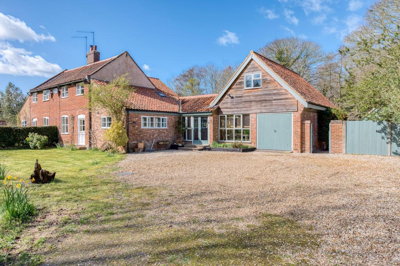
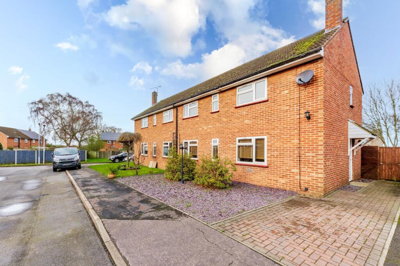
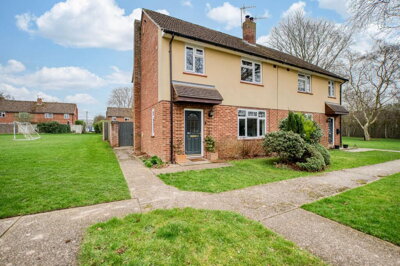
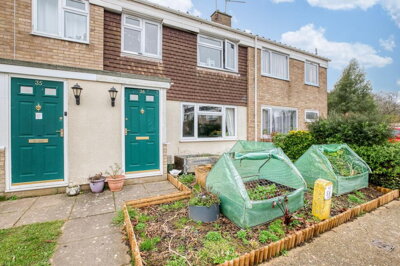
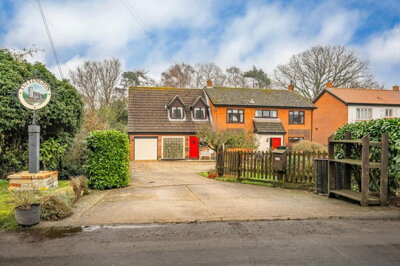
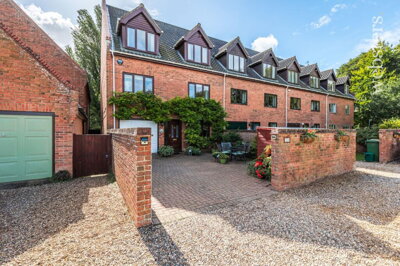
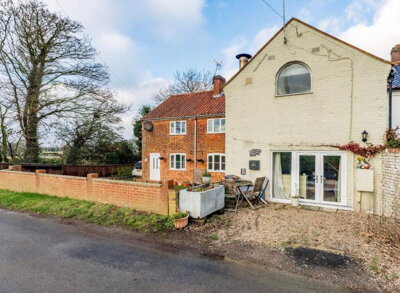
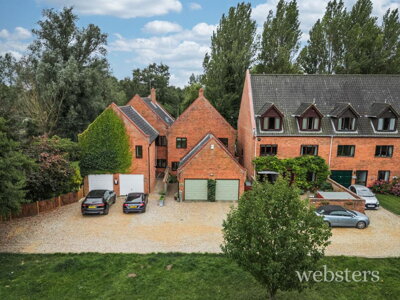
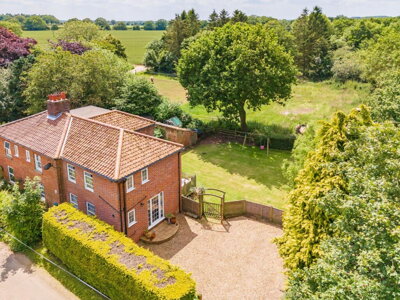
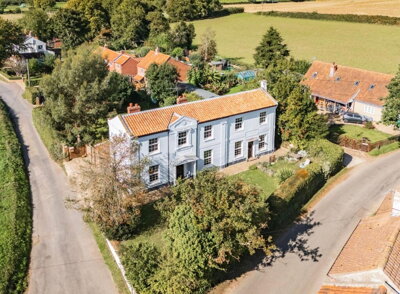
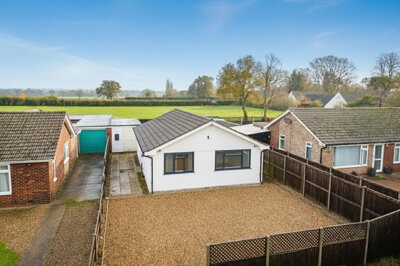
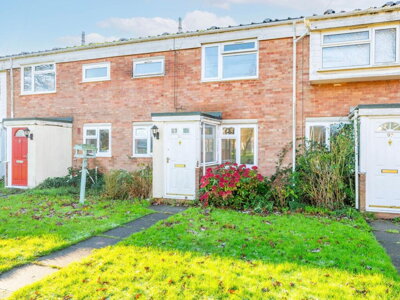
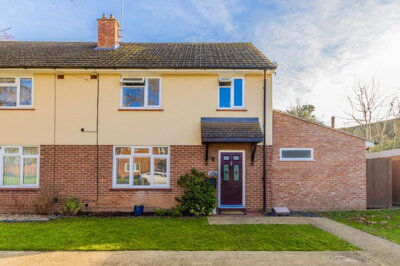
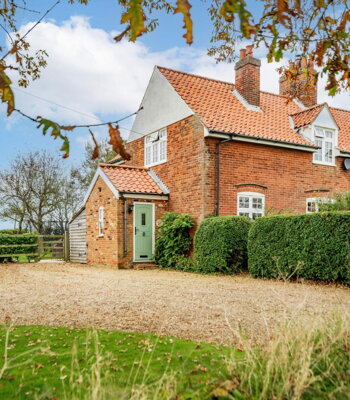
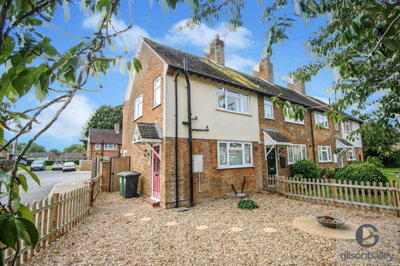
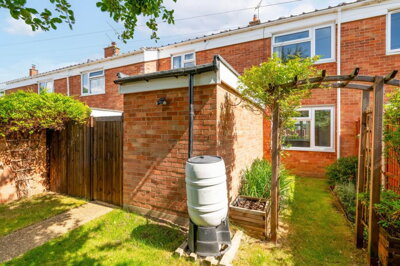
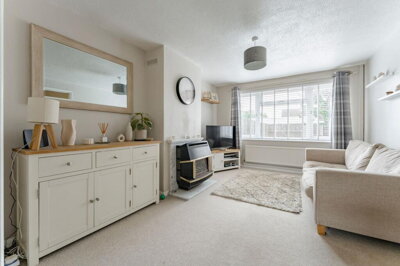
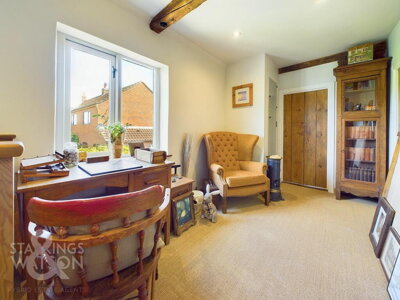
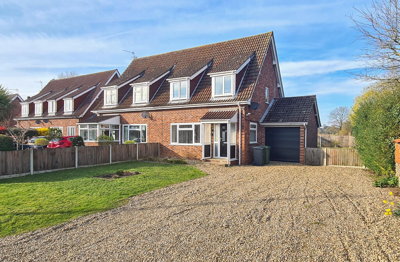
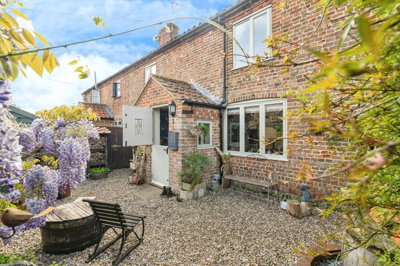
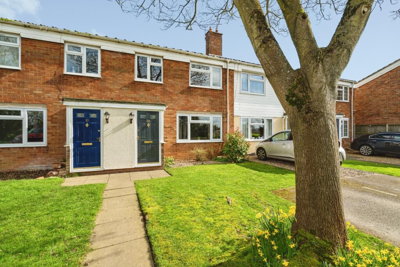
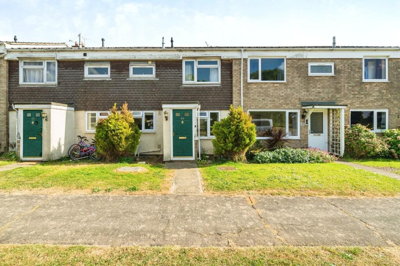
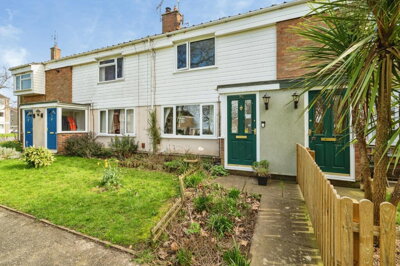
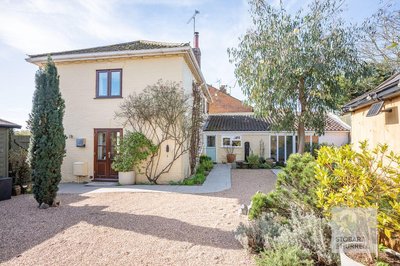
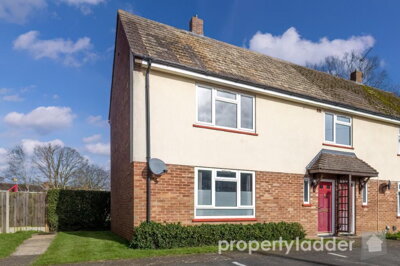
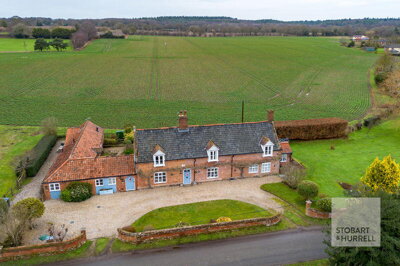
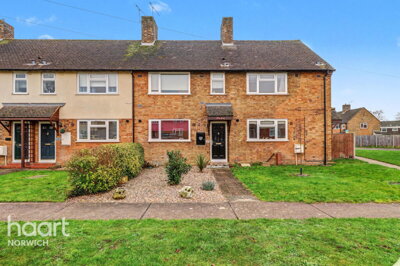
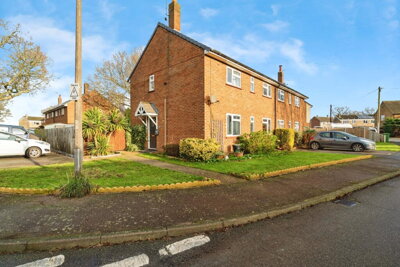
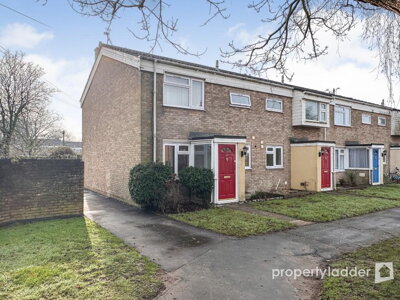
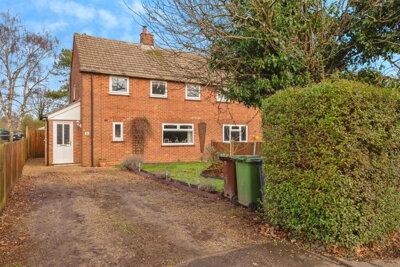
Browse 44 homes for sale in Skeyton, North Norfolk from local estate agents.
The Skeyton property market offers detached, semi-detached, and terraced houses spanning various price ranges and neighbourhoods. Each listing includes detailed property information, photographs, and direct contact with the marketing agent.
£375k
2
0
81
Source: home.co.uk
Showing 2 results for Houses for sale in Skeyton, North Norfolk. The median asking price is £375,000.
Source: home.co.uk
Detached
1 listings
Avg £500,000
Terraced
1 listings
Avg £250,000
Source: home.co.uk
Source: home.co.uk
The Skeyton property market reflects the character of this small North Norfolk village, offering a range of property types to suit different buyer requirements. Detached properties in Skeyton Common command the highest prices, averaging £387,727, providing generous space and gardens that are increasingly sought after by families and those working from home. Semi-detached homes in the village average £265,679, offering an accessible entry point to village life in this desirable corner of Norfolk. Terraced properties, averaging £214,946, represent the most affordable option within the parish, often featuring the charming character details that make Norfolk cottages so appealing.
Recent market activity shows considerable variation across different parts of the village. Properties on Skeyton Road have seen prices rise approximately 30% compared to the previous year, indicating strong demand for certain locations within the parish. Meanwhile, the Skeyton New Road area has experienced more modest pricing, with averages around £170,500. These different micro-markets within the village mean that buyers should carefully research specific locations and property types when considering a purchase.
The village also offers opportunities for buyers interested in unique properties, including converted chapels dating back to around 1840 and period residences that retain original features from the 18th century. The 2021 Census recorded 99 households in Skeyton, with recent sales data indicating terraced properties forming the largest proportion of transactions, followed by semi-detached and detached homes. The village's relatively small housing stock means properties appear infrequently, making it worthwhile setting up alerts with local estate agents to avoid missing opportunities.
For buyers seeking new build opportunities, the Beech Farm development on Felmingham Road represents a welcome addition to the local housing supply. R W Randell and Sons are converting four traditional barns into seven new homes, comprising three two-storey houses and four single-storey properties. This development offers buyers the chance to purchase a brand-new home in a village location, with all the benefits of modern construction and energy efficiency standards.

Skeyton embodies the essence of rural Norfolk village life, offering residents a tight-knit community atmosphere within an Area of Outstanding Natural Beauty. The village sits on fertile agricultural land characterised by the bold swells and gentle undulations typical of the North Norfolk landscape, with a small rivulet joining the River Bure near the nearby town of Buxton. The population of approximately 233 residents across 99 households creates an intimate community where neighbours know one another and community spirit flourishes. This is a place where village fetes, local pubs, and seasonal events contribute to a strong sense of place and belonging.
The architectural heritage of Skeyton contributes significantly to its charm and character. The village is home to several notable listed buildings, including the Church of All Saints, a medieval structure of significant historical importance with its brown carstone construction and 12th century nave and tower. Other Grade II listed properties include Firtree Cottage, Goat Inn, Skeyton War Memorial, The Lodge, Dairy Farm House, and Hall Farm House. This concentration of historic buildings demonstrates the village's long history and the care taken to preserve its heritage. Properties in Skeyton often feature traditional Norfolk construction methods, using local materials such as brick, flint, and render that blend harmoniously with the landscape.
While Skeyton itself is a small village, residents have access to a range of local amenities in the surrounding area. The nearby market towns of North Walsham and Aylsham provide everyday shopping, healthcare facilities, and dining options. The North Norfolk coast, with its beautiful beaches and coastal towns like Cromer and Sheringham, is within easy driving distance. The Norfolk Broads National Park offers opportunities for boating, walking, and wildlife watching, while the city of Norwich provides comprehensive shopping, cultural attractions, and employment opportunities within approximately 30 minutes by car.
Agriculture has historically shaped the local economy and continues to influence the character of the surrounding landscape. The fertile soils of North Norfolk support mixed farming, with arable crops and livestock contributing to the rural economy. This agricultural heritage is visible in the pattern of farmsteads and field boundaries that define the parish, many of which have been part of the local landscape for centuries.

Families considering a move to Skeyton will find a selection of educational options available in the surrounding North Norfolk area. While Skeyton itself is a small village without its own primary school, the nearby town of North Walsham offers primary education at institutions including North Walsham Primary School and the primary phase at Alderman Peel High School. Parents should research specific catchment areas and admission arrangements, as these can significantly impact school placement for families moving to rural villages like Skeyton.
Alderman Peel High School serves as a popular choice for secondary education in North Walsham, providing comprehensive schooling for students aged 11-16 with a strong reputation in the local community. The school offers a range of GCSE subjects and has modern facilities including sports amenities and technology resources. For families preferring grammar school education, North Walsham Grammar School provides an academic pathway for students who pass the entrance assessment, with a tradition of academic excellence extending back over 500 years.
Stalham High School serves the broader North Norfolk area, providing GCSE and A-Level courses for students from surrounding villages. For families seeking alternative educational approaches, independent schools in the region include options in Norwich and the coastal towns, offering various curricula and extracurricular programmes. Early years education is available through a network of preschool providers in nearby villages and towns, with parents advised to register interest well in advance of any planned move as rural preschool placements can fill quickly.
Higher education opportunities are readily accessible from Skeyton, with the University of East Anglia and Norwich University of the Arts both located in Norwich, approximately 20 miles away. The University of East Anglia, situated on the outskirts of Norwich, offers a wide range of undergraduate and postgraduate courses across arts, sciences, and social sciences. Norwich also hosts the Norwich University of the Arts, specialising in creative disciplines including art, design, media, and performing arts.
Transport connections from Skeyton reflect its rural Norfolk location, with residents typically relying on private vehicles as the primary means of transport for daily commuting and errands. The village sits within reasonable distance of the A149 coast road, providing access to the North Norfolk coast and connecting to the A140 for travel towards Norwich. The market town of North Walsham, approximately 4 miles distant, offers regular bus services connecting to Norwich, Great Yarmouth, and Cromer. These bus services, while not as frequent as urban routes, provide a lifeline for residents without private vehicles and for those preferring not to drive.
Rail connections are available from North Walsham station, which provides regular services to Norwich, with journey times of approximately 35 minutes. From Norwich, direct trains connect to London Liverpool Street, with journey times of around 2 hours. This rail access makes Skeyton viable for commuters who work in Norwich or travel occasionally to London for business or leisure. The station also connects to the Bittern Line, serving coastal communities including Cromer, Sheringham, and the Norfolk Broads at Worstead.
For those travelling by car, the journey to Norwich takes approximately 35-40 minutes via the A140, making day trips and weekend visits to the city straightforward. The North Norfolk coast is particularly accessible, with the seaside towns of Cromer, Sheringham, and Wells-next-the-Sea all reachable within 30-40 minutes. Cycling is popular in the area, with quiet country lanes providing scenic routes for recreational cycling and the formation of cycling clubs catering to enthusiasts who enjoy exploring the Norfolk countryside on two wheels.
Local bus services in the area are operated by various providers, with routes connecting Skeyton to North Walsham, Aylsham, and surrounding villages. Bus stops are located at convenient points within the village, and timetable information is available through travel directories and operator websites. For residents commuting to Norwich, park and ride facilities at the edge of the city provide an alternative to driving into the city centre.
Begin by exploring current listings in Skeyton using Homemove to understand available properties, price ranges, and the types of homes on offer. Given the village's small size, properties may appear infrequently, so setting up property alerts can help you act quickly when suitable homes become available. Consider both the Skeyton Common area and the broader NR28 postcode to expand your search parameters. Keep an eye on new developments such as the Beech Farm barn conversions on Felmingham Road if you are seeking a new-build property.
Before viewing properties, obtain a mortgage agreement in principle from a lender to demonstrate your buying capacity to sellers and estate agents. Our mortgage partners can help you compare rates and find the most suitable mortgage product for your circumstances. For properties in Skeyton, particularly period homes dating from the 18th or 19th centuries or those with listed status, lenders may require specific surveys, so understanding your financial position is essential before proceeding. First-time buyers purchasing properties up to £425,000 may qualify for stamp duty relief, potentially eliminating this cost entirely.
View properties that match your requirements, taking time to assess the village atmosphere, property condition, and proximity to local amenities. Pay particular attention to the age and construction of any period properties, as these may require more detailed investigation. Consider visiting the village at different times of day to understand noise levels, traffic, and community activity. Properties in Skeyton often feature traditional Norfolk construction methods using local brick, flint, and render, so take time to assess the condition of these materials during viewings.
For older properties in Skeyton, particularly those dating from the 18th or 19th century or with listed status, we strongly recommend a RICS Level 2 or Level 3 survey. Our survey partners can identify structural issues, damp problems, or maintenance requirements that may not be apparent during a standard viewing. Given the village's historic housing stock, including converted chapels and period farmhouses, professional surveys are essential before committing to a purchase.
Once your offer is accepted, instruct a conveyancing solicitor to handle the legal aspects of your purchase. Your solicitor will conduct searches, handle contracts, and manage the transfer of ownership. For properties in Skeyton's conservation area or listed buildings, additional searches and considerations may be required. The village falls under North Norfolk District Council, and your solicitor will manage relevant local authority searches during the conveyancing process.
Work with your solicitor, estate agent, and mortgage provider to complete the transaction. On completion day, you will receive the keys to your new Skeyton home. Ensure you have arranged buildings insurance and have your moving logistics in place for a smooth transition to your new village home. Budget approximately 2-3% of the purchase price for additional costs including stamp duty, surveys, conveyancing, and removals.
Purchasing a property in Skeyton requires careful consideration of several factors unique to this rural Norfolk village. The age of the local housing stock means that many properties will have been constructed using traditional methods and materials, including Norfolk brick, flint, and render. These materials can require specific maintenance approaches, so understanding the construction and condition of walls, roofs, and foundations is essential. A thorough survey by a qualified professional can identify potential issues before you commit to a purchase.
Given the presence of listed buildings in Skeyton, including the Grade II* Church of All Saints and several Grade II properties such as Firtree Cottage, Goat Inn, and various farmhouses, buyers should be aware of the implications if purchasing a listed home. Listed building status brings responsibilities regarding maintenance and any alterations, which must respect the property's historic character. Properties may also fall within or near designated conservation areas, bringing additional planning considerations that affect what works can be carried out without consent.
The rural location of Skeyton means that flood risk should be investigated, particularly for properties near watercourses or in low-lying areas adjacent to the small rivulet that joins the River Bure near Buxton. While specific flood risk data for individual properties requires assessment, the local geology featuring clay deposits means that ground conditions and potential shrink-swell behaviour should be considered, especially for older properties with shallow foundations. A RICS survey can assess these structural and environmental factors, providing valuable information for buyers investing in period properties.
For properties with large gardens or land, boundaries, rights of way, and any agricultural restrictions should be clearly understood. Properties in the village may have connections to farmland or agricultural leases that affect their use. Services such as broadband connectivity can vary in rural villages, so checking current speeds and future upgrade plans is advisable for those who work from home or require reliable internet access. The village's proximity to North Walsham means many residents benefit from the town's facilities while enjoying the quieter village environment.
Properties in Skeyton showcase the traditional building methods that have characterised North Norfolk construction for centuries. The most distinctive local material is brown carstone, visible in the medieval All Saints Church, which demonstrates how local builders utilitsed materials found in the immediate landscape. Older residential properties typically feature a combination of locally produced brick, knapped flint, and render, often applied in patterns that reflect the prosperity and era of their original construction.
Many properties dating from the 18th and 19th centuries in Skeyton would have been built with solid walls rather than the cavity wall construction used in modern properties. These solid walls typically have limited insulation properties and may be more susceptible to penetrating damp, particularly where rendering has deteriorated or where flintwork has been exposed to persistent wet weather. The condition of render finishes on Norfolk properties should always be inspected carefully, as water ingress behind render can cause significant damage to underlying structure.
Timber-framed buildings with later brick facades represent another common construction type found in older North Norfolk properties. These buildings may have been originally constructed with oak frames and wattle-and-daub infill, later clad in brick for improved weather resistance. Identifying the original construction type can help buyers understand potential issues with structural movement, timber decay, and the effectiveness of any modern improvements that have been made to the property over the years.
Roof construction in period Skeyton properties typically features traditional cut or trussed rafters covered with clay or concrete tiles, with some older properties retaining original thatched roofs. The condition of roof structures should always be a priority during survey and inspection, given the cost implications of significant roof repairs or replacement. Leadwork around chimneys, valleys, and parapets on older properties requires regular maintenance to prevent water ingress into the building structure.
The average house price in Skeyton Common is currently around £266,648, based on sales over the past year. Detached properties average £387,727, semi-detached homes around £265,679, and terraced properties approximately £214,946. Prices can vary significantly by location within the village, with properties on Skeyton Road averaging around £365,000 while Skeyton New Road properties average closer to £170,500. The market has experienced some fluctuation, with prices in Skeyton Common down approximately 7% compared to the previous year and 20% below the 2022 peak of £331,568.
Properties in Skeyton fall under North Norfolk District Council, which sets council tax bands based on property valuations determined by the Valuation Office Agency. Specific band allocations depend on the property value and characteristics, with bands ranging from A through to H. To determine the exact council tax band for a specific property, buyers should check with North Norfolk District Council or view the property details on the Valuation Office Agency website. These bands affect ongoing running costs for homeowners and should be factored into budget calculations when purchasing, with Band A properties paying significantly less than Band H properties.
Skeyton itself does not have a primary school, but nearby options include North Walsham Primary School and the primary phase at Alderman Peel High School, both located in North Walsham approximately 4 miles from the village. Secondary education is available at Alderman Peel High School, which has a strong local reputation, and Stalham High School serves the broader North Norfolk area. For grammar school options, North Walsham Grammar School provides academic secondary education for students who pass the entrance assessment, with a selective intake based on examination results.
Skeyton is served by bus routes connecting to North Walsham, Norwich, and the coastal towns of Cromer and Sheringham. North Walsham railway station provides regular services to Norwich taking approximately 35 minutes, with direct trains to London Liverpool Street taking around 2 hours. While a car is generally essential for daily life in this rural village, public transport options make occasional commuting and regional travel feasible. The Bittern Line railway also serves coastal communities between Norwich and Sheringham.
Skeyton offers potential for property investment, particularly given the limited supply of homes in this small village and the ongoing demand for rural Norfolk property. The village's location within an Area of Outstanding Natural Beauty, combined with its historic character and proximity to the coast, makes it attractive to buyers seeking a countryside lifestyle. New development is limited, with the Beech Farm barn conversions on Felmingham Road representing a rare addition to supply. Period properties, particularly those with listed status such as the Grade II* All Saints Church and various Grade II buildings, can hold their value well, though they may require maintenance investment.
Stamp Duty Land Tax rates for 2024-25 apply to all property purchases in Skeyton. Standard rates are 0% on the first £250,000, 5% on £250,001 to £925,000, 10% on £925,001 to £1.5 million, and 12% on amounts exceeding £1.5 million. For a typical Skeyton property averaging around £266,648, only the amount above £250,000 would be subject to 5% stamp duty, resulting in SDLT of approximately £833. First-time buyers purchasing properties up to £425,000 may qualify for relief, potentially eliminating stamp duty costs entirely.
Period properties in Skeyton, some dating back to the 18th and 19th centuries, require careful inspection due to their age and traditional construction methods. Common issues include damp (particularly rising damp in properties built before modern damp-proof courses), roof condition, timber decay such as dry rot or woodworm, and outdated electrical systems. Given the village's historic buildings featuring brown carstone construction visible in All Saints Church, buyers should check for any structural movement, the condition of traditional materials, and any signs of weathering or water ingress. Properties with listed status will require additional consideration regarding permitted works and maintenance obligations.
From 4.5%
Compare mortgage rates from trusted lenders
From £499
Expert solicitors handling your property purchase
From £350
Comprehensive inspection for modern and older properties
From £500
Detailed structural survey for period and listed properties
Understanding the full costs of buying a property in Skeyton is essential for budgeting effectively. Stamp Duty Land Tax represents one of the significant expenses, with standard rates applying 0% on the first £250,000 of the purchase price. For a typical Skeyton property averaging around £266,648, this means only the amount above £250,000 is subject to stamp duty at 5%, resulting in SDLT of approximately £833. First-time buyers purchasing properties up to £425,000 may qualify for relief, potentially eliminating stamp duty costs entirely on properties within that threshold.
Beyond stamp duty, buyers should budget for survey costs, particularly important given Skeyton's aged housing stock. A RICS Level 2 Homebuyer Report costs between £350 and £600 depending on property value and complexity, providing a thorough assessment of condition suitable for most homes in the village. For older period properties or those with unique features such as the converted chapels and farmhouses found in the village, a RICS Level 3 Building Survey at £500 or more may be recommended to provide detailed analysis of construction, structural issues, and maintenance requirements.
Conveyancing costs for purchasing in Skeyton typically start from around £499 for basic legal services, rising to £1,500 or more for complex transactions involving listed buildings or unusual title arrangements. Additional costs include search fees of approximately £250-£400, Land Registry fees, and mortgage arrangement fees if applicable. Buildings insurance should be arranged before completion, and removal costs will vary depending on the distance of your move. Setting aside a budget of approximately 2-3% of the purchase price for these additional costs is a sensible approach when buying any property.
Properties for Sale In London

Properties for Sale In Plymouth

Properties for Sale In Liverpool

Properties for Sale In Glasgow

Properties for Sale In Sheffield

Properties for Sale In Edinburgh

Properties for Sale In Coventry

Properties for Sale In Bradford

Properties for Sale In Manchester

Properties for Sale In Birmingham

Properties for Sale In Bristol

Properties for Sale In Oxford

Properties for Sale In Leicester

Properties for Sale In Newcastle

Properties for Sale In Leeds

Properties for Sale In Southampton

Properties for Sale In Cardiff

Properties for Sale In Nottingham

Properties for Sale In Norwich

Properties for Sale In Brighton

Properties for Sale In Derby

Properties for Sale In Portsmouth

Properties for Sale In Northampton

Properties for Sale In Milton Keynes

Properties for Sale In Bournemouth

Properties for Sale In Bolton

Properties for Sale In Swansea

Properties for Sale In Swindon

Properties for Sale In Peterborough

Properties for Sale In Wolverhampton

Enter your details to see if this property is within your budget.
Loans, cards, car finance
Estimated property budget
Borrowing + deposit
You could borrow between
Typical borrowing
Monthly repayment
Est. at 4.5%
Loan-to-value
This is an estimate only. Your actual budget may vary depending on interest rates, credit history, and personal circumstances. For an accurate affordability assessment, speak to one of our free mortgage advisors.
This calculator provides estimates for illustrative purposes only and does not constitute financial advice. Your home may be repossessed if you do not keep up repayments on your mortgage. Estimates based on 4.5% interest rate, repayment mortgage. Actual rates depend on your circumstances.
Homemove is a trading name of HM Haus Group Ltd (Company No. 13873779, registered in England & Wales). Homemove Mortgages Ltd (Company No. 15947693) is an Appointed Representative of TMG Direct Limited, trading as TMG Mortgage Network, which is authorised and regulated by the Financial Conduct Authority (FRN 786245). Homemove Mortgages Ltd is entered on the FCA Register as an Appointed Representative (FRN 1022429). You can check registrations at NewRegister or by calling 0800 111 6768.

We use cookies to show you personalised content and improve your experience of our website. Find out more in our Privacy policy and Cookie policy.