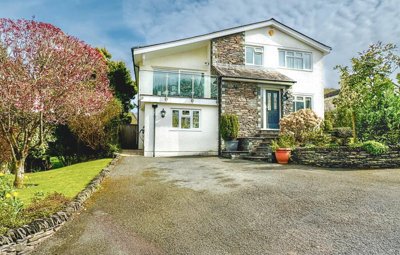
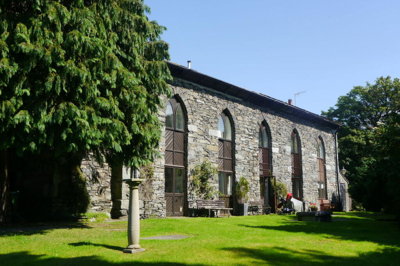
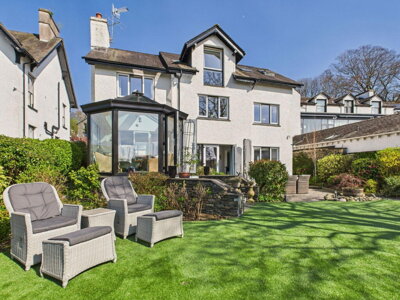
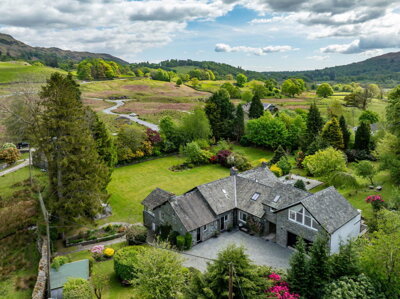
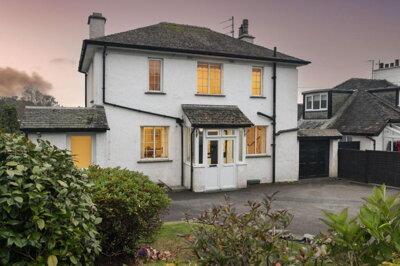
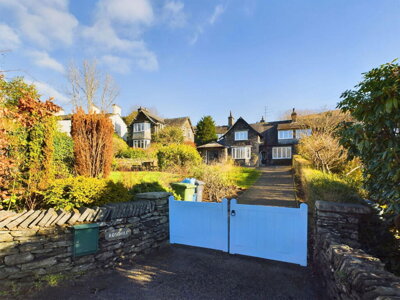
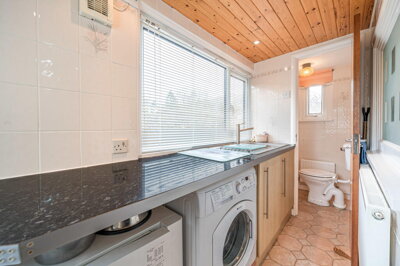
Browse 10 homes for sale in Skelwith, Westmorland and Furness from local estate agents.
The larger property sector typically features multiple bathrooms, substantial reception space, and private gardens or off-street parking. Four bedroom houses in Skelwith span detached, semi-detached, and occasionally terraced configurations, with styles ranging from period properties to modern executive homes.
£945k
1
0
87
Source: home.co.uk
Showing 1 results for 4 Bedroom Houses for sale in Skelwith, Westmorland and Furness. The median asking price is £945,000.
Source: home.co.uk
Detached
1 listings
Avg £945,000
Source: home.co.uk
Source: home.co.uk
£975,000
Average Detached Price
£465,000
Average Semi-Detached Price
17
Listed Buildings
133
Parish Population
The Skelwith property market reflects the unique dynamics of living within a National Park, where strict planning regulations and limited development land create an exclusive market. Our listings include a diverse range of traditional Lakeland properties, from characterful cottages built from local stone to substantial farmhouses that have graced the landscape for centuries. Recent transaction data from Skelwith Fold and Skelwith Bridge shows active market movement, with a semi-detached property selling for £465,000 in October 2024 and a terraced home achieving £540,000 in January 2025. Higher-value detached properties have sold for between £975,000 and £658,080, demonstrating the premium that Skelwith's coveted location commands among buyers.
The housing stock in Skelwith aligns with broader Cumbrian trends, featuring a higher proportion of detached and semi-detached properties compared to national averages, with fewer purpose-built flats. Many homes in the parish date from the 17th century onwards, with traditional construction using brownish-red sandstone and Westmorland Green slate roofing. The prevalence of listed buildings throughout the parish, including one Grade II* structure and sixteen Grade II listings, means that buyers should expect properties with significant historical character and potential renovation considerations. Investment in Skelwith property is supported by the enduring appeal of the Lake District as a tourist destination and residential hotspot, though buyers should note the area's exposure to second-home market pressures that affect housing availability for permanent residents.
The population of Skelwith has declined from 185 in the 2001 Census to 133 in the 2021 Census, with a further estimated drop to 117 by 2024. This population decrease reflects broader rural depopulation trends in remote parts of Cumbria, yet property demand remains robust due to the area's exceptional desirability. The limited new build activity within the National Park, combined with strict planning controls imposed by the Lake District National Park Authority, ensures that available properties remain scarce and sought after. For buyers, this means acting decisively when a suitable property becomes available, as the combination of limited supply and persistent demand creates a competitive market environment.
Our comprehensive property listings feature homes across Skelwith and the surrounding Lake District villages, giving you access to the full range of properties currently on the market. Whether you are searching for a traditional Lakeland cottage with original features, a converted barn with modern amenities, or a substantial period farmhouse with land, our listings cover properties to suit every preference and budget in this exceptional part of Cumbria.

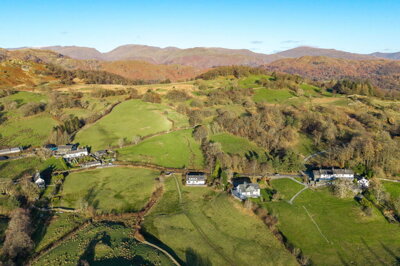
Life in Skelwith centres on the spectacular natural environment that surrounds every property in the parish. The hamlet takes its name from the Old Norse "Skelwith," meaning "the white stream," a reference to the limestone-rich waters that flow through the area. Skelwith Bridge itself spans the River Brathay, providing both a practical crossing point and an iconic local landmark that appears in countless photographs and paintings of the Lake District. The nearby Skelwith Fold Caravan Park offers holiday accommodation and a modest retail offering, while the surrounding countryside provides direct access to some of Cumbria's finest walking routes, including connections to Langstrath and Stickle Ghyll.
The parish sits within the Lake District National Park, meaning all development is subject to strict planning controls designed to preserve the area's special character. This regulatory environment, while limiting housing supply, ensures that Skelwith retains its unspoiled village atmosphere and protects property values over time. The local economy is closely tied to tourism, with visitors drawn to the area's scenic beauty, outdoor activities, and cultural heritage. The nearby towns of Ambleside and Grasmere provide essential amenities, shops, and services, while the larger city of Carlisle offers comprehensive retail, healthcare, and transport connections approximately 30 miles to the north. Community life in Skelwith is intimate by design, with the small population fostering genuine connections between residents and a shared commitment to preserving the parish's unique identity.
The area's economic character is shaped significantly by tourism, with the Lake District attracting millions of visitors annually to its landscapes, trails, and cultural attractions. This tourism economy supports strong rental demand for holiday lets, making properties in Skelwith attractive to investors seeking income potential alongside capital appreciation. However, buyers should be aware that second-home market pressures have reduced housing availability for permanent residents in parts of the Lake District, and any plans for holiday letting should account for relevant regulations and tax implications introduced in recent years.
The Skelwith Fold Manor Estate, built by a Leeds industrialist in the late 19th century, remains a notable landmark in the area, with its associated cottages reflecting the architectural heritage of Lakeland estate living. Skelwith Bridge serves as the main focal point of the parish, with the historic bridge itself listed as a Grade II structure and forming part of the visual character that defines this part of the Lake District. The surrounding countryside offers direct access to some of Cumbria's most celebrated walking routes, from gentle riverside walks along the River Brathay to challenging mountain routes up toward the Langdale Pikes and Loughrigg.

Families considering a move to Skelwith will find educational options available within the Lake District, though the rural nature of the parish means that schools are located in nearby towns rather than within the hamlet itself. Primary education is available at schools in Ambleside and Hawkshead, both within a short drive of Skelwith, serving families from the surrounding parishes. These village schools maintain traditional class sizes and strong community ties, reflecting the broader educational philosophy of Cumbria's rural schools. Secondary education is typically accessed through schools in the Windermere area or through the grammar school system in other parts of Westmorland and Furness, with school transport arrangements supporting families living in more remote locations.
The Lake District's cultural heritage extends to its educational offerings, with several independent schools operating in the broader area for families seeking alternative educational approaches. Ambleside hosts a campus of the University of Cumbria, providing higher education opportunities within the National Park itself. For families relocating from urban areas, the transition to rural schooling offers significant benefits including smaller class sizes, greater outdoor learning opportunities, and strong community involvement. Parents should research specific school catchments and admission arrangements with Westmorland and Furness Council, as catchment areas and oversubscription criteria can affect placement availability at popular schools.
Windermere School, located in the nearby town of Windermere, offers both state-funded and independent education options for secondary students, providing families with flexibility in their educational choices. The school has a strong reputation for academic achievement and a wide range of extracurricular activities, including extensive sports programmes and arts facilities. Transport arrangements from Skelwith to Windermere are managed through Westmorland and Furness Council's school transport service, though parents should verify current routes and timings as these can change annually.
The University of Cumbria's Ambleside campus offers degree programmes in subjects including geography, environmental studies, and outdoor education, reflecting the university's specialisation in subjects relevant to the Lake District environment. This provides opportunities for continued education without requiring relocation to a larger city, making Skelwith an attractive base for students and academics drawn to the National Park setting.
Skelwith enjoys excellent connectivity despite its rural setting, with the A591 running through Skelwith Bridge and providing direct routes to Windermere in the north and the A590 trunk road towards Barrow-in-Furness and the M6 motorway in the south. The A591 connects to the A592, which heads north towards Penrith and the M6 corridor, making weekend getaways to the Lake District straightforward for commuters working in Manchester or Liverpool. The nearest mainline railway stations are in Windermere and Oxenholme, where direct services to Manchester Piccadilly, Birmingham New Street, and London Euston provide regional and national connectivity. For international travel, Manchester Airport is approximately 90 miles from Skelwith, while Liverpool John Lennon Airport offers an alternative for shorter journeys.
Local bus services operated by Stagecoach connect Skelwith with Ambleside, Windermere, and Keswick, providing car-free access to essential services and neighbouring communities. The 599 bus service from Windermere to Bowness is particularly useful for accessing the lake and tourist attractions along the waterfront. Cycling is a popular mode of transport for both commuting and leisure, with the quiet country lanes around Skelwith offering scenic routes for experienced cyclists. For daily commuters to Carlisle or other regional centres, the journey time by car is approximately 45 minutes to an hour, while the journey to Manchester typically takes around two hours under normal traffic conditions. The West Coast Main Line from Oxenholme provides faster rail options for those travelling further afield, with journey times to London of approximately three hours.
The A593 runs through Skelwith Bridge, providing the primary route westwards towards the Duddon Valley and the coastal areas of south Cumbria. This road has experienced emergency closures in the past due to flooding and damaged drainage culverts following periods of heavy rainfall, highlighting the challenges that can affect road access in the Lake District terrain. Residents should factor this into their travel planning and consider alternative routes during periods of adverse weather. The scenic but winding nature of many local roads also means that journey times can be longer than distances suggest, particularly during the tourist season when traffic levels increase significantly.
Explore online listings to understand property types, prices, and availability in Skelwith and surrounding Lake District villages. Given the limited stock and high demand, early research helps buyers identify their preferred property type and budget range. Set up property alerts on major property portals to ensure you are notified promptly when new properties matching your criteria come to market.
Contact local estate agents with Skelwith experience to arrange viewings of suitable properties. Viewing properties in person helps buyers assess the condition of traditional Lakeland homes, understand the village atmosphere, and check proximity to amenities and transport links. Take notes during viewings and photograph properties to help with comparisons later.
Obtain a mortgage agreement in principle before making any offer, as this strengthens your position with sellers. Discuss your requirements with a specialist broker who understands the Lake District property market and can advise on appropriate lending products. For higher-value properties above £600,000, ensure your broker has experience arranging mortgages for premium Lakeland homes.
Book an RICS Level 2 or Level 3 Survey before completing, particularly for older stone-built properties with listed status. A thorough survey will identify any structural issues, roof condition, damp problems, or other defects common in traditional Lakeland homes. Given Skelwith's geological setting and the age of much of its housing stock, survey reports frequently flag issues with penetrating damp, deteriorating slate roofing, and timber defects.
Choose a conveyancing specialist familiar with Lake District National Park properties to handle the legal process. They will conduct searches, check planning permissions, and ensure compliance with any relevant conservation or listed building regulations. Searches should include drainage and water authority enquiries, local authority planning searches, and environmental agency flood risk data for properties near Skelwith Bridge.
Once surveys and legal checks are satisfactory, exchange contracts and agree on a completion date with the seller. On completion day, your solicitor will transfer funds and you will receive the keys to your new Skelwith home. Arrange building insurance to commence from the date of contract exchange, as this is when legal responsibility for the property transfers to you.
Purchasing a property in Skelwith requires careful attention to the specific characteristics of Lakeland homes and the constraints imposed by living within a National Park. The majority of properties are constructed from traditional stone with slate roofing, materials that offer exceptional durability but require ongoing maintenance and occasional specialist repair. Prospective buyers should pay particular attention to roof condition, checking for slipped or missing slates, deteriorating ridge mortar, and the condition of lead flashings around chimneys and dormers. Given the age of much of the housing stock, dampness issues including penetrating damp through solid walls, rising damp in properties without modern damp-proof courses, and condensation resulting from limited ventilation are common concerns that a thorough survey will identify.
The presence of 17 listed buildings within the parish means that some properties may carry listed status, which imposes significant obligations on owners regarding maintenance, alterations, and repairs. Unauthorised work on a listed building is a criminal offence, and buyers should understand these restrictions before committing to a purchase. Flood risk in Skelwith should also be assessed carefully, particularly for properties near Skelwith Bridge where the River Brathay flows. Surface water flooding can occur during periods of heavy rainfall, and damaged drainage culverts have previously caused emergency road closures on the A593. Properties in conservation areas or within the National Park may also face planning restrictions on extensions, outbuildings, and external alterations that buyers should investigate with Westmorland and Furness Council planning department before purchase.
The local geology of the Lake District, characterised by older hardened clay rocks, means that shrink-swell subsidence risk is relatively low compared to southern England. However, localised subsidence can occur from leaking drains, tree root activity, or historic ground disturbances. The area has a history of quarrying and mineral extraction, with the Skelwith Bridge slate works noted as recently closed and derelict in 2013, which may have implications for ground stability in some localities. Drainage problems are a common issue in the area, with hidden guttering behind parapet walls and defective underground drains capable of causing water ingress that affects foundations and walls. Original electrical wiring and lead pipework in older properties frequently requires updating to meet modern safety standards.
Traditional Lakeland properties in Skelwith, with their solid stone walls, complex roof structures, and heritage features, frequently benefit from the more detailed assessment provided by a RICS Level 3 Building Survey. Our team of qualified surveyors understands the specific construction methods used in Lake District properties and can identify defects that may not be apparent to untrained buyers. Whether you are purchasing a modest cottage or a substantial listed farmhouse, commissioning the appropriate survey provides essential information for your purchase decision and subsequent maintenance planning.
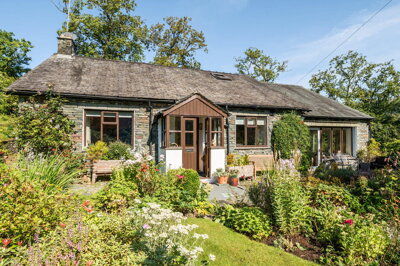
Properties in Skelwith predominantly feature traditional Lakeland construction techniques developed over centuries to withstand the local climate and utilise available materials. The characteristic brownish-red sandstone, often sourced from local quarries, provides excellent weather resistance and contributes to the distinctive appearance of villages throughout the Lake District. Westmorland Green slate, another locally quarried material, has been the traditional roofing choice for generations, with graduated slate courses providing effective water shedding on the steep pitches typical of Lakeland roofs. Many properties also feature roughcast render, applied over solid stone walls to provide additional weather protection.
The solid wall construction common to older Lakeland properties differs significantly from modern cavity wall construction, with implications for insulation, damp resistance, and maintenance. Properties built before the introduction of building regulations typically have shallow foundations and may show signs of movement over time. Timber elements, including beams, floors, and roof structures, require regular inspection for signs of rot or woodworm activity, particularly where ventilation is poor or dampness has been allowed to penetrate. Understanding these construction characteristics helps buyers appreciate both the character and the maintenance responsibilities that come with traditional Lakeland property ownership.
Understanding the full cost of purchasing property in Skelwith is essential for budgeting effectively, as the Lake District premium means that most transactions will attract meaningful Stamp Duty Land Tax liability. For a typical semi-detached property at £465,000, a buyer would pay no SDLT on the first £250,000 and 5% on the remaining £215,000, resulting in a total SDLT bill of £10,750. Higher-value properties at £690,000 or £975,000 would incur substantially larger bills at the relevant higher rate bands. First-time buyers should explore their enhanced relief entitlements, which raise the zero-rate threshold to £425,000 and the reduced rate threshold to £625,000, though no relief applies above that ceiling.
Beyond stamp duty, buyers should budget for survey costs, with RICS Level 2 Surveys in Cumbria starting from approximately £395 for standard properties. However, traditional stone-built homes in Skelwith with their complex roof structures and potential maintenance needs may require the more comprehensive RICS Level 3 Building Survey, particularly for listed properties where specialist expertise is valuable. Conveyancing costs typically start from £499 for standard transactions, though complications such as listed building status, National Park planning requirements, or leasehold elements may increase fees. Land Registry registration fees, mortgage arrangement fees, and moving costs complete the typical purchase budget, and buyers should aim to hold sufficient reserves beyond their deposit to cover these additional expenses comfortably.
Council tax bands in Skelwith are set by Westmorland and Furness Council, with bands ranging from A to H depending on property value and type. Traditional Lakeland cottages and smaller terraced properties often fall into bands A through C, while substantial detached homes and farmhouses may attract higher bands. The annual council tax liability forms part of ongoing ownership costs that buyers should factor into their budgeting, alongside building insurance, maintenance reserves, and utility costs that may be higher in less energy-efficient older properties.
Specific overall average house prices for Skelwith are not published separately, but transaction data from Skelwith Bridge and Skelwith Fold provides useful benchmarks. Recent sales include a semi-detached property at £465,000 (October 2024), terraced homes ranging from £540,000 to £690,000, and detached properties achieving up to £975,000. The Lake District premium means prices in Skelwith typically exceed comparable properties in surrounding areas, with traditional stone cottages and character homes commanding significant premiums from buyers seeking authentic Lakeland living. The highest recorded sale in recent years was a detached property at Skelwith Bridge selling for £975,000 in February 2024, demonstrating the upper end of the market for premium Lakeland homes.
Council tax bands in Skelwith are set by Westmorland and Furness Council, with bands ranging from A to H depending on property value and type. Traditional Lakeland cottages and smaller terraced properties often fall into bands A through C, while substantial detached homes and farmhouses may attract higher bands. Buyers should check specific bandings with the local authority or on the government council tax valuation website, as bands affect ongoing annual costs for homeowners. The banding for a specific property can be verified using the Valuation Office Agency's council tax property search tool, which provides band information for all properties in England.
Skelwith itself has no schools within the hamlet, with primary education provided by schools in nearby Ambleside and Hawkshead. Secondary education is available at schools in Windermere, including Windermere School which offers both state and independent options. The University of Cumbria maintains a campus in Ambleside for higher education. Parents should verify current admission arrangements and catchment areas with Westmorland and Furness Council, as school place availability can vary and transport arrangements may be necessary for families living in more rural locations. Windermere School has a strong reputation and offers a broad curriculum, though competition for places can be high given the school's popularity across the wider Lake District area.
Skelwith is served by local bus routes connecting to Ambleside, Windermere, and Keswick, operated primarily by Stagecoach. The nearest railway stations are Windermere (approximately 8 miles) and Oxenholme (approximately 18 miles), with Oxenholme offering direct services to Manchester, Birmingham, and London. For daily commuting, car travel remains the most practical option for reaching major employment centres, with journey times of around two hours to Manchester and approximately 45 minutes to Carlisle. The West Coast Main Line from Oxenholme provides faster rail options for those travelling to London, with journey times of approximately three hours to Euston.
Property in Skelwith offers compelling investment fundamentals driven by the enduring appeal of Lake District living and the strict planning constraints that limit new supply. The tourism economy supports strong rental demand for holiday lets, while the rarity of available properties means prices have demonstrated resilience over time. However, buyers should be aware of second-home market pressures that affect housing availability for permanent residents, and any plans for holiday letting should account for relevant regulations and tax implications. As with any property investment, capital growth depends on broader market conditions and the specific appeal of individual properties. The limited development potential within the National Park provides a structural support for property values, as supply will always be constrained by planning policy.
Stamp Duty Land Tax rates from April 2024 apply 0% duty on the first £250,000 of residential property purchases, 5% on £250,001 to £925,000, 10% on £925,001 to £1.5 million, and 12% on amounts exceeding £1.5 million. First-time buyers qualify for increased relief, paying 0% on the first £425,000 with 5% on £425,001 to £625,000. Given the premium nature of Skelwith properties, most purchases will attract SDLT at the standard rates. Your conveyancing solicitor will calculate the exact liability based on your purchase price and circumstances. For example, a £465,000 semi-detached property would incur SDLT of £10,750, while a £975,000 detached home would attract SDLT of £47,500.
Properties near Skelwith Bridge should be assessed carefully for flood risk, as the River Brathay flows through the area and has the potential to cause river flooding during periods of extreme weather. Surface water flooding is also a concern in the Lake District, where heavy rainfall can overwhelm drainage systems and cause flooding even away from watercourses. The A593 has experienced emergency closures due to flood damage following heavy rainfall, demonstrating the local vulnerability to water-related issues. Prospective buyers should consult the Environment Agency's flood risk maps and request a conveyancing search specifically addressing flood risk for any property near water or in low-lying areas. Appropriate insurance should be factored into ongoing ownership costs for properties with any identified flood risk.
From 4.5%
Specialist mortgage advice for Lake District properties including listed buildings and higher-value homes
From £499
Conveyancing specialists familiar with National Park properties and listed building regulations
From £395
Standard survey suitable for modern properties in good condition
From £500
Detailed survey recommended for traditional stone properties and listed buildings
Properties for Sale In London

Properties for Sale In Plymouth

Properties for Sale In Liverpool

Properties for Sale In Glasgow

Properties for Sale In Sheffield

Properties for Sale In Edinburgh

Properties for Sale In Coventry

Properties for Sale In Bradford

Properties for Sale In Manchester

Properties for Sale In Birmingham

Properties for Sale In Bristol

Properties for Sale In Oxford

Properties for Sale In Leicester

Properties for Sale In Newcastle

Properties for Sale In Leeds

Properties for Sale In Southampton

Properties for Sale In Cardiff

Properties for Sale In Nottingham

Properties for Sale In Norwich

Properties for Sale In Brighton

Properties for Sale In Derby

Properties for Sale In Portsmouth

Properties for Sale In Northampton

Properties for Sale In Milton Keynes

Properties for Sale In Bournemouth

Properties for Sale In Bolton

Properties for Sale In Swansea

Properties for Sale In Swindon

Properties for Sale In Peterborough

Properties for Sale In Wolverhampton

Enter your details to see if this property is within your budget.
Loans, cards, car finance
Estimated property budget
Borrowing + deposit
You could borrow between
Typical borrowing
Monthly repayment
Est. at 4.5%
Loan-to-value
This is an estimate only. Your actual budget may vary depending on interest rates, credit history, and personal circumstances. For an accurate affordability assessment, speak to one of our free mortgage advisors.
This calculator provides estimates for illustrative purposes only and does not constitute financial advice. Your home may be repossessed if you do not keep up repayments on your mortgage. Estimates based on 4.5% interest rate, repayment mortgage. Actual rates depend on your circumstances.
Homemove is a trading name of HM Haus Group Ltd (Company No. 13873779, registered in England & Wales). Homemove Mortgages Ltd (Company No. 15947693) is an Appointed Representative of TMG Direct Limited, trading as TMG Mortgage Network, which is authorised and regulated by the Financial Conduct Authority (FRN 786245). Homemove Mortgages Ltd is entered on the FCA Register as an Appointed Representative (FRN 1022429). You can check registrations at NewRegister or by calling 0800 111 6768.

We use cookies to show you personalised content and improve your experience of our website. Find out more in our Privacy policy and Cookie policy.