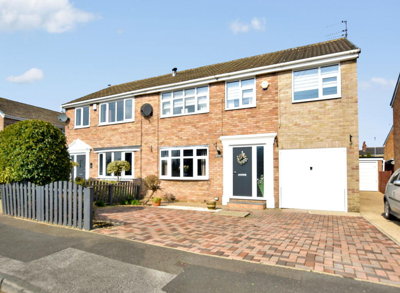
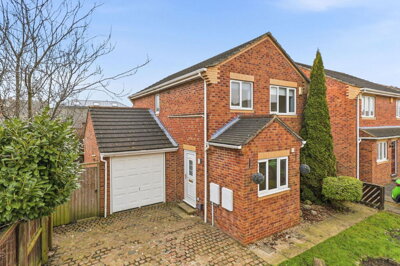
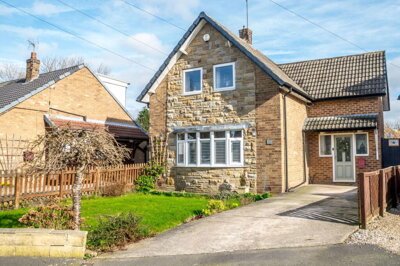
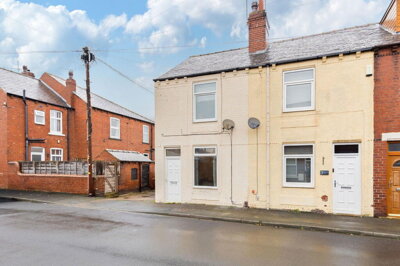
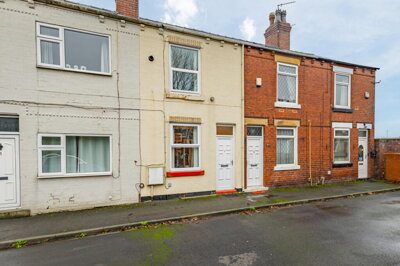
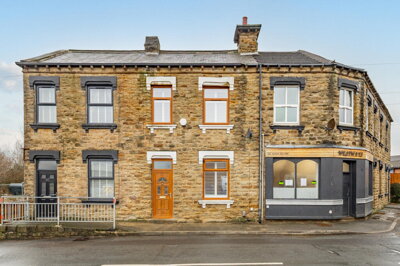
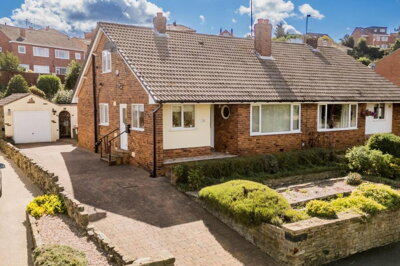
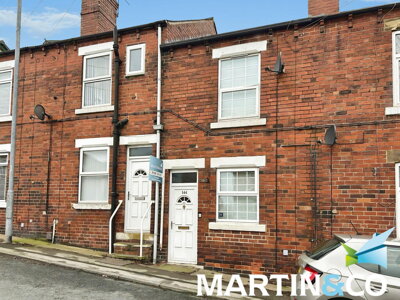
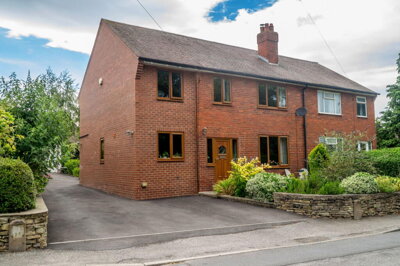
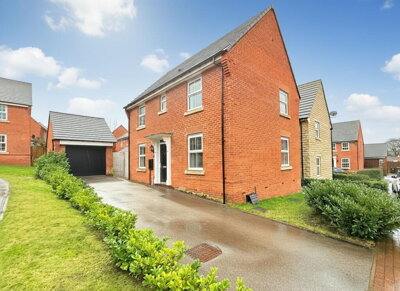
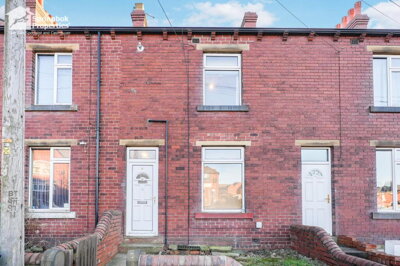
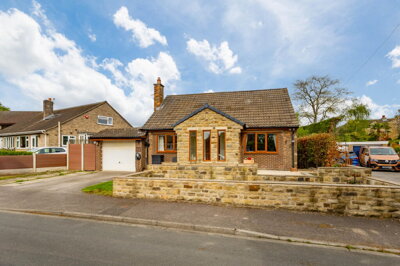
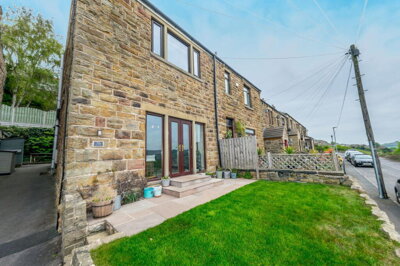
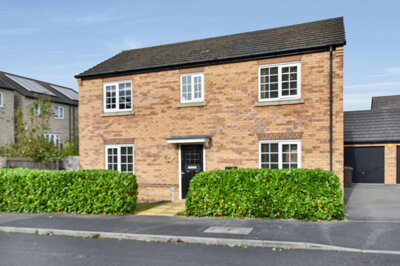
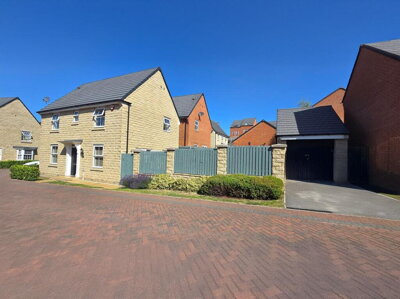
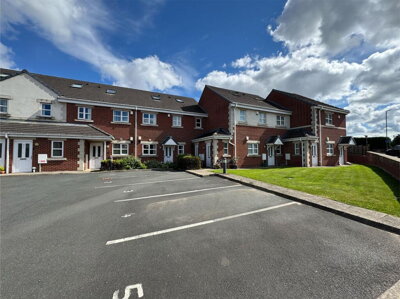
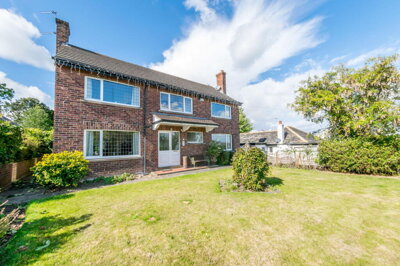
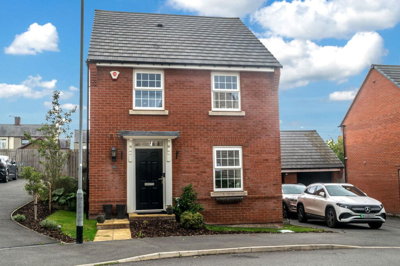
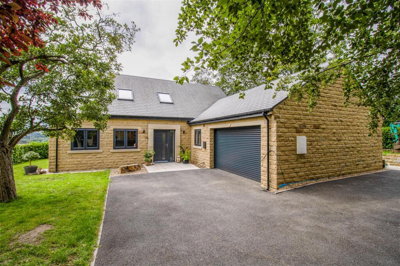
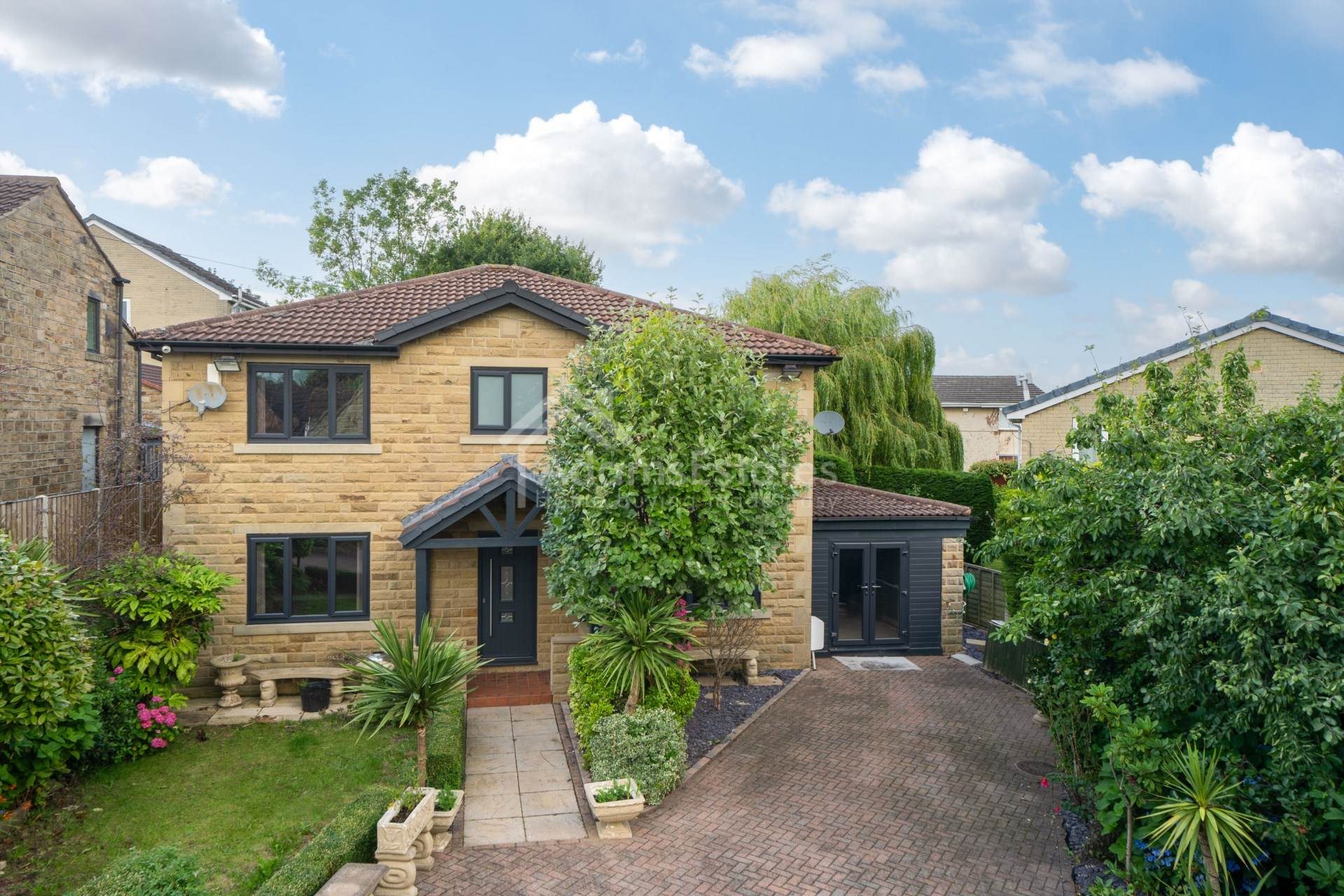
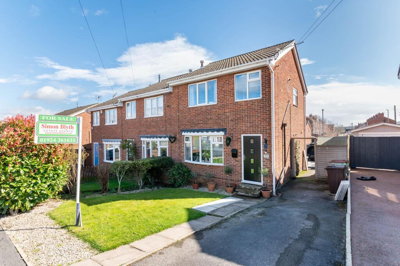
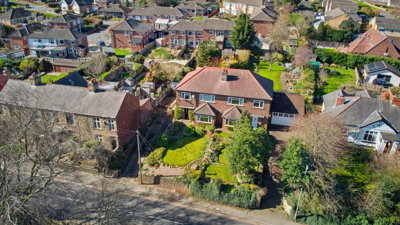
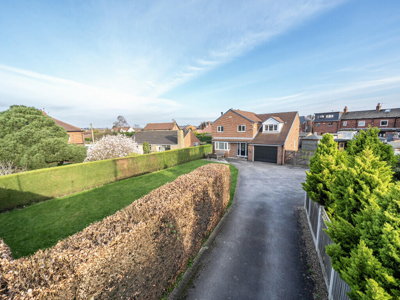
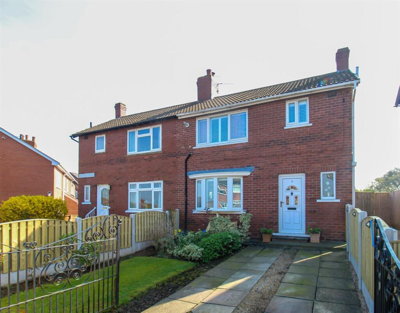
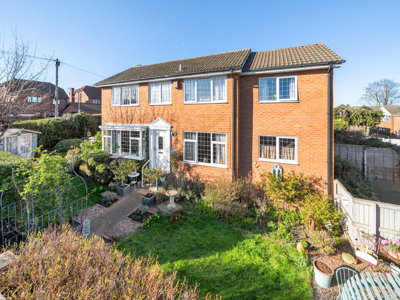
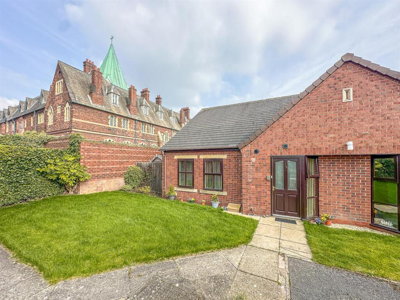
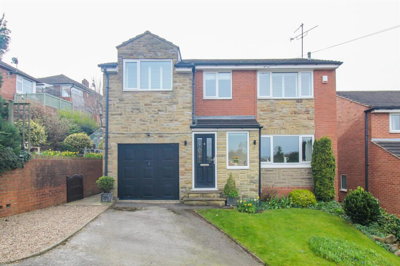
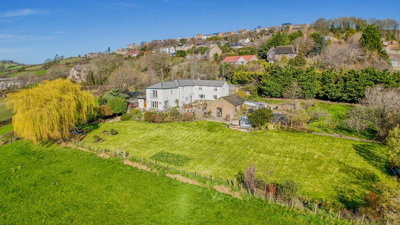
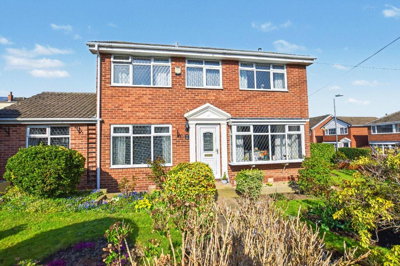
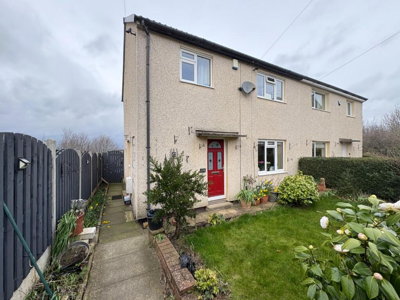
Browse 383 homes for sale in Sitlington, Wakefield from local estate agents.
£290k
47
3
117
Source: home.co.uk
Source: home.co.uk
Detached
14 listings
Avg £564,750
Semi-Detached
12 listings
Avg £302,488
Semi-Detached Bungalow
7 listings
Avg £245,564
End of Terrace
5 listings
Avg £250,940
Terraced
3 listings
Avg £168,333
Barn Conversion
1 listings
Avg £469,950
Bungalow
1 listings
Avg £595,000
Character Property
1 listings
Avg £650,000
Cottage
1 listings
Avg £265,000
Detached Bungalow
1 listings
Avg £350,000
Source: home.co.uk
Source: home.co.uk
The property market in Sitlington reflects its character as a collection of historic West Yorkshire villages with deep roots in coal mining and ironstone extraction. Properties in the area typically include Victorian and Edwardian terraced houses, many built during the coal mining era when the local economy depended on collieries and ironstone mining from the Tankersley ironstone seam. These traditional stone-built homes often feature original fireplaces, high ceilings and generous room proportions that appeal to buyers seeking period character over modern finishes. The housing stock also includes semi-detached family homes constructed during the mid-twentieth century as the mining industry expanded, along with more recent developments that have added variety to the local market.
Rightmove lists properties for sale across Sitlington's villages, though aggregate price data for the parish is not published separately by major property portals. Properties in comparable West Yorkshire village locations within the Wakefield metropolitan district have seen moderate price growth in recent years as buyers increasingly seek space and community beyond larger towns. The National Coal Mining Museum for England, located in Overton at the former Caphouse Colliery, serves as a landmark for the area and influences buyer interest in the local property market by highlighting the region's heritage.
The ten listed buildings within Sitlington civil parish include notable structures such as Netherton Hall and its associated buildings, several Grade II structures and two Grade II* buildings that reflect the architectural heritage of the area. Properties near these heritage assets may appeal to buyers seeking character homes with historical significance, though those considering listed buildings should be aware that permitted development rights are typically more restricted than for unlisted properties.
Life in Sitlington offers residents a strong sense of community rooted in the shared heritage of West Yorkshire mining villages. Each of the five main settlements within the parish has its own identity while contributing to the cohesive character of the area. Middlestown, Netherton and Overton serve as the primary service centres, offering local shops, pubs, primary schools and community halls. The annual tradition of rushbearing and well-dressing ceremonies in some villages continues traditions that date back centuries, reflecting the deep-rooted community bonds that make village life here distinctive.
The natural landscape of Sitlington is shaped by its position within the South Yorkshire Coalfield region and its proximity to the River Calder, which forms the northeastern boundary of the parish. Coxley Woods provides a notable local amenity, with a disused quarry cut into Thornhill Rock sandstone formations estimated at 300 million years old. Walking routes through the area connect the villages and offer views across the rolling countryside that surrounds them, with the underlying geology featuring Coal Measures with sandstone, coal seams and Millstone Grit that have shaped the landscape over millennia.
The proximity to the National Coal Mining Museum provides residents with access to heritage attractions while the nearby city of Wakefield offers comprehensive retail, dining and cultural facilities within easy reach. A recent planning approval for a solar farm on 158 acres of green belt land at New Hall Farm in Overton reflects ongoing development within the parish, though this renewable energy project does not directly affect residential property availability. Those considering relocation will find that the villages maintain their own primary schools, local shops and community facilities while benefiting from shared access to the wider amenities of the Wakefield metropolitan area.

Families considering a move to Sitlington will find several primary schools serving the parish and surrounding villages. The local primary schools in Middlestown, Netherton and Overton serve their immediate communities, with most children progressing to secondary education in the wider Wakefield area. Parents should research individual school performance through Ofsted reports and contact the Wakefield Council education department for the most current information on admission arrangements and catchment area boundaries.
Secondary school options for Sitlington residents include schools in the Horbury, Wakefield and Dewsbury areas, with school transport arrangements varying based on specific addresses within the parish. For families prioritising grammar school education, nearby selective schools in the West Yorkshire region may be worth considering, though admission is based on the eleven-plus examination and catchment distances apply. Sixth form and further education provision is available at colleges in Wakefield, offering a wide range of A-level and vocational courses for students completing their secondary education.
When budgeting for a move to the area, families should factor in potential school transport costs if their chosen secondary school requires travel beyond walking distance. The hilly terrain surrounding the villages means that cycling to school is viable for older students with reasonable fitness, though this depends on the specific location within the parish relative to school placement. Early enquiry about catchment areas is advisable given that school places in popular catchment zones can be competitive, particularly for families moving from outside the immediate area.
Commuting from Sitlington is practical thanks to the area's connections to the regional transport network. The M1 motorway is accessible within a short drive, providing links to Leeds, Sheffield, Barnsley and the wider motorway network. For rail travel, the nearest major stations are in Wakefield and Barnsley, offering services to major northern cities including Leeds, Sheffield, Manchester and York. Bus services operated by Arriva and other local providers connect the villages within Sitlington to Wakefield city centre and neighbouring towns, though service frequencies may be limited on evenings and weekends.
Cyclists and walkers will appreciate the rural lanes connecting Sitlington's villages, though the hilly terrain requires some fitness for regular cycling commutes. Road parking in the villages is generally available, unlike in larger urban areas, making car ownership practical for residents who need to travel for work or amenities. Those working from home benefit from improving broadband availability across the area, though speeds can vary between villages and properties may wish to check specific coverage with providers.
For commuters travelling to Leeds or Sheffield by train, the drive to Wakefield stations typically takes around 20-30 minutes depending on traffic conditions and the specific village of departure. Morning rush hour traffic on routes toward the M1 can be busy during weekdays, so residents working in Leeds or Sheffield may find leaving earlier helps avoid delays. The WF12 and WF4 postcode locations mean that some residents have quicker access to Barnsley services, which can be advantageous depending on workplace location.
Spend time exploring Sitlington's villages to find the location that suits your lifestyle. Visit local shops, pubs and community facilities in Middlestown, Netherton and Overton to understand day-to-day life in each settlement. Consider factors such as proximity to schools, public transport links and the character of different neighbourhoods within the parish.
Contact a mortgage broker or lender to obtain an agreement in principle before starting your property search. This strengthens your position when making offers and helps you understand your budget within the Sitlington market. Given the variety of property types available, from Victorian terraces to modern detached homes, getting financial approval early helps narrow your search effectively.
Browse current listings across Sitlington and arrange viewings of properties that match your criteria. Take time to assess the condition of properties and note any maintenance concerns or renovation potential. When viewing stone-built period properties, look for signs of damp, structural movement or historic mining activity that may require attention.
Once you have an offer accepted, arrange a RICS Level 2 HomeBuyer Report or Level 3 Building Survey to assess the property condition. Given the age of many properties in the area and the mining history of the South Yorkshire Coalfield, a thorough survey is particularly important to identify any subsidence risk or historic mine working concerns that could affect the property.
Appoint a conveyancing solicitor to handle the legal aspects of your purchase. They will conduct searches, handle contract negotiations and manage the transfer of ownership through to completion. Given Sitlington's mining heritage, ensure your solicitor arranges appropriate mining searches as part of the conveyancing process.
Finalise your mortgage, pay your deposit and sign contracts to exchange. Your solicitor will coordinate the final steps including Land Registry registration, with completion typically scheduled shortly after exchange. On completion day, you will receive the keys to your new Sitlington home and can begin settling into your new village community.
Properties in Sitlington span several eras of construction, from Victorian mining cottages through to mid-twentieth century semi-detached houses. Many homes in the area are constructed from local sandstone and brick, materials that reflect the underlying Coal Measures geology of the South Yorkshire Coalfield. When viewing properties, pay attention to the condition of stonework, roof coverings and any signs of movement or cracking that may indicate foundation issues common in areas with mining history.
The River Calder forms the northeastern boundary of Sitlington parish, and properties in areas close to the river may carry some flood risk. Your conveyancing solicitor should arrange appropriate drainage and environmental searches to identify any flood risk or historic mining activity that could affect the property. Properties within the National Heritage List for England designation areas should be checked for any planning restrictions that may apply to renovations or extensions. The Thornhill Rock sandstone visible in Coxley Woods provides insight into the geological conditions that affect building foundations throughout the area.
The parish contains ten listed buildings including several Grade II structures and two Grade II* buildings. If you are considering purchasing a listed property or one within a conservation area, be aware that permitted development rights may be limited, requiring planning permission for alterations that would normally be allowed on unlisted properties. Always verify the listing status and any associated restrictions with your solicitor before proceeding. For unlisted period properties, check whether any planning conditions from previous permissions restrict what changes you can make.
When assessing a property in this West Yorkshire coalfield area, look carefully at the condition of walls for cracks that may indicate ground movement, check that gutters and drains are clear and functioning, and examine the roof for missing or damaged tiles. Properties with original features such as fireplaces, sash windows and cornicing often have good renovation potential, though buyers should budget for the costs of bringing such features back to good condition or replacing them sympathetically.
Specific aggregated house price data for Sitlington civil parish is not published separately, as Rightmove and other property portals typically report figures for broader postcode areas. Properties in comparable West Yorkshire village locations within the Wakefield metropolitan district have seen moderate price growth as demand for village homes with good transport connections has increased. Contact local estate agents active in the WF12 and WF4 postcode areas for current pricing information on specific property types available in Sitlington's villages.
Properties in Sitlington fall under Wakefield Council administration for council tax purposes. Banding depends on the assessed value of individual properties and ranges from Band A for lower-value properties through to Band H for the most valuable homes. You can verify the council tax band for any specific property through the Valuation Office Agency website using the property address. Wakefield Council sets the annual charge for each band and residents can pay monthly by direct debit.
Sitlington is served by several primary schools located within the villages of Middlestown, Netherton and Overton. These schools serve their immediate communities and parents should check current Ofsted ratings and admission policies directly with the schools or Wakefield Council. Secondary school options in the wider Wakefield area include both comprehensive and grammar schools, with admission determined by catchment areas and, for selective schools, by eleven-plus examination results.
Bus services connect Sitlington's villages to Wakefield city centre and neighbouring towns, though frequencies vary by route and day with reduced services on evenings and weekends. The nearest major railway stations are in Wakefield and Barnsley, offering services across the Northern network to destinations including Leeds, Sheffield, Manchester and York. The M1 motorway is accessible by car, providing direct links to major northern cities and the broader motorway network. Those relying heavily on public transport should check current timetables for their specific village location.
Sitlington lies within the South Yorkshire Coalfield, an area with a long history of coal and ironstone mining that has shaped the local landscape. Properties in the parish, particularly older terraced houses built during the mining era, may be subject to risks associated with historic mine workings. Your solicitor should arrange a mining search as part of the conveyancing process to identify any recorded mine entries, shafts or licensing history that could affect the property. Properties in areas closer to the River Calder boundary should also have flood risk assessments included in environmental searches.
Stamp Duty Land Tax applies to all residential property purchases in England. For standard purchases, there is no SDLT on the first £250,000 of the purchase price, 5% on the portion from £250,001 to £925,000, 10% up to £1.5 million and 12% above that. First-time buyers benefit from relief on the first £425,000, with 5% applied between £425,001 and £625,000. Your solicitor will calculate the exact SDLT liability based on your purchase price and circumstances.
Budgeting for your Sitlington property purchase involves several costs beyond the advertised asking price. The primary additional cost is Stamp Duty Land Tax, which applies to all English residential property transactions. For purchases below £250,000, no SDLT is payable, making Sitlington's property market accessible to many buyers at this price point. Between £250,001 and £925,000, the SDLT rate is 5% on the portion above £250,000, with higher rates applying to more expensive properties.
First-time buyers purchasing residential property up to £625,000 qualify for first-time buyer relief, which raises the zero-rate threshold to £425,000. This relief can save thousands of pounds compared to standard SDLT rates and makes property purchase more achievable for buyers without prior property ownership. Above £625,000, first-time buyer relief does not apply and standard rates become payable. Your solicitor will calculate your exact SDLT liability and include this in their completion statement.
Additional buying costs include solicitor fees for conveyancing, which typically range from £500 to £1,500 depending on the complexity of the transaction and whether the property is freehold or leasehold. Survey costs for a RICS Level 2 HomeBuyer Report start from around £350, while more comprehensive Level 3 Building Surveys cost from £600 depending on property size. Given the mining history of the South Yorkshire Coalfield, your solicitor may recommend additional searches such as a mining report, which typically costs around £30-50 but can identify significant risks. Mortgage arrangement fees, valuation fees and land registry registration costs should also be factored into your budget when calculating the total cost of purchasing your Sitlington home.
Properties for Sale In London

Properties for Sale In Plymouth

Properties for Sale In Liverpool

Properties for Sale In Glasgow

Properties for Sale In Sheffield

Properties for Sale In Edinburgh

Properties for Sale In Coventry

Properties for Sale In Bradford

Properties for Sale In Manchester

Properties for Sale In Birmingham

Properties for Sale In Bristol

Properties for Sale In Oxford

Properties for Sale In Leicester

Properties for Sale In Newcastle

Properties for Sale In Leeds

Properties for Sale In Southampton

Properties for Sale In Cardiff

Properties for Sale In Nottingham

Properties for Sale In Norwich

Properties for Sale In Brighton

Properties for Sale In Derby

Properties for Sale In Portsmouth

Properties for Sale In Northampton

Properties for Sale In Milton Keynes

Properties for Sale In Bournemouth

Properties for Sale In Bolton

Properties for Sale In Swansea

Properties for Sale In Swindon

Properties for Sale In Peterborough

Properties for Sale In Wolverhampton

Enter your details to see if this property is within your budget.
Loans, cards, car finance
Estimated property budget
Borrowing + deposit
You could borrow between
Typical borrowing
Monthly repayment
Est. at 4.5%
Loan-to-value
This is an estimate only. Your actual budget may vary depending on interest rates, credit history, and personal circumstances. For an accurate affordability assessment, speak to one of our free mortgage advisors.
This calculator provides estimates for illustrative purposes only and does not constitute financial advice. Your home may be repossessed if you do not keep up repayments on your mortgage. Estimates based on 4.5% interest rate, repayment mortgage. Actual rates depend on your circumstances.
Homemove is a trading name of HM Haus Group Ltd (Company No. 13873779, registered in England & Wales). Homemove Mortgages Ltd (Company No. 15947693) is an Appointed Representative of TMG Direct Limited, trading as TMG Mortgage Network, which is authorised and regulated by the Financial Conduct Authority (FRN 786245). Homemove Mortgages Ltd is entered on the FCA Register as an Appointed Representative (FRN 1022429). You can check registrations at NewRegister or by calling 0800 111 6768.

We use cookies to show you personalised content and improve your experience of our website. Find out more in our Privacy policy and Cookie policy.