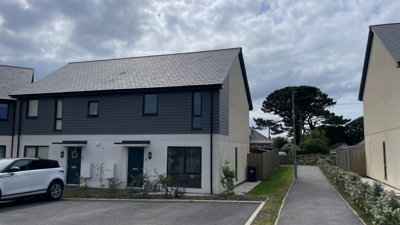
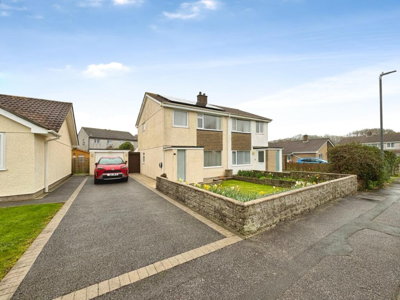
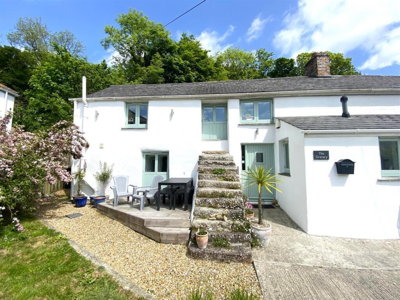
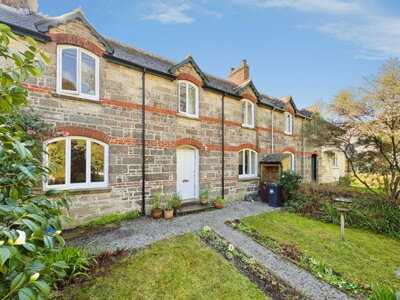
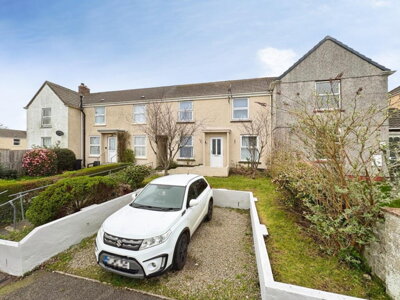
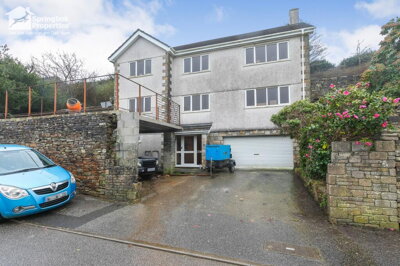
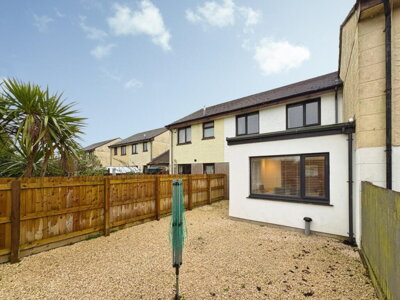
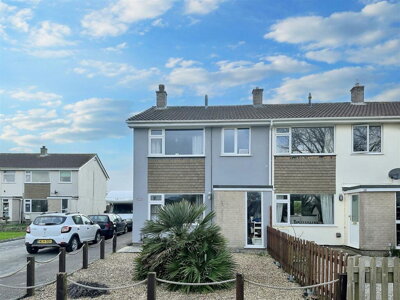
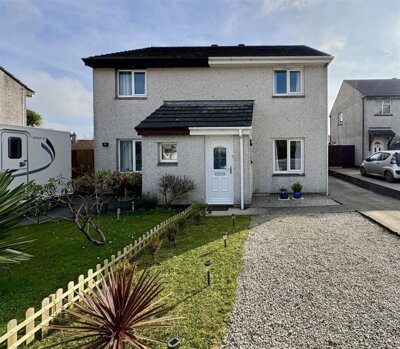
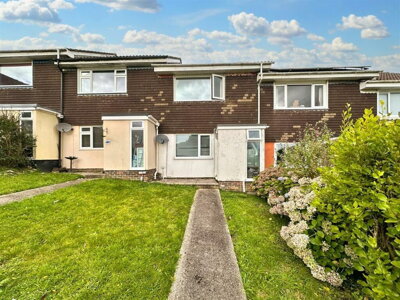
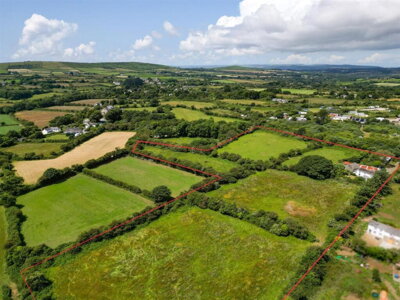
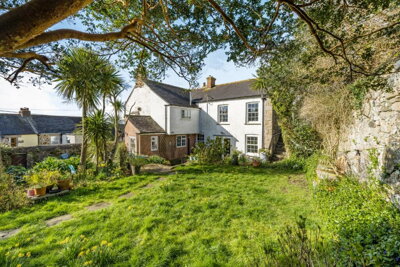
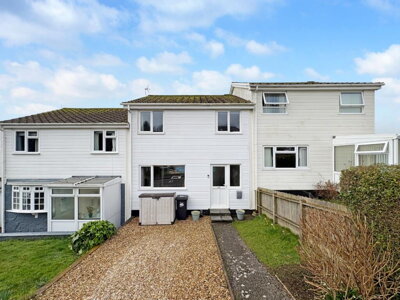
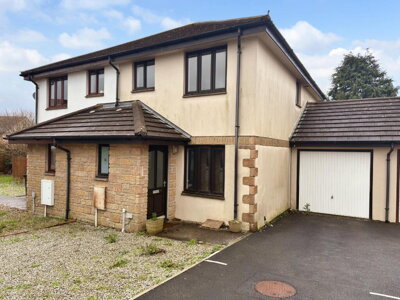
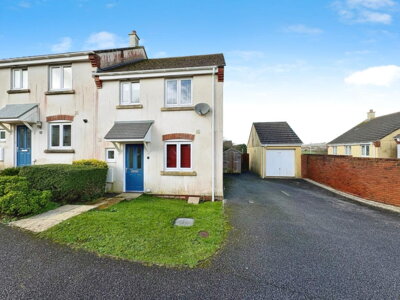
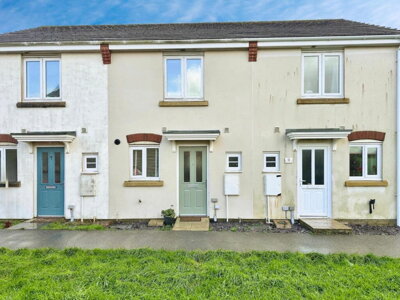
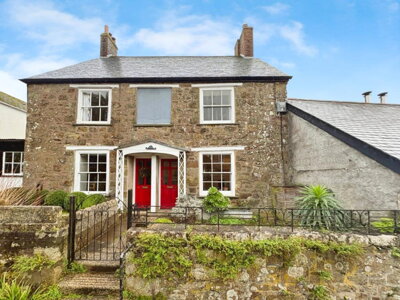
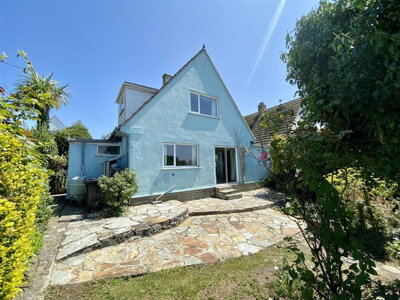
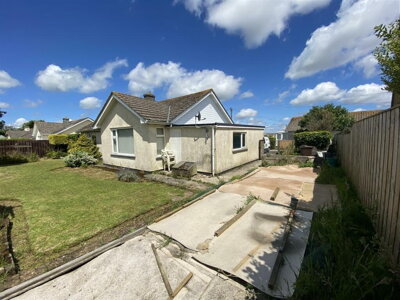
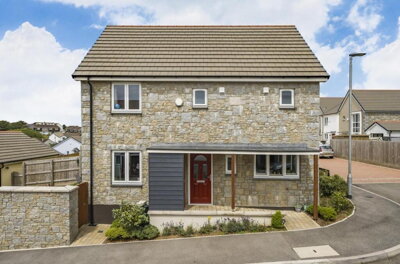
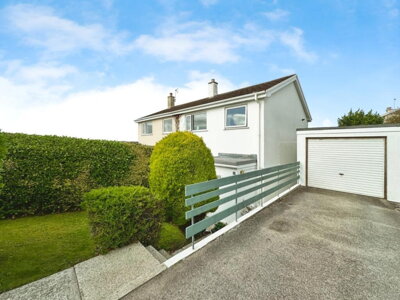
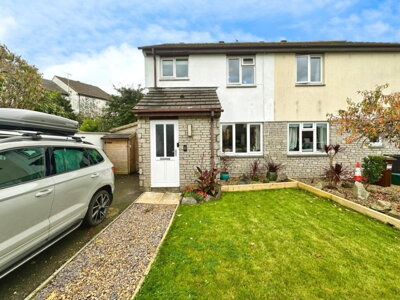
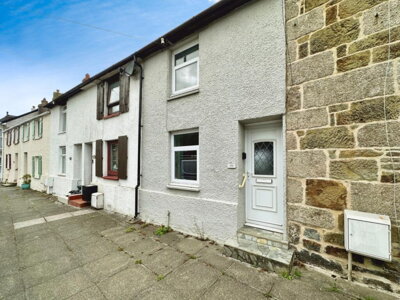
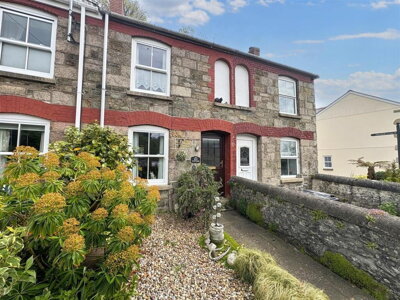
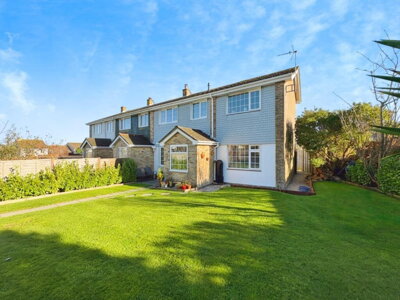
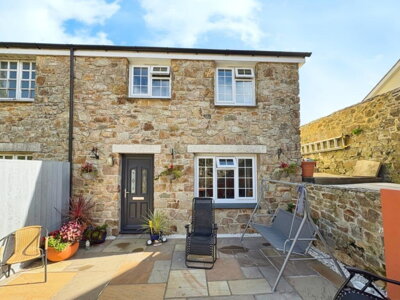
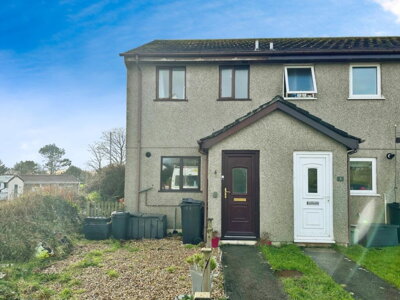
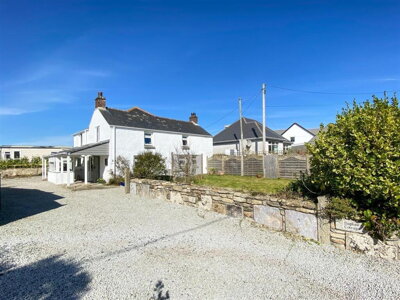
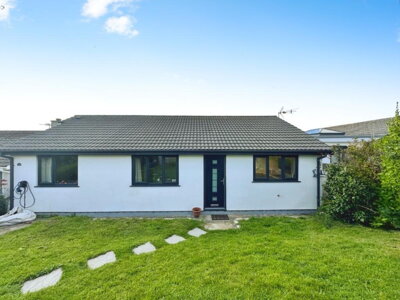
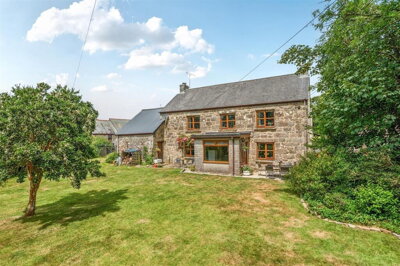
Browse 188 homes for sale in Sithney, Cornwall from local estate agents.
The Sithney property market offers detached, semi-detached, and terraced houses spanning various price ranges and neighbourhoods. Each listing includes detailed property information, photographs, and direct contact with the marketing agent.
£637k
8
0
52
Source: home.co.uk
Showing 8 results for Houses for sale in Sithney, Cornwall. The median asking price is £637,400.
Source: home.co.uk
Detached
7 listings
Avg £834,971
Terraced
1 listings
Avg £400,000
Source: home.co.uk
Source: home.co.uk
The Cotterstock property market is characterised by its dominance of detached homes, which account for approximately 80.5% of all residential properties in the village. This means buyers searching here will find an exceptional selection of spacious detached houses, many of which are constructed from the local limestone that gives the village its distinctive character. The overall average house price stands at £500,000, reflecting the premium placed on rural detached properties with generous gardens and countryside views. Semi-detached homes make up around 14.5% of the housing stock, with terraced properties comprising just 5%, while flats are virtually non-existent in this village setting. Our platform connects you directly with estate agents handling properties across Cotterstock, allowing you to browse listings and arrange viewings without delay.
Recent market activity has shown a slight cooling trend, with prices declining by approximately 1.0% over the past twelve months. Only two property sales were recorded during this period, which is typical for a village of Cotterstock's size where properties change hands infrequently. This limited transaction volume means that opportunities to purchase in Cotterstock arise rarely, and when they do, they tend to attract significant interest from buyers seeking that quintessential English village lifestyle. No active new-build developments were identified within the PE8 5XX postcode area, so buyers will be acquiring existing properties with character and history woven into every stone wall.
Understanding the age of properties in Cotterstock is essential for setting expectations. Approximately 80% of homes were built before 1980, with a substantial 45% dating from the pre-1919 period when traditional building methods and local materials were the norm. These older properties offer immense character but require informed purchasing decisions, particularly regarding their construction type, current condition, and any heritage considerations that may affect renovation plans.

Life in Cotterstock revolves around the rhythms of the seasons and the strong sense of community that binds residents together. The village is designated as a Conservation Area, which means its essential character and historic buildings are protected for future generations to appreciate. The presence of St Andrew's Church and Cotterstock Hall as listed buildings adds gravitas and historical depth to the village, creating a setting that feels untouched by the rapid changes seen in larger towns and cities. Residents often describe the pace of life here as unhurried and civilised, with village events and local traditions providing regular opportunities for social connection.
The underlying geology of Cotterstock consists primarily of Oolitic Limestone and Jurassic Clay, a combination that has shaped both the landscape and the construction methods used for local buildings over centuries. The limestone outcrops have provided building materials for generations, resulting in the warm honey-coloured stone cottages that line the village lanes. The clay elements of the local geology contribute to the fertile agricultural land surrounding the village, though buyers should be aware that clay soils can present challenges for property foundations, particularly for older buildings constructed before modern building regulations came into effect.
The village benefits from its proximity to the River Nene, which enhances the rural setting but also introduces flood risk considerations for certain properties. Areas close to the river and its tributaries may fall within flood zones 2 or 3 according to Environment Agency mapping, while surface water flooding can occur in low-lying parts of the village during periods of heavy rainfall. Prospective buyers should review these risks carefully and factor appropriate insurance arrangements into their purchasing budget. The clay geology also contributes to a moderate to high shrink-swell risk, which can affect foundations over time, especially for properties with large trees nearby or inadequate drainage.

Families considering a move to Cotterstock will find that the village serves as an excellent base for accessing educational establishments across North Northamptonshire and beyond. While Cotterstock itself is too small to support its own primary school, the nearby market town of Oundle provides excellent educational options including Oundle Church of England Primary School and the highly regarded Oundle School, a well-established independent secondary school with a reputation for academic excellence and wide-ranging extracurricular activities. Parents will find that the short commute to these schools is manageable and the quality of education available justifies the journey.
For state-funded secondary education, pupils typically look towards schools in the surrounding towns, with several options accessible via school bus services that operate from the village. The area is well-served by good and outstanding Ofsted-rated schools across both the primary and secondary phases, giving parents confidence that their children can receive excellent education without travelling to major cities. Sixth form and further education provision is available in Peterborough, which is approximately 20 miles away, offering comprehensive choices for older students pursuing A-levels, vocational qualifications, or apprenticeships. The journey from Cotterstock to Peterborough schools takes around 30-40 minutes by car, making daily commuting feasible for families committed to these options.
Despite its rural setting, Cotterstock benefits from reasonable transport connections that make commuting to larger employment centres entirely feasible. The village is situated close to the A605 road, which provides direct access to the A14 corridor and onwards to Peterborough, Northampton, and the wider motorway network. For those working in Peterborough, the journey takes approximately 30-40 minutes by car, while reaching Northampton requires around 45 minutes to an hour depending on traffic conditions. The proximity to the A1(M) to the east also opens up commuting possibilities to locations further afield including Huntingdon and Cambridge.
Public transport options are more limited, as is typical for a village of this size, but bus services operate in the area connecting Cotterstock with nearby towns and villages. The nearest railway station can be found in Peterborough, which offers regular services to London King's Cross with journey times of around 50 minutes, making the capital accessible for both work and leisure purposes. For daily commuters, the rail station at Stamford provides an alternative option with services to Peterborough and Birmingham. Many Cotterstock residents choose to drive to these stations, and the village benefits from relatively easy parking compared to larger towns.
Before making an offer, spend time exploring Cotterstock at different times of day and week to understand the community atmosphere, noise levels from the A605, and the availability of local services. Visit the nearby towns of Oundle and Stamford to assess shopping, dining, and leisure options. Walking the village lanes will give you a feel for the Conservation Area boundaries and help you identify which properties might be affected by flood risk or traffic.
Speak to a mortgage broker or lender to obtain an agreement in principle before you start viewing properties. This demonstrates your financial credibility to sellers and estate agents, giving you a competitive edge in what can be a fast-moving market where limited supply means competition between buyers can be fierce.
Work with local estate agents who know the Cotterstock market intimately. Given the limited number of properties available, be prepared to act quickly when suitable homes come to market. Take notes and photographs during viewings to help you compare properties later. Pay particular attention to the construction materials used, as many properties will be of traditional stone construction with solid walls rather than modern cavity wall insulation.
Given that approximately 80% of Cotterstock properties were built before 1980, a thorough survey is essential. The RICS Level 2 Survey will identify common issues in older stone-built properties including damp, timber defects, and any signs of movement related to the local clay geology. Survey costs in the Cotterstock area typically range from £400 to £900 depending on property size and complexity.
Appoint a conveyancing solicitor with experience in rural North Northamptonshire properties. They will handle local searches, check planning history, and ensure the purchase proceeds smoothly through to completion. For stone-built and listed properties, your solicitor should also verify whether any planning conditions relate to the property's heritage status.
Once all surveys and searches are satisfactory, your solicitor will coordinate the exchange of contracts and set a completion date. On the day of completion, the property is officially yours. Ensure buildings insurance is in place from the point of exchange, as this is when you become legally responsible for the property.
Purchasing a property in Cotterstock requires careful consideration of several area-specific factors that differ from buying in urban locations. The high proportion of older, stone-built properties means that buyers should pay particular attention to the condition of walls, roofs, and foundations. With 45% of properties built before 1919, many homes feature traditional construction methods including solid wall construction, timber floors, and traditional pitched roofs with slate or tile coverings. These features contribute to the character of the village but require careful inspection to ensure they remain in good condition.
Our inspectors frequently identify damp as a concern in Cotterstock's older properties, whether rising damp due to failed or absent damp proof courses, penetrating damp through solid stone walls, or condensation resulting from modern living in traditionally built homes. Timber defects are also common, with woodworm, wet rot, and dry rot potentially affecting floor joists, roof timbers, and other structural elements. Given that many properties have original electrical and plumbing systems, outdated wiring such as rubber or lead-sheathed cables and lead pipes may require upgrading for safety and efficiency.
Flood risk is another important consideration for Cotterstock buyers. The River Nene runs close to the village, and properties situated near the river or in low-lying areas may be located in flood zones 2 or 3. Surface water flooding can also occur during periods of heavy rainfall, particularly in areas underlain by clay soils where drainage may be less effective. Prospective buyers should consult the Environment Agency flood maps and discuss appropriate insurance arrangements with their mortgage lender. A thorough survey will identify any signs of previous flooding or water damage that might not be immediately apparent during a viewing.
The village's Conservation Area designation brings planning considerations that buyers should understand before committing to a purchase. Properties in conservation areas are subject to additional planning controls that affect external alterations, extensions, and even some internal works that affect the external appearance of buildings. If you are planning any changes to a property, you should consult with the North Northamptonshire planning authority to understand the requirements. Similarly, if the property is listed, which is likely given the village's heritage, Grade II listing brings stricter controls and the potential requirement for listed building consent for various works. Specialist surveys such as the RICS Level 3 Building Survey may be appropriate for listed properties to fully assess their condition and identify any required maintenance.
The current average house price in Cotterstock stands at approximately £500,000, with this figure heavily influenced by the predominance of detached properties in the village. Given that around 80.5% of homes are detached, with prices typically ranging from £400,000 to over £1 million depending on size, condition, and garden, buyers should budget accordingly. The market has shown a slight softening of around 1.0% over the past twelve months, though this reflects limited transaction volumes rather than any fundamental weakness in demand for village properties. With only two sales recorded in the past year, the Cotterstock market moves slowly, making it important to act quickly when suitable properties become available.
Properties in Cotterstock fall under the council tax jurisdiction of North Northamptonshire Council. Council tax bands range from A to H and are based on the property's assessed value rather than its market value or sale price. Given the village's character and the quality of properties available, many homes will fall into bands D through F, though this can vary significantly between individual properties. Larger detached family homes with substantial gardens may fall into higher bands, while smaller stone cottages could be in lower categories. Prospective buyers should check the specific band for any property they are considering through the North Northamptonshire Council website or their solicitor during the conveyancing process.
While Cotterstock itself does not have its own school, the surrounding area offers excellent educational options. Oundle Church of England Primary School serves younger children and is located in the nearby market town of Oundle, approximately 5 miles away. For secondary education, parents have access to both state and independent options in the wider area, with Oundle School being a notable independent choice that has built a strong reputation for academic excellence. Several good and outstanding-rated secondary schools are accessible from Cotterstock, with school transport services available for families living in the village. For families prioritising education, the availability of Oundle School within easy reach represents a significant advantage of the Cotterstock location.
Cotterstock has limited public transport options, reflecting its status as a small rural village. Bus services operate in the area providing connections to nearby towns including Oundle and Stamford, though frequencies are likely to be reduced compared to urban routes. For rail travel, residents typically travel to Peterborough or Stamford stations, both of which offer regular services to London and other major cities. Peterborough station provides access to London King's Cross in approximately 50 minutes, making it practical for commuters working in the capital. Most Cotterstock residents rely on car ownership for their primary transport needs, though the village's position near the A605 provides reasonable access to the wider road network including the A14 corridor for travel to Northampton and beyond.
Cotterstock offers several characteristics that appeal to property investors and buyers seeking long-term value. The village's Conservation Area status and limited property supply help protect property values, while the desirability of rural North Northamptonshire ensures consistent demand from buyers seeking village life within reach of major employment centres. Properties in the village tend to sell infrequently, which can make entry more challenging, but also suggests that well-presented homes command strong prices when offered to the market. The local economy benefits from proximity to growing towns including Peterborough and Corby, while the strong community spirit and protected village environment maintain the appeal that has sustained property values over time.
Stamp duty land tax applies to all property purchases in England and is calculated based on the purchase price. For standard residential purchases, there is no stamp duty on properties up to £250,000, with rates of 5% on the portion from £250,001 to £925,000. Given the average property price in Cotterstock of £500,000, a typical buyer would expect to pay approximately £12,500 in stamp duty on a property purchased at this price point. First-time buyers purchasing properties up to £625,000 can benefit from relief that increases the nil-rate threshold to £425,000, significantly reducing their stamp duty bill. Your solicitor will calculate the exact amount due based on your specific circumstances and purchase price.
When purchasing a property in Cotterstock, buyers should budget for several costs beyond the purchase price itself. Stamp duty land tax represents the most significant additional expense, and at the current average property price of £500,000, a standard buyer would expect to pay £12,500 in stamp duty. The tax operates on a tiered system with no charge on the first £250,000 of value, 5% on the portion between £250,001 and £925,000, and higher rates for properties above £925,000. First-time buyers purchasing properties up to £625,000 can benefit from relief that increases the nil-rate threshold to £425,000, significantly reducing their stamp duty bill and making the move more affordable for those previously locked out of the property market.
Beyond stamp duty, buyers should factor in solicitor conveyancing costs, which typically range from £500 to £2,000 depending on the complexity of the transaction and whether the property is freehold or leasehold. For Cotterstock's older stone properties and those in the Conservation Area, additional checks may be required to verify planning permissions and listed building status, which can increase legal fees. Local searches specific to North Northamptonshire, drainage and water searches, and Land Registry fees will add several hundred pounds to the legal costs. Survey costs should also be considered, with a RICS Level 2 Survey recommended for the older properties common in Cotterstock, priced between £400 and £900 depending on property size and complexity. Buildings insurance should be arranged from the point of exchange of contracts, and mortgage arrangement fees may apply depending on the lender chosen.
Removal costs and potential renovation expenses should also be accounted for in the overall moving budget. Properties in Cotterstock may require updating or improvements, particularly those built before modern building regulations. Given that 45% of the housing stock predates 1919, buyers should anticipate that some homes may need investment in rewiring, replumbing, or insulation upgrades to bring them up to contemporary standards. Setting aside a contingency fund equivalent to around 10-15% of the purchase price for unexpected works is prudent when buying any older property. We recommend obtaining detailed quotes for any planned improvements before finalising your budget to ensure you have a complete picture of the total cost of ownership.
Properties for Sale In London

Properties for Sale In Plymouth

Properties for Sale In Liverpool

Properties for Sale In Glasgow

Properties for Sale In Sheffield

Properties for Sale In Edinburgh

Properties for Sale In Coventry

Properties for Sale In Bradford

Properties for Sale In Manchester

Properties for Sale In Birmingham

Properties for Sale In Bristol

Properties for Sale In Oxford

Properties for Sale In Leicester

Properties for Sale In Newcastle

Properties for Sale In Leeds

Properties for Sale In Southampton

Properties for Sale In Cardiff

Properties for Sale In Nottingham

Properties for Sale In Norwich

Properties for Sale In Brighton

Properties for Sale In Derby

Properties for Sale In Portsmouth

Properties for Sale In Northampton

Properties for Sale In Milton Keynes

Properties for Sale In Bournemouth

Properties for Sale In Bolton

Properties for Sale In Swansea

Properties for Sale In Swindon

Properties for Sale In Peterborough

Properties for Sale In Wolverhampton

Enter your details to see if this property is within your budget.
Loans, cards, car finance
Estimated property budget
Borrowing + deposit
You could borrow between
Typical borrowing
Monthly repayment
Est. at 4.5%
Loan-to-value
This is an estimate only. Your actual budget may vary depending on interest rates, credit history, and personal circumstances. For an accurate affordability assessment, speak to one of our free mortgage advisors.
This calculator provides estimates for illustrative purposes only and does not constitute financial advice. Your home may be repossessed if you do not keep up repayments on your mortgage. Estimates based on 4.5% interest rate, repayment mortgage. Actual rates depend on your circumstances.
Homemove is a trading name of HM Haus Group Ltd (Company No. 13873779, registered in England & Wales). Homemove Mortgages Ltd (Company No. 15947693) is an Appointed Representative of TMG Direct Limited, trading as TMG Mortgage Network, which is authorised and regulated by the Financial Conduct Authority (FRN 786245). Homemove Mortgages Ltd is entered on the FCA Register as an Appointed Representative (FRN 1022429). You can check registrations at NewRegister or by calling 0800 111 6768.

We use cookies to show you personalised content and improve your experience of our website. Find out more in our Privacy policy and Cookie policy.