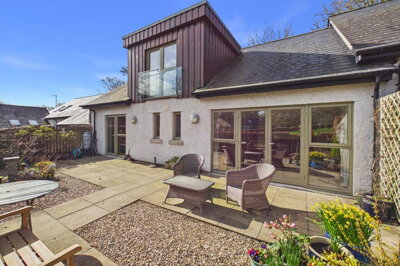
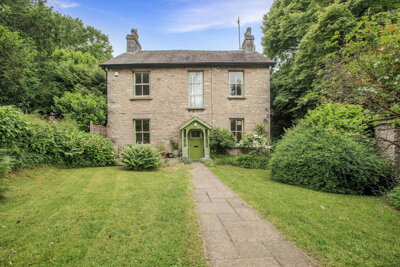
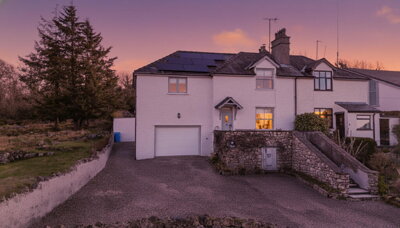
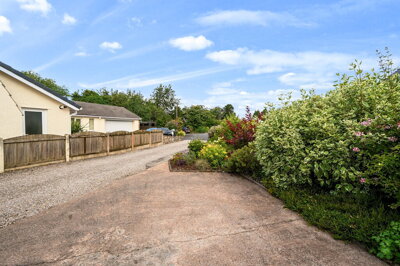
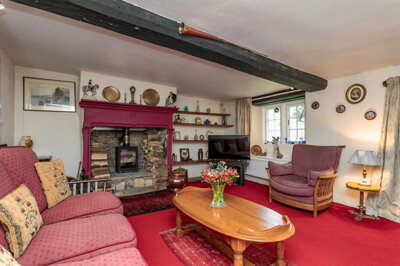
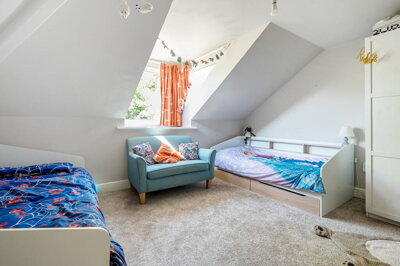
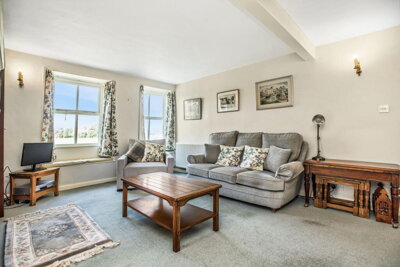
Browse 7 homes for sale in Silverdale from local estate agents.
The larger property sector typically features multiple bathrooms, substantial reception space, and private gardens or off-street parking. Four bedroom houses in Silverdale span detached, semi-detached, and occasionally terraced configurations, with styles ranging from period properties to modern executive homes.
The Silverdale property market reflects the area's status as one of Lancashire's most desirable village locations, with detached houses commanding the highest prices and forming the majority of recent sales. Our data shows detached properties averaged £486,500 over the past year, representing 57.14% of all transactions, while semi-detached houses sold at an average of £336,667 and terraced properties achieved around £317,750. Flats in Silverdale remain relatively scarce, with limited availability averaging £215,000. The most common price bracket for sold properties falls between £300,000 and £400,000, accounting for over half of all transactions and indicating strong demand for family-sized homes in this bracket.
Price trends over the past twelve months show the Silverdale market has experienced a modest correction following peak values, with average prices sitting approximately 5% below the previous year and 3% below the 2023 peak of £445,817. Some analysts project an average price of £455,522 for 2024, suggesting market stability as buyer confidence returns. The village saw an 18% change in transaction volumes compared to the previous year, consistent with broader national trends affecting rural property markets. Notably, no active new build developments are located directly within the Silverdale postcode area, meaning buyers seeking modern construction will need to consider nearby Carnforth or other surrounding villages.
The limited supply of properties in Silverdale reflects both the village's small size and the strict planning controls within the National Landscape designation, which restricts new development to protect the area's natural beauty. This supply constraint supports property values even during periods of market correction, as demand from buyers seeking a coastal village lifestyle consistently outpaces available stock. Properties along Lindeth Road, Emesby Lane, and the properties surrounding the village green consistently command premium prices due to their central positions and views across the limestone countryside.
Explore our comprehensive listings to find properties in Silverdale matching your requirements, whether you are searching for a period cottage with original features or a modern detached home suitable for a growing family.

Silverdale occupies a privileged position within the Arnside and Silverdale National Landscape, a nationally protected area characterised by its distinctive limestone geology, low rocky hills, and exposure to the shifting tides of Morecambe Bay. The village attracts residents who value outdoor recreation, with footpaths crossing the limestone pavements and salt marshes that make this stretch of coastline so ecologically significant. Leighton Moss Bird Reserve, operated by the RSPB, lies just beyond the village boundary and provides year-round habitat for bitterns, otters, and migratory birds, drawing visitors from across the North West. The village itself maintains a tranquil atmosphere, with stone cottages, period farmhouses, and the historic Silverdale Hotel clustered around the parish church of St. John, a Grade II* listed building dating from the 18th century.
The demographic profile of Silverdale reveals a community that has evolved significantly from its industrial past, when limestone quarrying and the first tar-macadam plant in the country drove local employment. Today, traditional extractive industries have ceased, and the economy centres on tourism, small businesses, and commuters travelling to Lancaster, Preston, and beyond. A notable 40% of Silverdale residents hold a university degree or similar qualification, reflecting a highly educated workforce that increasingly operates through home-based roles in fields such as IT, consultancy, and creative industries. The average resident age of 50.9 years, with a median of 56, indicates an established community with a significant proportion of retirees, though young families are also attracted by the village's lifestyle credentials and proximity to good schools.
The built environment of Silverdale tells the story of its development through distinct phases, from the medieval farms and manor houses that now appear as listed buildings through to the 1960s and 1970s expansion northward and eastward with bungalows and suburban-style housing. Twenty listed buildings are recorded within the civil parish, ranging from farmhouses and cottages to the ornamental Lindeth Tower summerhouse built in 1842, all contributing to the architectural richness that saw the entire parish designated as a Conservation Area. Properties constructed from local limestone with slate roofs remain the defining feature of the village, creating a cohesive aesthetic that new development must respect under National Landscape planning policies. Community facilities include the village hall, St. John's Church, and several caravan sites that accommodate visitors drawn to the area's natural beauty throughout the summer months.
The former Trowbarrow quarry, now a Site of Special Scientific Interest, lies within easy walking distance of the village and demonstrates the geological significance of the area's limestone formations. This former industrial site has been reclaimed by nature and provides an important habitat for rare plants and invertebrates that thrive on the limestone grasslands. Residents benefit from this unique natural heritage, with regular opportunities for wildlife watching and environmental education within the village itself.
Silverdale St. John's Church of England Primary School serves the local catchment area, with small class sizes that allow for individual attention and strong community links between staff, pupils, and parents.
Families considering a move to Silverdale will find educational provision centred primarily within the village itself, with Silverdale St. John's Church of England Primary School serving the local catchment area. The primary school provides education for children from Reception through to Year 6, with small class sizes that allow for individual attention and strong community links between staff, pupils, and parents. For secondary education, pupils typically progress to schools in the surrounding towns, with transport arrangements available for those living in the more rural parts of the parish. Parents are advised to check current catchment area boundaries and admissions criteria with Lancashire County Council, as these can affect eligibility for preferred schools.
The nearby city of Lancaster offers additional educational options including the grammar schools that serve the wider Lancaster district, which are accessible to Silverdale residents through the school transport system or daily commuting arrangements. Lancaster Royal Grammar School and central Lancaster schools serve secondary-age pupils, with many families choosing to relocate specifically to access these established institutions. For sixth form and further education, Lancaster College and the University of Lancaster campus provide comprehensive progression pathways, with the university attracting students nationally and internationally to its undergraduate and postgraduate programmes. Silverdale's proximity to the Arnside and Silverdale National Landscape also offers unique educational opportunities for environmental studies and geography fieldwork, with the limestone pavements and salt marshes providing natural outdoor classrooms.
Several independent schools in the surrounding area provide additional options for families seeking alternatives to the state system. These include schools in Kendal to the northeast and in the Lancaster area, with transport arrangements available for Silverdale residents. The presence of the University of Lancaster also creates opportunities for cultural events, lectures, and community activities that enrich the educational environment for residents of all ages.
Silverdale enjoys convenient access to the regional transport network despite its rural village setting, with the M6 motorway junction 35 approximately four miles distant providing direct connections to Lancaster and the national motorway network.
Silverdale enjoys convenient access to the regional transport network despite its rural village setting, with the M6 motorway junction 35 approximately four miles distant providing direct connections to Lancaster to the north and Preston, Manchester, and the national motorway network to the south. The A6 trunk road runs through the nearby market town of Carnforth, offering an alternative route to Lancaster city centre and connecting northward to Kendal and the Lake District beyond. For air travel, Manchester Airport is reachable within approximately 90 minutes by car, while Liverpool John Lennon Airport provides an additional option for international destinations. The strategic position of Silverdale between the coast and the Pennines makes it equally accessible to the Yorkshire Dales and the Forest of Bowland for weekend excursions.
Rail services from Lancaster station provide frequent connections to major cities, with Virgin Trains and Avanti West Coast operating services to Edinburgh, Glasgow, Manchester Piccadilly, Birmingham New Street, and London Euston. Lancaster station is located approximately seven miles from Silverdale village centre, with local bus services connecting the village to the station throughout the day. For those working in the Lancaster area, the bus route through Silverdale connects to the city centre and hospital complex, though private transport remains the primary means of commuting for most residents given the rural nature of the surrounding area. Cyclists benefit from quiet country lanes and the local footpath network, though the hilly limestone terrain requires moderate fitness levels for regular cycling.
Daily commuters to Lancaster typically allow 20-30 minutes for the journey by car, departing via the unclassified road through the village and connecting to the A6 at Carnforth. The journey to Preston takes approximately 40 minutes under normal traffic conditions, while Manchester is accessible within 75-90 minutes depending on motorway traffic. Many Silverdale residents work from home for several days per week, reducing the frequency of these longer commutes and making the village's rural location more practical for modern working patterns.
Understanding the construction methods used in Silverdale properties helps buyers appreciate both the character and the maintenance requirements of homes in this area. The majority of older properties, including the twenty listed buildings within the parish, are constructed from solid limestone walls built using traditional techniques that predate modern cavity wall construction. The local limestone, quarried from sites including the former Trowbarrow quarry, provides excellent durability but requires specific maintenance approaches, particularly regarding mortar pointing that must match the original lime-based mix to allow the walls to breathe and prevent moisture retention.
Traditional slate roofing dominates the older property stock, with Welsh slate the predominant material used on period buildings throughout the village. Properties from the 1960s and 1970s expansion phase feature a mix of concrete tile roofs and original slate, with some properties having undergone re-roofing with modern concrete or synthetic alternatives. Chimney stacks on older properties require particular attention, as the combination of limestone stack construction and traditional mortar joints makes them susceptible to weathering and water penetration. Flashing between chimneys and roof slopes is a common source of defects in older Silverdale homes, and our surveyors regularly identify deteriorated lead flashings that allow water ingress into roof spaces.
Many Silverdale properties feature original single-glazed timber sash windows that, while contributing to the architectural character of the village, result in heat loss and higher energy costs compared to modern double-glazed alternatives. Planning restrictions within the Conservation Area and National Landscape limit the scope for replacing windows with uPVC, with residents typically advised to install secondary glazing or high-performance slim-line double glazing that preserves the traditional appearance. Electrical systems in older properties frequently predate modern standards, with fuse boards, wiring, and socket outlets requiring updating to comply with current building regulations and ensure occupant safety.
Our surveyors regularly encounter specific defects when inspecting properties in Silverdale, reflecting the age and construction type of the local housing stock. Dampness represents the most frequently identified issue, manifesting as rising damp where original damp-proof courses have failed or been bridged by external ground levels, penetrating damp through limestone walls that have been rendered with cement-based mortars, and condensation-related dampness in properties with inadequate ventilation and insulation. Solid limestone walls without cavity construction are particularly susceptible to moisture penetration during periods of sustained rainfall, especially where roof gutters and downpipes have not been adequately maintained.
Roof defects frequently appear in our survey reports for Silverdale properties, ranging from slipped or cracked slates through to deteriorating ridge mortar, failed flashing around chimneys, and timber decay in roof structures where ventilation has been compromised by insulation improvements. The presence of moss on north-facing roof slopes accelerates deterioration by retaining moisture against the tiles, while vegetation growth in gutters and valleys provides evidence of inadequate maintenance that should prompt closer inspection of the roof structure. Properties with original timber roof structures may show signs of woodworm activity or fungal decay, particularly in areas where roof leaks have created persistently damp conditions.
Structural movement affecting walls and floors appears in many older Silverdale properties, typically manifesting as cracking to internal plaster finishes, uneven floors, and doors or windows that stick or fail to close properly. Such movement may result from historical subsidence, thermal movement in solid masonry construction, or the gradual consolidation of made ground beneath older buildings. While minor cracking is common in period properties and does not necessarily indicate serious structural problems, our surveyors will always investigate the cause of significant movement and recommend further inspection by a structural engineer where appropriate. The proximity of some properties to former quarry sites requires particular attention to ground conditions, as the collapse of underground limestone cavities, though uncommon, can cause significant structural damage.
Flood risk merits careful assessment given Silverdale's coastal position on Morecambe Bay, with properties in lower-lying areas potentially subject to tidal flooding during severe weather events. The Environment Agency flood maps provide guidance on historical flood extents, though buyers should also consider surface water flood risk and drainage capacity in older developments that predate modern sustainable drainage requirements. Properties near the salt marshes or caravan parks close to the bay front should be viewed with particular caution, and buildings insurance costs may be higher in flood-risk zones. A thorough RICS Level 2 survey will identify any existing water damage or damp penetration that suggests previous flooding or ongoing moisture problems.
The limestone geology that characterises Silverdale and the surrounding National Landscape generally provides good foundation conditions with low shrink-swell risk, unlike the clay soils that affect properties in many other parts of Lancashire. However, properties built on made ground, including areas where former industrial activities have been covered, may experience differential settlement that manifests as cracking and structural movement. Ground stability assessments should consider the proximity to former limestone quarries, several of which now form protected wildlife habitats with varying degrees of restoration.
Environmental factors including the proximity to Morecambe Bay and the designated National Landscape influence both lifestyle considerations and property values in Silverdale. The seasonal fluctuation in visitor numbers, particularly during summer months when caravan sites reach capacity, affects traffic levels and the availability of local services but also contributes to the community atmosphere that residents enjoy. Noise from the bay, including birdlife at Leighton Moss and weather effects during storms, forms part of the character of living in this coastal location and should be considered by prospective buyers arranging viewings at different times of year.
Start by exploring current listings on Homemove to understand what is available within your budget, noting that detached houses averaging £486,500 dominate the market while terraced and semi-detached options provide more affordable entry points around £300,000 to £340,000. Consider the implications of living within a Conservation Area and National Landscape, which affect permitted development rights and renovation options. Drive or walk around the village at different times of day to assess the atmosphere, traffic levels, and proximity to amenities before focusing your search on specific streets or property types.
Contact estate agents to arrange viewings of properties that match your requirements, and obtain a mortgage agreement in principle before making offers to demonstrate your credibility as a buyer. Given the prevalence of older properties in Silverdale, including many constructed before 1960, factor in potential repair and renovation costs when calculating your borrowing capacity. Properties with significant renovation requirements may be priced below market average but will require additional capital investment that should be reflected in your offer.
Once your offer is accepted, instruct a qualified surveyor to conduct a RICS Level 2 HomeBuyer Report, particularly important given the number of older and listed buildings in Silverdale that may have age-related defects such as damp, outdated electrics, or structural movement. Budget approximately £400 to £600 for a survey on a typical Silverdale property, with larger or more complex homes requiring higher fees. For listed buildings or properties with significant historic features, consider a RICS Level 3 Building Survey that provides more detailed analysis of construction defects and renovation considerations.
Choose a conveyancing specialist who understands the nuances of buying property in conservation areas and within a National Landscape, as local planning restrictions may affect your intended alterations or extensions. Your solicitor will conduct searches with Lancaster City Council and Lancashire County Council, review the title deeds for any covenants or rights of way affecting the property, and coordinate with your mortgage lender to ensure legal requirements are satisfied before completion. Budget approximately £800 to £1,500 for conveyancing fees in the Lancaster area, including search fees of £250 to £350.
After satisfactory survey results and completed searches, your solicitor will arrange the exchange of contracts and agree a completion date with the vendor. On completion day, the remaining funds are transferred, and you receive the keys to your new Silverdale home, ready to begin exploring your village and the stunning Arnside and Silverdale National Landscape. Arrange buildings insurance from the point of exchange and notify Lancaster City Council of your change of address for council tax purposes.
The limestone construction characteristic of Silverdale's older properties brings both aesthetic appeal and practical considerations that prospective buyers should evaluate carefully before committing to a purchase. Properties built from solid limestone walls predate modern cavity wall construction and may lack adequate insulation, resulting in higher heating costs and potential condensation issues during winter months. The local stone is generally durable, but older buildings may show signs of weathering, mortar deterioration, or vegetation growth that requires ongoing maintenance. Checking the condition of slate roofs is essential, as replacement materials for traditional Welsh slate can be costly, and any cracking or slipping tiles should be addressed promptly to prevent water ingress into the roof structure.
The conservation area designation covering the entire Silverdale parish imposes planning restrictions that affect what owners can do without seeking consent from Lancaster City Council. External alterations, extensions, satellite dishes, and demolition of boundary walls all require careful consideration, and any works to listed buildings must preserve their historic character while meeting current building regulations. Buyers planning renovation projects should verify permitted development allowances before purchasing, as restrictions can significantly impact plans for kitchen extensions, loft conversions, or annexe construction. Service charges and ground rent apply to any leasehold properties, which may include some flats or cottages within converted farm buildings, so reviewing the lease terms and remaining lease duration is essential.
Properties within the National Landscape and Conservation Area must adhere to stricter planning guidelines than standard residential properties, meaning that even permitted development options may be limited compared to other areas. External rendering, window replacement, and boundary treatments all require careful consideration, with Lancaster City Council likely to refuse applications that do not respect the traditional character of the village. This restriction on alterations actually serves to protect property values by maintaining the architectural coherence that makes Silverdale desirable in the first place, but buyers should ensure their renovation aspirations are realistic before proceeding with a purchase.
Budgeting for your Silverdale property purchase requires careful consideration of stamp duty land tax alongside the advertised purchase price, with the total investment extending well beyond the property value itself.
For a typical Silverdale home priced at the current average of £430,286, a standard buyer without first-time buyer status would incur stamp duty of approximately £9,014, calculated at 5% on the portion above £250,000. First-time buyers benefit from increased relief, paying no duty on the first £425,000 and 5% only on the amount between £425,001 and £430,286, resulting in stamp duty of approximately £264. These thresholds apply to the total purchase price including fixtures, fittings, and any contents negotiated as part of the sale. Properties priced above £925,000 will incur higher rates of 10% on the portion between £925,001 and £1.5 million, while those exceeding £1.5 million pay 12% on the remainder.
Beyond stamp duty, buyers should budget for solicitor fees averaging £800 to £1,500 for conveyancing in the Lancaster area, covering title searches, local authority searches, land registry registration, and dealing with the mortgage lender's requirements. Survey costs for a RICS Level 2 HomeBuyer Report typically range from £400 for smaller properties up to £600 or more for larger detached houses, with specialist Building Surveys for listed buildings or period properties potentially exceeding £1,000. Search fees from Lancaster City Council and Lancashire County Council average £250 to £350, while electronic money transfer fees and land registry administration charges add a further £50 to £100. Buildings insurance should be arranged from the point of exchange, and removals costs will vary depending on the distance and volume of belongings being transported to your new Silverdale home.
Ongoing costs following purchase include council tax, with most Silverdale households paying between £1,500 and £2,000 annually to Lancaster City Council depending on the property band, and utility bills that may be higher for older limestone properties lacking modern cavity wall insulation. Ground rent and service charges apply to leasehold properties, typically ranging from £100 to £500 annually, while freehold homeowners face only maintenance contributions for shared drives or estate management where applicable. Annual maintenance costs for period properties should factor in repointing, roof repairs, and decoration, with buyers advised to set aside 1% to 2% of the property value annually for upkeep of older Silverdale homes.
The average house price in Silverdale over the past year was £430,286, with detached properties averaging £486,500, semi-detached houses at £336,667, and terraced properties around £317,750. Prices have shown a modest decline of approximately 5% from the previous year and 3% from the 2023 peak of £445,817, though long-term values remain supported by strong demand from buyers seeking properties within the Arnside and Silverdale National Landscape. The most common price bracket for recent sales falls between £300,000 and £400,000, accounting for over half of all transactions and indicating consistent demand for family-sized homes in this range.
Properties in Silverdale fall under Lancaster City Council's jurisdiction and are assigned council tax bands from A through to H, depending on the property's assessed value. Band D typically represents the median for the area, though larger detached houses and period properties may be in higher bands. Contact Lancaster City Council directly or check the Valuation Office Agency website to confirm the specific band for any property you are considering purchasing. Annual council tax bills for Silverdale households generally range from £1,500 to £2,000 depending on the assigned band.
Silverdale St. John's Church of England Primary School serves the local catchment area for children aged 5 to 11, providing education within the village itself. Secondary school options include schools in Lancaster accessible via school transport, with many Silverdale families choosing institutions in the wider Lancaster district for their established reputations and broader curriculum offerings. Parents should verify current admissions policies and catchment boundaries with Lancashire County Council, as these can change annually and affect school placement eligibility. The proximity to Lancaster also provides access to grammar schools for academically gifted pupils, with school transport arrangements available from Silverdale.
Silverdale is connected to the surrounding area through local bus services linking the village to Lancaster and Carnforth, where mainline railway stations provide access to national rail services. Lancaster station offers direct trains to London, Manchester, Birmingham, and Scottish cities via Virgin Trains and Avanti West Coast, with journey times to London Euston of approximately two and a half hours. However, private transport remains the primary means of commuting for most residents, with the M6 motorway accessible within approximately four miles via the A6 through Carnforth. The village is served by the 41 bus route connecting to Lancaster city centre throughout the day.
Silverdale's restricted supply of properties, strong demand from buyers seeking National Landscape locations, and limited new build development support long-term capital growth prospects. The village attracts retirees, commuters, and those working from home, maintaining a stable buyer demographic drawn to the combination of rural character and accessibility to major employment centres. However, the conservation area designation and National Landscape planning policies limit development potential, which constrains supply while sustaining property values. The prevalence of owner-occupied homes suggests capital appreciation rather than rental yield should be the primary investment consideration, with yields in rural villages typically below 4% gross.
Standard stamp duty rates apply to purchases in Silverdale, with no duty charged on properties up to £250,000, 5% on the portion from £250,001 to £925,000, 10% from £925,001 to £1.5 million, and 12% above £1.5 million. First-time buyers benefit from relief on the first £425,000, paying 5% between £425,001 and £625,000, with no relief above that threshold. Most Silverdale properties priced around the £430,000 average will incur stamp duty of approximately £9,000 for non-first-time buyers, while first-time buyers would pay approximately £264 on the same property.
No active new build developments are located directly within the Silverdale postcode area, as the National Landscape designation restricts new housing development to protect the area's natural beauty. Buyers seeking modern construction or brand new properties should consider nearby Carnforth, approximately five miles distant, where several housing developments offer contemporary homes at various price points. Some older properties in Silverdale may have been recently renovated or extended to a modern standard, providing an alternative for buyers who require modern fixtures and fittings while benefiting from the village's character and location.
Properties in Silverdale are subject to planning restrictions from both the Conservation Area designation covering the entire parish and the Arnside and Silverdale National Landscape, which impose additional controls beyond standard planning requirements. External alterations, extensions, satellite dishes, and demolition of boundary walls all require consent from Lancaster City Council, and the council is likely to refuse applications that do not respect the traditional character of the village. Works to listed buildings must preserve their historic character and may require Scheduled Monument Consent if affecting archaeological remains. Buyers planning renovations should verify permitted development allowances with the local planning authority before committing to a purchase.
From 4.5%
Compare rates from multiple lenders
From £499
Expert legal services for your purchase
From £400
Detailed inspection by qualified surveyors
From £80
Energy performance certificate for your property
Properties for Sale In London

Properties for Sale In Plymouth

Properties for Sale In Liverpool

Properties for Sale In Glasgow

Properties for Sale In Sheffield

Properties for Sale In Edinburgh

Properties for Sale In Coventry

Properties for Sale In Bradford

Properties for Sale In Manchester

Properties for Sale In Birmingham

Properties for Sale In Bristol

Properties for Sale In Oxford

Properties for Sale In Leicester

Properties for Sale In Newcastle

Properties for Sale In Leeds

Properties for Sale In Southampton

Properties for Sale In Cardiff

Properties for Sale In Nottingham

Properties for Sale In Norwich

Properties for Sale In Brighton

Properties for Sale In Derby

Properties for Sale In Portsmouth

Properties for Sale In Northampton

Properties for Sale In Milton Keynes

Properties for Sale In Bournemouth

Properties for Sale In Bolton

Properties for Sale In Swansea

Properties for Sale In Swindon

Properties for Sale In Peterborough

Properties for Sale In Wolverhampton

Enter your details to see if this property is within your budget.
Loans, cards, car finance
Estimated property budget
Borrowing + deposit
You could borrow between
Typical borrowing
Monthly repayment
Est. at 4.5%
Loan-to-value
This is an estimate only. Your actual budget may vary depending on interest rates, credit history, and personal circumstances. For an accurate affordability assessment, speak to one of our free mortgage advisors.
This calculator provides estimates for illustrative purposes only and does not constitute financial advice. Your home may be repossessed if you do not keep up repayments on your mortgage. Estimates based on 4.5% interest rate, repayment mortgage. Actual rates depend on your circumstances.
Homemove is a trading name of HM Haus Group Ltd (Company No. 13873779, registered in England & Wales). Homemove Mortgages Ltd (Company No. 15947693) is an Appointed Representative of TMG Direct Limited, trading as TMG Mortgage Network, which is authorised and regulated by the Financial Conduct Authority (FRN 786245). Homemove Mortgages Ltd is entered on the FCA Register as an Appointed Representative (FRN 1022429). You can check registrations at NewRegister or by calling 0800 111 6768.

We use cookies to show you personalised content and improve your experience of our website. Find out more in our Privacy policy and Cookie policy.