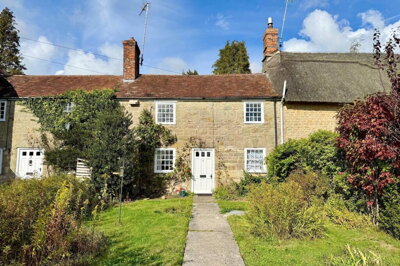
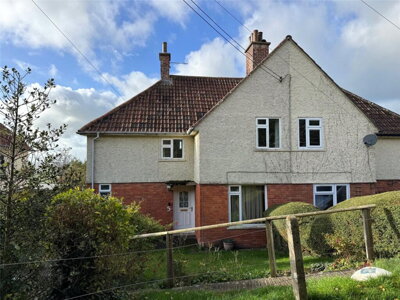
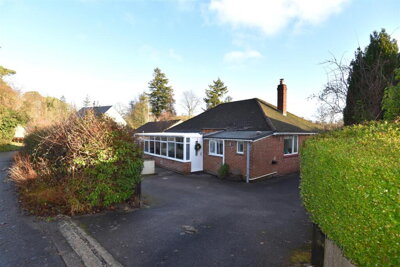
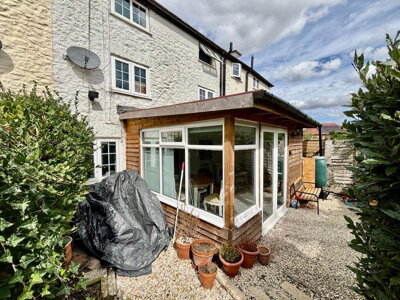
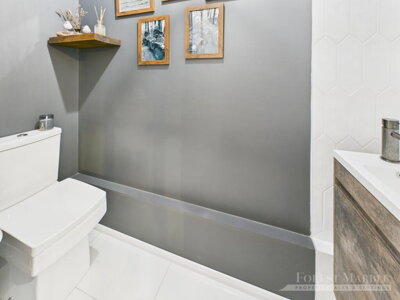
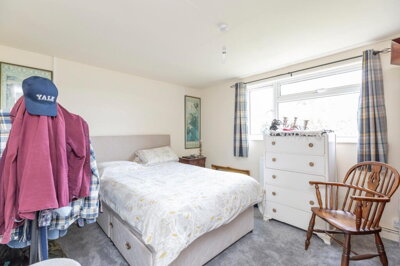
Browse 10 homes for sale in Silton, Dorset from local estate agents.
Three bedroom properties represent a significant portion of the Silton housing market, offering space for families with multiple reception rooms and gardens in many cases. Browse detached, semi-detached, and terraced options ranging from period character homes to contemporary developments.
£0k
0
0
0
Source: home.co.uk
Showing 0 results for 3 Bedroom Houses for sale in Silton, Dorset.
The Silton property market presents a distinctive opportunity for buyers seeking characterful homes in rural Dorset. The average house price stands at £465,000, with detached properties commanding premium prices averaging £637,500. Semi-detached properties in the village offer more accessible entry points at around £120,000, providing options for first-time buyers and those seeking smaller homes. The market is characterised by period properties featuring traditional stone construction, many of which retain original features that appeal to buyers seeking authenticity and character.
Recent market analysis indicates that historical sold prices in Silton have experienced significant correction over the past two decades, standing 63% below the 2006 peak of £1,250,000, suggesting potential value opportunities for long-term buyers. However, individual property sales remain relatively infrequent given the village's small size, with typically only a handful of transactions occurring each year. No active new-build developments exist within Silton itself, meaning buyers seeking modern construction will need to look to neighbouring villages or accept that their new home will carry substantial history within its walls.
Property types available in Silton typically include traditional stone farmhouses, terraced and semi-detached cottages, and period properties with varying degrees of modernisation. The Grade II Listed cottage currently available exemplifies the character properties that define this village, though such listings move quickly when they appear on the market. Buyers should be prepared to act decisively when a suitable property becomes available, as the limited supply combined with consistent demand from those seeking rural Dorset living means that well-presented homes rarely remain on the market for extended periods.

Silton is a small civil parish located in the Blackmore Vale, a lush valley in North Dorset known for its beautiful countryside and agricultural heritage. With a population of approximately 123 residents across 57 households, the village represents quintessential English rural life where community ties remain strong and the pace of life moves at a comfortable speed. The village has a long history of settlement, being recorded in the Domesday Book of 1086, and the Harris family continues to farm at Manor Farm, maintaining the agricultural traditions that have shaped the landscape for centuries. The parish church of St Nicholas stands as the spiritual centre of the community, while the village hall, originally built as a school around 1886, now serves as a focal point for local events and gatherings.
Residents describe the area as peaceful and unspoiled, with winding lanes bordered by hedgerows and traditional stone walls defining property boundaries that have remained largely unchanged for generations. The surrounding Blackmore Vale offers excellent walking and riding opportunities, with rolling countryside providing views across farmland and towards nearby villages. The village's small scale means that newcomers are quickly noticed and welcomed, creating a genuine sense of belonging that many urban dwellers find appealing when making the move to rural Dorset. Local events at the village hall provide regular opportunities for community interaction, from seasonal celebrations to regular club meetings and fundraisers that bring residents together throughout the year.
The nearest comprehensive amenities are found in Gillingham, approximately 3 miles away, where residents can access supermarkets, medical practices, and other essential services. The village itself has very limited commercial premises, which contributes to its unspoiled character but requires residents to travel for daily necessities. Those considering a move to Silton should visit at different times of the week and speak with existing residents to fully understand what daily life in this close-knit community entails before committing to a purchase.
Understanding the construction methods prevalent in Silton is essential for any prospective buyer, as the vast majority of properties here are period buildings constructed using traditional techniques that differ significantly from modern construction. Local stone, extracted from quarries in the surrounding Blackmore Vale, forms the primary building material for most farmhouses and cottages in the village. This limestone construction typically features thick solid walls that provide excellent thermal mass, though insulation levels may fall short of modern standards unless the property has undergone contemporary upgrades.
The traditional building methods used in Silton's older properties include lime mortar pointing rather than cement, timber roof structures with slate or clay tile coverings, and solid floor constructions that may incorporate stone flags or brick patterns. These materials require specific maintenance approaches that differ from modern buildings, as using inappropriate materials such as cement mortar on historic stonework can actually cause damage by trapping moisture within the walls. Prospective buyers should factor in the potential need for specialist tradespeople for any renovation or repair work, as contractors experienced with traditional construction methods are essential for preserving both the building fabric and its heritage value.
The Blackmore Vale geology, characterised by clay soils that can exhibit shrink-swell behaviour depending on moisture content, has influenced foundation design in the area over centuries. Properties built before modern building regulations may have shallow foundations that are more susceptible to movement in these conditions, particularly during periods of drought or excessive rainfall. A thorough building survey from a qualified RICS surveyor is particularly valuable for properties in Silton, as it can identify any signs of past movement, assess the current condition of foundations, and highlight any remedial works that may be required to ensure long-term structural stability.
Families considering a move to Silton will find limited educational facilities within the village itself, reflecting its small size and rural character. The nearest primary schools are located in neighbouring villages and towns, with several Ofsted-rated Good and Outstanding schools accessible within a reasonable drive. Parents should research specific catchment areas as school admissions in Dorset operate on defined geographic zones, and availability can vary depending on proximity to each institution. The lack of a school within the village means that school transportation arrangements become an important practical consideration for families with children of primary age.
Secondary education options include schools in nearby towns such as Gillingham and Shaftesbury, both of which offer comprehensive schooling through to sixth form level. For families seeking independent education, several private schools operate in Dorset, with notable options in Blandford Forum and Sherborne. Given the village's small population, parents with school-age children should carefully consider daily transport arrangements and school bus services when evaluating properties in Silton, as this practical consideration forms a significant part of daily family life in rural Dorset.
Transport logistics extend beyond education, as after-school activities, sports clubs, and social events in neighbouring towns all require reliable transportation. Many families find that owning two vehicles is practical for managing the demands of school runs combined with parental work commitments in areas where public transport options are limited. Some families choose to relocate to Silton when children are older and no longer require daily school attendance, finding that the village atmosphere suits a more relaxed lifestyle without the constant taxi service that younger families would need to arrange.
Transport connectivity represents an important consideration for residents of Silton, given its rural location within the Blackmore Vale. The village sits approximately 3 miles from the nearest town of Gillingham, which provides access to train services on the West of England Main Line, offering direct connections to London Waterloo, Bristol, and the South West. Journey times from Gillingham to London typically range from around 2 to 2.5 hours, making day commuting feasible for those working in the capital on flexible arrangements. The proximity to the A357 and A303 provides road connections to larger centres including Salisbury, Southampton, and the motorway network beyond.
Daily commuters should note that a car is effectively essential for life in Silton, as public transport options beyond the nearest town are limited. However, the beautiful countryside surrounding the village makes cycling a pleasant option for shorter local journeys, and several public footpaths and bridleways offer recreational routes through the Dorset hills and valleys. Parking within the village is generally not problematic, unlike in larger towns, which many residents consider a significant advantage of rural living. The village's position away from major arterial roads also means that noise pollution is minimal, contributing to the peaceful atmosphere that defines daily life in Silton.
For those working in Gillingham or Shaftesbury, the daily commute by car typically takes 15-30 minutes depending on the specific destination and time of day. Those working from home can enjoy the considerable benefits of rural living without the regular commute, taking advantage of the peaceful environment that Silton provides for home working. The village's broadband connectivity has improved in recent years, though prospective buyers working from home should verify current speeds at their specific property of interest, as rural broadband provision can vary considerably even within small geographical areas.
Before committing to a purchase in this rural village, spend time exploring Silton at different times of day and week. Visit the village hall, attend any local events, and speak with existing residents to understand community dynamics. Consider proximity to the nearest schools, shops, and healthcare facilities, as daily logistics differ significantly from urban living. Take time to drive the lanes at different hours to assess traffic levels and understand how the village operates across the working week and at weekends.
Contact mortgage lenders to obtain an agreement in principle before beginning your property search. With detached properties averaging £637,500 and semi-detached homes around £120,000, understanding your borrowing capacity helps narrow your search effectively. Our mortgage partners can provide competitive quotes tailored to your circumstances. Having your financing arranged before making offers demonstrates seriousness to sellers in a market where properties appear infrequently.
Work with local estate agents who know the Silton market intimately. Given the limited number of sales each year, properties can move quickly when they become available. View multiple properties to compare condition, character, and value, paying particular attention to the age and construction of period homes. Take photographs and notes during viewings, and consider revisiting properties that particularly interest you before making an offer.
Older properties in Silton, including stone farmhouses and listed cottages, benefit from thorough surveys before purchase. A RICS Level 2 Survey can identify common issues in properties of this age, including damp, roof condition, and potential subsidence risks associated with clay soils in the Blackmore Vale. Given that most properties in Silton predate 1919, the investment in a comprehensive survey is particularly prudent to avoid unexpected repair costs after purchase.
Once your offer is accepted, instruct a conveyancing solicitor to handle the legal transfer. Our recommended conveyancing partners offer competitive rates and have experience with rural properties, including listed buildings and properties with unusual tenure arrangements. Your solicitor will conduct local authority searches, review the title deeds, and flag any issues that may affect your intended use of the property.
Your solicitor will handle searches, queries, and the final contract review before you exchange contracts and pay your deposit. Completion typically follows within weeks, and you will receive your keys for your new home in Silton. Prior to completion, ensure that buildings insurance is arranged and that you have coordination in place for any immediate post-purchase work required on the property.
Purchasing property in Silton requires attention to factors specific to rural Dorset and the age of properties in the village. The Blackmore Vale is known for its clay soils, which carry a potential shrink-swell risk that can affect property foundations. Prospective buyers should investigate the foundation type and condition of any property under consideration, particularly for older stone buildings. A thorough building survey can identify signs of movement or previous subsidence that might indicate ongoing structural concerns requiring attention or expense.
Many properties in Silton fall within or near conservation considerations, and at least one Grade II Listed cottage is currently available on the market. Listed buildings carry additional responsibilities for owners, including restrictions on alterations and requirements for listed building consent for certain works. The materials used in traditional stone construction also require specialist knowledge for proper maintenance, with lime mortar rather than cement typically being the appropriate choice for repairs to historic buildings. Prospective buyers should factor in the potential costs of maintaining and renovating period properties, including the possibility of outdated electrical systems, plumbing, and insulation that may not meet modern standards.
Common defects found in Silton's period properties during surveys typically include rising damp resulting from failed or absent damp-proof courses, deterioration of timber elements such as window frames and door frames affected by woodworm or rot, and roof coverings showing signs of age with slipped or missing tiles allowing water penetration. The solid-wall construction used in traditional stone buildings means that modern insulation methods may be limited or require careful specification to avoid trapping moisture within the fabric. Electrical systems in older properties frequently require complete rewire to meet current standards, a significant cost that buyers should budget for when evaluating older cottages and farmhouses.
Those purchasing flats or properties within managed developments should carefully examine service charges and any ground rent arrangements, as these ongoing costs can significantly affect the overall affordability of a purchase. Freehold properties with land represent a substantial portion of the Silton market and generally offer fewer ongoing financial obligations, though buyers should verify the extent of any land included with the property and any rights of way or access arrangements that might affect use of the grounds. Agricultural land adjacent to some properties may have rights of way across it or be subject to environmental schemes that restrict its use.

Silton's history stretches back over a millennium, with the village being recorded in the Domesday Book of 1086, providing evidence of continuous settlement through the medieval period and beyond. The Inventory of the Historical Monuments in Dorset, Volume 4, North, published in 1972, documents significant historical structures within the parish, underlining the village's importance within the county's heritage. This historical depth is reflected in the built environment, where properties may incorporate fabric dating back several centuries and reflect the evolution of building techniques from medieval through to Victorian times.
The parish church of St Nicholas serves as both a spiritual centre and architectural landmark, likely listed for its historical and architectural significance. The village hall, constructed around 1886 as the village school, represents the Victorian era of public building and continues to serve the community in its transformed role. Many properties in Silton bear the hallmarks of different historical periods, from medieval cruck beams potentially hidden within roof structures to Georgian and Victorian additions and renovations that have shaped the village's character over centuries.
For buyers with an interest in heritage properties, Silton offers the opportunity to own buildings with genuine historical provenance in an area largely unspoiled by modern development. The limited new-build activity in the village means that the character of Silton is likely to remain largely unchanged for the foreseeable future, preserving both the aesthetic appeal and the historical integrity that makes this village distinctive within the Blackmore Vale.
The average property price in Silton, Dorset, currently stands at £465,000 based on sales over the past year. Detached properties command higher prices averaging £637,500, while semi-detached homes are available at around £120,000. The village property market is relatively small, with only a handful of sales typically occurring each year, meaning prices can vary significantly depending on property type, condition, and location within the village. Prospective buyers should note that the limited transaction volume means that comparable sales data may be sparse, making individual property valuations more dependent on surveyor assessment than in more active markets.
Properties in Silton fall under North Dorset District Council, which sets council tax rates for the area. Specific bands vary by property depending on its assessed value, with most period cottages and farmhouses likely falling into bands C through E. Prospective buyers should obtain the council tax band for any specific property through the Valuation Office Agency website or by contacting North Dorset District Council directly. Council tax contributions fund local services including refuse collection, highway maintenance, and local policing, and the level of service provision in small rural villages like Silton differs from that available in larger towns.
Silton itself does not have a school within the village, and the nearest primary schools are located in surrounding villages and towns. Parents should research specific catchment areas and admissions criteria through Dorset Council's education department. Secondary schools in nearby towns such as Gillingham and Shaftesbury provide options for older children, with several achieving Good or Outstanding Ofsted ratings. Families should consider school transport arrangements and journey times when evaluating properties in Silton, as these logistical factors form a significant part of daily family life in rural Dorset. School bus services may operate on specific routes and timetables that require planning around, and after-school activities in town may necessitate additional transport arrangements.
Silton has limited public transport options reflecting its rural location. The nearest train station is in Gillingham, approximately 3 miles away, offering services on the West of England Main Line with connections to London, Bristol, and the South West. Bus services connecting Silton to nearby towns are infrequent, and residents generally consider a car essential for daily life. However, the village's location away from major roads provides a peaceful environment, and walking and cycling routes through the surrounding Blackmore Vale countryside are readily accessible. Those considering relocation to Silton should realistically assess their transport needs, particularly if employment or regular commitments in larger towns or cities will require frequent travel.
Given that most properties in Silton are period buildings predating 1919, common defects identified during surveys include damp issues affecting solid-wall construction, timber deterioration including woodworm and fungal decay, and roof problems such as slipped tiles and deteriorated flashing. The clay soils of the Blackmore Vale can cause foundation movement, and signs of past subsidence or structural repair should be carefully assessed. Traditional building materials including lime mortar, wattle and daub infill panels, and original stonework all require appropriate maintenance knowledge. A RICS Level 2 Survey is particularly valuable for properties in Silton as it can identify these issues before purchase and provide cost estimates for any remedial work required.
No specific flood risk areas for Silton were identified in our research, though the village's location in the Blackmore Vale means that properties near watercourses or in lower-lying positions should be assessed individually. Standard drainage and water management considerations apply to all properties, and buyers should review any relevant local authority flood maps and drainage records during the conveyancing process. Properties on elevated positions within the village may offer better protection against potential flooding, though no area can be considered entirely risk-free given changing climate patterns affecting rainfall intensity and distribution across Dorset.
Silton offers a niche property market appealing to buyers seeking rural character and village atmosphere rather than strong rental yields. Property values have historically shown significant variation over time, with current prices standing 63% below the 2006 peak of £1,250,000. The village's small size and limited amenities mean it is likely to appeal primarily to owner-occupiers seeking a primary residence rather than investors. Properties with unique character, including listed buildings and traditional stone farmhouses, may hold their value well among discerning buyers who appreciate rural Dorset living. The absence of new-build development in the village helps preserve the character that attracts buyers to the area, though it also limits the supply of properties meeting modern construction standards.
Stamp Duty Land Tax applies to property purchases in England, with current thresholds set at 0% for the first £250,000 of purchase price, 5% between £250,001 and £925,000, and 10% up to £1.5 million. First-time buyers receive enhanced relief with 0% up to £425,000 and 5% between £425,001 and £625,000. For a typical Silton property at the average price of £465,000, a standard buyer would pay approximately £10,750 in stamp duty, while a first-time buyer would pay around £2,000. Specific circumstances may affect your liability, and professional advice is recommended. Additional costs including solicitor fees, survey fees, and moving expenses should also be factored into your overall budget for purchasing in Silton.
The timeframe for completing a property purchase in Silton follows the typical England and Wales process of approximately 8-12 weeks from offer acceptance to completion, though this can vary depending on chain circumstances, solicitor efficiency, and the complexity of the title. Rural properties with unusual tenure arrangements, listed building status, or agricultural land may require additional searches and enquiries that extend the timeline. Properties in Silton selling for the village average of £465,000 typically involve straightforward transactions, but buyers should be prepared for potential delays and maintain flexibility in their moving arrangements.
Silton contains properties with listed building status, including the parish church of St Nicholas and at least one Grade II Listed cottage currently available on the market. Listed buildings are protected under the Planning Act 1990, and works that might affect the character of listed structures require listed building consent from the local planning authority. Owners of listed buildings are obligated to maintain the property in a reasonable state of repair and must use appropriate materials and methods for any alterations or extensions. The additional responsibilities and potential costs associated with listed building ownership should be carefully considered before purchasing, as may result in enforcement action by Dorset Council.
From £350
A detailed inspection of your Silton property, ideal for period homes and cottages. Identifies defects common to traditional stone construction.
From £500
Comprehensive structural survey for older properties, recommended for traditional farmhouses in Silton.
From £60
Energy performance certificate required for all property sales in England.
From £150
Official valuation required if using a Help to Buy equity loan.
Understanding the full costs of purchasing property in Silton extends beyond the advertised asking price. Stamp Duty Land Tax represents the most significant additional cost for most buyers, calculated on the purchase price using current thresholds. For a property at the village average of £465,000, a buyer who has previously owned property would pay stamp duty of approximately £10,750, calculated as 5% on the portion between £250,001 and £465,000. First-time buyers benefit from relief that reduces this to approximately £2,000, as the first £425,000 attracts zero duty under current rules.
Beyond stamp duty, buyers should budget for survey costs, with a RICS Level 2 Survey typically ranging from £350 to £600 depending on property size and value. Given the age of properties in Silton, including traditional stone farmhouses and cottages potentially dating back centuries, a thorough survey is particularly valuable to identify any structural concerns or maintenance issues before commitment. Conveyancing costs generally range from £500 to £1,500 plus disbursements, covering legal work, local authority searches, and registration fees. Mortgage arrangement fees, if applicable, can add a further £0 to £2,000 depending on the lender and product chosen.
Buildings insurance must be in place from completion day, and buyers purchasing leasehold properties or properties within managed estates should factor in annual service charges and any ground rent obligations that form part of the ongoing cost of ownership in Silton. Removal costs vary depending on the volume of belongings and distance moved, while decorator and tradesperson quotes should be obtained for any immediate renovation work required after purchase. First-time buyers purchasing with a mortgage will also need to budget for lender arrangement fees, valuation fees, and the cost of buildings insurance from the point of completion.
Properties for Sale In London

Properties for Sale In Plymouth

Properties for Sale In Liverpool

Properties for Sale In Glasgow

Properties for Sale In Sheffield

Properties for Sale In Edinburgh

Properties for Sale In Coventry

Properties for Sale In Bradford

Properties for Sale In Manchester

Properties for Sale In Birmingham

Properties for Sale In Bristol

Properties for Sale In Oxford

Properties for Sale In Leicester

Properties for Sale In Newcastle

Properties for Sale In Leeds

Properties for Sale In Southampton

Properties for Sale In Cardiff

Properties for Sale In Nottingham

Properties for Sale In Norwich

Properties for Sale In Brighton

Properties for Sale In Derby

Properties for Sale In Portsmouth

Properties for Sale In Northampton

Properties for Sale In Milton Keynes

Properties for Sale In Bournemouth

Properties for Sale In Bolton

Properties for Sale In Swansea

Properties for Sale In Swindon

Properties for Sale In Peterborough

Properties for Sale In Wolverhampton

Enter your details to see if this property is within your budget.
Loans, cards, car finance
Estimated property budget
Borrowing + deposit
You could borrow between
Typical borrowing
Monthly repayment
Est. at 4.5%
Loan-to-value
This is an estimate only. Your actual budget may vary depending on interest rates, credit history, and personal circumstances. For an accurate affordability assessment, speak to one of our free mortgage advisors.
This calculator provides estimates for illustrative purposes only and does not constitute financial advice. Your home may be repossessed if you do not keep up repayments on your mortgage. Estimates based on 4.5% interest rate, repayment mortgage. Actual rates depend on your circumstances.
Homemove is a trading name of HM Haus Group Ltd (Company No. 13873779, registered in England & Wales). Homemove Mortgages Ltd (Company No. 15947693) is an Appointed Representative of TMG Direct Limited, trading as TMG Mortgage Network, which is authorised and regulated by the Financial Conduct Authority (FRN 786245). Homemove Mortgages Ltd is entered on the FCA Register as an Appointed Representative (FRN 1022429). You can check registrations at NewRegister or by calling 0800 111 6768.

We use cookies to show you personalised content and improve your experience of our website. Find out more in our Privacy policy and Cookie policy.