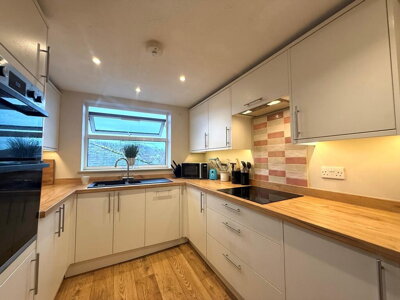
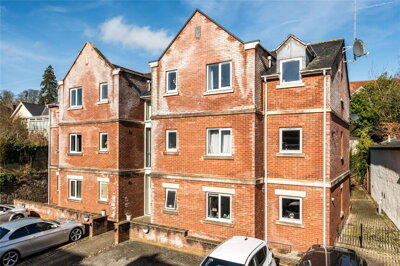
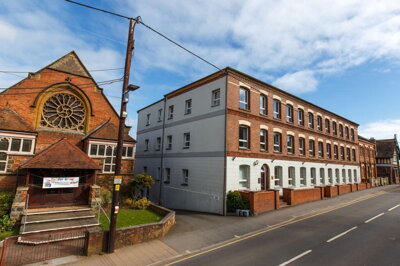
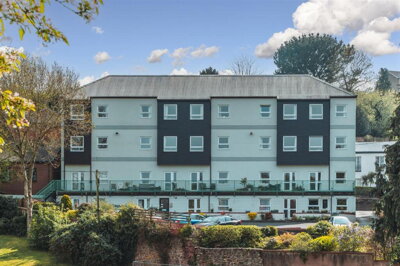
Browse 4 homes for sale in Shobrooke, Mid Devon from local estate agents.
Studio apartments feature open-plan living spaces without separate bedrooms, incorporating sleeping, living, kitchen, and bathroom facilities. The Shobrooke studio market includes properties in modern apartment complexes, converted Victorian and Georgian buildings, and purpose-built developments.
£0k
0
0
0
Source: home.co.uk
Showing 0 results for Studio Flats for sale in Shobrooke, Mid Devon.
The Stallingborough property market offers a focused selection of homes for buyers seeking village living in North East Lincolnshire. Our current listings include properties across all main categories, with detached homes averaging £280,000, semi-detached properties at around £185,000, and terraced houses from £165,000. The village has recorded 10 property sales in the past 12 months, reflecting the intimate scale of this residential community.
Property types in Stallingborough range from historic cottages within the designated Conservation Area to more modern family homes constructed from the late 20th century onwards. The village's heritage is evident in properties dating from the pre-1919 era, particularly around St Peter and St Paul's Church which holds Grade I listed status. Traditional brick construction with tiled roofs dominates the local housing stock, built to withstand the local conditions of North East Lincolnshire. Many older properties feature solid wall construction rather than cavity walls, which affects their thermal performance and renovation potential.
No active new-build developments were identified specifically within the Stallingborough postcode area, making the existing housing stock the primary source of available properties. This limited supply of new homes contributes to the village's character and makes pre-owned properties, including those requiring modernisation, potentially attractive to buyers seeking a project. The housing stock includes properties from various eras, with pre-1919 cottages sitting alongside mid-century semis and more contemporary detached family homes, creating a diverse range of options for buyers.

Life in Stallingborough centres on community spirit and the convenience of village living within reach of larger urban amenities. The village sits within the North East Lincolnshire local authority area and forms part of a network of villages that includes nearby Healing and Habrough. Residents benefit from the relative tranquility of a rural setting while Grimsby, just a short drive away, provides comprehensive shopping, healthcare, and entertainment facilities.
The village's history is tangible through its designated Conservation Area, which protects areas of special architectural and historic interest. St Peter and St Paul's Church stands as a focal point of the community, its Grade I listed status reflecting its national importance. Other listed buildings including Stallingborough Grange Hotel and various historic farmhouses contribute to the village's distinctive character and remind residents of its agricultural heritage.
The local economy in the surrounding area revolves around several key sectors that provide employment for residents. Port operations in Immingham, food processing facilities, and the growing renewable energy sector offer varied job opportunities. Many Stallingborough residents commute to these nearby employment centres, with the village's position providing straightforward access to major road routes including the A180. The strategic location near the A180 makes commuting to Grimsby, Cleethorpes, and beyond straightforward for working professionals.

Understanding the construction methods used in Stallingborough properties helps buyers assess potential maintenance needs and renovation possibilities. Traditional properties in the village, particularly those within the Conservation Area, typically feature solid brick walls constructed with lime mortar rather than modern cement-based products. This older construction method provides excellent breathability but requires different maintenance approaches compared to modern cavity wall construction. Lime mortar pointing allows moisture to evaporate from the walls, preventing the damp issues that can plague properties where modern cement has been incorrectly applied to historic fabric.
The geology of Stallingborough plays a significant role in local property construction and condition. The area sits on superficial deposits of till (boulder clay) and glaciofluvial deposits of sand and gravel, overlying solid geology of the Ancholme Clay Group. Boulder clay creates a moderate to high shrink-swell risk, meaning it expands when wet and contracts when dry. This ground movement can stress foundations, particularly those of older properties built before modern building regulations. Properties with large trees nearby are especially susceptible to foundation movement as tree roots extract moisture from the clay, causing it to shrink and potentially leading to subsidence.
Roofing in traditional Stallingborough properties typically features timber rafters covered with clay tiles or slate, though some older properties may have been re-covered with concrete tiles during mid-20th century renovations. Suspended timber floors are common in pre-1919 properties, while more modern homes built after the 1960s often feature concrete ground floors. This mix of construction ages means buyers may encounter a variety of building techniques and potential defect types when viewing properties across the village.
Properties in Stallingborough, particularly those over 50 years old, commonly exhibit defects related to their age and construction methods. Rising damp affects many solid wall properties that lack a damp-proof course or where the original DPC has failed over time. Signs include tide marks on plaster, peeling decoration at skirting board level, and musty smells in ground floor rooms. Our team recommends checking for adequate sub-floor ventilation in properties with suspended timber floors, as poor ventilation can accelerate timber decay and create conditions favourable to woodworm infestation.
Roof condition varies significantly across the village's housing stock. Older properties may show signs of slipped or broken tiles, deteriorated leadwork around chimneys and valleys, and worn or replaced felt underlay. Regular maintenance of rainwater goods is essential in Stallingborough given the local clay soils and vegetation, as blocked or damaged gutters allow water to saturate brickwork and cause penetrating damp. Buyers should note that some properties feature roof pitches with limited access, making professional inspection essential before purchase.
Electrical systems in properties built before the 1980s frequently require updating to meet current safety standards. Original wiring may be cross-linked polyethylene or even fabric-covered cable that has deteriorated over decades. Consumer units in older properties are often inadequate by modern standards, lacking the RCD protection required for safe operation. Given the village's mix of older cottages and mid-century homes, electrical condition should form part of any property assessment before commitment.
Families considering a move to Stallingborough will find educational provision available in the surrounding area. Primary education is accessible through schools in nearby villages and towns, with many families utilising the village's position to access schools in Grimsby and the surrounding area. The village's population of around 1,194 includes children of various ages, and local schools serve these communities across primary and secondary phases. School catchments can significantly influence which parts of the village appeal most to families, so checking specific admission zones before purchasing is advisable.
Several primary schools in the surrounding area serve Stallingborough families, with options in nearby villages and the outskirts of Grimsby. Schools such as those in Healing, Habrough, and New Waltham provide accessible options for primary-aged children, with many families valuing the shorter journeys compared to travelling into central Grimsby. Each school has its own admissions criteria based on proximity and catchment areas, so prospective buyers should verify which schools serve specific property locations.
Secondary education options in the wider North East Lincolnshire area include several established schools with varying academic and extracurricular strengths. Parents should research specific school catchments and admission criteria when considering properties in Stallingborough, as school placement can significantly influence the appeal of different property locations within and around the village. The Outwood Academy schools in the area provide secondary education with various specialisms, while Franklin College in Grimsby offers sixth form and further education programmes.
For families requiring early years childcare, provisions exist within the village and surrounding areas, supporting working parents and providing essential services for the local community. Further education opportunities are available in Grimsby and Cleethorpes, with colleges offering vocational and A-level programmes for students completing their secondary education. The proximity to these educational facilities makes Stallingborough practical for families at various stages of their children's education.
Stallingborough enjoys a strategic position for commuters working in the wider North East Lincolnshire area and beyond. The village is situated near the A180, which provides direct connections to Grimsby and the motorway network beyond. This accessibility makes Stallingborough popular with workers who appreciate village life but need reliable transport links to employment centres. Journey times to Grimsby town centre typically take around 15 minutes by car, while Immingham and its port facilities are reachable in approximately 20 minutes.
Rail connections are available from nearby stations including Grimsby Town and Habrough, which offers East Midlands Railway services connecting to destinations including Sheffield, Nottingham, and Liverpool. The proximity to these rail options expands employment and leisure possibilities for residents who commute by train rather than road. Habrough station is the nearest mainline option for Stallingborough residents, providing regular services to major northern cities and connections to the wider rail network.
Bus services connect Stallingborough with surrounding villages and towns, providing public transport alternatives for those without access to private vehicles. Local bus routes run between Stallingborough and Grimsby, with stops at key destinations including hospitals, shopping centres, and employment areas. For air travel, Humberside International Airport is reachable within approximately 30 minutes by car, offering domestic flights and connections to European destinations. The comprehensive transport network surrounding Stallingborough ensures residents are not isolated despite the village's peaceful character.
Spend time exploring Stallingborough before committing to a purchase. Visit local amenities, check journey times to your workplace, and speak to residents about village life. Our detailed area guides and property listings can supplement your research, helping you understand what living in Stallingborough would be like. Consider visiting at different times of day and week to gauge noise levels, traffic patterns, and community atmosphere.
Before viewing properties seriously, obtain a mortgage agreement in principle from a lender. This strengthens your position when making offers and demonstrates to sellers that you have secured financing. Our mortgage comparison tools help you find competitive rates suitable for your financial situation. Having this documentation ready signals to estate agents that you are a serious buyer ready to proceed quickly.
Contact estate agents listing properties in Stallingborough to arrange viewings. View multiple properties to compare options, taking time to assess condition, location within the village, and proximity to amenities and transport links. Pay particular attention to properties within the Conservation Area, as they may have additional planning considerations. Take photographs and notes during viewings to help compare properties later.
Once your offer is accepted, arrange a RICS Level 2 Survey to assess the property condition thoroughly. Given Stallingborough's geology and age of housing stock, this survey can identify issues such as damp, roof condition, or potential subsidence risks from the local boulder clay soils. Properties in the village commonly show signs of age that warrant professional inspection. A Level 2 Survey costs approximately £400 to £800 for a standard property and provides valuable negotiating information if defects are found.
Your solicitor will handle the legal aspects of your purchase, including local searches, reviewing the title, and coordinating with the seller's legal team. They will also flag any issues related to the Conservation Area designation or listed building status that may affect your plans for the property. Conveyancing typically takes 8-12 weeks for a standard transaction but may take longer for leasehold properties or those with complex titles.
After satisfactory survey and legal searches, your solicitor will arrange the exchange of contracts and set a completion date. On completion day, the remaining funds are transferred, and you receive the keys to your new Stallingborough home. Make sure buildings insurance is in place from the date of contract exchange, as this is when you become legally responsible for the property.
Properties in Stallingborough present unique considerations that buyers should address before committing to a purchase. The local geology presents a notable factor, as the area sits on boulder clay deposits that create a moderate to high shrink-swell risk. This clay can expand and contract with moisture changes, potentially affecting property foundations. A thorough structural survey is particularly important for older properties or those with trees nearby, as foundation movement can lead to cracking and subsidence issues. Properties on or near the glaciofluvial sand and gravel deposits may have different ground conditions that affect foundation design.
Flood risk requires careful assessment when considering properties in Stallingborough. The village has areas with surface water flood risk, particularly along roads and low-lying ground. Proximity to watercourses including the River Freshney also contributes to river flooding potential in some parts of the village. Buyers should review Environment Agency flood maps and consider the flood history of specific properties before purchasing. Properties in lower-lying areas near the village's drainage channels may be more susceptible to water ingress during heavy rainfall.
The presence of the Stallingborough Conservation Area means that certain properties may be subject to stricter planning controls. Any external alterations, extensions, or significant changes to listed buildings or properties within the Conservation Area require approval from North East Lincolnshire Council. Buyers should factor these considerations into renovation budgets and plans. Properties with solid wall construction, common in older village homes, may also have different insulation and energy efficiency characteristics compared to modern builds. Listed building consent is required for alterations to Grade II listed properties, and more extensive permissions apply to the Grade I listed St Peter and St Paul's Church and its immediate setting.
Several properties in Stallingborough qualify as listed buildings, including Stallingborough Grange Hotel and various historic farmhouses and cottages throughout the village. These properties carry legal obligations regarding maintenance and alteration that buyers must understand. While listed buildings can be wonderful homes with unique character, they require specialist approach to any renovation or repair work, using appropriate materials and techniques approved by conservation officers. The additional costs and planning considerations of owning a listed property should be factored into any purchase decision.
The average property price in Stallingborough is £237,500 according to recent Land Registry data. Detached properties average around £280,000, semi-detached homes command approximately £185,000, and terraced properties are available from around £165,000. Property prices have decreased by 5% over the past 12 months, which may present opportunities for buyers entering the market. This price decrease follows national trends but has created favorable conditions for those looking to purchase in this North East Lincolnshire village.
Properties in Stallingborough fall under North East Lincolnshire Council's council tax banding system. Bands range from A through to H, with the specific band determined by the property's value and characteristics. Most residential properties in the village fall within bands A to D, reflecting the typically modest values of village homes compared to larger towns. Prospective buyers should check the specific banding of any property they are considering, as council tax forms part of the ongoing cost of homeownership and varies depending on the property's size and valuation.
Stallingborough itself has limited school provision, with primary-aged children typically attending schools in nearby villages and towns. Families should research specific school catchments and Ofsted ratings when selecting properties, as admission is typically determined by proximity to the school. Secondary schools in the wider North East Lincolnshire area serve the village, with options including Outwood Academy and other local secondary schools. Further education options are available in Grimsby at Franklin College and other further education providers offering vocational courses and A-level programmes.
Stallingborough is served by local bus routes connecting the village with Grimsby and surrounding villages. The nearest railway stations are in Habrough and Grimsby, with Habrough offering East Midlands Railway services to Sheffield, Nottingham, and Liverpool. The village's proximity to the A180 also provides straightforward road connections to larger employment centres including Grimsby, Immingham, and beyond. Humberside Airport is approximately 30 minutes away by car, offering domestic and European flights.
Stallingborough offers potential for buyers seeking long-term investment in a village with character and community appeal. The presence of a Conservation Area and listed buildings suggests the village maintains its heritage value, which can help preserve property values over time. The recent 5% price decrease may present buying opportunities for investors, while the village's proximity to major employers in Grimsby and Immingham supports demand from commuters. Limited new-build supply in the village also means existing properties are unlikely to face significant competition from new developments.
Stamp Duty Land Tax applies to purchases above £250,000 at a rate of 5% on the portion between £250,001 and £925,000. With the average property in Stallingborough priced at £237,500, many properties fall below the standard SDLT threshold, potentially reducing upfront costs for buyers. First-time buyers benefit from relief on purchases up to £425,000, paying 5% on the amount between £425,001 and £625,000. Properties priced at £237,500 would typically attract no SDLT for first-time buyers, while other buyers would pay no tax on purchases below the threshold.
Older properties in Stallingborough, particularly those in the Conservation Area, may have maintenance needs related to their age. Common issues include damp due to absent or failing damp-proof courses, roof deterioration on traditional construction, and potential timber defects. The local boulder clay geology creates a risk of shrink-swell ground movement affecting foundations, especially for properties with trees nearby. A RICS Level 2 Survey before purchase is strongly recommended for any pre-owned property in the village to identify these issues before commitment.
Stallingborough contains several listed buildings including St Peter and St Paul's Church, which holds Grade I listed status due to its national architectural importance. Grade II listed properties include Stallingborough Grange Hotel and various historic farmhouses and cottages throughout the village. Any property within the designated Conservation Area may be subject to stricter planning controls regarding external alterations and modifications. Buyers considering listed properties should understand the obligations and costs associated with maintaining heritage designations.
From 4.5%
Find competitive mortgage rates for your Stallingborough purchase
From £499
Expert legal services for your property purchase
From £400
Professional property survey for Stallingborough homes
From £85
Energy performance certificate for your new home
Understanding the full cost of purchasing property in Stallingborough extends beyond the advertised price. Stamp Duty Land Tax (SDLT) applies to all purchases above £250,000 at the standard rate of 5% on the portion between £250,001 and £925,000. With the average property in Stallingborough priced at £237,500, many properties fall below the standard SDLT threshold, potentially reducing upfront costs for buyers. First-time buyers benefit from enhanced SDLT relief, paying no tax on purchases up to £425,000 and 5% on amounts between £425,001 and £625,000.
Additional buying costs include solicitor fees for conveyancing, which typically range from £499 to £1,500 depending on complexity and property value. A RICS Level 2 Survey costs approximately £400 to £800 for a standard 3-bedroom property in the area, while an Energy Performance Certificate (EPC) is required and costs from around £85. Local searches from North East Lincolnshire Council and environmental searches add further costs, typically £200 to £400 combined. Mortgage arrangement fees and valuation fees may also apply depending on your lender and deal chosen.
Budgeting for ongoing costs is equally important when purchasing in Stallingborough. Council tax for properties in the village falls under North East Lincolnshire Council, with most homes in bands A to D. Buildings insurance costs vary depending on property type and value but should be budgeted for from the point of contract exchange. Properties with solid wall construction may have different insurance considerations due to their age and construction type. Setting aside funds for initial maintenance and any issues identified during survey is prudent for buyers purchasing older village properties.
Properties for Sale In London

Properties for Sale In Plymouth

Properties for Sale In Liverpool

Properties for Sale In Glasgow

Properties for Sale In Sheffield

Properties for Sale In Edinburgh

Properties for Sale In Coventry

Properties for Sale In Bradford

Properties for Sale In Manchester

Properties for Sale In Birmingham

Properties for Sale In Bristol

Properties for Sale In Oxford

Properties for Sale In Leicester

Properties for Sale In Newcastle

Properties for Sale In Leeds

Properties for Sale In Southampton

Properties for Sale In Cardiff

Properties for Sale In Nottingham

Properties for Sale In Norwich

Properties for Sale In Brighton

Properties for Sale In Derby

Properties for Sale In Portsmouth

Properties for Sale In Northampton

Properties for Sale In Milton Keynes

Properties for Sale In Bournemouth

Properties for Sale In Bolton

Properties for Sale In Swansea

Properties for Sale In Swindon

Properties for Sale In Peterborough

Properties for Sale In Wolverhampton

Enter your details to see if this property is within your budget.
Loans, cards, car finance
Estimated property budget
Borrowing + deposit
You could borrow between
Typical borrowing
Monthly repayment
Est. at 4.5%
Loan-to-value
This is an estimate only. Your actual budget may vary depending on interest rates, credit history, and personal circumstances. For an accurate affordability assessment, speak to one of our free mortgage advisors.
This calculator provides estimates for illustrative purposes only and does not constitute financial advice. Your home may be repossessed if you do not keep up repayments on your mortgage. Estimates based on 4.5% interest rate, repayment mortgage. Actual rates depend on your circumstances.
Homemove is a trading name of HM Haus Group Ltd (Company No. 13873779, registered in England & Wales). Homemove Mortgages Ltd (Company No. 15947693) is an Appointed Representative of TMG Direct Limited, trading as TMG Mortgage Network, which is authorised and regulated by the Financial Conduct Authority (FRN 786245). Homemove Mortgages Ltd is entered on the FCA Register as an Appointed Representative (FRN 1022429). You can check registrations at NewRegister or by calling 0800 111 6768.

We use cookies to show you personalised content and improve your experience of our website. Find out more in our Privacy policy and Cookie policy.