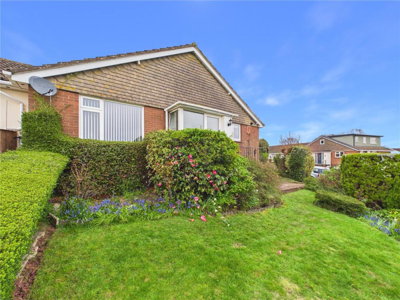
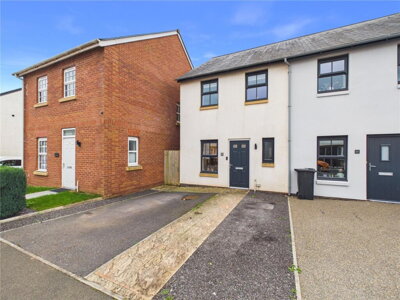
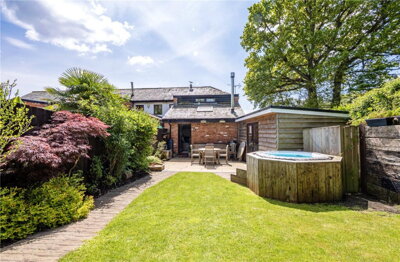
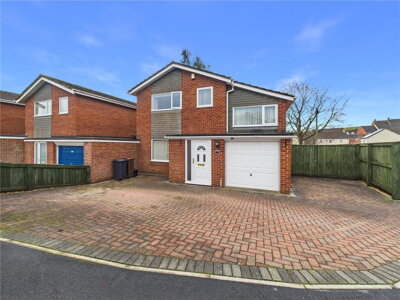
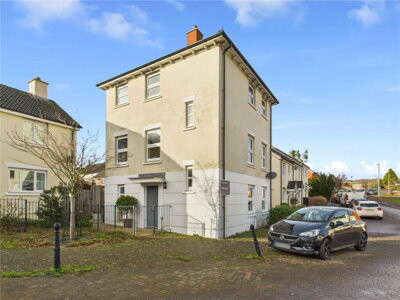
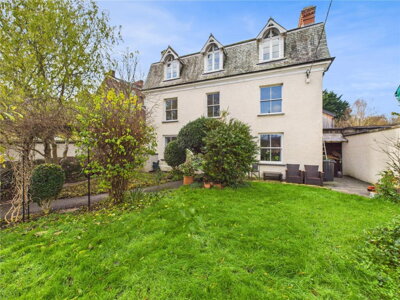
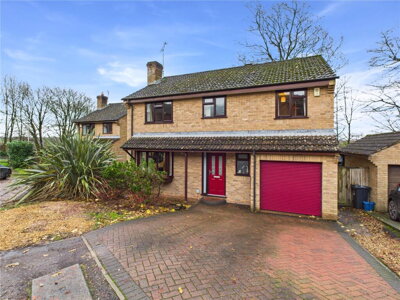
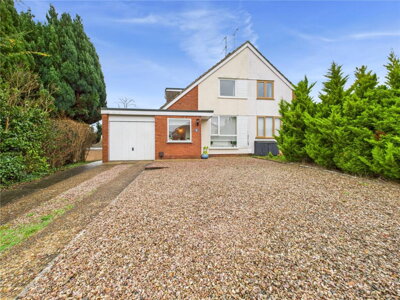
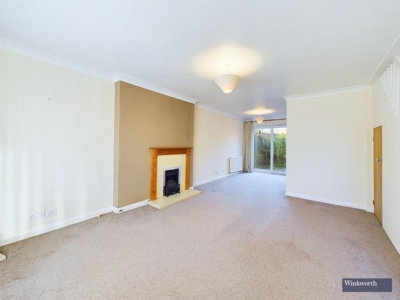
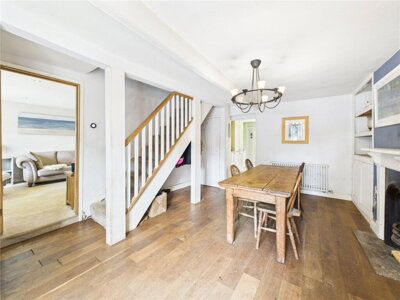
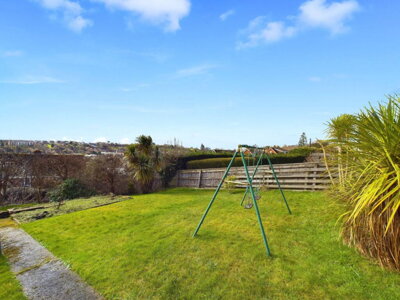
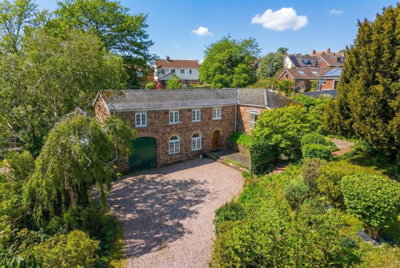
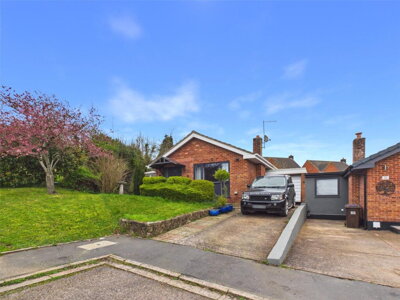
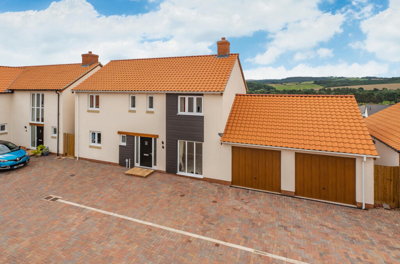
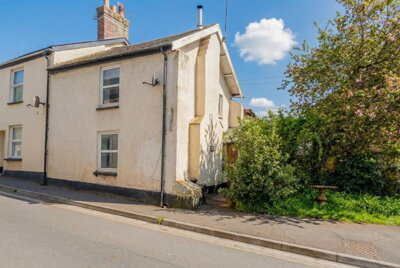
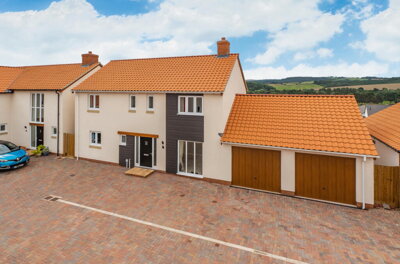
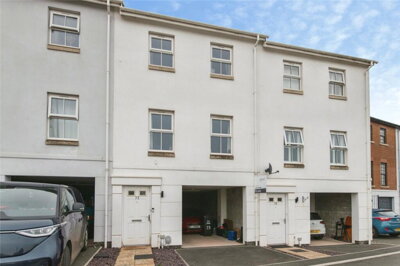
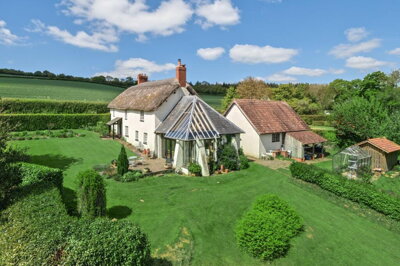
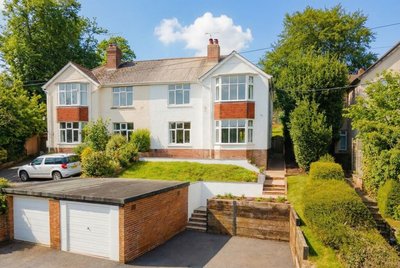
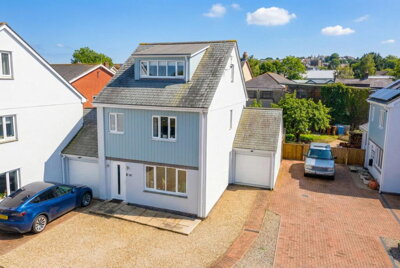
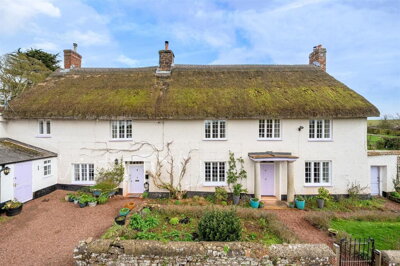
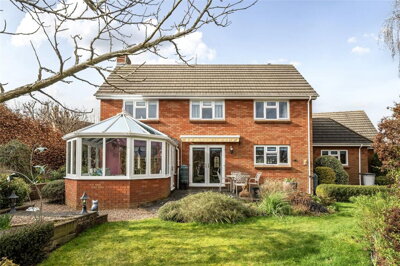
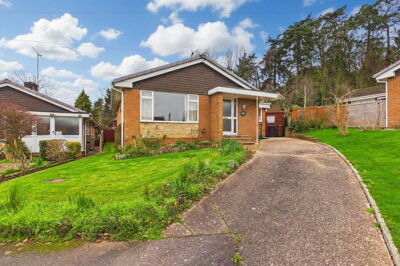
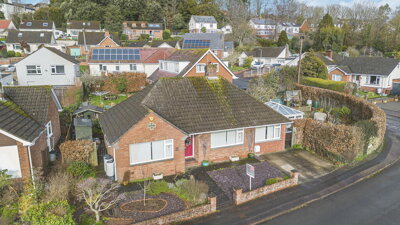
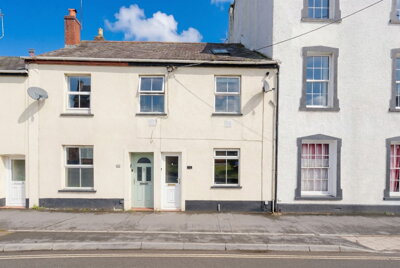
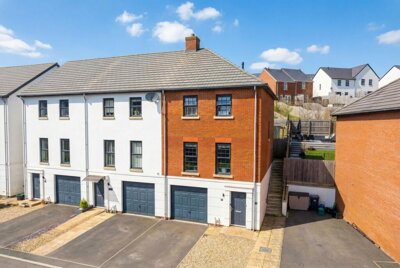
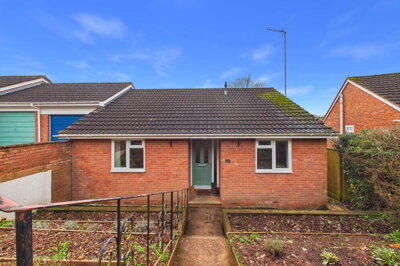
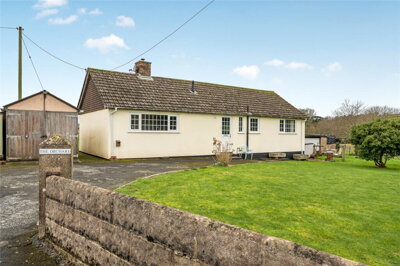
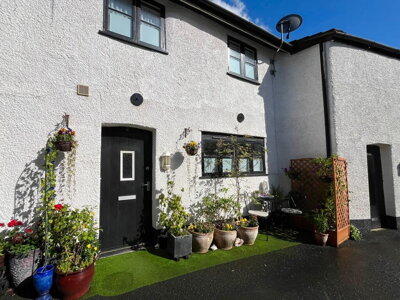
Browse 88 homes for sale in Shobrooke, Mid Devon from local estate agents.
The Shobrooke property market offers detached, semi-detached, and terraced houses spanning various price ranges and neighbourhoods. Each listing includes detailed property information, photographs, and direct contact with the marketing agent.
£349k
12
0
172
Source: home.co.uk
Showing 12 results for Houses for sale in Shobrooke, Mid Devon. The median asking price is £349,000.
Source: home.co.uk
Detached
6 listings
Avg £482,500
Semi-Detached
5 listings
Avg £320,200
Terraced
1 listings
Avg £247,500
Source: home.co.uk
Source: home.co.uk
The Stallingborough property market reflects its status as a desirable rural village within North East Lincolnshire. Our data shows that detached properties command the highest prices, with the average currently sitting at £280,000. These homes typically offer generous proportions, multiple bedrooms, and often occupy larger plots that appeal to families seeking space both inside and out. The village architecture leans heavily towards detached and semi-detached houses, with semi-detached properties averaging around £185,000, making them an attractive option for first-time buyers looking to step onto the property ladder without compromising on space.
Over the past twelve months, property prices in Stallingborough have experienced a modest decline of approximately 5%, creating potential opportunities for buyers who may find slightly better value than in previous years. Despite this short-term adjustment, the village continues to attract interest from those seeking a quieter lifestyle within commuting distance of larger employment hubs. Terraced properties in Stallingborough average around £165,000, offering an affordable entry point into village life. The village typically sees around 10 property sales per year, reflecting its position as a smaller rural community rather than a high-volume urban market.
New build activity in the immediate postcode area remains limited, with development more commonly associated with the broader North East Lincolnshire authority rather than the village itself, which helps preserve the existing character of the area. This scarcity of new-build stock means that buyers in Stallingborough are largely purchasing from the existing housing stock, which includes a significant proportion of properties over 50 years old. For those purchasing older properties, this makes commissioning a thorough RICS Level 2 Survey particularly valuable, as older homes may harbour defects that are not immediately apparent during viewings. The predominance of traditional construction methods, including solid wall buildings constructed before modern cavity wall insulation became standard, means that insulation performance and energy costs are factors worth considering when evaluating older properties.

Life in Stallingborough centres around community spirit and the beauty of its rural setting. The village provides essential everyday amenities while larger shopping, dining, and leisure facilities are just a short journey away in nearby Grimsby. The village's proximity to major employment centres makes it practical for those who work in logistics, food processing, or the growing renewable energy sector in the wider region. Residents appreciate the balance between peaceful countryside living and access to urban conveniences that the village's position between Grimsby and Immingham provides.
The local area is characterised by traditional brick-built properties with tiled roofs, many dating back to the pre-1919 era, particularly within the designated Conservation Area that protects the village's historic centre. Properties in Stallingborough and the wider North East Lincolnshire area commonly feature traditional brick construction, often red brick, with tiled roofs, though some properties incorporate render or other finishes. Older buildings in the village typically feature solid wall construction built with lime mortar, which requires different maintenance approaches compared to modern cavity wall properties. The blend of period properties and mid-20th century homes creates an attractive streetscape that reflects the village's evolution over more than a century.
The presence of St Peter and St Paul's Church, a Grade I listed building dating back centuries, adds historical depth to the village, alongside other listed buildings including Stallingborough Grange Hotel and various farmhouses and cottages, creating an architectural heritage that enriches the local character. Properties within Stallingborough's Conservation Area benefit from protections that preserve the village's special architectural and historic interest, though these designations also mean that any external alterations or extensions may require consent from North East Lincolnshire Council. The village's position within the rolling countryside of North East Lincolnshire provides residents with access to rural walks and outdoor activities while maintaining proximity to coastal areas and the broader Lincolnshire landscape.

Families considering a move to Stallingborough will find a selection of educational options within the local area and the surrounding North East Lincolnshire region. Primary school provision is available in nearby villages and towns, with several options within a short drive of the village. The wider area includes schools that have achieved good ratings from Ofsted, though parents should conduct their own research into current performance data and admission criteria when planning their move. Catchment areas for primary schools can vary, so prospective buyers should verify which school their specific property would fall within before committing to a purchase.
Secondary education options in the region include schools in Grimsby and surrounding towns, with several institutions offering a range of GCSE and A-Level programmes. Franklin College and other further education providers in the broader region serve students from across North East Lincolnshire, offering vocational courses and A-Levels for students progressing beyond GCSE level. For families seeking specialised education or alternative educational approaches, independent schooling options may be available in the wider region, though these typically involve additional fees and longer travel times from Stallingborough.
The presence of educational facilities within easy reach of Stallingborough ensures that families have viable options for their children's schooling without necessarily having to travel to major cities. Parents should note that school performance and available places can change over time, and properties near school boundaries often command premiums due to catchment area considerations. For families with younger children, the availability of childcare facilities and preschool options in nearby villages should also be factored into relocation decisions. Consulting current Ofsted reports and admission policies for North East Lincolnshire Council schools will provide the most up-to-date information for families prioritising educational provision in their property search.
Stallingborough benefits from its strategic position within North East Lincolnshire, offering residents reasonable transport connections while maintaining its rural character. The village is situated near major road routes that provide access to surrounding towns and cities. Commuters working in Grimsby or Immingham will find these destinations readily accessible by car, with journey times typically remaining under thirty minutes depending on the specific destination and time of travel. The A180 and A46 roads provide key links to the wider region, connecting Stallingborough to Hull and Lincolnshire's broader road network.
Public transport options include bus services connecting Stallingborough to nearby towns, enabling residents without private vehicles to access shopping, healthcare, and employment. Stagecoach and other local bus operators provide routes that link the village with Grimsby and Immingham, though service frequencies may be limited compared to urban areas. For those needing to travel further afield, train services from nearby Grimsby provide connections to destinations including Manchester, Sheffield, and London via the Trans Pennine route, with journey times to London taking approximately three to four hours depending on connections.
Humberside Airport, located within reasonable distance, offers domestic flights and connections to European destinations for business and leisure travel. The airport provides routes to destinations including Amsterdam, Dublin, and various UK cities, though those requiring more extensive international travel typically use larger airports in Leeds, Doncaster, or Hull. The combination of road, rail, and air links ensures that Stallingborough residents can access employment opportunities across the region while enjoying the benefits of village living. Residents working in sectors such as ports and logistics, food processing, or renewable energy will find the transport connections particularly valuable given the concentration of these industries in the wider Immingham and Grimsby area.
Explore current listings in Stallingborough to understand what is available at your budget. Our platform shows approximately 10 properties currently on the market, ranging from terraced homes around £165,000 to detached properties up to £280,000. Take time to understand the village's character and proximity to amenities that matter most to you and your household. Given the limited stock and rural nature of the village, patience may be required to find the right property.
Before arranging viewings, approach a lender to obtain a mortgage agreement in principle. This document confirms how much you could borrow and strengthens your position when making offers. Even modest adjustments in interest rates can significantly impact your monthly budget, so comparing options from multiple lenders is worthwhile. With the average property price in Stallingborough at £237,500, many buyers may benefit from current market conditions and competitive mortgage products available in the wider Lincolnshire area.
Once you have identified properties of interest, arrange viewings through our platform or directly with listed estate agents. Pay attention to the property's condition, construction materials, and any signs of maintenance issues. Given Stallingborough's mix of older properties including those in the Conservation Area, a thorough inspection during viewing is advisable. Take note of the property's construction type, as solid wall properties will have different maintenance requirements compared to cavity wall homes.
Before completing your purchase, instruct a qualified surveyor to conduct a Level 2 Survey. This is particularly important for properties over 50 years old, which make up a significant portion of Stallingborough's housing stock. Surveys typically cost between £400 and £800 for a standard property and can reveal defects ranging from damp to structural issues related to the local boulder clay geology. Given the presence of clay soils in the area, our inspectors pay particular attention to foundation conditions and any signs of subsidence or heave movement.
Once your offer is accepted, instruct a conveyancing solicitor to handle the legal aspects of your purchase. They will conduct searches, review the contract, and manage the registration process. For properties in Stallingborough's Conservation Area or listed buildings, additional considerations may apply. Local searches with North East Lincolnshire Council will reveal information about planning history, conservation area status, and any environmental factors that may affect the property.
After all searches are satisfactory and finances are confirmed, you will exchange contracts and pay your deposit. Completion typically follows shortly after, at which point you will receive the keys to your new home in Stallingborough. Stamp duty land tax will be due depending on your purchase price and buyer status. With the average property price at £237,500, many standard buyers purchasing at around this value would fall within the nil-rate band for stamp duty.
Understanding the construction types prevalent in Stallingborough helps buyers identify properties that may suit their needs and anticipate maintenance requirements. The village features a mix of traditional brick-built properties, often constructed with solid walls using lime mortar in the pre-1919 era, alongside properties from the mid-20th century built with cavity wall construction. Timber roofs with slate or tile coverings are common throughout, with older properties often featuring more traditional roof structures that may require specialist knowledge during survey. The prevalence of solid wall construction in older Stallingborough properties means that insulation upgrades may be needed to meet modern energy efficiency standards, though care must be taken to avoid trapping moisture within traditional wall structures.
The local geology presents particular considerations for property buyers in Stallingborough. The area is underlain by superficial deposits of till, commonly known as boulder clay, which overlays the solid Ancholme Clay Group geology. Boulder clay contains significant clay content that can expand and contract with changes in moisture content, a phenomenon known as shrink-swell ground movement. This movement can affect building foundations, particularly for properties with shallow foundations or those with large trees nearby whose roots can draw moisture from the soil. Our inspectors routinely assess properties for signs of foundation movement, including cracks in walls, sticking doors or windows, and uneven floors, which may indicate subsidence or heave related to the local clay soils.
Common defects found in Stallingborough's older properties include damp issues, which may be rising damp due to absent or failed damp-proof courses, penetrating damp from defective rainwater goods or roof coverings, or condensation damp resulting from inadequate ventilation in modernised properties. Roof conditions in older homes often require attention, with slipped or broken tiles, deteriorated pointing, failing leadwork, and general wear leading to leaks that can cause timber decay and plaster damage. Timber defects including rot and woodworm can affect floor structures, window frames, and other wooden elements, particularly where moisture has been allowed to penetrate. Properties in Stallingborough built before the 1980s may also have electrical systems that do not meet current safety standards, requiring assessment by a qualified electrician before purchase.
For properties within Stallingborough's Conservation Area or those that are listed buildings, special survey considerations apply. Any external alterations or extensions may require consent from North East Lincolnshire Council, and listed building consent may be needed for internal changes to features of architectural interest. These restrictions can limit renovation options but also help protect the character and value of the area. Prospective buyers should request copies of any previous planning permissions and building regulation approvals from the vendor to ensure all works were carried out legally. A standard RICS Level 2 Survey may be sufficient for most properties in the village, but listed buildings or those with unusual construction may benefit from a more comprehensive RICS Level 3 Building Survey or a specialist heritage survey.
Purchasing a property in Stallingborough requires attention to several area-specific factors that can affect your investment and day-to-day living experience. The local geology presents particular considerations, as the area sits on boulder clay deposits that can cause shrink-swell ground movement. Properties with trees nearby or those with shallow foundations may be more susceptible to subsidence or heave, making a thorough structural survey essential before completing your purchase. Our research indicates that this is one of the most important area-specific risks for property buyers in this location, and we recommend that our inspectors pay particular attention to foundation conditions and any signs of movement during survey.
Flood risk awareness is another crucial factor when considering properties in Stallingborough. The village has areas with surface water flood risk, particularly along roads and in low-lying positions, and sits in proximity to the River Freshney and other watercourses. Prospective buyers should review Environment Agency flood maps and consider the property's position relative to known flood risk areas. Properties in these zones may face higher insurance premiums or require specific flood resilience measures. Additionally, buyers should verify whether the property benefits from adequate drainage systems and consider the age and condition of rainwater goods, as defective drainage can exacerbate damp problems and contribute to foundation movement in clay soils.
For properties within Stallingborough's Conservation Area or those that are listed buildings, special planning considerations apply. Any external alterations or extensions may require consent from the local planning authority, and listed building consent may be needed for internal changes to features of architectural interest. These restrictions can limit renovation options but also help protect the character and value of the area. Prospective buyers should request copies of any previous planning permissions and building regulation approvals from the vendor to ensure all works were carried out legally. The presence of traditional construction methods, including solid wall buildings with lime mortar, may also affect insulation performance and renovation choices, and buyers should factor in potential costs for bringing older properties up to modern standards while preserving their historic character.
The average property price in Stallingborough is currently £237,500, based on recent sales data from the Land Registry and property portals. Detached properties average around £280,000, semi-detached homes around £185,000, and terraced properties approximately £165,000. Property prices have decreased by approximately 5% over the past twelve months, which may present opportunities for buyers in the current market. The village typically sees around 10 property sales per year, reflecting its position as a smaller rural community rather than a high-volume urban market. This limited transaction volume means that comparable sales evidence should be carefully considered when evaluating property values.
Properties in Stallingborough fall under North East Lincolnshire Council's jurisdiction for council tax purposes. Bands range from A through to H, with the specific band determined by the property's assessed value at the time of its last valuation. Most residential properties in the village fall within bands A to C, placing them in the lower council tax brackets, which is typical for a rural village with a mix of older properties. Prospective buyers should check the specific band for any property they are considering, as this forms part of the ongoing costs of homeownership alongside utility bills, maintenance expenses, and buildings insurance.
Stallingborough itself is a small village, so families typically access primary education at schools in nearby villages and towns within North East Lincolnshire. Several primary schools in the surrounding area serve younger children from Stallingborough, with some parents travelling to schools in Grimsby or Habrough for particular preferences or catchment requirements. Secondary schools in the surrounding area serve students from Stallingborough, with options available in nearby Grimsby that offer GCSE and A-Level programmes. Parents should research current Ofsted ratings and admission catchment areas, as these can change and may affect which school a child can attend.
Stallingborough has bus services connecting the village to nearby towns including Grimsby and Immingham, providing options for residents without private vehicles. Service frequencies may be limited compared to urban areas, so residents relying on public transport should check current timetables carefully before committing to a purchase. The nearest railway station is in Grimsby, offering connections to major cities including Manchester, Sheffield, and London via the Trans Pennine route. The village's position near the A180 provides straightforward road access to the surrounding region, with Hull accessible within approximately 45 minutes by car.
Stallingborough offers several factors that may appeal to property investors. The village's rural character, Conservation Area status, and proximity to employment centres in Grimsby and Immingham help maintain demand for housing among buyers seeking village lifestyles. Property prices in the area have experienced modest adjustment recently, which could present buying opportunities for investors with medium to long-term horizons. The local economy benefits from sectors including ports and logistics centred on Immingham, food processing, and the growing renewable energy sector, which provide employment that supports the housing market. However, investors should carefully consider factors including flood risk in certain areas, the potential limitations on development posed by Conservation Area status, and the older age profile of much of the housing stock when evaluating investment potential.
Stamp duty land tax rates for 2024-25 require no tax on purchases up to £250,000, 5% on the portion between £250,000 and £925,000, 10% up to £1.5 million, and 12% above that threshold. First-time buyers benefit from relief on the first £425,000, with 5% due between £425,000 and £625,000, though no relief applies above £625,000. Given that the average property price in Stallingborough sits at £237,500, many purchases by standard buyers would fall entirely within the nil-rate band, while first-time buyers may benefit from relief on most transactions. Your specific liability depends on purchase price, buyer status, and whether you own other properties.
Common defects in Stallingborough's older housing stock include damp issues, which may manifest as rising damp due to absent damp-proof courses, penetrating damp from defective rainwater goods, or condensation damp resulting from inadequate ventilation. Roof problems are frequently identified during surveys, including slipped or broken tiles, deteriorated pointing, and failing lead flashings that can lead to water ingress and timber decay. Given the local boulder clay geology, our inspectors also watch carefully for signs of subsidence or heave, particularly in properties with trees nearby or those built with shallow foundations. Properties constructed before the 1980s may also have outdated electrical systems that require updating to meet current safety standards.
Understanding the full costs of buying a property in Stallingborough extends beyond the purchase price itself. Stamp duty land tax represents one of the most significant additional expenses, though for many buyers in this village, the costs may be lower than in higher-value areas. With the average property priced at £237,500, standard buyers purchasing at around this price point would not incur any stamp duty as the first £250,000 of residential purchases is currently taxed at 0%. First-time buyers purchasing at this price would similarly benefit from full relief under current thresholds, making the village particularly accessible for those entering the property market for the first time.
Beyond stamp duty, buyers should budget for solicitor conveyancing fees, which typically start from around £499 for standard transactions but can increase depending on complexity. Local searches specific to North East Lincolnshire Council will be required, including drainage and water searches, local authority searches, and environmental searches that may be particularly relevant given Stallingborough's surface water flood risk in certain areas. Drainage and water searches are essential for properties in Stallingborough, as the local water table and proximity to watercourses can affect drainage systems and flood risk assessments. Survey costs should also be factored in, with RICS Level 2 Surveys for typical three-bedroom properties ranging from approximately £400 to £800 depending on property size and the surveying firm selected. Properties in Stallingborough's Conservation Area or older properties may require additional specialist advice beyond a standard survey.
Ongoing costs following purchase include council tax, utility bills, buildings insurance, and potential service charges if purchasing a flat or leasehold property. Buildings insurance is particularly important given the age of many properties in Stallingborough and the potential for defects identified during survey. Energy costs should be considered carefully for older solid wall properties, as these may have higher heating requirements than modern cavity wall constructions. First-time buyers should also consider moving costs, furnishers expenses, and the possibility of immediate maintenance requirements when setting their overall budget. Obtaining a mortgage agreement in principle before beginning your property search can help you understand your true financial position and avoid disappointment when making offers on properties within your price range.
Properties for Sale In London

Properties for Sale In Plymouth

Properties for Sale In Liverpool

Properties for Sale In Glasgow

Properties for Sale In Sheffield

Properties for Sale In Edinburgh

Properties for Sale In Coventry

Properties for Sale In Bradford

Properties for Sale In Manchester

Properties for Sale In Birmingham

Properties for Sale In Bristol

Properties for Sale In Oxford

Properties for Sale In Leicester

Properties for Sale In Newcastle

Properties for Sale In Leeds

Properties for Sale In Southampton

Properties for Sale In Cardiff

Properties for Sale In Nottingham

Properties for Sale In Norwich

Properties for Sale In Brighton

Properties for Sale In Derby

Properties for Sale In Portsmouth

Properties for Sale In Northampton

Properties for Sale In Milton Keynes

Properties for Sale In Bournemouth

Properties for Sale In Bolton

Properties for Sale In Swansea

Properties for Sale In Swindon

Properties for Sale In Peterborough

Properties for Sale In Wolverhampton

Enter your details to see if this property is within your budget.
Loans, cards, car finance
Estimated property budget
Borrowing + deposit
You could borrow between
Typical borrowing
Monthly repayment
Est. at 4.5%
Loan-to-value
This is an estimate only. Your actual budget may vary depending on interest rates, credit history, and personal circumstances. For an accurate affordability assessment, speak to one of our free mortgage advisors.
This calculator provides estimates for illustrative purposes only and does not constitute financial advice. Your home may be repossessed if you do not keep up repayments on your mortgage. Estimates based on 4.5% interest rate, repayment mortgage. Actual rates depend on your circumstances.
Homemove is a trading name of HM Haus Group Ltd (Company No. 13873779, registered in England & Wales). Homemove Mortgages Ltd (Company No. 15947693) is an Appointed Representative of TMG Direct Limited, trading as TMG Mortgage Network, which is authorised and regulated by the Financial Conduct Authority (FRN 786245). Homemove Mortgages Ltd is entered on the FCA Register as an Appointed Representative (FRN 1022429). You can check registrations at NewRegister or by calling 0800 111 6768.

We use cookies to show you personalised content and improve your experience of our website. Find out more in our Privacy policy and Cookie policy.