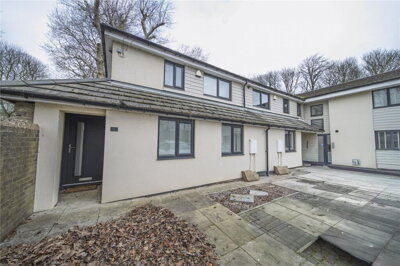
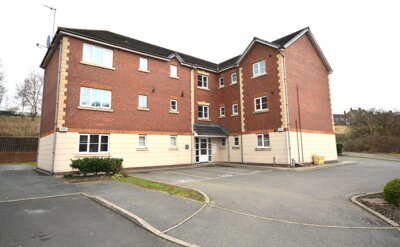
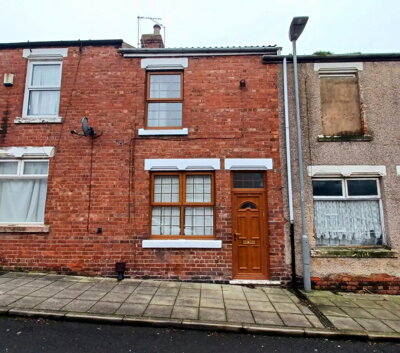
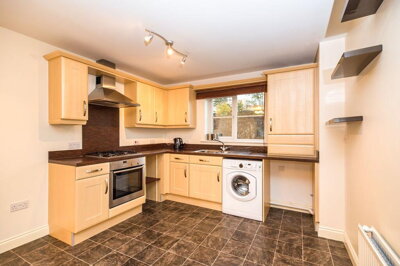
Browse 4 homes for sale in Shildon, County Durham from local estate agents.
The 2 bed flat sector typically includes two separate bedrooms, dedicated living areas, and bathroom facilities. Properties in Shildon span purpose-built blocks, converted period houses, and modern apartment complexes on various floors.
£0k
0
0
0
Source: home.co.uk
Showing 0 results for 2 Bedroom Flats for sale in Shildon, County Durham.
The Gilfach Goch property market presents attractive opportunities for buyers seeking affordable housing in South Wales. Our current listings feature properties across all major categories, from characterful terraced homes priced from around £115,000 to spacious semi-detached family houses reaching £180,000. Detached properties remain rarer in this village setting, with notable examples including a three-bedroom detached home on Carmel Close listed at £249,995, offering generous proportions for growing families.
Terraced properties dominate the local housing stock, representing the traditional colliery workers' housing that characterises the South Wales valleys. According to ONS Census data, terraced properties account for approximately 26.6% of households across Wales, though the proportion is higher in established valley villages like Gilfach Goch. These homes typically offer three bedrooms across two floors, with original features including stone walls and fireplaces that appeal to buyers seeking period charm. Recent sales on High Street achieved an average price of £117,900, while properties on the Heathlands development averaged £191,250, demonstrating how location within the village affects values.
The scattered development pattern caused by the village's collieries has shaped the local housing landscape significantly. Unlike the dense terrace rows found in neighbouring Rhondda valleys, Gilfach Goch features a more dispersed settlement pattern with cottage pairs and cul-de-sac arrangements. This unusual layout stems from the Gilfach Garden Village development between 1910 and 1914, which created parallel cul-de-sac properties that remain highly sought after today. The Heathlands development represents more recent housing construction, demonstrating how the village has continued to attract development investment across different eras.

The Gilfach Garden Village represents one of the most distinctive features of the local property landscape, constructed between 1910 and 1914 as a planned housing development for colliery workers. Unlike the traditional terrace patterns synonymous with South Wales valleys, this development features parallel cul-de-sac arrangements with cottage pairs, creating a unique streetscape that remains a defining characteristic of the village today. Properties in this area often command premium prices compared to older colliery housing due to their thoughtful layout and garden space.
The Garden Village design reflected early 20th century ideas about providing workers with healthier living conditions than the cramped terraces found in nearby industrial towns. The cottage pairs feature characteristic architectural details that differentiate them from standard colliery housing, including generous rear gardens and improved ventilation compared to earlier back-to-back terrace arrangements. Modern buyers frequently seek these properties for their blend of period character and practical garden space, with properties regularly appearing in our listings alongside the older terraced housing stock.
Understanding the heritage of different neighbourhoods within Gilfach Goch helps buyers appreciate why property values vary across the village. The Garden Village area typically commands higher prices than older colliery housing near the former pit sites, reflecting the continued premium placed on well-designed housing with outdoor space. Our listings include properties across all these neighbourhood types, allowing buyers to prioritise between character, location, and budget according to their specific requirements.
Life in Gilfach Goch revolves around community connection and the stunning natural landscape of the Ogwr Fach valley. The village maintains the character of a traditional Welsh mining settlement while adapting to modern life, with local amenities serving the daily needs of residents without requiring journeys to larger towns. The Griffin Inn stands as the oldest building in the village, offering a focal point for socialising and experiencing local hospitality. St Barnabas Church, constructed between 1896 and 1899 and notably rebuilt in the 1950s after wartime bomb damage, reflects the resilience and history of this community.
The surrounding landscape of Gilfach Goch is shaped by its glacial geology, with approximately 25 metres of boulder clay deposited in the valley floor during the last glaciation. Mynydd Maendy, Mynydd Maes-teg, Mynydd Pen y Graig, and Mynydd y Gilfach frame the village, creating dramatic scenery and numerous walking opportunities across the former coal mining lands. Former collieries at Britannic, Dinas Main, and Trane and Llewellyn have been reclaimed and landscaped, transforming industrial heritage into green spaces where residents enjoy outdoor recreation.
The Rhondda Cynon Taf area maintains a crime level that compares favourably with other local authority districts across England and Wales, providing reassurance for families considering relocation to Gilfach Goch. The population of 3,338 residents creates a village atmosphere where local events and community activities bring people together throughout the year. Convenient access to larger towns including Bridgend for shopping and entertainment, Pontypridd for additional services, and Cardiff for major employment opportunities and cultural attractions means residents enjoy the best of both worlds. This accessibility has made Gilfach Goch increasingly popular with commuters seeking to escape higher property prices in major cities while maintaining career connections.

The geological foundation beneath Gilfach Goch dates back to the last glaciation, when static inactive glaciers deposited approximately 25 metres of boulder clay across the Ogwr Fach valley floor. This substantial clay deposit creates the landscape upon which the modern village sits, and it has significant implications for property construction and maintenance. Clay soils are associated with shrink-swell behaviour, where moisture changes cause the ground to expand and contract, potentially affecting building foundations over time.
Our inspectors frequently assess properties built on clay substrates, understanding how traditional construction methods interact with local ground conditions. Stone foundations common in Victorian and Edwardian properties may show signs of movement if clay moisture levels fluctuate significantly, and our surveys carefully evaluate these structural elements. Properties across Gilfach Goch, from the oldest stone cottages to Garden Village houses, were constructed on this clay foundation, making understanding of local geology essential for informed purchasing decisions.
The combination of boulder clay geology and the area's coal mining heritage means ground stability requires careful consideration. Rhondda Cynon Taf Council undertakes regular ground investigations on former spoil tips throughout the area, funded by the Welsh Government's Coal Tip Safety Grant. This ongoing monitoring reflects the council's commitment to managing legacy mining risks, but buyers should commission appropriate mining searches and professional surveys to assess specific property risks before committing to purchase.
Families considering a move to Gilfach Goch will find educational facilities serving the local community within and near the village. Primary school aged children can access local provision through schools in the surrounding Rhondda Cynon Taf communities, with the village's position in the Ogwr Fach valley placing families within reasonable travelling distance of several options. The Cynon Valley area hosts primary schools serving village families, and our team recommends visiting potential schools and understanding admission catchment boundaries before finalising any property purchase.
Secondary education options include schools in nearby Rhondda Cynon Taf towns, with school transport links supporting the daily commute for older children. Parents should research specific school performance data through official Ofsted ratings and visit schools directly to assess whether provision matches their children's needs and aspirations. The presence of St Barnabas Church, serving the community since the late 19th century, also provides faith-based educational opportunities for families seeking religious education alongside academic achievement.
Sixth form and further education options in nearby Pontypridd and other Rhondda Cynon Taf towns offer diverse A-level and vocational programmes for older students. This provision ensures educational pathways continue beyond GCSE without requiring relocation to major cities, a significant advantage for families seeking comprehensive education within commuting distance of Gilfach Goch. The variety of educational options within reasonable travelling distance ensures families have genuine choices when selecting appropriate provision for their children's learning needs.
Commuting from Gilfach Goch is practical thanks to its position in the Ogwr Fach valley with connections to major road and rail networks. The village provides convenient access to the A4061 and subsequently the A4063, connecting residents to Bridgend and surrounding areas within approximately 20 to 30 minutes by car. For those working in Cardiff, the journey typically takes around 45 minutes to an hour depending on traffic conditions, making daily commuting feasible for professionals unwilling to compromise on career opportunities.
Public transport options connect Gilfach Goch to neighbouring towns and employment centres through bus services linking the village to surrounding communities. Rail connections via nearby stations provide access to the broader South Wales rail network, linking residents to major cities and employment hubs throughout the region. Many residents have adapted to the commuting lifestyle, appreciating the balance between affordable village living and access to urban employment opportunities.
Parking provision in the village accommodates resident vehicles, with the scattered nature of development creating a less dense environment than traditional terraced street patterns. Cyclists can access local roads and country lanes for leisure and shorter commutes, with the surrounding hills providing challenging routes for more adventurous riders. The combination of road, rail, and bus options ensures most commuting needs can be met, while the village itself is walkable for daily local journeys. For those considering Gilfach Goch as a base, mapping specific commute routes and timing public transport connections before purchasing is advisable.
Properties in Gilfach Goch require careful assessment given the significant proportion of older housing stock from the mining era. Our inspectors regularly encounter defects typical of Victorian and Edwardian construction throughout the village, including damp penetration through solid walls, deteriorated timber joists, and outdated electrical wiring that may not meet current safety standards. The traditional stone construction common throughout the village offers excellent thermal mass but requires attention to ventilation to prevent moisture accumulation.
The coal mining heritage of Gilfach Goch means ground stability should be a key consideration when assessing any property. Former colliery operations at Britannic, Dinas Main, and Trane and Llewellyn have left a legacy that requires professional investigation. Our surveyors recommend requesting mining searches from your solicitor and reviewing any survey findings regarding potential subsidence risks. While these risks should not deter purchases, understanding them allows informed decision-making and appropriate pricing negotiations.
Roof condition represents another common concern in older Gilfach Goch properties, where original slate and metal roofing materials may have been replaced with modern alternatives of varying quality. Our inspectors assess roof coverings, flashings, and rainwater goods as standard practice, identifying where repairs or replacement may be needed. Traditional Welsh farmhouse style properties may feature corrugated metal roofing, either original or recently replaced, and our surveys evaluate the condition and expected lifespan of these materials. The stone wall construction prevalent throughout the village requires assessment of mortar condition and any signs of movement or structural distress.
Conservation considerations apply to certain older structures in the Gilfach Goch area, with Rhondda Cynon Taf County Borough Council managing almost 360 Listed Buildings across the borough. The Griffin Inn and St Barnabas Church represent significant heritage buildings that contribute to the village's character, and similar heritage properties may be found throughout the local area. If considering a listed property, understanding that alterations will require Listed Building Consent potentially limits renovation options and adds costs to any planned works.
Standard survey reports should highlight any listing status, but specialist advice may be needed for complex heritage properties. The village's oldest buildings, including the Griffin Inn dating from earlier periods, represent the architectural heritage that makes Gilfach Goch distinctive. Our surveyors are experienced in assessing traditional construction methods and can identify features of heritage significance during property inspections.
Leasehold arrangements are less common in this predominantly freehold housing area but should be verified in any relevant cases. The scattered development pattern of the village, with its mix of traditional cottages, Garden Village pairs, and modern additions, means title arrangements may vary. Your solicitor will investigate these matters during conveyancing, but being aware that most Gilfach Goch properties are freehold provides reassurance for buyers seeking traditional home ownership.
Spend time exploring Gilfach Goch before committing to a purchase. Visit at different times of day, speak with residents about local services, and understand how the village fits with your lifestyle needs and commuting requirements. The village's scattered layout means different areas offer varying proximity to amenities, schools, and transport links.
Contact lenders or use Homemove's mortgage comparison tool to secure a mortgage agreement in principle before viewing properties. With average prices around £147,858, understanding your borrowing capacity demonstrates seriousness to sellers when making offers and helps narrow your search to achievable properties.
Schedule viewings of properties matching your criteria, including the terraced homes from £115,000, semi-detached properties from £140,000, and any detached homes available on Carmel Close or other locations. Take notes on condition, features, and any potential concerns that may require professional surveys.
Given that many Gilfach Goch properties date from the 19th and early 20th centuries, arrange a Level 2 Survey to assess construction quality, identify defects, and ensure you understand the condition of your potential purchase. This is particularly important given the mining heritage and age of local housing stock, where defects such as damp, outdated electrics, and roof condition are more likely to occur.
Choose a solicitor experienced in Rhondda Cynon Taf property transactions to handle legal work including searches, contracts, and registration. They will investigate local planning issues, mining records, and ensure clean title transfer for your new home.
Once searches are satisfactory and financing is confirmed, your solicitor will exchange contracts and agree a completion date. On completion day, you will receive keys and become the official owner of your new Gilfach Goch home.
The average sold price for properties in Gilfach Goch over the past 12 months is £147,858 according to HM Land Registry data. Terraced properties typically sell for £115,000 to £125,000, semi-detached homes range from £140,000 to £180,000, and detached properties start from around £250,000. Properties on High Street averaged £117,900 while homes on the Heathlands development achieved £191,250, demonstrating significant variation within the village based on location and property type. This makes Gilfach Goch significantly more affordable than Cardiff or coastal areas, offering excellent value for buyers seeking Welsh valley property.
Properties in Gilfach Goch fall under Rhondda Cynon Taf County Borough Council tax jurisdiction. Specific bandings depend on property value assessments, but band A properties typically pay around £1,100 to £1,200 annually, band B around £1,300 to £1,400, band C around £1,500 to £1,600, and higher bands for more valuable properties. You should verify the specific band for any property through the local authority valuation listing or Land Registry records before purchasing, as council tax costs affect ongoing affordability calculations.
Gilfach Goch is served by local primary schools within the village and surrounding Rhondda Cynon Taf communities, with secondary options in nearby towns accessible via school transport. The specific best school depends on individual family circumstances, children's individual needs, and personal priorities regarding academic results, extracurricular activities, and religious affiliation. Parents should research current Ofsted ratings, visit schools directly, and confirm catchment area boundaries as these significantly affect admission chances and daily travel requirements.
Gilfach Goch has bus connections linking the village to surrounding towns including Bridgend and Pontypridd, though service frequency may be limited compared to urban areas. Rail services are accessible via nearby stations on the valley lines, providing connections to Cardiff and other major South Wales destinations. Most residents rely on cars for daily commuting given the village's dispersed layout and limited public transport frequency, though adequate parking provision throughout Gilfach Goch accommodates vehicle ownership. Prospective buyers without vehicles should map specific bus and rail routes relevant to their employment before purchasing.
Gilfach Goch offers potential for property investment given its affordable purchase prices averaging £147,858 and strong rental demand from commuters seeking lower housing costs than Cardiff. The mining heritage community has enduring appeal, and proximity to larger employment centres in Bridgend and Cardiff supports rental markets. However, capital growth may be slower than in hotter property markets, and investors should factor ongoing maintenance costs for older properties into their calculations. The village's low crime rate and strong community spirit attract long-term tenants who value stable, friendly neighbourhoods.
Standard SDLT rates for 2024-25 apply to Gilfach Goch property purchases, with 0% charged on the first £250,000, 5% on £250,001 to £925,000, 10% on £925,001 to £1.5 million, and 12% above that. For a typical £147,858 property, most buyers would pay no stamp duty, though personal circumstances and whether you own other properties affect liability. First-time buyers benefit from relief on the first £425,000, with 5% charged between £425,001 and £625,000, making SDLT essentially zero for most first-time buyers purchasing at village average prices.
The primary risks relate to the age and mining heritage of local properties. Potential ground instability from former coal mining operations requires investigation through mining searches and professional surveys, with the council regularly monitoring former spoil tips under Coal Tip Safety Grant provisions. Many properties date from the 19th or early 20th century, meaning issues such as damp, outdated electrics, and roof condition are more likely than in newer construction. The boulder clay geology underlying the village may create shrink-swell risks affecting foundations over time. A thorough RICS Level 2 Survey is essential to identify defects before purchase, and your solicitor should commission appropriate mining searches to investigate the former colliery sites.
From 4.5%
Compare mortgage deals from leading lenders
From £499
Expert property solicitors for your purchase
From £350
Professional property survey for homes in Gilfach Goch
From £60
Energy performance certificate for your new home
Purchasing property in Gilfach Goch involves several costs beyond the advertised purchase price, and understanding these from the outset helps buyers budget accurately. The current SDLT thresholds for 2024-25 mean most buyers of properties around the village average price of £147,858 would pay no stamp duty at all, as this falls below the standard threshold of £250,000. This zero-rate threshold represents significant savings compared to purchases in England, where the nil-rate band remains at £250,000. First-time buyers can benefit from an even more generous threshold of £425,000, completely eliminating SDLT for most purchases in this price range.
First-time buyers purchasing properties up to £625,000 qualify for SDLT relief, paying only 5% on amounts between £425,001 and £625,000. For a first-time buyer purchasing a typical Gilfach Goch property at £180,000, no stamp duty would be payable. However, those purchasing additional properties or who have previously owned property worldwide face a 3% surcharge on the total purchase price, adding £5,456 to a £180,000 purchase. Investors and those buying second homes should factor this substantial additional cost into their calculations and financing arrangements.
Beyond stamp duty, buyers should budget for solicitor conveyancing costs typically ranging from £500 to £1,500 depending on complexity and property value. Survey costs for a RICS Level 2 Survey range from approximately £350 to £600 depending on property size, with larger or more complex properties commanding higher fees. Given the age of much Gilfach Goch housing stock and the potential for defects in historic properties, investing in a thorough survey is money well spent to identify issues before committing to purchase. Land Registry registration fees, mortgage arrangement fees, and moving costs complete the typical budget, meaning buyers should aim to have approximately £2,000 to £3,000 available beyond their mortgage deposit and purchase price.
Properties for Sale In London

Properties for Sale In Plymouth

Properties for Sale In Liverpool

Properties for Sale In Glasgow

Properties for Sale In Sheffield

Properties for Sale In Edinburgh

Properties for Sale In Coventry

Properties for Sale In Bradford

Properties for Sale In Manchester

Properties for Sale In Birmingham

Properties for Sale In Bristol

Properties for Sale In Oxford

Properties for Sale In Leicester

Properties for Sale In Newcastle

Properties for Sale In Leeds

Properties for Sale In Southampton

Properties for Sale In Cardiff

Properties for Sale In Nottingham

Properties for Sale In Norwich

Properties for Sale In Brighton

Properties for Sale In Derby

Properties for Sale In Portsmouth

Properties for Sale In Northampton

Properties for Sale In Milton Keynes

Properties for Sale In Bournemouth

Properties for Sale In Bolton

Properties for Sale In Swansea

Properties for Sale In Swindon

Properties for Sale In Peterborough

Properties for Sale In Wolverhampton

Enter your details to see if this property is within your budget.
Loans, cards, car finance
Estimated property budget
Borrowing + deposit
You could borrow between
Typical borrowing
Monthly repayment
Est. at 4.5%
Loan-to-value
This is an estimate only. Your actual budget may vary depending on interest rates, credit history, and personal circumstances. For an accurate affordability assessment, speak to one of our free mortgage advisors.
This calculator provides estimates for illustrative purposes only and does not constitute financial advice. Your home may be repossessed if you do not keep up repayments on your mortgage. Estimates based on 4.5% interest rate, repayment mortgage. Actual rates depend on your circumstances.
Homemove is a trading name of HM Haus Group Ltd (Company No. 13873779, registered in England & Wales). Homemove Mortgages Ltd (Company No. 15947693) is an Appointed Representative of TMG Direct Limited, trading as TMG Mortgage Network, which is authorised and regulated by the Financial Conduct Authority (FRN 786245). Homemove Mortgages Ltd is entered on the FCA Register as an Appointed Representative (FRN 1022429). You can check registrations at NewRegister or by calling 0800 111 6768.

We use cookies to show you personalised content and improve your experience of our website. Find out more in our Privacy policy and Cookie policy.