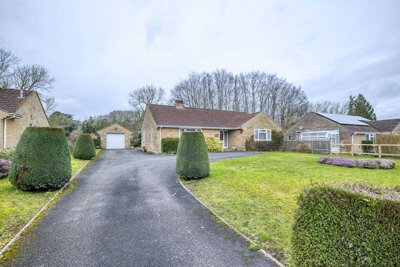
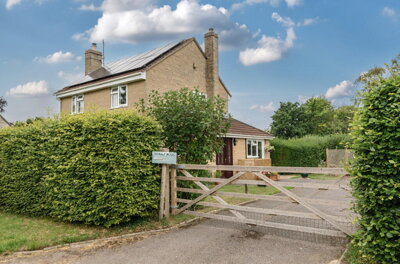
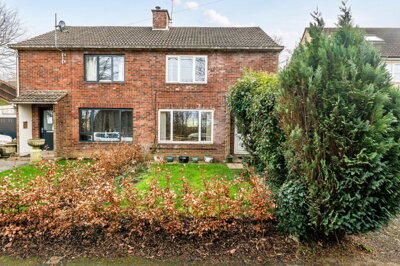
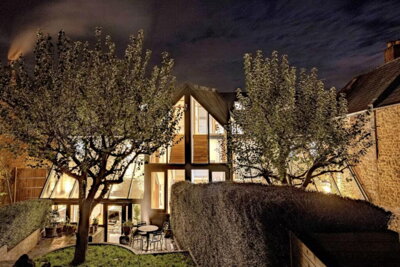
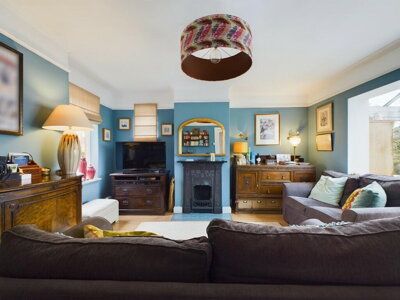
Browse 7 homes for sale in Shepton Montague from local estate agents.
Three bedroom properties represent a significant portion of the Shepton Montague housing market, offering space for families with multiple reception rooms and gardens in many cases. Browse detached, semi-detached, and terraced options ranging from period character homes to contemporary developments.
The property market in Shepton Montague is characterised by its dominance of detached homes, which account for approximately 60 percent of the housing stock. These substantial properties, with an average price of £750,000, often feature the distinctive golden Hamstone construction that defines the village's architectural heritage. The remaining properties comprise semi-detached homes averaging £450,000, terraced properties around £350,000, and a small proportion of flats at approximately £250,000. This distribution reflects the village's predominantly rural character and its appeal to buyers seeking generous space both inside and out.
New build activity in Shepton Montague remains limited, with no active developments confirmed within the immediate postcode area. The majority of properties available are period homes, with around 40 percent built before 1919 using traditional construction methods. A further 15 percent dates from the interwar period, 25 percent from the mid-twentieth century, and only 20 percent from 1980 onwards. This wealth of older properties means buyers can acquire homes with genuine character, though many will require varying degrees of modernisation and maintenance. The 5 percent annual price increase demonstrates consistent demand for this sought-after rural location.

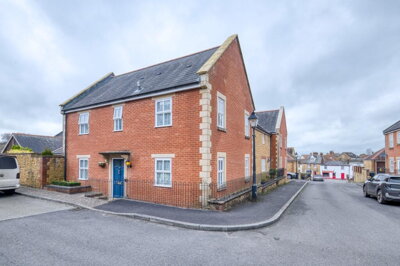
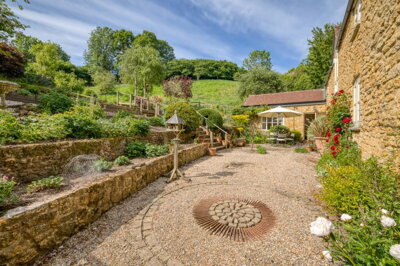
Properties in Shepton Montague showcase the distinctive character of rural Somerset architecture, with Hamstone serving as the dominant building material throughout the village. This golden-coloured limestone, quarried locally from the Mendip Hills, gives many homes their warm, honey-coloured appearance that defines the village's Conservation Area. Traditional red brick is also prevalent, particularly in properties from the interwar and post-war periods, while some cottages feature rendered exteriors that require periodic maintenance to prevent deterioration. The variety of building materials reflects the village's organic growth over several centuries.
Construction methods vary according to property age, with pre-1919 properties typically featuring solid wall construction without cavity insulation. These solid walls breathe differently from modern cavity walls and require appropriate ventilation to prevent moisture accumulation. Timber roof structures are standard across the village, usually covered with clay tiles or natural slate depending on the property period. Understanding these construction methods is essential when assessing potential homes, as each brings specific maintenance considerations that differ from modern builds.
The combination of Hamstone and clay tile roofing creates properties that are generally durable but require ongoing attention. Hamstone is a relatively soft limestone that can weather over time, making repointing a periodic requirement to maintain weather tightness. Clay tiles, while long-lasting, can become brittle with age and may crack or slip, particularly after harsh winters. Prospective buyers should factor these maintenance considerations into their budget calculations when evaluating properties in this desirable village location. Properties with original Hamstone pointing in good condition often represent better value than those requiring immediate restoration work.
Life in Shepton Montague revolves around the gentle rhythms of rural Somerset. The village community maintains strong ties, with local events and gatherings bringing residents together throughout the year. The agricultural heritage of the area remains evident in the surrounding farmland and the network of public footpaths that crisscross the countryside, offering miles of scenic walking and cycling routes. The nearby River Brue flows through the landscape, contributing to the rural charm while also influencing local flood risk considerations in certain low-lying areas.
The local economy of Shepton Montague is primarily agricultural, with farming operations in the surrounding area providing employment for some residents. However, many households have members who commute to nearby towns including Yeovil and Bruton for work, taking advantage of the village's position that offers reasonable access to these employment centres. Tourism plays a minor role in the local economy, with visitors drawn to the area's natural beauty, historic properties, and proximity to attractions across Somerset. The combination of community spirit, beautiful surroundings, and practical connectivity makes Shepton Montague an attractive place to call home.
The village benefits from its proximity to several notable attractions that enhance the lifestyle offer for residents. Bruton, just 15 minutes away, features the celebrated Hauser and Wirth art gallery and restaurant complex, while the historic town of Castle Cary provides additional dining and shopping options. The surrounding countryside offers excellent opportunities for outdoor pursuits, with the Mendip Hills and Somerset Levels within easy driving distance for weekend adventures. For families, the combination of rural tranquility and access to cultural amenities makes this location particularly appealing.

Families considering a move to Shepton Montague will find educational facilities available in the surrounding area, with several primary schools serving the village and nearby parishes. The village's small population means that primary-aged children typically attend schools in neighbouring villages or the surrounding towns, with school transport arrangements supporting these daily journeys. Parents are advised to research specific catchment areas and admission policies when planning a move, as these can significantly influence schooling options for younger children.
Secondary education opportunities are available in the nearby towns of Yeovil and Bruton, both of which offer a range of secondary schools and sixth form colleges. Bruton, in particular, is home to Bruton School for Girls, a well-regarded independent school that attracts pupils from across the region. For families prioritising educational options, proximity to these towns provides meaningful choice without requiring a daily urban commute. The presence of quality educational establishments within reasonable driving distance enhances the appeal of Shepton Montague for family buyers seeking rural tranquility without sacrificing access to good schools.
Transport connectivity from Shepton Montague is shaped by its rural location, with residents relying primarily on private vehicles for daily commuting and larger shopping trips. The village is situated within easy reach of major road routes, providing access to the A303 corridor that connects Somerset to the wider south-west region. Journey times to Yeovil take approximately 20 minutes by car, while Bruton can be reached in around 15 minutes. These nearby towns offer rail connections, supermarkets, and broader amenities that supplement what is available locally.
For those who need to commute further afield, the rail stations at Bruton and Castle Cary provide access to services connecting to London Paddington, Bristol, and the south-west. Castle Cary station offers regular services to major destinations, with journey times to London taking around two hours. Bus services operate in the area, though frequencies are limited compared to urban routes, making a private vehicle practically essential for most residents. Cycling infrastructure in the village is basic, though the network of country lanes provides enjoyable routes for recreational cycling and occasional commuting for those comfortable with rural road conditions.
Start by exploring current listings in Shepton Montague to understand what is available within your budget. With prices ranging from £250,000 for flats to £750,000 for detached properties, understanding the local market helps you focus your search effectively. Take time to attend open viewings in the village, as experiencing properties firsthand allows you to appreciate the unique character that properties in this Conservation Area offer.
Once you have identified properties of interest, arrange viewings through the Homemove platform or directly with local estate agents. Viewing period properties in this conservation village is particularly worthwhile, as it allows you to assess the condition and character of these characterful homes. Pay particular attention to the state of repair of Hamstone walls, roof conditions, and any signs of damp or subsidence that may require attention.
Before making an offer, secure a mortgage agreement in principle from a lender. This demonstrates your financial readiness to sellers and their agents, strengthening your position in negotiations. Given the higher property values in Shepton Montague, ensure your mortgage in principle covers the full amount required for properties in your target range.
Given that approximately 80 percent of properties in Shepton Montague were built before 1980, a thorough survey is essential. Our data shows RICS Level 2 surveys for typical three-bedroom detached properties in this area range from £550 to £750. This investment is particularly valuable given the prevalence of older construction methods and potential issues with Hamstone maintenance, damp, and timber defects common in period properties here.
Choose a conveyancing solicitor to handle the legal aspects of your purchase. They will conduct searches, review contracts, and manage the transfer of ownership through to completion. Ensure your solicitor is familiar with properties in Conservation Areas and understands the implications for listed building status that may apply to your chosen property.
Once all searches are satisfactory and contracts are signed, you will exchange deposits and agree on a completion date. On completion day, the remaining funds are transferred and you receive the keys to your new home. Congratulations on securing your property in one of Somerset's most desirable villages.
Purchasing a property in Shepton Montague requires careful attention to several area-specific factors. The presence of Jurassic limestone and clay geology throughout the area means that many properties face a moderate to high shrink-swell risk, which can affect foundations over time. This risk is particularly relevant for older properties with potentially shallow foundations, especially those situated near large trees where root systems can exacerbate ground movement. A thorough structural survey is strongly recommended for any property purchase in this location.
Flood risk considerations are also relevant, with the area experiencing low to moderate surface water flooding risk in certain low-lying areas and near minor watercourses. While river flooding from the River Brue is generally low, prospective buyers should investigate the specific flood history of any property they are considering. Properties within the Conservation Area designation are subject to stricter planning controls, which can affect permissible alterations and extensions. Additionally, with Hamstone being the predominant building material, maintenance costs for this relatively soft stone should be factored into your budget, as repointing and repairs are periodic requirements for these characterful properties.
The age of the housing stock means that damp issues represent a common concern in Shepton Montague properties. Both rising damp due to failed or non-existent damp-proof courses and penetrating damp from defective rainwater goods or porous stonework are frequently encountered in period properties. Timber defects, including rot and woodworm activity, can affect roof structures and ground floor joists, particularly where ventilation is inadequate. Older plumbing and electrical systems often require updating to meet current standards, which should be reflected in your renovation budget.
As of February 2026, the average property price in Shepton Montague stands at £625,000. Detached properties average £750,000, semi-detached homes around £450,000, terraced properties approximately £350,000, and flats around £250,000. Prices have increased by approximately 5 percent over the past twelve months, reflecting steady demand for this sought-after rural Somerset village with its distinctive Hamstone architecture and conservation village status.
Properties in Shepton Montague fall under Somerset County Council's jurisdiction. Council tax bands vary by individual property depending on its valuation, but properties in this price range typically fall within bands D through H. Prospective buyers should check the specific banding with Somerset County Council or the Valuation Office Agency, as this affects ongoing annual costs for the property.
Shepton Montague itself is a small village without its own primary or secondary schools. Primary-aged children typically attend schools in nearby villages, while secondary education is available in nearby towns such as Yeovil and Bruton. Bruton is also home to the well-regarded Bruton School for Girls, an independent school serving pupils from the wider area and attracting families specifically to this part of Somerset. School transport arrangements support daily travel to these establishments from Shepton Montague.
Public transport options in Shepton Montague are limited, reflecting its rural character. Bus services operate in the area but with reduced frequencies compared to urban routes, making a private vehicle practically essential for most residents. The nearest railway stations are at Bruton and Castle Cary, both offering services to London Paddington, Bristol, and the south-west, with Castle Cary providing journey times to London of around two hours. The A303 corridor provides road connectivity to the wider region, with Yeovil accessible in approximately 20 minutes and Bruton in around 15 minutes by car.
Shepton Montague offers several characteristics that appeal to property investors and buyers seeking stable long-term values. The village's conservation status protects its character, while limited new build supply and consistent demand for rural properties support pricing. The 5 percent annual price increase recorded over the past year demonstrates healthy market activity. However, the small village size and limited rental demand may affect investment returns for those seeking rental income. The area is perhaps better suited to buyers prioritising lifestyle and long-term capital preservation over immediate rental yields, particularly families drawn to the excellent schooling options available in nearby Bruton and Yeovil.
Stamp Duty Land Tax rates for 2024-25 are 0 percent on the first £250,000 of residential property purchases, 5 percent on the portion from £250,001 to £925,000, 10 percent from £925,001 to £1.5 million, and 12 percent above £1.5 million. First-time buyer relief raises the nil-rate threshold to £425,000, with 5 percent applied between £425,001 and £625,000. Given the average property price of £625,000, a typical purchase would attract SDLT of approximately £12,500 at standard rates, comprising the nil-rate portion on the first £250,000 and 5 percent on the remaining £375,000.
Shepton Montague contains a significant number of listed buildings, primarily historic farmhouses and cottages that reflect the village's agricultural heritage. Properties within these listings are subject to strict planning controls that affect permissible alterations and extensions, requiring consent for most works to the building's exterior or structure. These restrictions preserve the village's character but mean that buyers seeking modernisation options should carefully consider what works require Listed Building Consent before purchase. Specialist surveys for listed buildings, such as a RICS Level 3 Building Survey, may be advisable given the specialist knowledge required to assess historic construction.
Given that approximately 80 percent of properties in Shepton Montague were built before 1980, several common defects warrant attention during property surveys. Damp issues, both rising and penetrating, frequently affect period properties with solid wall construction and older damp-proof courses. Timber defects including rot and woodworm activity can compromise roof structures and floor joists, particularly in properties with inadequate ventilation. Roof condition is another key concern, with older clay tile and slate roofs often showing signs of wear including slipped tiles, deteriorating felt, and failing lead flashing. The clay geology in the area also means that subsidence risk from shrink-swell ground movement should be assessed, particularly for properties with shallow foundations or those situated near large trees.
From 4.5%
Secure financing for your Shepton Montague property purchase
From £499
Expert legal services for your property transaction
From £550
Professional property survey for Shepton Montague homes
From £80
Energy performance certificate for your property
When purchasing a property in Shepton Montague, understanding the full cost of your transaction is essential for budgeting effectively. In addition to the property price, buyers must account for Stamp Duty Land Tax, which for a typical property priced at the village average of £625,000 would attract SDLT of £12,500 at standard rates. This comprises the nil-rate portion on the first £250,000, then 5 percent on the remaining £375,000. First-time buyers may benefit from relief if the purchase price is within the £425,000 threshold, reducing their SDLT liability.
Beyond SDLT, buyers should budget for solicitor conveyancing costs, which typically start from around £499 for standard transactions, though complexities such as listed building status or leasehold elements can increase fees. A RICS Level 2 Survey, strongly recommended given the age of most properties in Shepton Montague, costs between £550 and £750 for a typical three-bedroom detached home. Additional costs include Land Registry fees, search fees, and removal expenses. Factor in mortgage arrangement fees and any surveys required by your lender. Careful budgeting for these costs ensures a smoother path to completion without unexpected financial surprises.
Properties for Sale In London

Properties for Sale In Plymouth

Properties for Sale In Liverpool

Properties for Sale In Glasgow

Properties for Sale In Sheffield

Properties for Sale In Edinburgh

Properties for Sale In Coventry

Properties for Sale In Bradford

Properties for Sale In Manchester

Properties for Sale In Birmingham

Properties for Sale In Bristol

Properties for Sale In Oxford

Properties for Sale In Leicester

Properties for Sale In Newcastle

Properties for Sale In Leeds

Properties for Sale In Southampton

Properties for Sale In Cardiff

Properties for Sale In Nottingham

Properties for Sale In Norwich

Properties for Sale In Brighton

Properties for Sale In Derby

Properties for Sale In Portsmouth

Properties for Sale In Northampton

Properties for Sale In Milton Keynes

Properties for Sale In Bournemouth

Properties for Sale In Bolton

Properties for Sale In Swansea

Properties for Sale In Swindon

Properties for Sale In Peterborough

Properties for Sale In Wolverhampton

Enter your details to see if this property is within your budget.
Loans, cards, car finance
Estimated property budget
Borrowing + deposit
You could borrow between
Typical borrowing
Monthly repayment
Est. at 4.5%
Loan-to-value
This is an estimate only. Your actual budget may vary depending on interest rates, credit history, and personal circumstances. For an accurate affordability assessment, speak to one of our free mortgage advisors.
This calculator provides estimates for illustrative purposes only and does not constitute financial advice. Your home may be repossessed if you do not keep up repayments on your mortgage. Estimates based on 4.5% interest rate, repayment mortgage. Actual rates depend on your circumstances.
Homemove is a trading name of HM Haus Group Ltd (Company No. 13873779, registered in England & Wales). Homemove Mortgages Ltd (Company No. 15947693) is an Appointed Representative of TMG Direct Limited, trading as TMG Mortgage Network, which is authorised and regulated by the Financial Conduct Authority (FRN 786245). Homemove Mortgages Ltd is entered on the FCA Register as an Appointed Representative (FRN 1022429). You can check registrations at NewRegister or by calling 0800 111 6768.

We use cookies to show you personalised content and improve your experience of our website. Find out more in our Privacy policy and Cookie policy.