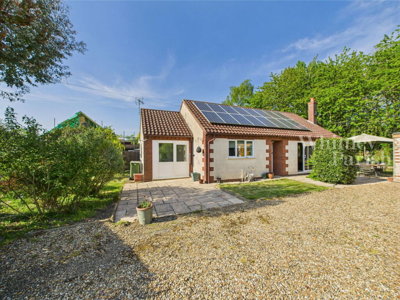
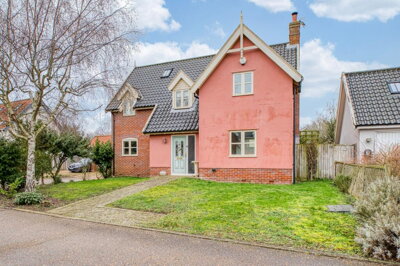
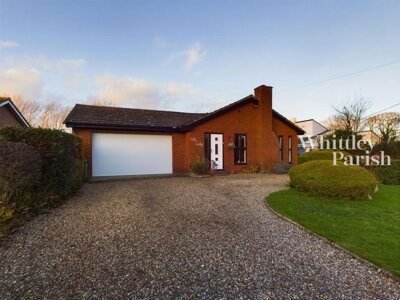
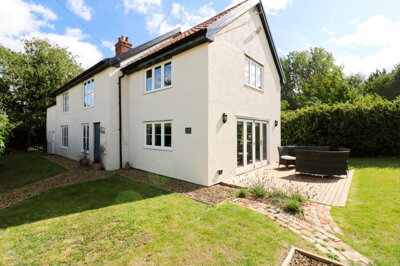
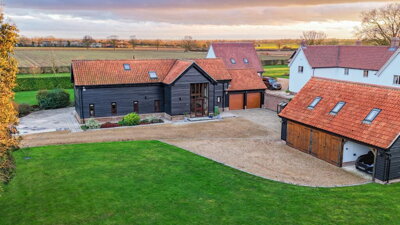
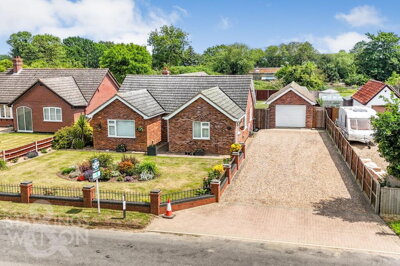
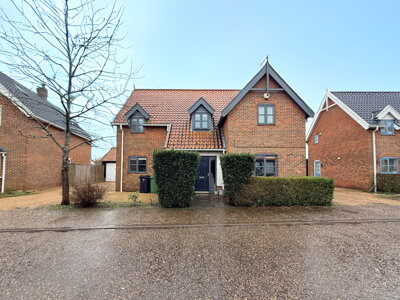
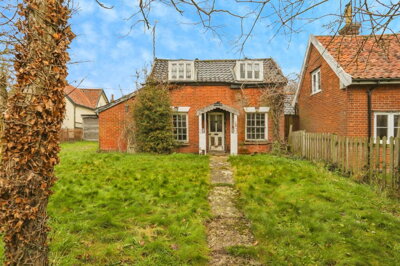
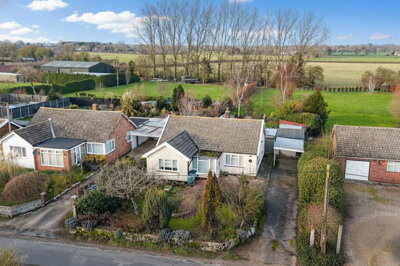
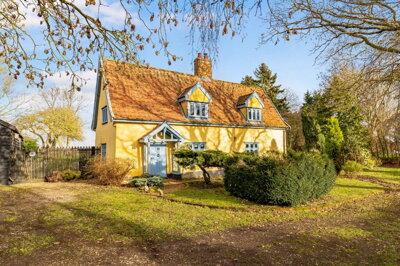
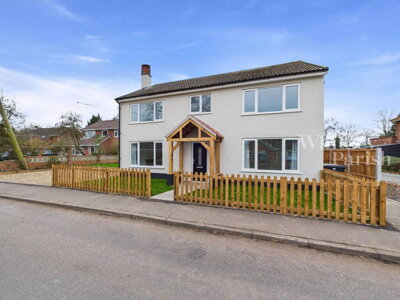
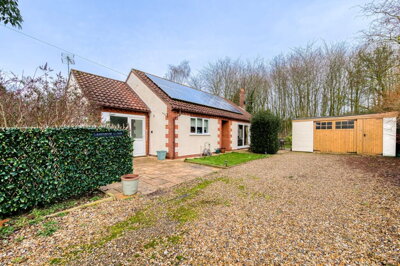
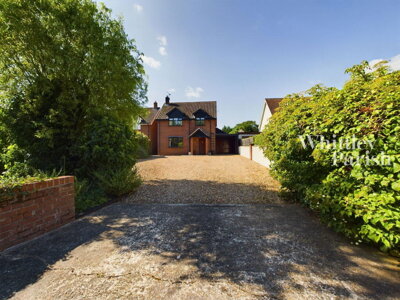
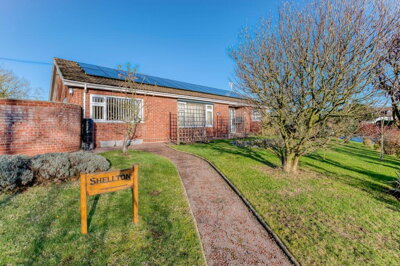
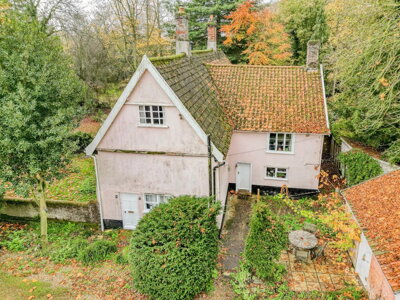
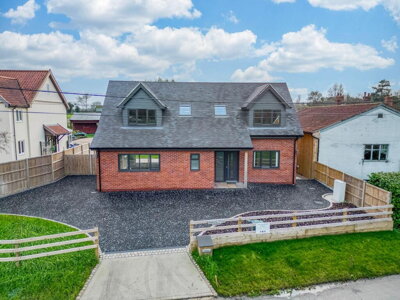
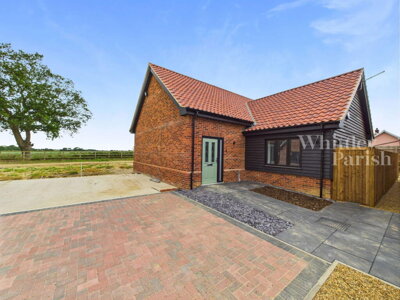
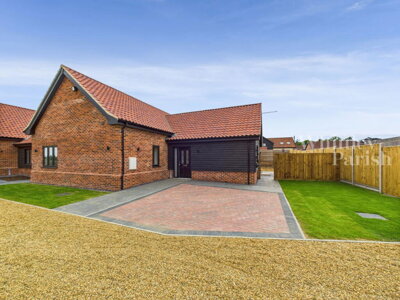
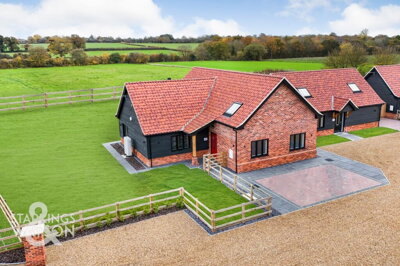
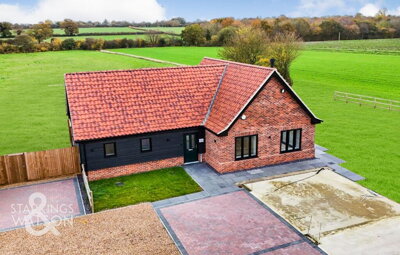
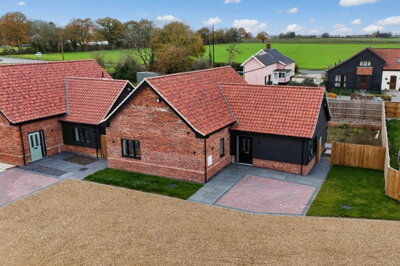
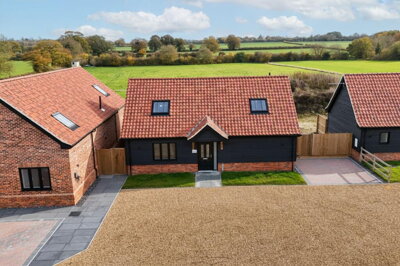
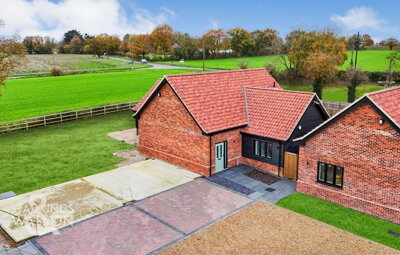
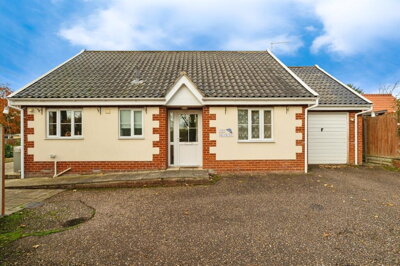
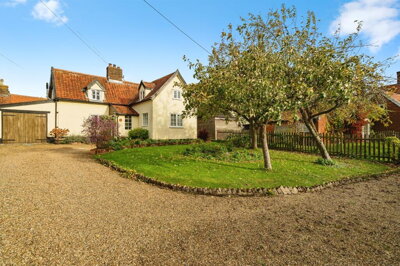
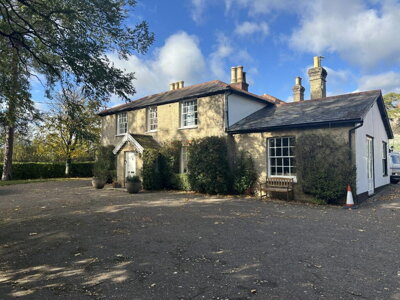
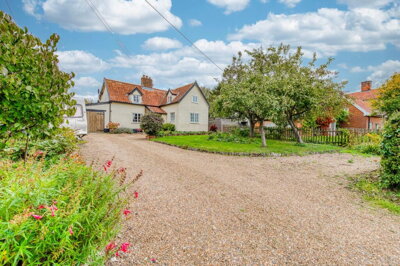
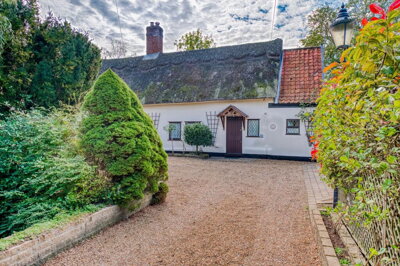
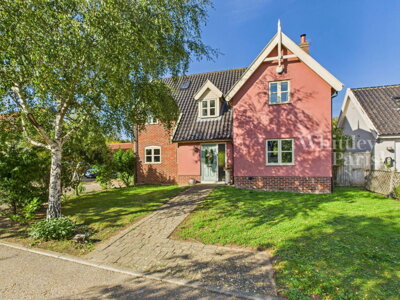
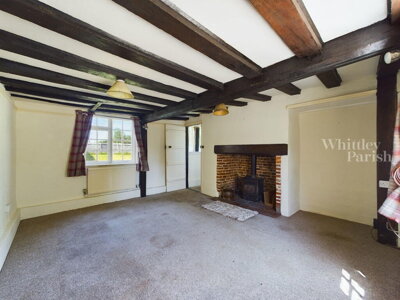
Browse 45 homes for sale in Shelfanger, South Norfolk from local estate agents.
£400k
5
0
88
Source: home.co.uk
Source: home.co.uk
Detached
2 listings
Avg £462,500
Barn Conversion
1 listings
Avg £830,000
Cottage
1 listings
Avg £230,000
Detached Bungalow
1 listings
Avg £240,000
Source: home.co.uk
Source: home.co.uk
The property market in Barford reflects the broader trends affecting South Norfolk and the wider Norfolk county, where recent price adjustments have created opportunities for buyers entering the market. Average house prices in Barford have been reported between £352,200 and £479,605 depending on the data source and methodology used for calculation. The variation in average figures likely reflects differences in property types sold during the measurement period, with higher-priced detached homes potentially skewing one dataset while another captures more diverse sales activity.
Property types available in the village and surrounding area include detached homes averaging around £430,000 to £630,000, semi-detached properties in the £234,000 to £331,000 range, and terraced homes averaging approximately £305,000. The Norfolk county market saw 11,600 property sales in the past twelve months, though this represented a 14.1% decrease compared to the previous year. South Norfolk specifically recorded 1,747 sales in 2025, demonstrating continued activity in the local market despite broader national trends. For buyers, this market correction may present genuine buying opportunities in a village location that has historically held its value well due to limited supply and strong demand from those seeking rural lifestyles within commuting distance of Norwich.
Historical price data for Barford shows that sold prices over the last year were approximately 24% down on the previous year and 33% down on the 2021 peak, according to some sources. This significant adjustment reflects broader national market conditions following the pandemic-driven price surge, but it is worth noting that village properties in desirable locations with good connectivity tend to recover value quickly when market conditions stabilise. The South Norfolk district has already begun showing renewed strength with that 2.8% annual increase recorded in December 2025, suggesting that the area is moving through the correction phase more positively than many other regions.

Barford is a traditional Norfolk village that embodies the qualities many buyers seek when looking to relocate from larger towns or cities. The village features historic architecture using characteristic Norfolk flint construction, a building material that has been used in the region for centuries and contributes to the distinctive local aesthetic. The village setting offers a peaceful environment with access to countryside walks and rural scenery, making it particularly attractive to families, retirees, and those working from home who value space and tranquility over urban conveniences. The River Tiffey flows through the village, providing a pleasant backdrop for walks and contributing to the verdant character of the area.
The character of South Norfolk villages like Barford includes essential amenities such as a local pub, village hall, and church, providing a sense of community without requiring travel to larger settlements. The village pub serves as a social hub where residents gather for meals and events, reinforcing the tight-knit community atmosphere that makes village living so appealing. The Church of St Peter stands as a historic landmark in the village, its flint construction reflecting the traditional building methods of the area and serving as a focal point for community gatherings and celebrations.
The area benefits from proximity to the market town of Wymondham, which offers additional shopping facilities, restaurants, and services within a short drive of approximately fifteen minutes. Wymondham itself retains much of its historic character with a market square, independent shops, and Grade I listed buildings including the impressive twin towers of the Abbey Church. Norfolk's coastal areas and the Broads National Park are accessible for day trips, providing leisure opportunities that enhance the appeal of living in the county. The combination of village charm, natural beauty, and reasonable proximity to Norwich makes Barford an attractive proposition for those seeking to balance rural living with access to urban employment and amenities.
South Norfolk generally offers excellent value compared to parts of Norfolk closer to the coast, where holiday lets and second homes have driven prices higher in recent years. This makes villages like Barford particularly attractive to buyers seeking more space for their money while still benefiting from the county's strong schooling options, healthcare facilities, and transport connections. The area also attracts professionals working in Norwich who appreciate the ability to live in a village environment with a genuine sense of community while commuting to the city.
Education provision in Barford and the surrounding South Norfolk area includes primary schools serving the village and nearby communities. Parents considering a move to the area should research specific school catchments and Ofsted ratings for schools in the surrounding villages, as primary school admissions are typically determined by geographic proximity. Schools in the area generally serve communities within a reasonable travelling distance, with many villages feeding into a small number of primary schools serving the local cluster. The closest primary schools to Barford include settings in nearby villages that serve the immediate community with the village hall often serving as a hub for parent and toddler groups and community education initiatives.
For primary education, children from Barford typically attend schools in the surrounding villages, with options including settings that have built strong reputations for nurturing pupil development in a rural environment. The Key Stage 2 results for South Norfolk primary schools show generally positive performance, with several schools achieving above the national average for reading, writing, and mathematics combined. Parents are encouraged to visit schools during open days and speak with current families to gain genuine insight into the school environment beyond published statistics.
Secondary education options in South Norfolk include schools in Wymondham and Attleborough, which offer comprehensive education through to Sixth Form for students aged 11-18. Wymondham High Academy is a popular choice for families in the southern Norwich area, offering a broad curriculum and strong extracurricular programme including sports, arts, and music. Attleborough Academy Norfolk serves the eastern side of the district and provides specialist subjects alongside a comprehensive sixth form offering A-levels and vocational qualifications. For families prioritising academic excellence or specific educational approaches, investigating individual school performance data and visiting schools during open days can provide valuable insight into the options available.
The presence of the University of East Anglia in Norwich also means that older children have access to higher education without necessarily needing to relocate to a major city. UEA is consistently ranked among the top universities in the UK for student experience and offers a wide range of undergraduate and postgraduate programmes. Norwich also hosts the University of East Anglia Health Sciences faculty and Norwich University of the Arts, providing diverse higher education options within reasonable commuting distance from Barford.

Transport connectivity from Barford benefits from its position within South Norfolk, providing access to both road and rail connections for commuters and those seeking to explore the region. The village is situated near the A11 trunk road, which provides a direct route north to Norwich and south towards Cambridge and the M11 motorway, making car travel to major destinations relatively straightforward. Norwich city centre is accessible within approximately 30 minutes by car, while Cambridge can typically be reached in around an hour depending on traffic conditions. The A47 trunk road also passes nearby, providing connections to Great Yarmouth to the east and King's Lynn to the north-west.
Rail connections from nearby stations offer access to Norwich, which provides direct train services to London Liverpool Street with journey times of approximately two hours. Norwich station has undergone significant redevelopment in recent years, improving facilities for commuters with better waiting areas, improved retail offerings, and enhanced accessibility. The station also provides connections to Cambridge, Ipswich, and various destinations across East Anglia. For residents who work in London but prefer village living, the twice-hourly service to the capital makes this lifestyle increasingly feasible, particularly with the growth of hybrid working arrangements.
Local bus services connect Barford with surrounding villages and the market towns of Wymondham and Attleborough, providing essential transport options for those without access to a car. Bus routes in rural Norfolk typically operate less frequently than urban services, so residents should check timetables carefully when considering public transport as a primary commuting option. For cyclists, the Norfolk countryside offers scenic routes through villages and countryside, though the largely flat terrain of the county is generally more suited to leisure cycling than serious commuting. National Cycle Route 13 passes through parts of South Norfolk, offering traffic-free options for cycling between villages.
The balance of rural tranquility with reasonable connectivity makes Barford practical for those who work locally or commute occasionally to larger centres. Many residents of South Norfolk villages combine remote working with occasional office attendance, taking advantage of the peaceful home environment while maintaining professional connections in Norwich or further afield. The village benefits from improving broadband connectivity, with superfast broadband now available in many properties, supporting the growing trend towards home-based work that has expanded since 2020.
Before viewing properties, research the local market thoroughly and obtain a mortgage agreement in principle from a lender. This document confirms how much you can borrow and strengthens your position when making offers. In Barford, with average prices ranging from £234,000 for semi-detached homes to over £600,000 for larger detached properties, understanding your financial position is essential. Consider getting a Decision in Principle from at least two lenders to compare offers and understand the full range of mortgage products available for your situation.
Use Homemove to browse all available properties in Barford and set up alerts for new listings matching your criteria. Once you have identified properties of interest, arrange viewings through the listed estate agents. Viewing multiple properties will help you understand what your budget delivers in this village setting compared to nearby towns. Pay attention to the condition of properties during viewings and note any areas requiring further investigation, such as roof condition, damp evidence, or extension work that may not have had proper planning consent.
When you find a property you wish to purchase, submit your offer through the estate agent with details of your chain status, proposed timeline, and any conditions. In Barford's market, negotiation on price may be possible given the recent price adjustments, so approach offers with a realistic understanding of current market values. Be prepared to provide evidence of your mortgage arrangement in principle and explain your position clearly. In a village market where properties can be rarer than in towns, being prepared and decisive can be advantageous.
Once your offer is accepted, instruct a conveyancing solicitor to handle the legal aspects of your purchase. A RICS Level 2 survey is recommended for most properties, and this becomes particularly important for older properties where hidden defects may not be apparent during viewings. Your solicitor will conduct searches with the local authority and investigate any planning issues affecting the property. Given the age of many properties in Barford, searches may reveal historical alterations, rights of way, or planning conditions that affect the property.
Your solicitor will work towards the agreed completion date, exchanging contracts once all legal searches are satisfactory and both parties are ready to proceed. On completion day, the remaining funds are transferred and you receive the keys to your new home in Barford. Ensure you have arranged buildings insurance from this date as your risk in the property begins upon completion. We recommend checking the property inventory thoroughly on the day of completion and documenting the condition with photographs.
Property buyers in Barford should pay attention to the construction methods and age of properties typical in South Norfolk villages. Many homes will have been built using Norfolk flint construction, which requires specific maintenance approaches and specialist knowledge when repairs are needed. Understanding the property's construction materials and any recent renovation work will help you assess future maintenance requirements and costs. Older properties may have solid floors rather than suspended timber, different roof constructions, and potential issues with damp that require investigation. We regularly see flint walls where pointing has deteriorated over time, leading to water penetration and internal damp issues that may not be immediately apparent during viewings.
The age of housing stock in Norfolk villages means that many properties will have been built before modern building regulations were introduced. This can result in various construction characteristics that buyers should understand, including pre-war electrical installations that may require updating, solid brick or flint external walls without cavity insulation, and heating systems that predate modern energy efficiency standards. A thorough RICS Level 2 survey will identify these issues and allow you to budget for necessary improvements or negotiate the price to reflect the cost of bringing the property up to modern standards.
Planning restrictions in rural villages like Barford may affect what you can do with a property after purchase, so investigating any planning permissions granted in the immediate vicinity is worthwhile. Properties in conservation areas, if applicable, will have additional restrictions on external alterations. Service charges and leasehold arrangements for any properties sold on this basis should be reviewed carefully, with particular attention to ground rent terms and any upcoming service charge increases. Rural properties may also have different arrangements for heating oil, private drainage systems, or shared access roads that differ from urban properties and require specific insurance considerations.
Drainage arrangements deserve particular attention in rural properties. Many older village homes use private septic tanks or treatment plants rather than mains sewerage, which involves ongoing maintenance costs and environmental responsibilities. These systems typically require emptying by a registered contractor several times per year, and replacement costs can run to thousands of pounds. Your survey should include assessment of the drainage system's condition and age, and your solicitor should confirm whether the system has the necessary permits and maintenance records.
Understanding the full costs of buying property in Barford extends beyond the purchase price to include stamp duty, legal fees, survey costs, and various other expenses that accumulate throughout the transaction. The current stamp duty thresholds in England apply the starting rate of 0% to purchases up to £250,000, moving to 5% on the portion of price between £250,001 and £925,000. For a typical property in Barford at the village average of around £350,000, this would result in stamp duty of approximately £5,000 for a main residence purchase without first-time buyer relief. This is a significant sum that should be factored into your overall budget from the outset.
First-time buyers purchasing properties up to £625,000 benefit from relief that increases the nil-rate threshold to £425,000, reducing the effective stamp duty on a £350,000 property to zero or a minimal amount. Above £625,000, first-time buyer relief does not apply. Solicitor fees for conveyancing typically start from around £499 for standard purchases, though complex transactions involving leasehold properties, agricultural restrictions, or title complications may cost more. Given the rural nature of many properties in Barford, searches sometimes reveal additional complications that can affect legal costs, so it is worth obtaining a detailed quote from your solicitor at the outset.
A RICS Level 2 survey for a standard property costs from £350, while an EPC assessment for your new home will cost from £80. Budgeting for these costs alongside removals, mortgage arrangement fees, and potential renovation works ensures you are financially prepared for your move to Barford. Additional costs to consider include Land Registry fees for title registration, search fees from the local authority and other bodies, mortgage valuation fees, and buildings insurance from the point of completion. We recommend budgeting for a contingency of around 10% of the purchase price to cover unexpected costs that frequently arise during property purchases.
Average house prices in Barford have been reported between approximately £352,200 and £479,605 depending on the data source and property mix during the measurement period. Detached properties typically command higher prices in the £430,000 to £630,000 range, while semi-detached homes average around £234,000 to £331,000. Terraced properties in the village average approximately £305,000. The broader South Norfolk district shows an average of £313,000 as of December 2025, with a 2.8% annual increase suggesting relative market stability in the area. Price trends show that Barford property values fell by approximately 24% over the past year from previous levels, though such corrections have been experienced across the wider Norfolk market.
Properties in Barford fall under South Norfolk Council for council tax purposes, which sets annual charges based on property valuation bands determined by the Valuation Office Agency. Specific banding depends on the property valuation and construction date, with most village properties falling within bands B through D given typical property values in the area. You can check specific bandings for individual properties using the government valuation service online, and these bands determine the annual council tax charges that you will be liable to pay from the completion date of your purchase.
Primary schools serving Barford are located in surrounding villages, with parents advised to check specific catchment areas and current Ofsted ratings for options in the local cluster. Schools such as those in the surrounding villages serve the immediate community and typically have good reputations for pastoral care in a village school environment. Secondary education options in the area include Wymondham High Academy and Attleborough Academy Norfolk, which serve as the main options for families living in villages like Barford. Researching individual school performance data, visiting during open days, and understanding admission catchment boundaries is essential for families with school-age children.
Barford benefits from proximity to the A11 trunk road, providing road connectivity to Norwich and the wider region via the strategic road network. Rail connections are available from stations in Wymondham and Norwich, with Norwich offering direct services to London Liverpool Street in approximately two hours. Local bus services connect the village with surrounding communities and the market town of Wymondham, though service frequencies are limited compared to urban routes and typically require planning around specific timetables. For commuting purposes, car ownership remains advantageous for most residents, though hybrid workers who travel to Norwich two or three days per week can manage well with less frequent bus services or car sharing arrangements.
Barford and South Norfolk have shown resilience despite broader national market corrections, with the district recording a 2.8% price increase in the year to December 2025. Rural villages with good connectivity to larger towns typically maintain demand from buyers seeking lifestyle changes or commuting options, and Barford's position near the A11 makes it attractive to this buyer demographic. The limited supply of properties in small villages can support prices over time, and recent price adjustments may have created entry points for buyers who were previously priced out of the market. As with any property investment, thorough research and a long-term perspective are advisable, and we recommend that buyers purchase with genuine intention to live in the property rather than speculating on short-term gains.
Stamp duty rates in England from April 2025 start at 0% for purchases up to £250,000, rising to 5% on the portion between £250,001 and £925,000. Properties above £925,000 incur 10% up to £1.5 million, then 12% above that threshold. First-time buyers benefit from relief on purchases up to £625,000, paying 0% up to £425,000 and 5% between £425,001 and £625,000. For a typical Barford property priced at £350,000, a main residence buyer without first-time buyer status would pay approximately £5,000 in stamp duty, while a first-time buyer would pay nothing under the current relief provisions.
When viewing properties in Barford, pay particular attention to the condition of flint construction walls if present, as deterioration in mortar pointing is a common issue in older Norfolk properties. Check for signs of damp, particularly in ground floor rooms and basements where water penetration can occur over time. Verify the age and condition of heating systems, as many rural properties still rely on oil-fired boilers that require annual servicing and tank maintenance. Review planning permissions for any extensions or alterations, as unconsented work can cause problems during future sales. Your solicitor should investigate rights of way, drainage arrangements, and any environmental factors that may affect the property.
Specific new build developments within Barford itself were not identified in current market listings, though opportunities may arise as the village evolves. Norfolk county saw 521 newly built property sales in the past twelve months, representing 4.5% of total sales, with most new properties in the county sold in the £300,000 to £400,000 price range. New build options in the wider South Norfolk area may be available in nearby towns like Wymondham or Attleborough, where larger developments periodically release homes to the market. Properties in Barford are more likely to be older stock, making thorough surveys even more important to identify any defects that may not be apparent during viewings.
Find competitive mortgage deals for your Barford property purchase
From 3.5% APR
Professional property solicitors to handle your legal work
From £499
Comprehensive survey to identify defects before purchase
From £350
Detailed structural survey for older or complex properties
From £500
Energy performance certificate for your new home
From £80
Barford represents an attractive proposition for buyers seeking to balance rural village living with practical connectivity to urban employment and amenities. The village offers a genuine community atmosphere that is increasingly difficult to find in urban environments, where neighbours often remain strangers despite living in close proximity. Village events, the local pub, and the church all contribute to a social fabric that many buyers find appealing when leaving larger towns or cities.
The property market in South Norfolk has demonstrated resilience through various economic conditions, with the district's 2.8% price increase in the year to December 2025 outperforming many other areas of the country. This stability reflects the fundamental appeal of the area to buyers who prioritise quality of life alongside practical considerations like commuting access. Properties in Barford benefit from the finite supply of village homes, meaning that demand typically remains steady even when national markets experience more significant fluctuations.
For families, the area offers a combination of good schooling options, safe outdoor spaces, and the opportunity for children to grow up in a community environment rather than urban anonymity. The proximity to Wymondham and Norwich provides access to healthcare, shopping, and cultural amenities without requiring daily urban commuting. Retirees find the area equally appealing, with the peaceful environment, local social opportunities, and reasonable access to services supporting an independent lifestyle. The combination of these factors makes Barford a village that retains its appeal across different life stages and buyer circumstances.
Properties for Sale In London

Properties for Sale In Plymouth

Properties for Sale In Liverpool

Properties for Sale In Glasgow

Properties for Sale In Sheffield

Properties for Sale In Edinburgh

Properties for Sale In Coventry

Properties for Sale In Bradford

Properties for Sale In Manchester

Properties for Sale In Birmingham

Properties for Sale In Bristol

Properties for Sale In Oxford

Properties for Sale In Leicester

Properties for Sale In Newcastle

Properties for Sale In Leeds

Properties for Sale In Southampton

Properties for Sale In Cardiff

Properties for Sale In Nottingham

Properties for Sale In Norwich

Properties for Sale In Brighton

Properties for Sale In Derby

Properties for Sale In Portsmouth

Properties for Sale In Northampton

Properties for Sale In Milton Keynes

Properties for Sale In Bournemouth

Properties for Sale In Bolton

Properties for Sale In Swansea

Properties for Sale In Swindon

Properties for Sale In Peterborough

Properties for Sale In Wolverhampton

Enter your details to see if this property is within your budget.
Loans, cards, car finance
Estimated property budget
Borrowing + deposit
You could borrow between
Typical borrowing
Monthly repayment
Est. at 4.5%
Loan-to-value
This is an estimate only. Your actual budget may vary depending on interest rates, credit history, and personal circumstances. For an accurate affordability assessment, speak to one of our free mortgage advisors.
This calculator provides estimates for illustrative purposes only and does not constitute financial advice. Your home may be repossessed if you do not keep up repayments on your mortgage. Estimates based on 4.5% interest rate, repayment mortgage. Actual rates depend on your circumstances.
Homemove is a trading name of HM Haus Group Ltd (Company No. 13873779, registered in England & Wales). Homemove Mortgages Ltd (Company No. 15947693) is an Appointed Representative of TMG Direct Limited, trading as TMG Mortgage Network, which is authorised and regulated by the Financial Conduct Authority (FRN 786245). Homemove Mortgages Ltd is entered on the FCA Register as an Appointed Representative (FRN 1022429). You can check registrations at NewRegister or by calling 0800 111 6768.

We use cookies to show you personalised content and improve your experience of our website. Find out more in our Privacy policy and Cookie policy.