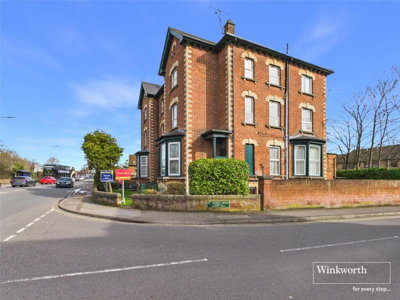
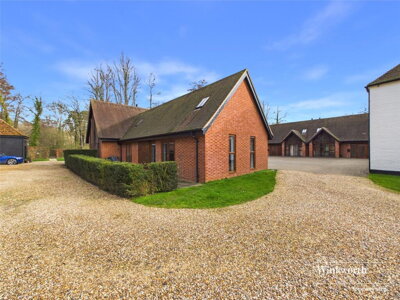
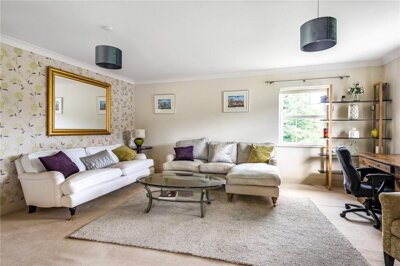
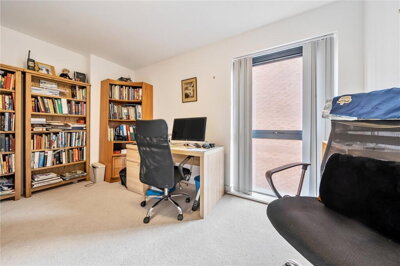
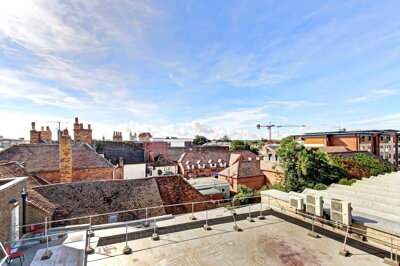
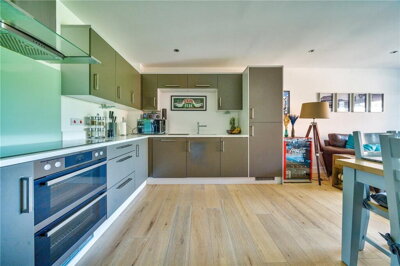
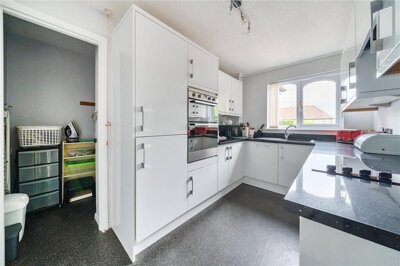
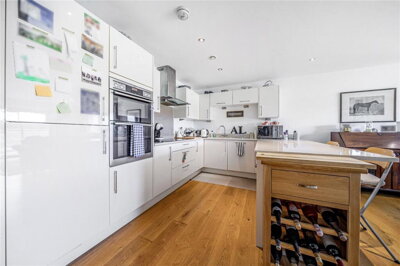
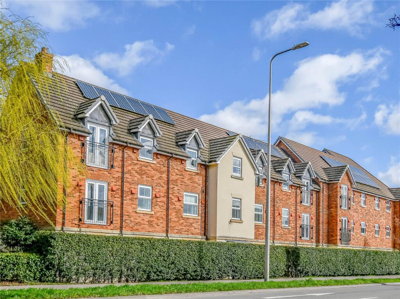
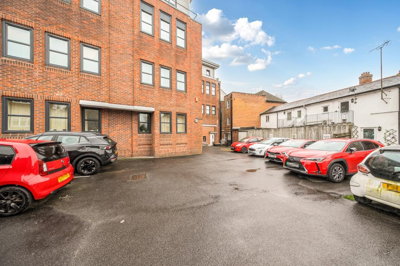
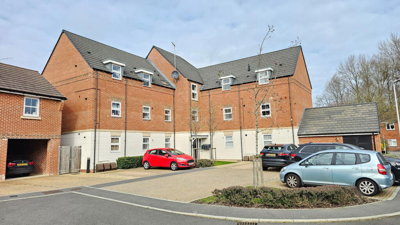
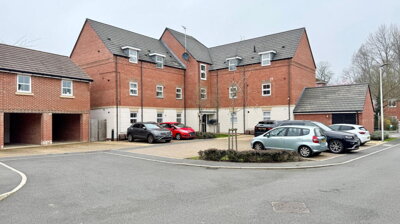
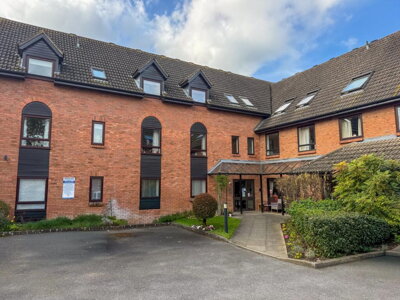
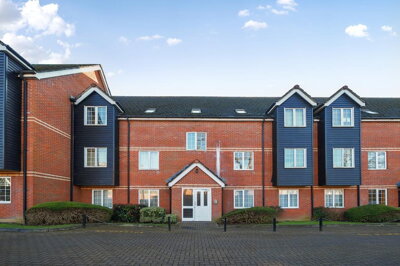
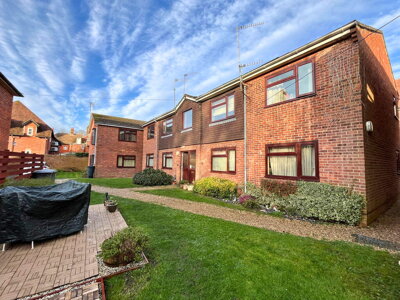
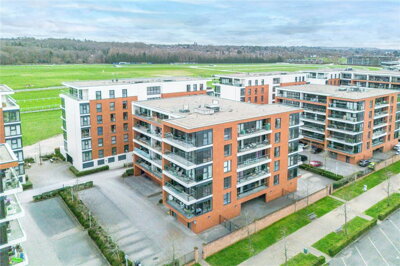
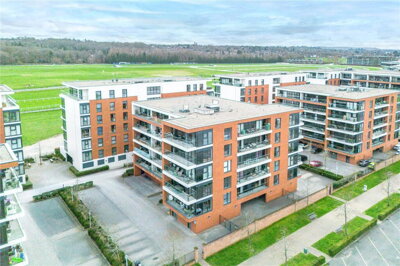
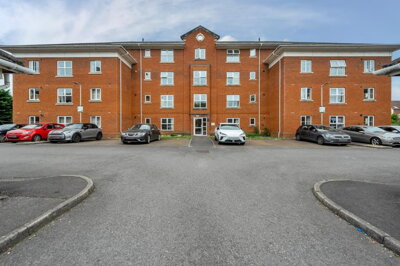
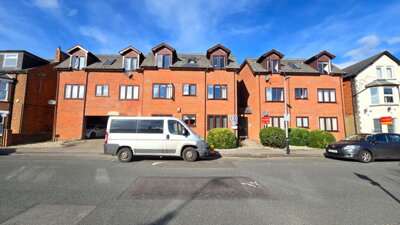
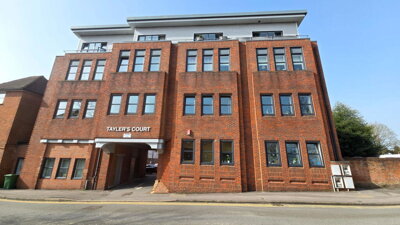
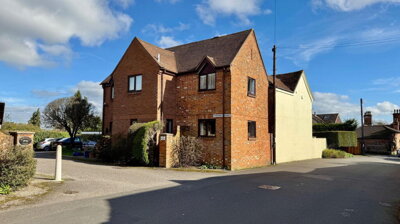
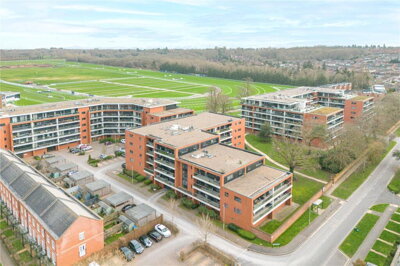
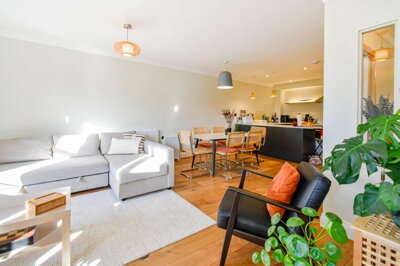
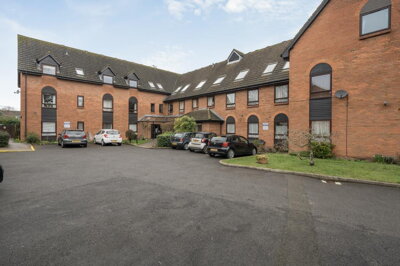
Browse 200 homes for sale in Shaw cum Donnington from local estate agents.
Studio apartments feature open-plan living spaces without separate bedrooms, incorporating sleeping, living, kitchen, and bathroom facilities. The Shaw Cum Donnington studio market includes properties in modern apartment complexes, converted Victorian and Georgian buildings, and purpose-built developments.
The Little Wratting property market reflects its status as a small, desirable rural village in West Suffolk. Current data shows an average property price of £543,750, with all recorded sales in recent months being detached properties. This preference for detached homes aligns with the village character, where generous plot sizes and countryside views are standard features rather than exceptions. The market here moves deliberately, with only 2 property sales recorded in the past 12 months, indicating a tight supply that can benefit sellers but requires patience from buyers prepared to act when suitable properties appear.
Unlike larger towns with frequent new-build activity, Little Wratting has seen minimal development in recent years. Searches for new-build developments within the CB8 postcode area have not identified active construction projects specifically within the village itself. The housing stock consists predominantly of older, traditionally built properties, many of which predate the 20th century. For buyers prioritising character over modernity, this scarcity of new supply often enhances the appeal of period cottages and farmhouses that retain original features such as exposed timber beams, inglenook fireplaces, and solid brick or flint construction.
The limited transaction volume in Little Wratting means that each sale can significantly influence average figures. Properties here rarely come to market, and when they do, they tend to attract interest from buyers specifically seeking the village's unique blend of rural seclusion and convenient access to major employment centres. The CB8 postcode area encompasses a wider geographic zone, so individual properties may price above or below the village average depending on condition, specific location, and whether any recent renovations have been undertaken.

Life in Little Wratting centres on community connections and the natural beauty of the Suffolk countryside. The village forms part of a cluster of small settlements that share local facilities, with Haverhill providing the nearest comprehensive range of shops, supermarkets, and services. Residents enjoy walking routes through farmland and along country lanes, with the landscape characterised by rolling chalk plains, patches of woodland, and hedgerow-lined fields that support diverse wildlife. The village pub, church, and village hall serve as focal points for social activities, creating opportunities for newcomers to integrate quickly into this close-knit community.
The demographics of Little Wratting reflect a balanced community with families, couples, and individuals drawn to the village for its quality of life and accessibility. With a population of 421 recorded in the 2021 Census, the village maintains its intimate scale while benefiting from the economic activity and employment opportunities within commuting distance. Local employers include agricultural businesses, local services, and workers commuting to larger centres including Cambridge, Newmarket, and Bury St Edmunds. The presence of listed buildings throughout the village, combined with traditional building materials such as red brick, timber framing, and flint, creates a streetscape that preserves Suffolk's architectural heritage while offering homes with genuine character.
The underlying geology of the area consists of glacial till, sand, and gravel overlying Cretaceous chalk bedrock, typical of the South Suffolk and North Essex Clayland landscape. This geology influences both the agricultural character of the surrounding countryside and the construction methods used in local properties. The clay-rich soils present some considerations for property buyers, as foundation conditions can be affected by moisture changes, a factor worth investigating during the survey process.

Families considering a move to Little Wratting will find educational options available within the surrounding area, with primary schools serving the village and surrounding hamlets. The village falls within the West Suffolk local authority area, which manages a network of primary and secondary schools across the district. For primary education, several village and town schools within a reasonable drive accommodate younger children, with many offering the small class sizes and individual attention that village communities often provide. Parents should research specific catchment areas, as school admissions policies determine which institutions children can access based on residential location.
Secondary education in the area includes options in Haverhill and further afield, with several schools serving the CB8 and CB9 postcode areas. For families with older children, the proximity to Cambridge provides access to selective grammar schools and well-regarded secondary institutions, though these typically require passing entrance examinations. Post-16 education opportunities include sixth forms at local secondary schools and further education colleges in nearby towns. Given the village's small scale, families should carefully consider school transport arrangements and journey times when purchasing property in Little Wratting, particularly for secondary-aged children.
The nearest primary schools to Little Wratting typically serve the surrounding villages and hamlets, with most families travelling to Haverhill for a broader selection of schooling options. Several primary schools in the Haverhill area have good Ofsted ratings, though catchment boundaries can be competitive in popular villages. Parents are advised to contact Suffolk County Council directly or check individual school websites for the most current admissions information and any planned changes to catchment arrangements.
Transport connections from Little Wratting rely primarily on road networks, with the village situated off local roads that connect to the A1307 and subsequently to the A11 trunk route. Commuters frequently travel to Haverhill for local services or continue to Cambridge, which lies approximately 25 miles to the west via the A11 and A1303 corridor. Journey times to Cambridge city centre typically range from 40 minutes to an hour by car, making it feasible for daily commuters while maintaining a rural lifestyle. The A14 corridor provides access to Bury St Edmunds and the wider Suffolk road network, connecting residents to employment centres across East Anglia.
Public transport options serving Little Wratting are limited, consistent with its status as a small rural village. Bus services connecting to Haverhill and surrounding villages provide occasional opportunities for travel without a car, though frequency is unlikely to support daily commuting needs. The nearest railway stations are in Cambridge and Bury St Edmunds, offering regular services to London, Norwich, and Birmingham. Cambridge station provides direct links to London King's Cross with journey times of around 45 minutes, while Bury St Edmunds offers connections to Cambridge and Ipswich. For buyers considering Little Wratting as a base, car ownership is effectively essential, and the village's position within the Suffolk countryside should be weighed against the need for regular travel to access employment, services, and amenities in larger towns.
The A11 corridor remains the primary artery for commuters travelling to Cambridge, with the route via the A1303 offering a relatively direct connection despite country roads at either end. Traffic levels on these roads are generally lighter than major urban routes, though morning and evening peaks can bring delays approaching Cambridge. For those working in Cambridge's science parks or city centre, living in Little Wratting offers a viable middle ground between countryside living and urban employment, provided commuting costs and time commitments are acceptable.
Before viewing properties, spend time in Little Wratting at different times of day and week to understand the community atmosphere, noise levels from farming operations, and proximity to neighbours. Visit local shops in Haverhill, walk the village lanes, and speak with existing residents to gauge whether the village suits your lifestyle expectations. Pay particular attention to the location of specific properties in relation to the A1307 and minor roads, as traffic noise can vary significantly depending on your exact position within the village.
Contact lenders or mortgage brokers to obtain an agreement in principle before making offers. Given the rural nature of Little Wratting and the age of many properties, some lenders may have specific requirements or restrictions for non-standard construction or listed buildings. Having your financing arranged demonstrates serious intent to sellers and accelerates the purchasing process once you find your ideal home. For properties valued around the village average of £543,750, most lenders will consider mortgage amounts up to around £435,000 for buyers with a 20% deposit.
View multiple properties in Little Wratting and comparable villages to understand the local market and what features are available at various price points. Pay attention to construction materials, property condition, and any signs of damp, structural movement, or timber defects common in older properties. Take photographs and notes to compare properties after viewings. Given the limited supply, being prepared to move quickly when a suitable property appears is advisable.
Given the prevalence of older properties in Little Wratting, a comprehensive RICS Level 2 Survey is essential. This inspection identifies defects such as damp, roof condition issues, subsidence risk from clay soils, and outdated electrics. Survey costs for properties valued around the village average of £543,750 typically range from £450 to £700, depending on property size and complexity. For listed buildings or properties with non-standard construction, a more detailed RICS Level 3 Survey may be recommended.
Choose a solicitor with experience in rural Suffolk property transactions, particularly for listed buildings or properties within or near conservation areas. Your solicitor will handle searches, contracts, and land registry matters while coordinating with your mortgage lender and the seller's representatives throughout the transaction. Local knowledge of West Suffolk Council procedures and any conservation area restrictions can help smooth the conveyancing process.
Once surveys, searches, and legal checks are satisfactory, you will exchange contracts and pay a deposit, typically 10% of the purchase price. Completion follows, usually within 2-4 weeks, when the remaining funds are transferred and you receive the keys to your new home in Little Wratting. Given the small number of transactions in the village, both buyers and sellers typically have realistic expectations about timescales, though chain-free transactions can proceed more swiftly.
Properties in Little Wratting require careful inspection due to their age and traditional construction methods. The village sits on clay geology that presents a moderate to high shrink-swell risk, meaning foundations may be affected by moisture changes in the soil. Look for signs of cracking in walls, doors and windows that stick or do not close properly, and any evidence of movement that might indicate subsidence or heave issues. Properties with large trees nearby are particularly susceptible to foundation problems as roots extract moisture from clay soils during dry periods.
The presence of listed buildings in Little Wratting, including The Old Rectory, Wratting Hall, Stone Cottage, and 1-6 Green Row on Old Haverhill Road, indicates that similar restrictions may apply to other period properties in the village. Listed Building Consent is required for alterations and some repairs, which can increase costs and timescales for renovation projects. Surface water flooding has been historically reported on Haverhill Road in Little Wratting, so properties in lower-lying areas or those near ditches should be checked for drainage and flood resilience measures. Always review the condition of rainwater goods, roof coverings, and any outbuildings when viewing older properties.
Traditional building materials found throughout Little Wratting include solid brick walls, timber framing with infill panels, and flint construction as seen in properties like Stone Cottage. These non-standard construction methods differ significantly from modern cavity wall construction and may affect mortgage availability, insurance costs, and future renovation options. A thorough RICS Level 2 Survey will identify any concerns relating to construction type and help you budget for necessary maintenance or improvements.
The average property price in Little Wratting stands at £543,750 as of February 2026, based on Rightmove data for the CB8 postcode area. Detached properties form the entirety of recent sales, reflecting the village's predominantly rural housing stock. Property values have increased by 1.6% over the past 12 months, indicating stable demand in this sought-after West Suffolk village. Buyers should note that with only 2 sales recorded in the past year, each transaction can significantly influence average figures, so individual properties may price above or below the average depending on condition, size, and specific location within the village.
Properties in Little Wratting fall under West Suffolk Council's jurisdiction, which sets council tax bands based on property valuation. Banding information for specific properties can be obtained from the Valuation Office Agency website or your solicitor during conveyancing. Rural Suffolk properties, particularly older farmhouses and period cottages, often fall into bands C through E, though this varies significantly based on the property's assessed value. Your solicitor will confirm the exact band and applicable charges before completion.
Little Wratting itself does not have a school, so children attend primary schools in surrounding villages or the nearby town of Haverhill. West Suffolk Council maintains information about school catchments and admissions on their website. For secondary education, parents commonly consider schools in Haverhill or Cambridge-bound options, with some families pursuing selective grammar school places in Cambridgeshire. Parents should verify current catchment boundaries and admissions policies directly with Suffolk County Council or individual schools, as these can change and may affect which schools children can access from your chosen property.
Public transport connections from Little Wratting are limited, reflecting its status as a small rural village. Local bus services connect to Haverhill, but frequencies are unlikely to support daily commuting needs. The nearest railway stations are in Cambridge and Bury St Edmunds, providing mainline services to London and other major cities. Cambridge station offers direct trains to London King's Cross in approximately 45 minutes, making it feasible for occasional rail travel. For most residents, car ownership is essential, with Cambridge accessible in approximately 45-60 minutes by car via the A11 corridor. Buyers without vehicles should carefully assess whether the available bus services meet their regular travel requirements.
Little Wratting offers several factors that appeal to property investors and buyers seeking long-term value. The village benefits from proximity to Cambridge, a major employment hub that continues to drive demand for homes in surrounding villages. Property prices have shown steady appreciation of 1.6% over the past year, and the limited supply of homes for sale typically supports values in desirable villages. However, the small market size means liquidity is lower than in towns, and properties may take longer to sell. For buyers planning to live in the village long-term or let to local tenants, Little Wratting represents a sound investment with the stability of a proven rural Suffolk location.
Stamp Duty Land Tax applies to all property purchases in England. For residential purchases, the rates are 0% on the first £250,000, 5% on £250,001 to £925,000, 10% on £925,001 to £1.5 million, and 12% above £1.5 million. First-time buyers pay 0% on the first £425,000, with 5% charged between £425,000 and £625,000. For a typical Little Wratting property priced around the £543,750 average, a first-time buyer would pay no stamp duty, while a subsequent buyer would pay approximately £14,688 on the portion above £250,000. Your solicitor will calculate the exact amount due based on your circumstances and purchase price.
Little Wratting does not have significant rivers running through it that would pose a high river flood risk. However, historical surface water flooding has been reported on Haverhill Road in the village, where heavy rainfall has caused flood water to breach homes. Properties in lower-lying areas or those with poor drainage should be carefully assessed for flood resilience. We recommend requesting a flood risk search from your solicitor and checking the property's history for any flood-related insurance claims. Properties near ditches or drainage channels should be evaluated for the adequacy of their surface water management systems.
The housing stock in Little Wratting consists predominantly of older, traditionally constructed properties including period cottages, farmhouses, and historic homes. Detached properties dominate the market, with features such as exposed timber beams, inglenook fireplaces, and traditional brick or flint construction. Properties date from various periods, with several listed buildings indicating construction from the mid-19th century and earlier. New-build properties are rare in the village itself, with most housing stock pre-dating the 20th century. The limited supply of modern homes means that character properties retain strong appeal among buyers seeking traditional Suffolk architecture.
From 4.5%
Expert mortgage advice tailored to your circumstances
From £499
Specialist property solicitors for your Little Wratting purchase
From £450
Comprehensive survey for Little Wratting properties
From £80
Energy performance certificate for your new home
Purchasing a property in Little Wratting involves several costs beyond the purchase price itself. Stamp Duty Land Tax represents the most significant additional expense for most buyers. For a property priced at the village average of £543,750, a buyer who already owns property would pay approximately £14,688 in stamp duty, calculated on the amount above the £250,000 nil-rate threshold. First-time buyers benefit from relief that raises the nil-rate threshold to £425,000, meaning no stamp duty would be due on purchases up to this amount, and only 5% on the portion between £425,000 and £543,750.
Additional buying costs include solicitor fees for conveyancing, typically ranging from £800 to £2,000 depending on complexity and whether the property is freehold or leasehold. Survey costs for a RICS Level 2 Survey typically range from £450 to £700 for properties in this price range, with older or larger homes attracting higher fees. Search fees, land registry charges, and bank transfer costs add a further £200 to £400. Buyers should budget for removal costs, potential renovation expenses, and the cost of updating outdated electrical systems or insulation in period properties. Obtaining a mortgage agreement in principle before searching for properties in Little Wratting helps clarify your budget and demonstrates serious intent to estate agents and sellers.
For properties with non-standard construction such as timber-framed or flint-built homes common in Little Wratting, some mortgage lenders may require additional assessments or specialist insurance. These requirements can add modest costs to the transaction but are generally manageable with proper planning. Your mortgage broker can advise on lenders experienced with rural Suffolk properties and older construction types.
Properties for Sale In London

Properties for Sale In Plymouth

Properties for Sale In Liverpool

Properties for Sale In Glasgow

Properties for Sale In Sheffield

Properties for Sale In Edinburgh

Properties for Sale In Coventry

Properties for Sale In Bradford

Properties for Sale In Manchester

Properties for Sale In Birmingham

Properties for Sale In Bristol

Properties for Sale In Oxford

Properties for Sale In Leicester

Properties for Sale In Newcastle

Properties for Sale In Leeds

Properties for Sale In Southampton

Properties for Sale In Cardiff

Properties for Sale In Nottingham

Properties for Sale In Norwich

Properties for Sale In Brighton

Properties for Sale In Derby

Properties for Sale In Portsmouth

Properties for Sale In Northampton

Properties for Sale In Milton Keynes

Properties for Sale In Bournemouth

Properties for Sale In Bolton

Properties for Sale In Swansea

Properties for Sale In Swindon

Properties for Sale In Peterborough

Properties for Sale In Wolverhampton

Enter your details to see if this property is within your budget.
Loans, cards, car finance
Estimated property budget
Borrowing + deposit
You could borrow between
Typical borrowing
Monthly repayment
Est. at 4.5%
Loan-to-value
This is an estimate only. Your actual budget may vary depending on interest rates, credit history, and personal circumstances. For an accurate affordability assessment, speak to one of our free mortgage advisors.
This calculator provides estimates for illustrative purposes only and does not constitute financial advice. Your home may be repossessed if you do not keep up repayments on your mortgage. Estimates based on 4.5% interest rate, repayment mortgage. Actual rates depend on your circumstances.
Homemove is a trading name of HM Haus Group Ltd (Company No. 13873779, registered in England & Wales). Homemove Mortgages Ltd (Company No. 15947693) is an Appointed Representative of TMG Direct Limited, trading as TMG Mortgage Network, which is authorised and regulated by the Financial Conduct Authority (FRN 786245). Homemove Mortgages Ltd is entered on the FCA Register as an Appointed Representative (FRN 1022429). You can check registrations at NewRegister or by calling 0800 111 6768.

We use cookies to show you personalised content and improve your experience of our website. Find out more in our Privacy policy and Cookie policy.