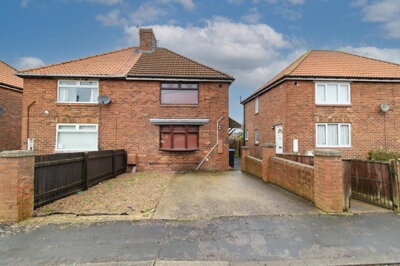
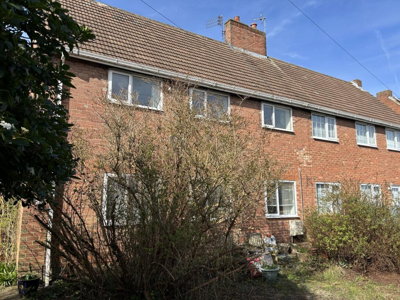
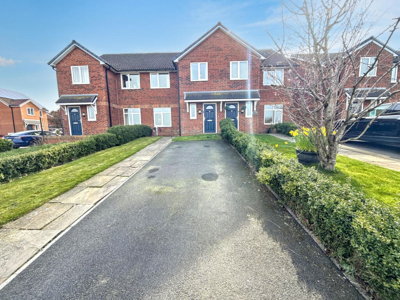
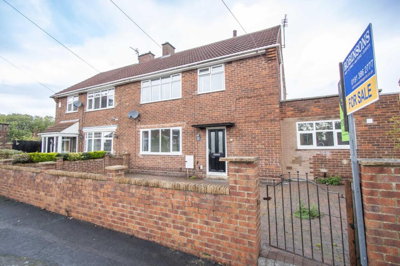
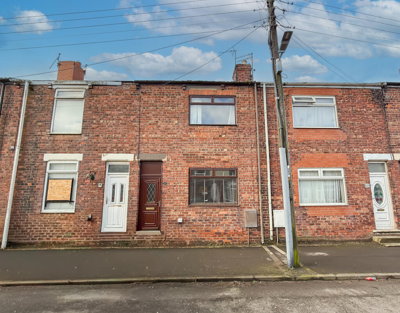
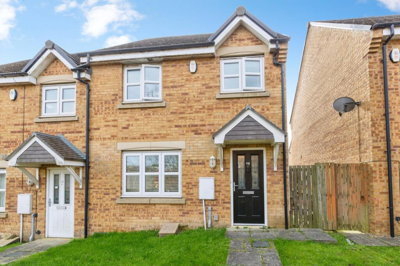
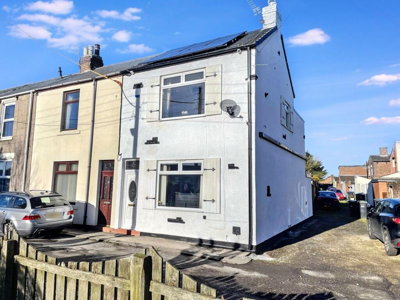
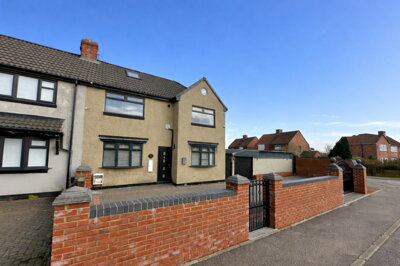
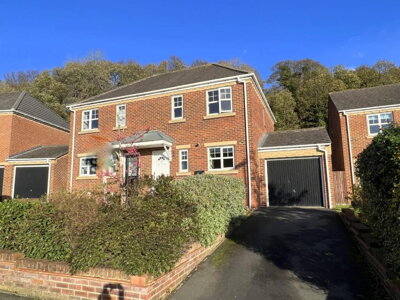
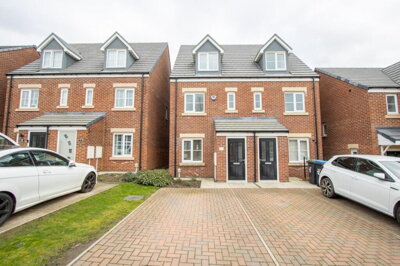
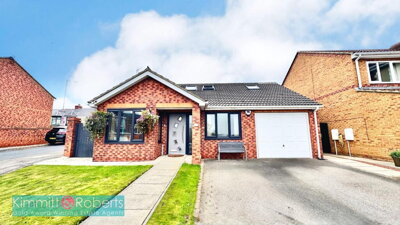
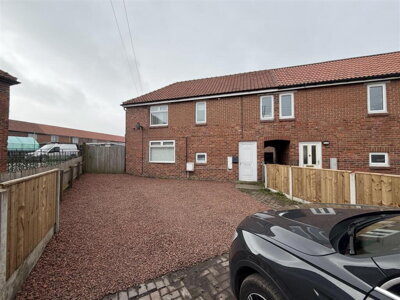
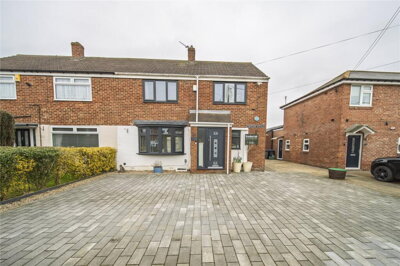
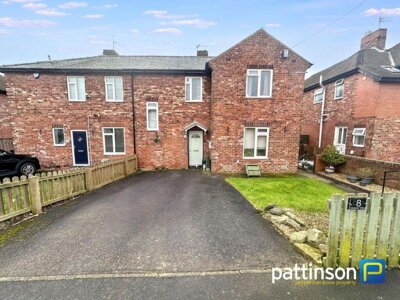
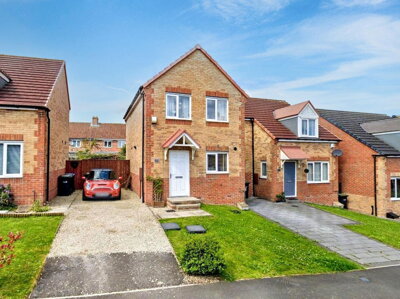
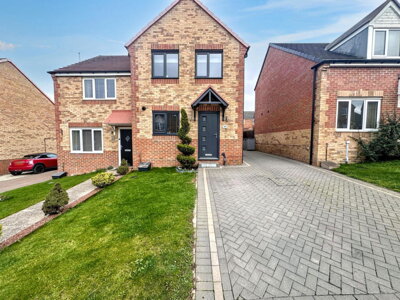
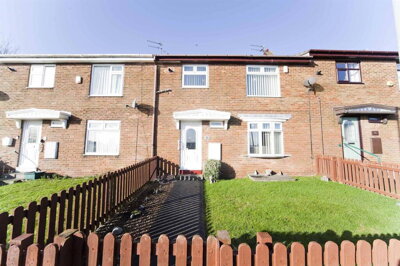
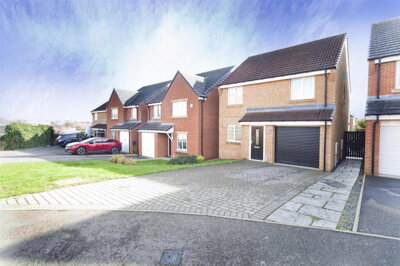
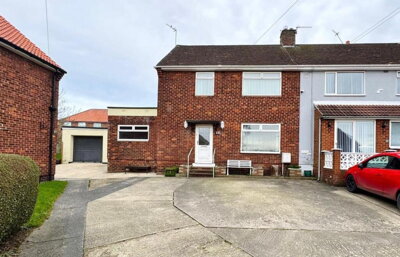
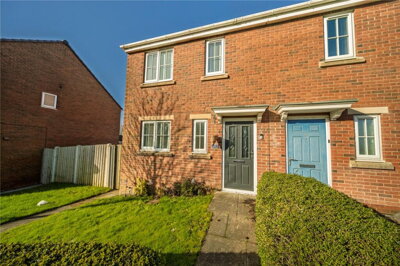
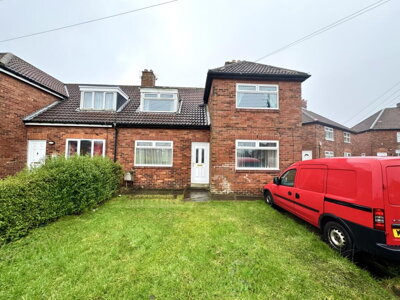
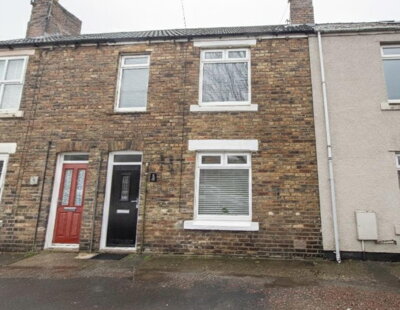
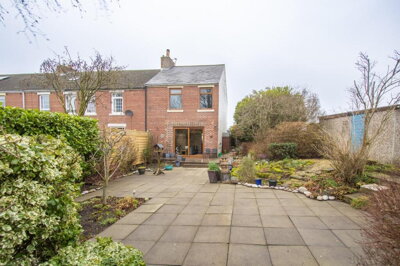
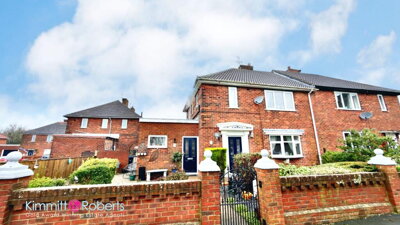
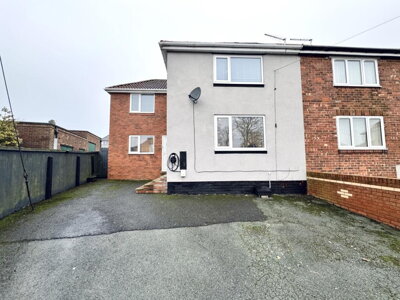
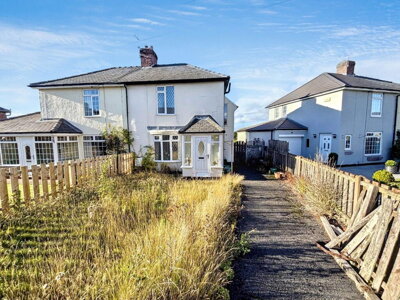
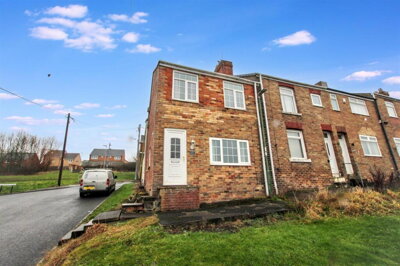
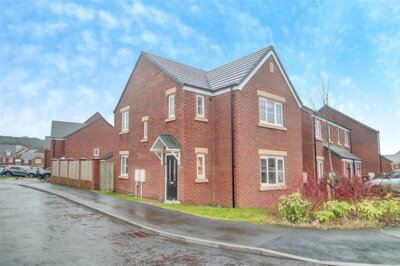
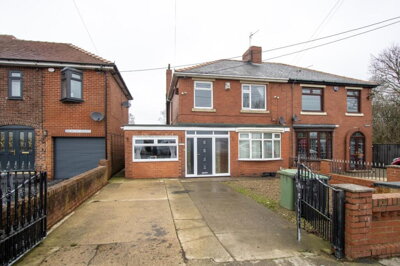
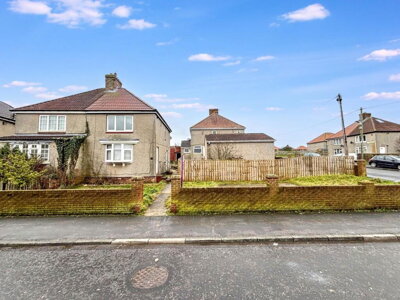
Browse 72 homes for sale in Shadforth, County Durham from local estate agents.
Three bedroom properties represent a significant portion of the Shadforth housing market, offering space for families with multiple reception rooms and gardens in many cases. Browse detached, semi-detached, and terraced options ranging from period character homes to contemporary developments.
£180k
4
0
168
Source: home.co.uk
Showing 4 results for 3 Bedroom Houses for sale in Shadforth, County Durham. The median asking price is £180,000.
Source: home.co.uk
Detached
2 listings
Avg £330,000
Semi-Detached
1 listings
Avg £149,950
Terraced
1 listings
Avg £160,000
Source: home.co.uk
Source: home.co.uk
The Spittal property market presents attractive opportunities for buyers across all property types. Detached properties command the highest prices, averaging £280,000, reflecting the premium placed on space and sea views that many buyers seek in this coastal location. Semi-detached homes average £170,000, offering excellent value for families looking to establish themselves in a seaside community without stretching their budget beyond £200,000. The market has shown consistent growth over the past five years, with prices increasing by 12%, indicating sustained demand for properties in this part of Northumberland.
Terraced properties represent the most commonly sold type in Spittal over the past year, with average prices around £140,000, making them an ideal entry point for first-time buyers or investors seeking holiday let opportunities. Flats average £105,000, providing affordable options for retirees, singles, or those seeking a coastal bolt-hole. The absence of significant new build developments in the TD15 postcode area means that buyers purchasing existing properties can expect traditional construction methods, often featuring local sandstone and brick, which contribute to the town's authentic Victorian and Edwardian character.
Property sales data for the Spittal area indicates that terraced homes are the most frequently traded property type, followed by semi-detached houses and detached properties. This pattern reflects both the availability of housing stock and buyer preferences in the market. Investors considering buy-to-let opportunities in Spittal will find that terraced properties and flats offer attractive rental yields, particularly given the steady flow of tourists visiting the area during peak season and throughout the year.

Spittal's character is defined by its proud heritage as a Victorian seaside resort, with many properties along the promenade and older residential streets dating from the Victorian and Edwardian eras, pre-1919. The town developed as a destination for holidaymakers escaping the industrial cities of the North East, and this legacy is evident in the architecture: ornate Victorian villas, traditional terraces, and elegant buildings that line the seafront. The population of Spittal, estimated at around 2,000 to 3,000 residents, forms part of the larger Berwick-upon-Tweed urban area, providing residents with access to wider amenities while maintaining a distinct community identity.
The local economy is shaped significantly by tourism and hospitality, with the town's beach, promenade, and proximity to the Scottish border drawing visitors throughout the year. Key employers include retail, healthcare, and education sectors, with many residents also commuting to Berwick-upon-Tweed for work. The area is particularly popular with retirees drawn by the coastal lifestyle, mild climate, and excellent healthcare facilities nearby. Community facilities include local shops, pubs, and restaurants, while the wider Berwick-upon-Tweed area provides supermarkets, leisure centres, and a full range of services expected of a market town.
The geology of the Spittal area is primarily underlain by Carboniferous sedimentary rocks, including sandstones, shales, and limestones that have been shaped by glacial activity over thousands of years. Superficial deposits often include glacial till, commonly known as boulder clay, and some alluvial deposits near the coast and rivers. Areas with significant clay content in these superficial deposits may present a moderate shrink-swell risk during periods of extreme wet and dry weather, which can affect building foundations over time. Understanding local ground conditions is valuable when assessing any property purchase in the area.
Families considering a move to Spittal will find educational options available within the local area and the nearby town of Berwick-upon-Tweed. Primary education is served by schools in the immediate Spittal area and surrounding villages, providing education for children from early years through to Key Stage 2. The local primary schools typically serve defined catchment areas, and parents are advised to confirm current catchment boundaries and any enrollment pressures when considering properties, particularly in popular areas close to schools.
Secondary education is primarily provided by schools in Berwick-upon-Tweed, which is accessible via regular bus services. The town hosts several secondary schools offering education through to sixth form, with some families also considering independent schooling options in the wider region. For further education, the Berwick area provides college options, while the proximity to Edinburgh, approximately 45 minutes by train, opens opportunities for students progressing to university education at highly-ranked institutions including the University of Edinburgh and Heriot-Watt University.
When budgeting for a family move to Spittal, parents should factor in potential costs associated with school transport if their chosen property falls outside the immediate catchment area. School admission policies can change, and properties near school boundaries often command a premium due to the assurance of a school place. Visiting schools directly and speaking with headteachers can provide valuable insights into class sizes, extracurricular activities, and the overall educational environment before committing to a purchase.
Spittal benefits from excellent transport connections that make it practical for commuters and those who travel regularly for work or leisure. The town sits on the East Coast Main Line, with Berwick-upon-Tweed railway station providing regular services to major cities. Edinburgh can be reached in approximately 45 minutes, Newcastle in around one hour, and London Kings Cross in approximately three hours and forty minutes. This connectivity makes Spittal particularly attractive to professionals who can work remotely or commute periodically to the capital or other major employment centres.
Road connections are equally strong, with the A1 trunk road running through the area, providing direct access north to Edinburgh and south to Newcastle and beyond. The scenic coastal road through Spittal itself offers pleasant driving with views of the North Sea, though visitors should be aware that summer traffic to popular beach destinations can be busy. Bus services connect Spittal with Berwick-upon-Tweed and surrounding villages, while local cycling infrastructure is developing, with routes available for both leisure and commuting purposes. Parking in Spittal is generally straightforward compared to larger towns, with on-street parking and public car parks available near the promenade and town centre.
For commuters working in Edinburgh or Newcastle, the train services from Berwick-upon-Tweed provide a viable alternative to road travel, particularly during peak hours when the A1 can become congested. Many residents who work in Edinburgh choose to live in Spittal and commute by train, benefiting from the significantly lower property prices compared to the Scottish capital while enjoying the quality of life that coastal living offers. The station at Berwick-upon-Tweed has good parking facilities for those driving to catch trains, making multi-modal commuting practical for those working further afield.
Begin your property search by exploring current listings in Spittal on Homemove, comparing prices across different property types from flats around £105,000 to detached homes reaching £280,000. Understanding the local market context, including recent sales and price trends showing 12% growth over five years, will help you set realistic expectations and identify properties that offer genuine value in the current market.
Once you have identified properties of interest, arrange viewings through local estate agents. We recommend viewing at least three to five properties before making an offer, paying particular attention to the condition of older Victorian and Edwardian properties that form a significant part of the housing stock. Coastal properties may show signs of damp or weathering that require attention, and viewing properties during different weather conditions can reveal issues that might not be apparent on a sunny day.
Before making an offer, secure a mortgage agreement in principle from a lender. Having this documentation strengthens your position when negotiating with sellers and demonstrates that you are a serious buyer with financing in place. Our mortgage partners can help you find competitive rates suited to your circumstances, including specialist lenders who understand the requirements for older properties or those in coastal locations.
Given that many properties in Spittal are over 50 years old, a RICS Level 2 Survey (HomeBuyer Report) is highly recommended. Survey costs in the Spittal area typically range from £400 to £700 for a standard three-bedroom property, depending on size and condition. This survey will identify any structural issues, damp problems, or defects common in coastal properties, including those associated with traditional sandstone construction and proximity to the North Sea.
Once your offer is accepted, instruct a conveyancing solicitor to handle the legal aspects of your purchase. Your solicitor will conduct searches, review contracts, and coordinate with the Land Registry to transfer ownership. Using a solicitor with experience in Northumberland property transactions ensures all local requirements are addressed, including any specific considerations for properties near the coastline or on the River Tweed estuary.
Final preparations include completing your mortgage application, conducting final inspections, and arranging building insurance. On completion day, your solicitor will transfer the purchase funds, and you will receive the keys to your new Spittal home. We recommend arranging buildings insurance before completion to ensure your new property is protected from the moment you take ownership.
Buyers considering properties in Spittal should pay particular attention to the coastal environment and its effects on buildings. The town's proximity to the North Sea means that properties, especially those near the promenade, may be subject to salt corrosion affecting metal fixings, gutters, and external hardware. Older properties built from local sandstone may show signs of weathering, and original damp-proof courses in Victorian and Edwardian buildings should be checked carefully for effectiveness. A thorough RICS Level 2 Survey is particularly valuable for identifying these coastal-specific issues before you commit to a purchase.
Flood risk is an important consideration in Spittal due to its coastal location. Properties immediately adjacent to the coastline face tidal flooding risk, particularly during storm surges and high tides, while low-lying areas near tributaries may be susceptible to fluvial flooding. Surface water flooding can also occur during heavy rainfall when drainage systems are overwhelmed. Your survey should assess flood risk, and you should verify whether the property has any history of flooding. Buildings insurance costs may be higher in areas with significant flood exposure, and you should obtain quotes before finalising your purchase.
Spittal does not have a designated conservation area within its immediate boundaries, though individual listed buildings exist, particularly along the promenade where Victorian architecture is protected. If you are considering purchasing a listed property, be aware that alterations and renovations will require listed building consent, and specialist surveyors may be needed to assess the condition of historic features. For most buyers, standard properties in Spittal offer the opportunity to personalise and improve subject to normal planning requirements. Northumberland is also identified as a radon affected area, meaning a percentage of homes exceed the action level, and radon testing may be recommended as part of your property assessment.
Common defects found in older Spittal properties include damp issues, which are particularly prevalent in coastal buildings exposed to driving rain and potentially compromised damp-proof courses. Roof conditions on Victorian and Edwardian properties often require attention, with slipped tiles, degraded pointing, and timber decay being frequent findings. Timber defects such as woodworm and rot can affect older properties where damp has been present, and electrical and plumbing systems in many pre-1970s homes may not meet modern standards and could require upgrading. Properties built on areas with clay deposits may also experience some ground movement during extreme weather conditions, though significant structural issues are uncommon in well-maintained buildings.
The average house price in Spittal is currently £187,000, based on Rightmove data as of early 2026. Property prices vary significantly by type, with detached homes averaging £280,000, semi-detached properties at £170,000, terraced houses around £140,000, and flats at approximately £105,000. Prices have increased by 1% over the past year and by 12% over the last five years, indicating a stable and gradually appreciating market that offers good value compared to larger coastal towns in the region.
Spittal is served by local primary schools with defined catchment areas, while secondary education is primarily provided by schools in the nearby town of Berwick-upon-Tweed, accessible via regular bus services. Parents should check current Ofsted ratings and catchment boundaries when considering properties, as school admissions can be competitive in popular areas. The proximity to Edinburgh also provides options for families planning ahead for sixth form and university education at institutions with strong national rankings.
Spittal is well connected by rail via Berwick-upon-Tweed railway station on the East Coast Main Line, with services to Edinburgh (45 minutes), Newcastle (1 hour), and London Kings Cross (3 hours 40 minutes). Bus services connect Spittal with Berwick-upon-Tweed and surrounding villages, while the A1 trunk road provides direct road access to Scotland and the rest of England. This excellent connectivity makes Spittal practical for commuters and those who travel regularly for work or leisure purposes throughout the year.
Spittal offers several attractions for property investors, including relatively affordable prices compared to other coastal areas, steady price growth of 12% over five years, and a tourism sector that supports holiday let opportunities. The town's Victorian and Edwardian properties appeal to buyers seeking character homes, while the strong transport links make it attractive to commuters working in Edinburgh or Newcastle. However, investors should consider flood risk for coastal properties, maintenance costs for older buildings constructed from traditional sandstone and brick, and potential seasonal fluctuations in tourism-related rental income.
Properties in Spittal fall under Northumberland Council's jurisdiction, and council tax bands range from A to H depending on the property's assessed value. Most terraced properties and smaller homes typically fall into Bands A to C, while larger detached properties may be in Bands E to H. You can check the specific council tax band for any property through the Northumberland Council website or your solicitor during the conveyancing process, and factor this into your ongoing cost calculations for the property.
Stamp Duty Land Tax (SDLT) applies to all property purchases in England, including Spittal. Standard rates are 0% on the first £250,000 of purchase price, 5% on the portion from £250,001 to £925,000, 10% on £925,001 to £1.5 million, and 12% on anything above £1.5 million. First-time buyers can claim relief on the first £425,000 (0% rate), paying 5% on £425,001 to £625,000. At the average Spittal price of £187,000, most buyers would pay no stamp duty, while first-time buyers pay nothing at all under current thresholds.
Coastal properties in Spittal face specific risks including tidal flooding during storm surges, coastal erosion that can undermine foundations over time, salt corrosion affecting metal components, and damp penetration in older properties exposed to prevailing winds from the North Sea. Properties built on clay soils may experience shrink-swell movement during extreme weather conditions, and Northumberland being a radon affected area means testing may be recommended. A comprehensive RICS Level 2 Survey is essential for identifying these issues, and buildings insurance should be checked carefully for flood risk exclusions or higher premiums that can apply to coastal locations.
Properties in Spittal predominantly feature traditional stone and brick construction, with many older buildings built from local sandstone quarried in the Northumberland region. The predominant construction method for Victorian and Edwardian properties is solid wall construction using stone or brick, with timber floor joists and pitched slate roofs. Later properties built after the 1970s may feature cavity wall construction, which generally provides better thermal performance and moisture resistance. Understanding the construction type is important for assessing maintenance requirements, insulation options, and potential issues with older solid wall properties that may not meet modern thermal standards.
Buying a property in Spittal involves several costs beyond the purchase price, with stamp duty being a significant consideration for many buyers. At the current average price of £187,000, most buyers purchasing with a mortgage will pay no SDLT under the standard threshold of £250,000. First-time buyers purchasing at this price point will pay nothing, as the first-time buyer relief covers purchases up to £425,000. This makes Spittal particularly attractive for first-time buyers who can benefit from these savings to contribute towards legal fees, surveys, or moving costs.
Additional buying costs include conveyancing fees, which typically range from £500 to £1,500 depending on the complexity of the transaction and whether the property is freehold or leasehold. A RICS Level 2 Survey costs between £400 and £700 for standard properties in the Spittal area, rising for larger homes with four or more bedrooms or those requiring more detailed inspection due to age or condition. An Energy Performance Certificate (EPC) is mandatory and costs around £80 to £120, while removal costs vary based on distance and volume of belongings being transported to your new home.
Mortgage arrangement fees typically range from 0% to 2% of the loan amount, though many lenders now offer fee-free mortgages as competitive deals. Buyers should budget for a deposit of at least 5% to 15% of the purchase price, with 25% typically required for buy-to-let properties or those in certain flood risk areas where specialist lending is needed. Buildings insurance should be arranged before completion, and quotes should be obtained early in the process, particularly for coastal properties where flood risk may affect premiums or availability of cover. Survey and legal fees for a typical £187,000 property in Spittal typically total between £1,200 and £2,500 depending on individual circumstances and the services selected.
From 3.84%
Find competitive mortgage deals for your Spittal purchase
From £499
Expert solicitors to handle your property transaction
From £400
Comprehensive survey for properties in Spittal
From £80
Energy performance certificate for your new home
Properties for Sale In London

Properties for Sale In Plymouth

Properties for Sale In Liverpool

Properties for Sale In Glasgow

Properties for Sale In Sheffield

Properties for Sale In Edinburgh

Properties for Sale In Coventry

Properties for Sale In Bradford

Properties for Sale In Manchester

Properties for Sale In Birmingham

Properties for Sale In Bristol

Properties for Sale In Oxford

Properties for Sale In Leicester

Properties for Sale In Newcastle

Properties for Sale In Leeds

Properties for Sale In Southampton

Properties for Sale In Cardiff

Properties for Sale In Nottingham

Properties for Sale In Norwich

Properties for Sale In Brighton

Properties for Sale In Derby

Properties for Sale In Portsmouth

Properties for Sale In Northampton

Properties for Sale In Milton Keynes

Properties for Sale In Bournemouth

Properties for Sale In Bolton

Properties for Sale In Swansea

Properties for Sale In Swindon

Properties for Sale In Peterborough

Properties for Sale In Wolverhampton

Enter your details to see if this property is within your budget.
Loans, cards, car finance
Estimated property budget
Borrowing + deposit
You could borrow between
Typical borrowing
Monthly repayment
Est. at 4.5%
Loan-to-value
This is an estimate only. Your actual budget may vary depending on interest rates, credit history, and personal circumstances. For an accurate affordability assessment, speak to one of our free mortgage advisors.
This calculator provides estimates for illustrative purposes only and does not constitute financial advice. Your home may be repossessed if you do not keep up repayments on your mortgage. Estimates based on 4.5% interest rate, repayment mortgage. Actual rates depend on your circumstances.
Homemove is a trading name of HM Haus Group Ltd (Company No. 13873779, registered in England & Wales). Homemove Mortgages Ltd (Company No. 15947693) is an Appointed Representative of TMG Direct Limited, trading as TMG Mortgage Network, which is authorised and regulated by the Financial Conduct Authority (FRN 786245). Homemove Mortgages Ltd is entered on the FCA Register as an Appointed Representative (FRN 1022429). You can check registrations at NewRegister or by calling 0800 111 6768.

We use cookies to show you personalised content and improve your experience of our website. Find out more in our Privacy policy and Cookie policy.