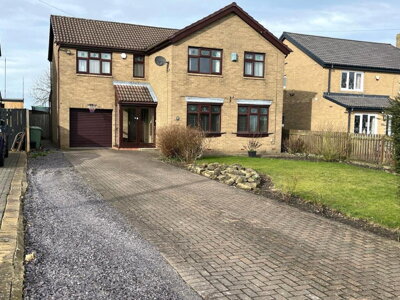
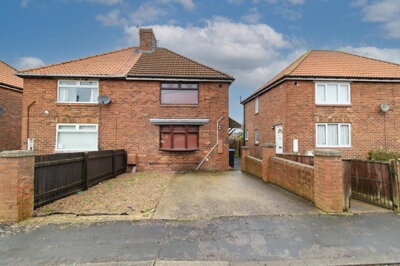
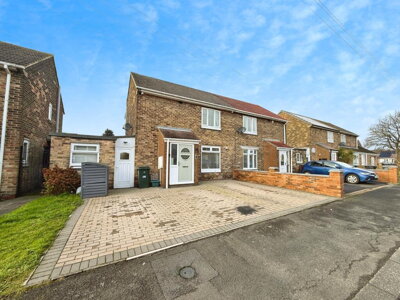
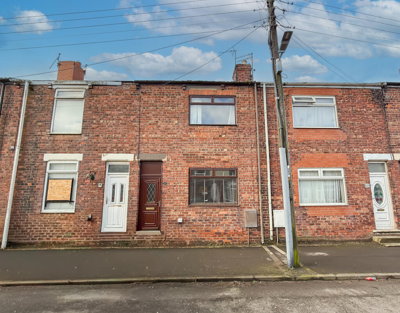
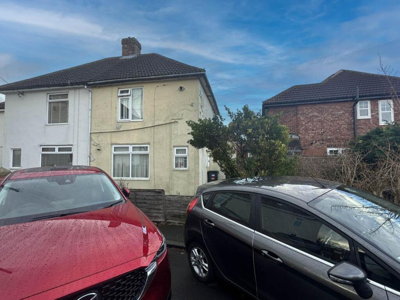
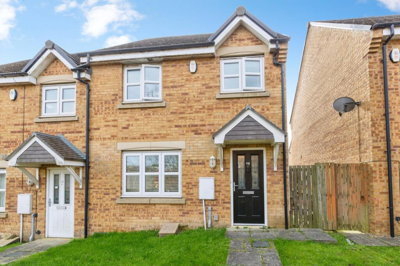
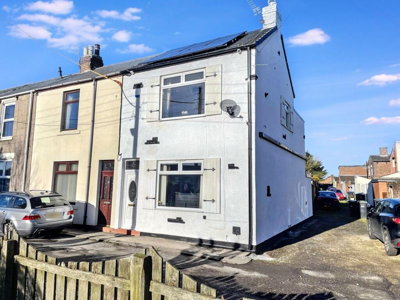
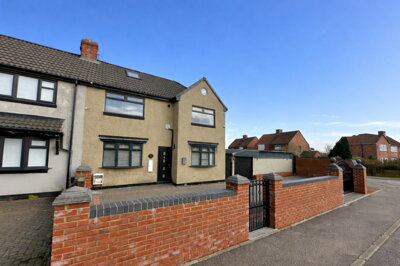
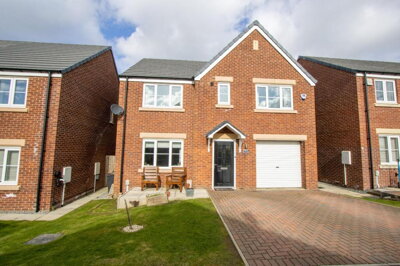
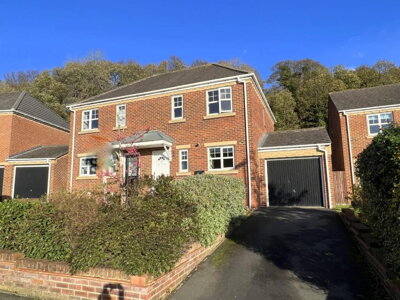
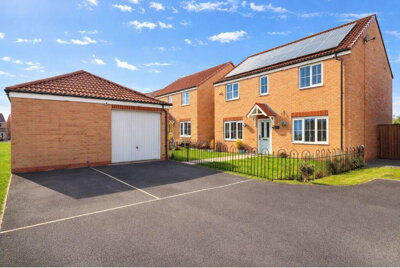
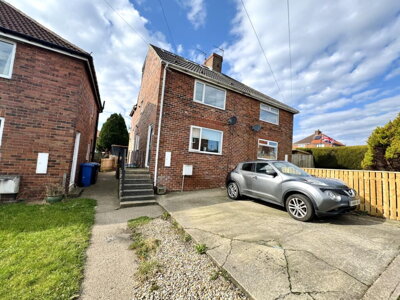
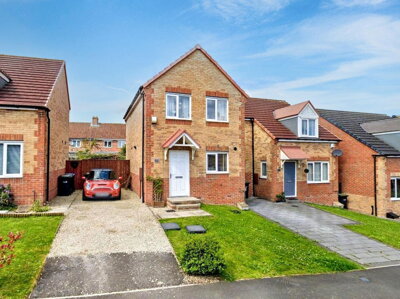
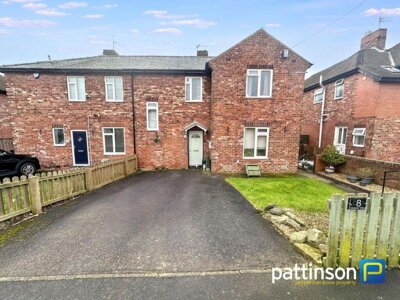
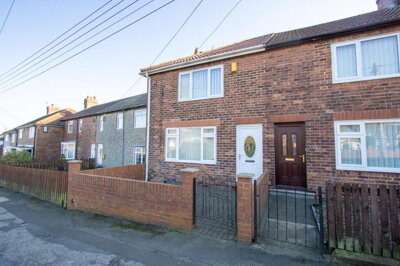
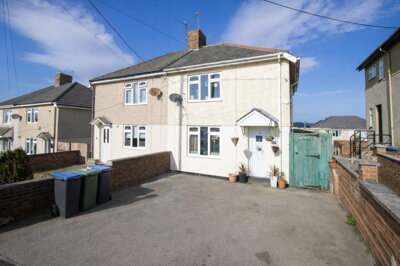
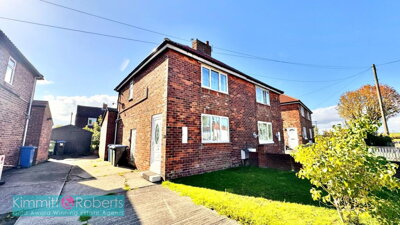
Browse 155 homes for sale in Shadforth, County Durham from local estate agents.
£155k
10
0
134
Source: home.co.uk
Source: home.co.uk
Terraced
3 listings
Avg £101,667
Detached
2 listings
Avg £330,000
End of Terrace
2 listings
Avg £72,500
Semi-Detached
2 listings
Avg £219,975
House
1 listings
Avg £595,000
Source: home.co.uk
Source: home.co.uk
The Spittal property market offers a diverse range of residential options to suit various budgets and preferences. Detached properties in the area command the highest prices, with averages around £280,000, reflecting the premium placed on space, privacy, and often superior views of the surrounding coastline and countryside. Semi-detached homes provide excellent value at approximately £170,000, making them particularly attractive to families and first-time buyers seeking quality accommodation without the premium associated with detached living.
Terraced properties represent an accessible entry point to the local housing market, with average prices around £140,000, while flats and apartments start from approximately £105,000. Property prices in Spittal have demonstrated steady appreciation over recent years, with values increasing by around 12% over the past five years and a modest 1% rise over the last twelve months. This stable growth pattern suggests a healthy market that rewards long-term investment while remaining accessible to buyers at various price points. The combination of coastal location, national park setting, and relative affordability makes Spittal an increasingly popular choice for those seeking to escape larger urban centres.
The local housing stock reflects the village's long history, with a significant proportion of properties dating from the Victorian and Edwardian periods. These older homes, particularly those along the seafront and older residential streets, often feature traditional construction methods including solid stone walls, original sash windows, and slate roofing that require specific maintenance knowledge. Inter-war and post-war properties add variety to the available housing stock, while some modern developments have been completed in recent decades, offering contemporary fixtures and insulation standards.
For buyers considering investment opportunities, Spittal's position within the Pembrokeshire Coast National Park means that planning restrictions help protect the character of the area while maintaining property values. Holiday let potential is particularly strong given the coastal location and the steady stream of visitors drawn to this part of Wales each year. Rental yields in the area compare favourably with many other coastal locations, though prospective landlords should familiarise themselves with Welsh Government regulations regarding holiday accommodation licensing.

Spittal, Pembrokeshire, embodies the quintessential Welsh coastal village experience, offering residents a pace of life that stands in marked contrast to the of city living. The village takes its name from the medieval hospital or "spital" that once served travellers along this stretch of the Pembrokeshire coast, and its history remains evident in the landscape and architecture of the area. The village sits at the mouth of the River Alan, where tidal waters create an estuary environment that supports diverse wildlife and provides attractive walking routes along the shoreline and sand dunes that characterise this part of the coast.
The local community in Spittal benefits from a strong sense of neighbourliness, with village events, local pubs, and community facilities providing regular opportunities for social interaction. The nearby town of Haverfordwest, approximately 15 miles away, provides access to larger supermarkets, healthcare facilities, and a wider range of retail and dining options. The Pembrokeshire Coast Path passes through the area, offering spectacular walking opportunities with panoramic views across St Brides Bay to the north and towards the distinctive headlands of the Dale peninsula to the south. Residents enjoy access to several local beaches within easy driving distance, making the most of the area's privileged position within Britain's only coastal national park.
Day-to-day life in Spittal revolves around the rhythm of the tides and the changing seasons that define coastal living. Local amenities include a village shop, traditional pubs serving locally sourced food, and community facilities that host events throughout the year. The bay provides excellent opportunities for kayaking, paddleboarding, and beachcombing, while the surrounding countryside offers gentle cycling routes suitable for families. The marine life in these waters attracts wildlife enthusiasts, with regular sightings of seals, dolphins, and seabirds contributing to the area's natural appeal.
Healthcare provision in the area includes a local GP surgery and dental practice, with the main hospitals located in Haverfordwest and Pembroke Dock. The community also benefits from a pharmacy and regular visits from mobile health services. For more specialist medical care, patients typically travel to the county hospital in Haverfordwest or, for complex cases, to larger centres in Swansea or Cardiff. This arrangement is typical for rural Welsh communities and should be factored into decisions about relocating to the area.

Properties in Spittal, Pembrokeshire, reflect the traditional building practices of this coastal region, with construction methods that have evolved over centuries to withstand the challenges posed by the marine environment. The predominant building material is local stone, typically limestone or sandstone depending on the specific location within Pembrokeshire, which was quarried locally and used to construct the solid walls that characterise most period properties in the area. These stone walls, often 400-600mm thick, provide excellent thermal mass but require regular maintenance to prevent moisture penetration.
Traditional properties in Spittal typically feature timber floor joists spanning across stone or brick foundations, with ground floors often constructed as solid concrete or flagstone slabs rather than the suspended timber floors common in modern construction. Roof construction generally follows traditional cut rafter or traditional couple roof patterns, covered with natural slate imported from quarries in Wales or Cornwall. Many properties retain their original cast iron gutters and downpipes, which can be susceptible to corrosion in the salt-laden coastal air and require regular inspection and maintenance.
The solid wall construction used in older Spittal properties means that insulation solutions require careful consideration. Unlike modern cavity wall properties, solid walls cannot accommodate standard cavity insulation and instead require specialist internal or external wall insulation systems to improve thermal performance. This is particularly relevant given the energy efficiency requirements for properties in Wales and the increasing costs of heating oil and electricity in off-gas areas. A thorough building survey can assess the current insulation status and recommend appropriate upgrades that respect the historic character of the property.
The coastal location of Spittal creates specific challenges for property condition that buyers should understand before purchasing. Damp is among the most common issues affecting properties here, with the combination of prevailing south-westerly winds, driving rain, and salt-laden air creating conditions that can compromise building fabric over time. Our inspectors regularly identify penetrating damp in external walls, particularly where pointing has deteriorated or where render has cracked and allowed moisture ingress. Rising damp can also be problematic where original damp-proof courses have failed or were never installed.
Timber defects represent another significant category of issues found in Spittal properties, especially in older buildings where original roof structures, floor joists, and window frames have been exposed to decades of varying humidity levels. Woodworm activity is frequently discovered during surveys, particularly affecting roof timbers and floor joists in properties that have not been treated recently. Wet rot and dry rot can develop where timber has become persistently damp, sometimes hidden behind plasterwork or under floor coverings until a survey reveals the extent of the problem.
Properties close to the coastline face accelerated corrosion of metal components due to salt exposure. Original ironmongery, fixings, and structural metalwork can deteriorate more rapidly than in inland locations, and our surveyors pay particular attention to these elements when inspecting coastal properties in Spittal. Lead flashings around chimneys and roof penetrations are valuable targets for thieves in some areas and may show signs of previous theft or attempted removal. Electrical wiring in properties predating the 1970s often requires complete replacement to meet modern standards and safety requirements.
The local geology of the Spittal area includes clay deposits that can exhibit shrink-swell behaviour during periods of extreme weather, potentially causing minor structural movement in properties with shallow foundations. While significant structural problems are uncommon, our inspectors assess all aspects of the building's condition, including the relationship between the structure and the underlying ground conditions. For properties with large trees nearby or with a history of drainage issues, particular attention is paid to potential subsidence risks that might not be immediately apparent during a standard viewing.
Families considering a move to Spittal will find educational provision organised across primary and secondary levels, with several well-regarded schools serving the local area. Primary education is available through local village schools in the surrounding area, many of which benefit from small class sizes and strong community connections that support effective learning. St. Aidan's Primary School and other nearby primaries provide solid foundations for younger children, with inspection ratings from education regulators providing guidance on individual school performance.
Secondary education is provided through schools in the nearby market towns, with students typically travelling to attend comprehensive schools that offer a broad curriculum and excellent extracurricular programmes. For families seeking faith-based education, Catholic primary schools in the region provide alternative educational provision. Pembrokeshire College in Haverfordwest offers sixth form and further education courses, providing clear progression pathways for students continuing their education locally. The presence of good schools within reasonable travelling distance ensures that families moving to Spittal need not compromise on their children's educational opportunities.
Independent schooling options in Pembrokeshire include a number of private schools offering alternative educational approaches, with some providing boarding facilities for families requiring full-week provision. Additional educational support services, including specialist tuition and resource centres, are concentrated in Haverfordwest, requiring travel for families needing these services. Transport arrangements for secondary school students are coordinated through Pembrokeshire County Council, with dedicated school bus services operating from the Spittal area to schools in the surrounding towns.
Transport connectivity from Spittal reflects its position within rural Pembrokeshire, with road travel serving as the primary means of getting around the local area and reaching larger centres. The A478 road provides the main arterial route through the village, connecting northward to the county town of Haverfordwest and southward towards the Dale peninsula and coastal communities. This road also links to the A40, which runs east-west across Pembrokeshire and provides access to the M4 motorway corridor for journeys further afield. The journey to Haverfordwest takes approximately 30 minutes by car, while the drive to the M4 at Swansea typically requires around 90 minutes.
Public transport options include bus services operated by local carriers, providing connections to Haverfordwest and other towns in the county, though services may be less frequent than in urban areas. The bus routes serving Spittal typically operate on a limited timetable, often with services concentrated around peak commuting hours and fewer options at weekends. Planning travel without private transport requires advance scheduling and an acceptance of longer journey times compared to car travel. For those without vehicles, cycling represents a practical alternative for local journeys, with the flat terrain around the village and coastal paths offering pleasant routes for regular cyclists.
The nearest railway stations are located in Haverfordwest and Milford Haven, offering connections to the broader rail network for travel to major cities including Cardiff, London, and Birmingham. Direct services to London Paddington are available from Haverfordwest, with journey times of approximately four hours. For those travelling to international destinations, Cardiff Airport provides the nearest scheduled flights, while Bristol Airport offers an additional option for longer-haul destinations. Many residents of Spittal find that car ownership remains advisable given the rural nature of the area, though cycling is popular for shorter local journeys given the scenic coastal routes available.
Spend time exploring Spittal and the surrounding Pembrokeshire communities before committing to a purchase. Visit at different times of day and week, check out local amenities, and speak to residents to understand what daily life is really like in the area. Consider seasonal variations too, as coastal communities can feel quite different during the peak summer season compared to quieter winter months.
Contact a mortgage broker or lender to obtain an Agreement in Principle before you start property viewings. This demonstrates your buying position to sellers and estate agents, giving you a competitive edge when you find the right property. In Wales, many lenders offer specific products for properties in rural and coastal locations, and a broker familiar with the Pembrokeshire market can help identify the most suitable options.
Work with local estate agents to arrange viewings of properties that match your requirements. Take notes during viewings, ask about the age and condition of the property, and consider how the property would suit your needs both now and in the future. For older properties, consider attending viewings during wet weather to observe how the building performs in challenging conditions.
Before completing your purchase, commission a RICS Level 2 Survey (HomeBuyer Report) to assess the property's condition thoroughly. For older properties in Spittal, which may have Victorian or Edwardian elements, this survey can identify issues such as damp, timber defects, or roof deterioration that might not be visible during a standard viewing. Our team provides detailed reports specifically tailored to coastal properties in the Pembrokeshire area.
Appoint a solicitor to handle the legal aspects of your purchase, including property searches, contract review, and registration with the Land Registry. Your solicitor will coordinate with the seller's representatives to ensure a smooth transaction through to completion. Searches specific to Pembrokeshire properties include checks with the local authority regarding planning history and any outstanding notices.
Once all searches are satisfactory and financing is confirmed, you will exchange contracts with the seller and pay your deposit. Completion typically follows shortly after, at which point you will receive the keys to your new home in Spittal. Your solicitor will arrange the transfer of funds and notify all relevant parties, including utility companies and the Land Registry.
Properties in Spittal, Pembrokeshire, often feature traditional construction methods and materials appropriate to the region, including stone walls, slate roofing, and solid floor construction that differs from modern cavity-wall buildings. When viewing properties, pay particular attention to signs of damp, which can be common in older coastal properties due to exposure to prevailing winds and salt-laden air. Look for damp stains on walls, musty odours, and any lifting of floor coverings that might indicate underlying moisture issues that require attention.
The coastal location of Spittal means that buyers should investigate flood risk carefully before purchasing. While the village itself sits in a relatively protected position at the mouth of the River Alan, coastal and surface water flooding can affect certain areas, particularly those close to watercourses or low-lying ground. The Environment Agency maintains flood risk data that should be consulted during the conveyancing process, and your solicitor will typically commission a drainage and water search that includes flood risk assessment. A thorough survey from a RICS Level 2 provider can identify potential issues and help you understand the true condition of any property you are considering.
Given that many properties in the area date from the Victorian or Edwardian periods, electrical wiring, plumbing, and insulation may require updating to meet modern standards, and this should be factored into your overall budget for the purchase. Our survey reports include detailed assessments of the condition of all building services, highlighting items that require immediate attention and those that should be planned for future maintenance. Budget estimates for bringing older coastal properties up to modern standards typically range from £5,000 for minor upgrades to £30,000 or more for comprehensive refurbishment of historic buildings.
Properties along the seafront and those in exposed locations warrant particularly careful inspection due to the enhanced weathering they experience. Check the condition of rendered surfaces, examine window frames for signs of rot, and assess the state of external paintwork and protective coatings. Our inspectors have extensive experience surveying properties in coastal locations throughout Pembrokeshire and understand the specific challenges that the marine environment presents to building fabric. They will report on the current condition of all accessible elements and advise on appropriate maintenance programmes to protect your investment.
The average house price in the Spittal area stands at approximately £187,000, according to recent market data. Property prices vary considerably by type, with detached homes averaging around £280,000, semi-detached properties at approximately £170,000, terraced houses at £140,000, and flats from £105,000. Prices have shown steady growth over the past five years, increasing by approximately 12% overall, indicating a stable and gradually appreciating market. The market has experienced consistent activity with around 30 property sales completed over the past twelve months.
Properties in Spittal, Pembrokeshire, fall under Pembrokeshire County Council's jurisdiction for council tax purposes. Council tax bands in Wales are based on property valuations as of April 2003, with bands ranging from A (lowest) to I (highest). Most residential properties in the Spittal area typically fall within bands A through D, with the specific band for any individual property available through the Valuations Office Agency website or your solicitor during the conveyancing process. Band D properties in Pembrokeshire currently pay around £1,600 per year in council tax.
Primary education in the Spittal area is served by local village schools offering solid educational foundations for younger children. Secondary education is provided through comprehensive schools in nearby market towns, accessible by school transport. For specific school performance data and catchment area information, prospective buyers should consult the Estyn inspection reports and Pembrokeshire County Council's school admissions policies, which detail admission arrangements for each school in the county. Schools serving the Spittal area include St. Aidan's Primary School, with secondary pupils typically attending schools in Haverfordwest such as Tasker Milward VC School and Haverfordwest High VC School.
Public transport options from Spittal include local bus services connecting to Haverfordwest and other Pembrokeshire towns, though frequencies may be limited compared to urban areas. The bus service to Haverfordwest operates approximately four times daily on weekdays with reduced services at weekends. The nearest railway stations are in Haverfordwest and Milford Haven, providing connections to the national rail network and direct services to Cardiff, Birmingham, and London. For international travel, Cardiff Airport and Bristol Airport are the most accessible major airports. Most residents find that having a car greatly enhances daily convenience given the rural nature of the area.
Spittal offers several characteristics that appeal to property investors, including its coastal location within the Pembrokeshire Coast National Park, relative affordability compared to other UK coastal areas, and stable market conditions with consistent annual appreciation. The area's appeal to holidaymakers and retirees supports demand for both residential and holiday-let properties, with several established holiday cottages and B&Bs operating in the village and surrounding area. However, as with any property investment, buyers should conduct thorough research on rental yields, seasonal demand patterns, and any planning restrictions that might affect their intended use of the property. The Welsh Government holiday let licensing scheme requires registration for properties rented for short-term lets.
As Spittal is located in Wales, Land Transaction Tax (LTT) applies rather than Stamp Duty Land Tax. The Welsh Government's LTT rates for residential properties start at 0% on the first £225,000 of the purchase price, rising through several bands to a maximum of 16% on portions of price above £1.5 million. First-time buyers in Wales may benefit from relief on the first £300,000 of properties up to £500,000. Your solicitor or conveyancer will calculate the exact amount due based on your circumstances and the purchase price. For example, a property at the Spittal average price of £187,000 would attract no LTT under current rates.
Coastal properties in Spittal face particular challenges due to exposure to salt-laden winds and moisture. Our inspectors frequently identify penetrating damp in external walls, timber decay in window frames and door frames, corroded metal fixings and fittings, and deterioration of render and pointing on exposed elevations. Roof condition is particularly important, as salt spray can accelerate the weathering of tiles, slates, and flashing materials. We recommend a thorough RICS Level 2 Survey for any property in the Spittal area, with particular attention to the building envelope and any elements exposed to the prevailing south-westerly winds.
From £400
Professional home survey for buyers in Spittal, Pembrokeshire. Ideal for traditional stone and coastal properties.
From 3.94%
Competitive mortgage rates for Spittal property purchases.
From £499
Expert legal services for your Spittal property purchase.
From £80
Energy Performance Certificate for Spittal properties.
Understanding the full costs of purchasing property in Spittal, Pembrokeshire, is essential for budgeting effectively. In Wales, the primary transaction tax is Land Transaction Tax (LTT), which replaced Stamp Duty Land Tax in 2018. The standard LTT rates for residential properties begin at 0% on the first £225,000 of the purchase price, rising to 6% on the portion between £225,001 and £400,000, 7.5% between £400,001 and £750,000, 10% between £750,001 and £1.5 million, and 12% on amounts exceeding £1.5 million. First-time buyers purchasing properties up to £500,000 may qualify for first-time buyer relief, which raises the zero-rate threshold to £300,000.
Beyond LTT, buyers should budget for solicitor or conveyancer fees, which typically range from £500 to £1,500 depending on the complexity of the transaction and the property value. A RICS Level 2 Survey (HomeBuyer Report) costs between £400 and £700 for properties in the Spittal area, while an Energy Performance Certificate (EPC) is required before marketing and costs from £80 to £120. Mortgage arrangement fees vary by lender but commonly range from £0 to £2,000, and survey and valuation fees from your lender typically add £300 to £500. Land Registry registration fees and search costs from the local authority add further modest amounts. Taken together, buyers should plan for additional costs of approximately 2% to 5% of the purchase price above the property value itself.
Additional costs to consider include removal expenses, which vary depending on the distance of your move and the volume of belongings, potential costs for new furniture or appliances if the property is unfurnished, and any immediate repairs or improvements you plan to undertake after completion. For older properties in Spittal, setting aside a contingency budget of at least £2,000 to £5,000 for unexpected repairs discovered after moving is prudent. Properties in the village may also require maintenance equipment such as lawnmowers, pressure washers for external cleaning, and supplies for treating timber against the damp conditions common in coastal locations.
Properties for Sale In London

Properties for Sale In Plymouth

Properties for Sale In Liverpool

Properties for Sale In Glasgow

Properties for Sale In Sheffield

Properties for Sale In Edinburgh

Properties for Sale In Coventry

Properties for Sale In Bradford

Properties for Sale In Manchester

Properties for Sale In Birmingham

Properties for Sale In Bristol

Properties for Sale In Oxford

Properties for Sale In Leicester

Properties for Sale In Newcastle

Properties for Sale In Leeds

Properties for Sale In Southampton

Properties for Sale In Cardiff

Properties for Sale In Nottingham

Properties for Sale In Norwich

Properties for Sale In Brighton

Properties for Sale In Derby

Properties for Sale In Portsmouth

Properties for Sale In Northampton

Properties for Sale In Milton Keynes

Properties for Sale In Bournemouth

Properties for Sale In Bolton

Properties for Sale In Swansea

Properties for Sale In Swindon

Properties for Sale In Peterborough

Properties for Sale In Wolverhampton

Enter your details to see if this property is within your budget.
Loans, cards, car finance
Estimated property budget
Borrowing + deposit
You could borrow between
Typical borrowing
Monthly repayment
Est. at 4.5%
Loan-to-value
This is an estimate only. Your actual budget may vary depending on interest rates, credit history, and personal circumstances. For an accurate affordability assessment, speak to one of our free mortgage advisors.
This calculator provides estimates for illustrative purposes only and does not constitute financial advice. Your home may be repossessed if you do not keep up repayments on your mortgage. Estimates based on 4.5% interest rate, repayment mortgage. Actual rates depend on your circumstances.
Homemove is a trading name of HM Haus Group Ltd (Company No. 13873779, registered in England & Wales). Homemove Mortgages Ltd (Company No. 15947693) is an Appointed Representative of TMG Direct Limited, trading as TMG Mortgage Network, which is authorised and regulated by the Financial Conduct Authority (FRN 786245). Homemove Mortgages Ltd is entered on the FCA Register as an Appointed Representative (FRN 1022429). You can check registrations at NewRegister or by calling 0800 111 6768.

We use cookies to show you personalised content and improve your experience of our website. Find out more in our Privacy policy and Cookie policy.