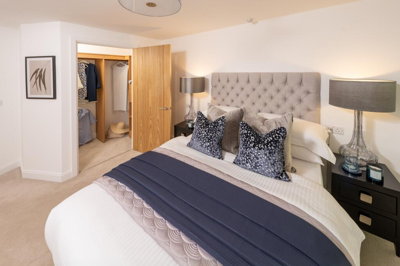
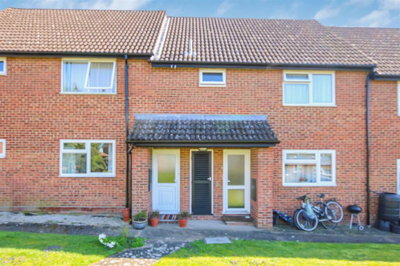
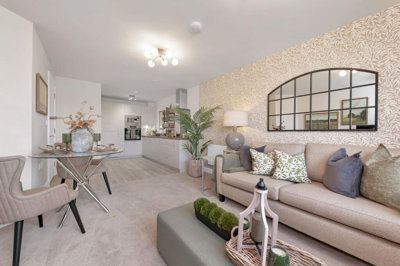
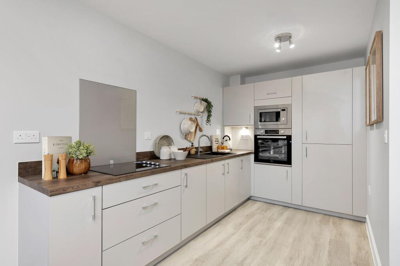
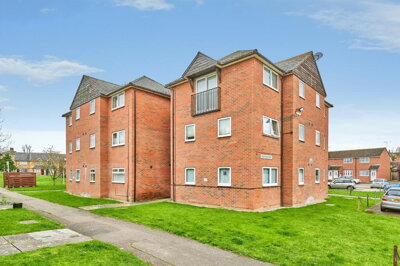
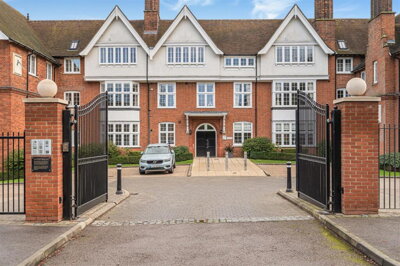
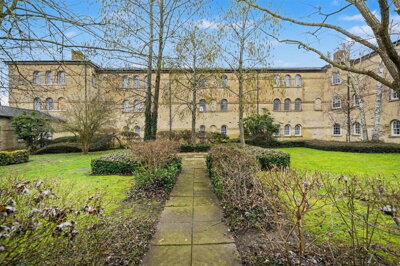
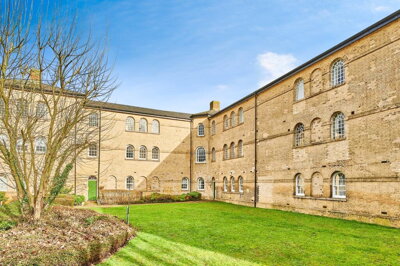
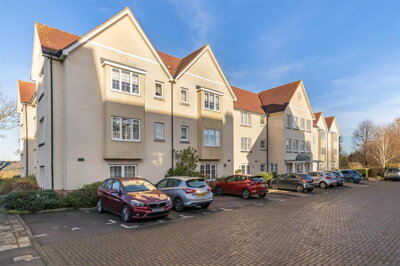
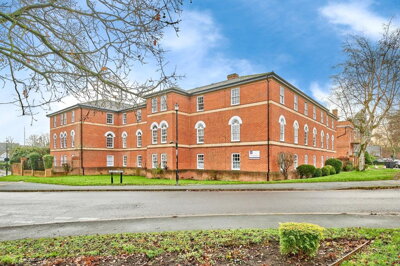
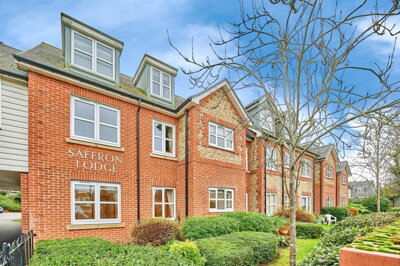
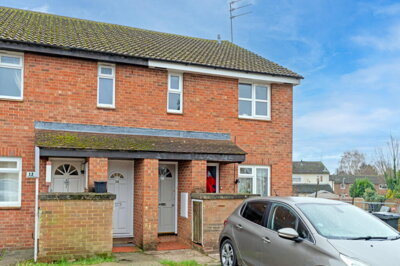
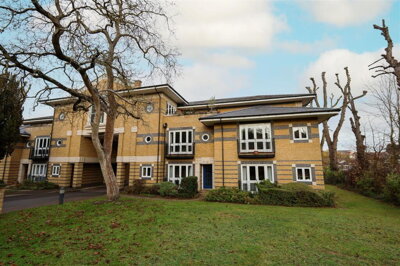
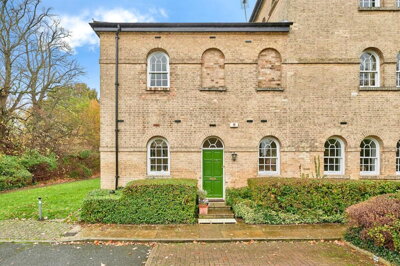
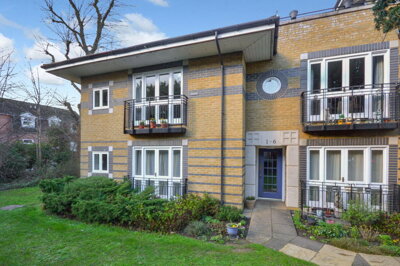
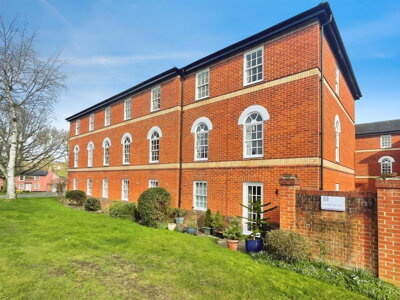
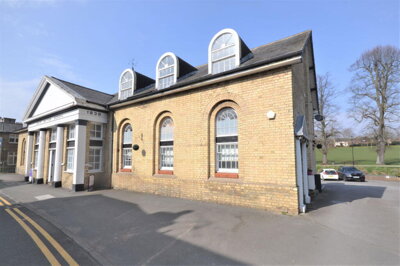
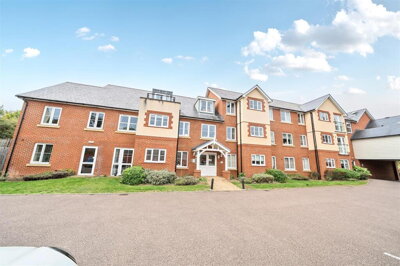
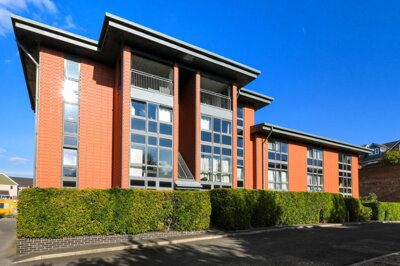
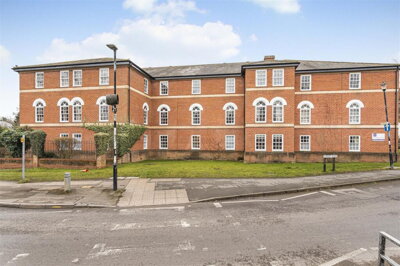
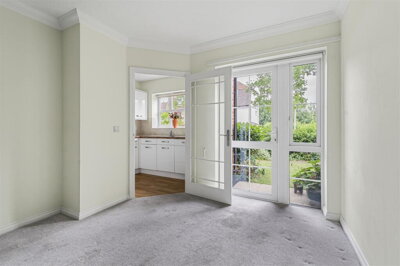
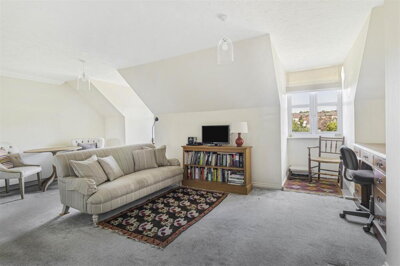
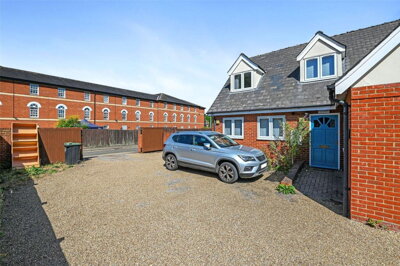
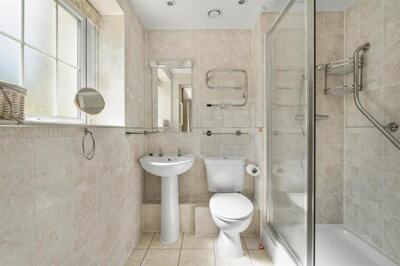
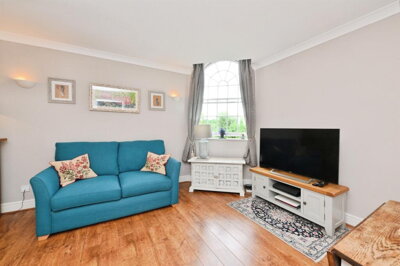
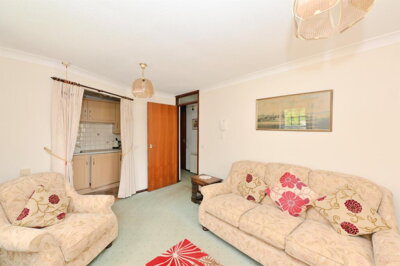
Browse 37 homes for sale in Sewards End from local estate agents.
Studio apartments feature open-plan living spaces without separate bedrooms, incorporating sleeping, living, kitchen, and bathroom facilities. The Sewards End studio market includes properties in modern apartment complexes, converted Victorian and Georgian buildings, and purpose-built developments.
The Castle Cary property market presents a diverse range of housing options to suit various budgets and preferences. Detached properties command the highest prices, with averages reaching £453,125, reflecting the premium that comes with generous garden spaces and the rural character that defines this part of Somerset. Semi-detached homes offer more accessible pricing at around £246,091, making them particularly attractive to families seeking a balance between space and value in this sought-after location. Our agents report strong interest in family-sized homes, particularly those with access to good schools and proximity to the town centre's amenities.
Terraced properties in Castle Cary average approximately £252,333, while flats start from around £242,000, providing options for first-time buyers and those seeking a lower-maintenance lifestyle. The market has experienced a 19% reduction in sold prices compared to the previous year, with asking prices showing a modest decline of 1.8% over the past six months. This correction from the 2022 peak creates potential opportunities for buyers who may find improved affordability compared to peak market conditions. The local economy maintains resilience with unemployment at just 3.9%, below the national average of 5.0%, suggesting continued demand for housing in this well-connected Somerset town.
New build developments are adding fresh inventory to the local market. Persimmon Homes' Tor View development on West Park offers 2, 3, and 4-bedroom homes from £340,000, featuring attractive brick and render elevations with landscaped communal areas. Properties here include both detached and semi-detached designs with good energy efficiency ratings that appeal to buyers seeking modern standards without the maintenance demands of period properties. For those seeking more affordable routes onto the property ladder, Stonewater's Mulberry Meadows development provides 125 homes including shared ownership, rent to buy, and affordable rental options across one to four-bedroom configurations.
Looking ahead, Castle Cary has planning permission secured for approximately 600 additional homes through several schemes. The Station Green development, granted outline planning permission in May 2022, proposes around 200 homes north of Castle Cary station. Persimmon Homes Severn Valley's 162-home Station Road scheme received reserved matters consent in April 2025, with land safeguarded for a new primary school. The BMI Mill redevelopment, approved in August 2024, will create 81 homes through conversion of the former mill building close to the town centre. An appeal in November 2025 granted outline permission for up to 46 dwellings on Land at South Street, adding further supply to the local market.

Castle Cary offers an exceptional quality of life shaped by its rich heritage and strong community spirit. The town centre features narrow streets lined with high-quality late eighteenth and nineteenth-century buildings constructed from the distinctive local Cary Stone, a buff-coloured Inferior Oolite limestone that has defined the town's architectural character for centuries. This stone, typically featuring grey centres and a shelly texture, comes from two main beds worked locally: the paler Yellow Bed and the more durable Grey Bed. The handsome appearance of this material gives Castle Cary a visual coherence that is increasingly rare in modern developments, with buildings ranging from modest cottages to substantial Georgian and Victorian residences.
The town operates within a designated Conservation Area, and numerous individual buildings hold Listed status, ensuring the preservation of this architectural legacy for future generations. Properties along South Street and High Street include notable examples, while the Round House in the market place and the castle earthworks are scheduled monuments. The presence of a horsehair weaving factory that continues to operate as a living link to the town's industrial past adds a unique dimension to Castle Cary's heritage. During the Victorian era, horsehair seating became a local specialty, and this tradition persists today, making the town distinctive among Somerset market towns.
The combined population of Castle Cary and the adjacent village of Ansford stands at approximately 3,500 residents according to the 2021 Census, with the broader electoral ward accommodating 10,547 people across 4,269 households. This scale of settlement provides a genuine sense of community while maintaining the intimacy of a small town. Residents enjoy access to independent shops, traditional pubs serving local ales, a weekly market where vendors offer fresh local produce, and community venues that host events throughout the year. The area's demographics show an ageing population with higher than average numbers of residents over 65, suggesting a settled community with strong social networks and excellent facilities for those seeking a peaceful retirement location.
For outdoor enthusiasts, the surrounding Somerset countryside offers extensive walking and cycling opportunities, with the town positioned along scenic routes that showcase the region's gentle rolling hills and agricultural landscape. The River Cary flows through the area, and despite being within the River Brue catchment, the town currently has no active flood warnings, indicating effective management of watercourses. New developments are incorporating modern surface water drainage systems to maintain this favourable flood risk profile as the town grows. Local landowners have historically managed watercourses effectively, and the incorporation of sustainable drainage systems in new developments like Station Green helps ensure flood risk remains manageable as Castle Cary expands.

Education provision in Castle Cary serves families with children of all ages, making the town particularly attractive to those seeking a family-friendly environment with strong educational outcomes. The town maintains planning commitments for new educational facilities as part of its growth strategy, with land already safeguarded for a new primary school as part of the Station Road development by Persimmon Homes Severn Valley. This 162-home scheme, which received reserved matters consent in April 2025, demonstrates the local planning authority's commitment to ensuring educational infrastructure keeps pace with housing growth. The new primary school will serve not only new residents but also help address capacity concerns for the existing town population.
For primary education, Castle Cary Primary School serves the immediate town and surrounding villages, providing a foundation for young learners within a community setting. The school has established relationships with local businesses and community organisations, reflecting the town's cohesive character. Parents moving to Castle Cary should verify current catchment boundaries, as these can affect which primary school serves specific addresses. The school serves children from Reception through to Year 6, with wraparound care facilities available to support working families.
Secondary education options in the wider South Somerset area include establishments that consistently achieve favourable outcomes in national league tables. Students from Castle Cary typically access schools in nearby towns such as Wincanton, which offers several options within reasonable commuting distance. Many families choose to settle in Castle Cary specifically for the combination of primary provision and secondary school catchment areas that offer good Ofsted ratings. Bruton, with its renowned secondary school, is accessible to families willing to travel slightly further, and this school frequently appears in lists of the best-performing schools in Somerset.
Beyond school age, students have access to further education colleges in nearby towns, with sixth form provision available at selected secondary schools and colleges throughout Somerset. The presence of the railway station opens opportunities for older students pursuing higher education at universities in Bristol, Bath, and Exeter, all accessible within approximately two hours by train. Parents researching properties in Castle Cary should verify current school catchment boundaries and admission arrangements with Somerset County Council, as these can influence which schools serve specific addresses and may be subject to change as new housing developments are completed.
Castle Cary benefits from excellent transport connections that belie its rural setting, making it a practical choice for commuters and those who need to access major cities regularly. The town's railway station sits on the London Paddington to Penzance main line, providing direct services to the capital in approximately two hours and twenty minutes. Bristol can be reached in around one hour, while Bath Spa offers a journey time of approximately 40 minutes, making Castle Cary particularly attractive to those working in the South West but seeking more affordable housing options than these larger cities provide. The station has seen increased passenger numbers in recent years as remote and hybrid working arrangements have made rural living more practical for city workers.
Road connectivity is equally strong, with the A371 providing the main arterial route through the town, connecting to the A37 and to the M5 motorway at junction 23. This road network opens access to Exeter, Taunton, and the wider motorway network, while the scenic A359 passes through nearby towns and villages including Bruton and Wincanton. For those travelling further afield, Bristol Airport offers international flights within approximately 45 minutes by car, and Southampton Airport provides additional options within reasonable driving distance. The town has adequate parking provision for a settlement of its size, with facilities that support both residents and visitors to the weekly market.
Local bus services connect Castle Cary with surrounding villages and market towns, providing essential connectivity for those without private vehicles. The route network serves communities across South Somerset, linking residents to healthcare appointments, shopping destinations, and leisure facilities in nearby towns. The ongoing Station Green development, granted outline planning permission in May 2022, includes infrastructure commitments that will further enhance public transport connections. Cycling infrastructure is developing across Somerset, with quieter country lanes providing enjoyable routes for leisure and commuting alike. The combination of rail, road, and air connectivity positions Castle Cary as an increasingly popular choice for professionals seeking to balance career opportunities with a higher quality of life in the Somerset countryside.
Explore our listings to understand the range of properties available in Castle Cary, from Victorian terraces built with local Cary Stone to modern new builds at Tor View. We recommend engaging a local estate agent who knows the Castle Cary market intimately, as they can provide insights into specific streets, recent sales, and properties coming to market that may not yet appear in online listings. Understanding the difference between period properties in the Conservation Area and new homes on the outskirts will help you focus your search effectively.
Before scheduling viewings, obtain a mortgage agreement in principle from a lender. This strengthens your position when making offers and demonstrates to sellers that you have financing secured. With Castle Cary's average property price around £292,526, most buyers will require a mortgage, and having your financial position confirmed can make the difference between securing a property and losing out to another buyer. Speak to our recommended mortgage brokers who understand the Somerset property market and can advise on the best products for your circumstances.
Visit properties that match your requirements, paying attention to the specific characteristics of older properties in the Conservation Area, including potential maintenance needs and listed building restrictions. We recommend viewing properties at different times of day and in various weather conditions to assess light levels, drainage, and any potential issues with damp. For new builds at Tor View or Mulberry Meadows, check the specification carefully and understand what is included in the purchase price versus what requires additional expenditure.
Given Castle Cary's significant stock of historic properties built from the late seventeenth century onwards, a Level 2 Homebuyer Survey is essential before proceeding to purchase. Budget approximately £495-£550 for properties up to £500,000, rising to around £586 for homes above this value. This inspection will identify any structural concerns, potential subsidence on clay soils, stonework deterioration, or other defects requiring attention. For Listed Buildings or properties with unusual construction, we may recommend a more detailed RICS Level 3 Survey to ensure thorough assessment of all building elements.
Choose a solicitor experienced in Somerset property transactions to handle the legal work. Budget from £499 for conveyancing services, ensuring they understand local planning considerations and any Section 106 agreements attached to new developments. Our recommended conveyancers have experience with Castle Cary properties and can advise on matters including planning conditions, shared ownership arrangements at Mulberry Meadows, and any other local factors that may affect your purchase.
Once all searches are satisfactory and financing is confirmed, your solicitor will coordinate the exchange of contracts and final completion, typically within 28 days of agreed terms. The searches for Castle Cary properties include local authority checks with South Somerset District Council, environmental searches covering flood risk and ground conditions, and water and drainage enquiries. For properties in the Conservation Area or Listed Buildings, additional checks on planning history may be required to ensure no unapproved works have been carried out.
Purchasing a property in Castle Cary requires careful attention to several area-specific considerations that differ from more modern urban developments. The town's Conservation Area designation means that exterior alterations, extensions, and even some internal works may require Listed Building Consent or Conservation Area consent from South Somerset District Council. Before committing to a purchase, prospective buyers should verify whether the property is listed and understand the restrictions this places on future modifications. The presence of numerous Listed Buildings throughout the town centre means that even properties adjacent to listed structures may be affected by associated works. Our team can help you understand these designations and their implications for your intended use of the property.
The predominant building material in Castle Cary is local Cary Stone, an Inferior Oolite limestone that gives the town its distinctive appearance but requires specific maintenance approaches. Stone buildings constructed with traditional lime mortars need breathable materials for any repairs, and inappropriate modern mortars or renders can cause lasting damage to the fabric of these historic structures. The Yellow Bed and Grey Bed varieties of local stone have different durability characteristics, and restoration work should ideally match the original material. Buyers considering older properties should budget for potential stonework repairs, repointing, and roof maintenance that such buildings inevitably require over time.
Given the historical nature of much of Castle Cary's building stock, our inspectors frequently identify issues related to damp penetration, traditional roof construction, and outdated services. Rising damp is common in properties without modern damp-proof courses, and traditional solid walls lack the insulation values of contemporary construction. Electrical systems in period properties may date from the mid-twentieth century or earlier and should be assessed by a qualified electrician. Plumbing systems similarly may require upgrading to meet current standards and efficiency expectations. The presence of asbestos in buildings constructed before the 1970s should also be considered, with professional surveys recommended before any renovation work commences.
Newer developments in Castle Cary, such as the Tor View and Mulberry Meadows schemes, offer properties with modern construction standards and energy efficiency ratings that will appeal to buyers seeking lower maintenance commitments. These developments benefit from contemporary building regulations but may lack the character of period properties. The planned expansion of the town, with planning permission secured for around 600 additional homes through schemes including Station Green, Station Road, and the BMI Mill redevelopment, means that buyers should consider how future growth might affect their purchase, particularly regarding traffic, infrastructure, and property values over time. The BMI Mill development, which converts a former industrial building, offers an interesting middle ground between period character and modern specification.
Understanding the full costs of purchasing property in Castle Cary requires careful budgeting beyond the advertised purchase price. Stamp Duty Land Tax (SDLT) applies to all residential purchases in England, with current thresholds (2024-25) setting the zero-rate band at £250,000 for standard purchases. This means that many properties in Castle Cary, where the average price sits around £292,526, will incur SDLT on the amount above this threshold. For a typical £292,526 property, this would result in SDLT of approximately £2,126 at the standard rate. Our fee calculator can help you estimate these costs based on your specific purchase price and circumstances.
First-time buyers benefit from more generous relief, with the zero-rate band extending to £425,000 and a reduced 5% rate applying between £425,000 and £625,000. This means qualifying first-time buyers purchasing at the Castle Cary average price would not pay any SDLT, potentially saving over £2,000 compared to previous thresholds. Properties priced above £925,000 attract a 10% rate on the portion between £925,000 and £1.5 million, while the highest rate of 12% applies to any value exceeding £1.5 million. For a £453,125 detached property at Tor View, for example, a non-first-time buyer would pay SDLT of approximately £10,156. The availability of SDLT calculators on the HMRC website allows buyers to check their liability before proceeding.
Beyond SDLT, buyers should budget for solicitor fees from approximately £499 for conveyancing, mortgage arrangement fees which vary by lender and deal, and a RICS Level 2 Survey costing between £495 and £550 for properties up to £500,000. Survey costs increase for higher-value properties, averaging around £586 for homes above £500,000. Additional costs include Land Registry fees, searches, electronic money transfer charges, and removals. For properties in Castle Cary's Conservation Area or Listed Buildings, buyers should factor in potentially higher survey costs, as specialist inspections may be required for older or unusual properties. The total buying costs for a typical Castle Cary property can therefore amount to approximately £2,500 to £4,000, depending on property value and individual circumstances.
Our recommended solicitors and surveyors have extensive experience with Castle Cary properties and can provide accurate quotes based on your specific circumstances. For shared ownership purchases at Mulberry Meadows, additional considerations apply regarding staircasing arrangements and resales restrictions that your solicitor can explain in detail. Budget carefully and ensure you have funds available beyond your mortgage deposit to cover these associated costs, which are easily overlooked when focusing on the headline property price.
The average house price in Castle Cary stands at approximately £292,526 according to recent Rightmove data, though Zoopla records suggest a similar figure of £289,324. Detached properties average around £453,125, semi-detached homes at £246,091, terraced properties at £252,333, and flats starting from £242,000. The market has experienced a 4.4% price reduction in the BA7 7 postcode over the past year, following a broader national adjustment from the 2022 peak of £361,583. This correction has created improved affordability for buyers considering the Somerset property market, with some properties now available at prices not seen since before the pandemic boom.
Properties in Castle Cary fall within South Somerset District Council's jurisdiction, which follows the standard England council tax banding system from Band A through to Band H. The specific band for any property depends on its assessed value as of April 1991. Most terraced properties and smaller semis in Castle Cary typically fall into Bands A to C, while larger detached homes and substantial Georgian and Victorian period properties with higher rateable values may attract Bands D through F. You can verify the council tax band for any specific property through the Valuation Office Agency website or your solicitor will confirm this during the conveyancing process.
Castle Cary Primary School serves the town and surrounding villages at primary level, providing education for children through to age 11 within a community setting. For secondary education, students typically access schools in the wider South Somerset area, with several achieving favourable Ofsted ratings. Bruton Secondary School is a notable option accessible by bus from Castle Cary, frequently appearing among the best-performing schools in Somerset. The town is benefiting from infrastructure commitments as part of new housing developments, including land safeguarded for a new primary school as part of the Station Road development by Persimmon Homes Severn Valley, which received reserved matters consent in April 2025. Parents should verify current catchment areas with Somerset County Council, as these can influence school allocation for specific addresses and may change as new housing developments are completed.
Castle Cary railway station provides direct services to London Paddington in approximately two hours and twenty minutes, making it practical for regular commuters who work in the capital. Bristol is accessible in around one hour, with Bath Spa reachable in approximately 40 minutes, allowing day trips or part-time office attendance at these major employment centres. The town sits on the London Paddington to Penzance main line, providing excellent connectivity to the South West. Local bus services connect Castle Cary with surrounding villages and market towns, while road access via the A371 connects to the A37 and M5 motorway at junction 23. Bristol Airport, offering international flights, is approximately 45 minutes away by car. The combination of rail, road, and air connectivity makes Castle Cary particularly attractive to professionals seeking to balance city careers with rural living.
Castle Cary offers several factors that appeal to property investors, including strong transport connectivity to major employment centres, a limited supply of period properties in high demand, and ongoing town expansion with planning permission for around 600 new homes. The local unemployment rate of 3.9% is below the national average, suggesting economic stability that supports sustained demand for rental accommodation. New developments like Tor View and Mulberry Meadows provide opportunities for buy-to-let investors seeking modern properties with good energy efficiency ratings. The shared ownership homes at Mulberry Meadows may also offer investment potential as residents staircase to full ownership over time. However, investors should consider that the Conservation Area status restricts certain modifications, and the significant planned expansion may affect rental demand and property values in the medium term.
For a typical Castle Cary property priced at approximately £292,526, a standard buyer would pay SDLT of approximately £2,126 using current thresholds (zero-rate up to £250,000, then 5% on the remainder). First-time buyers purchasing at this price point would pay no SDLT, as their zero-rate band extends to £425,000. Properties at Tor View priced from £340,000 would incur SDLT of approximately £4,500 for standard buyers, rising to around £10,156 for non-first-time buyers purchasing at the detached average of £453,125. Properties priced above £925,000 attract higher rates of 10% and 12%, though such prices are uncommon in the Castle Cary market.
Castle Cary's significant stock of period properties, many built from local Cary Stone in the eighteenth and nineteenth centuries, presents both opportunities and considerations for buyers. Structural concerns may include traditional construction methods, potential for ground movement on clay soils, and the need for ongoing maintenance of stonework and traditional roofs. Our inspectors often find damp issues in period properties, particularly where modern renders or mortars have been incorrectly applied, trapping moisture within the stone walls. Conservation Area and Listed Building status can restrict modifications and increase renovation costs significantly. Properties may have outdated electrical systems, plumbing, or insulation that require upgrading to modern standards. A thorough RICS Level 2 Survey is strongly recommended before purchase to identify any defects requiring attention or negotiation with the seller.
From 4.5%
Finding the right mortgage is crucial when buying in Castle Cary. Our partners offer competitive rates from 4.5%
From £499
Our recommended solicitors handle all legal aspects of your Castle Cary property purchase
From £495
Essential for Castle Cary's historic properties - identify defects before you buy
From £60
Required for mortgage applications and useful for understanding energy costs
Properties for Sale In London

Properties for Sale In Plymouth

Properties for Sale In Liverpool

Properties for Sale In Glasgow

Properties for Sale In Sheffield

Properties for Sale In Edinburgh

Properties for Sale In Coventry

Properties for Sale In Bradford

Properties for Sale In Manchester

Properties for Sale In Birmingham

Properties for Sale In Bristol

Properties for Sale In Oxford

Properties for Sale In Leicester

Properties for Sale In Newcastle

Properties for Sale In Leeds

Properties for Sale In Southampton

Properties for Sale In Cardiff

Properties for Sale In Nottingham

Properties for Sale In Norwich

Properties for Sale In Brighton

Properties for Sale In Derby

Properties for Sale In Portsmouth

Properties for Sale In Northampton

Properties for Sale In Milton Keynes

Properties for Sale In Bournemouth

Properties for Sale In Bolton

Properties for Sale In Swansea

Properties for Sale In Swindon

Properties for Sale In Peterborough

Properties for Sale In Wolverhampton

Enter your details to see if this property is within your budget.
Loans, cards, car finance
Estimated property budget
Borrowing + deposit
You could borrow between
Typical borrowing
Monthly repayment
Est. at 4.5%
Loan-to-value
This is an estimate only. Your actual budget may vary depending on interest rates, credit history, and personal circumstances. For an accurate affordability assessment, speak to one of our free mortgage advisors.
This calculator provides estimates for illustrative purposes only and does not constitute financial advice. Your home may be repossessed if you do not keep up repayments on your mortgage. Estimates based on 4.5% interest rate, repayment mortgage. Actual rates depend on your circumstances.
Homemove is a trading name of HM Haus Group Ltd (Company No. 13873779, registered in England & Wales). Homemove Mortgages Ltd (Company No. 15947693) is an Appointed Representative of TMG Direct Limited, trading as TMG Mortgage Network, which is authorised and regulated by the Financial Conduct Authority (FRN 786245). Homemove Mortgages Ltd is entered on the FCA Register as an Appointed Representative (FRN 1022429). You can check registrations at NewRegister or by calling 0800 111 6768.

We use cookies to show you personalised content and improve your experience of our website. Find out more in our Privacy policy and Cookie policy.