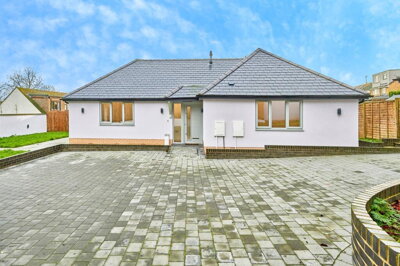
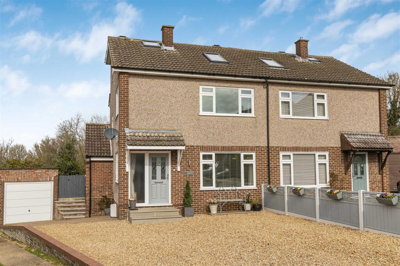
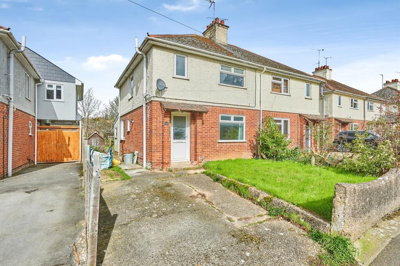
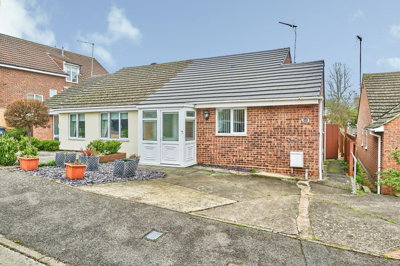
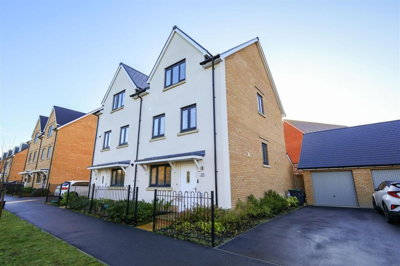
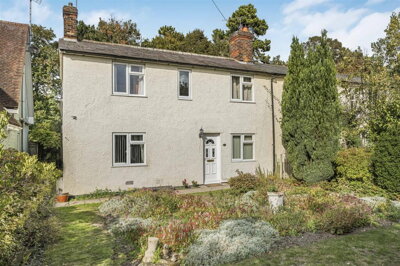
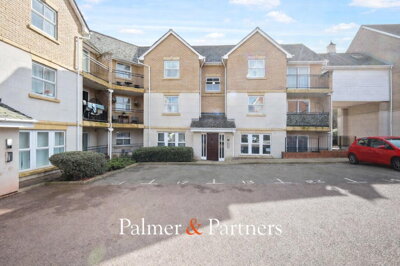
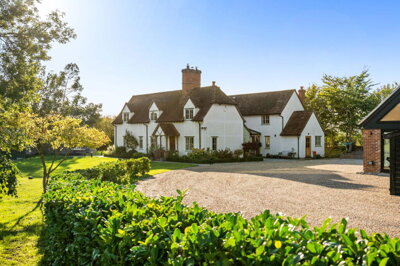
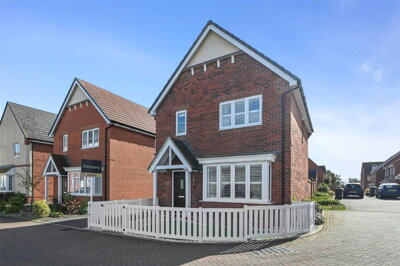
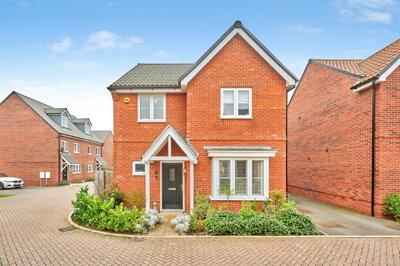
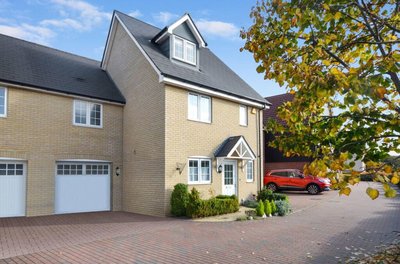
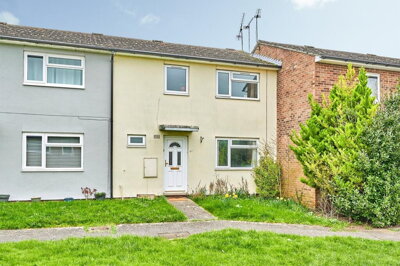
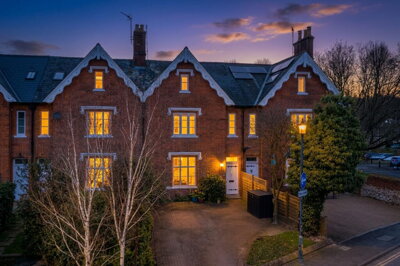
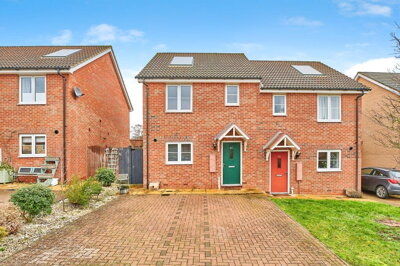
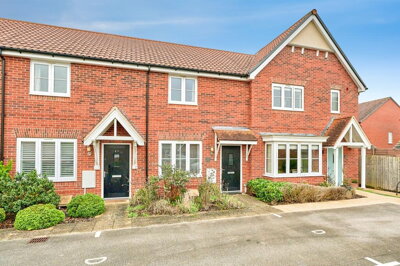
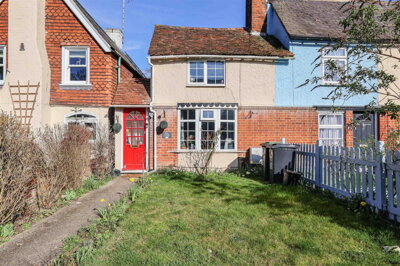
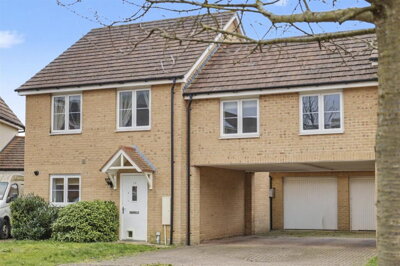
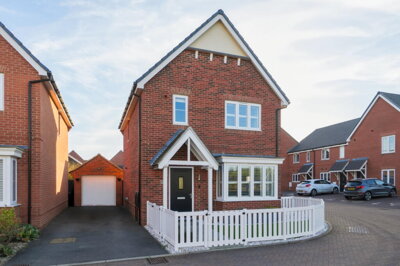
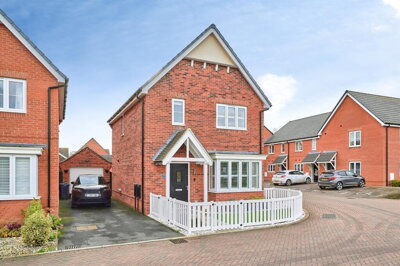
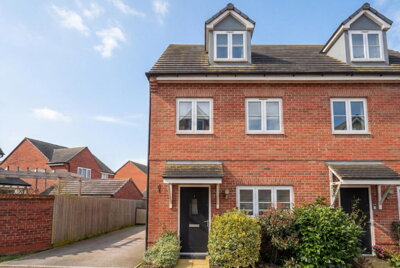
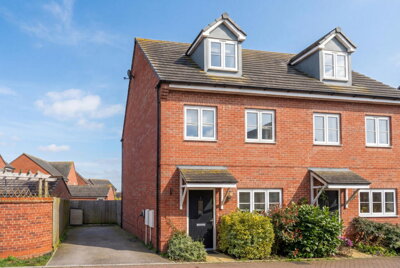
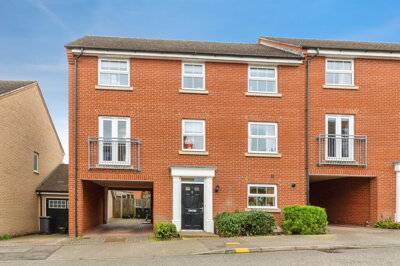
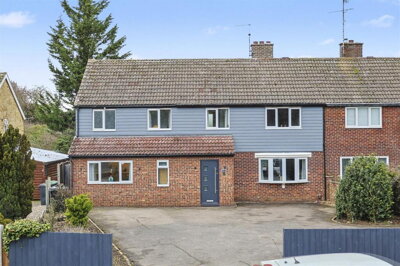
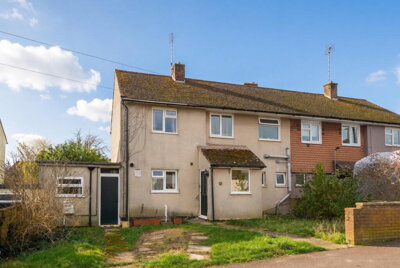
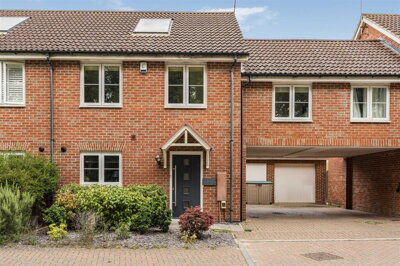
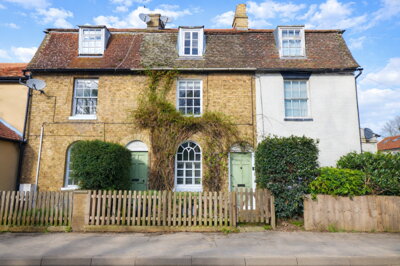
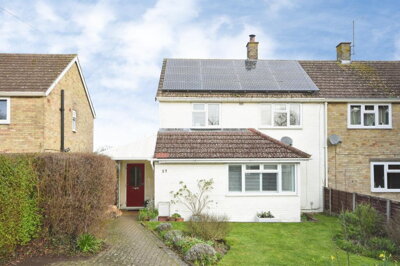
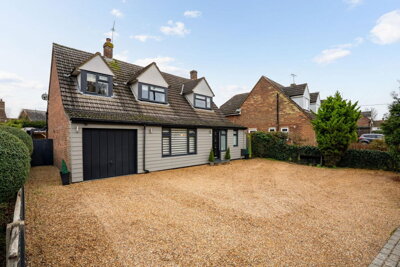
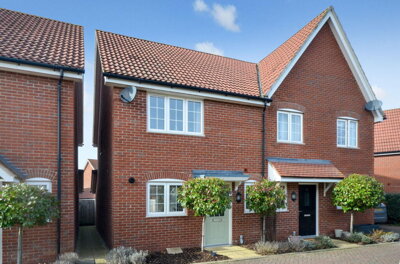
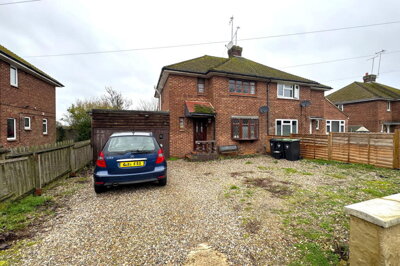
Browse 137 homes for sale in Sewards End from local estate agents.
The Sewards End property market offers detached, semi-detached, and terraced houses spanning various price ranges and neighbourhoods. Each listing includes detailed property information, photographs, and direct contact with the marketing agent.
The Castle Cary property market offers diverse options across all property types, with current averages sitting around £292,526 according to Rightmove data, while Zoopla suggests a slightly lower figure of £289,324. Detached properties command the highest prices, averaging £453,125, reflecting the premium associated with larger homes with private gardens in this desirable Somerset location. Semi-detached homes provide more accessible entry points at approximately £246,091, while terraced properties average £252,333, offering excellent value for buyers seeking period features in a convenient town centre location. Flats in the area average around £242,000, providing options for first-time buyers and those seeking lower-maintenance accommodation.
Market trends over the past year show some softening, with house prices in the BA7 7 postcode area falling 4.4 percent in the last twelve months and down 8.0 percent after inflation adjustment. Historical data indicates prices are currently 19 percent below the 2022 peak of £361,583, creating potential buying opportunities for those entering the market at a favourable point. The asking price data suggests further minor adjustments, with average asking prices changing by minus 1.8 percent over the past six months, indicating a stabilising market as buyer and seller expectations realign. Based on recent sales data covering approximately 53-54 transactions per year in the BA7 7 area, the market remains active with a healthy volume of deals completing.
New build options are increasingly available, with Persimmon Homes' Tor View development at West Park offering 2, 3, and 4-bedroom properties from £340,000. This development features attractive red brick, reconstituted stone, and render frontages with landscaped green spaces. For buyers seeking more affordable routes onto the property ladder, Stonewater's Mulberry Meadows development provides shared ownership, affordable rent, and Rent to Buy options across 125 homes. The availability of new-build properties at various price points gives buyers flexibility when choosing between character-rich period properties and modern homes with warranties and energy-efficient construction.

Castle Cary is a town built from its own landscape, with the distinctive Cary Stone or Hadspen Stone forming the foundation of much of its architectural character. This local Inferior Oolite limestone, typically buff or grey-centred with a shelly texture, gives the town a warm and harmonious appearance that distinguishes it from other Somerset towns. Two beds are traditionally worked: the pale brown or buff Yellow Bed and the darker, more durable Grey Bed. The narrow streets are lined with high-quality late eighteenth and nineteenth-century buildings, creating an atmospheric environment that attracts visitors to the weekly market and seasonal events throughout the year.
The town supports a population of approximately 10,547 residents across 4,269 households in the wider electoral ward, with an average household size of 2.5 people. The demographic profile shows an ageing population with a higher proportion of residents over 65 than the national average, reflecting the appeal of the area to those seeking a peaceful retirement environment. The combined population of Castle Cary and the adjacent village of Ansford was around 3,500 residents according to the 2021 census, with the wider ward encompassing additional surrounding areas. Local amenities include independent shops, traditional pubs serving Somerset cider and ales, community venues, and essential services, while the nearby countryside offers extensive walking and cycling opportunities across the Somerset Levels and surrounding hills.
Historically, Castle Cary was a market town with a flourishing woollen industry, later transitioning to linen, sailcloth, and twine production. In the Victorian era, horsehair seating became a local specialty, and remarkably, a horsehair weaving factory still operates in the town today, providing a tangible link to its industrial heritage. In the twentieth century, traditional industries declined, shifting the economy towards services, light manufacturing including leather goods production, and tourism. The town now serves as a rural economic hub with good connectivity to major cities, maintaining its role as a centre for the surrounding agricultural community while attracting new residents drawn to its character and accessibility.

Education provision in Castle Cary serves families with children at all levels, from nursery through to further education. Primary education is available through local schools serving the town and surrounding villages, with secondary education provided by schools in the wider South Somerset area accessible via school transport. The presence of good school options influences property values in certain streets and neighbourhoods, making proximity to schools a significant factor for family buyers considering Castle Cary as their next home. Research into specific school catchments and admissions criteria should be conducted directly with Somerset County Council for the most current information on placements and waiting list situations.
Planning permissions granted for new developments include land safeguarded for a new primary school to serve the growing population from schemes like Station Road and Station Green. The Station Road development alone, a 162-home scheme by Persimmon Homes Severn Valley with reserved matters consent received in April 2025, includes land set aside for educational expansion. This infrastructure commitment demonstrates the local authority's recognition of population growth and commitment to educational provision as the town expands. For families with secondary-age children, schools in nearby towns including Wincanton and Street offer options, with school transport services operating from Castle Cary to these establishments.
The area maintains good educational standards, and prospective buyers should note that school performance data, including recent Ofsted ratings and examination results, can significantly impact property values in specific postcodes. Properties within sought-after school catchment areas often command premiums, and rental demand from families seeking to secure placements in popular schools remains strong. Castle Cary's position as a family-friendly town with reasonable access to quality education makes it an attractive choice for buyers at all stages of family life, from first-time parents to those with teenagers approaching GCSE and A-level years.
Castle Cary railway station positions the town on the main London Paddington to Penzance line, providing direct connections to some of the South West's major destinations. Journey times to London Paddington take approximately two hours, making day trips to the capital feasible, while Bristol and Bath are accessible within an hour, opening employment and leisure opportunities in these cities. The station also connects residents to the coastal towns of Devon and Cornwall for weekend escapes along one of Britain's most scenic railway routes, with the train journey to Exeter taking around 45 minutes and Plymouth reachable in just over two hours.
Road connectivity centres on the A371, which passes through the town and links Castle Cary to surrounding villages and the larger market towns of Wincanton and Frome. The town is located approximately 15 miles from the M5 motorway at junction 23, providing access to the national motorway network for those who travel by car. The A359 provides an alternative route towards Bruton and the A303, connecting residents to the M3 and London beyond. Local bus services connect Castle Cary with neighbouring communities including Bruton, Wincanton, and Yeovil, though frequencies may be limited on some routes, making rail and car travel the primary options for regular commuters. Parking at the railway station supports those combining rail travel with car journeys for longer trips, with the station serving as a parkway facility for the wider area.
For commuters working in Bristol, the hourly train service makes daily travel practical, with the city accessible in around 50 minutes. Bath Spa offers even faster connections at approximately 35 minutes, making careers in the financial, professional, and creative sectors viable for Castle Cary residents. The town attracts London commuters who value the ability to work from home during the week while maintaining occasional office presence in the capital. Rental demand from commuters has strengthened in recent years, with properties near the station commanding premiums and achieving faster rental income compared to similar properties in less accessible locations.
Explore Castle Cary's neighbourhoods, property types, and price ranges before starting your search. Consider factors like proximity to the station, local schools, and whether you prefer a period stone cottage or a modern new-build home. The town centre offers character properties within the Conservation Area, while developments like Tor View at West Park provide modern alternatives. Review the specific flood risk for any address through government flood maps, particularly for properties near the River Brue catchment area.
Contact lenders or use Homemove's mortgage comparison service to obtain an agreement in principle before viewing properties. This strengthens your position when making offers and shows sellers you are a serious buyer. With average prices around £292,526, most buyers will require mortgage finance, and having documentation ready accelerates the process when competing for popular properties.
Arrange viewings through Homemove's property search, paying attention to the condition of older properties, the quality of stone construction, and any signs of damp or structural issues common in period buildings. Properties constructed from Cary Stone are generally durable but may show signs of weathering or erosion, and pointing between stones may require maintenance. New-build properties offer the security of warranties but buyers should review service charges and any estate management arrangements.
Once your offer is accepted, instruct a RICS Level 2 survey to assess the property's condition. Given Castle Cary's historic building stock with many properties dating from the late eighteenth and nineteenth centuries, a thorough survey is essential to identify any issues with the stone walls, roof structure, or potential damp problems. Properties in Conservation Areas or Listed Buildings may require specialist surveys using traditional materials and techniques.
Appoint a conveyancing solicitor to handle the legal aspects of your purchase, including searches on the property, review of the title, and coordination with the seller's solicitor through to completion. For properties in the Castle Cary area, searches will include local authority queries, drainage and water searches, and environmental data relevant to the River Brue catchment area.
Once all legal work is satisfactory and funds are transferred, contracts are exchanged and you receive the keys to your new Castle Cary home. Buildings insurance should be arranged from the point of exchange, and removals can be coordinated with local firms serving the Somerset area.
Castle Cary's rich architectural heritage brings specific considerations for buyers, particularly those purchasing period properties constructed from local Cary Stone. The stone construction, while durable, may show signs of weathering or erosion over time, and pointing between stones may require maintenance. Older properties built in the Victorian and Georgian eras often have solid floors rather than suspended timber, which can lead to damp issues if drainage beneath the property is compromised. A thorough survey will identify any structural concerns before you commit to purchase, with common defects in older Castle Cary properties including cracks in walls or ceilings, uneven floors, doors that do not close properly, and evidence of damp on walls or ceilings.
The town centre falls within a designated Conservation Area, which imposes restrictions on alterations, extensions, and exterior changes to preserve the historic character. Numerous Listed Buildings exist throughout the town, including properties on South Street and High Street, and buyers purchasing these will face additional requirements regarding materials and techniques that must be used for any works. Unapproved works on Listed Buildings are a concern, and specialist surveys will check for these issues, potentially revealing expensive remedial requirements. Before purchasing any period property, prospective buyers should verify whether any previous modifications were carried out with appropriate consents.
New-build properties on developments like Tor View and the planned Station Road and Station Green schemes offer modern construction with the benefit of warranties, though buyers should review service charges and any estate management arrangements that apply. The Station Green development proposes around 200 new homes north of Castle Cary station with outline planning permission granted in May 2022, while the Station Road scheme will deliver 162 homes with reserved matters consent received in April 2025. The BMI Mill redevelopment close to the town centre will create 81 homes through conversion and new build, with planning approved in August 2024, offering an interesting option for buyers seeking character within a modern package.
Flood risk in Castle Cary should be considered, as the town lies within the River Brue catchment area. While no current flood warnings are in place for the town, surface water drainage varies across different areas, and new developments are incorporating improved drainage systems to mitigate future risk. The underlying geology includes Inferior Oolite limestones, and while specific shrink-swell risk for the BA7 area is not explicitly categorised, clay-rich soils in Somerset carry potential for subsidence as climate change predictions suggest a 50 percent increase in shrink-swell subsidence across Europe by 2040. Checking the long-term flood risk for any specific property address through official government flood risk maps provides essential information for informed decision-making.
The average house price in Castle Cary is approximately £292,526 according to recent Rightmove data, though Zoopla suggests around £289,324. Detached properties average £453,125, semi-detached homes around £246,091, and terraced properties approximately £252,333, with flats averaging £242,000. Prices have softened recently, with the BA7 7 postcode showing a 4.4 percent decline over the past year and values sitting 19 percent below the 2022 peak of £361,583, offering potential opportunities for buyers entering the market at a favourable point in the cycle.
Properties in Castle Cary fall within South Somerset District Council's jurisdiction, with council tax bands ranging from A through to H depending on property value and type. Band A properties typically pay around £1,400 to £1,500 annually, while higher-band properties command proportionally higher charges. You can verify the specific council tax band for any property through the Valuation Office Agency website or the local authority, and this information is usually confirmed during the conveyancing process as part of the standard searches.
Castle Cary and the surrounding South Somerset area offer a range of educational options for children of all ages. Primary schools serve the local community, while secondary education is available at schools in nearby towns accessible by school transport. The area maintains good educational standards, and planning permissions for new developments include land safeguarded for a new primary school to serve growing populations from schemes like Station Road and Station Green. Prospective buyers should research specific school catchments and admissions criteria directly with Somerset County Council to identify the best options for their family's needs, as school performance data can significantly impact property values in certain postcodes.
Castle Cary railway station provides direct services on the London Paddington to Penzance line, with journeys to London taking approximately two hours and Bristol reachable in under an hour. Bath Spa takes around 35 minutes, making careers in the city practical for daily commuters. The town is served by local bus routes connecting to surrounding villages and market towns including Bruton, Wincanton, and Yeovil, though frequencies may be limited outside peak hours. For daily commuting, the train service is the primary public transport option, while the A371 road provides direct car access to the surrounding region and the M5 motorway approximately 15 miles away.
Castle Cary presents several positive indicators for property investment, including planned new developments bringing approximately 600 additional homes to the area, a stable local economy with unemployment below the national average at 3.9 percent, and excellent transport links to major employment centres in Bristol, Bath, and London. The historic character and Conservation Area designation help maintain property values by preventing inappropriate development, while the ongoing investment in infrastructure including the safeguarded land for a new primary school signals long-term commitment to the area. Rental demand from commuters and those relocating from more expensive cities supports rental yields, with properties near the station particularly sought after by tenants seeking the balance of rural character with city connectivity.
Stamp Duty Land Tax applies to all property purchases in England, with standard rates of 0 percent on the first £250,000 of purchase price, 5 percent on the portion from £250,001 to £925,000, 10 percent up to £1.5 million, and 12 percent above that threshold. First-time buyers purchasing properties up to £625,000 can claim relief, paying 0 percent on the first £425,000 and 5 percent on the remainder, with maximum relief equating to approximately £11,250. Properties above £625,000 do not qualify for first-time buyer relief, so higher-value purchases will incur the standard SDLT rates. Given Castle Cary's average price of around £292,526, most properties fall within the lower SDLT brackets, making the tax burden manageable for standard purchases.
Active new-build options include Persimmon Homes' Tor View development at West Park, offering 2, 3, and 4-bedroom homes from £340,000 with red brick, reconstituted stone, and render frontages. Stonewater's Mulberry Meadows provides more affordable routes including shared ownership, affordable rent, and Rent to Buy options across 125 homes. Several major schemes are in planning or construction phases, including a 162-home development on Station Road with reserved matters consent, a 200-home scheme at Station Green, 49 homes at Burfitt Road, and the conversion of the former BMI Mill into 81 residential units. These developments are expanding housing choice in the area while contributing to infrastructure improvements including the safeguarded primary school land.
Period properties in Castle Cary, many built from the distinctive local Cary Stone in the late eighteenth and nineteenth centuries, bring specific risks that surveys should address. Common issues include weathering or erosion of stonework, deterioration of pointing between stones, damp penetration through solid floors rather than suspended timber construction, and potential structural movement if foundations are shallow. Properties within the Conservation Area or Listed Buildings face restrictions on modifications and may require specialist repair techniques using traditional materials. Flood risk exists within the River Brue catchment area, and the underlying geology including clay-rich soils carries potential for shrink-swell subsidence. A thorough RICS Level 2 survey is essential for any period property purchase to identify these issues before commitment.
Understanding the full costs of buying property in Castle Cary helps you budget accurately for your purchase beyond the advertised price. Beyond Stamp Duty Land Tax, buyers should account for solicitor fees typically ranging from £500 to £1,500 for conveyancing work, which includes handling searches, title registration, and contract administration. Survey costs for a RICS Level 2 Homebuyer Report average around £495 for properties up to £500,000, while more valuable or complex properties such as those in poor condition or requiring valuation addition may incur higher fees. Listed buildings and unusual properties typically require specialist assessment and carry premium survey costs reflecting the additional expertise needed.
Additional costs include Land Registry fees for registering your ownership, typically £20 to £500 depending on property value, plus bank transfer fees and search fees that cover local authority, drainage, and environmental searches. For Castle Cary properties, environmental searches should include reference to the River Brue catchment area and any local industrial heritage that might affect the property. Buildings insurance should be arranged from the point of exchange, and removals costs vary based on distance and volume of belongings. For those purchasing new-build properties on developments like Tor View, developers may charge reservation fees or administration charges that should be clarified before proceeding.
For first-time buyers purchasing in Castle Cary, the relief available on Stamp Duty up to £425,000 provides meaningful savings compared to standard rates, with the maximum relief equating to approximately £11,250. Given that the average property price of £292,526 falls below the first-time buyer threshold, most purchasers entering the market for the first time will benefit from zero SDLT on the majority of their purchase. Properties priced above £625,000 do not qualify for first-time buyer relief, so higher-value purchases including larger family homes and premium period properties will incur the standard SDLT rates. Using Homemove's mortgage and conveyancing services helps streamline these costs while ensuring you receive competitive rates from vetted professionals experienced in Somerset property transactions.
Properties for Sale In London

Properties for Sale In Plymouth

Properties for Sale In Liverpool

Properties for Sale In Glasgow

Properties for Sale In Sheffield

Properties for Sale In Edinburgh

Properties for Sale In Coventry

Properties for Sale In Bradford

Properties for Sale In Manchester

Properties for Sale In Birmingham

Properties for Sale In Bristol

Properties for Sale In Oxford

Properties for Sale In Leicester

Properties for Sale In Newcastle

Properties for Sale In Leeds

Properties for Sale In Southampton

Properties for Sale In Cardiff

Properties for Sale In Nottingham

Properties for Sale In Norwich

Properties for Sale In Brighton

Properties for Sale In Derby

Properties for Sale In Portsmouth

Properties for Sale In Northampton

Properties for Sale In Milton Keynes

Properties for Sale In Bournemouth

Properties for Sale In Bolton

Properties for Sale In Swansea

Properties for Sale In Swindon

Properties for Sale In Peterborough

Properties for Sale In Wolverhampton

Enter your details to see if this property is within your budget.
Loans, cards, car finance
Estimated property budget
Borrowing + deposit
You could borrow between
Typical borrowing
Monthly repayment
Est. at 4.5%
Loan-to-value
This is an estimate only. Your actual budget may vary depending on interest rates, credit history, and personal circumstances. For an accurate affordability assessment, speak to one of our free mortgage advisors.
This calculator provides estimates for illustrative purposes only and does not constitute financial advice. Your home may be repossessed if you do not keep up repayments on your mortgage. Estimates based on 4.5% interest rate, repayment mortgage. Actual rates depend on your circumstances.
Homemove is a trading name of HM Haus Group Ltd (Company No. 13873779, registered in England & Wales). Homemove Mortgages Ltd (Company No. 15947693) is an Appointed Representative of TMG Direct Limited, trading as TMG Mortgage Network, which is authorised and regulated by the Financial Conduct Authority (FRN 786245). Homemove Mortgages Ltd is entered on the FCA Register as an Appointed Representative (FRN 1022429). You can check registrations at NewRegister or by calling 0800 111 6768.

We use cookies to show you personalised content and improve your experience of our website. Find out more in our Privacy policy and Cookie policy.