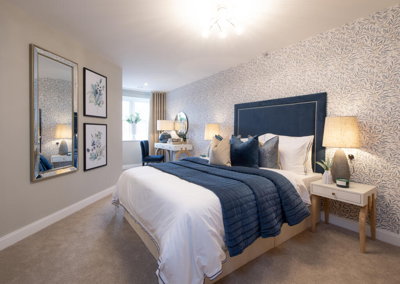
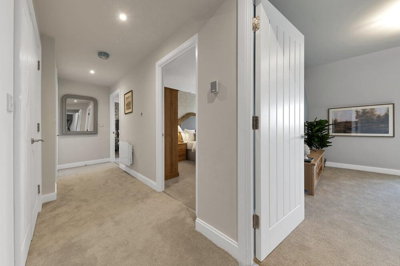
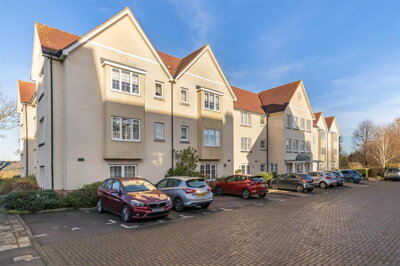
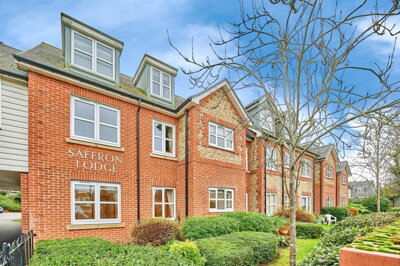
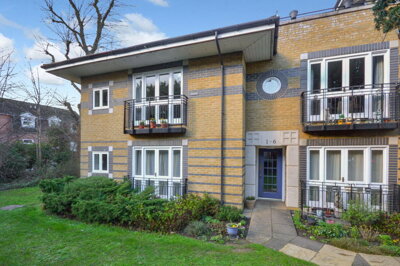
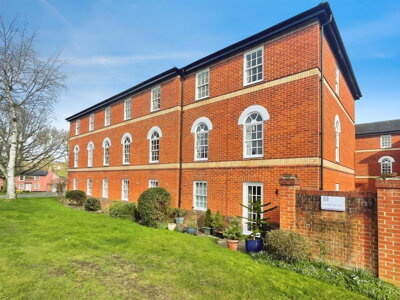
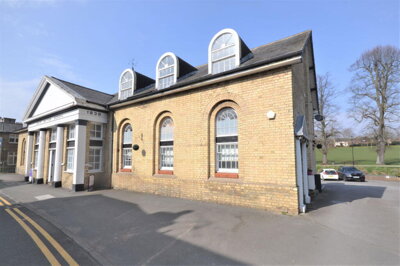
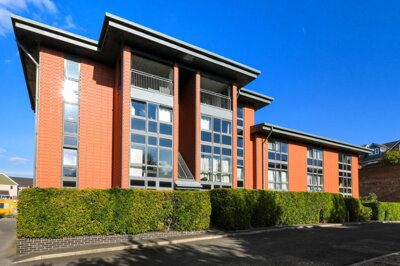
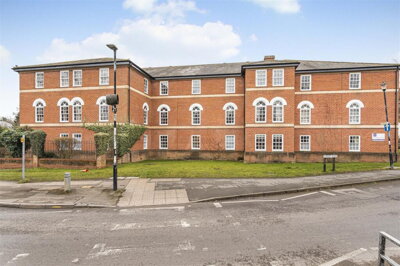
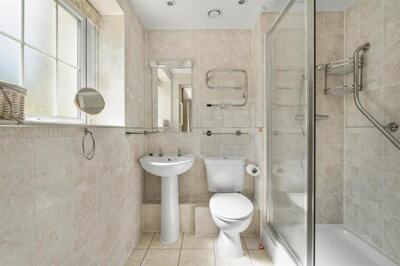
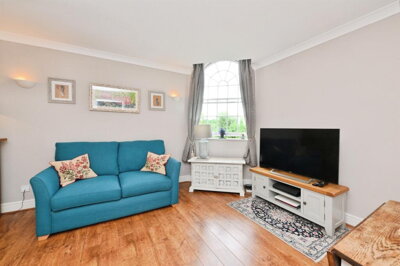
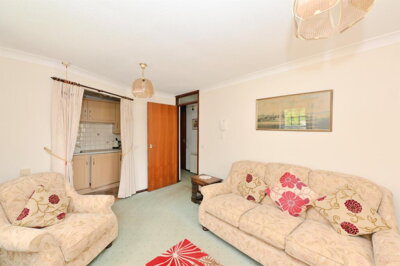
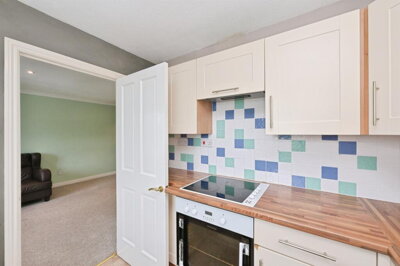
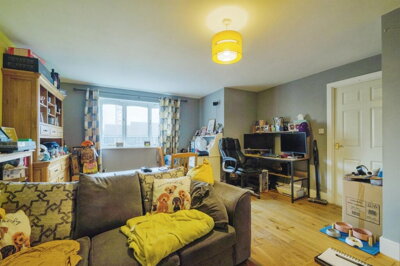
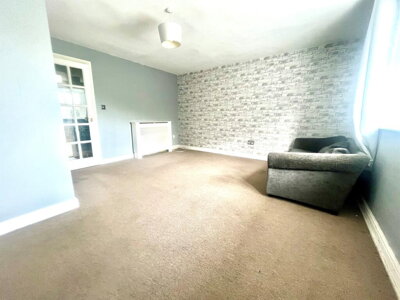
Browse 16 homes for sale in Sewards End from local estate agents.
The 2 bed flat sector typically includes two separate bedrooms, dedicated living areas, and bathroom facilities. Properties in Sewards End span purpose-built blocks, converted period houses, and modern apartment complexes on various floors.
The Castle Cary property market offers a diverse range of housing types to suit different budgets and lifestyles. Detached properties command the highest prices, with averages around £453,125 according to Rightmove data, while semi-detached homes are more accessible at approximately £246,091. Terraced properties in the town centre average £252,333, and flats start from around £242,000, providing options for first-time buyers and those seeking smaller, lower-maintenance homes. The variation in property types reflects both the historic building stock and the new developments that have emerged in recent years.
Recent market data shows that property prices in the BA7 7 postcode have experienced a modest correction, falling 4.4% in the last year and 8.0% after accounting for inflation. This follows a broader trend where historical sold prices were 19% down on the previous year and 19% below the 2022 peak of £361,583. Asking prices have changed by an average of -1.8% in the past six months, suggesting a stabilising market that could present buying opportunities for those entering the market. Based on approximately 53-54 sales per year in the BA7 7 postcode area, transaction volumes indicate steady activity rather than a stagnant market.
Two significant new-build developments are currently active in Castle Cary. Persimmon Homes is constructing Tor View on West Park (BA7 7DB), offering 2, 3, and 4-bedroom detached and semi-detached homes from £340,000. Stonewater's Mulberry Meadows development (BA7 7GG) provides 125 homes across affordable rent, Shared Ownership, and Rent to Buy tenures, catering to buyers who may not have access to large deposits. These developments add modern housing stock to complement the historic properties that dominate the town centre.

Beyond the active developments, several significant planning schemes will shape Castle Cary's future. The Station Green development by Wyke Farms and Hopkins Development proposes around 200 new homes north of Castle Cary station, with outline planning permission granted in May 2022. This scheme includes 35% affordable housing and infrastructure commitments, reflecting South Somerset District Council's approach to balanced growth. Detailed reserved matters are currently awaited before construction can commence.
Persimmon Homes Severn Valley is progressing a 162-home scheme on Station Road, with reserved matters consent received in April 2025 and construction expected to commence before the end of 2025. Of these homes, 57 will be affordable (35%), and land has been safeguarded for an extension to the Torbay Road industrial estate and a new primary school. This development represents substantial investment in local infrastructure alongside housing growth.
The BMI Mill redevelopment brings 81 homes (70 new-build and 11 apartments within the former mill) on a former industrial site close to the town centre, approved in August 2024. Meanwhile, Land at South Street received outline planning permission at appeal in November 2025 for up to 46 dwellings, including 29 open market homes and 17 affordable properties. Backhouse Housing is also progressing revised plans for 49 homes on land north of Burfitt Road, opposite a proposed development of 200 homes north of the A371 Ansford Hill. Collectively, these schemes indicate sustained growth that will reshape Castle Cary's housing landscape over the coming years.

Castle Cary has a population of approximately 10,547 residents across 4,269 households, according to the 2021 Census, with an average household size of 2.5 people. The town combines the combined parishes of Castle Cary and adjacent Ansford, which together housed around 3,500 residents as of the same census. This scale creates a close-knit community atmosphere while still offering the amenities and services expected of a market town. The demographic shows a higher proportion of residents over 65 compared to the national average, which often correlates with established community networks and stable neighbourhoods.
The town's historic character is immediately apparent, with narrow streets lined by high-quality late eighteenth and nineteenth-century buildings constructed from the distinctive local Cary Stone. This Inferior Oolite limestone, typically buff-coloured with grey centres, creates a warm honeyed appearance that defines the town's architectural identity. Properties along High Street and South Street showcase the craftsmanship of previous centuries, with numerous Listed Buildings contributing to the visual appeal. The presence of numerous Listed Buildings and a designated Conservation Area ensures that development respects this heritage, preserving Castle Cary's visual appeal for future generations.
Economically, Castle Cary has evolved from its historic roots in the woollen and linen industries to embrace modern employment sectors including services, light manufacturing such as leather goods, and tourism. The town maintains impressively low unemployment at 3.9% as of mid-2025, significantly below the national average of 5.0%. This economic resilience, combined with ongoing housing development averaging 75 homes built in the last three years, indicates a healthy and growing local community. The presence of independent shops, traditional pubs, and a weekly market provide local employment and reinforce community connections that appeal to buyers seeking a genuine Somerset market town experience.
Education provision in Castle Cary serves families at every stage of their children's development. Ansford School provides primary education for the local area, offering a foundation for young learners within the community. The town's demographic shows a higher proportion of residents over 65 compared to the national average, according to 2021 Census data, which often correlates with established schools that have built strong reputations over many years. Parents considering primary education options should verify current performance data and admission criteria directly with the school.
For secondary education, families in Castle Cary can access schools in the surrounding South Somerset area. The town's proximity to larger towns means that secondary school options are available within reasonable commuting distance, though specific Ofsted ratings and detailed school performance data would require direct consultation with local education authorities. Parents should research catchment areas carefully when considering properties, as school placement can significantly impact property values and demand in specific neighbourhoods. The travel times and transportation options to secondary schools should factor into decisions about where to purchase property in Castle Cary.
The planned developments in Castle Cary include land earmarked for a new primary school as part of the Station Road development by Persimmon Homes Severn Valley. This 162-home scheme, which received reserved matters consent in April 2025, demonstrates the local authority's commitment to expanding educational infrastructure alongside housing growth. For families considering new-build properties, the potential for additional school provision may influence long-term suitability. The safeguard of land for educational use reflects forward planning that anticipates population growth from the development.
Castle Cary benefits from excellent railway connectivity despite its rural setting, with the town served by Castle Cary railway station on the West of England Line. Direct services run to London Paddington, making the capital accessible in approximately two hours. The station also provides connections to Bath Spa and Bristol Temple Meads, opening up employment opportunities and cultural amenities in these major cities while maintaining the lifestyle benefits of rural Somerset living. Regular train services make Castle Cary practical for commuters who work in major cities but wish to live in a more affordable and peaceful setting.
By road, Castle Cary sits along the A371, providing connections to the surrounding towns and villages of South Somerset. The town is positioned to offer a balance between accessibility and tranquility, with major motorway networks reachable via the A37 or A303 for those requiring longer-distance commuting. Local bus services connect Castle Cary with neighbouring communities, though private vehicle ownership remains important for full mobility within the area. The A303 provides particularly useful access to the wider South West and to the M3 corridor toward London.
For cyclists and pedestrians, Castle Cary's compact historic centre is navigable on foot, with most daily amenities reachable without car travel. The surrounding Somerset countryside offers extensive public footpaths and bridleways for recreational walking and cycling. New developments are incorporating cycling infrastructure as standard, with surface water drainage systems being designed into projects like Station Green to manage environmental impacts responsibly. The historic streets around the market place and along South Street are particularly pleasant for pedestrians, with the architecture of Cary Stone buildings creating an attractive environment.
Castle Cary's wealth of historic buildings brings specific considerations for buyers. Properties constructed from Cary Stone may exhibit traditional stone-building characteristics that require understanding and maintenance, such as the need for lime-based mortars rather than Portland cement for repairs. The presence of numerous Listed Buildings means that permitted development rights may be restricted, and any alterations require listed building consent from South Somerset District Council. Buyers should factor in the additional responsibilities and potential costs associated with owning period properties in a conservation area.
Flood risk should be considered when purchasing in Castle Cary, as the town lies within the River Brue catchment area. While no current flood warnings exist for the town, long-term risk from rivers, surface water, and groundwater is acknowledged by government flood risk services. New developments are incorporating sophisticated surface water drainage systems to mitigate these risks, and buyers should review Environment Agency flood maps for specific properties. The River Cary runs through the area, and buyers should investigate the proximity of any potential purchase to watercourses and low-lying ground.
Given the underlying geology of the South West region, which can include clay-rich soils susceptible to shrink-swell behaviour, foundations of older properties may show signs of movement over time. This geological characteristic is a consideration across Somerset and is expected to receive increasing attention due to climate change impacts. Research predicts a 50% increase in shrink-swell subsidence across Europe by 2040, making this a relevant consideration for long-term property ownership. A thorough survey will identify any subsidence indicators, crack patterns, or structural movement that warrants further investigation before committing to a purchase.
Older properties in Castle Cary, particularly those built before the 1970s, may contain asbestos in roofing materials, pipe insulation, or floor tiles. A pre-purchase survey will identify any hazardous materials that require professional removal or management. Electrical systems in period properties often require updating to meet current safety standards, and buyers should budget for potential rewire costs when purchasing older homes. The historic building stock requires ongoing maintenance that differs from modern construction, and prospective buyers should understand the commitment involved in caring for traditional properties.
Spend time exploring Castle Cary's different neighbourhoods, from the historic town centre with its conservation area to newer developments like Tor View. Consider factors such as proximity to the station, school catchments, and the character of surrounding properties. Walking the streets at different times of day helps assess noise levels, traffic, and the overall atmosphere of each neighbourhood.
Before viewing properties, obtain a mortgage agreement in principle from a lender. This strengthens your position when making offers and demonstrates to sellers that you have financing secured. Compare rates from multiple providers to find the best deal for your circumstances. Given Castle Cary's average property price of around £292,526, most buyers will need mortgage financing, making pre-approval an essential first step.
View multiple properties across different price ranges and styles. Castle Cary offers everything from period cottages in the conservation area to modern new-build homes. Take notes and photographs during viewings to help compare properties later. Pay attention to the condition of Cary Stone walls, roof condition, and signs of damp or structural movement in older properties.
Given Castle Cary's significant stock of older properties, a RICS Level 2 Homebuyer Report is essential for most purchases. This survey identifies structural issues, damp, roofing problems, and other defects common in historic buildings. Costs typically range from £400 to £600 depending on property value, with older or listed properties potentially requiring more specialist assessment.
Choose a solicitor experienced in Somerset property transactions to handle the legal aspects of your purchase. They will conduct searches, handle contracts, and manage the transfer of ownership through to completion. Local knowledge of South Somerset property law and any specific issues affecting Castle Cary transactions adds valuable expertise.
Once all surveys, searches, and legal work are complete, you will exchange contracts and pay your deposit. Completion typically follows within weeks, when the remaining funds are transferred and you receive the keys to your new home. For properties in new developments like Tor View or Mulberry Meadows, your solicitor will coordinate with the developer's representatives to ensure smooth handover.
According to Rightmove data, the overall average house price in Castle Cary is approximately £292,526, with Zoopla reporting a similar figure of £289,324. Detached properties average around £453,125, semi-detached homes at £246,091, terraced properties at £252,333, and flats starting from £242,000. Recent market trends show prices in the BA7 7 postcode fell 4.4% in the last year, creating potential opportunities for buyers in a stabilising market.
Castle Cary falls under South Somerset District Council administration. Council tax bands in the area range from Band A for lower-value properties through to Band H for the most expensive homes. Specific bands depend on property valuation, and buyers should obtain this information from the seller or through local authority records during the conveyancing process. The exact amount payable depends on which band your property falls into and the current council tax rate set by South Somerset District Council.
Ansford School serves primary-aged children in the Castle Cary area and forms the foundation of local education provision. For secondary education, families access schools in the surrounding South Somerset area, with specific options depending on catchment boundaries. The planned new primary school as part of the Station Road development indicates ongoing investment in local education infrastructure. Parents should verify current school performance data, catchment areas, and admission policies directly with schools and the local education authority.
Castle Cary railway station provides direct services to London Paddington, Bath, and Bristol, with journey times to the capital around two hours. The town sits along the A371 road, providing road connections throughout South Somerset. Local bus services connect Castle Cary with neighbouring communities, though private vehicle ownership remains important for full mobility. The combination of rail and road connectivity makes Castle Cary practical for commuters while maintaining a rural lifestyle.
Castle Cary offers several factors that may appeal to property investors. The town has planning permission for around 600 new homes across various developments, indicating ongoing growth and demand. The unemployment rate of 3.9% is below the national average, suggesting economic stability. Rental demand may be supported by commuters seeking more affordable housing than nearby Bath or Bristol, while the low flood warning status and conservation area protections help maintain property values. However, investors should conduct thorough market research and consider void periods, maintenance costs for older properties, and local rental yields.
Stamp Duty Land Tax rates for standard purchases are 0% on the first £250,000, 5% on £250,001 to £925,000, 10% on £925,001 to £1.5 million, and 12% above £1.5 million. First-time buyers benefit from relief on the first £425,000, with 5% charged between £425,001 and £625,000. Given the average property price of around £292,526, most buyers in Castle Cary would pay no stamp duty, or minimal amounts under current thresholds. Properties above £625,000 do not qualify for first-time buyer relief.
Castle Cary's historic buildings constructed from Cary Stone require understanding of traditional building methods. Lime mortar should be used for repairs rather than Portland cement, and listed building consent is required for significant alterations. Watch for signs of damp, structural movement, or roof deterioration in period properties. A thorough survey before purchase will identify defects that may not be visible during viewings. Budget for ongoing maintenance costs that typically exceed those for modern properties.
Castle Cary lies within the River Brue catchment area, and long-term flood risk from rivers, surface water, and groundwater is acknowledged by government services. No current flood warnings exist for the town, but buyers should check Environment Agency flood maps for specific properties. New developments incorporate surface water drainage systems to mitigate risks. Properties near the River Cary or in low-lying areas warrant particular investigation.
From 4.5% APR
Compare mortgage rates from leading lenders
From £499
Expert solicitors for your property purchase
From £400
Professional survey for conventional properties
From £600
Detailed building survey for older or complex properties
From £80
Energy performance certificate for your property
For most property purchases in Castle Cary, stamp duty costs are minimal given the current average price of around £292,526. Under standard SDLT rules, the first £250,000 of a property purchase is taxed at 0%, meaning buyers pay nothing on this portion. The remaining £42,526 would attract a 5% charge, resulting in stamp duty of approximately £2,126 for a typical property at the current average price. Properties priced below £250,000 attract no stamp duty under standard rates.
First-time buyers purchasing properties up to £425,000 pay no stamp duty at all, as the relief covers the entire value of most Castle Cary homes. For first-time buyers purchasing between £425,001 and £625,000, a 5% rate applies to the portion above £425,000. Properties priced above £625,000 do not qualify for first-time buyer relief, so standard rates apply. Given Castle Cary's accessible price points, most buyers here fall into the lower stamp duty bands or qualify for full first-time buyer exemption.
Beyond stamp duty, buyers should budget for additional costs including mortgage arrangement fees, survey fees, conveyancing solicitor costs, and search fees. A RICS Level 2 survey typically costs between £400 and £600 depending on property value, while conveyancing generally starts from around £499. Land Registry fees and local search costs add further expenses. Mortgage arrangement fees vary between lenders but typically range from £0 to £2,000. Getting a mortgage agreement in principle before viewing properties helps clarify your budget and strengthens your position when making offers in Castle Cary's competitive market.
Properties for Sale In London

Properties for Sale In Plymouth

Properties for Sale In Liverpool

Properties for Sale In Glasgow

Properties for Sale In Sheffield

Properties for Sale In Edinburgh

Properties for Sale In Coventry

Properties for Sale In Bradford

Properties for Sale In Manchester

Properties for Sale In Birmingham

Properties for Sale In Bristol

Properties for Sale In Oxford

Properties for Sale In Leicester

Properties for Sale In Newcastle

Properties for Sale In Leeds

Properties for Sale In Southampton

Properties for Sale In Cardiff

Properties for Sale In Nottingham

Properties for Sale In Norwich

Properties for Sale In Brighton

Properties for Sale In Derby

Properties for Sale In Portsmouth

Properties for Sale In Northampton

Properties for Sale In Milton Keynes

Properties for Sale In Bournemouth

Properties for Sale In Bolton

Properties for Sale In Swansea

Properties for Sale In Swindon

Properties for Sale In Peterborough

Properties for Sale In Wolverhampton

Enter your details to see if this property is within your budget.
Loans, cards, car finance
Estimated property budget
Borrowing + deposit
You could borrow between
Typical borrowing
Monthly repayment
Est. at 4.5%
Loan-to-value
This is an estimate only. Your actual budget may vary depending on interest rates, credit history, and personal circumstances. For an accurate affordability assessment, speak to one of our free mortgage advisors.
This calculator provides estimates for illustrative purposes only and does not constitute financial advice. Your home may be repossessed if you do not keep up repayments on your mortgage. Estimates based on 4.5% interest rate, repayment mortgage. Actual rates depend on your circumstances.
Homemove is a trading name of HM Haus Group Ltd (Company No. 13873779, registered in England & Wales). Homemove Mortgages Ltd (Company No. 15947693) is an Appointed Representative of TMG Direct Limited, trading as TMG Mortgage Network, which is authorised and regulated by the Financial Conduct Authority (FRN 786245). Homemove Mortgages Ltd is entered on the FCA Register as an Appointed Representative (FRN 1022429). You can check registrations at NewRegister or by calling 0800 111 6768.

We use cookies to show you personalised content and improve your experience of our website. Find out more in our Privacy policy and Cookie policy.