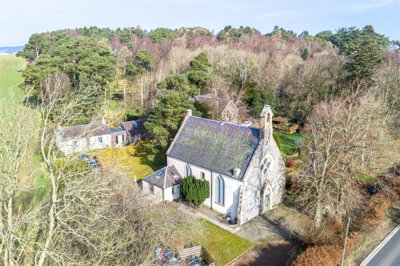
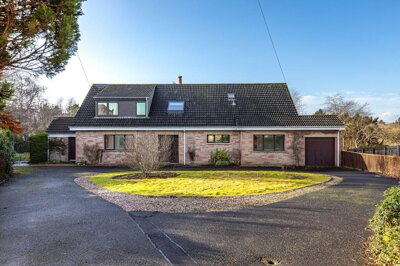
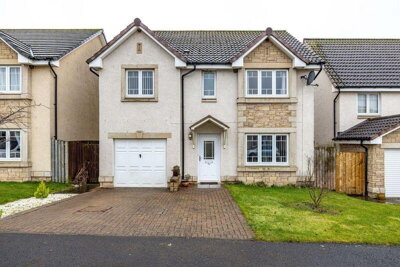
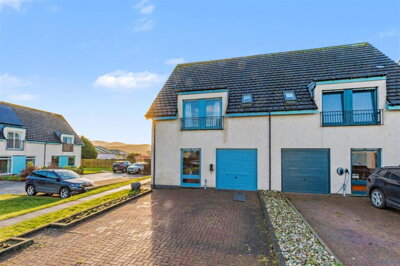
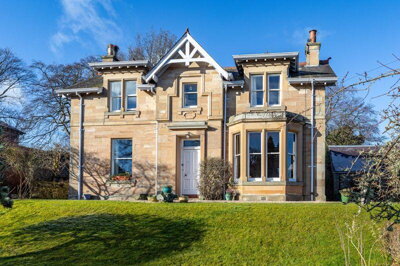
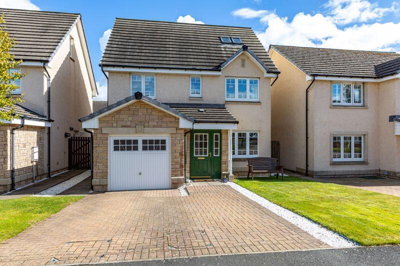
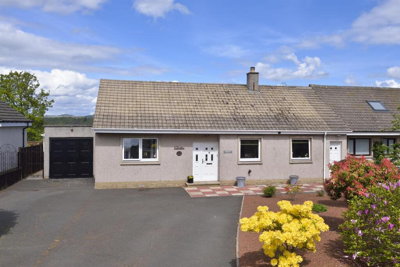
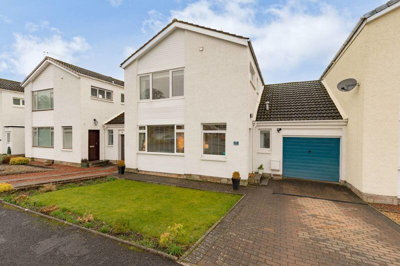
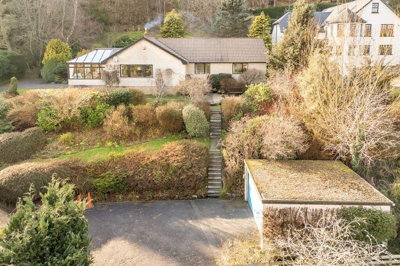
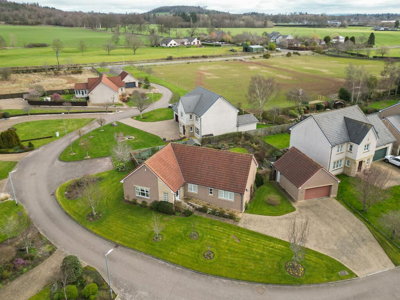
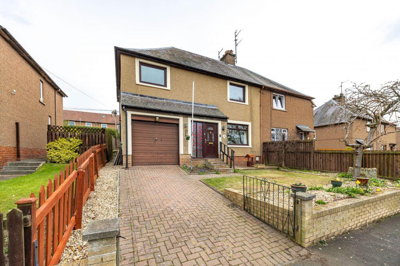
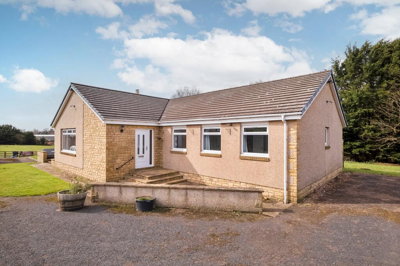
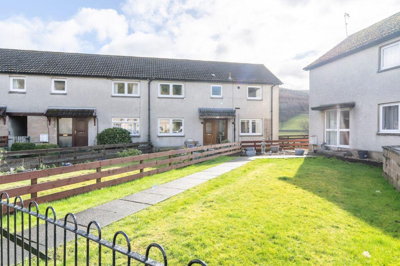
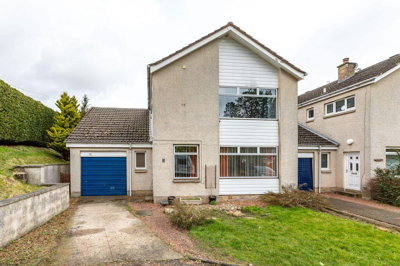
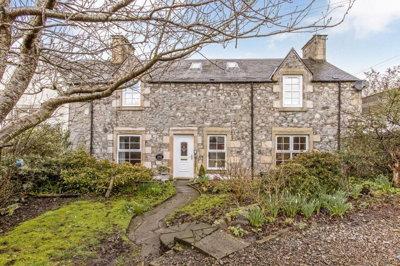
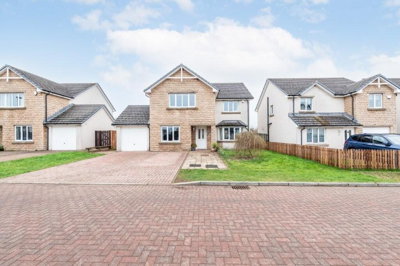
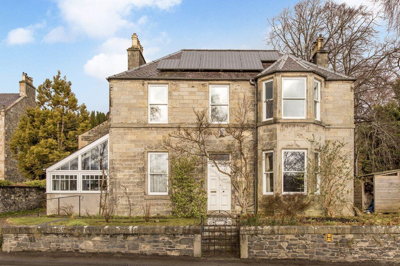
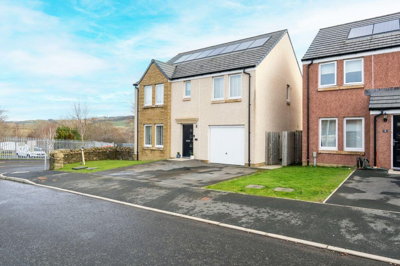
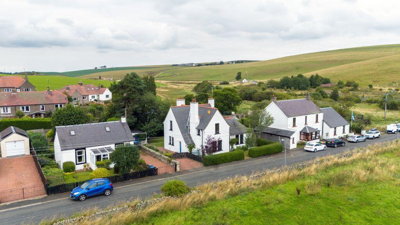
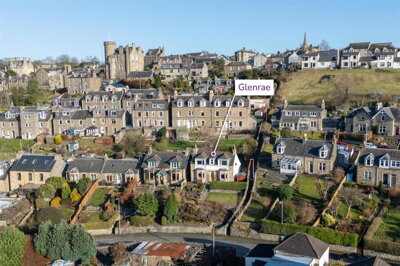
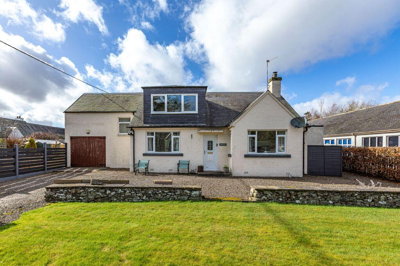
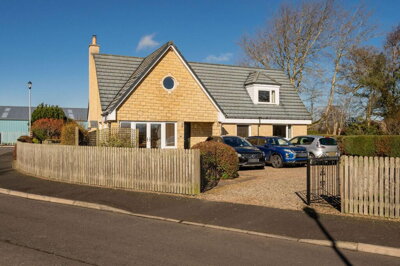
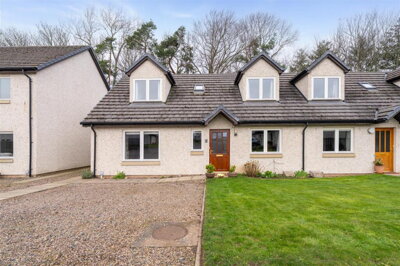
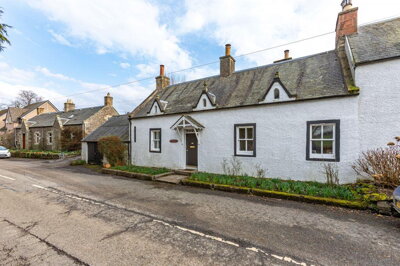
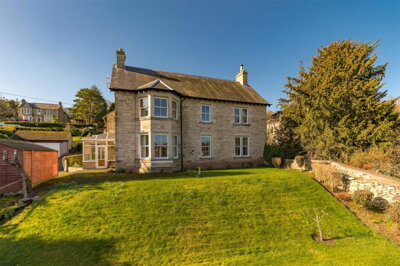
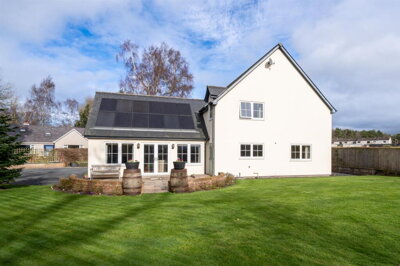
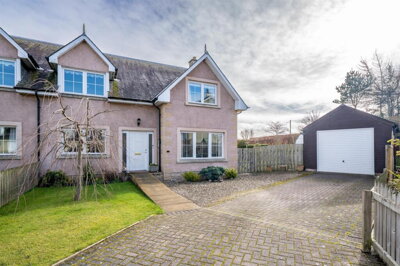
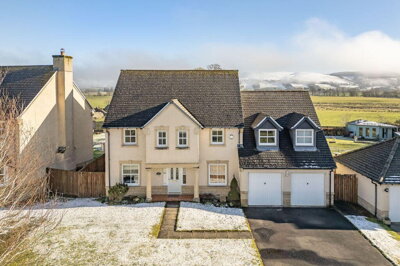
Browse 151 homes for sale in Scottish Borders from local estate agents.
The larger property sector typically features multiple bathrooms, substantial reception space, and private gardens or off-street parking. Four bedroom houses in Scottish Borders span detached, semi-detached, and occasionally terraced configurations, with styles ranging from period properties to modern executive homes.
The Scottish Borders property market has demonstrated remarkable resilience and steady growth, with the most recent ONS data showing the provisional average house price at £182,000 as of December 2025. Zoopla records an average sold price of £230,571 over the past twelve months, while ESPC reports indicate average selling prices of £238,714 during November 2025 through January 2026. The market has seen consistent year-on-year growth of approximately 5.1% according to ONS figures, marginally outpacing the broader Scottish average of 4.9%. Galbraith's residential team reported a striking 67% increase in property sales during the first quarter of 2025 compared to the same period the previous year, suggesting heightened buyer activity and confidence in the region.
Property types across the Scottish Borders cater to diverse budgets and preferences, with prices varying considerably across categories. Detached properties command an average of £344,000, reflecting demand for family homes with generous gardens and rural settings. Semi-detached homes average £215,000, offering excellent value for families seeking more space than a terrace provides. Terraced properties, which have seen the strongest price growth at 7.4% year-on-year, average £176,000, while flats and maisonettes remain the most accessible entry point at around £106,000. Rightmove notes that flats have constituted the majority of recent sales by volume, though this varies significantly between market towns.
Local market dynamics differ across towns within the Borders. Kelso has emerged as the volume leader, recording 5.4% more sales year-on-year, making it particularly attractive for investors seeking liquid markets. Galashiels, as the largest town, saw a slight 1.8% decline in sales volumes, though this reflects a maturing market rather than weakness. The combination of more affordable mortgage rates and sustained interest from Edinburgh-based buyers seeking value has stimulated activity throughout the region. First-time buyers find particular opportunities in the lower-price segments, especially for terraced properties and flats that require less capital upfront.

The Scottish Borders region stretches across southern Scotland, encompassing a distinctive landscape of rolling hills, river valleys, and prosperous market towns that have served local communities for centuries. The area character combines agricultural heritage with modern amenity provision, offering residents a quality of life that consistently attracts newcomers from Edinburgh and elsewhere. Towns such as Melrose, St Boswells, and Kelso exemplify the regional appeal: historic high streets with independent shops, quality pubs and restaurants, and community facilities that foster genuine belonging rather than the anonymity of larger cities. The population demonstrates a healthy demographic mix, with families drawn by school reputation, professionals telecommuting from converted farm buildings, and retirees attracted to the peaceful environment and strong community bonds.
The region's economy benefits from diverse foundations beyond agriculture alone. Tourism plays a significant role, with visitors drawn to attractions including Melrose Abbey, Abbotsford House (Sir Walter Scott's former home), and the extensive network of walking trails collectively known as the Southern Upland Way and St Cuthbert's Way. The textile industry maintains a presence through Borders tweed and knitwear producers, while the public sector provides substantial employment through NHS Borders, Borders College, and local authority services. Working from home has become increasingly prevalent, with buyers specifically targeting the Scottish Borders for the combination of space, connectivity, and affordability it offers compared to commuting distance equivalent locations near Edinburgh.
Cultural life in the Scottish Borders punches above its weight relative to population size. The Maltings theatre in Berwick-upon-Tweed and various venues throughout the region host touring productions and local performances. Sports enthusiasts benefit from rugby clubs, golf courses including the championship courses at Peebles and Cardrona, and excellent fishing on the River Tweed and its tributaries. The region hosts several annual events including the Selkirk Common Ridings, which preserve the area's border heritage, and the Big Feed Festival in Selkirk celebrating local food and music. Community spirit remains strong, with markets, fetes, and local initiatives fostering the connections between neighbours that make rural living so rewarding.

Education provision across the Scottish Borders offers families a choice between well-established council schools and independent alternatives, with the region maintaining a strong reputation for educational attainment. The local authority operates primary schools across all major towns and many smaller communities, with class sizes generally remaining manageable compared to urban equivalents. Schools in towns such as Melrose, St Boswells, and Peebles consistently receive positive feedback from parents, reflecting both the quality of teaching and the supportive learning environment that smaller class sizes facilitate. Secondary education is provided through a network of high schools including Galashiels Academy, Selkirk High School, and Earlston High School, each serving their respective catchments with broad curricular offerings.
The Scottish Borders College, headquartered in Galashiels, provides further education and higher education pathways including HNC and HND programmes across various vocational areas. For school leavers seeking university education, the region offers accessible links to Edinburgh, where institutions including the University of Edinburgh, Heriot-Watt University, and Napier University welcome Borders students. The independent school sector includes St Mary's School in Melrose, a co-educational boarding and day school with a strong academic record, and other options across the region for families preferring private education. Transport arrangements enable students from across the region to access appropriate secondary schools, with school buses serving communities beyond walking distance.
Parents researching schooling options for relocation should verify current catchment areas and registration requirements with Scottish Borders Council, as these can affect property eligibility. The availability of school transport can influence the practical suitability of properties in more rural locations, and understanding these arrangements before purchase prevents subsequent complications. For families considering private education, advance enquiry regarding places and term dates helps inform the timing of property purchases. The region's educational reputation contributes to its appeal among family buyers, with school quality frequently cited as a factor in decisions to relocate from Edinburgh and other urban centres.
Transport connectivity from the Scottish Borders has transformed dramatically since the reopening of the Borders Railway, which now provides regular services linking Tweedbank, Galashiels, and Stow with Edinburgh Waverley. The journey from Tweedbank to Edinburgh takes approximately one hour, making day commuting feasible for those working in the capital while enjoying significantly lower property costs and a superior quality of life. Stations at Galashiels, Tweedbank, and Stow serve the main population centres, with frequencies accommodating both daily commuters and leisure travellers. This railway connection has been instrumental in attracting Edinburgh-based buyers to the region, particularly those who discovered remote working flexibility during the pandemic and now seek more space without abandoning city employment entirely.
Road infrastructure within the Scottish Borders centres on the A1 trunk road providing north-south connectivity to Edinburgh and Berwick-upon-Tweed, with the A7 running through Galashiels connecting to Carlisle via Hawick. The A68 provides an alternative route toward Newcastle via Jedburgh. For those commuting by car, journey times to Edinburgh vary from approximately 45 minutes from Galashiels to around 90 minutes from more southern towns such as Hawick. The region maintains a comprehensive bus network operated primarily by the Borders Buses service, connecting towns and villages throughout the area. For international travel, Edinburgh Airport provides global connections within approximately one to one-and-a-half hours' drive from most parts of the Borders.
Cycling infrastructure continues to develop across the Scottish Borders, with the region becoming increasingly popular for recreational and commuter cycling. The Border Loop and various other signed routes offer opportunities for all abilities, while the scenic landscape attracts cyclists from across the UK. Electric bike adoption has expanded practical cycling range for commuting purposes, enabling residents of more distant properties to access town centres and railway stations without requiring car journeys. Parking provision at railway stations accommodates those combining rail travel with car use, while towns throughout the region have seen improvements in pedestrianisation and cycling facilities that enhance the practicalities of life without universal car dependency.
Start by exploring current listings across Homemove to understand property types, prices, and availability in different towns. The Scottish Borders market shows variation between locations, with Galashiels offering higher transaction volumes while Melrose and Kelso provide different lifestyle balances. Register with local estate agents who can alert you to new properties before they appear on major portals.
Contact estate agents to arrange viewings on properties matching your criteria. Before making offers, obtain a mortgage Agreement in Principle from a lender to demonstrate your credibility to sellers. First-time buyers in particular should ensure their finances are organised, with deposit funds accessible and any existing debts managed appropriately.
When you find a suitable property, submit your offer through the selling agent. Given the positive market trends in the Scottish Borders, with prices rising around 5% annually, competitive situations can arise particularly for well-presented properties in popular towns. Negotiate not just on price but also on fixtures and fittings, and establish clear timelines for the transaction.
Commission a RICS Level 2 Survey (Homebuyer Report) to assess the property's condition thoroughly. For older properties common throughout the Scottish Borders, this survey can identify maintenance needs and potential concerns before you commit. Instruct a solicitor to handle conveyancing, searches, and legal checks specific to Scottish property transactions.
In Scotland, the exchange and completion process differs from England and Wales, with a single contractual missive process leading to entry date. Your solicitor will manage this process, ensuring all conditions are satisfied before keys are handed over. On completion day, your solicitor will arrange transfer of funds and you will receive keys to your new Scottish Borders home.
Property purchases in the Scottish Borders warrant careful consideration of several local-specific factors that may not be apparent to buyers from other regions. The age of housing stock throughout the region means that many properties predate the twentieth century, constructed using traditional methods and local materials that require specific maintenance approaches. Traditional Scottish stone construction, prevalent in older properties across towns such as Melrose, Hawick, and Jedburgh, offers durability but may require attention to pointing, damp proofing, and structural monitoring. Buyers should ensure surveys specifically address the condition of stonework, roof structure, and any evidence of movement or water penetration.
Flood risk warrants specific investigation before purchasing any property in the Scottish Borders, given the region's network of rivers including the Tweed, Ettrick, Yarrow, and numerous tributaries. Properties in river valleys or areas with historical flooding should be researched thoroughly, with sellers required to complete a Property Questionnaire disclosing any relevant information. Insurance implications for properties in flood-risk areas can be significant, making this factor essential to establish before committing to a purchase. Surface water flooding has also affected certain areas during periods of heavy rainfall, and local knowledge from estate agents or neighbours can prove invaluable in identifying susceptible locations.
Conservation area designations apply to parts of several Border towns, imposing restrictions on external alterations and requiring planning permission for changes that would otherwise be permitted development. Buyers acquiring properties in these areas should factor any proposed modifications into their plans, understanding that consent may be harder to obtain for contemporary additions. Similarly, listed building status applies to numerous properties throughout the region, requiring Listed Building Consent for alterations and imposing obligations regarding maintenance of character features. The additional costs and constraints associated with listed properties suit some buyers perfectly while proving unsuitable for others, making early identification essential. Leasehold arrangements for flats warrant scrutiny regarding ground rent obligations and service charge arrangements, with these costs varying significantly between properties.
The average house price in Scottish Borders varies between sources, with Rightmove reporting £227,869 over the past year while ESPC data shows £238,714 for properties sold during November 2025 through January 2026. The ONS provisional figure for December 2025 stands at £182,000, reflecting the mix of properties including many affordable options. Property prices have increased by approximately 5.1% year-on-year according to ONS data, outpacing the Scottish average of 4.9%. Prices vary significantly by property type, with detached homes averaging £344,000 compared to £106,000 for flats, offering options across various budget ranges.
Council tax in Scottish Borders is set by Scottish Borders Council, with bands ranging from A through H based on property valuation. Specific bands depend on the banding assigned at the time of the property's creation or last sale. Properties in the Scottish Borders generally benefit from council tax rates that compare favourably with Edinburgh and surrounding Lothians, providing better value for equivalent or superior property sizes. Prospective buyers should obtain the council tax band from the seller or verify through the Scottish Assessors Association website before purchase.
The Scottish Borders offers strong educational provision at both primary and secondary levels, with schools including Melrose Primary, St Boswells Primary, and Galashiels Academy receiving positive reports from parents. St Mary's School in Melrose provides an independent education option for families seeking private schooling. The region benefits from relatively small class sizes compared to urban areas, supporting individual attention and positive learning environments. Families should verify catchment areas with Scottish Borders Council, as school eligibility depends on residential address within specific boundaries.
The Borders Railway provides the primary rail connection, with services from Tweedbank, Galashiels, and Stow to Edinburgh Waverley taking approximately one hour. This service has transformed accessibility for commuters and has been a significant factor in attracting Edinburgh-based buyers to the region. Bus services operated by Borders Buses connect towns and villages throughout the region, though frequencies reduce in more rural areas. For air travel, Edinburgh Airport is accessible within approximately one to one-and-a-half hours' drive from most Border towns.
The Scottish Borders property market has demonstrated consistent growth, with prices increasing by around 5% annually over recent years. Galbraith reported a 67% increase in sales during Q1 2025 compared to the previous year, indicating heightened activity and demand. The rental market benefits from strong fundamentals including steady employment, tourism demand, and professionals seeking flexible living arrangements. Rental yields vary by property type and location, with flats in towns offering different return profiles compared to family homes in popular villages. The region continues attracting buyers from Edinburgh seeking value, supporting liquidity particularly in towns like Kelso and Melrose.
Stamp Duty Land Tax does not apply in Scotland, which instead uses the Land and Buildings Transaction Tax (LBTT) system. The LBTT residential rates for 2024-25 start at 0% on the first £145,000 of purchase price, rising to 2% on the portion between £145,001 and £250,000, 5% between £250,001 and £325,000, 10% between £325,001 and £750,000, and 12% on any amount exceeding £750,000. First-time buyers may qualify for relief extending the 0% threshold to £175,000, providing meaningful savings. Your solicitor will calculate the precise LBTT liability based on your purchase price and circumstances.
Commuting from Scottish Borders to Edinburgh is practical via the Borders Railway, which provides regular services from Galashiels and Tweedbank to Edinburgh Waverley with journey times around one hour. Many commuters work from home for several days per week, travelling to Edinburgh on the days requiring office presence. Car commuting is feasible from towns along the A7 or A68 routes, with journey times varying from approximately 45 minutes from Galashiels to around 90 minutes from Hawick. The improved connectivity has been a major factor in the Scottish Borders becoming increasingly popular among Edinburgh workers seeking more space and better value.
Several Border towns have conservation area designations that impose restrictions on external alterations and require planning permission for changes that would normally be permitted development elsewhere. Towns including Melrose, Kelso, and Peebles contain notable concentrations of listed buildings, particularly properties constructed from local sandstone. Listed building status requires Listed Building Consent for alterations and imposes obligations regarding maintenance of original character features. These additional requirements suit buyers who appreciate period properties and are prepared for the associated responsibilities, but may frustrate those seeking to modernise extensively. Your solicitor can confirm any applicable designations through the local authority searches during conveyancing.
From 4.5% APR
Compare mortgage deals from leading lenders
From £499
Expert solicitors handling your Scottish property transaction
From £350
Professional survey for homes for sale in Scottish Borders
From £85
Energy performance certificate for your new home
Understanding the costs involved in purchasing property in the Scottish Borders extends beyond the advertised purchase price. The primary differential from England and Wales involves the tax system, with Scotland applying Land and Buildings Transaction Tax (LBTT) rather than Stamp Duty Land Tax. The LBTT thresholds for residential properties in 2024-25 set the nil rate band at £145,000, below which no tax is payable. This means a £200,000 property attracts £1,100 in LBTT (calculated as 2% on £55,000), while a £350,000 property incurs £6,900 (2% on £105,000 plus 5% on £50,000). These calculations demonstrate that LBTT can represent a significant element of total purchase costs requiring budget allocation.
First-time buyers purchasing residential property in Scotland benefit from increased LBTT relief, with the nil rate threshold extended to £175,000. For a first-time buyer purchasing at £250,000, this relief reduces LBTT liability from £3,200 to £1,500, providing meaningful savings that can contribute toward moving costs or furnishings. However, LBTT relief for first-time buyers phases out for purchases exceeding £175,000, and different rules apply if the transaction involves a second home or buy-to-let investment where an additional 4% supplement applies. Your solicitor will advise on your specific liability based on your circumstances, including whether any previous property ownership affects your eligibility for first-time buyer relief.
Additional purchase costs include solicitor fees for conveyancing, which typically range from £499 for basic transactions to higher amounts for complex purchases involving additional legal work. Survey costs should be factored in, with a RICS Level 2 Survey (Homebuyer Report) generally available from £350 depending on property size and value. Property searches specific to Scottish Borders may include local authority searches, water and drainage checks, and environmental searches assessing flood risk and ground conditions. Mortgage arrangement fees vary between lenders, and first-time buyers should obtain an Agreement in Principle before commencing property searches in earnest. Budgeting typically requires setting aside approximately 3-5% of the purchase price for these additional costs, ensuring that financial readiness does not delay completion once a property is secured.
Properties for Sale In London

Properties for Sale In Plymouth

Properties for Sale In Liverpool

Properties for Sale In Glasgow

Properties for Sale In Sheffield

Properties for Sale In Edinburgh

Properties for Sale In Coventry

Properties for Sale In Bradford

Properties for Sale In Manchester

Properties for Sale In Birmingham

Properties for Sale In Bristol

Properties for Sale In Oxford

Properties for Sale In Leicester

Properties for Sale In Newcastle

Properties for Sale In Leeds

Properties for Sale In Southampton

Properties for Sale In Cardiff

Properties for Sale In Nottingham

Properties for Sale In Norwich

Properties for Sale In Brighton

Properties for Sale In Derby

Properties for Sale In Portsmouth

Properties for Sale In Northampton

Properties for Sale In Milton Keynes

Properties for Sale In Bournemouth

Properties for Sale In Bolton

Properties for Sale In Swansea

Properties for Sale In Swindon

Properties for Sale In Peterborough

Properties for Sale In Wolverhampton

Enter your details to see if this property is within your budget.
Loans, cards, car finance
Estimated property budget
Borrowing + deposit
You could borrow between
Typical borrowing
Monthly repayment
Est. at 4.5%
Loan-to-value
This is an estimate only. Your actual budget may vary depending on interest rates, credit history, and personal circumstances. For an accurate affordability assessment, speak to one of our free mortgage advisors.
This calculator provides estimates for illustrative purposes only and does not constitute financial advice. Your home may be repossessed if you do not keep up repayments on your mortgage. Estimates based on 4.5% interest rate, repayment mortgage. Actual rates depend on your circumstances.
Homemove is a trading name of HM Haus Group Ltd (Company No. 13873779, registered in England & Wales). Homemove Mortgages Ltd (Company No. 15947693) is an Appointed Representative of TMG Direct Limited, trading as TMG Mortgage Network, which is authorised and regulated by the Financial Conduct Authority (FRN 786245). Homemove Mortgages Ltd is entered on the FCA Register as an Appointed Representative (FRN 1022429). You can check registrations at NewRegister or by calling 0800 111 6768.

We use cookies to show you personalised content and improve your experience of our website. Find out more in our Privacy policy and Cookie policy.