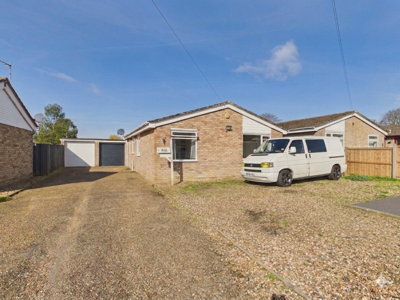
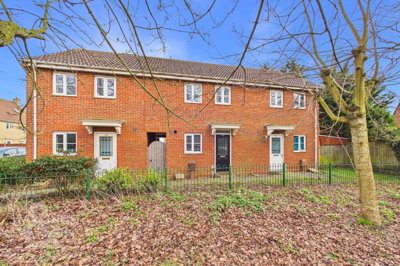
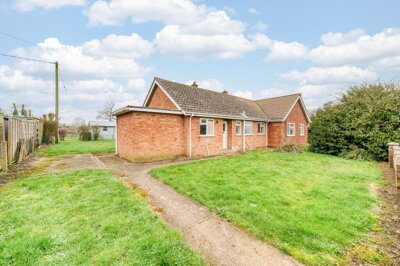
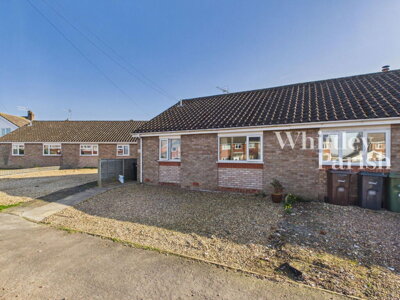
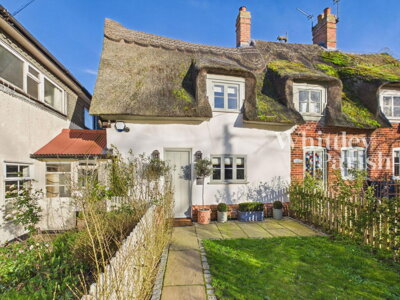
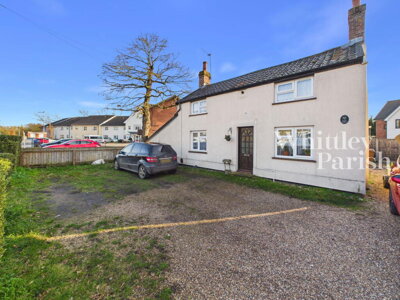
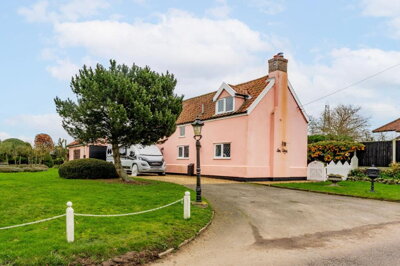
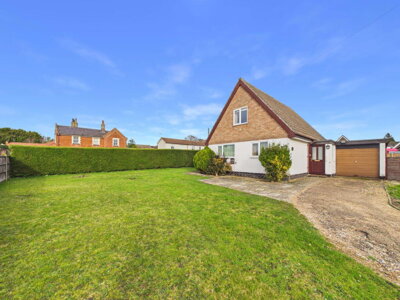
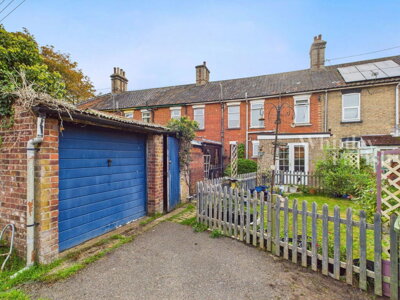
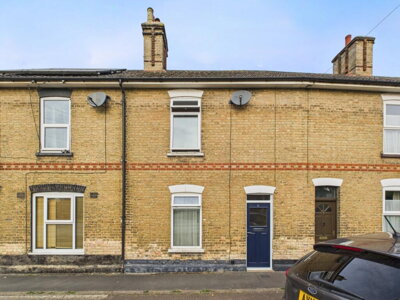
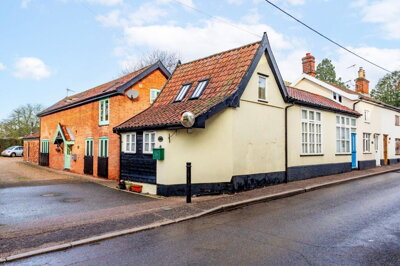
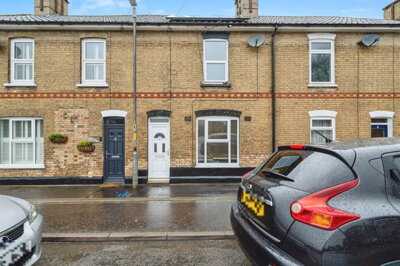
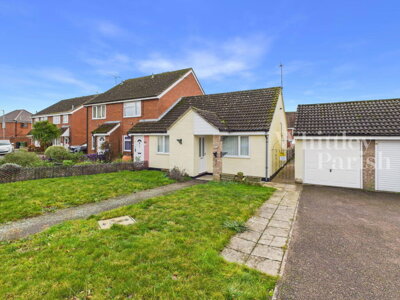
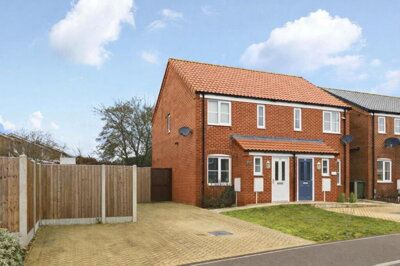
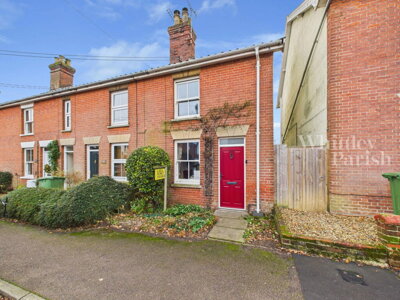
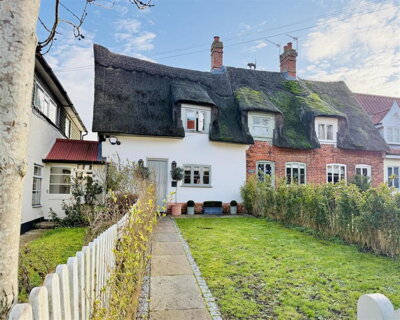
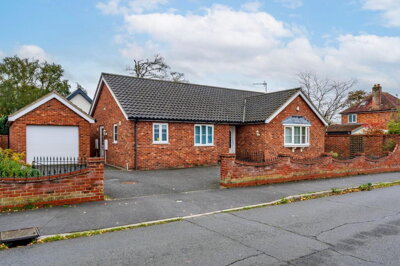
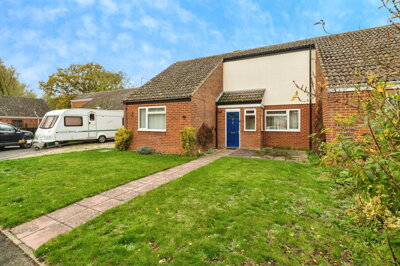
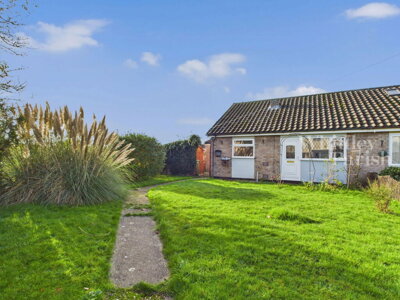
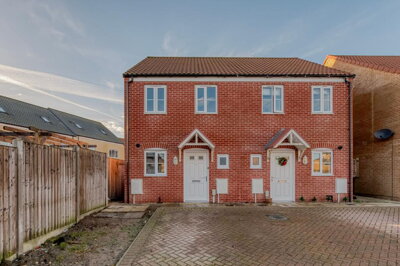
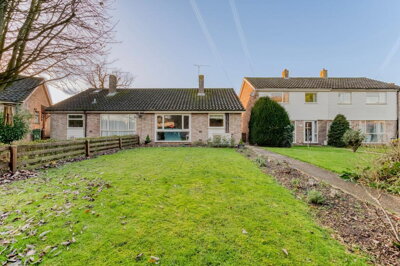
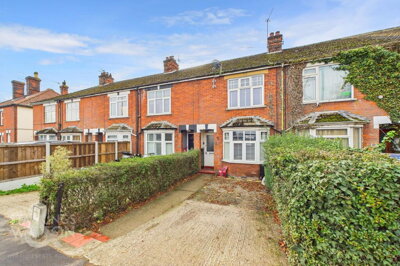
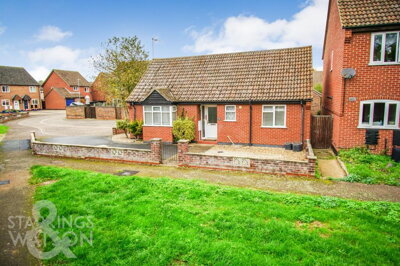
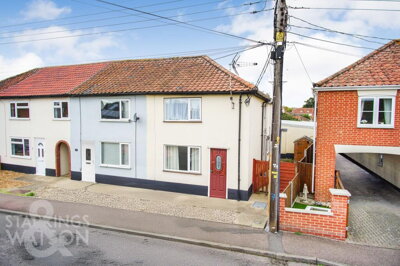
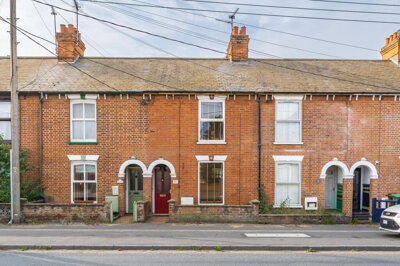
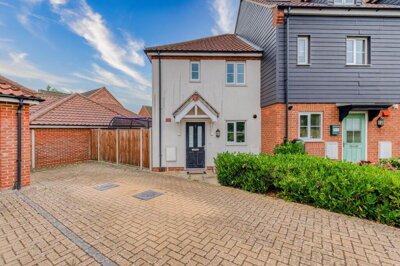
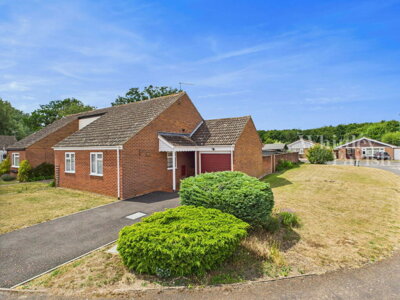
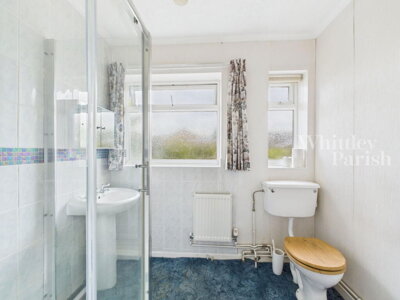
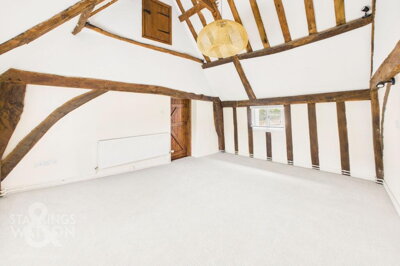
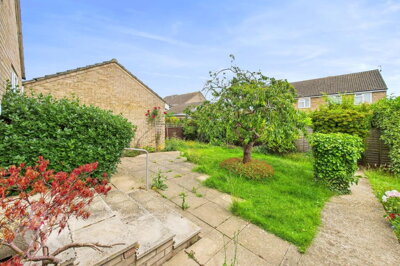
Browse 38 homes for sale in Scole, South Norfolk from local estate agents.
The 2 bed house market features detached, semi-detached, and terraced properties with two separate bedrooms plus living spaces. Properties in Scole range from Victorian and Edwardian period homes to modern new builds, with pricing varying across different neighbourhoods.
£110k
3
0
45
Source: home.co.uk
Showing 3 results for 2 Bedroom Houses for sale in Scole, South Norfolk. The median asking price is £110,000.
Source: home.co.uk
Terraced
3 listings
Avg £130,000
Source: home.co.uk
Source: home.co.uk
£329,995
Average Price
~10
Properties Sold (12 months)
£410,000
Detached Average
£275,000
Semi-Detached Average
£230,000
Terraced Average
B - D (South Norfolk)
Council Tax Band
The Scole property market presents a stable picture for buyers considering a move to this South Norfolk village. Our data shows house prices in Scole over the last year remained similar to the previous year, with an overall average of £329,995. This price stability makes the village an attractive proposition for buyers who want to avoid the volatility sometimes seen in larger towns and cities. The village forms part of the broader South Norfolk district, which encompasses a range of villages and market towns, each with their own distinct property characteristics.
Property types in Scole reflect its evolution from a historic coaching village to a residential community. Detached properties dominate the upper end of the market, with an average price of £410,000, offering generous gardens and the space that families often seek. Semi-detached homes, averaging £275,000, represent good value for buyers wanting more space than a terraced property but at a more accessible price point. Terraced properties, typically available from £230,000, provide an entry point to village life for first-time buyers or those downsizing from larger properties in nearby towns.
The local housing stock encompasses a significant number of older properties dating back to pre-1919, particularly within the village centre and conservation area where traditional brick construction and period features are common. These older homes often feature solid walls rather than cavity insulation, which can affect energy efficiency and heating costs. Properties from the mid-20th century (1945-1980) and some more modern developments (post-1980) also exist within the village, though these are less prevalent than in larger towns. Traditional construction in the area typically involves solid brick walls, timber floor joists, and pitched roofs with clay tiles or slate, while later properties may feature cavity wall construction.
New build activity in the immediate Scole postcode area remains limited, with no active large-scale developments confirmed in the IP21 4XX area as of early 2026. Prospective buyers interested in new construction may wish to explore options in the nearby town of Diss, approximately five miles north, where more active development occurs. The lack of new build supply in Scole itself means that buyers seeking modern specifications may need to consider renovation projects or properties that have undergone recent refurbishment.

Life in Scole offers a pace of life that contrasts sharply with urban living, yet without the isolation sometimes associated with smaller villages. The 2021 Census recorded a population of 1,373 across 590 households, creating a close-knit community where neighbours often know one another. The village maintains its historic character through the Scole Conservation Area, which protects the architectural heritage of the village centre and ensures that new development respects the traditional building styles that define the area. Properties within this designated area face stricter planning controls, helping to preserve the village's distinctive appearance for future generations.
The local economy in Scole reflects its rural position, with employment rooted in agriculture, hospitality, and small local businesses. The Scole Inn stands as a landmark establishment, offering food and accommodation while serving as a social hub for village residents. The village's position on the A140 places it along a major route connecting Norwich to the Suffolk border, bringing passing trade that supports local businesses. Many residents commute to larger towns including Diss, Norwich, and Bury St Edmunds, taking advantage of the main road connections while returning to the peaceful village environment at the end of the working day.
The natural landscape around Scole contributes significantly to the quality of life here. The nearby River Waveney provides opportunities for riverside walks and wildlife observation, while the surrounding countryside offers an extensive network of footpaths and bridleways. The geology of the area, characterised by superficial deposits of glacial till (boulder clay) over chalk bedrock, creates the rolling agricultural landscape typical of this part of Norfolk. However, buyers should note that boulder clay soils can present moderate to high shrink-swell risks to foundations, particularly during extended dry or wet periods, and properties should be assessed accordingly.
The area predominantly features traditional brick construction, often red brick, which is common throughout Suffolk and Norfolk. Some properties incorporate render or flint detailing, particularly older or more characterful homes that add visual interest to the village streetscape. The proximity to Diss, just five miles north, provides access to additional amenities including supermarkets, independent shops, and healthcare facilities that complement what the village itself offers.

Families considering a move to Scole will find educational options available both within the village and in the surrounding area. Primary education is accessible through schools in nearby villages and the town of Diss, which offers several primary schools serving the local catchment areas. Diss Infant School and Diss Church of England Junior School serve younger pupils, while the surrounding villages of Burston, Dickleburgh, and Shelfanger each have their own primary schools that may fall within certain catchment areas. Parents should verify current catchment boundaries with Norfolk County Council, as these can change and directly affect school allocations.
Secondary education options in the vicinity include Diss High School, a well-established secondary school with a good reputation in the district. The school offers a range of GCSE subjects and has facilities for students across Key Stages 3 and 4. For families seeking educational options beyond the state system, independent schools in Norfolk provide alternatives including Norwich School, Langley School near Loddon, and St. Peter's International School in Easton. These institutions offer both primary and secondary independent education, though these require separate applications and fee payment.
Sixth form provision for students completing their GCSEs is available at Diss High School and in Norwich, where colleges and schools offer a broader range of A-level subjects and vocational courses. City College Norwich and the University of East Anglia in Norwich provide further and higher education opportunities for older students. Families relocating from other areas should research admission timelines, as popular schools can fill quickly, particularly for September entry. The admissions process for Norfolk schools typically opens in the autumn term for the following academic year.
The A140 serves as the main artery for residents of Scole, providing direct road connections to Norwich to the west and the Suffolk border to the east. This positioning gives the village excellent connectivity for commuters, with Norwich city centre approximately 20 miles away and reachable in around 35 minutes by car under normal traffic conditions. The road also connects Scole to Diss, approximately five miles north, where residents access additional amenities, railway stations, and employment opportunities. For those working in the professional sectors concentrated in Norwich, this commute is manageable on a daily basis.
Rail services available nearby provide access to wider East Anglia and connections to London. The market town of Diss offers a railway station on the Norwich to London Liverpool Street main line, with journey times to the capital typically around 90 minutes. This rail connection makes Scole viable for commuters who work in London but prefer to live in a village environment, particularly those working hybrid schedules who travel to the office two or three days per week. Stowmarket and Norwich also provide additional rail options for longer distance travel, with Greater Anglia operating services across the region.
Local bus services connect Scole to surrounding villages and towns, though the frequency may be limited compared to urban areas. The 31A and 31B bus routes operated by First Norfolk and Suffolk connect Scole with Diss and Harleston, though weekend services may be particularly sparse. Residents without cars should check current timetables for bus routes serving the village, particularly for appointments or shopping trips to Diss and Norwich. The village's position on the A140 means that cycling is popular for shorter local journeys, though the main road carries significant traffic and cyclists should use appropriate precautions. Parking within the village is generally straightforward compared to urban areas, with most properties offering off-street parking or garages.
Before viewing properties, research Scole thoroughly to understand the village's character, local amenities, and transport options. Obtain a mortgage agreement in principle from a lender to confirm your budget and demonstrate your position to estate agents when making offers. Consider consulting with a mortgage broker who understands the local market and can advise on competitive rates given current interest rates.
Browse available homes for sale in Scole through Homemove and local estate agents. Schedule viewings of properties that match your requirements, taking time to assess the condition of each property and consider factors such as conservation area restrictions and proximity to the River Waveney. Take notes and photographs during viewings to help compare properties later.
When you find the right property, submit an offer through the estate agent. Be prepared to negotiate on price and terms, particularly for properties that have been on the market for some time. Your mortgage broker can advise on competitive offers given current interest rates. In a village market with limited stock, being prepared to move quickly on well-priced properties is advantageous.
Commission a RICS Level 2 Survey (Homebuyer Report) to assess the property's condition. Given Scole's geology with shrink-swell clay soils and the age of many properties in the village, a thorough survey is essential to identify any structural concerns, damp issues, or roofing problems before purchase. Survey costs in the area typically range from £400 to £700 depending on property size and complexity.
Choose a solicitor to handle the legal work associated with your purchase. They will conduct searches, review the property's title, and manage the transfer of ownership. Solicitors with experience in Norfolk properties can advise on local issues including conservation area restrictions, flood risk from the River Waveney, and any specific title concerns that may affect properties in the village.
Once all searches are satisfactory and your mortgage offer is confirmed, you will exchange contracts and pay your deposit. Completion typically follows within weeks, after which you will receive the keys to your new Scole home. Your solicitor will coordinate with the seller's representatives to ensure a smooth handover.
Properties in Scole encompass a range of ages and construction types, and buyers should understand how these factors affect both purchase price and ongoing maintenance costs. The village features a significant number of older properties, particularly within the conservation area around the historic core, where traditional brick construction and period features are common. These older homes often have solid walls rather than cavity insulation, which can affect energy efficiency and heating costs. A thorough survey will identify whether previous owners have addressed these insulation gaps or whether improvements will be needed.
The local geology warrants careful consideration when purchasing in Scole. The presence of shrink-swell clay soils (boulder clay) means there is an elevated risk of subsidence, particularly in properties with inadequate foundations or those near large trees. Buyers should look for signs of cracking or subsidence both internally and externally, paying attention to door and window frames that may stick if foundation movement has occurred. Large trees near properties can exacerbate shrink-swell issues by extracting moisture from the soil. If a survey identifies potential concerns, a structural engineer's report may be warranted before proceeding with the purchase.
Flood risk from the River Waveney affects properties in the lowest-lying areas of the village, particularly those adjacent to the river. While Scole itself is inland and not at risk from coastal flooding, fluvial flooding during periods of high water levels can occur. Surface water flooding can also be a concern in low-lying areas or where drainage infrastructure is insufficient, particularly during heavy rainfall. Buyers should check the Environment Agency flood risk maps and discuss appropriate insurance with providers. Properties in flood risk zones may face higher insurance premiums, and this cost should be factored into the overall budget for the purchase.
Common defects found in older Scole properties include damp issues (rising damp, penetrating damp, and condensation in solid-wall properties), timber defects such as rot and woodworm, roofing problems including slipped tiles and failing felt, and outdated electrical wiring in properties built before the 1980s. Given that many village properties are likely over 50 years old, these issues are encountered regularly and a thorough survey before purchase is essential. Properties within the conservation area or listed buildings may require more detailed surveys such as an RICS Level 3 Building Survey to properly assess their unique construction and historical fabric.
Understanding the full costs of buying a property in Scole extends beyond the purchase price to include stamp duty, legal fees, surveys, and moving costs. Stamp Duty Land Tax applies to all purchases above £250,000 at the standard rates, with first-time buyer relief available for qualifying purchasers on properties up to £625,000. At the current average price of £329,995, a standard buyer would expect to pay approximately £4,000 in stamp duty, while a first-time buyer would pay nothing if purchasing alone and meeting all relief criteria.
Legal costs for conveyancing typically range from £500 to £1,500 depending on the complexity of the transaction and whether the property is freehold or leasehold. Searches conducted by your solicitor will include drainage and water searches, local authority searches, and environmental searches that identify any contamination or flood risk issues relevant to Scole properties. Given the village's position near the River Waveney and the presence of boulder clay soils, these environmental searches are particularly important for identifying any ground stability concerns or flood zone designations.
A RICS Level 2 Survey is strongly recommended for any property purchase in Scole, particularly given the age of many village properties and the local geological conditions. Survey costs in the area typically range from £400 to £700 depending on property size and complexity. This investment can identify defects that might not be visible during a viewing, such as structural movement related to shrink-swell soils, roof condition issues, or outdated electrical systems. For listed buildings or properties in the conservation area, an RICS Level 3 Building Survey may be more appropriate to assess the unique construction and historical fabric of these properties.
Additional costs to budget for include removal expenses, which can vary depending on distance and volume of belongings, potential surveyor's fees for a more detailed structural assessment if concerns arise, and buildings insurance from the point of exchange. For properties in the conservation area, buyers should also consider potential costs associated with obtaining planning permission or Listed Building Consent for any future modifications, which may involve heritage consultants or specialist contractors.
The average house price in Scole currently stands at £329,995 according to recent market data covering the past 12 months. Detached properties average around £410,000, semi-detached homes approximately £275,000, and terraced properties from £230,000. Prices in the village have remained stable over the past year, making Scole a consistent market rather than one experiencing rapid price fluctuations. The village offers relatively good value compared to properties in Norwich or the Broads, where prices tend to be higher.
Properties in Scole fall under South Norfolk Council for council tax purposes. Banding varies depending on the property's assessed value, with many period properties in the village likely to be in bands B through D. Exact bands depend on the individual property's rateable value, and buyers can check current council tax bands on the Valuation Office Agency website. South Norfolk Council sets the annual charge based on these bands, and rates for the current financial year should be confirmed before purchase.
Primary education is available in nearby villages and the town of Diss, approximately five miles away. Diss Infant School and Diss Church of England Junior School serve younger pupils in the town, while primary schools in surrounding villages such as Burston and Dickleburgh may also serve parts of the Scole catchment area. Diss High School serves as the main secondary school for the area, with an established reputation in the district. Families should verify current catchment areas with Norfolk County Council, as these determine which schools pupils can access.
Scole has limited public transport options, with local bus services connecting the village to surrounding areas but at frequencies lower than urban routes. The 31A and 31B bus routes operated by First Norfolk and Suffolk connect Scole with Diss and Harleston, though services may be less frequent at weekends. The nearest railway station is in Diss, approximately five miles away, offering services on the Norwich to London Liverpool Street line with journey times of around 90 minutes to the capital. The village's position on the A140 provides excellent road connections to Norwich, approximately 20 miles west, making car travel the primary transport method for most residents.
Scole offers several factors that make it attractive to property investors, including its stable price profile and proximity to larger towns with employment opportunities. The village's conservation area status limits new development, which can help support property values by maintaining the character of the area. However, the limited number of properties sold annually (approximately 10 in the past year) means the market is relatively illiquid compared to larger towns. Buy-to-let investors should consider rental demand from commuters seeking village life with good road connections to Norwich and Diss, and factor in costs associated with older property maintenance given the prevalence of pre-1919 housing stock.
Stamp Duty Land Tax rates for standard purchases start at 0% on the first £250,000 of property value, then 5% on the portion from £250,001 to £925,000. A property priced at the village average of £329,995 would attract no stamp duty on the first £250,000 and 5% on the remaining £79,995, totalling approximately £4,000. First-time buyers purchasing properties up to £425,000 can claim relief paying 0% on the first £425,000, though this relief phases out completely above £625,000. Different rates apply for additional properties purchased.
Yes, Scole has a designated Conservation Area covering the historic village centre, which imposes additional planning controls on modifications and developments within that zone. The village also contains several listed buildings, including the Grade I listed Scole Inn, where any alterations require Listed Building Consent from South Norfolk Council. These restrictions help preserve the village's architectural heritage but mean that owners face more planning considerations than in non-designated areas. Properties near the River Waveney may also be subject to Environment Agency requirements for any works affecting the riverbank or floodplain.
Properties for Sale In London

Properties for Sale In Plymouth

Properties for Sale In Liverpool

Properties for Sale In Glasgow

Properties for Sale In Sheffield

Properties for Sale In Edinburgh

Properties for Sale In Coventry

Properties for Sale In Bradford

Properties for Sale In Manchester

Properties for Sale In Birmingham

Properties for Sale In Bristol

Properties for Sale In Oxford

Properties for Sale In Leicester

Properties for Sale In Newcastle

Properties for Sale In Leeds

Properties for Sale In Southampton

Properties for Sale In Cardiff

Properties for Sale In Nottingham

Properties for Sale In Norwich

Properties for Sale In Brighton

Properties for Sale In Derby

Properties for Sale In Portsmouth

Properties for Sale In Northampton

Properties for Sale In Milton Keynes

Properties for Sale In Bournemouth

Properties for Sale In Bolton

Properties for Sale In Swansea

Properties for Sale In Swindon

Properties for Sale In Peterborough

Properties for Sale In Wolverhampton

Enter your details to see if this property is within your budget.
Loans, cards, car finance
Estimated property budget
Borrowing + deposit
You could borrow between
Typical borrowing
Monthly repayment
Est. at 4.5%
Loan-to-value
This is an estimate only. Your actual budget may vary depending on interest rates, credit history, and personal circumstances. For an accurate affordability assessment, speak to one of our free mortgage advisors.
This calculator provides estimates for illustrative purposes only and does not constitute financial advice. Your home may be repossessed if you do not keep up repayments on your mortgage. Estimates based on 4.5% interest rate, repayment mortgage. Actual rates depend on your circumstances.
Homemove is a trading name of HM Haus Group Ltd (Company No. 13873779, registered in England & Wales). Homemove Mortgages Ltd (Company No. 15947693) is an Appointed Representative of TMG Direct Limited, trading as TMG Mortgage Network, which is authorised and regulated by the Financial Conduct Authority (FRN 786245). Homemove Mortgages Ltd is entered on the FCA Register as an Appointed Representative (FRN 1022429). You can check registrations at NewRegister or by calling 0800 111 6768.

We use cookies to show you personalised content and improve your experience of our website. Find out more in our Privacy policy and Cookie policy.