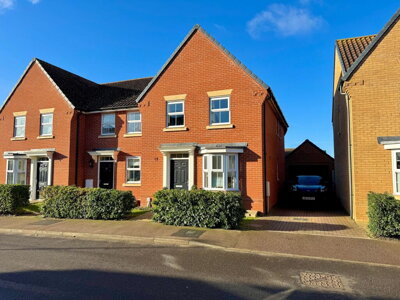
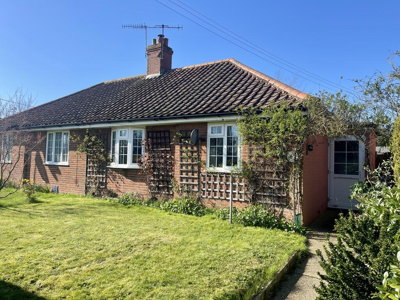
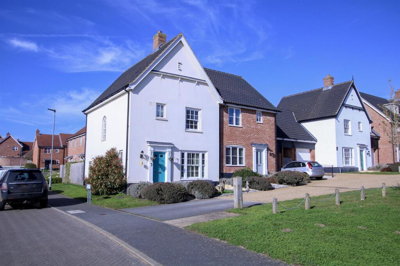
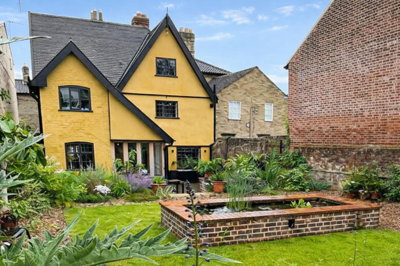
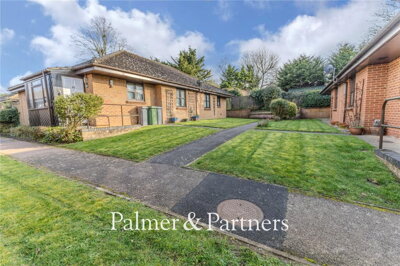
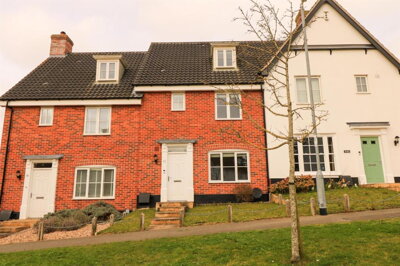
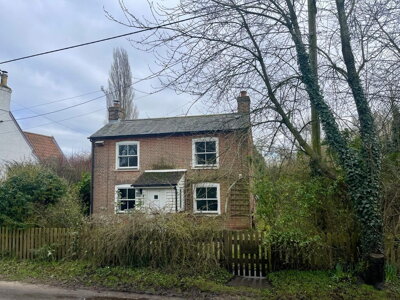
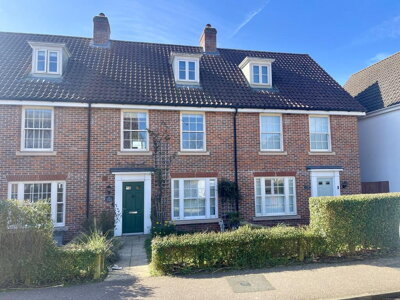
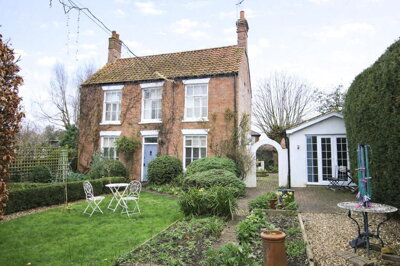
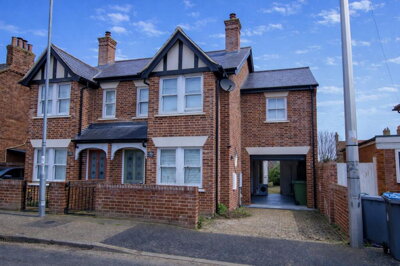
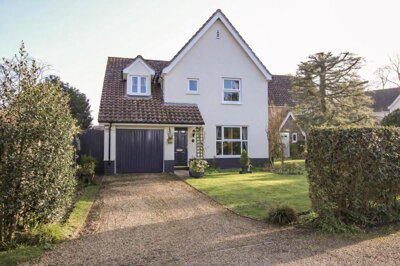
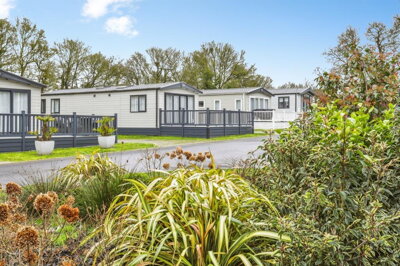
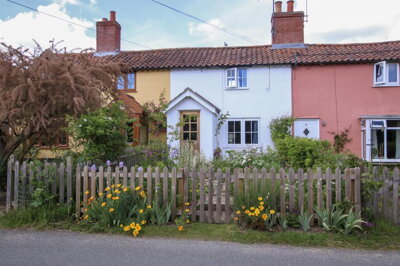
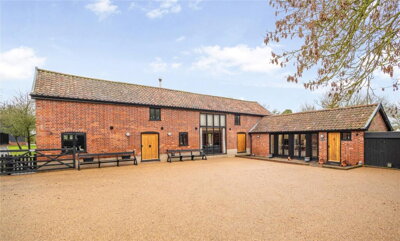
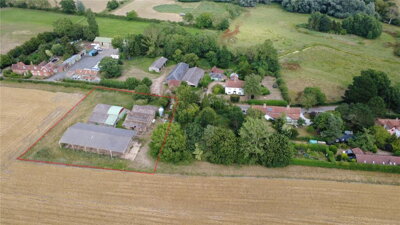
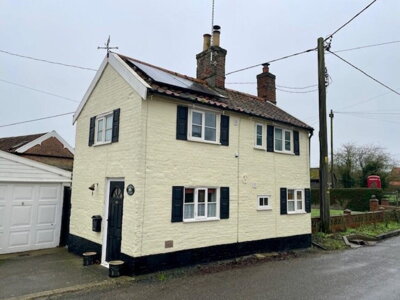
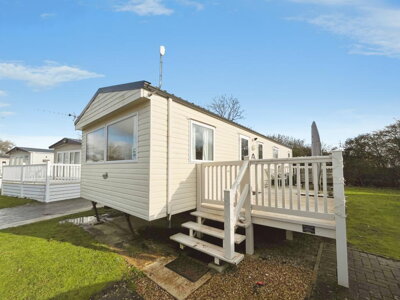
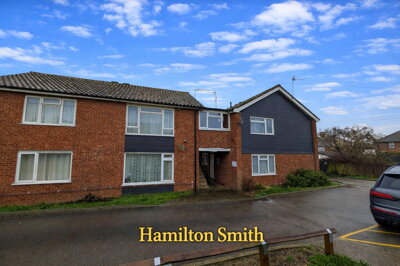
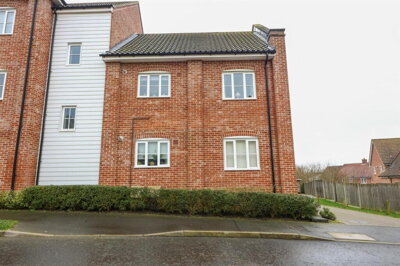
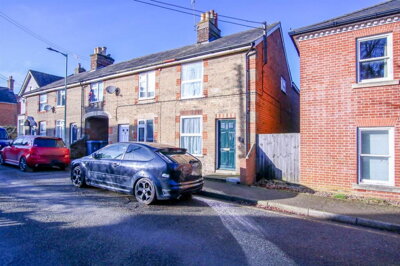
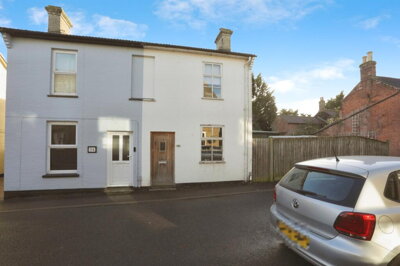
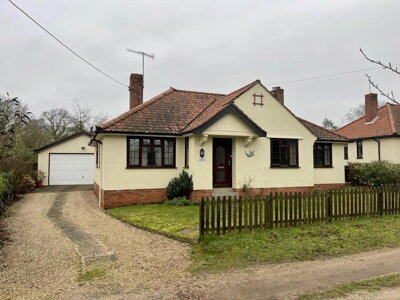
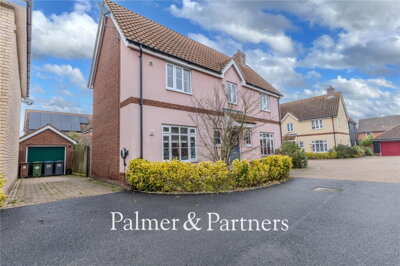
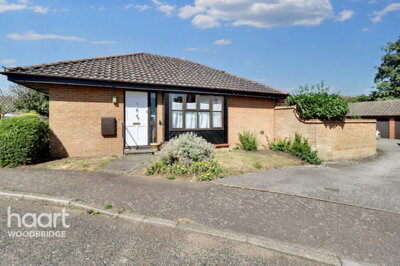
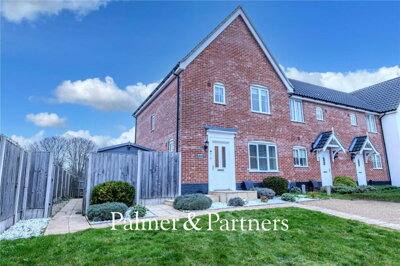
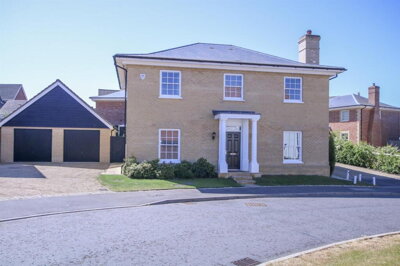
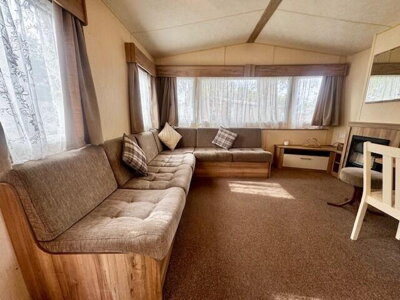
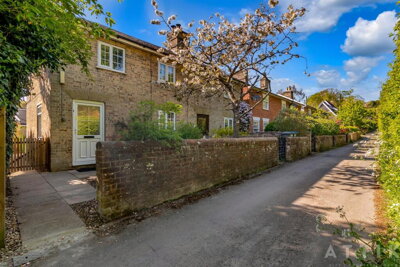
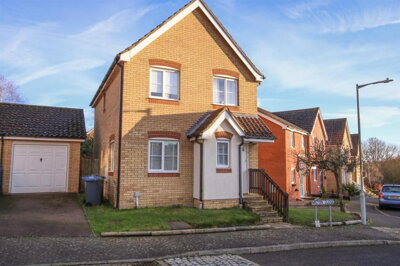
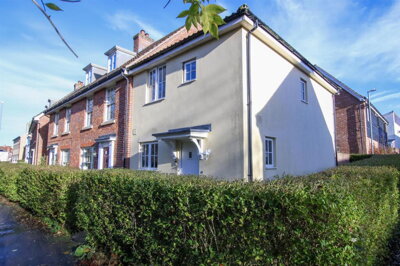
Browse 108 homes for sale in Saxmundham, East Suffolk from local estate agents.
£220k
39
2
139
Source: home.co.uk
Source: home.co.uk
Terraced
12 listings
Avg £210,542
Detached
7 listings
Avg £456,429
End of Terrace
6 listings
Avg £271,583
Semi-Detached
5 listings
Avg £236,000
Apartment
3 listings
Avg £180,000
Bungalow
1 listings
Avg £150,000
Character Property
1 listings
Avg £475,000
Flat
1 listings
Avg £130,000
Ground Flat
1 listings
Avg £118,000
Maisonette
1 listings
Avg £225,000
Source: home.co.uk
Source: home.co.uk
The Eastoft property market reflects its status as a small rural village, with limited but steady activity. Over the past 12 months, 10 property sales have completed in the area, indicating a market characterised by infrequent transactions rather than high turnover. Prices have demonstrated modest growth, with the overall average increasing by 1.6% year-on-year, suggesting stable demand from buyers seeking village living without the premium associated with larger towns. This consistency makes Eastoft an attractive prospect for those prioritising long-term value over rapid capital growth.
Property types in Eastoft skew heavily toward detached housing, with detached properties comprising 49.3% of the housing stock according to the most recent census data. This reflects the rural character of the village, where larger homes with generous gardens sit alongside smaller terraced properties making up 16.9% of dwellings. Semi-detached homes account for 26.8% of the housing stock, offering practical options for families seeking more affordable accommodation without sacrificing proximity to village amenities. The complete absence of flats indicates a housing market focused entirely on houses rather than apartments or maisonettes.
Detached properties in Eastoft command the highest prices, with an average of £258,000, reflecting the space and privacy they offer. Semi-detached homes average £165,000, while terraced properties provide the most accessible entry point at approximately £140,000. The age profile of the housing stock varies considerably, with a significant proportion of properties dating from the pre-1919 period, including the listed farmhouses and cottages that give the village its distinctive character. More recent additions from the post-war period through to the 1980s provide additional options for buyers seeking properties that may require less maintenance than the older agricultural buildings.
New build activity remains limited within the village itself, with no active developments currently underway in the DN17 postcode area. Searches for new build developments, planning applications, and NHBC-registered sites have not identified any specific projects within Eastoft itself. Prospective buyers interested in brand-new properties may wish to explore nearby larger towns such as Scunthorpe, where greater developer activity provides additional options. However, for buyers prioritising the village atmosphere and character properties that define Eastoft, the existing stock offers genuine opportunities for those willing to undertake renovation work on suitable properties.

Life in Eastoft centres on its tranquil rural setting and strong community spirit. The village traces its origins back to at least the medieval period, with St Bartholomew's Church standing as centuries of history. The presence of several Grade II listed buildings, including historic farmhouses and cottages, adds architectural character to the village's streetscape. The population of 456 residents creates an intimate atmosphere where neighbours know one another, making Eastoft particularly appealing to those seeking an escape from urban congestion without complete isolation.
The local economy of Eastoft has deep roots in agriculture, with farming remaining an important land use in the surrounding countryside. The flat, fertile land of the Humberhead Levels has historically supported arable cultivation, and agricultural enterprises continue to operate in the wider area. Beyond farming, employment opportunities draw residents to nearby towns, with Scunthorpe serving as the primary industrial centre in North Lincolnshire and offering major employers in steel production and manufacturing. Commuting is a way of life for many Eastoft residents, with Doncaster and Goole also providing accessible employment options.
The village sits within low-lying terrain characterised by alluvial deposits, a geological feature that shapes both the landscape and considerations for property ownership. The superficial deposits of clay, silt, sand, and gravel overlie solid mudstone and sandstone geology, creating the clay-rich conditions that present shrink-swell potential for foundations. Walking routes through the surrounding farmland provide opportunities for countryside recreation, while the proximity to watercourses and dykes reflects the centuries of drainage work that have made this land suitable for agriculture. The nearest major retail and leisure amenities are located in Scunthorpe, approximately 10 miles distant, where larger supermarkets, high street shops, and entertainment venues serve the wider region.
Properties in Eastoft are predominantly constructed from brick, often featuring the distinctive red brick seen throughout North Lincolnshire. Older properties may incorporate render or traditional lime mortar, while timber roof structures typically support slate or tile coverings. Construction methods range from solid wall construction in pre-war properties to cavity wall insulation in buildings from the mid-20th century onwards. The housing stock includes a mix of architectural styles reflecting different periods of development, from traditional farmhouses with agricultural outbuildings to post-war semi-detached homes that provided accommodation for workers in the expanding industrial centres of the region.
Families considering a move to Eastoft will find educational provision primarily located in nearby settlements, as is typical for a village of its size. Primary education is available in surrounding villages and towns within reasonable commuting distance, with several primary schools serving the broader area. Parents should research specific catchment areas and admissions policies, as school places are allocated based on proximity and availability. The village's small population means that children typically travel by school bus or are driven to their allocated primary school.
Several primary schools in the surrounding area serve Eastoft families, with schools located in nearby villages providing education for children up to age 11. These establishments typically offer the full National Curriculum alongside extracurricular activities and community events that reflect the rural nature of the area they serve. Parents should verify current catchment boundaries with North Lincolnshire Council, as school admissions policies can change and proximity to a school does not guarantee a place. Visiting potential schools before committing to a property purchase allows families to assess the educational environment and extracurricular offerings firsthand.
Secondary education options include schools in Scunthorpe and the surrounding market towns, with several establishments offering a range of academic and vocational pathways. The nearest secondary schools provide GCSE and A-Level programmes, with some offering specialist subjects and extracurricular activities. Transport arrangements for secondary school pupils typically involve dedicated school bus services, making car ownership or lifts from parents a practical necessity for many families. Sixth form and further education college provision is concentrated in Scunthorpe, where students can access a broader range of advanced qualifications.
For families prioritising educational outcomes, researching individual school performance data, Ofsted ratings, and specific curriculum offerings is essential before committing to a property purchase. The proximity of Eastoft to several towns means that parents have a choice of schools across different local authority areas, each with its own admissions criteria and performance records. Private schooling options exist in the region for those seeking alternative educational approaches, with several independent schools located within reasonable driving distance. We recommend visiting the Government Schools Finder website to compare performance data and read recent Ofsted reports for schools across the region.
Transport connectivity from Eastoft relies primarily on road networks, with the village situated in a rural area where private vehicle ownership is effectively essential for daily life. The A161 runs through the region, connecting Eastoft to nearby towns and providing access to the wider road network. Journey times to Scunthorpe take approximately 20-25 minutes by car, while Doncaster can be reached in around 40 minutes. The M180 motorway is accessible to the south, linking the area to the M18 and providing connections to Sheffield, Leeds, and the national motorway network.
Public transport options are limited, reflecting the sparse population typical of rural villages in this part of Lincolnshire. Bus services connecting Eastoft to surrounding towns operate on reduced frequencies compared to urban routes, making journey planning important for those relying on public transport. The nearest railway stations are located in Scunthorpe and Doncaster, providing connections to regional and national rail networks. Scunthorpe station offers regular services to Sheffield and other major destinations via the TransPennine Express route, while Doncaster station provides comprehensive national rail connections including East Coast Main Line services to London, Edinburgh, and cross-country routes to Bristol, Birmingham, and beyond.
Cycling infrastructure in the area is limited, with the flat but exposed landscape presenting both advantages and challenges for cyclists. The lack of dedicated cycle lanes on rural roads means cycling is primarily suitable for confident riders, though the quiet nature of minor roads does reduce traffic conflicts. The Humberhead Levels terrain is characteristically flat, making cycling theoretically straightforward, but the open aspect with limited shelter can be challenging during adverse weather conditions. For commuters working in nearby towns, driving remains the most practical option, with secure parking available at most places of employment. Those considering a move to Eastoft should factor in the necessity of private vehicle travel for work, shopping, and accessing services not available in the village.
Start by exploring current property listings in Eastoft and understanding local price trends. With around 10 sales annually and an average price of £206,783, the market moves slowly, so patience is valuable. Research the different property types available, from terraced homes at £140,000 to detached properties at £258,000, and consider which areas of the village best suit your needs. Our team can provide detailed market data and help you understand the pricing dynamics across different property types in this rural village.
Before arranging viewings, obtain a mortgage agreement in principle from a lender. This confirms your borrowing capacity and strengthens your position when making offers. Given Eastoft's rural location, lenders may have varying criteria, so comparing mortgage products from multiple providers is advisable. Factor in the costs of commuting and rural living when determining your budget, and consider how the property's condition might affect its value and mortgageability.
View properties in person to assess their condition, the village atmosphere, and proximity to amenities. Pay attention to the property's position relative to flood risk areas, as Eastoft's low-lying location requires careful consideration. A RICS Level 2 Survey is particularly important for older properties with potential issues related to damp, subsidence, or outdated electrics and plumbing. Our inspectors have extensive experience surveying properties throughout North Lincolnshire and understand the specific challenges posed by local construction methods and geology.
When you find a suitable property, submit an offer through the estate agent. In a market with limited stock, competitive negotiation may be necessary. Consider including fixtures and fittings in the offer where relevant. Your solicitor should review the contract details before proceeding, and you should factor in any survey findings when negotiating the final purchase price or requesting repairs.
A conveyancing solicitor handles the legal transfer of ownership, including searches, contracts, and Land Registry registration. Given the rural location and local geology, your solicitor should conduct thorough environmental searches covering flood risk, ground conditions, and any planning constraints affecting the property. We can recommend conveyancing providers with experience in North Lincolnshire properties.
Once searches are satisfactory and contracts are signed, you will exchange contracts and pay a deposit. Completion typically follows within 2-4 weeks, after which you will receive the keys to your new Eastoft home. Register ownership with the Land Registry and update your address with relevant organisations. We recommend obtaining buildings insurance from the date of exchange to protect your investment.
Properties in Eastoft present specific considerations that buyers should investigate thoroughly before committing to a purchase. The village's position on the Humberhead Levels brings significant flood risk, with proximity to the River Trent and numerous drainage channels creating potential for both fluvial and surface water flooding. A buyer purchasing in this area should review the Government Flood Risk data for any specific property, consider the flood history of any specific property, and assess what flood resilience measures are in place. Properties that have experienced flooding may require extensive remediation work and could face challenges with future insurability.
The underlying geology of the area presents another important consideration for prospective buyers. Clay-rich alluvial deposits overlying mudstone and sandstone create a moderate to high shrink-swell potential, meaning foundations may be vulnerable to movement during extended periods of wet or dry weather. Properties with large trees nearby or those built with inadequate foundations are particularly at risk of subsidence or heave. A thorough structural survey should examine foundation conditions, with particular attention to any signs of cracking, movement, or previous repair work. Older properties may have foundations designed for different ground conditions than would be required by modern standards.
Given the age of much of the housing stock in Eastoft, buyers should expect and plan for issues commonly found in older properties. The brick construction typical of the area, often featuring red brick, may be accompanied by solid wall construction rather than modern cavity wall insulation. Properties built before the 1980s frequently have outdated electrical and plumbing systems that require updating to meet current safety standards. Our inspectors regularly encounter timber defects including woodworm and rot, particularly where damp has been present due to the low-lying nature of the area. Roof conditions on older properties often require attention, with slipped tiles, failing felt, and deteriorated leadwork being common findings.
Properties in Eastoft may include listed buildings or those constructed using traditional methods that require specialist consideration. The Grade II listed farmhouses and cottages found throughout the village were built using techniques and materials that differ significantly from modern construction, including lime mortar pointing and solid brick walls without cavity insulation. A RICS Level 2 Survey provides a comprehensive assessment of these issues and helps buyers budget for necessary repairs and improvements. For more complex historic properties, a RICS Level 3 Building Survey may be more appropriate to fully understand the construction, condition, and any heritage considerations affecting the property.
The average house price in Eastoft stands at £206,783 based on recent Rightmove market data. Detached properties average £258,000, semi-detached homes cost around £165,000, and terraced properties are available from approximately £140,000. Prices have increased by 1.6% over the past 12 months, indicating stable market conditions in this rural North Lincolnshire village. With only 10 property sales in the past year, the market moves slowly, so buyers should expect limited choice and act decisively when suitable properties become available.
Properties in Eastoft fall under North Lincolnshire Council administration. Council tax bands are assigned based on property valuation, and homes in this rural village typically span bands A through D, with many traditional properties falling into bands A or B due to their modest market values compared to urban areas. Band A properties currently pay approximately £1,400-1,500 per year, while band D properties may pay around £2,000 annually. Prospective buyers should check the specific band with North Lincolnshire Council before purchase, as this forms a significant part of annual running costs.
Eastoft itself does not have schools within the village boundaries. Primary education is provided in nearby villages and towns within the surrounding area, with families allocated places based on catchment proximity and availability. Secondary schools are located in Scunthorpe, approximately 10 miles away, where several options provide GCSE and A-Level programmes. Parents should research individual school Ofsted ratings, academic performance data, and admissions policies when considering where to buy. School transport arrangements should also be factored into the decision, as children will likely require bus services or parental lifts to reach their allocated schools.
Public transport connections from Eastoft are limited, reflecting the rural nature of the village and its small population. Bus services operate but on frequencies much reduced compared to urban areas, making private vehicle ownership effectively essential for daily life. The nearest railway stations are in Scunthorpe and Doncaster, providing national rail connections. Doncaster station offers East Coast Main Line services and is reachable within 40 minutes by car, with direct trains to London Kings Cross taking approximately 90 minutes. Prospective buyers without a car should carefully assess whether the limited public transport options meet their practical needs for commuting and accessing services.
Eastoft offers a stable but modest investment proposition compared to urban property markets. With prices increasing by 1.6% annually over the past year, capital growth has been consistent but unspectacular. The village appeals to buyers prioritising lifestyle and affordability over rapid returns. Rental demand in rural North Lincolnshire is driven by workers commuting to nearby towns, though the limited property stock means rental options are scarce. Property values are supported by the relative affordability compared to larger towns, but investors should expect a long-term holding strategy rather than quick appreciation. The Humberhead Levels location does present some insurance considerations that prospective landlords should investigate.
Flood risk is a significant consideration for any property in Eastoft. The village sits within the low-lying Humberhead Levels, close to the River Trent and numerous drainage channels and dykes. Fluvial flooding from the river and surface water flooding during heavy rainfall both pose risks due to the flat topography and saturated ground conditions. The broader region is also influenced by tidal dynamics of the Humber Estuary, where extreme tidal events combined with river flows can exacerbate flood risk. Before purchasing, buyers should check the Government Flood Risk data for any specific property, consider its elevation relative to surrounding land, and review any flood history. Properties in higher-risk areas may face higher insurance premiums or difficulty obtaining cover.
Stamp Duty Land Tax applies to all residential property purchases in England. For a property priced at the Eastoft average of £206,783, a standard buyer would pay nothing on the first £250,000 and 2% on the remaining amount, totalling approximately £0 in SDLT. First-time buyers purchasing properties up to £425,000 may qualify for relief, meaning no stamp duty would be due on purchases up to that threshold. Properties priced above £625,000 do not qualify for first-time buyer relief. Additional SDLT at 3% applies to second homes and buy-to-let investments. Your solicitor will calculate the exact amount due based on your circumstances and purchase price.
Given the age of much of the housing stock and the local geology, our inspectors frequently identify several common issues in Eastoft properties. Damp problems are prevalent, including rising damp, penetrating damp, and condensation issues caused by the low-lying location and saturated ground conditions. The shrink-swell potential of clay-rich alluvial deposits can lead to subsidence or heave, particularly affecting properties with large trees nearby. Roof condition issues are common in older properties, with deteriorating tiles, failing felt, and damaged leadwork frequently identified. Properties built before the 1980s often require electrical and plumbing upgrades to meet current safety standards, and timber elements may show signs of woodworm or rot where damp has been present.
From 4.5% APRC
Compare mortgage deals from leading lenders with expert advice
From £499
Expert legal services for your property purchase
From £450
Comprehensive survey by qualified inspectors covering all major defects
From £650
Detailed structural survey recommended for older or period properties
Understanding the full costs of purchasing property in Eastoft helps buyers budget accurately and avoid surprises during the transaction. Stamp Duty Land Tax forms a significant element of upfront costs and varies based on purchase price, buyer status, and whether any reliefs apply. For a typical Eastoft property at the village average of £206,783, a standard buyer purchasing as a main residence would pay no SDLT on the first £250,000, resulting in zero stamp duty liability. This favourable position makes Eastoft an accessible market for buyers across the price range, as many properties fall below the zero-rate threshold.
First-time buyers enjoy enhanced SDLT relief, with no tax payable on properties up to £425,000 and a reduced 5% rate on the portion between £425,000 and £625,000. Given that the average Eastoft property at £206,783 sits well below both thresholds, most first-time buyer purchases in the village would attract zero SDLT. However, buyers should note that this relief applies only to purchases where all buyers are first-time purchasers and the property will be used as their main residence. Additional SDLT at 3% applies to second homes and buy-to-let investments, which would increase costs for those in this category.
Beyond stamp duty, buyers should budget for solicitor conveyancing fees, typically ranging from £500 to £1,500 depending on complexity and whether the property is freehold or leasehold. Survey costs should be factored in, with a RICS Level 2 Survey for a typical 3-bedroom property in Eastoft likely costing between £450 and £700, reflecting the property value and local market. Removal costs, mortgage arrangement fees, and valuation charges from your lender add further expenses. Land Registry registration fees and search costs from North Lincolnshire Council complete the typical purchase cost breakdown. We recommend setting aside an additional 5-10% of the purchase price to cover these additional costs and any unexpected issues identified during the survey process.

Properties for Sale In London

Properties for Sale In Plymouth

Properties for Sale In Liverpool

Properties for Sale In Glasgow

Properties for Sale In Sheffield

Properties for Sale In Edinburgh

Properties for Sale In Coventry

Properties for Sale In Bradford

Properties for Sale In Manchester

Properties for Sale In Birmingham

Properties for Sale In Bristol

Properties for Sale In Oxford

Properties for Sale In Leicester

Properties for Sale In Newcastle

Properties for Sale In Leeds

Properties for Sale In Southampton

Properties for Sale In Cardiff

Properties for Sale In Nottingham

Properties for Sale In Norwich

Properties for Sale In Brighton

Properties for Sale In Derby

Properties for Sale In Portsmouth

Properties for Sale In Northampton

Properties for Sale In Milton Keynes

Properties for Sale In Bournemouth

Properties for Sale In Bolton

Properties for Sale In Swansea

Properties for Sale In Swindon

Properties for Sale In Peterborough

Properties for Sale In Wolverhampton

Enter your details to see if this property is within your budget.
Loans, cards, car finance
Estimated property budget
Borrowing + deposit
You could borrow between
Typical borrowing
Monthly repayment
Est. at 4.5%
Loan-to-value
This is an estimate only. Your actual budget may vary depending on interest rates, credit history, and personal circumstances. For an accurate affordability assessment, speak to one of our free mortgage advisors.
This calculator provides estimates for illustrative purposes only and does not constitute financial advice. Your home may be repossessed if you do not keep up repayments on your mortgage. Estimates based on 4.5% interest rate, repayment mortgage. Actual rates depend on your circumstances.
Homemove is a trading name of HM Haus Group Ltd (Company No. 13873779, registered in England & Wales). Homemove Mortgages Ltd (Company No. 15947693) is an Appointed Representative of TMG Direct Limited, trading as TMG Mortgage Network, which is authorised and regulated by the Financial Conduct Authority (FRN 786245). Homemove Mortgages Ltd is entered on the FCA Register as an Appointed Representative (FRN 1022429). You can check registrations at NewRegister or by calling 0800 111 6768.

We use cookies to show you personalised content and improve your experience of our website. Find out more in our Privacy policy and Cookie policy.