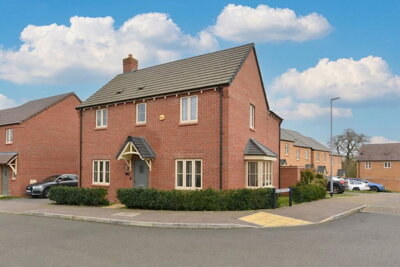
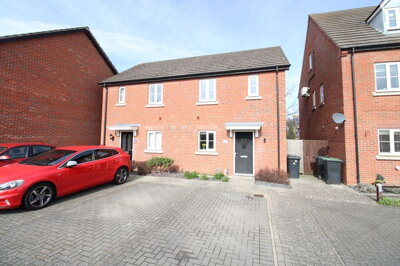
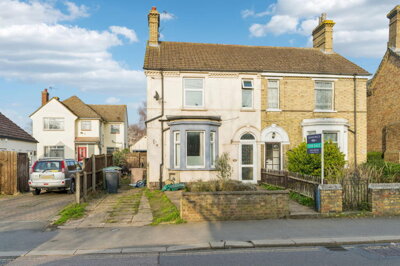
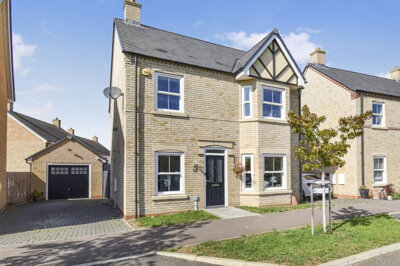
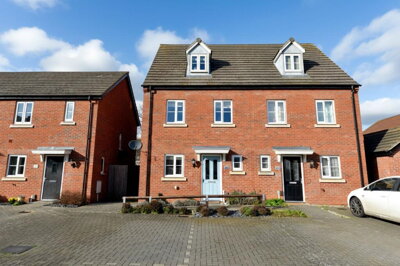
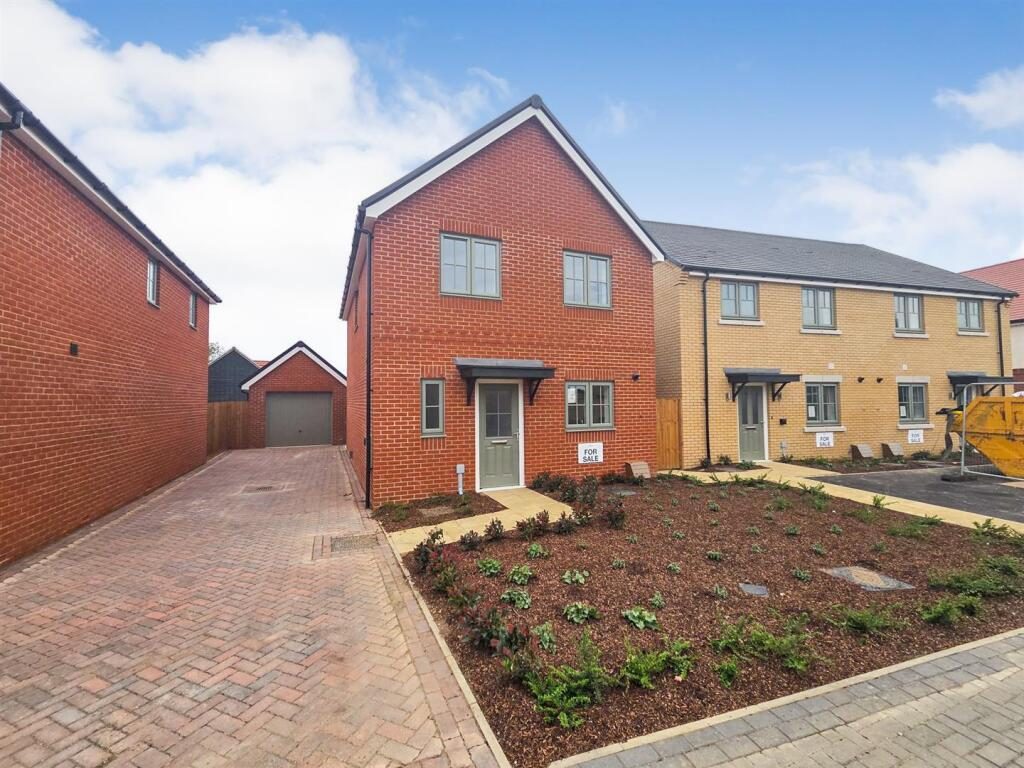
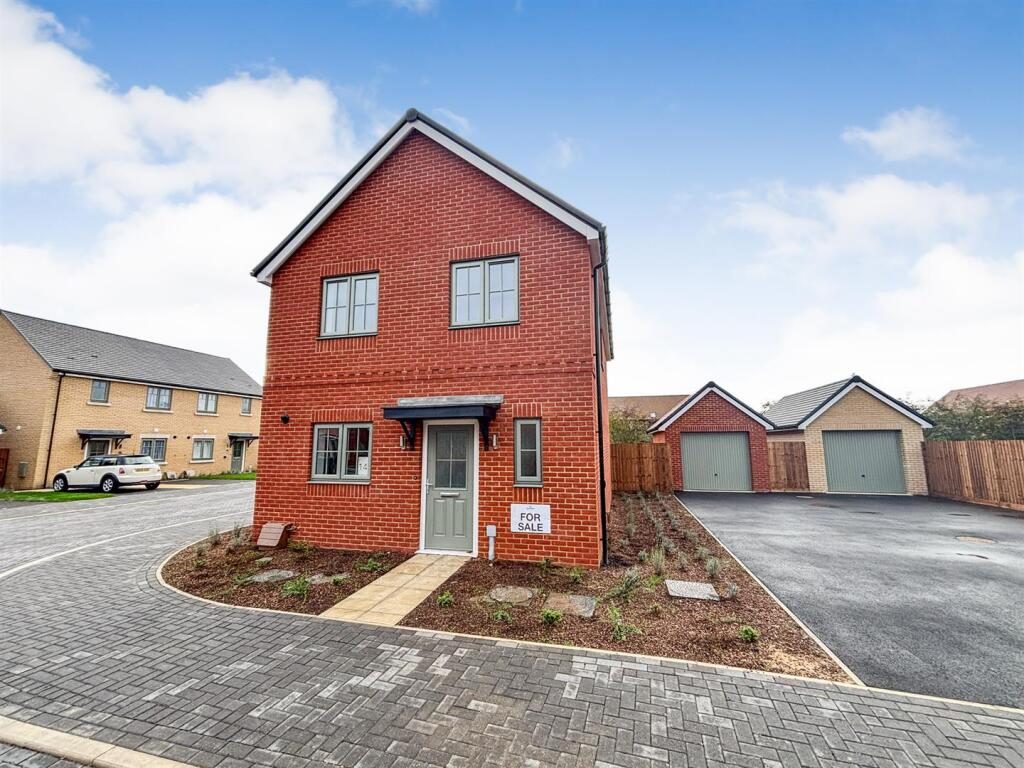
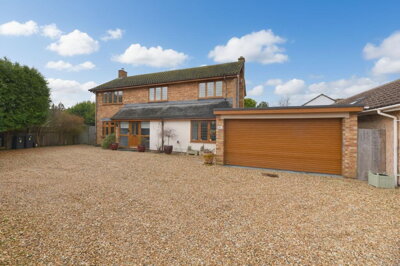
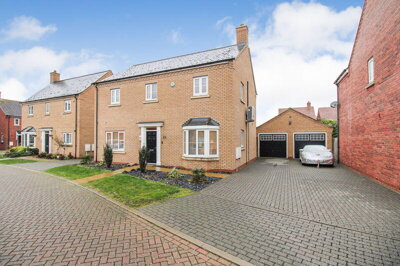
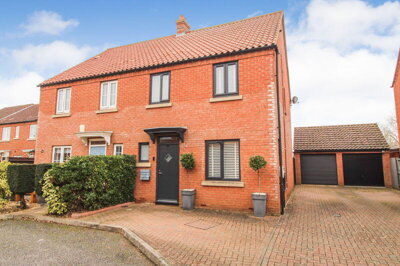
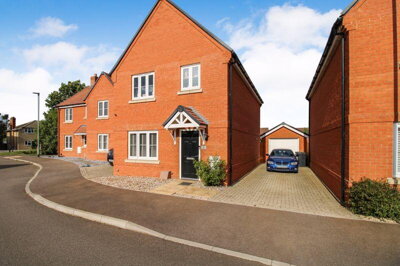
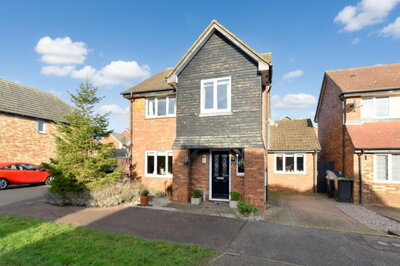
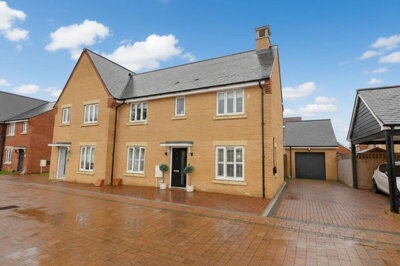
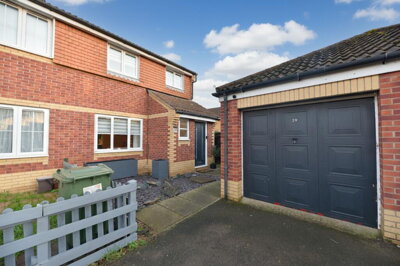
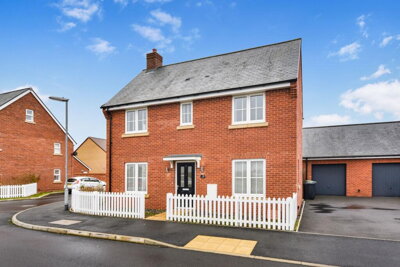
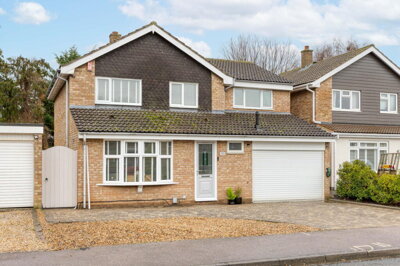
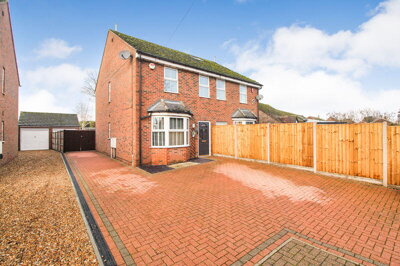
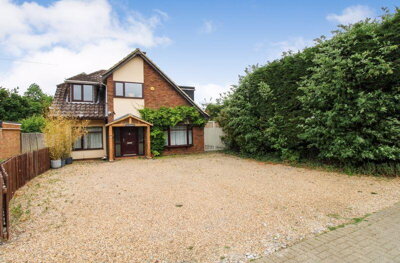
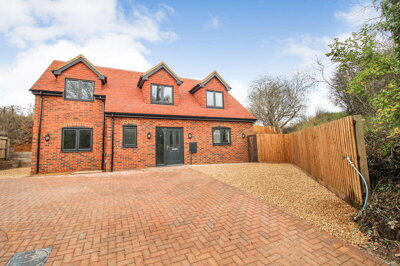
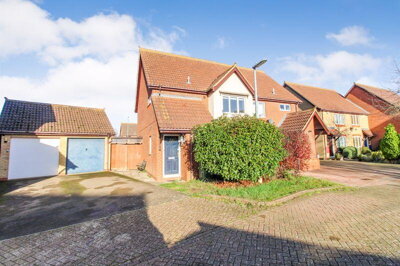
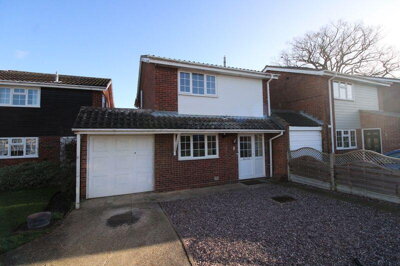
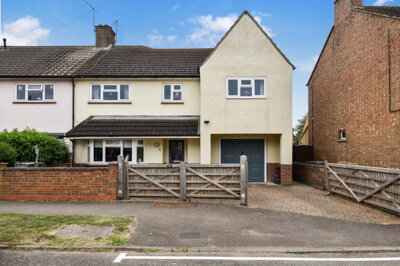
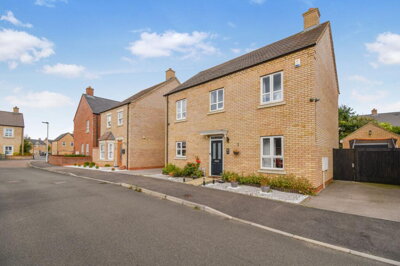
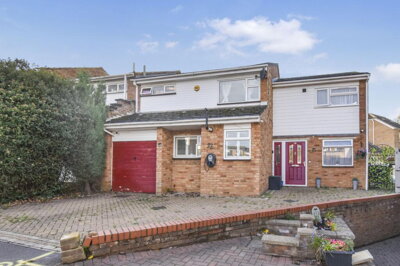
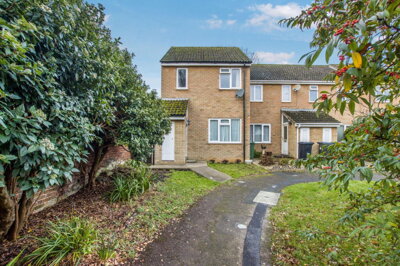
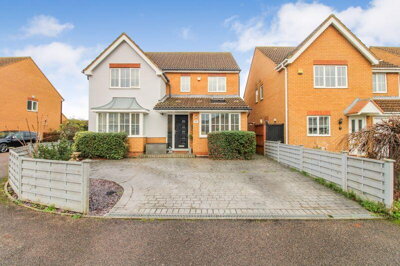
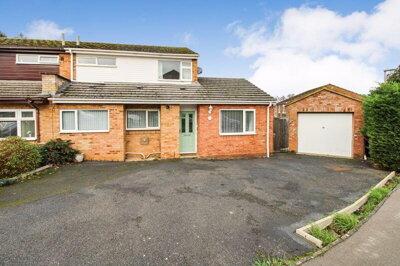
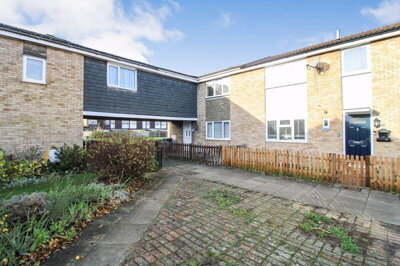
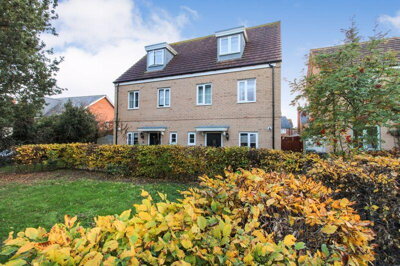
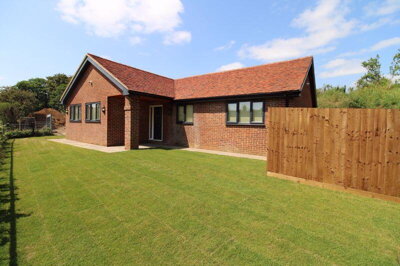
Browse 302 homes for sale in Sandy, Central Bedfordshire from local estate agents.
£350k
60
4
82
Source: home.co.uk
Source: home.co.uk
Detached
18 listings
Avg £601,275
Semi-Detached
16 listings
Avg £328,684
Terraced
14 listings
Avg £291,379
Flat
3 listings
Avg £120,998
Apartment
2 listings
Avg £167,475
Detached Bungalow
2 listings
Avg £332,475
End of Terrace
2 listings
Avg £254,975
House
1 listings
Avg £1.20M
Semi-Detached Bungalow
1 listings
Avg £369,950
Town House
1 listings
Avg £345,000
Source: home.co.uk
Source: home.co.uk
The Canvey Island property market offers a diverse range of housing types to suit various budgets and preferences. Detached properties command the highest average prices at around £356,717 according to Rightmove data, reflecting the demand for spacious family homes in this coastal setting. Semi-detached homes average approximately £313,623, making them popular choices for families seeking more room than a terraced property offers while remaining more affordable than detached alternatives. Terraced properties in Canvey Island typically sell for around £287,854, providing an accessible entry point for first-time buyers or those with tighter budgets, while flats average approximately £183,727, offering affordable options for singles, couples, or investors.
Market activity on Canvey Island remains healthy despite broader economic conditions, with 378 residential property sales recorded in the past year according to Property Solvers data. The most popular price bracket is the £278,000 to £316,000 range, which accounted for 99 sales, indicating where most buyer activity concentrates. New build activity includes the Lionel Road development offering 2, 3, and 4-bedroom family homes, the council's sustainable housing scheme at Benderloch Gardens with three-bedroom semi-detached properties, and park homes at Sandy Bay ranging from £299,000 to £415,000. The postcode area SS8 has seen particularly strong growth, with house prices increasing by 5.8% in the last year according to Housemetric data, suggesting continued confidence in this local market.
Castle Point Borough Council has confirmed five additional properties are currently under construction across Canvey Island and Benfleet, all on under-used garage sites. This ongoing development activity demonstrates continued investment in the local housing stock, providing additional options for buyers seeking newer properties. The average asking price stands at £352,092 as of February 2026 according to Compare Estate Agents, with the market showing resilience through a 2.8% increase in sold prices over the past twelve months according to OnTheMarket data.

Canvey Island carries a unique character shaped by its maritime history and distinctive geography. The island's Dutch heritage is visible in its architecture, most notably through the two 17th-century Dutch Cottages, one on Haven Road and another on Canvey Road which now houses the Dutch Cottage Museum. This cultural connection dates back centuries, when Dutch engineers were involved in early land reclamation efforts on the island. The island's housing stock reflects this diverse history, with timber roughcast bungalows from the early 20th century standing alongside buildings influenced by 18th-century Dutch design and the modernist terraced houses of the 1930s. This architectural variety creates an interesting streetscape that differentiates Canvey Island from typical Essex suburbs.
The community atmosphere on Canvey Island has been shaped by waves of migration, particularly from East London, with many families moving to the island over the decades attracted by its seaside appeal and more affordable housing. Government policies have also contributed to this pattern of relocation, with the island's popularity as a holiday destination translating into permanent residency for many. The population of 38,327 spread across nearly 16,000 households creates a close-knit community feel while still offering adequate local services. The island has no natural streams or rivers but features 14 miles of tidal defences protecting the community from the Thames Estuary's waters. These concrete sea walls represent a significant engineering effort, given that ground levels sit nearly two metres below daily high tide levels. Residents enjoy access to waterfront areas, local shops, and community facilities that serve this distinctive island community.
The island's economic identity has evolved from its agricultural origins through its seaside resort peak to its current mixed character including light industrial and petrochemical operations. Canvey Island has been earmarked for significant regeneration within the proposals for Thames Gateway, suggesting potential future changes to the area's character and property values. The local economy includes employment opportunities at the Hole Haven petrochemical site, which has operated since 1936, alongside retail, service, and tourism sectors that serve both residents and visitors. This economic diversity provides a stable foundation for the housing market, with employment opportunities reducing the need for residents to commute exclusively to London.

Families considering a move to Canvey Island will find a range of educational options serving the local community. The island hosts several primary schools serving different catchment areas, with parents encouraged to research specific school performance data and catchment boundaries when considering properties. Secondary education options on Canvey Island include establishments that serve students from across the island, with additional schools available in the nearby Benfleet area accessible via the road bridges connecting the island to the mainland. The Canvey Island South ward data indicates an average household size of 2.3 people, suggesting a mix of families, couples, and single occupants who all benefit from the local educational infrastructure.
For families requiring childcare or early years education, Canvey Island offers several nursery and preschool options. The presence of these facilities within the community reduces the need for young families to travel off-island for early years care. Parents should verify current school performance metrics directly with schools or through official Ofsted reports, as these can change over time. The proximity of Canvey Island to the mainland also means that secondary school pupils may have options at schools in surrounding areas of Castle Point, particularly if specific educational programmes or catchment arrangements apply. Prospective buyers with school-age children should factor school catchment areas into their property search, as these can significantly impact daily routines and travel times.
The original timber-framed church on Canvey Island, rendered in the 1930s and now housing an art and craft centre with a small folk museum, reflects the island's community heritage. Educational opportunities beyond traditional schooling include access to arts and cultural facilities that contribute to family life on the island. The local library, community centres, and sports facilities provide additional learning and social opportunities for children and adults alike. Families moving from London often find that the island's community feel and smaller scale make it easier to engage with local educational and social activities than in larger urban settings.
Transport connections from Canvey Island link the island community to the wider Essex region and onwards to London. The nearest railway stations are located in Benfleet and Leigh-on-Sea on the c2c line, which runs between London Fenchurch Street and Shoeburyness via Basildon and Southend. From Benfleet station, commuters can reach London Fenchurch Street in approximately 40-45 minutes, making the island a viable option for those working in the City. Bus services operated by First Group and other local operators provide connections across the island and to nearby towns including Basildon and Southend-on-Sea, with the route 21 service connecting Canvey Island to various destinations.
Road access to and from Canvey Island is via the A130 and associated bridges that cross Canvey Creek to connect with the mainland road network. This road connection means that residents have access to the wider motorway network, with the A13 and A127 providing routes towards London and the M25 orbital motorway. For those travelling by car to central London, the journey typically takes around one hour depending on traffic conditions, though morning and evening rush hours can extend travel times significantly. The island's coastal position means that residents benefit from relative seclusion while still maintaining reasonable connectivity to employment centres in South Essex and East London. Parking availability on the island is generally adequate for residents, though like many coastal areas, seasonal visitors can increase demand during summer months.
Cycling and walking are popular options for local journeys on the island, given its compact scale and relatively flat terrain. The sea wall walk provides scenic routes for both recreation and practical travel, while local paths connect residential areas to shops, schools, and waterfront amenities. For longer-distance travel, Southend Airport offers connections to UK and European destinations, while Stansted and London City Airport provide additional options for international travel. The combination of transport options makes Canvey Island practical for commuters while maintaining its coastal lifestyle appeal.
Understanding the construction methods used in Canvey Island properties helps buyers assess potential maintenance requirements and defect risks. The island's geology plays a crucial role in how properties have been built, as Canvey Island is predominantly formed from alluvium deposited by the River Thames. This alluvial soil creates limited bearing pressure, meaning most buildings utilize raft foundations rather than traditional strip foundations. Beneath the topsoil, London Blue Clay underlies much of the island, creating conditions where shrink-swell movement can occur if soil moisture levels change significantly. These foundation requirements distinguish Canvey Island properties from those built on more stable ground elsewhere in Essex.
From the start of the 20th century, timber roughcast bungalows became popular and were built extensively across the island. This construction style, characterised by timber frames with roughcast rendering, creates distinctive properties that remain a notable feature of the local housing stock. Modern construction on Canvey Island uses conventional materials including brick, timber, aggregates, cement, plasterboard, and standard roofing supplies. The variety of construction ages means the housing stock ranges from period properties requiring modernisation to contemporary homes with modern insulation and systems. Properties reflecting 18th-century Dutch influence and 1930s modernism add architectural interest to certain areas.
Many homes on Canvey Island are over 50 years old, given the island's rapid development as a seaside resort between 1911 and 1951. Older properties offer character and potential for renovation but may require investment in updating electrical systems, roofing, and energy efficiency. A RICS Level 2 survey identifies defects common to older construction, including outdated electrics, roof condition issues, damp penetration, and any signs of subsidence related to the local geology. For properties in conservation areas or near the listed Dutch Cottages, special considerations may apply regarding permitted development rights and restoration requirements. The presence of caravan and mobile home estates also characterises parts of the island, offering more affordable housing options for those seeking lifestyle changes or investment properties.
Before you begin viewing properties, obtain a mortgage agreement in principle from a lender. This document confirms how much you can borrow and strengthens your position when making offers. In Canvey Island's market, where properties in the £278,000 to £316,000 range are particularly active, knowing your budget helps you focus your search effectively. First-time buyers purchasing properties under £425,000 benefit from SDLT relief, making mortgage research particularly valuable for this buyer segment.
Browse current listings to understand what is available within your budget. Consider property types from flats around £183,000 to detached homes exceeding £356,000. The price variations across terraced, semi-detached, and detached properties allow you to prioritise features that matter most to your household needs. New build options at Lionel Road, Benderloch Gardens, and Sandy Bay provide alternatives for buyers seeking modern construction or chain-free purchases.
Schedule viewings to evaluate properties in person. Pay attention to the condition of older properties, many dating from the early 20th century, and consider how local geology might affect your purchase. The island's low-lying position means flood risk considerations are relevant, and properties in different areas may face varying levels of exposure. Viewing properties at different times of day helps assess noise levels, parking conditions, and community atmosphere.
Once your offer is accepted, instruct a RICS Level 2 Home Survey. In Canvey Island, these typically cost between £395 and £1,250 depending on property value and size. Given the prevalence of older properties and London Blue Clay geology, a professional survey can identify issues such as damp, subsidence risk, or structural concerns that might not be visible during viewings. Our network of RICS surveyors understands local construction methods and can provide detailed assessments of timber roughcast bungalows and period properties.
Your solicitor will handle the legal aspects of your purchase, including local searches with Castle Point Borough Council, title verification, and coordination with your mortgage lender. Conveyancing in Canvey Island follows standard England and Wales procedures, though searches may include specific checks on flood risk and coastal defences. Given the island's tidal flood risk profile, your solicitor should obtain Environment Agency flood risk data and any records of historical flooding affecting the specific property.
Once all searches are satisfactory and your mortgage is finalised, you will exchange contracts and pay your deposit. Completion typically follows within weeks, after which you will receive your keys and can move into your new Canvey Island home. Our data shows the market remains active with 378 sales in the past year, meaning the process moves at a reasonable pace when all parties are coordinated. Buildings insurance should be arranged before completion, with providers informed of the property's flood risk assessment.
Prospective buyers should understand the geological conditions underlying Canvey Island properties before purchasing. The island is predominantly formed from alluvium deposited by the River Thames, with London Blue Clay beneath the topsoil. These conditions mean most buildings utilize raft foundations rather than traditional strip foundations, as bearing pressure is limited. A RICS Level 2 survey will assess whether properties show signs of subsidence or ground movement, which can be a concern if foundations are inadequate for the local soil conditions. Understanding these factors helps buyers make informed decisions and budget appropriately for any necessary remedial works.
Flood risk awareness is essential for anyone considering property on Canvey Island. The island sits nearly two metres below daily high tide levels in the Thames Estuary, protected by 14 miles of sea defences. While these tidal defences provide a very high standard of protection, the Environment Agency's Thames Estuary 2100 plan identifies the island as potentially requiring further flood management measures. Surface water flooding has affected the island in the past, with significant events in August 2013 and July 2014 impacting over 200 properties. Buyers should review the Environment Agency's flood risk maps for specific properties and consider whether flood resilience measures such as raised electrical outlets or non-return valves are in place. Buildings insurance costs may also reflect the island's flood exposure, so obtaining quotes before completing your purchase is advisable.
The age and construction of properties on Canvey Island warrants careful inspection during the buying process. Many homes date from the early 20th century when timber roughcast bungalows were popular, meaning older properties may have outdated electrical systems, older roofing, or signs of damp that a HomeBuyers Survey would highlight. Conservation considerations apply to the 17th-century Dutch Cottages and the old timber-framed church, which may affect properties within their vicinity. If purchasing a leasehold flat, understanding the remaining lease term, ground rent obligations, and service charges becomes particularly important, as these factors significantly affect the long-term cost of ownership and the property's resale value. The proportion of older properties in the housing stock means that renovation projects are common, offering opportunities for buyers willing to invest in modernisation.
The average house price in Canvey Island ranges from £330,586 according to recent Zoopla data to £353,843 based on HM Land Registry figures. Detached properties average around £356,717, semi-detached homes approximately £313,623, terraced properties about £287,854, and flats around £183,727. Prices have increased by approximately 2.67% to 5.8% over the past year depending on the data source, with the SS8 postcode area showing particularly strong growth of 5.8% according to Housemetric data. The current average asking price stands at £352,092 as of February 2026.
Properties in Canvey Island fall under Castle Point Borough Council administration. Council tax bands range from A through to H, with most residential properties in the A to D range depending on property value and type. The specific band for any property can be verified through the Valuation Office Agency website or your solicitor during the conveyancing process. Annual council tax bills fund local services including refuse collection, street cleaning, and community facilities on the island.
Canvey Island offers several primary schools serving local families, with options for early years education through nurseries and preschools. Secondary education is available on the island, with additional schools in the nearby Benfleet area accessible via road bridges. Parents should consult current Ofsted reports and school performance data, as well as verify specific catchment areas, as these can influence which schools a property serves. The average household size in Canvey Island South ward is 2.3 people, indicating a mix of family types that the local schools support.
Canvey Island connects to the railway network via nearby Benfleet and Leigh-on-Sea stations on the c2c line, providing access to London Fenchurch Street in approximately 40-45 minutes. Bus services operated by First Group and others connect the island to surrounding towns including Basildon and Southend-on-Sea. Road access crosses Canvey Creek to the mainland via the A130, linking to the wider motorway network including the A13 and A127. The route 21 bus service provides regular connections across the island and to nearby destinations.
Canvey Island's property market has shown consistent growth, with prices rising approximately 2.67% to 2.8% over the past twelve months. The island's relative affordability compared to London and South East markets, combined with its coastal location and good transport connections, makes it attractive to first-time buyers and commuters. The Thames Gateway regeneration proposals could drive future value increases, while the current market with 378 annual sales demonstrates active transaction volumes. However, investors should consider flood risk factors, the age of the housing stock requiring maintenance, and any planning restrictions specific to this low-lying island location.
Standard SDLT rates apply in Canvey Island as it is in England. First-time buyers pay nothing on properties up to £425,000, then 5% on the portion between £425,000 and £625,000. For other buyers, there is no stamp duty on the first £250,000, 5% on £250,001 to £925,000, 10% on £925,001 to £1.5 million, and 12% above £1.5 million. On a typical Canvey Island property priced around £330,000, a non-first-time buyer would pay approximately £4,000 in stamp duty, while a first-time buyer would pay nothing given the average property price falls below the relief threshold.
Canvey Island is very low-lying, with ground levels nearly two metres below daily high tide levels, meaning the entire island carries some tidal flood risk that could potentially impact over 15,000 residential properties. However, 14 miles of concrete sea defences provide substantial protection, and the island has no natural streams or rivers. Surface water flooding has occurred historically, with events in August 2013 affecting at least 50 properties and July 2014 impacting over 200 properties. The Environment Agency includes Canvey Island in its Thames Estuary 2100 flood defence planning. Buyers should review specific property flood risk assessments and consider whether properties have appropriate flood resilience measures in place such as raised electrical outlets or non-return valves.
Common defects identified in Canvey Island properties include damp issues, which our surveyors frequently flag in properties affected by the island's coastal humidity and age of construction. Subsidence can occur where foundations are inadequate for the London Blue Clay geology, particularly in older properties where foundation design may not account for shrink-swell soil movement. Outdated electrical systems are common in properties built before modern electrical standards, given the prevalence of early 20th-century construction. Roof condition issues affect older timber roughcast bungalows and period properties, with age-related deterioration requiring assessment. A RICS Level 2 survey provides a detailed condition report identifying these defects and enabling buyers to negotiate repairs or price adjustments before completion.
When purchasing a property in Canvey Island, budget awareness for additional costs beyond the purchase price is essential. Stamp Duty Land Tax applies according to standard England and Wales thresholds, with first-time buyer relief available for those who qualify. On a typical Canvey Island property priced around the average of £330,000, a first-time buyer would pay no stamp duty on the first £425,000, meaning the entire purchase would be exempt. Non-first-time buyers would pay approximately £4,000 in SDLT on this purchase price, calculated at 5% on the portion above £250,000. The relatively affordable average property price in Canvey Island means many purchases fall below higher SDLT bands, reducing the tax burden compared to London or other high-value areas.
Professional fees form a significant part of the buying budget. A RICS Level 2 Home Survey in Canvey Island typically costs between £395 and £1,250 depending on the property value and number of bedrooms. Given the island's geological conditions and prevalence of older properties, this investment helps identify any structural concerns or defects before completion. Conveyancing costs through a solicitor typically start from £499 plus VAT, with additional costs for local searches, land registry fees, and telegraphic transfers. Bank transfer fees and mortgage arrangement fees, where applicable, should also be factored into your total budget. Your solicitor should obtain specific searches related to Canvey Island's flood risk profile and tidal defences.
Ongoing costs after purchase include council tax, buildings insurance, and maintenance. Buildings insurance premiums in Canvey Island may be higher than average due to the island's flood risk profile, so obtaining insurance quotes before completing your purchase is advisable. The historic flooding events in 2013 and 2014 mean some insurers may apply specific terms or require flood resilience measures to be in place. Council tax bands in Castle Point range from A to H, with most residential properties falling in the lower bands. Annual maintenance costs for older properties may also exceed those for newer homes, particularly if timber roughcast construction or period features require specialist care. Planning these costs ensures your Canvey Island purchase remains affordable beyond the initial transaction.
Properties for Sale In London

Properties for Sale In Plymouth

Properties for Sale In Liverpool

Properties for Sale In Glasgow

Properties for Sale In Sheffield

Properties for Sale In Edinburgh

Properties for Sale In Coventry

Properties for Sale In Bradford

Properties for Sale In Manchester

Properties for Sale In Birmingham

Properties for Sale In Bristol

Properties for Sale In Oxford

Properties for Sale In Leicester

Properties for Sale In Newcastle

Properties for Sale In Leeds

Properties for Sale In Southampton

Properties for Sale In Cardiff

Properties for Sale In Nottingham

Properties for Sale In Norwich

Properties for Sale In Brighton

Properties for Sale In Derby

Properties for Sale In Portsmouth

Properties for Sale In Northampton

Properties for Sale In Milton Keynes

Properties for Sale In Bournemouth

Properties for Sale In Bolton

Properties for Sale In Swansea

Properties for Sale In Swindon

Properties for Sale In Peterborough

Properties for Sale In Wolverhampton

Enter your details to see if this property is within your budget.
Loans, cards, car finance
Estimated property budget
Borrowing + deposit
You could borrow between
Typical borrowing
Monthly repayment
Est. at 4.5%
Loan-to-value
This is an estimate only. Your actual budget may vary depending on interest rates, credit history, and personal circumstances. For an accurate affordability assessment, speak to one of our free mortgage advisors.
This calculator provides estimates for illustrative purposes only and does not constitute financial advice. Your home may be repossessed if you do not keep up repayments on your mortgage. Estimates based on 4.5% interest rate, repayment mortgage. Actual rates depend on your circumstances.
Homemove is a trading name of HM Haus Group Ltd (Company No. 13873779, registered in England & Wales). Homemove Mortgages Ltd (Company No. 15947693) is an Appointed Representative of TMG Direct Limited, trading as TMG Mortgage Network, which is authorised and regulated by the Financial Conduct Authority (FRN 786245). Homemove Mortgages Ltd is entered on the FCA Register as an Appointed Representative (FRN 1022429). You can check registrations at NewRegister or by calling 0800 111 6768.

We use cookies to show you personalised content and improve your experience of our website. Find out more in our Privacy policy and Cookie policy.