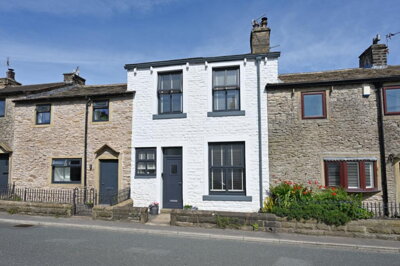
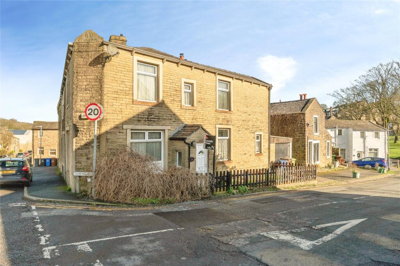
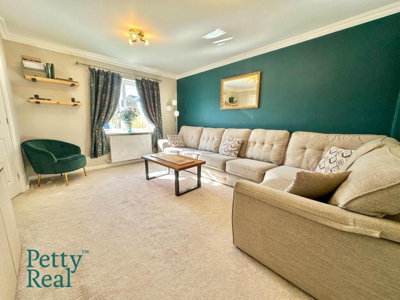
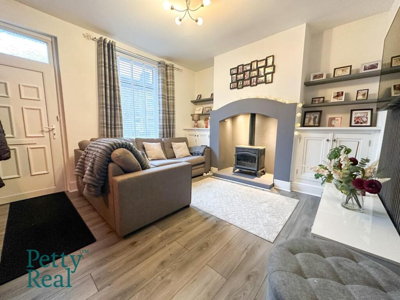
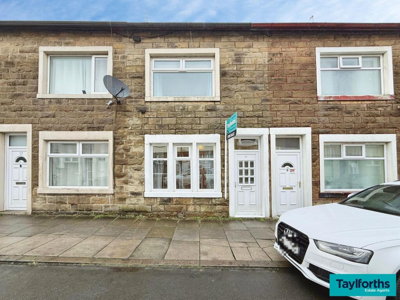
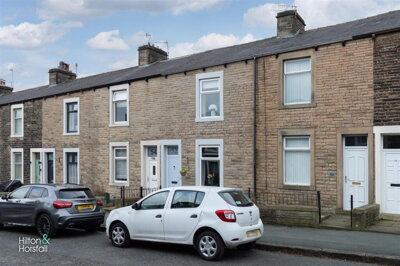
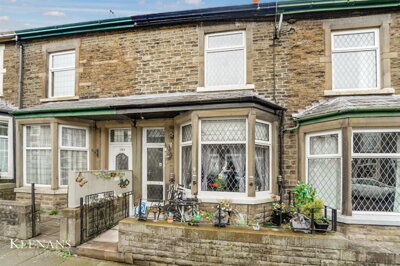
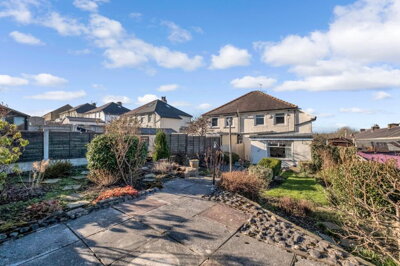
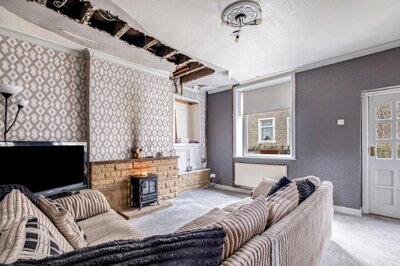
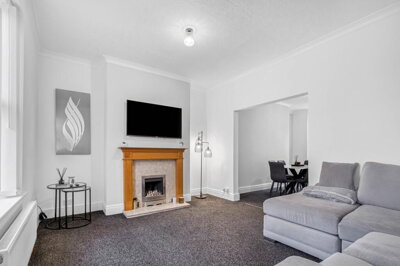
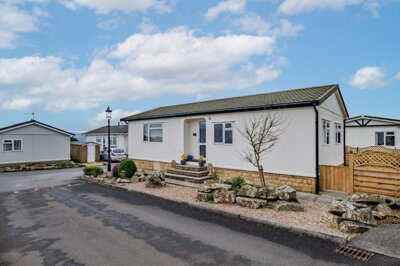
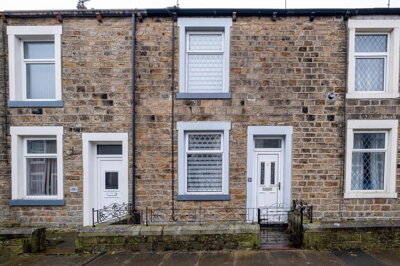
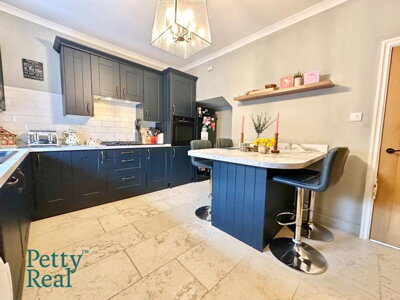
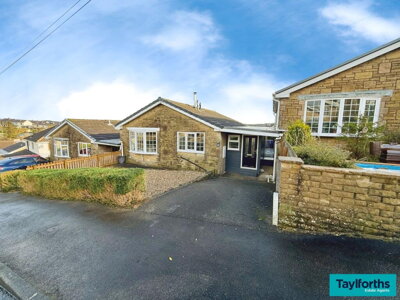
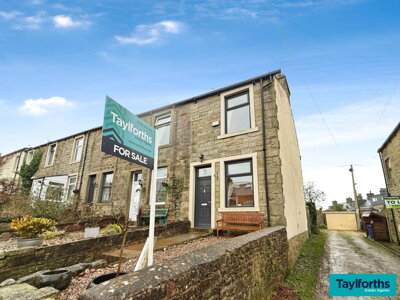
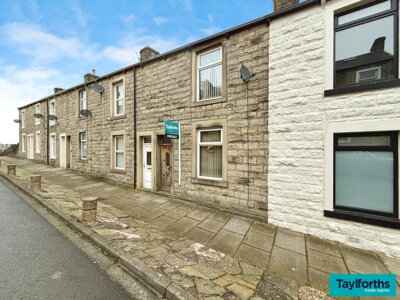
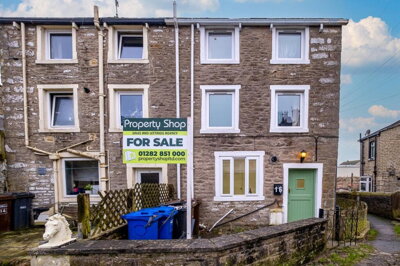
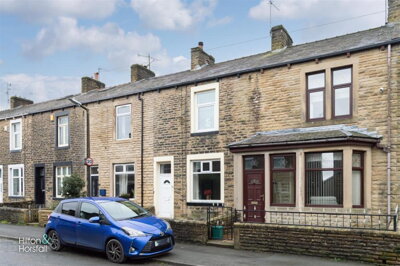
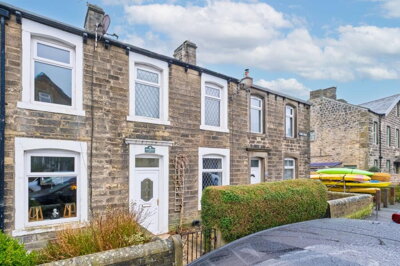
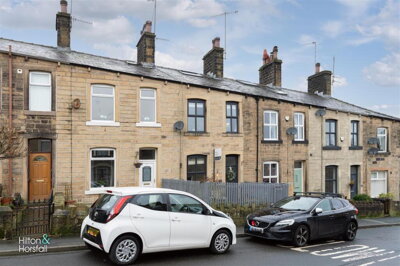
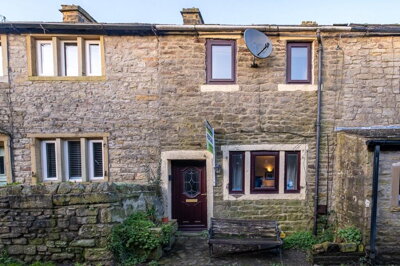
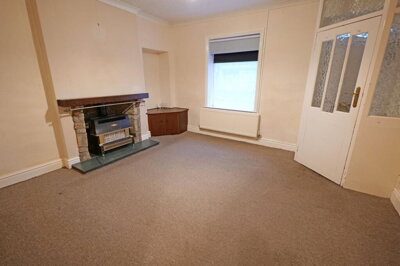
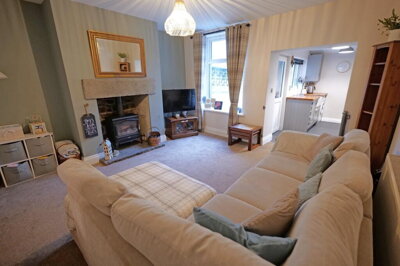
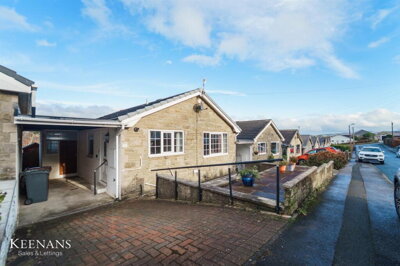
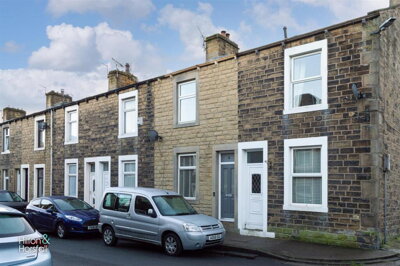
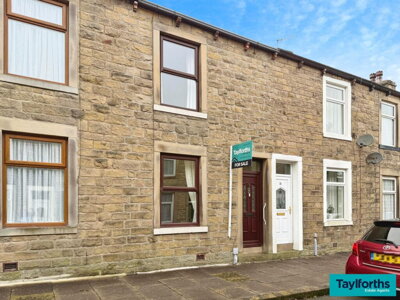
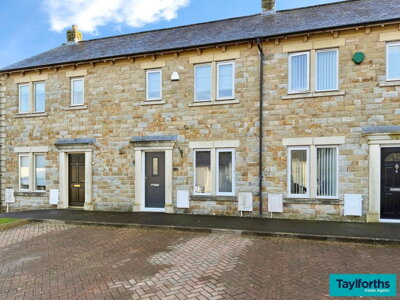
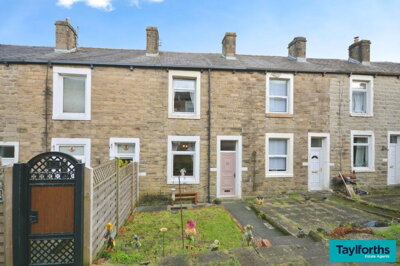
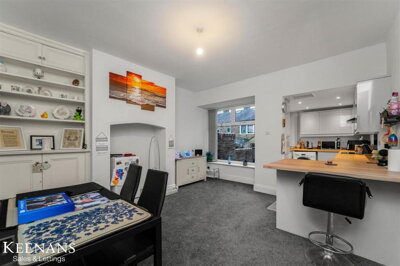
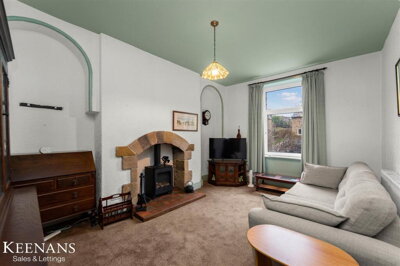
Browse 55 homes for sale in Salterforth, Pendle from local estate agents.
The 2 bed house market features detached, semi-detached, and terraced properties with two separate bedrooms plus living spaces. Properties in Salterforth range from Victorian and Edwardian period homes to modern new builds, with pricing varying across different neighbourhoods.
£0k
0
0
0
Source: home.co.uk
Showing 0 results for 2 Bedroom Houses for sale in Salterforth, Pendle.
The property market in Kirklington-cum-Upsland reflects its status as an exclusive rural parish where homes change hands infrequently. While specific sales data for the village itself remains limited on major property portals, comparable parish-level information from nearby areas in Hambleton provides useful context. Crakehall Parish, similarly situated in Hambleton, demonstrates an average detached property price of £598,662 based on transactions since 2018, illustrating the premium associated with quality rural homes in this part of North Yorkshire. These figures underscore the investment value inherent in properties within this sought-after district.
New build activity within Kirklington-cum-Upsland remains extremely limited, with recent planning applications indicating only small-scale residential development or property conversions rather than new housing estates. A notable application was submitted for a new two-storey dwelling at Land At The Mill, Kirklington, Bedale, North Yorkshire DL8 2LT in August 2023, while another approval granted change of use from a workshop to a dwelling at Land Adjacent To Derlin. This scarcity of new supply means buyers purchasing older properties should budget appropriately for potential maintenance or renovation requirements. Nearby villages such as Marton-cum-Grafton have seen small developments from regional builders like Brierley Homes at their Yew Tree Farm site, though all plots there have sold, demonstrating continued strong demand for new homes in the broader area.
The housing stock in Kirklington-cum-Upsland predominantly consists of period properties including manor houses, farmhouses, and traditional cottages. Many properties within the village remain under estate ownership, contributing to the tight nature of the market. Prospective buyers should note that properties here often feature traditional construction methods including solid walls, timber floor structures, and original lime mortars, which require different maintenance approaches compared to modern cavity-wall construction. Understanding these construction characteristics is essential when evaluating property condition and potential purchase costs.

Life in Kirklington-cum-Upsland revolves around the rhythms of rural North Yorkshire, where the sense of community runs deep and neighbours know one another by name. The parish sits within the larger Kirklington civil parish, which includes the neighbouring village of Kirklington itself, providing access to essential local amenities while maintaining the intimate scale of the Upsland community. With an average resident age of 46.5 years, the village attracts families seeking space for children to play freely and older couples embracing a quieter pace of life away from urban pressures. The demographics reflect a balanced community with strong roots in the local area.
The local economy centres primarily on agriculture, with the surrounding countryside dedicated to arable farming that defines the landscape character of Hambleton district. Traditional farming practices continue alongside modern agricultural methods, with local farms supplying produce to the wider region. Several agricultural businesses operate within the parish, providing employment for residents while maintaining the agricultural heritage that shapes the village's identity. The presence of working farms also ensures that the countryside remains actively managed, preserving the scenic views and walking routes that residents cherish.
Community life in Kirklington-cum-Upsland centres around the historic parish church and the village's traditional public house, where locals gather for meals and social occasions. The conservation area designation protects numerous historic buildings constructed from traditional materials including rubblestone, ashlar, and red brick, with roofing typically featuring clay pantiles or sandstone slate. These building traditions create a cohesive architectural character throughout the village, where thatched roofs and original stonework speak to centuries of continuous habitation and careful stewardship by successive generations of owners.
The Scheduled Monument at Upsland Farm represents one of the village's most intriguing historical features, providing a tangible connection to medieval settlement patterns in the area. The moated site, likely dating from the medieval period, demonstrates how this location has been valued for centuries due to its strategic and agricultural advantages. Residents walking the surrounding countryside can still trace the outlines of ancient field systems and hedgerows that represent centuries of agricultural improvement and enclosure, creating a landscape that rewards exploration and study.

Families considering a move to Kirklington-cum-Upsland will find educational provision centred primarily in the nearby market town of Bedale, approximately three miles from the village. Bedale Primary School serves younger children from the surrounding rural area, providing education within a traditional market town setting that many village families find ideal for their children's early years. The school maintains strong links with the local community and benefits from the support of an engaged parent body drawn from across the surrounding parishes.
Secondary education opportunities are available at secondary schools in Bedale and the larger town of Ripon, which offers comprehensive schooling options for families willing to travel slightly further for education. Ripon Grammar School, a selective grammar school, provides academic excellence for those students who pass the entrance examination, while other secondary schools in the area offer broader curricula including vocational and technical pathways. Transport arrangements for secondary school pupils from Kirklington-cum-Upsland typically involve school bus services operating from the village to nearby schools.
For families with interests in historical and cultural education, the presence of St Michael's Church and The Hall within Kirklington-cum-Upsland provides unique learning opportunities unavailable in most other locations. Children growing up alongside Grade I and Grade II* listed buildings develop an intuitive understanding of local history and architectural heritage that enriches their educational experience beyond what textbooks can provide. The village's small-scale community also means that local schools often have closer relationships between staff, parents, and pupils, creating supportive learning environments particularly suited to children who thrive in more intimate educational settings.
North Yorkshire Council manages school admissions across the region, including catchments serving Kirklington-cum-Upsland families. Parents should verify current catchment boundaries and admission policies directly with the council, as these can change and may determine which schools your child can attend from your new home address. The competitive nature of some schools in the area means early registration and understanding of admission criteria is advisable when moving to the village.
Kirklington-cum-Upsland enjoys a strategic position within North Yorkshire, offering reasonable connectivity to larger towns while maintaining its rural character. The village sits approximately three miles south of Bedale, a market town providing access to everyday amenities including supermarkets, independent shops, medical practices, and banking facilities. For more extensive shopping or specialist services, the cathedral city of Ripon lies within reasonable driving distance, as does the larger regional centre of York with its comprehensive retail, cultural, and employment opportunities.
Road connections from Kirklington-cum-Upsland provide access to the A1(M) motorway at nearby junctions, facilitating journeys to Newcastle upon Tyne to the north and Leeds to the south. The A1(M) corridor has significantly improved accessibility for rural North Yorkshire communities, reducing travel times to major employment centres and making commuting from the village a realistic option for those working in larger cities. However, prospective residents should note that car ownership is effectively essential for daily living given the limited public transport options serving the parish.
Public transport options serving Kirklington-cum-Upsland are limited, reflecting the village's small scale and rural location. Bus services connecting the village to nearby towns operate on reduced frequencies compared to urban routes, making them more suitable for occasional journeys than daily commuting. Rail connections are available at mainline stations in Northallerton or York, providing access to the East Coast Main Line with direct services to London King's Cross, Edinburgh, and other major destinations. For commuters working in Leeds or York, the combination of driving to a station plus train travel offers a practical solution, though it does require careful planning of daily schedules.
Understanding the traditional construction methods used throughout Kirklington-cum-Upsland is essential for anyone considering purchasing property in this historic parish. The buildings here represent centuries of vernacular architecture, with materials sourced locally from the surrounding North Yorkshire landscape. Properties such as The Hall exemplify the quality of construction employed by wealthy landowners in the 16th and 17th centuries, with their rubblestone foundations, ashlar dressings, and careful attention to durability that has allowed these structures to survive for hundreds of years.
Rubblestone construction, where irregular field stones were gathered and laid in courses with mortar, formed the backbone of traditional building in this area. Ashlar, or precisely cut and dressed stone, was reserved for important elevations and architectural details, creating the striking contrast between rough utility walls and refined facades that characterises many period properties in the village. Red brick was used selectively for chimney stacks, later additions, and decorative features, often produced in local kilns from locally sourced clay deposits that form part of the underlying geology of Hambleton district.
The roofing materials seen throughout Kirklington-cum-Upsland reflect the local geology and available resources. Clay pantiles, manufactured from local clay deposits and fired in village kilns, became the dominant roofing material from the medieval period onwards due to their durability and weather resistance. Sandstone slate, quarried from the nearby hills, provided a premium alternative for higher-status properties and buildings where weight considerations permitted its use. Thatched roofs, using water reed or straw, represent the oldest form of roofing and remain a distinctive feature of some traditional cottages in the village, though they require more frequent maintenance and specialist knowledge to repair correctly.
Below ground level, properties in Kirklington-cum-Upsland typically feature shallow foundations appropriate for the stable geology of the area, though the underlying glacial deposits can include boulder clay that presents some potential for shrink-swell movement in extremis. Drainage systems in older properties were traditionally designed for the site's specific soil conditions, with many properties relying on soakaways and septic systems rather than mains drainage. Prospective buyers should have the condition and capacity of drainage systems assessed as part of any property survey, given the age and potential complexity of these installations.
Purchasing a property in Kirklington-cum-Upsland requires particular attention to aspects specific to rural North Yorkshire homes. The traditional construction methods used throughout the village, including solid stone walls, original timber structures, and pre-cavity wall building techniques, present both character and potential maintenance considerations. Prospective buyers should look carefully at the condition of roofing materials, noting that traditional clay pantiles and sandstone slate require different maintenance approaches than modern concrete or slate tiles. The presence of original lime mortars rather than cement pointing is generally preferable for breathability but may require more frequent maintenance.
Damp and moisture problems represent the most common issues found in older properties across Kirklington-cum-Upsland. The solid wall construction prevalent throughout the village offers limited thermal performance compared to modern cavity wall insulation, and without appropriate ventilation, condensation can become problematic, particularly in rooms with high moisture production such as kitchens and bathrooms. Rising damp may be present where original damp proof courses have failed or were never installed, while penetrating damp through aging rubblestone or porous render can affect walls exposed to prevailing weather. A thorough survey will identify the type and extent of any damp issues and recommend appropriate remediation.
Structural assessment deserves careful attention when evaluating period properties in the village. While the traditional construction methods used here are inherently robust when properly maintained, issues can arise from foundation movement, timber decay, or the effects of past alterations. The potential for shrink-swell movement in clay soils should be considered, particularly for properties with trees or vegetation close to the building where root activity can affect soil moisture levels. Cracks in walls, uneven floors, or doors and windows that stick may indicate underlying structural movement requiring more detailed investigation by a structural engineer.
The age of properties in Kirklington-cum-Upsland means that electrical and plumbing systems may require updating to meet current standards. Original wiring, particularly if still using rubber or fabric-covered cables, represents a significant safety concern and should be replaced entirely. Lead pipework, once common in rural properties, should also be upgraded to modern copper or plastic alternatives. Similarly, older heating systems may prove inefficient and costly to run, so assessing the condition and age of boilers, radiators, and controls forms an important part of evaluating any property purchase in the village.
Before purchasing in Kirklington-cum-Upsland, spend time exploring the village at different times of day and week to understand the community character. Visit local amenities in Bedale, walk the surrounding countryside, and speak with residents to gain authentic insights into village life. Given the limited property supply, understanding exactly what the area offers helps ensure your purchase decision aligns with your lifestyle expectations. Take time to visit the Scheduled Monument at Upsland Farm and appreciate the historical depth of the parish you may soon call home.
Properties in Kirklington-cum-Upsland sell quickly when they become available, so registering with multiple estate agents active in the Hambleton area ensures you receive early notification of new listings. Agents with local knowledge can provide valuable context about specific properties, recent sales in comparable villages, and the motivations of sellers. Being prepared to move quickly when the right property appears gives you a competitive advantage in this tight market where serious buyers often outnumber available homes.
Secure your mortgage agreement in principle before viewing properties to demonstrate your seriousness to sellers. Given the age and character of properties in Kirklington-cum-Upsland, lenders may require specialist surveys or valuations, so discussing your mortgage options with a broker familiar with rural properties is advisable. Having finance in place strengthens your position when making an offer and can accelerate the transaction once your offer is accepted.
Given the age of properties in Kirklington-cum-Upsland, a thorough RICS Level 2 Survey is essential before committing to purchase. Properties constructed before 1919 may require more detailed assessment, and listed buildings or those in the conservation area should ideally be evaluated by a surveyor experienced with historic construction. The survey identifies defects requiring attention, informs your negotiation strategy, and provides about your investment in this historic village. For complex or heavily altered properties, a full RICS Level 3 Building Survey may prove more appropriate.
Choose a solicitor with experience handling rural property transactions in North Yorkshire to manage the legal process efficiently. Conveyancing for properties in conservation areas or involving listed buildings requires attention to specific restrictions and requirements that specialist solicitors understand. Your solicitor will conduct searches, handle land registry documentation, and ensure all planning and heritage considerations are properly addressed before you commit to purchase.
Once all searches are satisfactory and your mortgage offer is confirmed, your solicitor will arrange contract exchange with the seller's legal team. Given the close-knit nature of the village community, maintaining good communication with all parties helps ensure a smooth transaction. On completion day, you will receive the keys to your new home in Kirklington-cum-Upsland and can begin your life in this remarkable North Yorkshire village.
Specific average house price data for Kirklington-cum-Upsland is not publicly available from major property portals due to the village's small scale and limited transaction volumes. However, comparable data from nearby parishes in Hambleton provides useful benchmarks. Crakehall Parish shows an average detached property price of £598,662 based on transactions since 2018, while similar villages in the region typically command premium prices reflecting their rural location, historic character, and proximity to excellent schools. Properties in Kirklington-cum-Upsland itself, given the presence of listed buildings and conservation area status, are likely to reflect similar or higher values depending on condition and plot size. Engaging a local estate agent with knowledge of the village provides the most accurate current market assessment.
Properties in Kirklington-cum-Upsland fall under Hambleton District Council and North Yorkshire Council for council tax purposes. Specific banding depends on the property's valuation, but traditional rural properties in North Yorkshire typically span a wide range of bands due to variations in property values and the mix of period homes. The village includes properties ranging from modest cottages to substantial farmhouses and manor houses, meaning council tax bands vary accordingly. Prospective buyers should check specific properties on the Valuation Office Agency website to confirm their council tax band before purchase, as this forms part of the ongoing cost of ownership alongside mortgage payments, utilities, and maintenance.
Primary education for Kirklington-cum-Upsland families is primarily provided by schools in nearby Bedale, with Bedale Primary School serving children from the surrounding rural area. For secondary education, families typically access schools in Bedale or travel to Ripon, which offers several options including the selective Ripon Grammar School for academically-minded students. The village's small-scale community means local schools often benefit from strong parental involvement and supportive learning environments. Parents should verify current catchment areas and admission arrangements directly with North Yorkshire Council, as these can change and may affect which schools your child can access from your new home.
Public transport connections from Kirklington-cum-Upsland are limited, reflecting the village's small scale and rural location. Bus services connecting the village to Bedale and surrounding towns operate but on frequencies significantly reduced compared to urban routes, making them more practical for occasional journeys than daily commuting. Mainline rail services are accessible via stations in Northallerton and York, both providing connections to the East Coast Main Line with direct services to London, Edinburgh, and other major cities. For daily commuting, car ownership is effectively essential from Kirklington-cum-Upsland, though the village's proximity to the A1(M) makes driving to work in Leeds, York, or Newcastle entirely feasible for those with flexible employment arrangements.
Kirklington-cum-Upsland presents an attractive proposition for property investment given its rarity value, historic character, and enduring appeal of rural village living. Properties in the village change hands infrequently, suggesting consistent demand from buyers seeking the lifestyle the parish offers. The conservation area and listed building status of many properties protects their character and limits new development, which helps maintain property values over time. However, investment considerations should account for the limited rental market given the village's small population, higher maintenance costs associated with period properties, and planning restrictions affecting potential alterations. For long-term holding with occasional personal use or eventual family occupation, the village offers genuine appeal, though rental yields are likely to be modest compared to urban properties.
Stamp Duty Land Tax (SDLT) rates for properties in Kirklington-cum-Upsland follow standard UK thresholds. For residential purchases, no SDLT is payable on properties up to £250,000. Properties between £250,001 and £925,000 attract 5% on that portion, with higher rates applying above £925,000. First-time buyers purchasing properties up to £625,000 benefit from relief, paying no SDLT up to £425,000 and 5% between £425,001 and £625,000. Given the premium nature of many properties in Kirklington-cum-Upsland, most purchases by non-first-time buyers will attract SDLT, and those buying higher-value period homes or estates should budget accordingly. Your solicitor will calculate and submit the SDLT return as part of the conveyancing process.
Specific flood risk data for Kirklington-cum-Upsland was not directly available from national flood mapping services, though properties near watercourses or in low-lying areas of North Yorkshire can face surface water and fluvial flooding risks during periods of heavy rainfall. The village's rural setting with surrounding farmland means drainage relies partly on natural watercourses and land management practices. Before purchasing, prospective buyers should request a specific flood risk assessment for any property under consideration and review the Environment Agency flood maps for the area. Properties in the conservation area may have older drainage systems that require assessment by a drainage engineer.
The conservation area designation affecting much of Kirklington-cum-Upsland imposes specific planning restrictions on alterations, extensions, and external modifications to properties. Before purchasing, prospective buyers should obtain pre-application advice from Hambleton District Council planning department regarding any proposed changes to ensure they align with conservation area requirements. Similarly, properties listed as Grade I, Grade II*, or Grade II will require Listed Building Consent for most external works, adding complexity and potential costs to renovation projects. Budget accordingly for the specialist surveys and consents required when purchasing historic properties in this village.
Budgeting for your Kirklington-cum-Upsland purchase requires careful consideration of all associated costs beyond the property price itself. The primary government tax is Stamp Duty Land Tax, which for most residential purchases in North Yorkshire follows standard UK rates. As of the 2024-25 tax year, SDLT is charged at 0% on the first £250,000 of property value, rising to 5% on amounts between £250,001 and £925,000, 10% between £925,001 and £1.5 million, and 12% on any portion exceeding £1.5 million. Given the likely values of period properties in Kirklington-cum-Upsland, many purchases will attract SDLT at the 5% rate on amounts above £250,000.
First-time buyers purchasing properties up to £625,000 benefit from enhanced SDLT relief, paying nothing on the first £425,000 and 5% on amounts between £425,001 and £625,000. This relief can represent significant savings compared to standard rates, though it is worth noting that the property must be the buyer's only or main residence and they must not have previously owned other residential property anywhere in the world. Given the premium nature of property in Kirklington-cum-Upsland, some first-time buyers may find their purchases exceed the £625,000 threshold, in which case standard rates apply from £250,000.
Beyond SDLT, buyers should budget for solicitor conveyancing costs typically ranging from £500 to £2,000 depending on complexity and property value. Survey costs for a RICS Level 2 Survey on a typical Kirklington-cum-Upsland property range from approximately £450 to £800, with higher costs for larger, older, or more complex properties. Properties in the conservation area or those listed may require additional specialist assessments. Mortgage arrangement fees, valuation fees, land registry fees, and local authority search fees add further costs, with total buying costs typically ranging from 2% to 5% of the purchase price depending on property value and individual circumstances. Obtaining quotes from multiple solicitors and surveyors before committing ensures you secure competitive pricing for these essential services.
Properties for Sale In London

Properties for Sale In Plymouth

Properties for Sale In Liverpool

Properties for Sale In Glasgow

Properties for Sale In Sheffield

Properties for Sale In Edinburgh

Properties for Sale In Coventry

Properties for Sale In Bradford

Properties for Sale In Manchester

Properties for Sale In Birmingham

Properties for Sale In Bristol

Properties for Sale In Oxford

Properties for Sale In Leicester

Properties for Sale In Newcastle

Properties for Sale In Leeds

Properties for Sale In Southampton

Properties for Sale In Cardiff

Properties for Sale In Nottingham

Properties for Sale In Norwich

Properties for Sale In Brighton

Properties for Sale In Derby

Properties for Sale In Portsmouth

Properties for Sale In Northampton

Properties for Sale In Milton Keynes

Properties for Sale In Bournemouth

Properties for Sale In Bolton

Properties for Sale In Swansea

Properties for Sale In Swindon

Properties for Sale In Peterborough

Properties for Sale In Wolverhampton

Enter your details to see if this property is within your budget.
Loans, cards, car finance
Estimated property budget
Borrowing + deposit
You could borrow between
Typical borrowing
Monthly repayment
Est. at 4.5%
Loan-to-value
This is an estimate only. Your actual budget may vary depending on interest rates, credit history, and personal circumstances. For an accurate affordability assessment, speak to one of our free mortgage advisors.
This calculator provides estimates for illustrative purposes only and does not constitute financial advice. Your home may be repossessed if you do not keep up repayments on your mortgage. Estimates based on 4.5% interest rate, repayment mortgage. Actual rates depend on your circumstances.
Homemove is a trading name of HM Haus Group Ltd (Company No. 13873779, registered in England & Wales). Homemove Mortgages Ltd (Company No. 15947693) is an Appointed Representative of TMG Direct Limited, trading as TMG Mortgage Network, which is authorised and regulated by the Financial Conduct Authority (FRN 786245). Homemove Mortgages Ltd is entered on the FCA Register as an Appointed Representative (FRN 1022429). You can check registrations at NewRegister or by calling 0800 111 6768.

We use cookies to show you personalised content and improve your experience of our website. Find out more in our Privacy policy and Cookie policy.