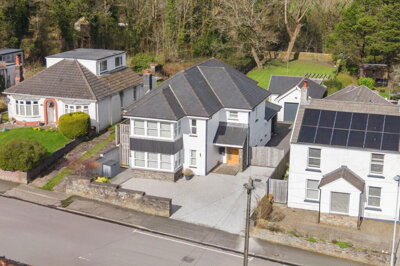
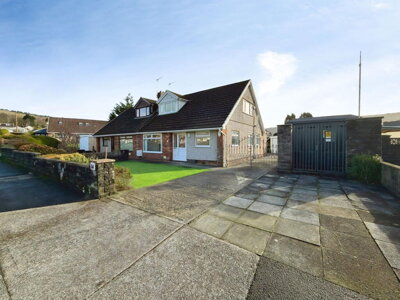
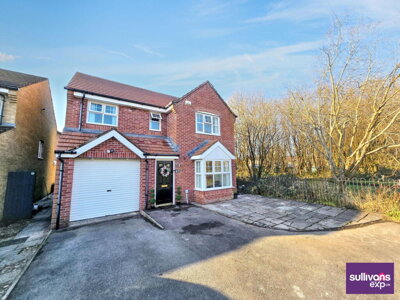
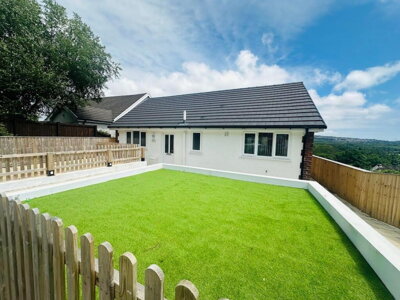
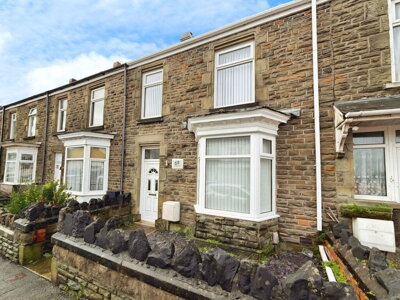
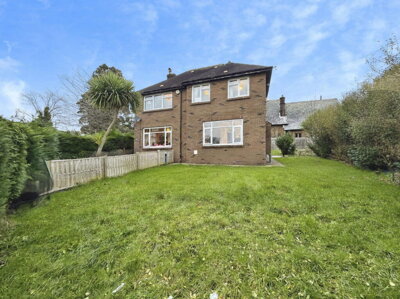
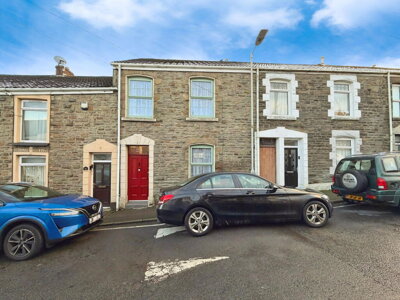
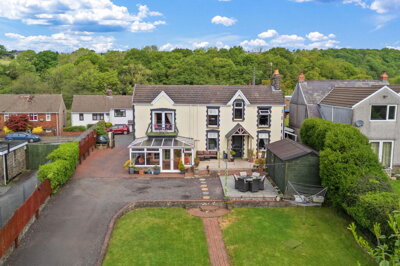
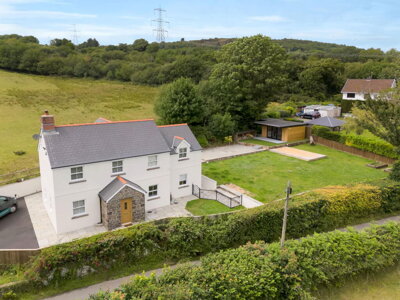
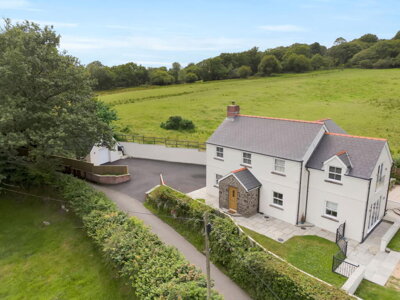
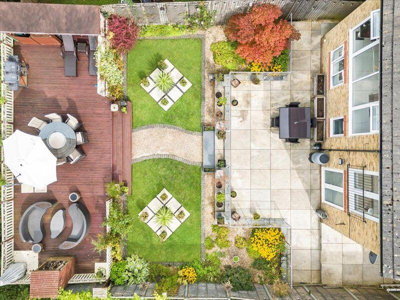
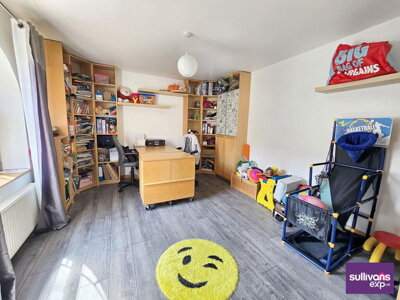
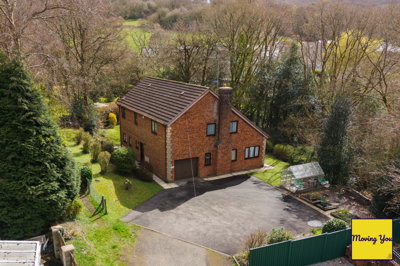
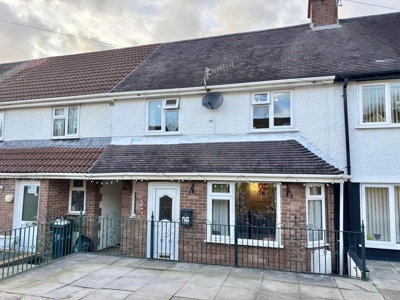
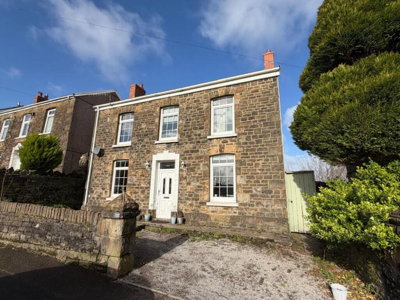
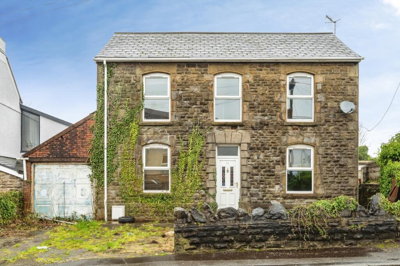
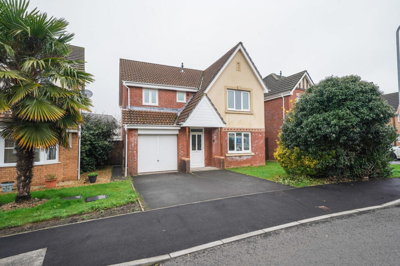
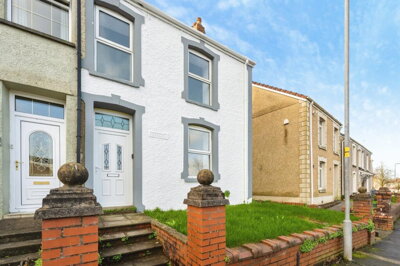
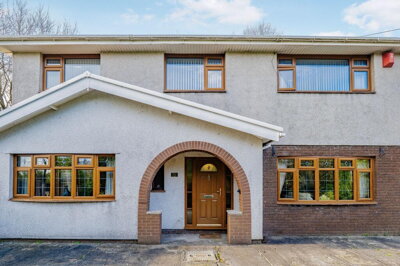
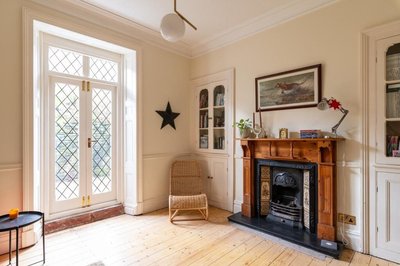
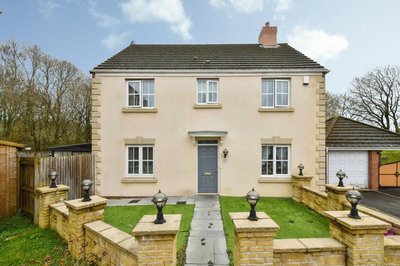
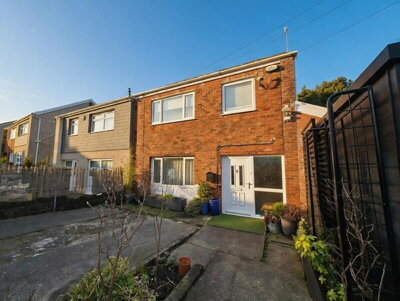
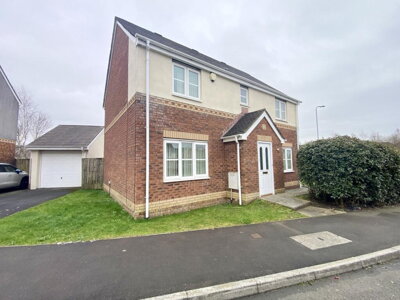
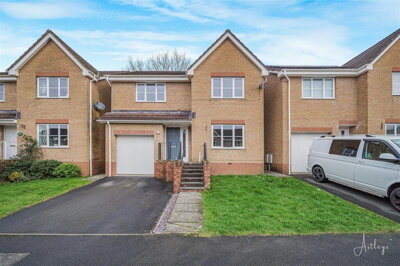
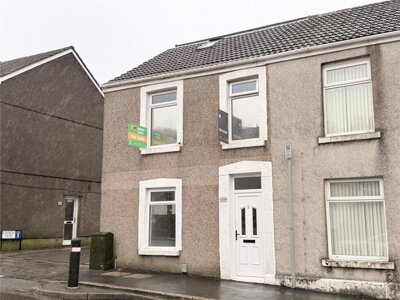
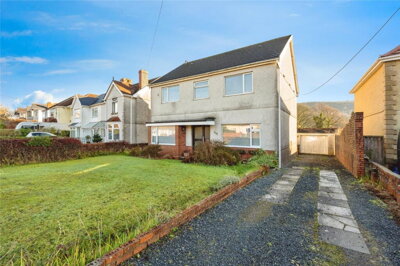
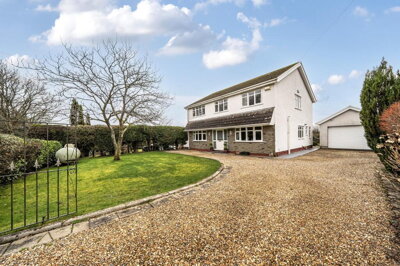
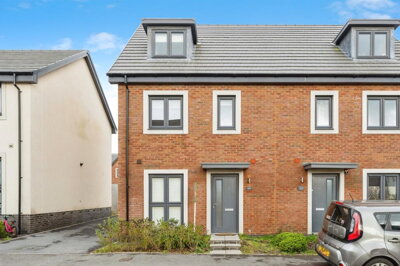
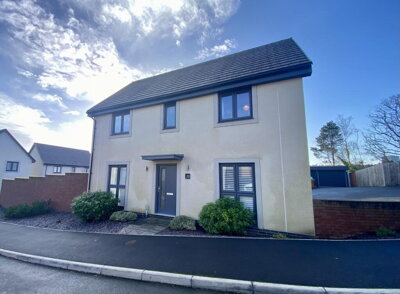
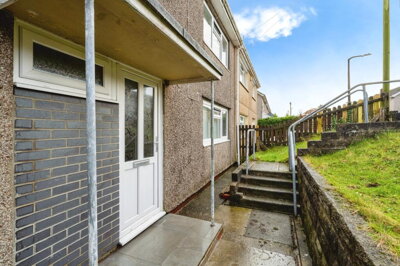
Browse 54 homes for sale in SA6 from local estate agents.
The larger property sector typically features multiple bathrooms, substantial reception space, and private gardens or off-street parking. Four bedroom houses in SA6 span detached, semi-detached, and occasionally terraced configurations, with styles ranging from period properties to modern executive homes.
£487k
12
0
145
Source: home.co.uk
Showing 12 results for 4 Bedroom Houses for sale in SA6. The median asking price is £487,498.
Source: home.co.uk
Detached
10 listings
Avg £530,000
Semi-Detached
2 listings
Avg £245,000
Source: home.co.uk
Source: home.co.uk
The SA6 property market has experienced a modest correction over the past twelve months, with overall prices decreasing by approximately 2% across the postcode area. This cooling period follows several years of steady growth and presents opportunities for buyers who may have been priced out of the market previously. Our current listings show that semi-detached properties, which represent the dominant housing type in SA6, are averaging around £180,000 and offer particularly strong value for families seeking three-bedroom accommodation with gardens and off-street parking. The semi-detached segment saw the smallest price decline at just 1%, suggesting sustained demand for this popular property type.
Terraced properties in SA6 provide the most accessible entry point for buyers, with average prices around £140,000 and some properties available from significantly less depending on condition and location. These homes are particularly concentrated in older village cores such as parts of Clydach and Birchgrove, where period features like original fireplaces, high ceilings, and exposed brickwork can add considerable charm. Flats in the SA6 area average around £95,000 and represent the most affordable option for first-time buyers or investors, though leasehold arrangements and service charges should be carefully reviewed before proceeding with any purchase of this type.
Property types across SA6 show notable variation in price resilience over the past year. Detached homes, which typically command the highest prices averaging around £280,000, saw the largest decline at 3%, reflecting reduced demand at the upper end of the market. Semi-detached properties proved most resilient with just a 1% decrease, while terraced houses and flats remained relatively stable with declines of 2% and 0% respectively. This pattern suggests that buyers in SA6 are prioritising practical family accommodation over premium property types, which could inform your search strategy depending on whether you are buying as an investor, a first-time buyer, or an upsizing family.

The SA6 postcode area encompasses a diverse collection of neighbourhoods that together house approximately 25,000 to 30,000 residents across 10,000 to 12,000 households. The housing stock reflects this variety, with around a quarter to third of properties being detached homes, a third to two-fifths being semi-detached, and the remainder split between terraced houses and a smaller proportion of flats. This mix creates communities that cater equally to young couples seeking their first home, growing families requiring more space, and older residents downsizing from larger properties. The area has evolved significantly since the post-war period, with substantial development in the 1945-1980 era creating the suburban character that defines much of modern SA6.
Morriston serves as one of the most significant population centres within SA6, centred around the large NHS hospital that provides employment for thousands of local residents. The hospital not only serves as a major employer but also attracts healthcare workers and associated services to the area, creating a self-sustaining local economy. The broader SA6 area retains strong connections to its industrial heritage, particularly coal mining and heavy industry that shaped the Swansea Valley, though the economy has diversified considerably in recent decades. Local retail centres, business parks, and excellent motorway connectivity now draw commuters to employment hubs across South Wales, making SA6 an attractive base for professionals who work in Swansea city centre or beyond.
The landscape of SA6 varies considerably from the urbanised areas around Morriston to the more rural village settings of Glais and the surrounding valley communities. Properties in these different locations may be constructed from different materials, with older properties in village cores often featuring local Pennant Sandstone or traditional brickwork, while post-war developments typically use rendered finishes or brick cavity construction. The underlying geology of the area, characterised by Carboniferous rocks including Coal Measures, sandstones, and shales, reflects the historical mining activity that shaped the region. Prospective buyers should note that the superficial deposits in some areas include clay-rich boulder clay, which can present moderate shrink-swell risks during periods of extreme weather conditions.
Families considering a move to SA6 will find a reasonable selection of educational establishments serving the area, from primary schools serving local communities to secondary schools providing education through to GCSE and A-Level. The presence of Morriston Hospital and proximity to Swansea University means the area has developed a strong network of educational institutions over the years, with several primary schools serving neighbourhoods like Penllergaer, Birchgrove, and the surrounding villages. Parents should research individual school performance through official Ofsted ratings and league tables, as standards can vary considerably between institutions within the same postcode area. Catchment areas for popular schools can significantly affect property values in certain streets, making this an important factor to investigate before making an offer.
The broader SA6 area benefits from access to several secondary schools offering comprehensive education, with some families choosing to pursue places at grammar schools in Swansea or neighbouring areas for students who meet the academic selection criteria. Sixth form provision is available at secondary schools within and near SA6, while further education colleges in Swansea provide additional pathways for students completing their secondary education. The proximity to Swansea University, with both Singleton Park and Bay campuses accessible via good transport connections from SA6, adds further educational opportunities for families planning for the longer term. Students and staff at the university frequently seek accommodation in SA6, contributing to demand for rental properties and smaller homes in the area.

SA6 benefits from excellent connectivity to the M4 motorway, which passes through the Swansea area and provides direct access to Cardiff, the wider motorway network, and employment opportunities throughout South Wales and beyond. Commuters working in Cardiff can typically reach the capital in around 60-70 minutes by car, making SA6 a viable option for professionals who need to travel east for work but prefer a more affordable lifestyle than Cardiff prices would allow. The area also provides straightforward access to Swansea city centre, with regular bus services operating throughout SA6 and connecting residents to the city centre, university campuses, and the seafront. Local journey times by public transport vary depending on exact location, but residents of Morriston and surrounding areas can generally reach central Swansea within 20-30 minutes.
Rail connections from Swansea mainline station offer fast services to major UK destinations including London Paddington, with journey times to the capital typically taking around three hours. Manchester, Birmingham, and Bristol are also accessible via direct or connecting services from Swansea, making SA6 practical for professionals who need occasional access to major business centres. Within the SA6 area itself, the road network has been improved over the years to accommodate growing traffic volumes, though rush hour congestion can occur on key routes, particularly around Morriston and approaches to the M4 junction. Parking availability varies by neighbourhood, with newer developments typically providing off-street parking while older terraced streets may require on-road parking solutions.
Spend time exploring different neighbourhoods within SA6, from Morriston to Penllergaer and the village communities. Visit at different times of day and check local amenities, school catchments, and transport connections to find the area that best suits your lifestyle needs.
Before viewing properties, obtain an agreement in principle from a lender. This strengthens your position when making offers and demonstrates to sellers that you have the financial capacity to proceed. Our mortgage partners can help you compare rates and find the best deal for your circumstances.
Use Homemove to browse all available properties in SA6, filtering by price, property type, and number of bedrooms. Book viewings for properties that match your criteria and take time to assess the condition, surroundings, and any potential issues before deciding which to pursue.
Once you find your ideal property, make an offer through the estate agent. If accepted, instruct a conveyancing solicitor immediately to handle the legal work. Your solicitor will conduct searches, raise enquiries, and manage the contract process on your behalf.
After all searches are satisfactory and contracts are exchanged, your solicitor will arrange final searches and organise the transfer of funds. On completion day, you will receive the keys and become the official owner of your new SA6 home.
Properties in SA6 span a wide range of construction periods, from Victorian and Edwardian homes in the older village cores to modern developments built within the past few decades. This variety means buyers should pay close attention to the age and construction type of any property they are considering. Older properties, particularly those built before 1919, may feature solid brick walls, lime mortar, and slate roofs that require different maintenance approaches than modern cavity wall construction. Our research indicates that over 60-70% of the housing stock in SA6 is more than 50 years old, making thorough surveys particularly valuable for the majority of properties in the area. A RICS Level 2 Survey typically costs between £450-£600 for a typical three-bedroom semi-detached property and can identify issues like damp, roof defects, and structural movement that may not be apparent during a standard viewing.
The mining heritage of the SA6 area warrants specific attention from prospective buyers. Properties in this postcode may be situated above or near historical coal mining operations, and while major deep mining has ceased, shallow workings or unrecorded adits can potentially cause ground instability or subsidence issues. We strongly recommend obtaining a mining report from the Coal Authority when purchasing any property in SA6, particularly if the property shows signs of cracking or movement inside or out. Additionally, parts of the SA6 area, particularly properties near the River Tawe and its tributaries around Clydach and Birchgrove, carry some risk of fluvial flooding that buyers should investigate through the appropriate flood risk searches.
Several areas within SA6, including parts of Clydach, contain listed buildings and may fall within conservation areas where special planning restrictions apply. These properties often require more specialist surveys and may have restrictions on alterations or extensions that affect their suitability for certain buyers. Electrical and plumbing systems in properties built before the 1980s frequently require updating to meet current standards, with costs potentially ranging from a few thousand pounds for partial rewiring to significantly more for complete system replacements. Asbestos-containing materials may be present in properties built before 2000, particularly in textured coatings, insulation boards, and pipe lagging, and any removal must be carried out by licensed contractors.
Beyond the specific risks associated with mining legacy and flooding, we always recommend considering a radon risk assessment for properties in the SA6 area. Parts of South Wales, including areas around Swansea, are designated as Radon Affected Areas where elevated levels of radon gas may be present, requiring mitigation measures in affected properties. The variable geology across SA6, including glacial till and alluvial deposits in valley areas, can also lead to differential settlement if foundations are not adequately designed or if ground conditions change due to water ingress or tree root activity. A thorough survey will identify any potential issues with foundations, drainage, or ground conditions that could prove costly to remediate after purchase.
Stamp Duty Land Tax (SDLT) represents one of the most significant costs when purchasing property in England, and understanding the current thresholds is essential for budgeting purposes. For standard residential purchases from February 2026, there is no SDLT on the first £250,000 of the purchase price, with 5% charged on the portion between £250,001 and £925,000, 10% on the portion between £925,001 and £1.5 million, and 12% on any amount exceeding £1.5 million. Given that the average property price in SA6 is around £194,000, many buyers in this area will only pay SDLT on the portion of their purchase price above the nil-rate threshold, resulting in minimal or no stamp duty costs for appropriately priced properties.
First-time buyers purchasing properties up to £625,000 can benefit from increased SDLT relief, with no tax charged on the first £425,000 and 5% on the portion between £425,001 and £625,000. This relief can represent substantial savings for first-time buyers in SA6, where the average property price means most purchases would attract SDLT at only the entry rate. Above £625,000, first-time buyer relief is not available. Additional purchasing costs to budget for include conveyancing fees, which typically start from around £499 for a standard transaction, survey costs ranging from £350-£800 depending on property type, and removal costs which vary based on distance and volume of belongings.
For buyers purchasing flats in SA6, additional ongoing costs to investigate include annual service charges for leasehold properties and any ground rent obligations. These costs can vary significantly between developments and can affect both the affordability of a property and its future resale value. Our conveyancing partners can help review lease terms and identify any potentially onerous clauses before you commit to a purchase. Factor in mortgage arrangement fees, valuation fees, and search costs to arrive at a complete picture of the total expenditure involved in buying your SA6 property.
The current average house price in SA6 is approximately £194,000 based on recent market data. Detached properties average around £280,000, semi-detached homes around £180,000, terraced properties around £140,000, and flats around £95,000. The market has seen a modest 2% decrease over the past twelve months, making it a relatively stable time to enter the market compared to previous years of more significant price fluctuations. Semi-detached properties proved most resilient during this period with just a 1% decline, suggesting sustained demand for family homes in the area.
Council tax bands in SA6 are set by the City and County of Swansea Council and cover bands A through H. Most properties in SA6 fall into bands A through D, which are the lower valuation bands, reflecting the generally affordable nature of the area compared to other parts of South Wales. Exact bands depend on the individual property valuation, and you can check specific bands through the Swansea Council website or the Valuation Office Agency. Properties in newer developments or larger detached homes may fall into higher bands E through H.
SA6 has several primary and secondary schools serving local communities, with standards varying between institutions. Parents should consult official Ofsted reports and performance league tables when evaluating schools, as these provide objective measures of educational quality. The area's proximity to Swansea University also means access to higher education is excellent, with good transport connections to both university campuses. Grammar school places may be available for secondary students who meet academic selection criteria, and sixth form provision is available at several local secondary schools within and near the SA6 area.
SA6 has good public transport connections including regular bus services linking Morriston, Birchgrove, Penllergaer, and surrounding areas to Swansea city centre, with most residents able to reach central Swansea within 20-30 minutes. The M4 motorway provides excellent road connectivity to Cardiff and the wider motorway network, while Swansea railway station offers direct services to London Paddington, Birmingham, Manchester, and Bristol. Journey times by car to Cardiff typically take 60-70 minutes, making SA6 practical for professionals who need to commute east while enjoying more affordable housing than the capital offers.
SA6 offers several factors that may appeal to property investors. The presence of Morriston Hospital and proximity to Swansea University creates consistent demand for rental properties from healthcare workers, students, and staff. Average property prices around £194,000 are relatively affordable compared to other South Wales areas, potentially offering better rental yields relative to purchase prices. The modest 2% price decrease over the past twelve months suggests a stable market, though investors should conduct thorough due diligence on individual properties and consider factors like mining legacy, flood risk in certain areas, and leasehold terms for flats. The tenant profile in SA6 includes NHS workers seeking properties near Morriston Hospital, students needing year-round accommodation, and professionals commuting to the city centre or beyond via the M4 corridor.
For a typical property priced around the SA6 average of £194,000, standard buyers would pay no SDLT as the entire purchase falls below the £250,000 nil-rate threshold. First-time buyers benefit from an even higher nil-rate threshold of £425,000, meaning most SA6 properties would incur no first-time buyer SDLT either. Properties priced above £250,000 (or £425,000 for first-time buyers) would attract SDLT at the relevant rate on the portion exceeding the threshold. Above £625,000, first-time buyer relief is not available, and standard SDLT rates apply to the full purchase price.
Properties for Sale In London

Properties for Sale In Plymouth

Properties for Sale In Liverpool

Properties for Sale In Glasgow

Properties for Sale In Sheffield

Properties for Sale In Edinburgh

Properties for Sale In Coventry

Properties for Sale In Bradford

Properties for Sale In Manchester

Properties for Sale In Birmingham

Properties for Sale In Bristol

Properties for Sale In Oxford

Properties for Sale In Leicester

Properties for Sale In Newcastle

Properties for Sale In Leeds

Properties for Sale In Southampton

Properties for Sale In Cardiff

Properties for Sale In Nottingham

Properties for Sale In Norwich

Properties for Sale In Brighton

Properties for Sale In Derby

Properties for Sale In Portsmouth

Properties for Sale In Northampton

Properties for Sale In Milton Keynes

Properties for Sale In Bournemouth

Properties for Sale In Bolton

Properties for Sale In Swansea

Properties for Sale In Swindon

Properties for Sale In Peterborough

Properties for Sale In Wolverhampton

Enter your details to see if this property is within your budget.
Loans, cards, car finance
Estimated property budget
Borrowing + deposit
You could borrow between
Typical borrowing
Monthly repayment
Est. at 4.5%
Loan-to-value
This is an estimate only. Your actual budget may vary depending on interest rates, credit history, and personal circumstances. For an accurate affordability assessment, speak to one of our free mortgage advisors.
This calculator provides estimates for illustrative purposes only and does not constitute financial advice. Your home may be repossessed if you do not keep up repayments on your mortgage. Estimates based on 4.5% interest rate, repayment mortgage. Actual rates depend on your circumstances.
Homemove is a trading name of HM Haus Group Ltd (Company No. 13873779, registered in England & Wales). Homemove Mortgages Ltd (Company No. 15947693) is an Appointed Representative of TMG Direct Limited, trading as TMG Mortgage Network, which is authorised and regulated by the Financial Conduct Authority (FRN 786245). Homemove Mortgages Ltd is entered on the FCA Register as an Appointed Representative (FRN 1022429). You can check registrations at NewRegister or by calling 0800 111 6768.

We use cookies to show you personalised content and improve your experience of our website. Find out more in our Privacy policy and Cookie policy.