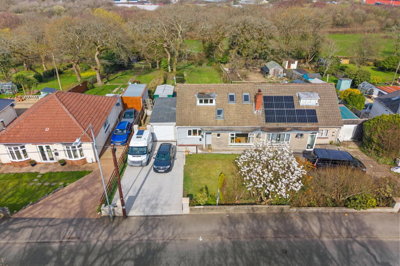
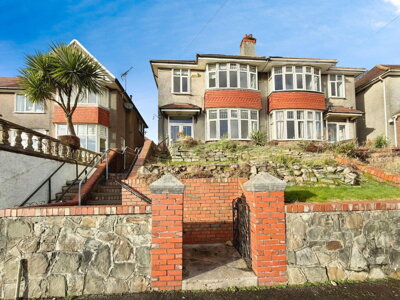
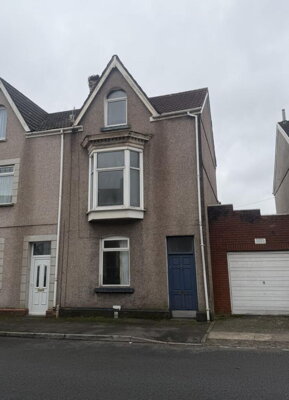
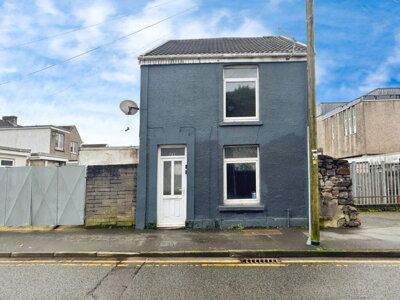
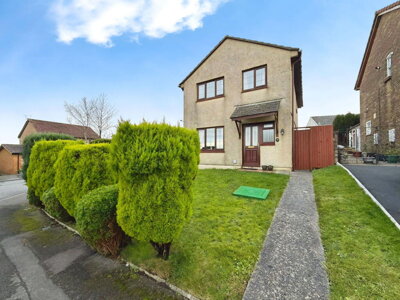
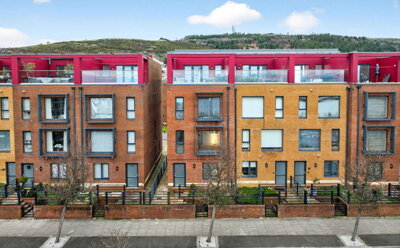
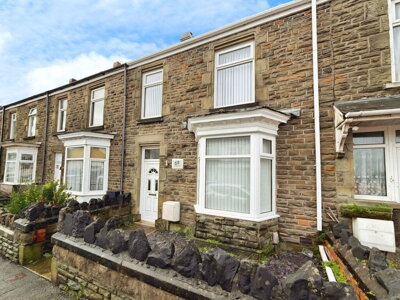
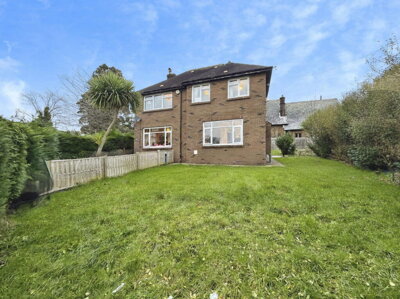
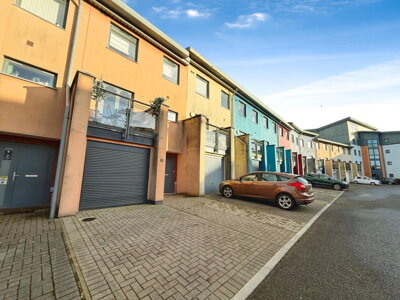
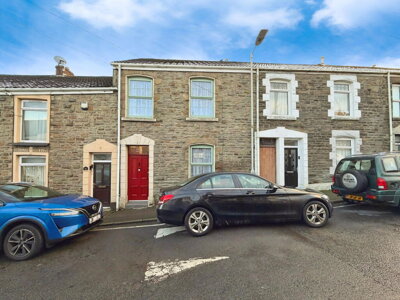
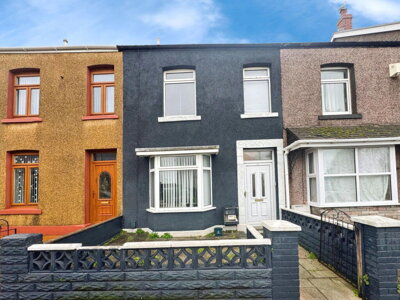
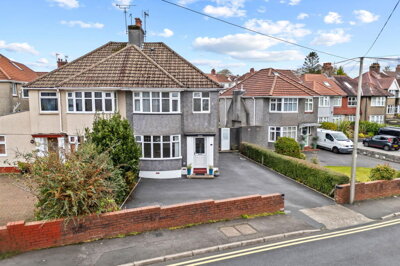
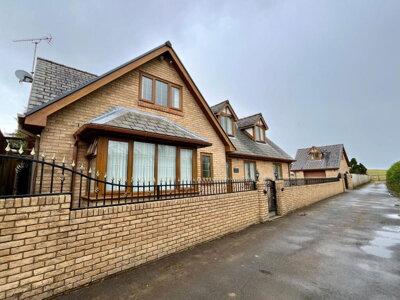
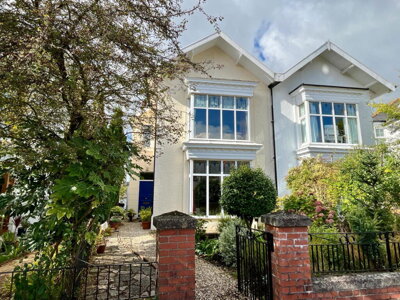
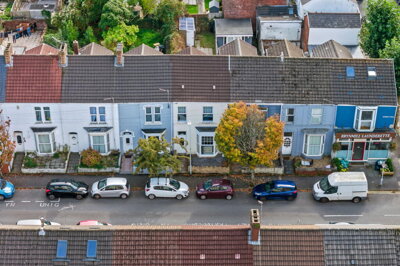
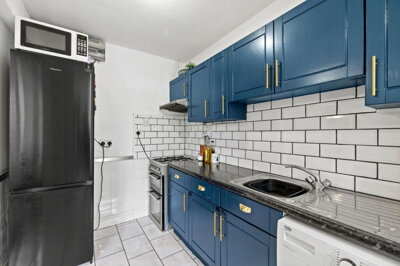
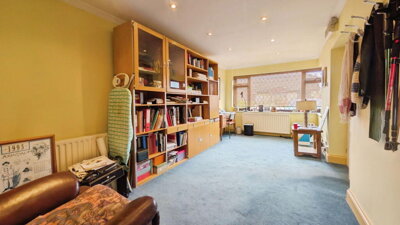
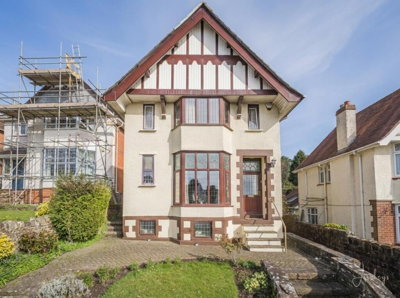
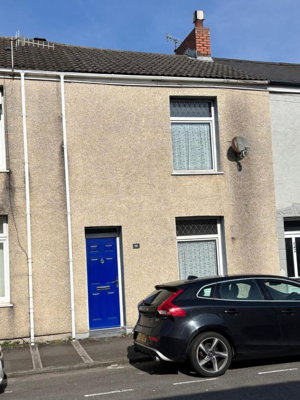
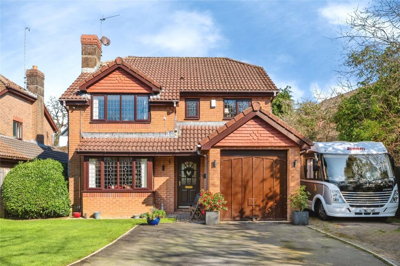
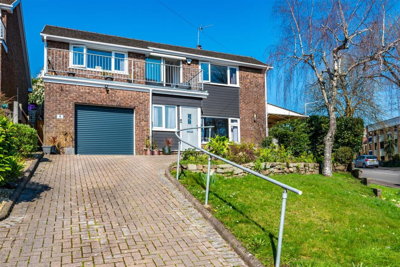
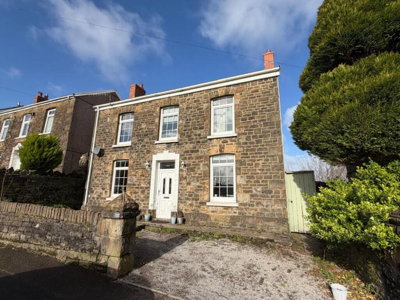
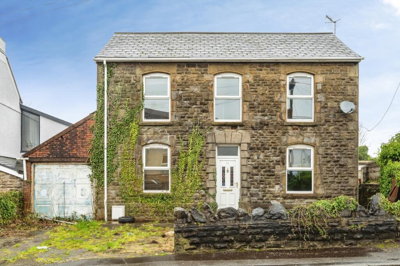
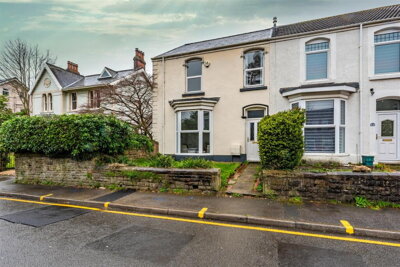
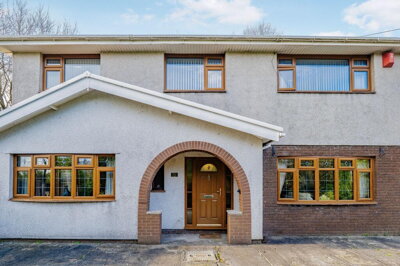
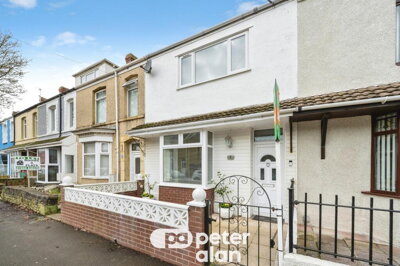
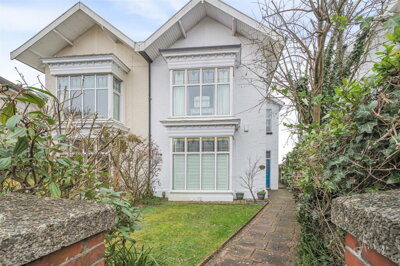
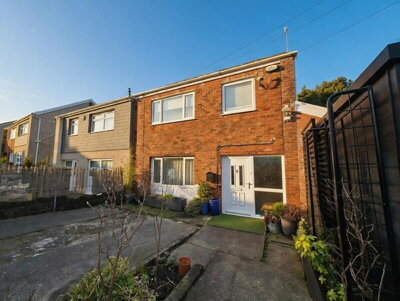
Browse 72 homes for sale in SA1 from local estate agents.
The larger property sector typically features multiple bathrooms, substantial reception space, and private gardens or off-street parking. Four bedroom houses in SA1 span detached, semi-detached, and occasionally terraced configurations, with styles ranging from period properties to modern executive homes.
£170k
7
1
89
Source: home.co.uk
Showing 7 results for 4 Bedroom Houses for sale in SA1. 1 new listing added this week. The median asking price is £170,000.
Source: home.co.uk
Terraced
5 listings
Avg £170,000
Detached
1 listings
Avg £170,000
Semi-Detached
1 listings
Avg £520,000
Source: home.co.uk
Source: home.co.uk
The SA1 property market reflects Swansea's position as Wales's second city, with prices that remain accessible compared to other UK coastal destinations while offering strong fundamentals for long-term investment. Terraced properties dominate the local housing stock and sold at an average of £161,472 over the past year, making them popular among first-time buyers seeking character homes without the premium attached to detached alternatives. Semi-detached properties commanded an average price of £153,579, offering excellent value for families seeking additional space, while flats averaged £141,087 and attracted significant interest from professionals and investors targeting the rental market. The overall market has demonstrated resilience with a 7% increase in values over the past twelve months, indicating healthy demand from buyers who recognise SA1's ongoing regeneration.
Our data shows approximately 400 residential property sales completed in SA1 during the past year, though this represents an 18% decrease compared to the previous year as supply constraints affected transaction volumes across the market. This reduced supply has created competitive conditions in certain segments, particularly for well-presented properties priced realistically in popular streets. New build activity within the immediate SA1 postcode has been limited in recent years, meaning buyers seeking modern homes may need to explore nearby areas or consider larger developments in the surrounding SA2 postcode. The combination of relatively modest prices, ongoing waterfront regeneration, and strong rental yields makes SA1 particularly attractive to buy-to-let investors, though primary residence buyers will find equal appeal in the area's lifestyle credentials.

The SA1 postcode contains a remarkably diverse range of property types, each with distinct characteristics that reflect different periods of Swansea's development history. Victorian and Edwardian terraced houses form the backbone of the residential stock in areas such as Brynymo'r and Sandfields, featuring high ceilings, original fireplaces, and bay windows that appeal to buyers seeking period character. These properties typically contain solid walls rather than cavity insulation, which means they require careful attention to ventilation and may show signs of condensation or damp if maintained improperly. Understanding the construction methods used in these older properties helps buyers appreciate both their charm and their maintenance requirements.
Contemporary apartments throughout SA1 have transformed former industrial sites along the waterfront, with converted warehouses in the Maritime Quarter offering generous ceiling heights and exposed structural elements alongside purpose-built modern developments with enhanced energy efficiency ratings. Leasehold arrangements are common for apartment purchases, and buyers should examine the terms carefully including current service charges, ground rent obligations, and provisions for building maintenance reserves. Flats in the £141,087 average price range represent the most accessible entry point to SA1 ownership and frequently attract investors seeking to capitalise on strong rental demand from students and young professionals working in the city centre.
Family buyers considering SA1 should note that semi-detached properties averaging £153,579 provide a practical compromise between the character of terraced housing and the space requirements of growing households. Streets such as those in the St. Helen's area offer proximity to primary schools while maintaining reasonable access to waterfront amenities. Detached properties remain relatively scarce within SA1 itself, with buyers seeking this property type often looking to surrounding postcodes or accepting that premium prices apply when they do become available within the area.
SA1 represents the heart of Swansea, combining maritime heritage with modern urban living across a postcode that stretches from the Marina to the Tawe Barrage and encompasses several distinct neighbourhoods. The Maritime Quarter stands out with its collection of converted warehouses and former shipyard buildings that now house contemporary apartments overlooking the harbour, offering a unique character that distinguishes SA1 from more conventional city centre postcodes. Residents here enjoy morning walks along the waterfront promenade, with coffee shops and restaurants appearing throughout the regenerated docklands area. The architectural mix includes Victorian terraces in streets off Mumbles Road, post-war housing estates in certain pockets, and recent apartment developments that have transformed former industrial sites into residential destinations.
The cultural amenities within SA1 contribute significantly to its appeal as a residential destination, with the Swansea Arena hosting major touring productions and concerts throughout the year alongside regular comedy nights and family shows. The Quadrant shopping centre provides comprehensive retail therapy options, while the nearby market offers local produce and independent traders that add genuine character to the shopping experience. Weekend mornings see residents exploring the Independent Quarter around Wind Street, where bars, restaurants, and cafes create a lively atmosphere that rivals larger cities in Wales and the South West. The proximity to Swansea Bay means beach access is available within a short walk or cycle ride, providing opportunities for watersports, coastal walks, and seaside relaxation without requiring a car journey. Community facilities include several GP surgeries, dental practices, and pharmacies distributed throughout the postcode, ensuring healthcare needs are well-served within the local area.
The regeneration of SA1's waterfront continues to reshape the area's character, with ongoing investment in public spaces, improved pedestrian connections, and new leisure facilities that enhance the quality of life for residents. Local authorities and developers have worked together to create a destination that balances its industrial heritage with contemporary living standards, resulting in an environment that feels distinctive rather than generic. Walking along the river towards the Tawe Barrage reveals how former industrial infrastructure has been repurposed for public enjoyment, with the barrage itself creating a raised walkway that offers panoramic views across Swansea Bay.

Families considering a move to SA1 will find a reasonable selection of educational establishments operating within and adjacent to the postcode, making it feasible to raise children without excessive commuting to schools further afield. Several primary schools serve the immediate SA1 area, including those in the SA1 zone that cater to reception through to Year 6 with good reputation among local parents. The postcode sits within Swansea's comprehensive school catchment system, meaning secondary school placement depends on residential address and the specific admissions criteria applied by each school. Parents should verify current catchment boundaries and admissions policies directly with Swansea Council, as these can change and may influence which secondary schools are allocated based on proximity.
Swansea University operates its Singleton Park campus in the SA2 postcode, which attracts significant student population to the wider Swansea area and contributes to the city's youthful demographic profile. For families with older children, the university's presence provides accessible higher education options without requiring relocation to larger cities, while the university's research facilities and cultural events benefit the broader community. Several primary schools within the SA1 catchment area have received positive Ofsted ratings, though specific current ratings should be verified through the official Ofsted website as these are updated following inspections. Private schooling options exist in the broader Swansea area for families seeking alternatives to the state system, with several independent schools serving pupils from early years through to sixth form. Parents buying in SA1 should research school admissions criteria carefully, particularly for popular primaries that may be oversubscribed, as catchment areas can be competitive in certain streets close to well-regarded schools.
SA1 benefits from excellent transport connections that make it one of the most accessible postcodes in Swansea for commuters and those who travel regularly for work or leisure. Swansea railway station, located within the SA1 postcode, provides regular services to major destinations including Cardiff Central (approximately 1 hour 40 minutes), Bristol Temple Meads (around 2 hours 15 minutes), and London Paddington (approximately 3 hours with a change at Newport or Cardiff). The station has undergone significant improvements in recent years, with more frequent services and enhanced facilities making rail travel increasingly attractive compared to road alternatives. Commuters working in Cardiff find the train service particularly valuable, with many choosing to live in SA1 specifically to avoid the stress and cost of daily motorway driving.
Local bus services operated by First Cymru and other providers connect SA1 comprehensively with surrounding suburbs, the University campus in SA2, the Mumbles seafront, and the Morrisons supermarket on the eastern edge of the city. The bay-hopping bus routes make car-free living genuinely feasible within SA1, with services running frequently throughout the day and early evening. For drivers, the M4 motorway is accessible via the A483 through the city centre, connecting Swansea to Cardiff and London via the Severn Bridge crossing. Local parking varies by neighbourhood within SA1, with on-street permit schemes operating in certain residential streets close to the city centre, while apartment developments typically include allocated parking spaces. Cycling infrastructure has improved in recent years with dedicated lanes along the waterfront and connecting routes into the city centre, making electric bikes a practical option for commuters seeking to avoid both car costs and public transport timetables.
Spend time browsing current listings in SA1 to understand what is available at your budget, from terraced houses on popular streets to apartments in the Maritime Quarter. Set up property alerts on Homemove to receive notifications when new homes matching your criteria enter the market, as properties in popular SA1 locations can sell quickly. Consider attending open viewings in different neighbourhoods to build familiarity with the area's character before committing to a purchase.
Spend time walking through different parts of SA1 at various times of day to understand each area's character. Check noise levels near the waterfront, proximity to schools if relevant, parking availability, and the atmosphere of local shops and cafes. Viewing properties in person will reveal details that photographs cannot capture, and exploring at different times helps identify any concerns about evening or weekend noise.
Contact lenders or use Homemove's mortgage comparison service to obtain an Agreement in Principle before making offers. With average SA1 prices around £162,000, most buyers will need a mortgage, and having your finances confirmed strengthens your position against other buyers who may still be arranging their funding. An agreement in principle typically lasts for 60-90 days and gives you a clear budget to work within when searching for properties.
Arrange viewings through estate agents listing on Homemove, asking questions about the property's history, any recent works, and the reason for sale. When you find your ideal home, submit a competitive offer that reflects current market conditions in SA1, typically close to or at the asking price given the area's steady demand. Your offer should be accompanied by evidence of your mortgage agreement in principle to demonstrate your seriousness as a buyer.
Choose a conveyancing solicitor from Homemove's recommended providers who specialises in Swansea property transactions. Your solicitor will handle searches, contracts, and the Land Registry transfer, with costs typically starting from around £499 for standard purchases. They will conduct local searches checking for planning issues, drainage arrangements, and any environmental concerns that might affect the property.
Once mortgage offers are approved, surveys completed, and legal searches satisfactory, you will exchange contracts and pay your deposit. Completion typically follows within 2-4 weeks, at which point you will receive your keys and can begin moving into your new SA1 home. On completion day, your solicitor will notify Homemove and the estate agent, and you can collect your keys from the selling agent's office.
Purchasing property in SA1 requires understanding the specific characteristics and potential concerns associated with the area's diverse housing stock, much of which was built during different periods reflecting Swansea's industrial and maritime heritage. Terraced properties, which represent the majority of homes sold in the postcode, often feature traditional construction methods including solid walls and potentially outdated electrical systems that may require updating. When viewing older terraced houses, pay attention to signs of damp in ground floor rooms and the condition of the roof, as these represent common maintenance issues in properties of this age. A RICS Level 2 Survey provides essential insight into the structural condition of any property you are considering, highlighting defects that may not be visible during a standard viewing.
The proximity of many SA1 properties to the coast and waterfront raises legitimate questions about flood risk and coastal erosion that prospective buyers should investigate before committing to a purchase. While the Tawe Barrage provides some protection to areas immediately adjacent to the river, buyers should check the government's flood risk maps and ask current owners about any historical flooding incidents. Surface water flooding can affect certain low-lying areas during periods of heavy rainfall, and mortgage lenders may require flood risk assessments or specialist insurance arrangements for properties in affected postcodes. Leasehold properties, which are common in the apartment developments throughout SA1, require careful examination of service charges, ground rent arrangements, and the terms of any lease extension options available. Understanding these ongoing costs is essential for accurate budgeting, as service charges can vary significantly between developments and may include provisions for building insurance, maintenance of communal areas, and contributions to a reserve fund for future major works.
The average house price in SA1 ranges between £155,073 and £162,485 depending on the data source, with Rightmove reporting £162,481 based on transactions over the past year. Terraced properties averaged £161,472, semi-detached homes £153,579, and flats around £141,087. Property prices in SA1 have risen by approximately 7% over the past year, indicating strong demand from buyers attracted to the city's waterfront regeneration and relatively accessible price points compared to other UK coastal locations. The lower figure from Property Solvers reflects older HM Land Registry data, while more recent figures from Rightmove and Zoopla show the current market position closer to £162,000.
Properties in SA1 fall within Swansea Council's jurisdiction and are assigned council tax bands ranging from A through to H depending on the property's value and type. Most terraced properties and smaller flats in SA1 fall into bands A to C, which attract lower annual charges, while larger apartments and period houses may be assigned higher bands. You can check the specific council tax band for any SA1 property through the Valuation Office Agency's online database using the property address, and Swansea Council's website provides details of current charges for each band within the local authority area.
Several primary schools serve the SA1 area with positive reputations among local families, though specific Ofsted ratings should be verified through the official Ofsted website as these are subject to change following inspections. Secondary school options within reasonable travelling distance include schools in Swansea with good examination results and sixth form provision. Parents should research current catchment boundaries and admissions criteria with Swansea Council, as these can influence which schools are allocated based on residential address. Private schooling options are available in the broader Swansea area for families seeking alternatives to the state system, with several independent schools serving pupils from early years through to sixth form.
SA1 benefits from excellent public transport connections, with Swansea railway station located within the postcode providing regular services to Cardiff (1 hour 40 minutes), Bristol (2 hours 15 minutes), and London Paddington (approximately 3 hours). Local bus services operated by First Cymru connect SA1 comprehensively with surrounding suburbs, the University campus, and Mumbles, with routes running frequently throughout the day. The waterfront location means many daily amenities are accessible on foot or by bicycle, reducing reliance on cars for local journeys. For those commuting to work in Cardiff, the regular train service has made SA1 an increasingly popular base, with many residents choosing to avoid the M4 motorway altogether.
SA1 offers several characteristics that make it attractive for property investment, including relatively accessible purchase prices compared to other UK coastal cities, strong rental demand from students and young professionals, and ongoing waterfront regeneration that may support future capital growth. The average property price of around £162,000 combined with typical rental yields in the Swansea market creates a favourable ratio for buy-to-let investors. The 7% price increase over the past year suggests growing recognition of SA1's investment potential, though investors should also consider factors such as void periods between tenants, maintenance costs for older properties, and potential changes to rental regulations in Wales. Properties in the Maritime Quarter and near the university tend to command premium rental values due to their appeal to professionals and students.
As of 2024-25, standard stamp duty rates apply to SA1 properties: 0% on the first £250,000, 5% on £250,001 to £925,000, 10% on £925,001 to £1.5 million, and 12% on any amount above £1.5 million. First-time buyers benefit from relief on the first £425,000 (0% rate), with 5% applied between £425,001 and £625,000, providing significant savings for eligible buyers purchasing their first home. For an average SA1 property priced at £162,000, a first-time buyer would pay no stamp duty at all, making the area particularly attractive for those entering the property market. Home buyers purchasing as a second property will pay the standard rates plus a 3% surcharge, though this can be avoided if the previous property is sold before completion on the SA1 purchase.
Flood risk in SA1 varies by location, with properties near the River Tawe and Swansea Bay requiring particular investigation before purchase. The Tawe Barrage provides protection to certain areas immediately adjacent to the river, but buyers should consult the government's online flood risk maps to understand the specific risk profile for any property they are considering. Surface water flooding can occur in low-lying areas during periods of heavy rainfall, and mortgage lenders may require formal flood risk assessments for properties in higher-risk zones. Speaking with current owners about their experience during significant rainfall events provides useful practical insight that official maps may not capture. Buildings insurance costs may be higher for properties with elevated flood risk, and this should be factored into your overall budget calculations.
SA1 has benefited from ongoing waterfront regeneration over recent years, with former industrial sites transformed into residential and leisure destinations that enhance the area's appeal to buyers. The continuation of these regeneration projects suggests that SA1 property values may continue to benefit from improvements to public spaces, transport links, and local amenities. New developments in the surrounding SA2 postcode often advertise their proximity to SA1's established waterfront attractions, indicating that the area's regeneration has broader positive effects on the local property market. Prospective buyers should check Swansea Council's planning portal for any major developments or infrastructure projects planned for the SA1 area that could affect property values either positively or negatively.
Understanding the full costs of purchasing property in SA1 extends beyond the advertised price, and budgeting for stamp duty, legal fees, surveys, and moving costs ensures there are no surprises once you reach completion. For a typical SA1 property priced at the postcode average of approximately £162,000, a first-time buyer would pay zero stamp duty under current 2024-25 thresholds that provide relief up to £425,000 for those who have never owned property before. This represents substantial savings compared to standard rates and makes SA1 particularly accessible for buyers entering the property market for the first time. Homeowners purchasing as a subsequent property would pay the standard rate with a 3% surcharge applied to all bands, though those selling their previous home before completing the SA1 purchase can reclaim the additional rate.
Conveyancing costs for a standard SA1 property purchase typically start from around £499 for basic legal services through to £1,500 or more for complex transactions involving leasehold properties, new builds, or properties with planning complications. Your solicitor's fees will include their professional charges plus disbursements such as Land Registry fees, search costs, and telegraphic transfer charges. A RICS Level 2 Survey costs from approximately £350 depending on property size and value, and this investment is particularly valuable for SA1's terraced housing where common issues include roof condition, damp penetration, and outdated electrical systems. Removal costs vary based on distance and volume of belongings, while buildings insurance must be in place from the day of completion to protect your investment. Setting aside a contingency fund of around 5-10% of the property price is advisable to cover unexpected costs that can arise during any property purchase, from survey findings requiring negotiation to legal queries that extend timelines.
From 4.5%
Compare mortgage rates from leading lenders to find the best deal for your SA1 purchase
From £499
Expert property solicitors to handle your SA1 purchase from offer to completion
From £350
Professional survey to identify any issues with your potential SA1 property
From £80
Energy performance certificate required for all SA1 property sales
Properties for Sale In London

Properties for Sale In Plymouth

Properties for Sale In Liverpool

Properties for Sale In Glasgow

Properties for Sale In Sheffield

Properties for Sale In Edinburgh

Properties for Sale In Coventry

Properties for Sale In Bradford

Properties for Sale In Manchester

Properties for Sale In Birmingham

Properties for Sale In Bristol

Properties for Sale In Oxford

Properties for Sale In Leicester

Properties for Sale In Newcastle

Properties for Sale In Leeds

Properties for Sale In Southampton

Properties for Sale In Cardiff

Properties for Sale In Nottingham

Properties for Sale In Norwich

Properties for Sale In Brighton

Properties for Sale In Derby

Properties for Sale In Portsmouth

Properties for Sale In Northampton

Properties for Sale In Milton Keynes

Properties for Sale In Bournemouth

Properties for Sale In Bolton

Properties for Sale In Swansea

Properties for Sale In Swindon

Properties for Sale In Peterborough

Properties for Sale In Wolverhampton

Enter your details to see if this property is within your budget.
Loans, cards, car finance
Estimated property budget
Borrowing + deposit
You could borrow between
Typical borrowing
Monthly repayment
Est. at 4.5%
Loan-to-value
This is an estimate only. Your actual budget may vary depending on interest rates, credit history, and personal circumstances. For an accurate affordability assessment, speak to one of our free mortgage advisors.
This calculator provides estimates for illustrative purposes only and does not constitute financial advice. Your home may be repossessed if you do not keep up repayments on your mortgage. Estimates based on 4.5% interest rate, repayment mortgage. Actual rates depend on your circumstances.
Homemove is a trading name of HM Haus Group Ltd (Company No. 13873779, registered in England & Wales). Homemove Mortgages Ltd (Company No. 15947693) is an Appointed Representative of TMG Direct Limited, trading as TMG Mortgage Network, which is authorised and regulated by the Financial Conduct Authority (FRN 786245). Homemove Mortgages Ltd is entered on the FCA Register as an Appointed Representative (FRN 1022429). You can check registrations at NewRegister or by calling 0800 111 6768.

We use cookies to show you personalised content and improve your experience of our website. Find out more in our Privacy policy and Cookie policy.