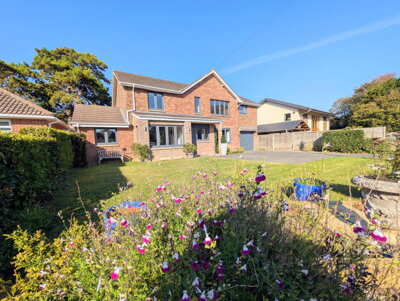
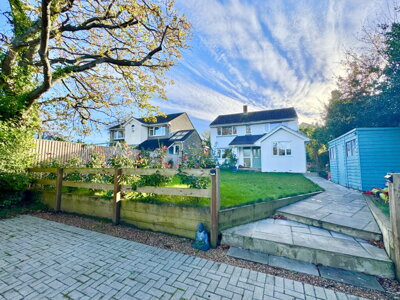
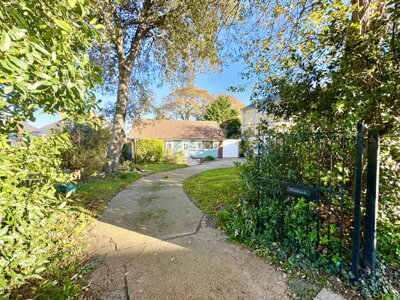
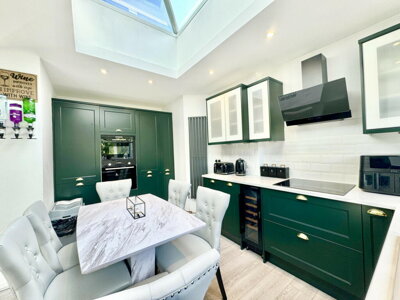
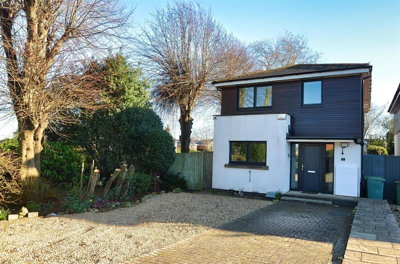
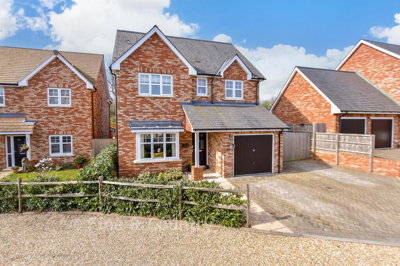
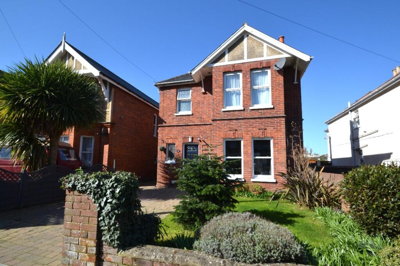
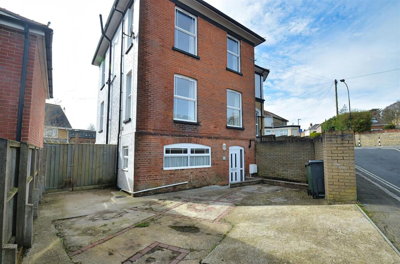
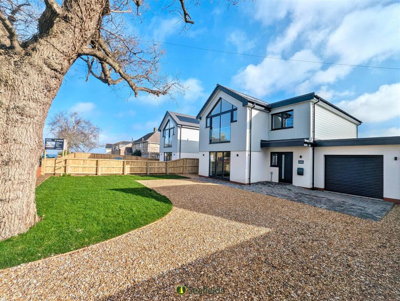
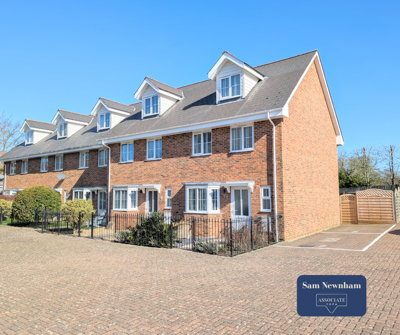
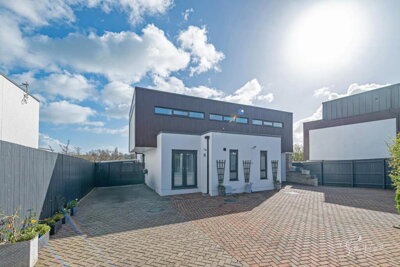
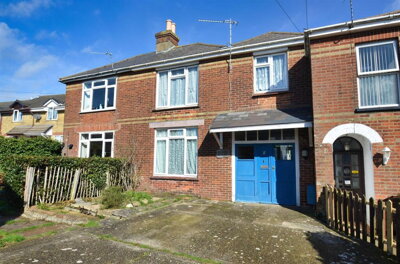
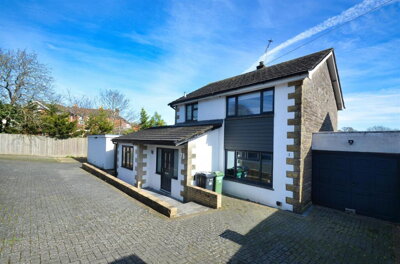
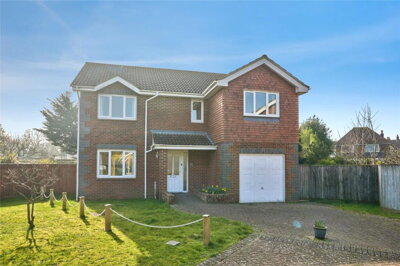
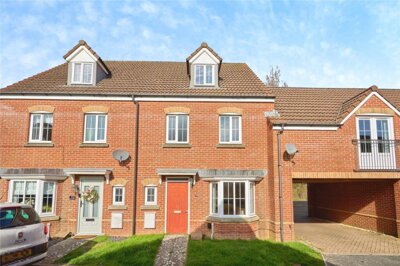
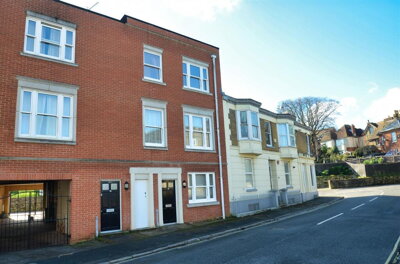
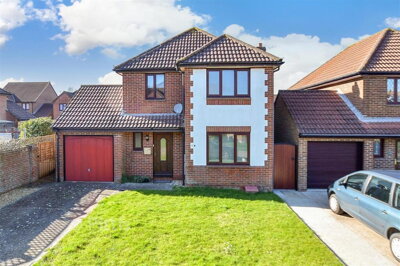
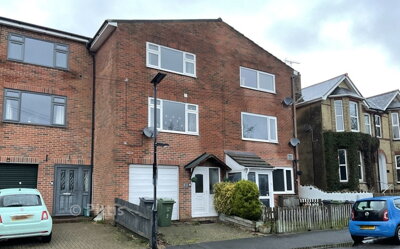
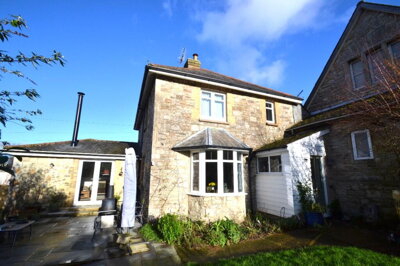
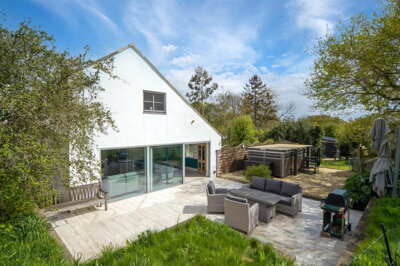
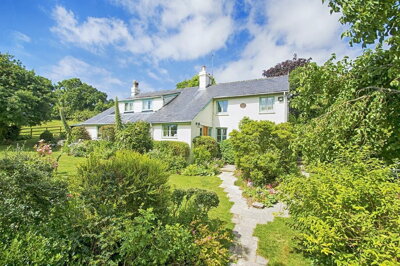
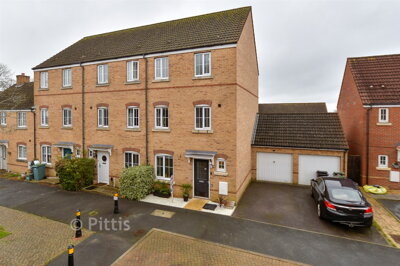
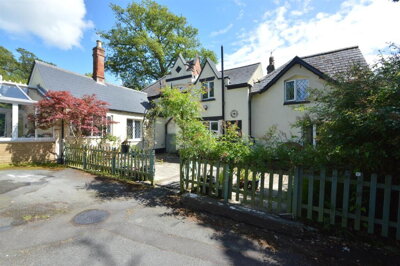
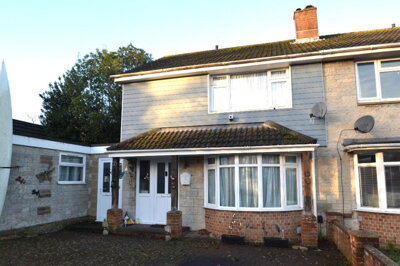
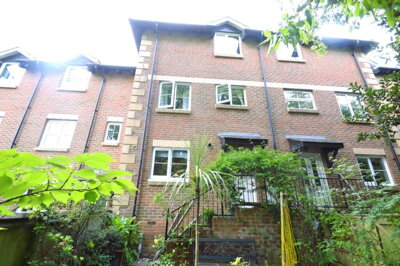
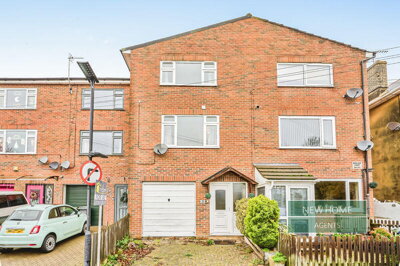
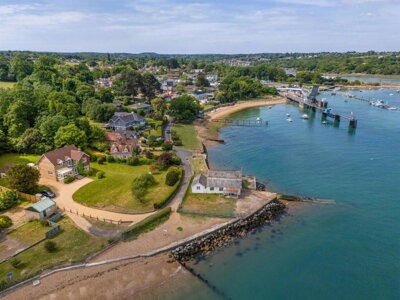
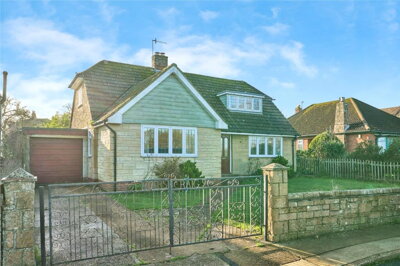
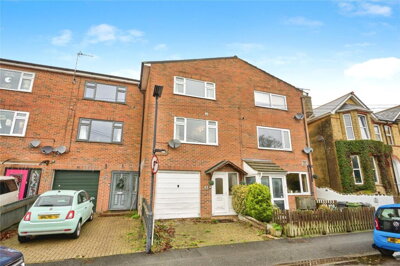
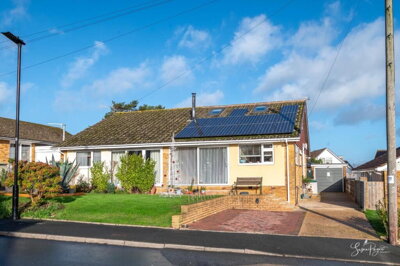
Browse 91 homes for sale in Ryde, Isle of Wight from local estate agents.
The larger property sector typically features multiple bathrooms, substantial reception space, and private gardens or off-street parking. Four bedroom houses in Ryde span detached, semi-detached, and occasionally terraced configurations, with styles ranging from period properties to modern executive homes.
£395k
34
3
166
Source: home.co.uk
Showing 34 results for 4 Bedroom Houses for sale in Ryde, Isle of Wight. 3 new listings added this week. The median asking price is £394,975.
Source: home.co.uk
Detached
18 listings
Avg £483,331
Semi-Detached
9 listings
Avg £374,444
Terraced
7 listings
Avg £279,993
Source: home.co.uk
Source: home.co.uk
The Ryde property market presents a compelling opportunity for buyers in 2024-25, with the average sold house price standing at approximately £242,394 according to recent Land Registry data. The area has experienced a modest cooling period, with sold prices falling 3.9-6% compared to the previous year and asking prices declining by 2.8% over the past six months. This shift creates favourable conditions for those looking to enter the market or upgrade to larger properties, particularly in a location that offers the unique combination of island living with excellent mainland connections.
Property types in Ryde cater to a wide range of budgets and preferences. Detached properties command the highest prices, with recent sales averaging £410,302 and asking prices around £425,000. Semi-detached homes represent strong value at approximately £270,989 for sold properties, while the terraced housing stock offers more affordable options averaging £210,000. Flats remain the most accessible entry point to the Ryde market, with sold prices averaging £154,491 and some units available from just £115,500. The current listing mix shows approximately 89 detached properties, 51 semi-detached homes, 37 terraced houses, and 74 flats available, giving buyers substantial choice across all property types.
For buyers focused on specific postcodes, the PO33 area shows slightly different patterns with detached properties averaging £394,803 and semi-detached properties at £260,584. The variation between sold prices and asking prices indicates room for negotiation in the current market, making it an opportune time to make offers below asking price particularly on properties that have been on the market for several months. Properties near the beachfront along The Esplanade and Dover Street tend to attract premiums due to their sea views and proximity to the water, while properties on the higher ground around Park Road and High Park Road offer elevated positions with views across the Solent.

Ryde stands as one of the largest towns on the Isle of Wight, offering residents a delightful blend of coastal living and practical amenities. The town centre features an elegant esplanade, boutique shops, cafes, and restaurants that come alive during the summer months when tourists flock to enjoy the sandy beaches and waterfront activities. The Georgian heritage remains evident throughout the town, with handsome period properties lining the residential streets and contributing to Ryde's distinctive architectural character. Living in Ryde means waking up to sea views and having the Solent as your permanent backdrop.
The local economy benefits significantly from tourism, sailing facilities, and leisure activities centred around the coast. Bembridge Sailing Club, one of the oldest in the country, calls this stretch of the Solent home, attracting sailing enthusiasts from across the UK. The town's strategic position on the north-east coast of the Isle of Wight means residents enjoy relatively easy access to ferry services connecting to the mainland at Portsmouth and Southsea. For daily needs, residents have access to supermarkets, independent retailers, healthcare facilities, and a range of recreational amenities including parks, sports clubs, and cultural venues.
The residential character of Ryde varies considerably depending on location, from the vibrant seafront areas with their Victorian and Edwardian architecture to quieter residential streets inland. Areas like Union Street and Scholar's Road feature characterful period cottages and larger family homes, while newer developments around Pellston Road and Appley Park offer modern convenience with good-sized gardens. The conservation areas in Ryde help preserve the town's architectural heritage, with properties in these zones benefiting from their protected status even though this may restrict certain renovation options.
Families considering a move to Ryde will find a reasonable selection of educational establishments serving the local population. The town and surrounding area include primary schools catering to children from Reception through to Year 6, with several feeding into secondary schools in the wider Isle of Wight educational network. Parents should research individual school performance, recent Ofsted ratings, and catchment area boundaries when planning a purchase, as these factors can significantly impact schooling options and property values in specific streets. Properties in the catchment areas of sought-after primary schools such as those in the Lake and Summerfields areas often attract family buyers willing to pay a premium.
Secondary education in Ryde is complemented by sixth form colleges and further education facilities on the Isle of Wight, providing students with pathways to higher education and vocational qualifications. The island's relatively compact nature means that some families may consider schools slightly further afield, particularly for specialist subjects or particular educational approaches. St. Catherine's School and Ryde School with Upper Chine provide independent education options for families seeking alternatives to the state sector. When buying property in Ryde, we recommend visiting local schools, meeting with headteachers where possible, and confirming current admission policies with the Isle of Wight local education authority to ensure your chosen property falls within your preferred school's catchment area.
Higher education opportunities on the Isle of Wight are limited, with most students travelling to the mainland for university study. The ferry connections from Ryde make this practical for students commuting to universities in Portsmouth, Southampton, or beyond. Many families factor this into their decision-making, planning for the eventual need to support older children with university arrangements while enjoying the benefits of island life during the school years. The shorter crossing times on Wightlink services (22-45 minutes) mean students can potentially return home at weekends more easily than from more distant university towns.
One of Ryde's most significant advantages is its excellent ferry connections to the mainland, with regular services running from Ryde Pier Head to Portsmouth and Southsea. The Wightlink ferry service provides a convenient link for commuters and visitors alike, with journey times of approximately 22-45 minutes depending on the vessel. For those working in Portsmouth or Southampton, living in Ryde becomes a viable option when factoring in the relatively quick sea crossing combined with onward train connections from Portsmouth Harbour station to London and other major destinations. A season ticket combining ferry crossings and rail travel to London Waterloo can make daily commuting from Ryde surprisingly practical.
Within Ryde itself, local bus services connect residential areas to the town centre and beachfront, while the island's road network allows for straightforward driving to other towns including Newport, Cowes, and Freshwater. The South Western Railway branch line provides local train services connecting Ryde to other parts of the island, with stations at Ryde St. Johns Road and Ryde Pier Head serving different parts of the community. For those considering Ryde as a commuter base, we recommend calculating total door-to-door journey times during different hours and exploring the various season ticket and ferry pass options available for regular commuters. Cycling infrastructure has improved in recent years, and many residents enjoy the relatively flat terrain around Ryde for daily commutes and leisure rides along the coast.
For car owners, the ferry crossing to the mainland requires planning, with costs varying depending on frequency of travel and vessel type. The catamaran services offer faster crossings but may have less space for vehicles during peak periods. Many residents find that reduced commuting frequency, perhaps working from home three days per week, makes the island commute cost-effective and sustainable. Carrying capacity on ferries can be limited during summer holiday periods, so families with vehicles should plan ahead for peak travel times.
Start by exploring current property listings in Ryde and surrounding Isle of Wight areas. Understanding the local price ranges for different property types will help you set realistic expectations and identify good value when it arises. Consider factors like proximity to the beach, ferry connections, and school catchments that matter most to your household. Register with local estate agents in Ryde who often have access to properties before they appear on major portals.
Before arranging viewings, obtain a mortgage agreement in principle from a lender. This strengthens your position when making offers and demonstrates to sellers that you have financing secured. Local mortgage brokers familiar with Isle of Wight properties can often secure competitive rates and guide you through island-specific lending considerations including the logistics of property ownership on an island.
Once you have identified properties of interest, arrange viewings through Homemove or directly with local estate agents. Pay attention to property condition, especially in older Georgian properties where damp, roof condition, and electrical systems may require attention. Take measurements and photographs to help with your decision-making process. Given the coastal location, also check for signs of salt corrosion on external fixtures and any evidence of damp penetration in period properties.
Before committing to your purchase, we strongly recommend booking a RICS Level 2 Homebuyer Report for your new Ryde home. Given the prevalence of older properties in the area, a professional survey can identify defects such as damp, structural issues, or outdated electrics that may not be visible during viewings. Survey costs start from around £350-600 depending on property value and size. For listed buildings or properties over 100 years old, consider upgrading to a full RICS Level 3 Building Survey.
Once your offer is accepted, instruct a conveyancing solicitor to handle the legal aspects of your purchase. Your solicitor will conduct searches, handle land registry checks, and manage the transfer of funds through to completion. Conveyancing services are available from approximately £499 for standard transactions, though island properties may incur additional costs for local searches with the Isle of Wight Council.
The final steps involve signing contracts, paying your deposit, and coordinating with all parties for the completion day. Your solicitor will arrange the transfer of funds and registration of ownership with HM Land Registry. On completion, you will receive the keys to your new Ryde home. We recommend arranging buildings insurance from exchange of contracts to protect your investment.
Buyers considering properties in Ryde should be aware of several location-specific factors that can affect their investment. As a coastal town, certain areas may be susceptible to coastal and surface water flooding, particularly during high tides and storm events. We recommend requesting Flood Risk Report data during the conveyancing process and checking with the Isle of Wight Council regarding any flood mitigation measures in place for specific areas. Properties in known flood risk zones may face higher insurance premiums or restrictions on mortgage lending.
The Georgian heritage that makes Ryde so attractive also brings considerations for buyers. Many period properties will be listed or located within conservation areas, which can restrict permitted development rights and require planning permission for alterations. If you are considering renovations or extensions, verify the listing status of any property and consult with the Isle of Wight planning department before committing to a purchase. Properties along The Esplanade and areas near the harbour may be particularly affected by conservation considerations due to their historical significance and architectural character.
Older properties in Ryde may contain materials such as asbestos or present maintenance challenges that differ from modern construction, making professional surveys particularly valuable. Common defects found in the town's Georgian and Victorian housing stock include rising damp in solid floors, deterioration of lime mortar pointing, and timber issues in upper floor constructions. Flat roofs on period properties often require more frequent maintenance than their modern equivalents. Electrical systems in older properties may pre-date modern safety standards and require updating before purchase or as a condition of mortgage lending.

The average house price in Ryde, Isle of Wight currently ranges from £231,000 to £269,369 depending on the data source and methodology used. Recent Land Registry data shows the average sold price at approximately £242,394 over the past year, with 256 residential property sales recorded. Property types vary significantly in price, with detached homes averaging around £410,302, semi-detached properties at £270,989, terraced houses at £210,000, and flats starting from £115,500. The PO33 postcode area shows slightly lower averages at £233,954 overall, with detached properties at £394,803 and flats around £139,585.
Council tax bands in Ryde are set by the Isle of Wight Council and follow the standard England banding system from A through to H. Most properties in Ryde fall within bands A through D, with older Georgian properties and larger family homes potentially falling into higher bands due to their size and historic character. Flats and smaller terraced properties typically occupy bands A or B, while substantial detached houses near the seafront may be in band D or above. You can check the specific band for any property through the Isle of Wight Council website or your solicitor during the conveyancing process.
Ryde offers several primary schools serving the local community, with the specific "best" school depending on individual family circumstances, religious preferences, and admission criteria. Parents should research individual school Ofsted reports, visit schools where possible, and check current catchment area boundaries with the Isle of Wight local education authority, as these can change and may affect which properties are suitable for your family. Secondary education options include schools in Ryde and nearby towns, with further education available at sixth form colleges on the island including the Isle of Wight College in Newport.
Ryde benefits from excellent ferry connections to the mainland, with Wightlink services running from Ryde Pier Head to Portsmouth and Southsea with journey times of 22-45 minutes depending on the vessel type. Within the island, Southern Vectis operates bus services connecting Ryde to other towns including Newport, Cowes, and Ventnor. Ryde also has a branch line railway station connecting to the island's rail network at Ryde St. Johns Road. The ferry services make commuting to Portsmouth or Southampton feasible for those working on the mainland, with Portsmouth Harbour station offering direct trains to London Waterloo.
Ryde offers several attractions for property investors, including relatively affordable prices compared to mainland south coast alternatives, strong rental demand from island workers and seasonal visitors, and the emotional appeal of coastal and heritage properties. The Isle of Wight tourism industry supports short-term rental opportunities through platforms like Airbnb, while the island's popularity with retirees creates demand for smaller properties and assisted living accommodation. However, investors should consider the seasonal nature of tourism income, potential void periods during winter months, and the relatively slower pace of capital growth compared to major urban areas. Management costs on the island can also be higher due to travel logistics for contractors.
For standard residential purchases, stamp duty (SDLT) rates are 0% on the first £250,000, 5% on £250,001 to £925,000, 10% on £925,001 to £1.5 million, and 12% on any amount above £1.5 million. First-time buyers benefit from relief on the first £425,000 at 0%, with 5% charged between £425,001 and £625,000. Given the average property price in Ryde sits around £231,000-£270,000, most buyers would pay little or no stamp duty on their purchase, making this an attractive feature of the local market for those entering the property ladder.
As a coastal town on the Solent, Ryde has areas susceptible to coastal flooding and surface water flooding, particularly during high tides and extreme weather events. Properties near the seafront, esplanade, or low-lying areas carry higher flood risk than those on elevated ground in areas such as High Park Road or Pond Nook. We recommend requesting a detailed Flood Risk Report during the conveyancing process and checking whether the property has any previous flood history with the estate agent and vendor. Properties in high-risk areas may face higher insurance costs or specific mortgage lending conditions, and this should be factored into your offer and negotiation strategy.
Ryde has a significant number of listed buildings, particularly Georgian and Victorian properties that contribute to the town's distinctive character. The conservation areas in Ryde protect the architectural heritage of the town centre and residential streets with period properties. Listed buildings are graded from Grade II to Grade II*, with a small number potentially Grade I, requiring specialist consideration when purchasing. If you are considering a listed property, budget for potentially higher maintenance costs and the need for planning permission for alterations using appropriate materials and techniques approved by the Isle of Wight conservation team.
Understanding the full costs of buying property in Ryde is essential for budgeting effectively. The most significant upfront cost is stamp duty, which for properties at Ryde's average price point of £231,000-£270,000 would typically fall within the lower SDLT bands. First-time buyers purchasing properties up to £425,000 would pay zero stamp duty on the first £425,000, making this threshold particularly advantageous for those entering the property market. For standard purchases above £250,000, the 5% rate applies to the portion between £250,001 and £925,000.
Beyond stamp duty, buyers should budget for solicitor conveyancing costs starting from around £499 for standard transactions, with additional costs for local searches, land registry fees, and electronic money transfer charges typically ranging from £200-£400. A RICS Level 2 Homebuyer Report costs from £350 depending on property value and size, while a full Building Survey for older Georgian properties may cost £600-1,000 or more due to the complexity of assessing period construction. Mortgage arrangement fees vary by lender but commonly range from 0-2% of the loan amount.
Island-specific costs to factor in include potential ferry charges for transporting furniture and belongings to the island, which can add several hundred pounds for larger moves. Surveyors and contractors may charge premium rates for work on the island due to travel costs, so emergency repairs or renovation projects should budget accordingly. We recommend setting aside an additional 5-10% of the purchase price to cover these ancillary costs and any unexpected issues identified during survey or conveyancing processes.
Properties for Sale In London

Properties for Sale In Plymouth

Properties for Sale In Liverpool

Properties for Sale In Glasgow

Properties for Sale In Sheffield

Properties for Sale In Edinburgh

Properties for Sale In Coventry

Properties for Sale In Bradford

Properties for Sale In Manchester

Properties for Sale In Birmingham

Properties for Sale In Bristol

Properties for Sale In Oxford

Properties for Sale In Leicester

Properties for Sale In Newcastle

Properties for Sale In Leeds

Properties for Sale In Southampton

Properties for Sale In Cardiff

Properties for Sale In Nottingham

Properties for Sale In Norwich

Properties for Sale In Brighton

Properties for Sale In Derby

Properties for Sale In Portsmouth

Properties for Sale In Northampton

Properties for Sale In Milton Keynes

Properties for Sale In Bournemouth

Properties for Sale In Bolton

Properties for Sale In Swansea

Properties for Sale In Swindon

Properties for Sale In Peterborough

Properties for Sale In Wolverhampton

Enter your details to see if this property is within your budget.
Loans, cards, car finance
Estimated property budget
Borrowing + deposit
You could borrow between
Typical borrowing
Monthly repayment
Est. at 4.5%
Loan-to-value
This is an estimate only. Your actual budget may vary depending on interest rates, credit history, and personal circumstances. For an accurate affordability assessment, speak to one of our free mortgage advisors.
This calculator provides estimates for illustrative purposes only and does not constitute financial advice. Your home may be repossessed if you do not keep up repayments on your mortgage. Estimates based on 4.5% interest rate, repayment mortgage. Actual rates depend on your circumstances.
Homemove is a trading name of HM Haus Group Ltd (Company No. 13873779, registered in England & Wales). Homemove Mortgages Ltd (Company No. 15947693) is an Appointed Representative of TMG Direct Limited, trading as TMG Mortgage Network, which is authorised and regulated by the Financial Conduct Authority (FRN 786245). Homemove Mortgages Ltd is entered on the FCA Register as an Appointed Representative (FRN 1022429). You can check registrations at NewRegister or by calling 0800 111 6768.

We use cookies to show you personalised content and improve your experience of our website. Find out more in our Privacy policy and Cookie policy.