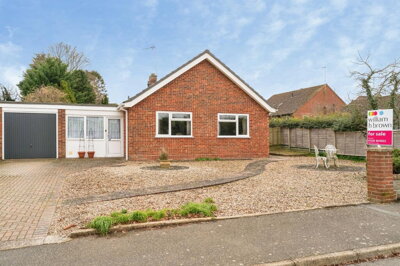
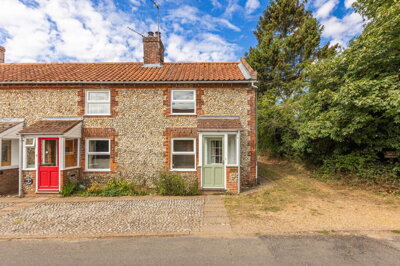
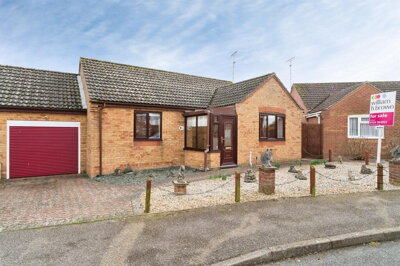
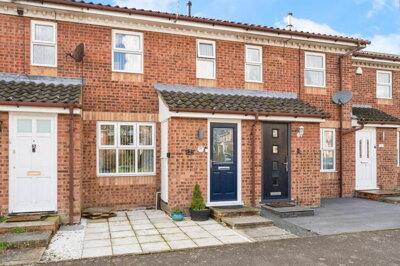
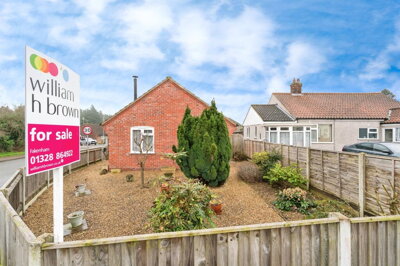
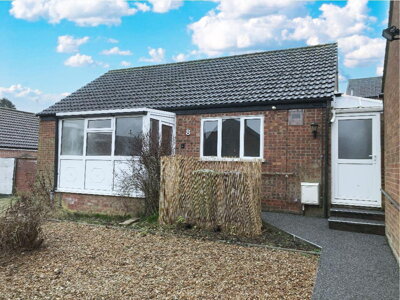
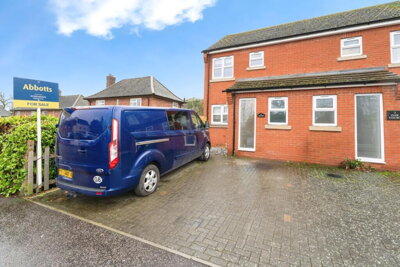
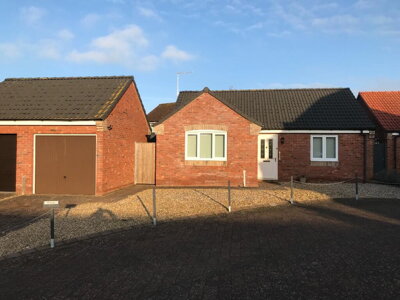
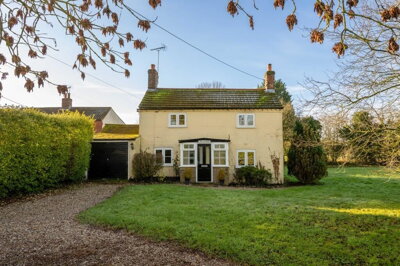
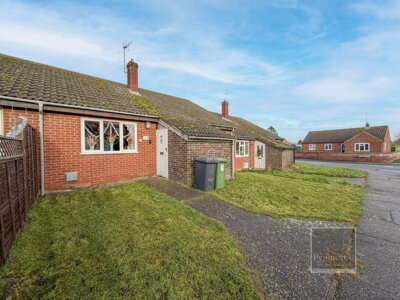
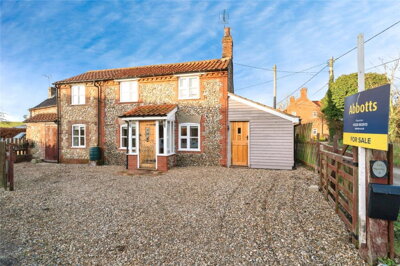
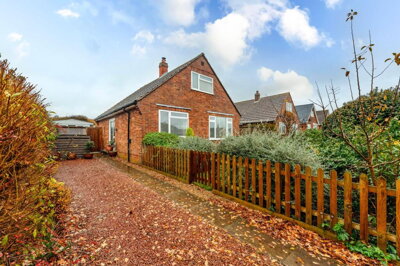
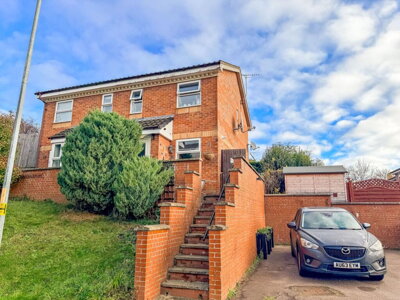
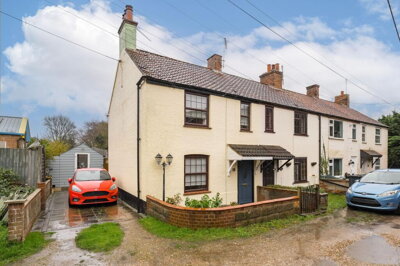
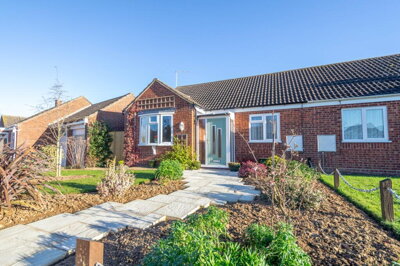
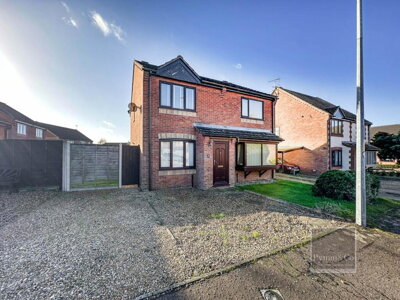
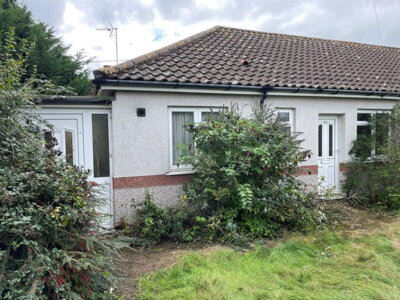
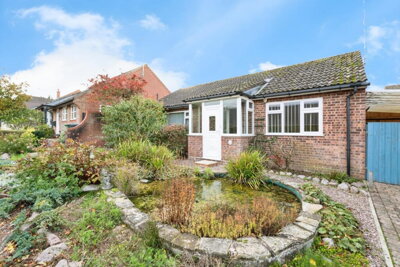
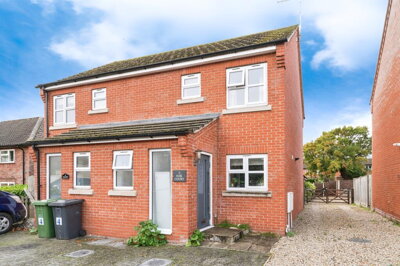
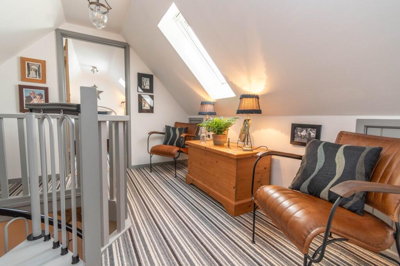
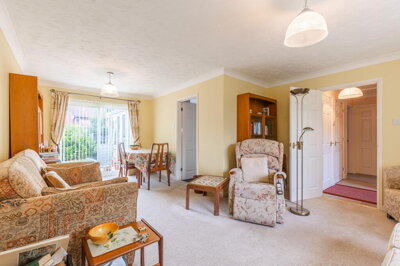
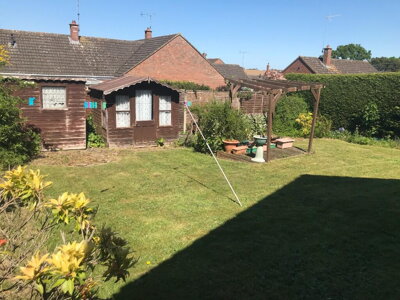
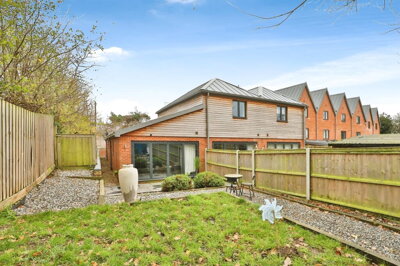
Browse 23 homes for sale in Ryburgh, North Norfolk from local estate agents.
The 2 bed house market features detached, semi-detached, and terraced properties with two separate bedrooms plus living spaces. Properties in Ryburgh range from Victorian and Edwardian period homes to modern new builds, with pricing varying across different neighbourhoods.
£290k
1
0
95
Source: home.co.uk
Showing 1 results for 2 Bedroom Houses for sale in Ryburgh, North Norfolk. The median asking price is £290,000.
Source: home.co.uk
Detached
1 listings
Avg £290,000
Source: home.co.uk
Source: home.co.uk
The Ryburgh property market reflects the village's status as a desirable North Norfolk location. Detached properties command the highest prices, averaging £340,333 over the past year, while semi-detached homes typically sell for around £210,000. These figures demonstrate the premium that buyers place on space and privacy in this rural setting, where properties with gardens and countryside views are highly prized. The market has shown resilience, with prices sitting 5% above the 2022 peak of £293,068 despite a modest 5% annual decline.
Property types in Ryburgh include charming terraced cottages, substantial detached family homes, and traditional brick-and-flint residences that characterise the village's Conservation Area. The vernacular architecture, featuring local brick and flint construction methods, gives the village its distinctive appearance and contributes to its heritage value. While new-build development has been limited in recent years, proposals for additional housing near Station Road indicate some growth potential for the village. The high home ownership rate of 72.24% among residents underscores the stability and long-term investment appeal of the Ryburgh property market.

Life in Ryburgh offers a quintessentially English village experience set against the backdrop of Norfolk's stunning countryside. The River Wensum flows through the parish, providing beautiful riverside walks and contributing to the pastoral character that defines the village. The surrounding landscape consists of rolling farmland and meadows, perfect for outdoor enthusiasts who enjoy walking, cycling, and wildlife watching. The village pub, The Boar Inn, serves as a focal point for community gatherings and offers locally sourced food and drink. This historic inn, itself a listed building, has been serving villagers and visitors for generations and remains an important social hub.
The community spirit in Ryburgh is evident through various local initiatives and the active neighbourhood planning process that has shaped recent development decisions. Residents enjoy proximity to the market town of Fakenham, just 4 miles away, where they can access supermarkets, independent shops, healthcare facilities, and the monthly farmers' market. The coastal towns of Wells-next-the-Sea and Cromer are within easy driving distance, offering sandy beaches, seaside attractions, and excellent seafood restaurants. The combination of rural tranquility, strong community bonds, and access to Norfolk's natural beauty makes Ryburgh an enviable place to live.
The village economy is significantly shaped by the Crisp Malting works, a major local employer that has been producing malt for over two centuries. This substantial complex on Station Road represents one of the village's most enduring industries and influences both local employment and the character of the built environment. The malting works' presence brings some traffic through the village, but also provides an economic anchor that has helped sustain village services and community facilities over many years.

Families considering a move to Ryburgh will find several educational options available within the local area. The village is served by primary schools in surrounding villages and market towns, with OFSTED-registered settings providing education for children from reception through to Year 6. Parents should research specific school performance data and catchment area requirements when planning their move, as admission policies can be competitive in popular North Norfolk villages. Many families choose to supplement local provision with private schooling options available in Norwich and the broader Norfolk region.
Secondary education is available at schools in nearby Fakenham and surrounding towns, with many students travelling reasonable distances to access a broader range of GCSE and A-Level courses. The Ryburgh Neighbourhood Plan has highlighted the importance of maintaining and enhancing local services, including educational facilities, as part of sustainable village development. For families prioritising academic excellence and diverse subject options, the larger towns offer comprehensive secondary schools with strong track records. Further education colleges in Norwich provide extensive vocational and academic programmes for older students.
For families moving to Ryburgh from urban areas, the transition to rural schooling often involves longer journeys but offers significant benefits in terms of class sizes and community integration. Several village primary schools in the surrounding area have achieved good or outstanding OFSTED ratings in recent years, making them attractive options for families who value personalized attention and strong pastoral care alongside academic achievement.
Transport connectivity from Ryburgh combines rural charm with practical access to major destinations. The village sits approximately 4 miles southeast of Fakenham, which serves as the local hub for bus services connecting to Norwich, King's Lynn, and coastal towns along the Norfolk coast. The nearest railway stations are in Norwich and King's Lynn, offering connections to London Liverpool Street and Cambridge respectively. For commuters working in Norwich, the journey takes approximately 45 minutes by car under normal traffic conditions.
Road access from Ryburgh connects to the A148 King's Lynn to Cromer road, providing good links to the wider Norfolk road network. The village's location offers a balance between rural isolation and accessibility, with most daily amenities reachable within a short drive. Cyclists benefit from quiet country lanes and the emerging network of cycling routes throughout North Norfolk. Parking availability within the village is generally good, reflecting its low-density residential character. Many residents appreciate the relative lack of traffic compared to urban areas, contributing to the peaceful quality of life that defines village living.
Those considering commuting to Norwich should factor in the A47 trunk road, which provides a reasonably direct route from the Fakenham area into the city. Traffic congestion on this route during peak hours can extend journey times considerably, so prospective residents with city-based employment may wish to explore hybrid working options or alternative travel times. Norwich's park and ride facilities can be useful for those needing to access the city centre, with sites at the edge of the city offering convenient public transport options into the heart of the city.
Start by exploring current listings in Ryburgh to understand available properties, price ranges, and what's included. Average prices range from £210,000 for semi-detached homes to £340,333 for detached properties. Consider engaging a local estate agent who knows the North Norfolk market intimately. Properties in Ryburgh often feature traditional brick-and-flint construction, so understanding these materials and their maintenance requirements will help you evaluate listings more effectively.
Before viewing properties, obtain a mortgage agreement in principle from a lender. This strengthens your position when making offers and demonstrates you're a serious buyer with financing secured. Our mortgage partners can help you compare rates and find the best deal for your circumstances. Given the traditional nature of many Ryburgh properties, some lenders may have specific requirements for older homes, so it's worth discussing this with your broker early in the process.
Visit properties that match your criteria, paying attention to the condition of historic features, brick-and-flint construction quality, and any signs of damp or structural issues. Given Ryburgh's Conservation Area status, note any planning restrictions that might affect your plans. The village's 264 households means the property market moves relatively slowly compared to urban areas, so building good relationships with local estate agents can give you an advantage when new properties come to market.
For most properties in Ryburgh, a Level 2 survey is recommended to identify any defects before purchase. Given the village's older housing stock, this survey can reveal issues with traditional construction methods, timber elements, and historic features that require specialist attention. Our inspectors have extensive experience surveying brick-and-flint properties throughout North Norfolk and understand the common defects found in older rural homes.
Choose a conveyancing solicitor to handle the legal aspects of your purchase, including searches, contracts, and land registry transfers. They will liaise with your mortgage lender and the seller's solicitor throughout the transaction. A solicitor with experience in North Norfolk properties will be familiar with local issues such as flood risk reports for properties near the River Wensum and any planning conditions relating to the Conservation Area.
Once all searches are satisfactory and financing is confirmed, you will exchange contracts and pay your deposit. Completion typically follows within days or weeks, when you will receive your keys and become the official owner of your new Ryburgh home. The tight-knit nature of the village community means that completing your purchase is just the beginning of your journey - many new residents find that neighbours are quick to welcome newcomers and that village life offers rich opportunities for social connection.
Understanding the traditional construction methods used in Ryburgh properties is essential for any prospective buyer. The village's Conservation Area status reflects the significance of its vernacular architecture, which predominantly features brick-and-flint construction dating from various periods. Flint nodules extracted from the local chalk geology were combined with handmade bricks to create the distinctive walls that define the village's character. These materials require different maintenance approaches than modern cavity wall construction, with lime-based mortars and pointing being essential for preserving the breathability of traditional walls.
Many properties in Ryburgh feature solid walls rather than the cavity insulation standard in modern construction. Solid walls, while offering excellent thermal mass, can be more susceptible to penetrating damp if not properly maintained and may present challenges when considering insulation improvements. Our surveyors regularly identify issues in older Ryburgh properties including failed original lime pointing, areas of historic brick replacement using inappropriate modern materials, and timber elements affected by damp or woodworm. A thorough Level 2 survey will identify these issues before you commit to purchase.
The Grade II* listed Church of St Andrew represents the finest example of local building traditions, featuring dressed stone, flint, and brick in its construction. Historical records show that repairs to this church have involved "Lyme" (lime) for pointing and significant quantities of bricks, illustrating the long history of maintaining traditional buildings in this area. When purchasing listed properties in Ryburgh, owners must obtain consent for any alterations that might affect the building's character, making it important to understand these obligations before completing your purchase.
Buying property in Ryburgh requires attention to several area-specific considerations that differ from urban property purchases. The village's Conservation Area status means that exterior alterations, extensions, and certain improvements may require planning permission from North Norfolk District Council. Prospective buyers should consult the local planning portal and the Ryburgh Neighbourhood Plan to understand what developments are permitted. These restrictions protect the village's character but may limit your ability to make significant changes to a property.
Flood risk is a genuine consideration for properties in Ryburgh due to the River Wensum's presence through the parish. A property in or near the flood plain may face higher insurance premiums and potential access restrictions during flood events. Always request flood risk reports during the conveyancing process and consider the proximity of any property to watercourses. The underlying geology of chalk bedrock with clay deposits can also affect ground conditions, so a thorough survey is advisable for older properties.
The village contains several listed buildings beyond the famous Church of St Andrew, including the Grade II listed Great Ryburgh War Memorial on the village green and The Boar Inn, both of which contribute to the protected character of the area. Properties near the malting works on Station Road may experience occasional heavy vehicle traffic associated with commercial operations, which is worth considering when evaluating different locations within the village. Understanding these local factors helps ensure your chosen property meets your expectations for peaceful rural living.
Understanding the full costs of buying property in Ryburgh extends beyond the purchase price to include stamp duty, survey fees, legal costs, and moving expenses. For a property priced at the village average of £307,750, stamp duty Land Transaction Tax would be nil for most buyers under current thresholds. First-time buyers purchasing at this price point would also pay no stamp duty, making Ryburgh an accessible option for those entering the property market. Buyers purchasing above £250,000 should budget accordingly for the 5% rate applied to the amount exceeding this threshold.
Additional costs to budget for include a RICS Level 2 survey, which typically costs between £375 and £500 for properties in the Norfolk area. This investment is particularly valuable in Ryburgh given the age of many properties and the prevalence of traditional brick-and-flint construction. Conveyancing fees generally start from around £499 for straightforward transactions, rising for leasehold properties or those with complex title issues. Search fees, land registry fees, and disbursements typically add several hundred pounds to legal costs. Mortgage arrangement fees, valuation fees, and broker charges should also be factored into your total budget when planning your purchase.
Moving costs for a rural location such as Ryburgh can include removal van hire, which varies depending on distance and volume of belongings. Setting up utilities, internet, and council tax accounts at your new property involves some administrative time but minimal cost. Buildings insurance must be in place from the point of completion, and contents insurance is advisable from move-in day. Setting a comprehensive budget before proceeding with your purchase ensures no unexpected financial surprises and allows you to focus on the excitement of securing your new home in this beautiful North Norfolk village.
For buyers purchasing traditional cottages or listed buildings in Ryburgh, additional costs may arise from specialist surveys or the need for historically appropriate restoration materials. Properties with significant maintenance requirements may need budgeting for immediate repairs following purchase. Our team can connect you with local tradespeople experienced in traditional building methods, helping you plan realistic budgets for any renovation work required.
The average sold house price in Great Ryburgh is £307,750 over the past year. Detached properties average £340,333, while semi-detached homes typically sell for around £210,000. Prices have shown resilience, sitting approximately 5% above the 2022 peak of £293,068 despite modest annual fluctuations. The village's rural character, Conservation Area status, and proximity to the Norfolk coast contribute to sustained demand for properties in this sought-after location.
Properties in Ryburgh fall under North Norfolk District Council's jurisdiction for council tax purposes. Bands range from A through H depending on property value, with most traditional cottages and family homes typically falling in bands B to D. Exact bands can be verified through the Valuation Office Agency website or your solicitor during conveyancing searches. Given the mix of property ages and sizes in the village, council tax bands can vary significantly between adjacent properties, so it's worth checking the specific band for any property you are considering.
Ryburgh is served by local primary schools in surrounding villages and the nearby market town of Fakenham, which is just 4 miles away. Parents should check current OFSTED ratings and catchment area boundaries when considering schools, as these can change and vary by property address. Secondary education options include schools in Fakenham and further afield, with comprehensive schools offering GCSE and A-Level programmes. Norwich provides additional private schooling options for families seeking alternative educational settings. Many families in Ryburgh value the smaller class sizes and community feel of local village schools, where teachers often know pupils and their families personally.
Public transport options from Ryburgh are limited but functional. The nearest bus services operate from Fakenham, connecting to Norwich, King's Lynn, and coastal destinations along the North Norfolk coast. The nearest railway stations are in Norwich and King's Lynn, offering services to London, Cambridge, and the wider rail network. Most residents rely on private vehicles for daily commuting and errands, with the village being approximately 4 miles from Fakenham and around 45 minutes' drive from Norwich. Car ownership rates in the village are correspondingly high compared to urban areas.
Ryburgh offers strong investment potential due to limited housing supply, high home ownership rates of over 72%, and continued demand for rural Norfolk properties. The village's Conservation Area status and heritage buildings help maintain property values, while the proximity to popular coastal destinations enhances appeal. New development has been restricted, which supports existing property values. However, buyers should consider the limited rental market and the impact of flood risk on certain properties when evaluating investment potential. The village's small population of approximately 718 residents means the market is relatively illiquid, so longer holding periods may be necessary when selling.
Stamp duty rates for 2024-25 are 0% on the first £250,000 of property value, 5% on £250,001 to £925,000, 10% on £925,001 to £1.5 million, and 12% above £1.5 million. First-time buyers benefit from 0% on the first £425,000 and 5% on £425,001 to £625,000. Given the average Ryburgh property price of £307,750, most buyers would pay no stamp duty or only a minimal amount under current thresholds. This makes the village particularly attractive for first-time buyers who may be purchasing with smaller deposits and lower overall budgets.
As a designated Conservation Area, Ryburgh has specific planning controls that go beyond standard permitted development rights. External alterations to properties, including window replacements, roof changes, and exterior painting, may require consent from North Norfolk District Council. The Ryburgh Neighbourhood Plan, made in June 2021, provides additional guidance on what types of development are considered appropriate for the village. Any buyer considering changes to a property should consult both documents before proceeding, as breaches of conservation area controls can result in enforcement action and requirements to restore original features.
Properties for Sale In London

Properties for Sale In Plymouth

Properties for Sale In Liverpool

Properties for Sale In Glasgow

Properties for Sale In Sheffield

Properties for Sale In Edinburgh

Properties for Sale In Coventry

Properties for Sale In Bradford

Properties for Sale In Manchester

Properties for Sale In Birmingham

Properties for Sale In Bristol

Properties for Sale In Oxford

Properties for Sale In Leicester

Properties for Sale In Newcastle

Properties for Sale In Leeds

Properties for Sale In Southampton

Properties for Sale In Cardiff

Properties for Sale In Nottingham

Properties for Sale In Norwich

Properties for Sale In Brighton

Properties for Sale In Derby

Properties for Sale In Portsmouth

Properties for Sale In Northampton

Properties for Sale In Milton Keynes

Properties for Sale In Bournemouth

Properties for Sale In Bolton

Properties for Sale In Swansea

Properties for Sale In Swindon

Properties for Sale In Peterborough

Properties for Sale In Wolverhampton

Enter your details to see if this property is within your budget.
Loans, cards, car finance
Estimated property budget
Borrowing + deposit
You could borrow between
Typical borrowing
Monthly repayment
Est. at 4.5%
Loan-to-value
This is an estimate only. Your actual budget may vary depending on interest rates, credit history, and personal circumstances. For an accurate affordability assessment, speak to one of our free mortgage advisors.
This calculator provides estimates for illustrative purposes only and does not constitute financial advice. Your home may be repossessed if you do not keep up repayments on your mortgage. Estimates based on 4.5% interest rate, repayment mortgage. Actual rates depend on your circumstances.
Homemove is a trading name of HM Haus Group Ltd (Company No. 13873779, registered in England & Wales). Homemove Mortgages Ltd (Company No. 15947693) is an Appointed Representative of TMG Direct Limited, trading as TMG Mortgage Network, which is authorised and regulated by the Financial Conduct Authority (FRN 786245). Homemove Mortgages Ltd is entered on the FCA Register as an Appointed Representative (FRN 1022429). You can check registrations at NewRegister or by calling 0800 111 6768.

We use cookies to show you personalised content and improve your experience of our website. Find out more in our Privacy policy and Cookie policy.