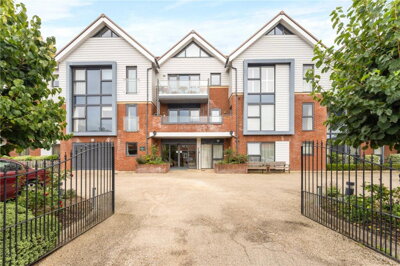
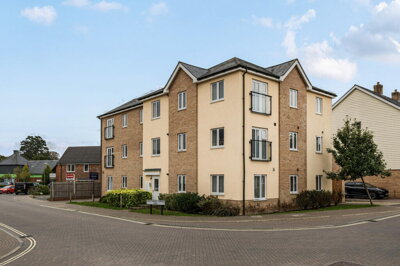
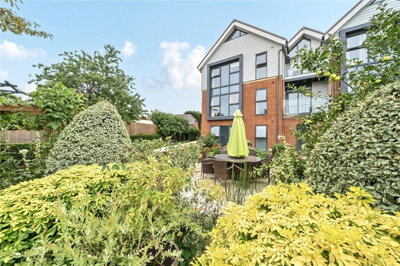
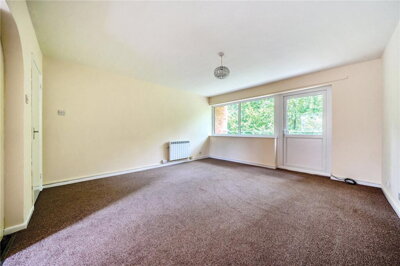
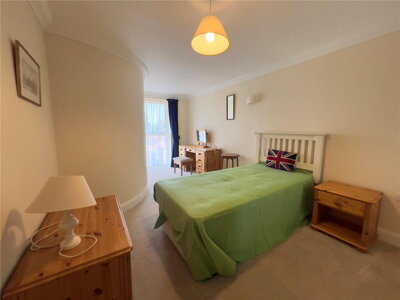
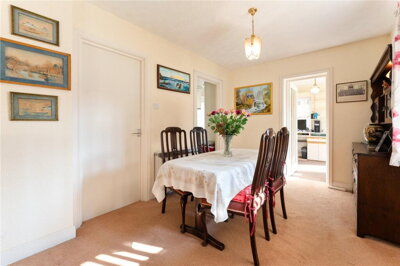
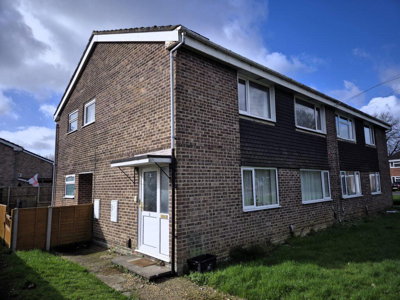
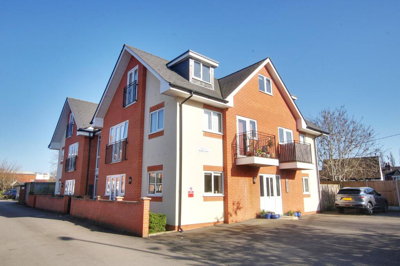
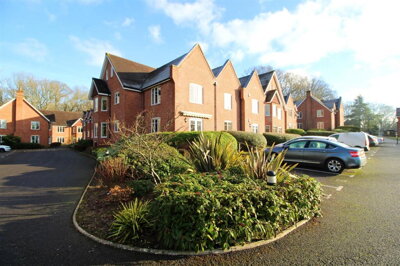
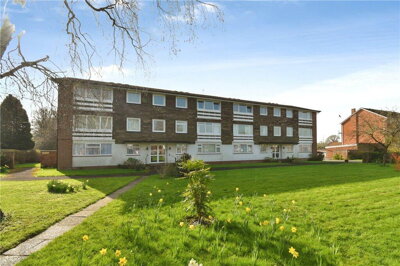
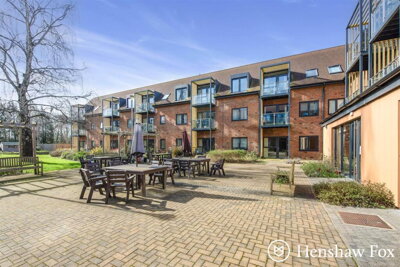
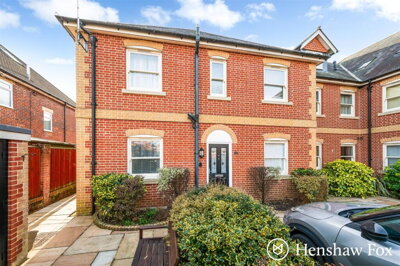
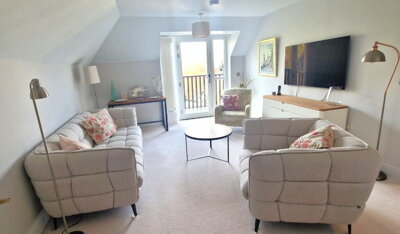
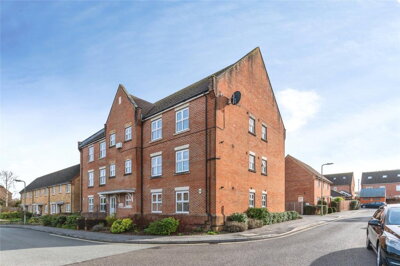
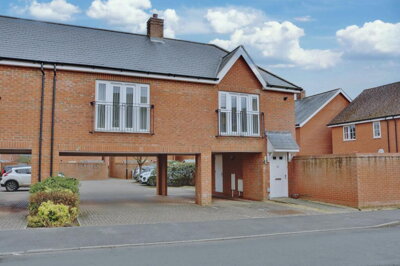
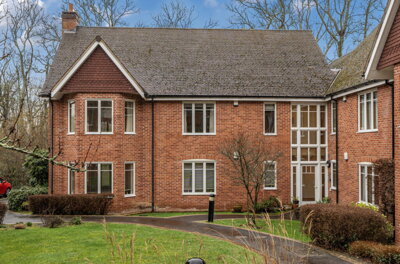
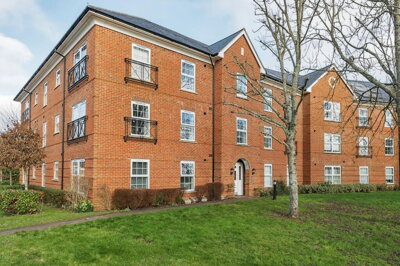
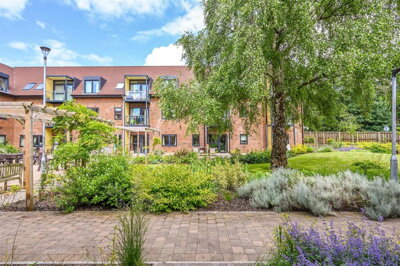
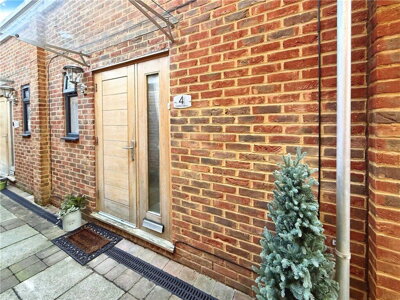
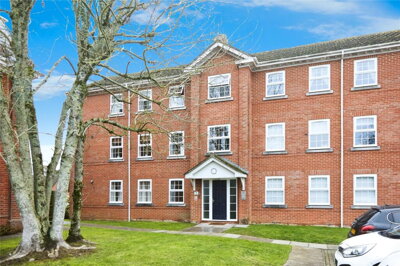
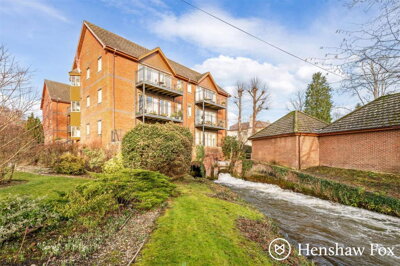
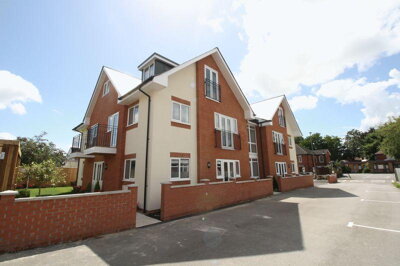
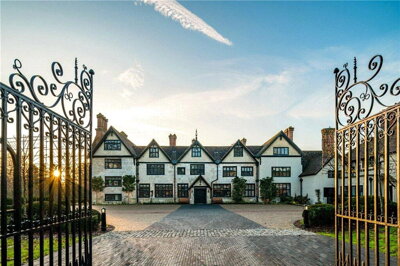
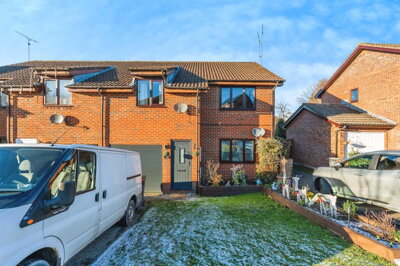
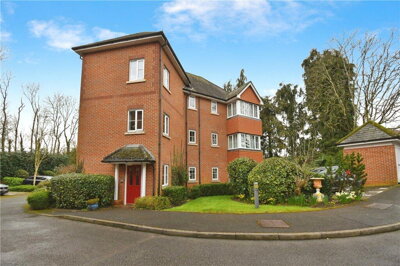
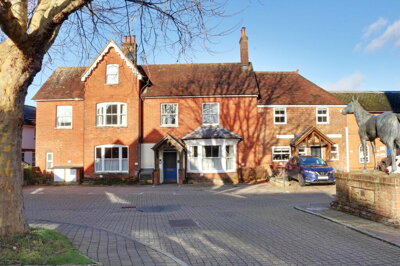
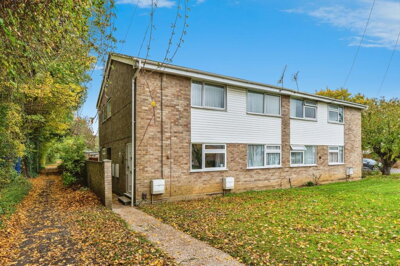
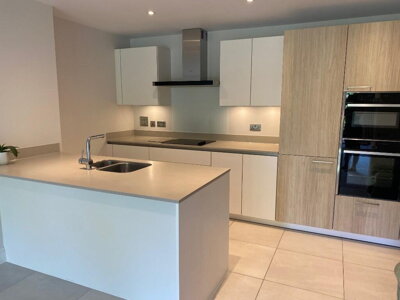
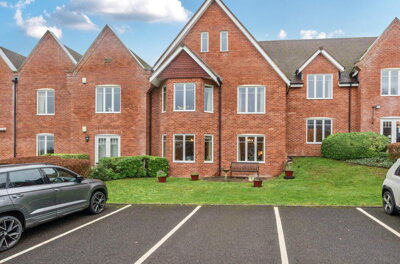
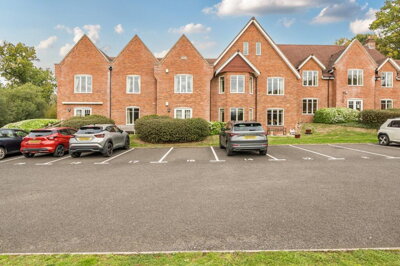
Browse 61 homes for sale in Romsey, Test Valley from local estate agents.
The 2 bed flat sector typically includes two separate bedrooms, dedicated living areas, and bathroom facilities. Properties in Romsey span purpose-built blocks, converted period houses, and modern apartment complexes on various floors.
£275k
7
0
133
Source: home.co.uk
Showing 7 results for 2 Bedroom Flats for sale in Romsey, Test Valley. The median asking price is £275,000.
Source: home.co.uk
Flat
7 listings
Avg £284,286
Source: home.co.uk
Source: home.co.uk
The Dalham property market has demonstrated remarkable resilience and growth in recent years, with house prices increasing by 16.3% over the past twelve months according to PropertyResearch.uk data. The median sale price in 2025 stood at £600,000 across five recorded sales, predominantly consisting of detached family homes. Rightmove data confirms an overall average price of £737,500 for properties sold in the village over the past year, while Zoopla reports an average sold price of £783,750, reflecting the premium nature of this sought-after location. The diversity between these figures reflects the mix of property types available, from compact period cottages to substantial country houses.
Historical market analysis reveals that Dalham has experienced significant value appreciation over time, with overall sold prices 39% higher than the previous year. However, prices remain 17% below the 2018 peak of £885,000, suggesting potential for future growth as demand continues to outstrip supply in this limited market. The village's housing stock is characterised by substantial detached properties and traditional cottages, with no new build developments recorded within the village itself in recent decades. Properties in the CB8 8TQ postcode area show that none of the residential properties sold since 1995 have been new builds or newly converted, making any new listing particularly noteworthy in this supply-constrained market.
The scarcity of new development in Dalham underscores the importance of understanding property values in the context of the existing housing stock. When a property does become available, it typically attracts significant interest from buyers seeking to enter this exclusive village market. Our local estate agent partners report that properties in Dalham frequently sell above asking price, particularly those with exceptional views, larger gardens, or historically significant features. For buyers, this means acting quickly when a suitable property appears and having your financing arranged in advance.

Life in Dalham offers a rare opportunity to become part of a close-knit rural community while enjoying access to some of Suffolk's most beautiful countryside. The village sits in a picturesque valley carved by the River Kennett, surrounded by rolling farmland and ancient woodlands that form part of the wider Suffolk landscape. The 2021 Census recorded a population of 212 residents across approximately 97 households, creating an intimate village atmosphere where neighbours know one another and community spirit flourishes naturally. This small population size means that new residents are quickly welcomed into village life, whether through the local pub, parish council activities, or community events.
The village owes much of its distinctive character to Dalham Hall and its associated stud, which is owned by Sheikh Mohammed bin Rashid Al Maktoum. This prestigious equestrian facility represents a significant local employer and economic contributor, adding an air of international prestige to this otherwise quintessentially English village. The presence of the stud farm has helped sustain local employment opportunities and contributes to the village's reputation as a centre of excellence for horse breeding and training. Residents enjoy access to miles of scenic countryside walks, with the River Kennett providing a focus for outdoor activities and wildlife observation throughout the year.
Daily life in Dalham is characterised by the rhythms of rural England, with the village pub serving as a focal point for social gatherings and the surrounding countryside offering endless opportunities for walking, cycling, and horse riding. The village's position between Bury St Edmunds and Newmarket means residents can easily access supermarkets, medical facilities, and specialist shops without enduring lengthy journeys. Newmarket, famous as the home of British horse racing, provides additional amenities including restaurants, hotels, and leisure facilities, while Bury St Edmunds offers a broader range of retail and cultural experiences including the historic Abbey Gardens and the Apex theatre.

Families considering a move to Dalham will find a selection of educational options available within reasonable travelling distance. As a small rural village, Dalham itself does not host a primary school, but the surrounding West Suffolk area offers several well-regarded primary schools in nearby villages and towns. The nearest primary education facilities are typically found in the villages surrounding Dalham, with school catchment areas determined by West Suffolk Council based on residency within specific geographic boundaries. Parents should research specific school catchment areas carefully, as admission policies can significantly impact which schools children can attend.
For secondary education, students often travel to schools in Bury St Edmunds or Newmarket, both of which offer a range of secondary schools and colleges including grammar school options. The county town of Suffolk provides several secondary schools including King Edward VI School, St Benedict's Catholic School, and Thurston Community College, the latter of which serves the surrounding villages including those in the CB8 postcode area. Parents should note that admission to oversubscribed schools is typically determined by distance from the school, with priority given to pupils with siblings already attending or those with specific medical or social needs.
The proximity to Newmarket, famous as the home of British horse racing, also provides access to specialist educational opportunities related to the equestrian industry, including further education programmes at the British Racing School. For families with children interested in equestrian pursuits, this connection provides unique opportunities that are rarely available in other rural locations. Families are advised to contact West Suffolk Council directly to confirm current catchment area arrangements and school admission policies before committing to a property purchase. Transport arrangements for secondary school students typically involve school bus services, though these may be limited for more remote properties within the Dalham parish boundary.
Despite its rural setting, Dalham benefits from relatively straightforward transport connections that link the village to major employment centres and amenities. The village sits between Bury St Edmunds to the north-west and Newmarket to the east, both of which offer regular bus services connecting residents to wider Suffolk and Cambridgeshire. The A14 trunk road runs nearby, providing direct access to Cambridge to the north-west and Ipswich to the south-east, making car travel the primary mode of transport for most Dalham residents. The journey to Cambridge typically takes around 45 minutes by car, while Ipswich is approximately one hour away.
Rail services are accessible from Newmarket, which offers direct connections to Cambridge and Ipswich, or from Bury St Edmunds, which provides services to London Liverpool Street via Cambridge. The journey time from Bury St Edmunds to London Liverpool Street is approximately one hour and forty minutes, positioning Dalham within reasonable commuting distance for those who work in the capital but prefer countryside living. However, the limited frequency of direct services means that commuters should carefully consider their working patterns and whether home working might be feasible for some days of the week.
For international travel, London Stansted Airport is approximately forty-five minutes away by car, offering flights across Europe and beyond. Birmingham Airport and London Gatwick are also accessible within approximately two hours for a broader range of destinations. Cyclists will appreciate the quiet country lanes surrounding Dalham, though the undulating Suffolk countryside presents some challenges for less experienced riders. The National Cycle Network passes through the region, offering routes to both Bury St Edmunds and Newmarket for those who prefer pedal power for shorter journeys.
Properties in Dalham present specific challenges that prospective buyers should understand before making a purchase. The village's predominantly old housing stock, with many properties dating to the 15th century or earlier, brings construction methods and materials that differ significantly from modern buildings. Traditional thatch roofing remains a defining feature of Dalham's architectural character, but this material requires specialist maintenance and carries specific risks including fire hazard, rot, and insect infestation if not properly cared for. We always recommend that our clients commission a thorough survey before proceeding with any purchase in this area.
Damp represents one of the most common issues encountered in Dalham's period properties. Rising damp, penetrating damp, and condensation can all affect older buildings constructed with traditional methods and materials. Properties featuring limewashed walls or brick and flint construction may have different requirements for moisture management compared to modern properties with cavity wall insulation. Our inspectors are experienced in assessing these traditional building techniques and can identify where remedial work may be needed to protect both the structure and the living environment.
The underlying geology of Suffolk, which includes chalk bedrock overlain by glacial tills, sands, and gravels, can present shrink-swell risks particularly for properties with shallow foundations. While specific shrink-swell risk data for Dalham requires detailed geological assessment, the age of many properties in the village means that some historic movement may have occurred over the centuries. Our surveyors will carefully examine walls, floors, and foundations for signs of subsidence or structural movement during any inspection. Additionally, timber defects including woodworm, dry rot, and wet rot can affect the structural integrity of older properties, making professional assessment essential before purchase.
Begin your property search by exploring current listings in Dalham and understanding recent sale prices. With detached homes averaging £600,000 and limited supply, gaining a clear picture of market values will help you make competitive offers when properties become available. Register with multiple estate agents and set up property alerts to ensure you are among the first to know when new properties are listed.
Before viewing properties, secure a mortgage agreement in principle from a lender. This demonstrates your financial credibility to sellers and estate agents, particularly important in a competitive market where multiple offers are common. Given the premium nature of properties in Dalham, larger loan amounts may be required, so it is worth consulting with a specialist broker who understands the rural property market.
Work with local estate agents to arrange viewings of suitable properties. Given the village's Conservation Area status and age of housing stock, viewing properties in person is essential to assess their condition and understand any planning restrictions that may apply. We recommend viewing properties multiple times and at different times of day to fully appreciate the setting, natural light, and any potential noise issues.
Before proceeding with any purchase, arrange a comprehensive RICS Level 2 Survey to identify any structural issues or defects. Properties in Dalham often feature traditional construction methods including thatch roofing, limewashed walls, and brick and flint, requiring specialist assessment from qualified surveyors familiar with older buildings. Our inspectors understand the specific challenges presented by period properties and will provide detailed advice on any remedial work required.
Once your offer is accepted, instruct a conveyancing solicitor to handle the legal aspects of your purchase. Your solicitor will conduct searches with West Suffolk Council, investigate the property's title, and manage the transfer of ownership. Given the Conservation Area status and potential listed building considerations, additional checks may be required to ensure no restrictions will affect your intended use of the property.
After all searches are satisfactory and contracts are signed, you will exchange deposits and agree on a completion date. On completion day, the remaining funds are transferred and you receive the keys to your new Dalham home. We recommend arranging buildings insurance to commence from the completion date, particularly for older properties that may require specialist coverage.
Purchasing property in Dalham requires careful consideration of several factors unique to this historic village setting. The Conservation Area designation means that any significant alterations, extensions, or demolitions will require planning permission from West Suffolk Council, often with more stringent requirements than standard applications. Prospective buyers should contact the council planning department to understand any restrictions that may affect their intended use or renovation plans for the property. Listed building consent may also be required for properties designated as Grade I, Grade II*, or Grade II, adding additional layers of consideration for those planning works.
The age of properties in Dalham, many of which date to the 15th century, brings both charm and potential challenges. Traditional construction features such as thatch roofing require specialist maintenance and insurance arrangements, while properties with limewashed or brick and flint walls may need different approaches to insulation and damp proofing compared to modern buildings. A thorough RICS Level 2 Survey is essential to identify any issues with timber defects, roof condition, or historic structural movement that may not be immediately apparent during viewings. We also recommend checking the condition of electrical systems and plumbing, as older properties frequently require updating to meet current standards.
The village's location in a valley along the River Kennett also warrants investigation regarding potential flood risk, and your solicitor should conduct appropriate environmental searches as part of the conveyancing process. While the village itself has not experienced significant flooding events in recent history, surface water and river flooding can occur in low-lying areas, particularly during periods of heavy rainfall. Your survey report will include an assessment of the property's vulnerability to flooding based on its specific location and elevation within the valley. Properties in the CB8 8TQ postcode area have been assessed by environmental searches, and your solicitor can provide full details of any flood risk data held for the specific property address.
Understanding the full cost of purchasing property in Dalham requires careful budgeting beyond the purchase price itself. The current Stamp Duty Land Tax thresholds for 2024-25 set the zero-rate band at £250,000 for standard buyers, rising to £425,000 for first-time buyers claiming relief. For a typical Dalham property priced around £737,500, a standard buyer would calculate stamp duty as 5% on £487,500, resulting in a tax liability of £24,375. First-time buyers would benefit from relief on the first £425,000, meaning 5% applies to the remaining £312,500, bringing the stamp duty cost down to £15,625.
Beyond stamp duty, purchasers should budget for solicitor conveyancing fees, which typically start from £499 for a standard transaction but may increase for more complex purchases involving listed buildings or properties within Conservation Areas. Survey costs should also be factored in, with a RICS Level 2 Survey for a typical Dalham property costing between £400 and £900 depending on the property's size and value. Given the age and construction complexity of many properties in Dalham, we recommend opting for the most comprehensive survey available to ensure all potential issues are identified before purchase.
Searches conducted by your solicitor, including local authority searches with West Suffolk Council, drainage and water searches, and environmental searches, typically cost between £250 and £500. Additional searches may be required for properties near watercourses or in areas with potential ground instability. Removal costs, mortgage arrangement fees, and potential renovation costs for period properties should also be considered when setting your total budget for moving to this attractive Suffolk village. Properties requiring updating to modern standards for electrical wiring, plumbing, or insulation may require significant investment, so our inspectors always recommend obtaining detailed cost estimates for any remedial works identified during the survey process.
Average house prices in Dalham stand at approximately £737,500 according to recent Rightmove data, while Zoopla reports an average sold price of £783,750. The 2025 median sale price for detached homes was £600,000 across five recorded transactions. House prices have increased by 16.3% over the past twelve months, though they remain 17% below the 2018 peak of £885,000. The premium pricing reflects the village's exceptional character, limited supply, and strong demand from buyers seeking rural Suffolk living. Properties in the CB8 8TQ postcode area show no new build activity since 1995, reinforcing the supply constraints that continue to support property values in this desirable location.
Properties in Dalham fall under West Suffolk Council's jurisdiction for council tax purposes. Specific band allocations depend on the property's assessed value as of April 1991. Period properties with historical features typically attract higher band ratings due to their size and character, with many Dalham properties falling into bands D through G. Prospective buyers should check the Valuation Office Agency website for specific band information on any property they are considering, as council tax costs will form part of their ongoing household expenditure. The current West Suffolk Council tax for a band D property is approximately £1,800 per year, though this varies by band.
As a small rural village, Dalham does not have its own primary or secondary school. Primary-aged children typically attend schools in nearby villages, with admission determined by catchment area and availability. The nearest primary schools are typically found within a 10-minute drive of the village, with options including Wickhambrook Primary Academy and Kedington Primary Academy. Secondary education options include schools in Bury St Edmunds and Newmarket, with the latter offering access to specialist equestrian-related educational programmes due to Newmarket's status as the home of British horse racing. Families should contact West Suffolk Council to confirm current catchment arrangements and school admission policies before purchasing property in the area.
Dalham is primarily served by local bus routes connecting the village to Bury St Edmunds and Newmarket, though services are limited compared to urban areas with typically one or two services per day on most routes. The nearest railway stations are in Newmarket and Bury St Edmunds, providing access to Cambridge and London Liverpool Street respectively. For most residents, car ownership is essential for daily commuting and accessing amenities. The A14 trunk road is readily accessible from Dalham, providing road connections to Cambridge, Ipswich, and the wider motorway network. The journey to Cambridge takes approximately 45 minutes by car, while Stansted Airport is reachable in around 45 minutes for international travel.
Dalham offers several attractive features for property investors seeking long-term returns. The village's Conservation Area status and lack of new build development suggest that property values are likely to remain stable or appreciate due to restricted supply. The presence of Dalham Hall stud, owned by Sheikh Mohammed bin Rashid Al Maktoum, contributes to local economic stability and prestige, reinforcing the village's reputation as a desirable residential location. Historical price data shows significant appreciation over time, with current prices 39% higher than the previous year. However, the small size of the village and limited rental demand may affect rental yields compared to larger towns. Any investment should be considered with a long-term view, focusing on the village's enduring appeal to buyers seeking rural character and heritage properties.
Stamp Duty Land Tax rates for 2024-25 are 0% on the first £250,000 of property value, 5% on the portion between £250,001 and £925,000, 10% on the portion between £925,001 and £1.5 million, and 12% on any amount above £1.5 million. First-time buyers benefit from relief on the first £425,000, with 5% applied to the portion between £425,001 and £625,000. Given the average property price of around £737,500 in Dalham, a standard buyer purchasing at this level would pay approximately £24,375 in stamp duty, while a first-time buyer would pay £15,625. These costs should be factored into your overall budget alongside solicitor fees, survey costs, and removal expenses.
From 4.5%
Expert mortgage advice tailored to your Dalham property purchase
From £499
Specialist solicitors for your Dalham property transaction
From £350
Thorough property survey for your Dalham home
From £80
Energy performance certificate for your property
Properties for Sale In London

Properties for Sale In Plymouth

Properties for Sale In Liverpool

Properties for Sale In Glasgow

Properties for Sale In Sheffield

Properties for Sale In Edinburgh

Properties for Sale In Coventry

Properties for Sale In Bradford

Properties for Sale In Manchester

Properties for Sale In Birmingham

Properties for Sale In Bristol

Properties for Sale In Oxford

Properties for Sale In Leicester

Properties for Sale In Newcastle

Properties for Sale In Leeds

Properties for Sale In Southampton

Properties for Sale In Cardiff

Properties for Sale In Nottingham

Properties for Sale In Norwich

Properties for Sale In Brighton

Properties for Sale In Derby

Properties for Sale In Portsmouth

Properties for Sale In Northampton

Properties for Sale In Milton Keynes

Properties for Sale In Bournemouth

Properties for Sale In Bolton

Properties for Sale In Swansea

Properties for Sale In Swindon

Properties for Sale In Peterborough

Properties for Sale In Wolverhampton

Enter your details to see if this property is within your budget.
Loans, cards, car finance
Estimated property budget
Borrowing + deposit
You could borrow between
Typical borrowing
Monthly repayment
Est. at 4.5%
Loan-to-value
This is an estimate only. Your actual budget may vary depending on interest rates, credit history, and personal circumstances. For an accurate affordability assessment, speak to one of our free mortgage advisors.
This calculator provides estimates for illustrative purposes only and does not constitute financial advice. Your home may be repossessed if you do not keep up repayments on your mortgage. Estimates based on 4.5% interest rate, repayment mortgage. Actual rates depend on your circumstances.
Homemove is a trading name of HM Haus Group Ltd (Company No. 13873779, registered in England & Wales). Homemove Mortgages Ltd (Company No. 15947693) is an Appointed Representative of TMG Direct Limited, trading as TMG Mortgage Network, which is authorised and regulated by the Financial Conduct Authority (FRN 786245). Homemove Mortgages Ltd is entered on the FCA Register as an Appointed Representative (FRN 1022429). You can check registrations at NewRegister or by calling 0800 111 6768.

We use cookies to show you personalised content and improve your experience of our website. Find out more in our Privacy policy and Cookie policy.