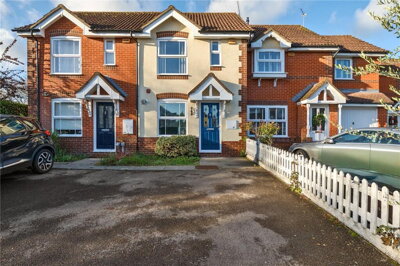
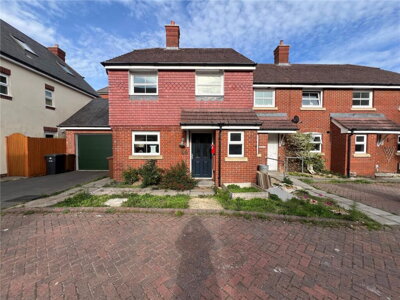
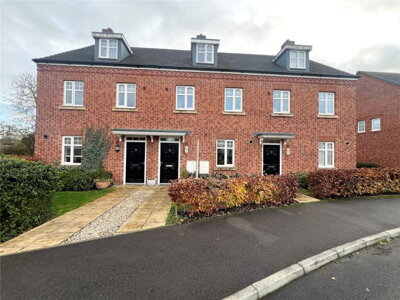
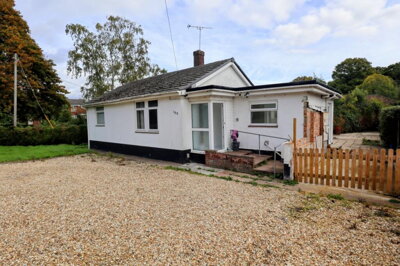
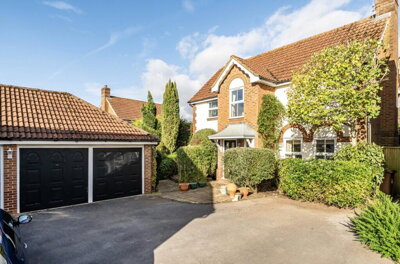
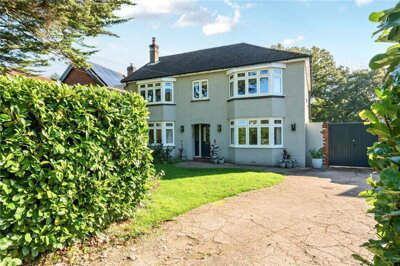
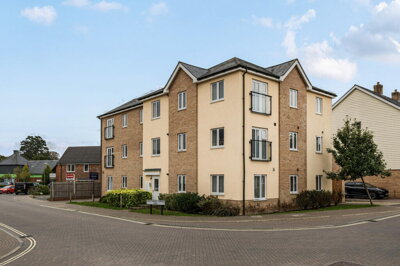
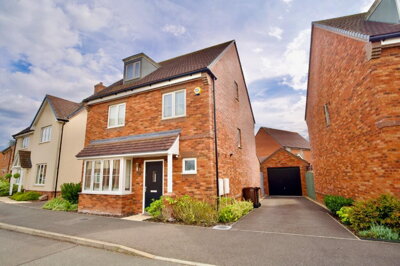
Browse 742 homes for sale in Romsey, Test Valley from local estate agents.
£400k
193
12
135
Source: home.co.uk
Source: home.co.uk
Detached
44 listings
Avg £759,293
Semi-Detached
24 listings
Avg £455,417
Terraced
24 listings
Avg £394,792
Apartment
21 listings
Avg £242,333
End of Terrace
20 listings
Avg £443,000
Retirement Property
14 listings
Avg £285,100
Flat
12 listings
Avg £237,917
Bungalow
6 listings
Avg £318,733
Link Detached House
6 listings
Avg £687,500
Detached Bungalow
5 listings
Avg £556,000
Source: home.co.uk
Source: home.co.uk
212 residents
Population
Approximately 97
Households
£737,500
Average Price
+16.3%
Price Change (12 months)
The Dalham property market centres predominantly on detached homes, with the median sale price for this property type reaching £600,000 across five recorded sales in 2025 according to PropertyResearch.uk data. This figure reflects a broader trend of significant price appreciation, with overall house prices in the village increasing by 16.3% over the past twelve months. The average sold price recorded by Zoopla stands at £783,750, while Rightmove data indicates average prices of £737,500, suggesting strong demand from buyers seeking rural Suffolk properties with character and heritage. Historical data from Rightmove shows that sold prices in Dalham were 39% up on the previous year, though currently 17% down on the 2018 peak of £885,000.
Semi-detached properties in Dalham have previously sold at around £446,250 based on 2020 data, while terraced homes achieved a median price of £522,500 in 2024 according to PropertyResearch.uk records. However, transaction volumes in this small village are naturally limited, with only a handful of sales recorded each year. This scarcity of supply means that properties coming to market in Dalham tend to attract considerable interest, particularly those offering traditional features such as original fireplaces, exposed beams, and period detailing. No flats have been recorded as sold in the village, and the absence of new build development within the village itself, confirmed by postcode data showing no new builds or newly converted properties sold since 1995 in the CB8 8TQ area, means buyers are purchasing properties with genuine history and established character rather than modern specifications.
The CB8 8TQ postcode area, which covers the core of Dalham village, contains properties that were typically constructed before 1900, with many dating from the 15th century. The limited supply of available properties means that the market moves slowly but steadily, with motivated buyers often competing for the rarest opportunities. Working with a local estate agent who understands the Dalham market is particularly valuable given the village's unique characteristics and the low transaction volumes that make comparable sales analysis more challenging than in larger towns.
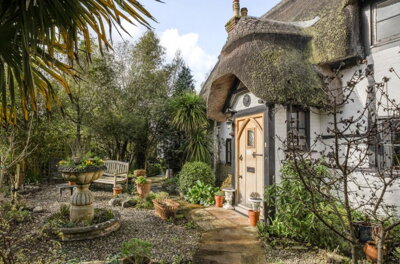
Dalham offers a distinctive range of property types that reflect its centuries-old history and rural Suffolk character. Traditional thatch cottages with limewashed walls and brick and flint construction line the village lanes, many featuring original features such as inglenook fireplaces, exposed timber beams, and flagstone floors that speak to centuries of continuous habitation. Converted farm buildings provide alternatives for buyers seeking more spacious accommodation while retaining period character, often featuring terracotta roof tiles and solid wall construction that differs from modern building standards.

Dalham occupies a charming position in the Suffolk landscape, sitting in a valley along the banks of the River Kennett with rolling countryside stretching in all directions. The village is characterised by its traditional architecture, featuring many thatch cottages with limewashed walls, brick and flint construction, and terracotta roof tiles that reflect centuries of local building traditions. Properties dating from the 15th century line the village's lanes, creating an atmosphere of timelessness that appeals to those seeking an escape from modern urban life. The Conservation Area designation protects this special character, ensuring that any new development or alterations maintain the village's historic integrity and architectural coherence.
The local economy of Dalham is significantly influenced by Dalham Hall and its associated stud, which is owned by Sheikh Mohammed bin Rashid Al Maktoum. This prestigious equestrian facility represents a major local employer and has contributed to the village's reputation as a centre for quality bloodstock and the racing industry. The proximity to Newmarket, the headquarters of British horse racing, adds another dimension to the local employment landscape and community character. The rural setting provides easy access to the surrounding Suffolk countryside, with numerous footpaths and bridleways offering opportunities for walking, cycling, and horse riding through the rolling landscape.
Community life in Dalham revolves around its peaceful environment and proximity to larger centres, with residents enjoying the benefits of village living while having access to the amenities of nearby towns. The village has grown modestly over recent decades, with the population increasing from 210 in the 2011 Census to 212 in 2021, reflecting the stable and established nature of this rural community. Local services are limited given the village's small scale, with residents typically travelling to Newmarket or Bury St Edmunds for everyday shopping, healthcare, and other services. This arrangement suits residents who value the village atmosphere and community connections over convenient access to urban amenities.
Families considering a move to Dalham will find a selection of primary and secondary educational options within reasonable travelling distance. The village's small population of approximately 97 households means that local primary education is typically accessed in neighbouring villages and market towns, with several primary schools serving the surrounding area. Parents should research specific catchment areas and admission policies, as these can vary and change annually based on demand and capacity. For families seeking faith-based education or alternative curricula, options may require travel to larger settlements.
Secondary education options include schools in Newmarket and Bury St Edmunds, both of which are within easy reach by car or public transport. Newmarket offers several secondary schools serving the eastern side of the area, while Bury St Edmunds provides additional choices including both state and independent secondary provision. The proximity to Newmarket, famous as the headquarters of British horse racing, provides unique opportunities for children interested in equestrian pursuits and related industries, with local schools often having connections to the racing and bloodstock community.
For families seeking private education, the wider Suffolk area offers several independent schools at primary and secondary levels. Sixth form and further education provision is available in Bury St Edmunds, where students can access a range of A-level and vocational courses. When purchasing property in Dalham, prospective buyers with school-age children should carefully consider transport arrangements and school admission criteria, as these factors can significantly impact daily family life in this rural location. School transport services, catchment area boundaries, and admission priority zones should all be verified before committing to a purchase.
Dalham's position between Bury St Edmunds and Newmarket provides residents with access to a range of transport connections despite its rural character. The village sits within the CB8 postcode area, with Newmarket offering direct rail connections to Cambridge and Ipswich, providing routes into London via the mainline stations at those destinations. Bury St Edmunds station provides additional travel options with services to various destinations across East Anglia, including connections to London Liverpool Street. For those travelling by car, the A14 trunk road runs nearby, connecting the area to Cambridge to the west and Ipswich and the coast to the east, providing relatively straightforward access to major urban centres.
Local bus services connect Dalham with surrounding villages and towns, though rural bus provision typically operates on limited timetables compared to urban routes. The 16A service provides connections between Newmarket and surrounding villages, though exact routing and frequency should be verified with the current operator. Residents without private vehicles should factor transport arrangements into their daily planning, particularly for school runs and regular commuting, as the limited bus services may not align with typical working hours or school start times.
The village's location in the Suffolk countryside means that cycling is popular for local journeys, with quiet country lanes providing pleasant routes to neighbouring communities. For those commuting to Cambridge, typically around 30 miles distant, car travel or park-and-ride schemes from outlying stations may be practical options. For air travel, London Stansted and Norwich airports are within reasonable driving distance, offering connections to domestic and international destinations. Commuters working in Cambridge, London, or other major centres frequently choose to live in villages like Dalham, balancing the appeal of rural living against practical travel requirements.
Begin by exploring current property listings in Dalham and understanding recent sale prices for comparable properties. Given the village's limited transaction volumes, working with a local estate agent who understands the Dalham market is particularly valuable. Review the types of properties available, from traditional thatched cottages to converted farm buildings, and identify what matches your requirements and budget. Note that the village's Conservation Area status and listed building inventory may affect what modifications are possible on any property you consider.
Before viewing properties, obtain a mortgage agreement in principle from a lender. This demonstrates your financial readiness to sellers and estate agents, strengthening your position in what can be a competitive market where low supply means properties may attract multiple interested parties. With average prices around £600,000 to £783,750, most buyers will require mortgage financing, and having your funding secured before making an offer is essential for a smooth transaction. For period properties in Dalham, lenders may require a RICS survey before proceeding, so factor this into your timeline.
Schedule viewings for properties that meet your criteria, taking time to assess the condition of buildings and their suitability for your needs. Given Dalham's older housing stock, including properties dating from the 15th century, pay particular attention to the condition of thatched roofs, traditional construction methods, and any signs of damp or structural movement. Take measurements and photographs for reference when comparing properties. For listed buildings, consider how the property's historic status might affect future renovation plans or insurance arrangements.
Once you have agreed a purchase, arrange for a RICS Level 2 Survey before proceeding to exchange contracts. For older properties in Dalham, this survey will assess the condition of the building, identify any defects, and highlight areas requiring attention or repair. Thatched cottages and period properties may reveal issues with damp, timber defects, historic movement, or outdated electrical and plumbing systems that are not immediately apparent. The survey cost, typically ranging from £400 to £900 depending on property size, represents money well spent before committing to a purchase of several hundred thousand pounds.
Appoint a conveyancing solicitor to handle the legal aspects of your purchase. They will conduct searches, review contracts, and liaise with the seller's representatives to ensure a smooth transaction. Searches will include local authority checks, which may reveal conservation area restrictions, flood risk information, and planning history relevant to the property. For listed buildings, additional searches regarding scheduled monument consent or listed building records may be required.
Once all searches are satisfactory and financing is confirmed, you will exchange contracts and pay your deposit, typically 10% of the purchase price. The completion date will be agreed, and keys will be handed over on the day you take ownership of your new Dalham home. Buildings insurance must be in place from exchange, and for period properties, specialist insurance may be required. Budget for removal costs, stamp duty, and any immediate repairs identified in your survey.
Purchasing property in Dalham requires particular attention to the unique characteristics of this historic village and its older property stock. As a designated Conservation Area, any modifications to properties may require planning permission from West Suffolk Council, and restrictions may apply regarding external alterations, extensions, and even colour schemes for exterior finishes. Before purchasing, prospective buyers should familiarise themselves with these requirements and consider how they might affect future plans for the property. The high proportion of listed buildings in the village means that some properties will be Grade II listed, introducing additional consent requirements for works that might otherwise be permitted development under planning regulations.
The village's location in a valley along the River Kennett means that flood risk should be carefully considered when purchasing property in Dalham. While specific flood risk data for individual properties requires detailed investigation, the riverside setting indicates potential for river and surface water flooding during periods of heavy rainfall. We recommend checking the Environment Agency flood risk maps for the specific property location and postcode, and discussing any flood history with the seller during conveyancing. A RICS Level 2 Survey will help identify any existing signs of water damage or dampness that may indicate past flooding issues or ongoing damp problems common in period properties.
The underlying geology of Suffolk, which includes chalk bedrock overlain by glacial tills, sands, and gravels, can create shrink-swell risks for properties with shallow foundations, particularly during periods of drought or heavy rainfall when clay soils expand and contract. Older properties in Dalham may have been built with traditional foundations that are more susceptible to ground movement, and a thorough structural survey can identify any signs of subsidence or historic movement that might indicate ongoing issues. Electrical and plumbing systems in period properties often require updating to meet current standards, and these potential renovation costs should be factored into your overall budget when considering a purchase in this village.
Average house prices in Dalham currently range from approximately £600,000 to £783,750 depending on the data source and property type. According to PropertyResearch.uk, the median sale price for 2025 was £600,000 across five recorded sales of detached homes, while Rightmove data shows an average of £737,500 over the past year. Zoopla records show an average sold price of £783,750, indicating strong demand for property in this picturesque Suffolk village. House prices have increased by 16.3% over the past twelve months, though they remain 17% below the 2018 peak of £885,000. However, transaction volumes are low due to the village's small size, so prices can vary significantly between individual properties based on condition, location within the village, and specific features offered.
Properties in Dalham fall under West Suffolk Council for council tax purposes, with the council providing services including waste collection, local planning, and community facilities. Specific band allocations vary by property depending on the rateable value assigned by the Valuation Office Agency, ranging from Band A for lower-value properties up to Band H for the most expensive homes. Given the village's predominantly older housing stock, including listed buildings and traditional cottages, council tax bands will typically reflect the character and size of individual properties. Prospective buyers should check the specific council tax band for any property they are considering using the Valuation Office Agency's online tool, as this forms part of the ongoing costs of home ownership in the village.
Dalham's small population means that primary schools are located in surrounding villages and market towns, with families typically travelling to nearby settlements for early years education. Primary schools in the surrounding area include those in Cavendish, Clare, and the market town of Haverhill, all serving families within reasonable driving distance of Dalham. Secondary education is available at schools in Newmarket and Bury St Edmunds, both of which offer a choice of schools with varying admission criteria and academic specialisms. The wider area provides options for both state and independent schooling, with several private schools accessible within reasonable driving distance. Parents should research specific school catchment areas and admission policies, as these can significantly affect accessibility from Dalham and may change annually.
Dalham has limited public transport options typical of a small rural village, with local bus services operating on reduced timetables compared to urban areas. The nearest railway stations are in Newmarket and Bury St Edmunds, both accessible by car in approximately 15-20 minutes, offering connections to Cambridge, Ipswich, and London Liverpool Street. The A14 trunk road runs nearby, providing road links to Cambridge, Ipswich, Felixstowe port, and the wider motorway network. Residents without private vehicles should carefully consider transport arrangements for daily commuting, school runs, and access to amenities when planning a move to Dalham, as rural bus services may not align with typical working or school hours.
Dalham's property market benefits from several factors that make it attractive to investors, including its Conservation Area status, limited supply of properties, and proximity to the equestrian industry centred on Dalham Hall stud. House prices have shown strong appreciation, with a 16.3% increase over the past twelve months and historical data showing significant long-term value growth. The village's character and architecture are protected by planning controls, which can help maintain property values over time. However, the limited rental market and small population mean that investment returns may be modest compared to urban areas, and capital appreciation rather than rental income is likely to be the primary motivation for property investment here. Properties requiring renovation may offer value-add opportunities given the scarcity of available housing in the village.
Stamp Duty Land Tax rates for 2024-25 apply to all purchases in England, with the nil-rate threshold currently set at £250,000 for residential properties. For properties priced above this threshold, rates increase to 5% on the portion from £250,001 to £925,000, 10% up to £1.5 million, and 12% on any amount above £1.5 million. For a typical Dalham property priced at around £600,000, this means SDLT of approximately £17,500 on the portion between £250,001 and £600,000. First-time buyers may benefit from relief on the first £425,000 of a purchase, reducing SDLT to approximately £8,750, though this relief is not available for properties priced above £625,000. Given that most Dalham properties exceed £600,000, buyers should budget carefully for SDLT as part of their overall purchase costs.
The older properties in Dalham, many dating from the 15th century, present specific risks that buyers should carefully consider before purchasing. Thatched roofs require specialist maintenance and insurance, while traditional construction methods using lime mortar and solid walls may be more susceptible to damp, timber defects, and structural movement than modern buildings. The village's location in a valley means potential flood risk from the River Kennett, and the underlying clay geology of Suffolk can create shrink-swell issues for foundations during periods of drought or heavy rainfall. A thorough RICS Level 2 Survey is essential for any property in Dalham, as it will identify these issues and help you budget for any necessary repairs or specialist insurance requirements.
From £400
A detailed inspection of the property condition, essential for period properties in Dalham
From £600
A comprehensive structural survey for older or complex properties
From 3.5% APR
Finance your Dalham property purchase
From £499
Legal services for your property purchase
From £80
Energy performance certificate for your property
Budgeting for your Dalham property purchase requires careful consideration of all associated costs beyond the property price itself. Stamp Duty Land Tax represents one of the most significant expenses, with standard rates applying 5% on the portion of a property price between £250,001 and £925,000. For a typical Dalham property priced at around £600,000, this would result in SDLT of approximately £17,500, calculated on the £349,999 portion above the nil-rate threshold. First-time buyers may qualify for relief on the first £425,000 of a purchase, reducing the SDLT liability to approximately £8,750, though this relief is not available for properties priced above £625,000.
Survey costs are particularly important for Dalham properties given the age and character of the housing stock. A RICS Level 2 Survey typically costs between £400 and £900 depending on the property size and value, with thatched cottages and period properties often requiring the more detailed assessment that this survey provides. For structurally complex or older properties, a RICS Level 3 Survey may be appropriate, offering a more comprehensive examination of the building's condition and construction. Conveyancing fees for handling the legal aspects of your purchase typically start from around £499 for standard transactions, though complexities such as listed building status, conservation area restrictions, or unusual tenure arrangements may increase costs.
Additional costs to budget for include removal expenses, which can vary significantly depending on the distance of your move and volume of belongings. Buildings insurance must be in place from the point of exchange, and for period properties in Dalham, specialist insurers may be required given the prevalence of thatch and traditional construction. Search fees, bankruptcy checks, land registry fees, and electronic money transfer charges add further expenses to the legal process. If you are purchasing a leasehold property, you should budget for ground rent and service charge payments, which can vary considerably between properties. Financial advisers often recommend setting aside at least 10-15% of the property price for these additional costs, ensuring that you are not caught short when completing on your new Dalham home.

Properties for Sale In London

Properties for Sale In Plymouth

Properties for Sale In Liverpool

Properties for Sale In Glasgow

Properties for Sale In Sheffield

Properties for Sale In Edinburgh

Properties for Sale In Coventry

Properties for Sale In Bradford

Properties for Sale In Manchester

Properties for Sale In Birmingham

Properties for Sale In Bristol

Properties for Sale In Oxford

Properties for Sale In Leicester

Properties for Sale In Newcastle

Properties for Sale In Leeds

Properties for Sale In Southampton

Properties for Sale In Cardiff

Properties for Sale In Nottingham

Properties for Sale In Norwich

Properties for Sale In Brighton

Properties for Sale In Derby

Properties for Sale In Portsmouth

Properties for Sale In Northampton

Properties for Sale In Milton Keynes

Properties for Sale In Bournemouth

Properties for Sale In Bolton

Properties for Sale In Swansea

Properties for Sale In Swindon

Properties for Sale In Peterborough

Properties for Sale In Wolverhampton

Enter your details to see if this property is within your budget.
Loans, cards, car finance
Estimated property budget
Borrowing + deposit
You could borrow between
Typical borrowing
Monthly repayment
Est. at 4.5%
Loan-to-value
This is an estimate only. Your actual budget may vary depending on interest rates, credit history, and personal circumstances. For an accurate affordability assessment, speak to one of our free mortgage advisors.
This calculator provides estimates for illustrative purposes only and does not constitute financial advice. Your home may be repossessed if you do not keep up repayments on your mortgage. Estimates based on 4.5% interest rate, repayment mortgage. Actual rates depend on your circumstances.
Homemove is a trading name of HM Haus Group Ltd (Company No. 13873779, registered in England & Wales). Homemove Mortgages Ltd (Company No. 15947693) is an Appointed Representative of TMG Direct Limited, trading as TMG Mortgage Network, which is authorised and regulated by the Financial Conduct Authority (FRN 786245). Homemove Mortgages Ltd is entered on the FCA Register as an Appointed Representative (FRN 1022429). You can check registrations at NewRegister or by calling 0800 111 6768.

We use cookies to show you personalised content and improve your experience of our website. Find out more in our Privacy policy and Cookie policy.