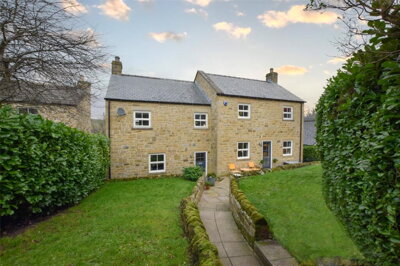
Browse 1 home for sale in Romaldkirk, County Durham from local estate agents.
The larger property sector typically features multiple bathrooms, substantial reception space, and private gardens or off-street parking. Four bedroom houses in Romaldkirk span detached, semi-detached, and occasionally terraced configurations, with styles ranging from period properties to modern executive homes.
£0k
0
0
0
Source: home.co.uk
Showing 0 results for 4 Bedroom Houses for sale in Romaldkirk, County Durham.
The Romaldkirk property market has demonstrated remarkable resilience and growth in recent years, reflecting strong demand for homes in this desirable Teesdale village. Our data shows that property prices in the area have increased by 10.8% since November 2024, with the market experiencing a substantial 37.2% increase over the past decade. This growth rate compares favourably with the broader County Durham average of 7.7% recorded during the same period from December 2024 to December 2025, indicating that Romaldkirk properties have outperformed the wider regional market. The village's limited supply of available homes, combined with its attractive rural setting and strong community spirit, continues to support buyer interest and price appreciation.
Currently, property prices in Romaldkirk span a broad range to accommodate various buyer requirements and budgets. Entry-level options include 2-bedroom leasehold flats starting from around £100,887, making the area accessible for first-time buyers and those seeking a manageable property. At the upper end of the market, 4-bedroom freehold houses with gardens command prices up to £728,225, offering generous living space and outdoor amenities for families seeking room to grow. The DL12 postcode area around Romaldkirk shows particular strength in semi-detached properties, which increased by 8.7% in County Durham, though detached period properties in the village command premium prices due to their character and plot sizes. Flats in the area have shown more modest growth at 2.8% across County Durham, with leasehold considerations remaining relevant for those purchasing lower-priced options.
Recent transactions in Romaldkirk demonstrate active market activity despite the village's modest size. Properties including Ivy Cottage on Romaldkirk DL12 9EB sold in November 2024, Poppy Cottage in May 2024, and Hollin Crescent in July 2024 illustrate the continued interest in period properties within the village. Additional sales including Fell Cottage on Fell Lane in December 2023 and 1 South View in October 2023 further demonstrate the consistent demand for homes in this attractive location. The market benefits from very limited new-build development, meaning buyers purchasing existing properties can appreciate the character and craftsmanship of established homes that have stood for generations. This scarcity of new supply helps protect property values and ensures that Romaldkirk retains its distinctive character as a traditional Teesdale village.

Romaldkirk embodies the essence of traditional English village life, offering residents a close-knit community atmosphere set against the breathtaking backdrop of the Durham Dales. The village takes its name from the Anglo-Saxon combination of "Romald" and "kirk," reflecting its deep historical roots that date back centuries. As a settlement within the historic Barnard Castle postcode area, residents enjoy the benefits of rural living while remaining connected to larger market towns for everyday necessities and leisure activities. The village falls within County Durham Council's jurisdiction, though its character is distinctly shaped by its location in the Teesdale valley and proximity to the River Tees.
The village architecture predominantly features traditional stone construction, a hallmark of properties throughout Teesdale that contributes to the area's distinctive character and visual appeal. The underlying geology of County Durham includes Carboniferous rocks such as sandstones, limestones, and shales, with overlying glacial tills and alluvium in river valleys like the Tees. These geological conditions have historically provided the building materials for local properties, resulting in the characteristic stone cottages and farmhouses that define the village streetscene. Many homes in Romaldkirk are likely to be listed buildings or situated within a conservation area, protecting the architectural heritage that makes the village so visually distinctive.
Daily life in Romaldkirk centres around community spirit and access to the great outdoors. The surrounding countryside offers extensive walking and cycling opportunities, with the River Tees flowing nearby to provide scenic recreational routes. Local amenities, while modest, typically include a village pub and church, with comprehensive facilities available in Barnard Castle just a short drive away. The presence of clay soils in parts of County Durham can indicate potential shrink-swell risk for foundations, though specific geological conditions at individual properties would require professional assessment. The Teesdale area attracts visitors throughout the year, drawn by the stunning landscapes, historic sites, and outdoor activities that define this beautiful corner of County Durham. For prospective residents, the village offers an enviable quality of life that balances rural tranquility with reasonable access to services.

Families considering a move to Romaldkirk will find educational provision primarily centred in the nearby market town of Barnard Castle, approximately 8 miles from the village. The drive to school typically forms part of daily routine for Romaldkirk families, though the journey through the beautiful Teesdale countryside transforms what might be seen as an inconvenience into an enjoyable part of the school day. Primary education is available at community schools in surrounding villages and towns, with Barnard Castle offering several options for younger children including schools with good reputations for pastoral care and academic progress. The rural setting means that children benefit from smaller class sizes at village primary schools, where teachers often know families personally.
Secondary education in the area is served by notable institutions including Barnard Castle School, a well-established secondary school with a strong local reputation built over many years of service to the Teesdale community. For families prioritising academic achievement, investigating current Ofsted ratings and examination results for schools within reasonable travelling distance proves worthwhile when considering a move to the village. Sixth form provision in the area allows teenagers to continue their education locally without necessarily travelling to larger cities, maintaining the community connections built during their earlier schooling years. The school draws students from across the wider Teesdale area, including surrounding villages like Lartington, Cotherstone, and Gainford, creating a broader friendship network.
The rural setting of Romaldkirk offers educational advantages beyond traditional academic metrics. Children growing up in this environment benefit from outdoor learning opportunities, clean air, and a lifestyle that encourages physical activity and connection with nature. The village community provides a supportive environment for young families, with neighbours often forming lasting friendships that extend beyond school years. For parents seeking an alternative to urban schooling, the combination of local primary options and accessible secondary schools in Barnard Castle presents a balanced educational proposition. The journey to school through Teesdale offers opportunities for family conversations and appreciation of the changing seasons across the dales, experiences that enrich the daily routine for both children and parents.
Transport connectivity from Romaldkirk relies primarily on road networks, with the village situated along local roads that connect to the A66 and subsequently to the broader County Durham road network. The A66 provides a vital arterial route, linking Barnard Castle to the A1(M) motorway at Scotch Corner, approximately 15 miles to the north. This connection opens up commuting possibilities to larger employment centres including Darlington, Newcastle upon Tyne, and Teesside, though journey times reflect the rural nature of the location. The A66 also connects westwards towards Penrith and the Lake District, providing access to the M6 corridor and extending the range of employment options for residents willing to travel.
Public transport options serving Romaldkirk are limited, consistent with the pattern experienced across rural Teesdale villages. Bus services connect the village to Barnard Castle, providing essential access to amenities and rail connections for those without private vehicles. The nearest railway stations are located in Bishop Auckland and Darlington, offering connections to major cities including Newcastle, York, and Leeds. Darlington station provides particularly good connectivity with East Coast Main Line services to London King's Cross and Edinburgh, making the capital reachable in around three hours by train. For residents working in urban centres, car ownership proves essential for daily commuting and managing the practicalities of rural living.
For those working from home or maintaining flexible work arrangements, Romaldkirk offers an enviable quality of life that many urban dwellers would envy. The peaceful surroundings, combined with increasingly reliable broadband connectivity in rural areas, make the village suitable for professionals who can conduct their work remotely. Broadband speeds in rural County Durham have improved significantly in recent years, though prospective buyers should verify actual speeds at specific properties before purchase. Cycling enthusiasts benefit from scenic routes through the Teesdale valley, though the hilly terrain requires a reasonable level of fitness. The village hosts the annual Romaldkirk Show, one of the oldest agricultural shows in the region, reflecting the strong community traditions that make this village special.
Begin by exploring the Romaldkirk property market through Homemove, reviewing current listings and understanding price ranges. Our platform provides detailed information about properties ranging from £100,887 for entry-level flats to £728,225 for substantial family homes with the village averaging £358,136. Consider visiting the village at different times to experience the community atmosphere and assess whether the rural lifestyle matches your expectations. Take time to walk the village lanes, visit the local pub, and speak with residents to understand what daily life would be like in this Teesdale location.
Before arranging viewings, obtain a mortgage agreement in principle from a lender. This demonstrates your readiness to proceed when you find the right property and strengthens your position when making an offer. Our mortgage partners can help you explore rates and borrowing options tailored to your financial situation, ensuring you have a clear budget in mind. Given the period properties common in Romaldkirk, lenders may have specific considerations around property type and condition when assessing mortgage applications.
Once you have identified properties of interest, arrange viewings through the estate agents listed on Homemove. View multiple properties to compare options, paying attention to construction materials, condition, and any signs of potential issues that might require further investigation. The village's period properties often feature traditional stone construction that may need specific maintenance considerations. Pay particular attention to properties near the River Tees for flood risk considerations, and verify listing status for any property you are seriously considering.
Before completing your purchase, arrange a RICS Level 2 Survey to assess the property condition thoroughly. This is particularly important for older properties in Romaldkirk, where traditional construction methods and the age of buildings may reveal issues requiring attention. The survey report identifies defects, potential structural concerns, and maintenance requirements to inform your purchasing decision. Given the likelihood of pre-1919 construction for many properties, surveys often identify issues related to damp, outdated electrics, and period features that require specialist care.
Appoint a solicitor experienced in rural property transactions to handle the legal aspects of your purchase. They will conduct searches, verify ownership, and manage the transfer of funds through to completion. Our conveyancing partners understand the specific considerations affecting properties in County Durham and can guide you through the process efficiently, including any planning constraints related to listed buildings or conservation areas that may affect your intended use of the property.
Once all searches are satisfactory and your mortgage is finalised, you will exchange contracts and pay your deposit. Completion typically follows within weeks, after which you will receive the keys to your new Romaldkirk home. Your solicitor will register the transfer with the Land Registry and ensure all fees are paid. Consider arranging buildings insurance well in advance of completion, as period properties with stone construction may require specialist insurers familiar with traditional building methods.
Purchasing a property in Romaldkirk requires careful consideration of factors specific to rural County Durham properties. The village's historic nature means that many homes are likely to be listed buildings or situated within conservation areas, imposing restrictions on alterations and renovations. Before committing to a purchase, verify the property's listing status and understand the implications for any future modifications you may wish to undertake. These designations protect the village's character but require thoughtful engagement with planning requirements and potentially specialist consents for any works. Listed buildings are graded as Grade I, Grade II*, or Grade II, with each level carrying different permissions requirements.
Given the prevalence of traditional stone construction in the area, prospective buyers should pay particular attention to the condition of walls, pointing, and any signs of damp or structural movement. The underlying geology of County Durham includes areas of clay soils that can cause shrink-swell movement affecting foundations, though this requires specific site investigation to assess. The age of properties in Romaldkirk means that electrical wiring, plumbing, and heating systems may require updating to meet modern standards. A thorough RICS Level 2 Survey will identify any areas of concern, allowing you to budget for necessary improvements and factor these costs into your purchasing decision. Properties built before modern building regulations may have solid floors rather than suspended timber, and may lack cavity wall insulation.
Flood risk assessment merits careful attention for properties near the River Tees, as river flooding and surface water flooding can affect low-lying areas. While specific flood risk data for Romaldkirk requires detailed local assessment, any property near water features should be evaluated carefully using Environment Agency flood maps. Additionally, the rural location means that broadband speeds and mobile phone coverage should be verified before purchase, as these practical considerations significantly impact daily life for those working from home or maintaining social connections. Mobile coverage can vary significantly even within small villages, with some networks performing better than others in rural locations. Properties along Fell Lane and the edges of the village may have different connectivity profiles compared to those in the village centre.
The average house price in Romaldkirk is approximately £358,136 according to current market data. Property prices in the village range from around £100,887 for 2-bedroom leasehold flats to £728,225 for substantial 4-bedroom freehold houses with gardens. The local market has shown strong performance with a 10.8% increase since November 2024 and a remarkable 37.2% growth over the past ten years, indicating sustained demand for properties in this attractive Teesdale village. This growth rate has outperformed the broader County Durham average of 7.7% during the same period, reflecting the premium buyers place on rural village locations within easy reach of Barnard Castle.
Properties in Romaldkirk fall under County Durham Council's jurisdiction for council tax purposes. Bands range from A through to H depending on the property's assessed value, with most traditional cottages and smaller homes typically falling into bands A to D. The village's period properties, including stone cottages along the village lanes and properties on Fell Lane, tend to be valued at moderate levels due to their age and rural location, often resulting in lower council tax bands than comparable properties in urban areas. Prospective buyers should verify the specific band for any property they are considering, as this forms part of the ongoing costs of homeownership.
Primary and secondary education for Romaldkirk residents is primarily accessed through schools in Barnard Castle, approximately 8 miles away. Notable options include Barnard Castle School for secondary education, which has served the local community for many years and draws students from across Teesdale including surrounding villages. Families are encouraged to research current Ofsted ratings and examination results to identify the most suitable options for their children's educational needs, as these metrics can change over time. Primary-aged children may also access schools in nearby villages, with the journey to school providing an opportunity to appreciate the Teesdale countryside.
Public transport connections from Romaldkirk are limited, consistent with the rural village setting typical of Teesdale. Bus services provide connections to Barnard Castle, where residents can access further public transport options including rail services. The nearest railway stations are located in Bishop Auckland and Darlington, with Darlington offering particular connectivity via the East Coast Main Line to London, Edinburgh, Newcastle, and York. Residents typically rely on private vehicles for daily commuting and managing the practicalities of rural living, with the A66 providing the main route towards the A1(M) at Scotch Corner for those travelling to employment further afield.
The Romaldkirk property market has demonstrated consistent growth, with prices increasing by 37.2% over the past ten years and a 10.8% rise since November 2024. The village's attractive rural setting, combined with very limited new-build supply, suggests continued demand from buyers seeking the Teesdale lifestyle. The historic nature of properties and likely conservation area status may constrain supply further, potentially supporting prices. However, prospective investors should consider the village's small scale, the practical challenges of managing a property in a remote location, and the importance of local property management if purchasing as a rental investment. Rental demand in the area tends to come from those seeking rural lifestyles, including rural professionals and retired couples.
Stamp duty rates for 2024-25 apply the following thresholds: 0% on the first £250,000, 5% on the portion from £250,001 to £925,000, 10% from £925,001 to £1.5 million, and 12% above £1.5 million. First-time buyers benefit from increased thresholds with 0% on the first £425,000 and 5% between £425,001 and £625,000. For a typical Romaldkirk property at the average price of £358,136, a first-time buyer would pay no stamp duty, while a subsequent buyer would pay approximately £5,407. Additional costs including solicitor fees, survey costs, and search fees should be factored into your total budget when purchasing in the village.
As a historic village with origins dating back to Anglo-Saxon times, Romaldkirk is highly likely to contain numerous listed buildings that contribute to its distinctive character. Properties along the main village lanes and around the church area are particularly likely to carry listed status due to their age and architectural significance. Grade II listed properties are the most common category, though some buildings may carry higher grades. Any buyer considering a listed property should understand that permitted development rights may be more limited, and works to the property may require consent from the local planning authority. Our conveyancing partners can advise on the specific implications for any property you are considering.
Mortgages for period properties in Romaldkirk are generally available through most high street lenders, though some considerations apply. Properties with non-standard construction, that are listed, or in poor condition may require specialist lenders who understand traditional building methods. Lenders will typically require a RICS survey before proceeding, and may have specific requirements around the property's condition and valuation. Our mortgage partners have experience arranging finance for rural properties across County Durham and can advise on the most suitable products for your circumstances. The village's DL12 postcode is well-understood by most lenders operating in the area.
From 4.5%
Find competitive mortgage rates for your Romaldkirk purchase
From £499
Expert legal services for your property purchase
From £400
Essential survey for period properties in Romaldkirk
From £85
Energy performance certificate for your new home
Understanding the full costs of purchasing property in Romaldkirk extends beyond the advertised asking price. Stamp duty land tax represents a significant consideration for buyers, with current thresholds set at 0% for the first £250,000 of a property's purchase price. For a typical Romaldkirk property valued at the average price of £358,136, buyers who have previously owned property would expect to pay approximately £5,407 in stamp duty. First-time buyers benefit from more generous thresholds, potentially reducing this cost to zero on properties within the £425,000 relief limit, which covers the majority of properties in the village given the average price of £358,136.
Additional buying costs include solicitor fees for conveyancing, which typically range from £500 to £1,500 depending on the complexity of the transaction and the property type. Rural properties with additional complexities such as listed building status, unusual titles, or shared access arrangements may incur higher legal costs. Survey costs for a RICS Level 2 Survey, which we recommend for all buyers considering period properties in Romaldkirk, typically range from £400 to £900 based on property size and value. An Energy Performance Certificate is mandatory and generally costs between £85 and £150. Search fees, land registry fees, and bank transfer charges add further minor costs to the transaction, typically totalling a few hundred pounds.
Ongoing costs following purchase include council tax, with properties in County Durham falling across bands A to H depending on assessed value. Traditional stone cottages in Romaldkirk typically fall within bands A to D due to their modest valuations relative to modern properties. Buildings insurance costs for properties with significant stone construction and period features may be higher than average, and prospective buyers should obtain insurance quotes before completing their purchase. Service charges and ground rent apply to leasehold properties, so understanding these ongoing commitments proves essential when evaluating the true cost of ownership for flats in the village. Our conveyancing partners can provide detailed estimates tailored to your specific circumstances and the property you are purchasing.
Properties for Sale In London

Properties for Sale In Plymouth

Properties for Sale In Liverpool

Properties for Sale In Glasgow

Properties for Sale In Sheffield

Properties for Sale In Edinburgh

Properties for Sale In Coventry

Properties for Sale In Bradford

Properties for Sale In Manchester

Properties for Sale In Birmingham

Properties for Sale In Bristol

Properties for Sale In Oxford

Properties for Sale In Leicester

Properties for Sale In Newcastle

Properties for Sale In Leeds

Properties for Sale In Southampton

Properties for Sale In Cardiff

Properties for Sale In Nottingham

Properties for Sale In Norwich

Properties for Sale In Brighton

Properties for Sale In Derby

Properties for Sale In Portsmouth

Properties for Sale In Northampton

Properties for Sale In Milton Keynes

Properties for Sale In Bournemouth

Properties for Sale In Bolton

Properties for Sale In Swansea

Properties for Sale In Swindon

Properties for Sale In Peterborough

Properties for Sale In Wolverhampton

Enter your details to see if this property is within your budget.
Loans, cards, car finance
Estimated property budget
Borrowing + deposit
You could borrow between
Typical borrowing
Monthly repayment
Est. at 4.5%
Loan-to-value
This is an estimate only. Your actual budget may vary depending on interest rates, credit history, and personal circumstances. For an accurate affordability assessment, speak to one of our free mortgage advisors.
This calculator provides estimates for illustrative purposes only and does not constitute financial advice. Your home may be repossessed if you do not keep up repayments on your mortgage. Estimates based on 4.5% interest rate, repayment mortgage. Actual rates depend on your circumstances.
Homemove is a trading name of HM Haus Group Ltd (Company No. 13873779, registered in England & Wales). Homemove Mortgages Ltd (Company No. 15947693) is an Appointed Representative of TMG Direct Limited, trading as TMG Mortgage Network, which is authorised and regulated by the Financial Conduct Authority (FRN 786245). Homemove Mortgages Ltd is entered on the FCA Register as an Appointed Representative (FRN 1022429). You can check registrations at NewRegister or by calling 0800 111 6768.

We use cookies to show you personalised content and improve your experience of our website. Find out more in our Privacy policy and Cookie policy.