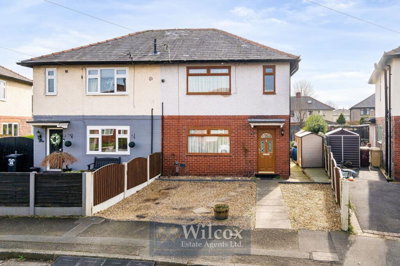
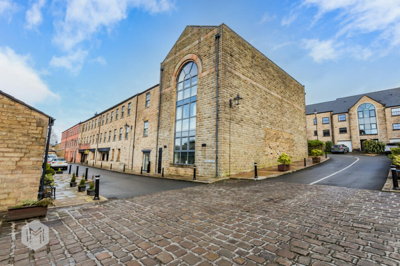
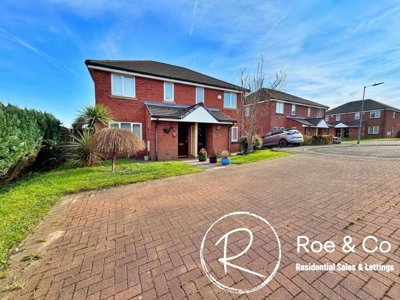
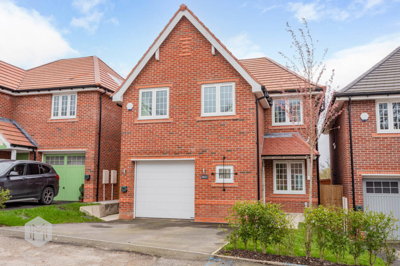
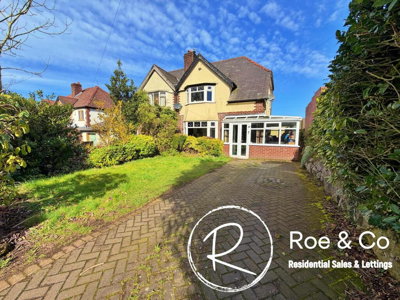
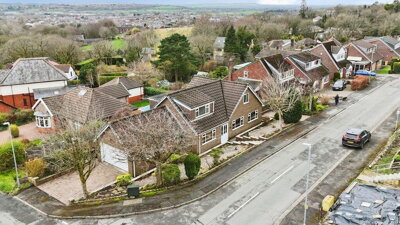
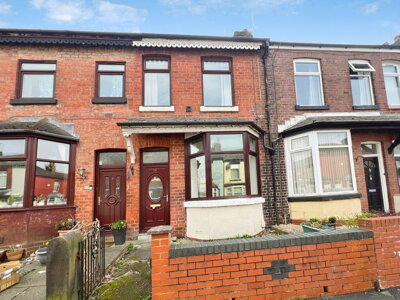
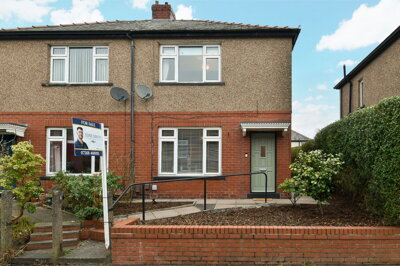
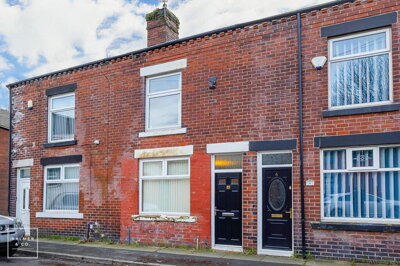
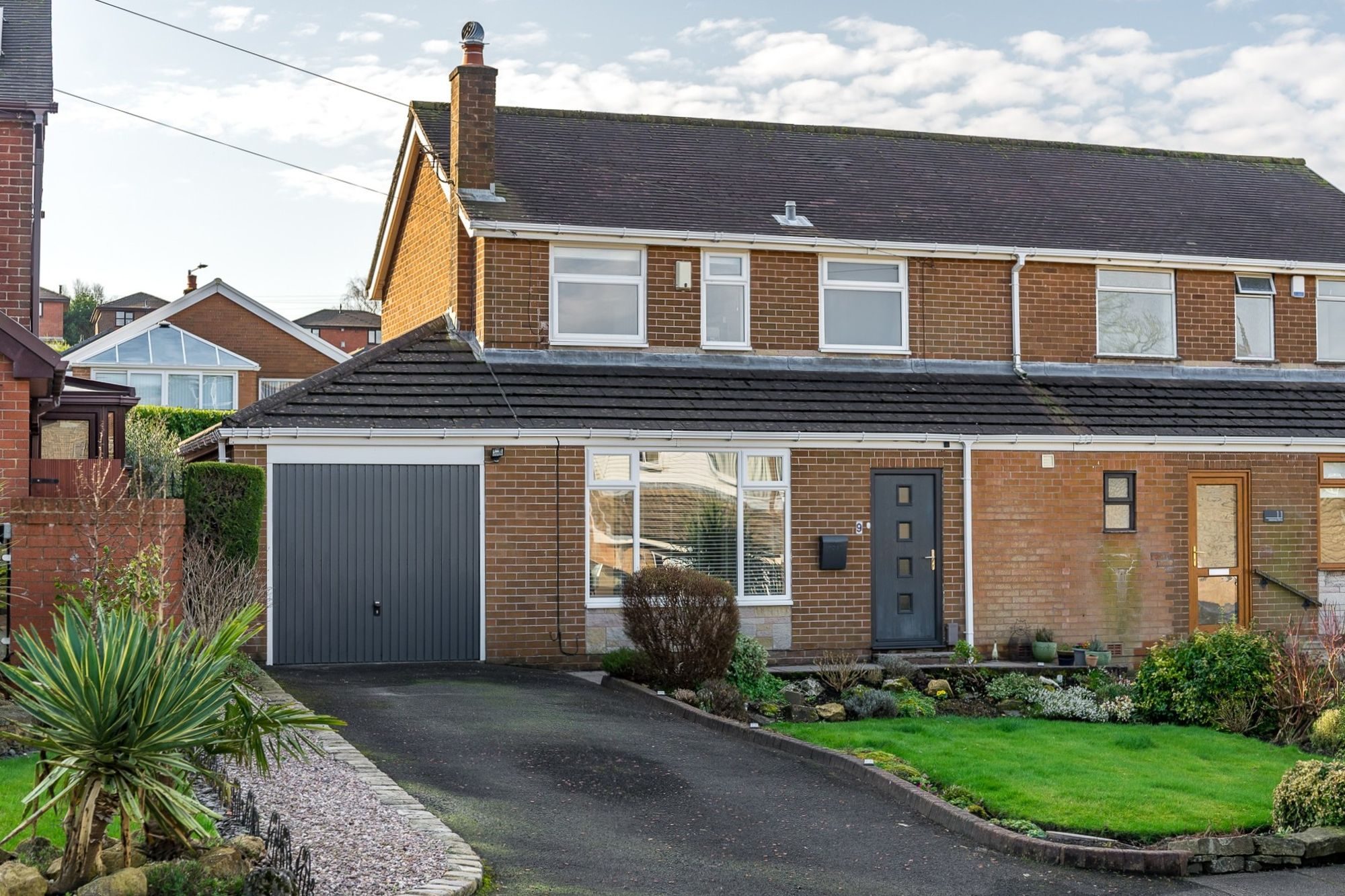
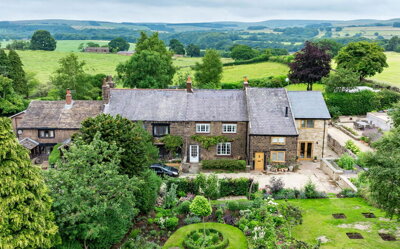
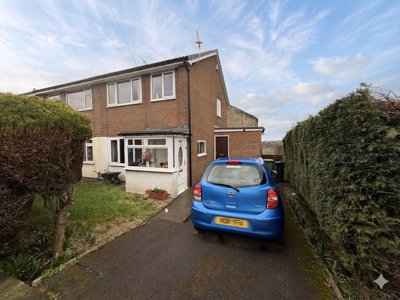
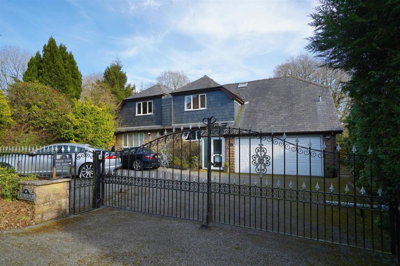
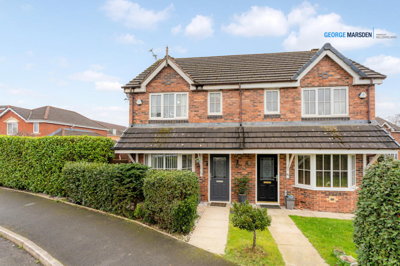
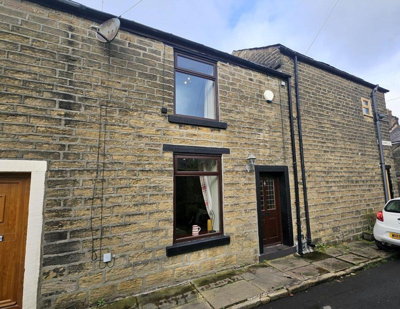
Browse 238 homes for sale in Rivington, Chorley from local estate agents.
£1.11M
2
0
140
Source: home.co.uk
Source: home.co.uk
Barn Conversion
1 listings
Avg £830,000
Detached
1 listings
Avg £1.40M
Source: home.co.uk
Source: home.co.uk
We have observed that the Widecombe-in-the-Moor property market has demonstrated remarkable resilience and growth over recent years. Over the past twelve months, properties in the village sold for an average price of £558,900 according to Rightmove data. Detached properties dominated sales activity, averaging £722,800, while semi-detached homes achieved around £395,000. This premium pricing reflects the scarcity of quality homes in this sought-after Dartmoor location, where buyers pay for the combination of National Park setting, historic character, and the village's strong community spirit.
Price trends show an impressive 33% increase over the previous twelve months, though current values remain approximately 20% below the 2019 peak of £698,000. This suggests the market has recovered significantly from any post-pandemic corrections and is now tracking strongly upward as more buyers discover what Widecombe-in-the-Moor has to offer. First-time buyers and families relocating from urban areas continue to drive demand, attracted by the village's safety, excellent walking routes, and the community-run events that bring residents together throughout the year.
New build activity in the immediate postcode area remains extremely limited. A 2016 Housing Needs Assessment identified demand for 6 affordable units, though no major developments have come forward. The village sits within Flood Zone 1, indicating low flood risk for the vast majority of properties, though any new development must navigate strict Dartmoor National Park planning policies designed to protect the area's distinctive character. For buyers, this means existing properties represent the primary route to homeownership here, and those that come to market in good condition tend to achieve their asking prices quickly.
The village's position within Dartmoor National Park creates both opportunities and constraints for the local property market. We find that the strict planning controls that limit new development also protect property values by preserving the character and scarcity that make Widecombe-in-the-Moor attractive in the first place. Buyers who secure a property here are investing in a location where supply will always be limited, supporting long-term value retention even during broader market fluctuations.

Life in Widecombe-in-the-Moor revolves around the rhythms of Dartmoor and the strong sense of community that defines this historic parish. The village centre centres around the Church of St Pancras, a magnificent Grade I listed building constructed from locally quarried granite in the Perpendicular style. The church was substantially enlarged in the 15th century, partly funded by proceeds from the local tin mining trade that once thrived here. Today, the church and the adjacent Church House, itself Grade II* listed and dating from the early 16th century, remain focal points for village life and tourism alike.
Local amenities in the village include two well-regarded pubs: The Old Inn, which dates back to the 1500s, and The Rugglestone Inn, which offers comfortable accommodation alongside its restaurant. A popular cafe and several gift shops cater to visitors, while the weekly village market held in the Church House provides a platform for local producers and craftspeople. The market sells everything from handmade preserves and cheeses to art, jewellery, and seasonal produce, embodying the village's commitment to supporting local enterprise and maintaining its traditional character.
Tourism underpins much of the local economy, with visitors drawn by the stunning moorland scenery, excellent walking routes, and the annual Widecombe Fair that brings the village to life each September. However, residents and some local commentators have raised concerns about the "housing crisis" facing working-class and lower-middle-class families. Properties are increasingly unaffordable for local people, with the character and appeal of the village attracting buyers from further afield who can afford the premium prices. This tension between preservation and accessibility represents one of the defining challenges for Widecombe-in-the-Moor as it navigates the 21st century while maintaining its historic identity.
The housing stock in Widecombe-in-the-Moor reflects centuries of continuous occupation and adaptation. We regularly encounter properties dating from the 16th century, including The Old Inn and the Church House, alongside buildings from the 18th and 19th centuries. Dendrochronological analysis at Higher Uppacott, a longhouse in the parish, confirmed construction from timber felled in the mid-14th or early 15th centuries for the shippon, with the hall roof dating from the 16th century. This extraordinary heritage means that virtually every property in the village has some historical significance, and many fall within the eleven Listed Buildings or the designated Conservation Area.

Education provision for families considering Widecombe-in-the-Moor centres on primary schooling within the village and the surrounding area, with secondary options available in nearby towns. Widecombe-in-the-Moor Primary School serves the local community, providing education for children from Reception through to Year 6. The school benefits from its idyllic setting within Dartmoor National Park and maintains strong links with the village community, with children regularly visiting the church and participating in village events as part of their learning experience.
For secondary education, pupils typically travel to schools in the surrounding market towns. The nearest secondary schools are located in Bovey Tracey, Moretonhampstead, and Ashburton, all of which serve the communities around the eastern edge of Dartmoor. These schools offer a range of GCSE and A-Level subjects, with sixth form provision varying by institution. Parents should check current catchment areas and admission policies, as proximity to schools often influences which institution a child can access.
Further education options are available in the regional centres of Exeter, Plymouth, and Torquay, which offer colleges and sixth form centres with broader subject ranges and specialist facilities. For families prioritising academic excellence, the grammar school system in Devon provides selective education, with entry determined by the 11-plus examination. Families moving to Widecombe-in-the-Moor should factor in transport arrangements for secondary and further education, as the rural location means journeys to school will be longer than in urban areas.
We have guided many families through the education considerations of moving to Widecombe-in-the-Moor, and the key message is straightforward: primary education is well-served locally, but secondary and further education require careful planning. The school transport arrangements can significantly influence which properties families prioritise, and we recommend checking current catchment boundaries before committing to a particular location within the parish.
Widecombe-in-the-Moor sits within Dartmoor, with the A38 Devon Expressway providing the main arterial route connecting the village to the wider road network. The A38 runs between Exeter and Plymouth, giving residents access to the motorway network and the national trunk road system. For commuting or business travel, the nearest major junction is the A383/A38 junction near Buckfastleigh, approximately 15 miles from the village, connecting to the M5 motorway at Exeter for travel north towards Bristol and Birmingham.
Public transport options are limited, as is typical for rural Dartmoor villages. The nearest railway stations are at Exeter St James's Park, Exeter St David's, and Newton Abbot, all offering regular services to major destinations including London Paddington, Bristol, and Plymouth. Exeter St David's provides the fastest London services, with journey times of around two hours to the capital. For those travelling to work in Exeter or Plymouth, the car remains the most practical option for most, though the scenic nature of the routes helps make even longer commutes more bearable.
For those who work from home, Widecombe-in-the-Moor benefits from its stunning setting and relative tranquility, though broadband speeds in some parts of the parish may not match urban provisions. Visitors and residents often comment on the excellent walking and cycling opportunities immediately accessible from the village, with routes to nearby tors, across the moor, and along historic lanes providing sustainable transport options for leisure and local errands. For longer journeys, Exeter Airport offers domestic and limited international flights, providing connections to UK destinations and occasional European routes.
We find that most buyers relocating to Widecombe-in-the-Moor are either remote workers, retirees, or those who have accepted that a car is essential for daily life in this beautiful but remote location. The villagers who thrive here are those who embrace the moorland lifestyle rather than fighting against its constraints. Those who can work flexibly or who are approaching retirement will find Widecombe-in-the-Moor particularly well-suited to their circumstances.
Spend time exploring Widecombe-in-the-Moor and understanding what makes the village special. Visit the pubs, attend a village market, and speak with residents to gauge the community atmosphere. Review recent property sales and current listings to understand pricing in this competitive market. Given the limited supply of properties and the strong demand from buyers attracted to Dartmoor, preparation is essential before making any approach on a property.
Before viewing properties, obtain a mortgage agreement in principle from a lender. This strengthens your position when making offers and demonstrates to sellers that you have finance arranged. Several mortgage brokers specialise in Dartmoor and rural properties, understanding the unique circumstances of National Park living. For properties in this price range, with averages around £558,900, having your financing clearly established will put you in a stronger position against other potential buyers.
Work with local estate agents who know Widecombe-in-the-Moor intimately. View properties that match your requirements, paying particular attention to the condition of older properties given the prevalence of granite construction and historic building techniques. Many homes here date from the 16th century or earlier, and older construction methods require experienced eyes to assess properly. We recommend scheduling viewings at different times of day and in varying weather conditions to get a full picture of each property.
Given the age of much of the housing stock in Widecombe-in-the-Moor, we strongly recommend commissioning a RICS Level 2 or Level 3 survey before proceeding. Properties with solid walls, thatched roofs, or listed building status require specialist assessment. Surveyors operating in South Devon can provide detailed reports on condition and any required maintenance. For buildings predating 1920, a Level 3 Building Survey is generally more appropriate as it provides a more thorough assessment of traditional construction methods.
Once your offer is accepted, instruct a conveyancing solicitor to handle the legal aspects of your purchase. They will conduct searches, handle local authority inquiries, and manage the transfer of ownership. Choose a solicitor experienced in Dartmoor National Park properties and any relevant planning considerations. The conservation area status and listed building requirements mean that additional due diligence is often necessary for properties here.
Work with your solicitor and mortgage lender to ensure all conditions are met before exchange. On completion day, you will receive the keys to your new Widecombe-in-the-Moor home and can begin enjoying life in one of Devon's most cherished villages. We have helped many buyers complete their purchases in this village, and watching them settle into the community is always rewarding.
Properties in Widecombe-in-the-Moor require careful scrutiny due to their age and traditional construction methods. The village's distinctive character comes from its exposed granite walls and grey-blue slate roofs, with some historic properties featuring thatched roofing. When viewing properties, examine the roof condition closely, looking for missing, cracked, or slipped tiles and any signs of water damage inside the property. Roof issues are among the most common defects reported in older Dartmoor properties, particularly following periods of severe weather.
Many homes in the village are constructed using cob, a traditional building technique involving subsoil and straw that was common throughout the West Country. While cob walls provide excellent thermal mass, they can be susceptible to damp if not properly maintained. Check for any signs of dampness, particularly at low levels where groundwater can penetrate. Verify that the property has an effective damp proof course and that any rendering or covering allows the walls to breathe. The use of modern cement render on cob walls can trap moisture and cause deterioration over time.
Conservation Area and Listed Building status significantly affects what works you can undertake on a property. Widecombe-in-the-Moor has eleven Listed Buildings within its Conservation Area, and planning restrictions are strict regarding alterations, extensions, and even window replacements. The National Park Authority carefully controls development to preserve character, meaning uPVC windows, flat-roofed extensions, and modern cladding materials may require consent or be refused outright. Budget for potentially higher maintenance costs and longer project timelines if you plan any renovations.
From our experience surveying properties across Widecombe-in-the-Moor, we have identified several recurring concerns that warrant particular attention. Inadequate ventilation frequently leads to damp and condensation issues, particularly in properties where modern improvements have reduced natural airflow. Failed damp proof courses and defective weatherproofing around openings are also common in older properties. Additionally, we have observed that the granite geology of the area, while providing excellent foundation conditions with very low shrink-swell risk, can create challenges when specifying remedial works as only specialist contractors familiar with the material can carry out appropriate repairs.
Over the past year, properties in Widecombe-in-the-Moor sold for an average price of £558,900 according to Rightmove data. Detached properties were the dominant sales type, averaging £722,800, while semi-detached homes achieved around £395,000. Prices have risen by approximately 33% over the previous year, though they remain about 20% below the 2019 peak of £698,000. The premium pricing reflects the village's desirable Dartmoor National Park location, historic character, and limited property supply.
Properties in Widecombe-in-the-Moor fall within Teignbridge District Council's jurisdiction. Council tax bands range from A to H based on property value, with most traditional cottages and farmhouses likely falling into Bands C to E. Exact bands depend on the property's assessed value. Given the age and character of many properties in the village, including buildings dating from the 16th century, the banding reflects historical property values rather than current market prices. Prospective buyers should check the current banding with Teignbridge District Council or through the Valuation Office Agency website.
Widecombe-in-the-Moor Primary School serves the village and surrounding area for primary education. The school benefits from its unique setting within Dartmoor National Park and maintains close ties with the village community. Secondary education options include schools in Bovey Tracey, Moretonhampstead, and Ashburton, with catchment areas determining which school pupils can access. Parents should verify current admission arrangements and consider transport requirements, as secondary schools are located several miles from the village and school transport may involve significant journey times. Further education is available at colleges in Exeter and Plymouth, with the grammar school system in Devon providing selective options for academically able pupils.
Public transport options in Widecombe-in-the-Moor are limited, reflecting its rural Dartmoor location. The nearest railway stations are in Exeter and Newton Abbot, offering services to London, Bristol, and Plymouth. Exeter St David's provides the fastest London services, with journey times of around two hours to the capital. The A38 Devon Expressway provides the main road connection, approximately 15 miles away via the A383 junction near Buckfastleigh, connecting to the M5 motorway at Exeter. For daily commuting, a car is essential for most residents. Exeter Airport, around 30 miles distant, offers domestic and some European flights for those travelling further afield.
Widecombe-in-the-Moor offers several attractive features for property investment. The village's location within Dartmoor National Park, strong tourism economy, and limited new build supply suggest values should remain robust. The village is designated as a Rural Settlement where residential development is permitted to serve identified local needs, subject to strict planning controls. However, the market faces headwinds including the housing affordability challenges facing local people and strict planning restrictions that limit development potential. Properties with historic character or Listed Building status command premiums but require careful maintenance budgeting. Any investment should factor in the seasonal nature of tourism and the village's small population base of just 196 households.
Stamp Duty Land Tax rates for 2024-25 are 0% on the first £250,000 of property value, 5% between £250,001 and £925,000, 10% between £925,001 and £1.5 million, and 12% above £1.5 million. First-time buyers receive relief on the first £425,000, with 5% applying between £425,001 and £625,000. Given the average price of £558,900 in Widecombe-in-the-Moor, a standard buyer without first-time buyer status would pay approximately £15,445 in SDLT, calculated as 0% on £250,000 plus 5% on the remaining £308,900. First-time buyers would benefit from the increased thresholds, potentially reducing or eliminating SDLT liability entirely.
For properties in Widecombe-in-the-Moor, where much of the housing stock predates 1920, we generally recommend a RICS Level 3 Building Survey rather than a Level 2 Homebuyer Report. The village's traditional construction methods, including exposed granite walls, cob construction, and thatched or slate roofs, require the more detailed assessment that a Level 3 survey provides. Properties that are Listed Buildings or within the Conservation Area particularly benefit from thorough pre-purchase surveys, as the specialist assessment can identify maintenance issues and planning considerations that a standard valuation would miss. Several RICS regulated surveyors operating in South Devon, including firms specialising in period properties, offer Level 3 surveys appropriate for historic buildings.
From 4.5%
Expert mortgage advice for Widecombe-in-the-Moor properties
From £499
Specialist solicitors for Dartmoor property transactions
From £350
Ideal for modern properties built from the 1920s onwards
From £600
Recommended for historic properties predating 1920
Understanding the full costs of purchasing property in Widecombe-in-the-Moor extends beyond the purchase price. Stamp Duty Land Tax represents the most significant additional cost, with the current thresholds applying to transactions completed from autumn 2024. For a property priced at the village average of £558,900, a standard buyer without first-time buyer status would pay 0% on the first £250,000 plus 5% on the remaining £308,900, resulting in total SDLT of £15,445. First-time buyers benefit from more generous thresholds, potentially reducing this liability significantly.
Additional buying costs include solicitor or conveyancer fees, typically ranging from £500 to £1,500 depending on complexity and whether the property is freehold or leasehold. For Widecombe-in-the-Moor properties, the presence of Listed Building status or Conservation Area constraints may require additional legal work, potentially pushing fees towards the upper end of this range. Survey costs should also be factored in, with RICS Level 2 Homebuyer Surveys starting from around £350 and Level 3 Building Surveys for older properties from £600. Given the prevalence of historic construction in Widecombe-in-the-Moor, budgeting for a thorough survey is money well spent.
Search fees, mortgage arrangement fees, and valuation costs can add several hundred pounds more to the total. Moving costs, furniture purchases, and any immediate maintenance requirements should also feature in your budgeting. Properties in the village often require ongoing investment to maintain their character, particularly those with thatched roofs or granite walls requiring specialist tradespeople. Factor in the cost of contents insurance and buildings insurance, which may be higher than urban premiums due to the flood and weather exposure inherent in moorland locations. Getting a mortgage agreement in principle before viewing properties will help you understand your true budget and position you strongly when making offers on this desirable Dartmoor village.
We have guided numerous buyers through the total cost calculations for Widecombe-in-the-Moor purchases, and our experience suggests that prudent buyers budget for an additional 3-5% of the purchase price to cover all associated costs. For a property at the village average of £558,900, this translates to approximately £17,000-£28,000 above and beyond the purchase price itself. This figure includes SDLT, legal fees, survey costs, and moving expenses, though individual circumstances will vary.
Properties for Sale In London

Properties for Sale In Plymouth

Properties for Sale In Liverpool

Properties for Sale In Glasgow

Properties for Sale In Sheffield

Properties for Sale In Edinburgh

Properties for Sale In Coventry

Properties for Sale In Bradford

Properties for Sale In Manchester

Properties for Sale In Birmingham

Properties for Sale In Bristol

Properties for Sale In Oxford

Properties for Sale In Leicester

Properties for Sale In Newcastle

Properties for Sale In Leeds

Properties for Sale In Southampton

Properties for Sale In Cardiff

Properties for Sale In Nottingham

Properties for Sale In Norwich

Properties for Sale In Brighton

Properties for Sale In Derby

Properties for Sale In Portsmouth

Properties for Sale In Northampton

Properties for Sale In Milton Keynes

Properties for Sale In Bournemouth

Properties for Sale In Bolton

Properties for Sale In Swansea

Properties for Sale In Swindon

Properties for Sale In Peterborough

Properties for Sale In Wolverhampton

Enter your details to see if this property is within your budget.
Loans, cards, car finance
Estimated property budget
Borrowing + deposit
You could borrow between
Typical borrowing
Monthly repayment
Est. at 4.5%
Loan-to-value
This is an estimate only. Your actual budget may vary depending on interest rates, credit history, and personal circumstances. For an accurate affordability assessment, speak to one of our free mortgage advisors.
This calculator provides estimates for illustrative purposes only and does not constitute financial advice. Your home may be repossessed if you do not keep up repayments on your mortgage. Estimates based on 4.5% interest rate, repayment mortgage. Actual rates depend on your circumstances.
Homemove is a trading name of HM Haus Group Ltd (Company No. 13873779, registered in England & Wales). Homemove Mortgages Ltd (Company No. 15947693) is an Appointed Representative of TMG Direct Limited, trading as TMG Mortgage Network, which is authorised and regulated by the Financial Conduct Authority (FRN 786245). Homemove Mortgages Ltd is entered on the FCA Register as an Appointed Representative (FRN 1022429). You can check registrations at NewRegister or by calling 0800 111 6768.

We use cookies to show you personalised content and improve your experience of our website. Find out more in our Privacy policy and Cookie policy.