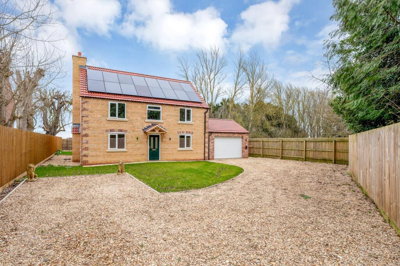
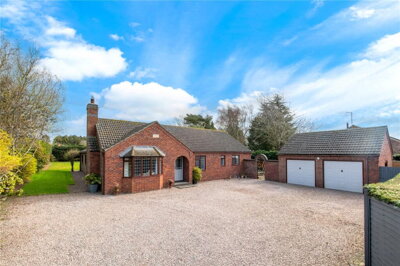
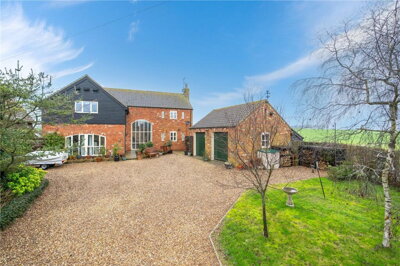
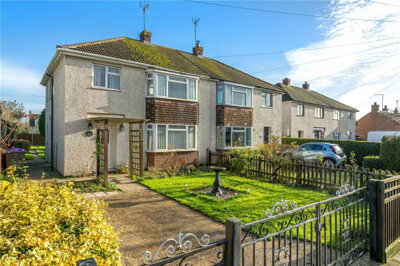
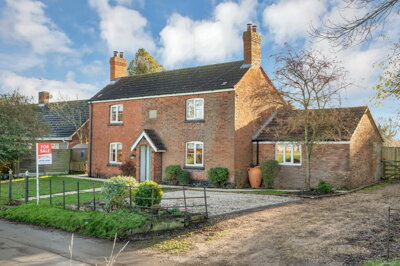
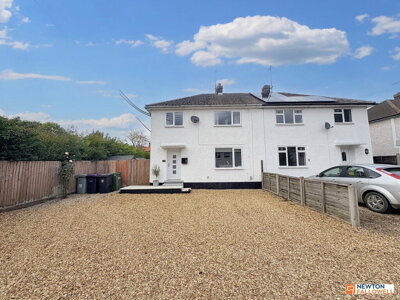
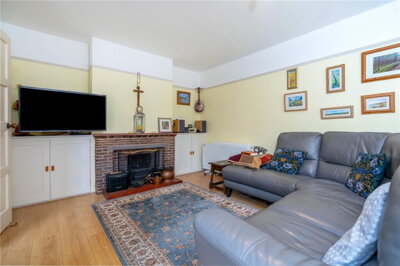
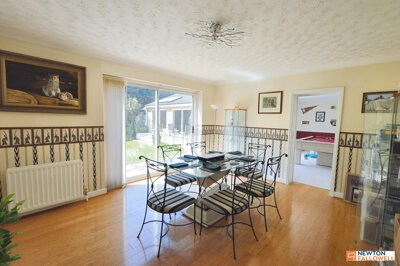
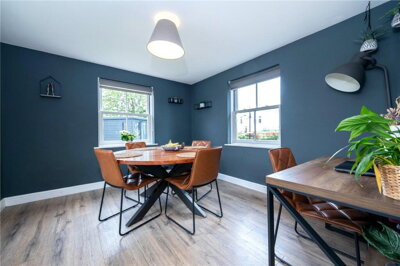
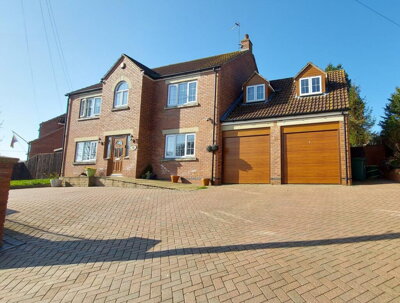
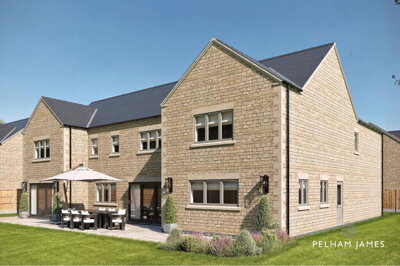
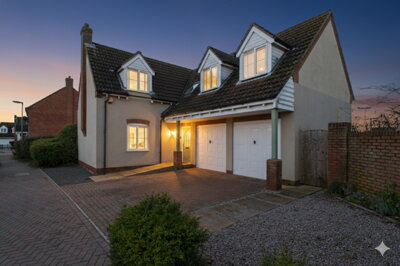
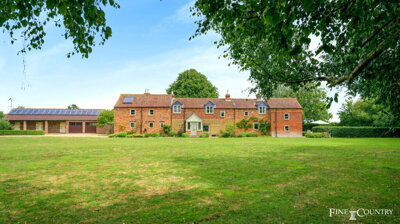
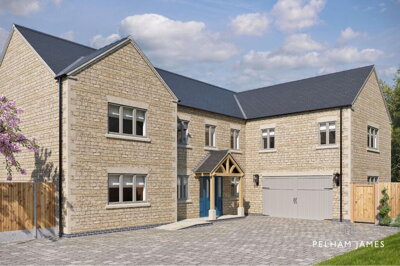
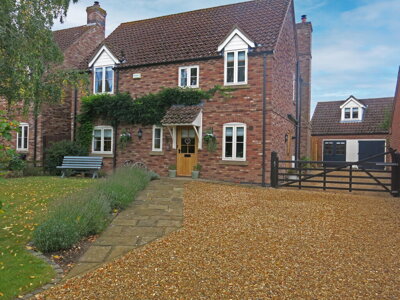
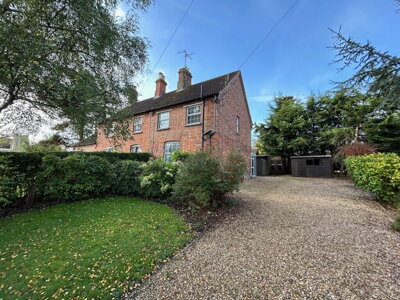
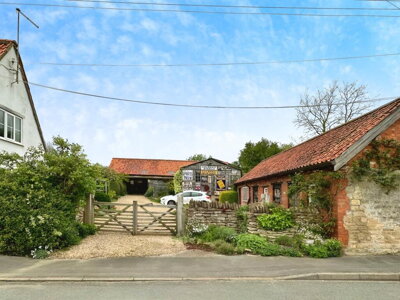
Browse 30 homes for sale in Rippingale, South Kesteven from local estate agents.
£613k
2
0
85
Source: home.co.uk
Source: home.co.uk
Detached
2 listings
Avg £612,500
Source: home.co.uk
Source: home.co.uk
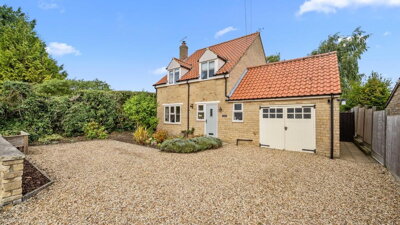
The Rippingale property market presents a picture of stable, traditional rural housing with prices that have shown resilience despite broader national fluctuations. Detached properties dominate the market, commanding an average price of £433,750 and reflecting the demand for generous space and privacy that village living affords. Terraced properties offer more accessible entry points at approximately £213,000, making them suitable for first-time buyers or those seeking a smaller footprint. The market has experienced a gentle cooling over the past year, with prices declining around 4% from the previous year and approximately 11% from the 2023 peak, according to Rightmove data. OnTheMarket reports a similar trend with a 10.1% fall in sold prices over the last twelve months.
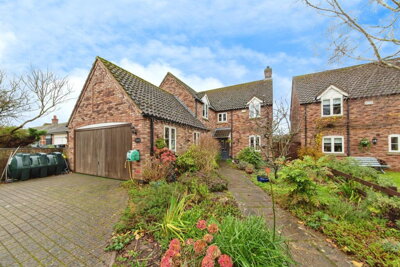
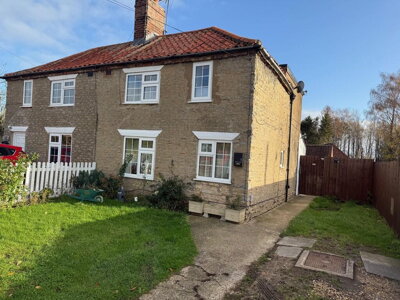
Property types in Rippingale reflect its historic character, with a significant proportion of period homes built using traditional methods and materials appropriate to Lincolnshire's vernacular architecture. The village contains several listed buildings, including a Grade II listed semi-detached property dating from around 1790, demonstrating the variety of heritage properties available. Most properties sold are detached homes, with terraced properties forming the secondary segment of the market. New build activity is essentially non-existent within the village itself, as Rippingale has no active development sites, meaning buyers typically purchase existing properties that offer character and established gardens. This scarcity of new supply contributes to the enduring appeal of village properties among buyers seeking authentic English countryside homes.

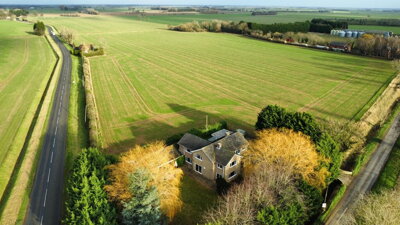
Life in Rippingale centres around community spirit and the appreciation of Lincolnshire's fertile countryside, where the village sits on the edge of the Fens surrounded by open farmland. The village history stretches back to at least the 8th century, and the landscape bears the marks of centuries of agriculture, from medieval stock rearing to today's large mechanised farms. St Andrew's Church stands as the spiritual and architectural centrepiece, a Grade I listed building with origins dating to the 11th century and featuring notable 13th-century effigies. The village green hosts a standing cross, while Station Street preserves remnants of medieval architecture including a 13th-century pinfold, offering residents daily contact with living history.
Despite its small population of 942 residents, Rippingale supports a thriving community with over 30 home-based businesses taking advantage of high-speed broadband connections. The Bull Inn provides a traditional village pub where locals gather, while the village hall hosts community events throughout the year. A visiting post office serves daily needs, though the village lacks a school or shop, with residents travelling to nearby towns for larger requirements. The Black Sluice Internal Drainage Board serves the area, the historical efforts that transformed marshland into the productive agricultural landscape visible today. This fenland setting creates scenic walking routes across flat, open countryside, with drainage channels and windmills marking the engineered landscape. The village design statement guides new development to respect local character, ensuring Rippingale maintains its distinctive appearance as it evolves.
The local economy reflects the area's agricultural heritage while embracing modern working practices. While farming remains important to the surrounding area, most residents now commute to larger towns and cities for employment. High-speed broadband has enabled over 30 home-based businesses to operate within the village, from freelance professionals to small enterprises, contributing to a diverse local economy that transcends Rippingale's rural setting. The village lacks a school or convenience shop, which means residents rely on nearby towns for these essential services, but this trade-off is offset by the strong community bonds, lower property prices compared to urban areas, and the quality of life that village living provides. Bourne, approximately 7 miles away, serves as the nearest substantial town for weekly shopping and services.
Properties in Rippingale reflect the traditional building methods of rural Lincolnshire, with construction styles that have evolved over centuries to suit the local environment and available materials. The village's position on the edge of the Fens has influenced building practices, with many historic properties constructed using locally sourced materials including handmade bricks from village kilns and timber from local woodlands. Lime-based mortars were traditionally used in older properties, allowing walls to breathe in ways that modern cement-based products do not replicate. Understanding these traditional construction methods helps buyers appreciate the character of period properties while identifying potential maintenance considerations.
The predominant construction type in Rippingale's older housing stock is solid wall construction, which differs significantly from modern cavity wall insulation methods. Solid wall properties typically have walls of 9 to 12 inches thickness, constructed from brick, stone, or a combination of both, without the cavity that modern building regulations require. This construction method affects thermal performance, as solid walls have higher heat loss than insulated cavity walls, meaning properties may require more heating in winter months. Moisture management also differs, as solid walls allow some moisture transmission that must be handled through adequate ventilation and appropriate heating practices. These factors are important considerations when evaluating running costs for period properties in the village.
Roof construction in Rippingale's older properties typically features traditional timber rafters with pitched roofs covered in clay tiles or natural slate. These materials are durable but require periodic maintenance, including repointing of ridge tiles and replacement of any damaged or slipped covering materials. Properties dating from the Victorian era or earlier may feature timber floors at ground floor level rather than solid concrete, which can be susceptible to damp and rot if adequate sub-floor ventilation is not maintained. Our team understands these traditional construction methods and can identify defects during a property survey that a less experienced inspector might overlook. For listed buildings in the village, specialist heritage surveys may be required given the additional planning constraints and the need for sympathetic maintenance using appropriate traditional materials.
Properties in Rippingale require careful consideration of several factors specific to the village's geography and building heritage. The fenland setting means clay soils are prevalent, creating potential for ground movement that can affect property foundations over time. These soils, typical of the Fens area, can shrink during dry periods and swell when wet, potentially causing subsidence or heave that affects building foundations. Buyers should look for signs of subsidence or settlement, particularly in older properties, and ensure surveys investigate foundation conditions thoroughly. The village's medieval heritage means many homes have solid wall construction rather than modern cavity wall insulation, which affects both thermal performance and moisture management. Understanding how these older construction methods perform in the local climate helps buyers budget for potential improvements.
Flood risk awareness is important when purchasing in Rippingale, given the village's position within the Black Sluice Internal Drainage Board area and proximity to the edge of the Fens. While major flooding is uncommon, surface water pooling can occur in low-lying areas, and buyers should check property flood history and drainage arrangements. The drainage board maintains water levels in the area through a network of channels and pumping stations, but properties in particularly low-lying positions may still be susceptible to water ingress during exceptional weather events. Listed buildings require careful consideration of permitted development rights and any planning conditions that affect renovations or extensions. Many properties benefit from large gardens given the rural setting, though maintenance requirements should be factored into running costs. Energy efficiency varies widely between period properties and any modern conversions, with solid wall properties typically requiring more heating than newer constructions.
Rippingale's village design statement, which provides guidance for South Kesteven District Council, ensures that development respects local character and maintains the village's distinctive appearance. This means that any planning applications for modifications, extensions, or new buildings will be considered against the village's heritage and character. Properties in older areas, particularly along Station Street where 13th-century structures are found, may be subject to additional planning considerations. Buyers considering any works to period properties should engage with the local planning authority early in the process to understand what permissions may be required. The village's concentration of historic properties and the design statement's influence create a protected environment that maintains property values but also imposes obligations on owners to preserve character features.
Families considering Rippingale should note that the village does not currently have a primary school within its boundaries, a characteristic shared by many small Lincolnshire villages. The nearest primary education options are located in surrounding villages and towns, requiring families to consider transportation arrangements when choosing a property. Bourne, approximately 7 miles away, is the nearest substantial town with primary schools, and several villages between Rippingale and Bourne also have primary schools that may fall within catchment areas. Secondary education is available in nearby market towns, with several secondary schools serving the South Kesteven area offering good Ofsted-rated options for families. Parents should research specific catchment areas and school admission policies, as these can significantly influence property values in particular streets and neighbourhoods.
The absence of a village school reflects Rippingale's small population of under 1,000 residents, though this does not diminish the village's family appeal. Many families are drawn to the area precisely for the rural lifestyle, with parents valuing the outdoor opportunities and community environment that village life provides. Home-based learning and flexible education arrangements have become increasingly common among remote workers living in Rippingale, supported by the village's high-speed broadband infrastructure. For older students, sixth form and further education facilities are available in nearby towns such as Bourne and Sleaford, which also host secondary schools with sixth form provision. University access is straightforward via the excellent road connections to larger cities including Cambridge, Peterborough, and Lincoln.
Rippingale occupies a favourable position for commuters seeking to balance rural tranquility with access to employment centres, with the village located off the main A15 corridor that runs through Lincolnshire. The A15 provides direct connections to Peterborough to the south, where major rail services connect to London King's Cross in approximately 45 minutes, and onward to Spalding and the market town of Bourne. Bourne, the nearest substantial town, is approximately 7 miles from Rippingale and offers essential services including supermarkets, banks, and healthcare facilities. The flat terrain of the fenland landscape surrounding Rippingale creates pleasant cycling conditions for shorter local journeys.
Rail access is available at stations in nearby towns, with Peterborough offering the most comprehensive intercity connections including direct services to London, Edinburgh, and Birmingham. The village location means car ownership is effectively essential for daily living, though the moderate distances to larger towns make this practical for most residents. Bus services connect Rippingale to surrounding villages and towns, though frequencies are limited typical of rural Lincolnshire, making timetable planning important for those relying on public transport. The excellent road network surrounding the village connects to the A1 motorway to the west, opening routes north to Newark and south to Grantham and beyond. For air travel, East Midlands Airport and Robin Hood Doncaster Sheffield Airport are both reachable within approximately 90 minutes by car.
Start by exploring our property listings for Rippingale and familiarise yourself with current prices. The village has an average property price of £389,600, with detached homes averaging £433,750 and terraced properties around £213,000. Understanding local price trends, including the recent 4% market adjustment, helps set realistic expectations for your search.
Before viewing properties, obtain a mortgage agreement in principle from a lender. This demonstrates your buying readiness to estate agents and sellers, strengthening your position when making offers. Rural properties can sometimes take longer to complete, so having your finances arranged early provides important flexibility.
Schedule viewings of properties matching your criteria, paying attention to the property's condition, garden size, and proximity to the village centre. Consider factors specific to Rippingale such as flood risk awareness given the fenland setting, and the age of period properties which may require more maintenance.
For any older property in Rippingale, a RICS Level 2 Survey is essential. Many village properties date from before 1919 and may have defects common to older construction including damp, roof issues, or outdated electrics. The survey provides a detailed assessment of the property's condition before you commit to purchase.
Once your offer is accepted, instruct a solicitor experienced in rural property transactions to handle the legal work. They will conduct searches specific to the area, including drainage board queries through the Black Sluice Internal Drainage Board, and manage the transfer of ownership through to completion.
Your solicitor will handle contract exchange once all searches are satisfactory and finances are confirmed. Completion typically follows shortly after, when you receive the keys and take ownership of your new Rippingale home. Rural transactions can take 8-12 weeks on average, though this varies with market conditions.
The average house price in Rippingale is currently £389,600 according to Rightmove data, with detached properties averaging £433,750 and terraced properties around £213,000. Zoopla reports a slightly lower average sold price of £374,667, while OnTheMarket indicates £375,000. Prices have softened modestly over the past year, declining approximately 4% following a market peak of £437,821 in 2023. This price adjustment presents opportunities for buyers seeking value in South Kesteven's village market.
Properties in Rippingale fall within South Kesteven District Council's jurisdiction for council tax purposes. Specific band distributions in the village mirror the national pattern of predominantly bands A through D for standard residential properties, though larger detached homes and period properties may fall into higher bands. Prospective buyers should check the Valuation Office Agency listing for any specific property to confirm its council tax band before purchase.
Rippingale does not have a school within the village, so families should research primary and secondary options in nearby towns including Bourne, which is approximately 7 miles away. The nearest primary schools are located in surrounding villages and towns, with families needing to consider school transport arrangements. Secondary education options in the South Kesteven area include several well-regarded schools in Bourne and Sleaford. Parents should check current catchment areas and admission policies when choosing a property, as these can affect school placement.
Rippingale has limited public transport options typical of a small Lincolnshire village, with bus services connecting to surrounding areas but at frequencies requiring careful timetable planning. The village is best suited to residents with access to a car, which is effectively essential for daily living and commuting. Rail access is available via nearby stations in Peterborough, which offers direct services to London King's Cross in approximately 45 minutes. The A15 corridor provides good road connections to surrounding towns and villages.
Rippingale offers several attractions for property investors, including relatively affordable prices compared to larger towns and cities in the region, and strong demand for village properties from buyers seeking rural lifestyles. The village benefits from high-speed broadband supporting home working, and over 30 home-based businesses indicate an active local economy. However, investors should note limited rental demand due to the small population, potential for slower sales in quiet village markets, and the need for ongoing maintenance of period properties. The village design statement may also affect development opportunities.
Stamp duty land tax rates for Rippingale purchases follow standard national thresholds. For properties purchased at the current average price of £389,600, a buyer paying standard rates would pay no duty on the first £250,000, then 5% on the amount between £250,000 and £389,600, totaling approximately £6,980. First-time buyers paying under £625,000 may qualify for relief on the first £425,000, significantly reducing their SDLT liability. Buyers purchasing above £925,000 pay higher rates, and those spending over £1.5 million pay the top rate of 12% on amounts above this threshold.
Period properties in Rippingale require inspection of several key areas given the village's fenland geology and property ages. Look for signs of damp in solid wall properties, check roof conditions on older buildings, and investigate foundation conditions given the clay soil conditions. Electrical and plumbing systems in older properties may require updating to meet current standards. Properties near drainage channels should be checked for any flooding history. A RICS Level 2 Survey is particularly valuable for Rippingale's older housing stock, many of which date from before 1919.
No active new-build developments exist within the Rippingale village itself, as the village has no allocated development sites and maintains a strong commitment to preserving its historic character. Buyers seeking new build properties in the PE10 postcode area will need to consider surrounding villages and towns, where some newer developments may be available. purchasing an existing period property in Rippingale typically means acquiring a home with character features, established gardens, and the traditional construction methods that define the village's architectural heritage. This scarcity of new supply contributes to the enduring appeal of village properties.
Understanding the full costs of buying property in Rippingale helps buyers budget accurately for their purchase beyond the advertised sale price. Stamp duty land tax forms the largest additional cost for most buyers, with rates starting at 0% on the first £250,000 of the purchase price for standard buyers. For a typical Rippingale property at £389,600, stamp duty would amount to approximately £6,980 at standard rates, calculated as 5% on the £139,600 above the £250,000 threshold. First-time buyers purchasing properties up to £425,000 pay no stamp duty at all, making Rippingale's average price particularly accessible for those taking their first step onto the property ladder.
Beyond stamp duty, buyers should budget for solicitor conveyancing costs, typically ranging from £500 to £1,500 depending on the complexity of the transaction and property value. Searches specific to Rippingale's location include drainage board enquiries through the Black Sluice Internal Drainage Board, local authority searches with South Kesteven District Council, and environmental searches to assess any flood or ground stability risks. A RICS Level 2 Survey costs from approximately £350 for a standard property, rising for larger or more complex buildings. Survey costs are particularly important in Rippingale given the prevalence of older period properties that may have age-related defects. Mortgage arrangement fees, valuation fees, and removal costs complete the typical buying budget, with total additional costs often ranging from £3,000 to £10,000 depending on property value and individual circumstances.
From 3.94%
Compare mortgage rates from 3.94%
From £499
Expert legal services for your property purchase
From £350
Detailed assessment of property condition
From £60
Energy performance certificate for your property
Properties for Sale In London

Properties for Sale In Plymouth

Properties for Sale In Liverpool

Properties for Sale In Glasgow

Properties for Sale In Sheffield

Properties for Sale In Edinburgh

Properties for Sale In Coventry

Properties for Sale In Bradford

Properties for Sale In Manchester

Properties for Sale In Birmingham

Properties for Sale In Bristol

Properties for Sale In Oxford

Properties for Sale In Leicester

Properties for Sale In Newcastle

Properties for Sale In Leeds

Properties for Sale In Southampton

Properties for Sale In Cardiff

Properties for Sale In Nottingham

Properties for Sale In Norwich

Properties for Sale In Brighton

Properties for Sale In Derby

Properties for Sale In Portsmouth

Properties for Sale In Northampton

Properties for Sale In Milton Keynes

Properties for Sale In Bournemouth

Properties for Sale In Bolton

Properties for Sale In Swansea

Properties for Sale In Swindon

Properties for Sale In Peterborough

Properties for Sale In Wolverhampton

Enter your details to see if this property is within your budget.
Loans, cards, car finance
Estimated property budget
Borrowing + deposit
You could borrow between
Typical borrowing
Monthly repayment
Est. at 4.5%
Loan-to-value
This is an estimate only. Your actual budget may vary depending on interest rates, credit history, and personal circumstances. For an accurate affordability assessment, speak to one of our free mortgage advisors.
This calculator provides estimates for illustrative purposes only and does not constitute financial advice. Your home may be repossessed if you do not keep up repayments on your mortgage. Estimates based on 4.5% interest rate, repayment mortgage. Actual rates depend on your circumstances.
Homemove is a trading name of HM Haus Group Ltd (Company No. 13873779, registered in England & Wales). Homemove Mortgages Ltd (Company No. 15947693) is an Appointed Representative of TMG Direct Limited, trading as TMG Mortgage Network, which is authorised and regulated by the Financial Conduct Authority (FRN 786245). Homemove Mortgages Ltd is entered on the FCA Register as an Appointed Representative (FRN 1022429). You can check registrations at NewRegister or by calling 0800 111 6768.

We use cookies to show you personalised content and improve your experience of our website. Find out more in our Privacy policy and Cookie policy.