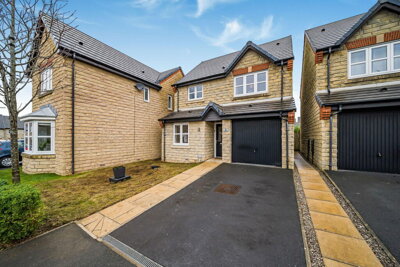
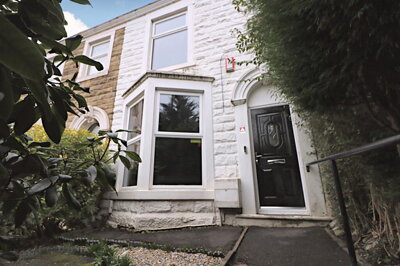
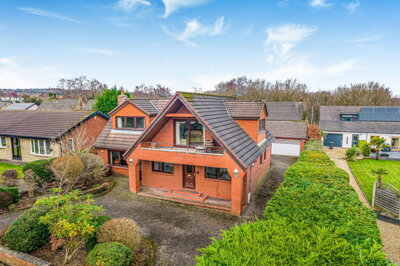
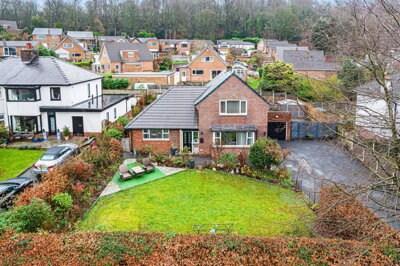
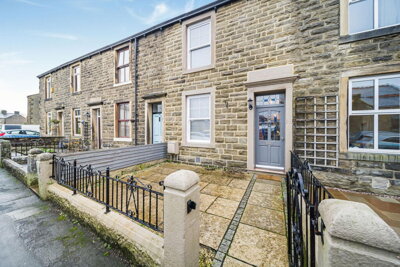
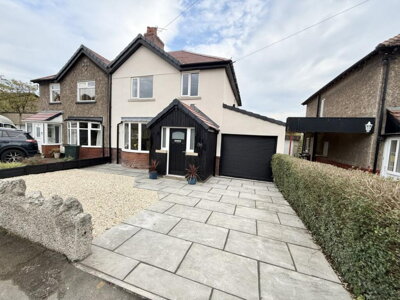
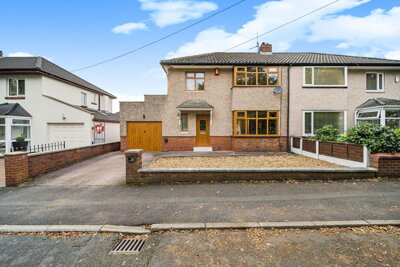
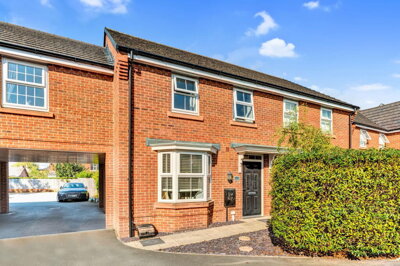
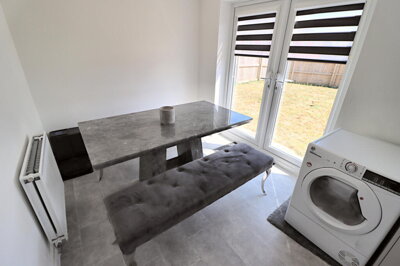
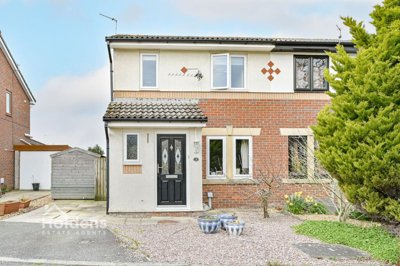
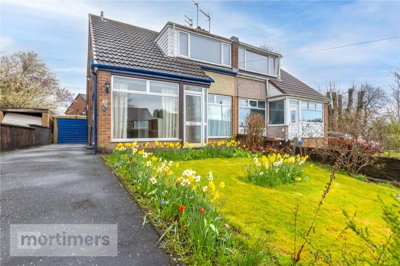
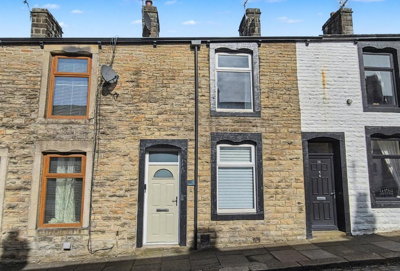
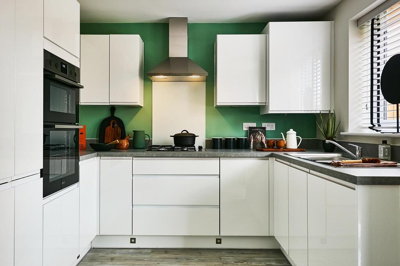
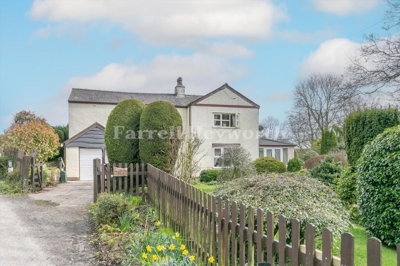
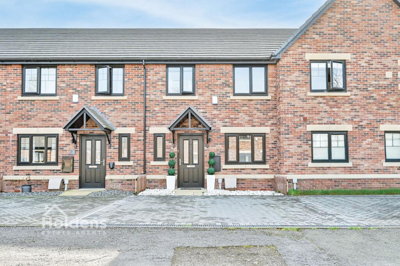
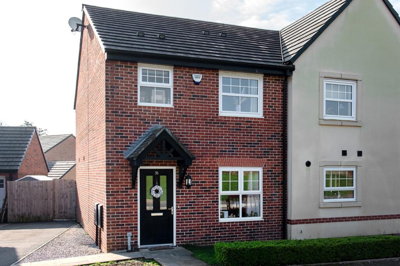
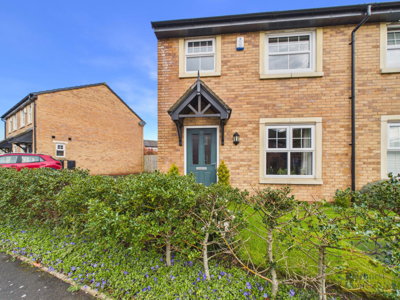
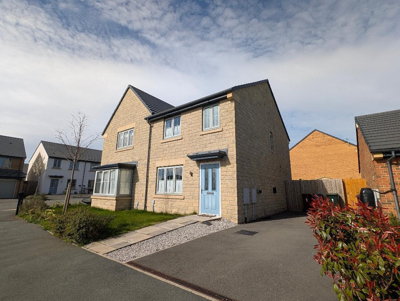
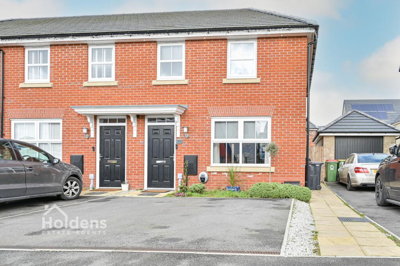
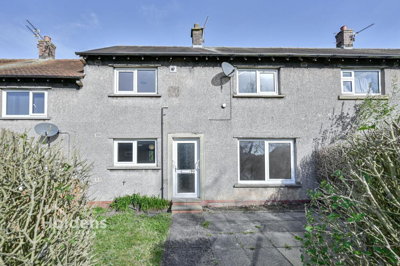
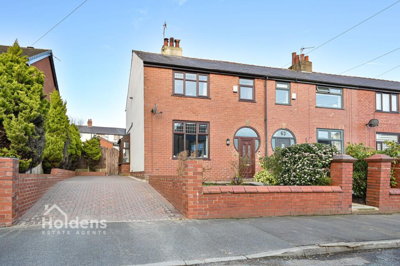
Browse 384 homes for sale in Ribble Valley from local estate agents.
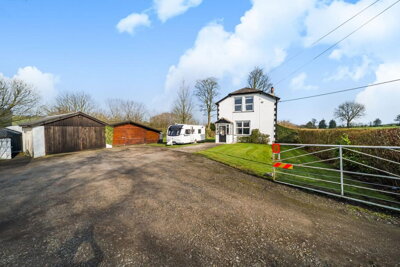
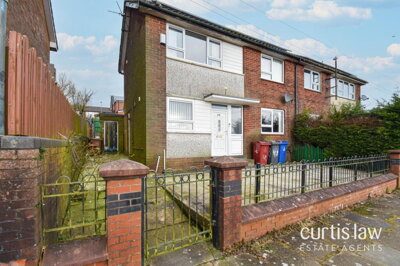
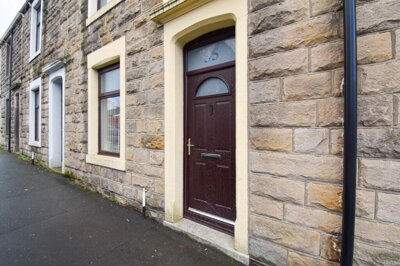
Three bedroom properties represent a significant portion of the Ribble Valley housing market, offering space for families with multiple reception rooms and gardens in many cases. Browse detached, semi-detached, and terraced options ranging from period character homes to contemporary developments.
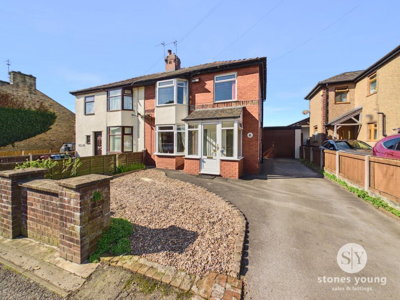
The Ribble Valley property market presents excellent opportunities across all property types. Detached homes command the highest prices, averaging £448,515, making them ideal for families seeking generous living space and gardens. Semi-detached properties average £248,300, representing strong value for buyers looking for a balance between space and affordability, with this segment seeing the strongest price growth at 1.95% over the past twelve months. Terraced properties average £183,939, while flats average £119,000, providing accessible entry points into this coveted area. The consistent demand for Ribble Valley properties reflects the borough's enduring appeal and limited supply of available homes.
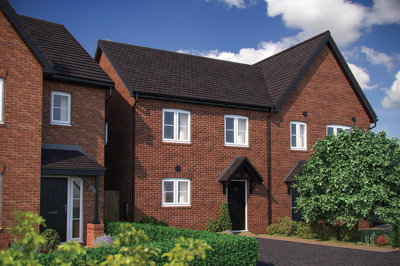
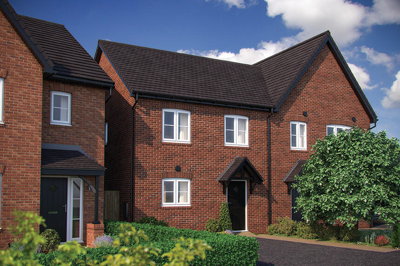
Several new-build developments are currently underway across the borough, offering modern homes with energy-efficient designs and warranty protection. The Pastures in Gisburn Road, Rimington, provides 3 to 5-bedroom homes from Story Homes priced from £299,995 to £549,995, while Ribble Meadows on Sawley Road in Longridge offers 3 and 4-bedroom homes from the same developer starting from £299,995. Miller Homes' Pendleton Grange development in Clitheroe and Taylor Wimpey's The Ridings in Whalley offer similar specifications and price points, with Half Penny Meadows on Pendle Road in Clitheroe presenting more affordable options from £186,995 for 2-bedroom homes through to £410,995 for larger 5-bedroom detached properties. Bellway's Whalley Manor development in Whalley offers 3, 4, and 5-bedroom houses from approximately £309,995.
The area's property stock spans multiple eras of construction, with over 24% of homes built before 1919 in traditional stone construction using local limestone and gritstone materials. A further 11.2% of properties date from the inter-war period 1919-1945, while the post-war boom between 1945-1980 accounts for 31% of the housing stock. Properties built from the 1980s onwards make up 33.5% of the borough, including the newer developments offering modern cavity wall construction, double glazing, and contemporary insulation standards. This mix means buyers can choose between characterful period properties and modern alternatives depending on their preferences and budget.

Ribble Valley is home to 61,561 residents across 25,662 households, according to the 2021 Census, with the population having grown by 7.6% since 2011 and household numbers increasing by 11.2%. This growth reflects the area's growing appeal as people seek alternatives to urban living, drawn by the combination of natural beauty, good schools, and relatively affordable property compared to neighbouring Greater Manchester. The borough's prosperous character and highly educated population make it an attractive location for families and professionals alike, while the presence of manufacturing employers like BAE Systems in nearby Samlesbury provides stable local employment opportunities.
The architectural character of Ribble Valley is defined by traditional stone construction, particularly local limestone around Clitheroe and gritstone throughout the villages. Over 66% of the housing stock was built before 1980, giving many areas a timeless quality with period features including thick walls, characteristic sash windows, and original fireplaces. The geology of the area creates distinctive building materials, with Carboniferous Limestone predominant around Clitheroe and Millstone Grit used in surrounding areas. Properties in villages like Ribchester, Chatburn, and Chipping often feature stone boundary walls and traditional farm buildings converted into residential use, contributing to the borough's distinctive character.
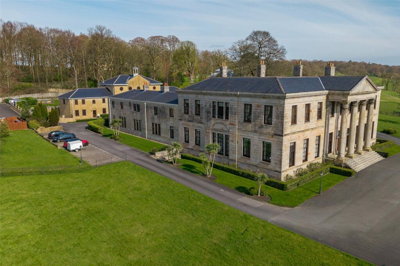
The borough boasts 22 designated conservation areas protecting the historic character of towns and villages including Clitheroe, Whalley, Longridge, Ribchester, Chatburn, and Chipping, among many others. These include smaller villages such as Gisburn, Grindleton, Hurst Green, Sabden, Sawley, Waddington, and Wiswell. The concentration of Grade I listed buildings, including Clitheroe Castle, Browsholme Hall, Whalley Abbey, Gisburne Park, and Stonyhurst College, reflects the area's rich heritage. This exceptional architectural legacy, combined with excellent local schools, independent shops, and a thriving food scene featuring acclaimed restaurants and traditional pubs, makes Ribble Valley exceptionally popular with families seeking a high quality of life in a beautiful setting.
Education provision in Ribble Valley serves families well across all stages, with primary schools in market towns and villages generally achieving good or outstanding Ofsted ratings. The main primary schools are located in Clitheroe, Whalley, and Longridge, with additional provision in villages including Ribchester, Chipping, and Gisburn. Parents should research specific catchment areas before committing to a property purchase, as school places can be competitive in popular villages like Waddington and Stonyhurst. The demand for properties in good school catchment areas creates a premium on family homes near these schools, making early research essential for buyers with children.
Secondary education is provided through Ribble Valley High School in Clitheroe, serving pupils from across the borough. For academically selective pupils, grammar school options are available in Lancashire, with several schools in Blackburn and Burnley admitting students from the Ribble Valley area based on entrance examination results. Parents considering grammar school attendance should factor travel arrangements into their property search, as daily commutes to schools outside the borough can be lengthy. The quality of secondary education significantly influences property values in the area, with homes within reasonable travelling distance of good schools commanding premium prices.
The area also offers excellent independent schooling options, with Stonyhurst College at Hurst Green representing one of the most prestigious educational institutions in the North of England. This historic Jesuit boarding and day school educates pupils from nursery through to A-levels, attracting families from across the UK and internationally who value its academic excellence and distinctive heritage. The Stonyhurst estate includes the Old Quadrangle, a Grade I listed building, and the school's presence contributes significantly to the local economy and community character. For families considering independent education, the availability of this world-class facility adds substantial value to Ribble Valley properties, with many parents choosing to relocate specifically to access Stonyhurst while enjoying rural family life.
Despite its rural character, Ribble Valley offers practical transport connections for commuters working in larger regional centres. The borough has rail stations at Clitheroe, Whalley, and Ramsgreave, connecting to the West Coast Main Line at Preston where direct trains to London Euston take approximately two hours. For professionals working in Manchester, the journey involves changing at Preston and typically takes around two and a half hours by public transport, making car travel often preferable for Manchester commuters. For longer-distance travel, Manchester Airport is accessible within approximately ninety minutes by car, offering international connections.
Local bus services operated by Lancashire County Council connect the main towns and villages, though frequencies may be limited in more rural areas, particularly on evening and weekend services. The Ribble Valley is renowned for its scenic countryside, with extensive walking, cycling, and bridleway networks including the Ribble Way long-distance footpath. These recreational amenities contribute significantly to the area's quality of life, attracting outdoor enthusiasts who appreciate the dramatic landscape of the Forest of Bowland and the Pennines. The good pub culture throughout the borough, with establishments like the Punch Bowl at Marton and the Park Head Inn in Waddington, provides traditional venues for socialising after countryside walks.
Road connections include the A59 running east-west through Clitheroe connecting to the M6 motorway via Preston, while the A65 runs through southern parts of the borough towards Leeds. Commuters to Blackburn, Burnley, and Preston find journey times manageable, typically thirty to forty-five minutes by car, making Ribble Valley viable for professionals working in these larger towns while enjoying rural home life. The road network has seen improvements in recent years, though peak-time congestion on narrow lanes in popular villages can occur during summer tourist season. For buyers prioritising commuting, properties along the A59 corridor between Clitheroe and Preston offer the most convenient access to the motorway network and rail connections.
Understanding local construction methods is essential when purchasing property in Ribble Valley, where the building heritage reflects the borough's distinctive geology and history. Properties built before 1919 typically feature solid stone or solid brick walls constructed with traditional lime mortar, which allows the structure to breathe and prevents moisture accumulation. These older buildings often have suspended timber floors, slate or stone tile roofs, and single-glazed timber sash windows. The solid wall construction provides excellent thermal mass but requires different treatment than modern cavity walls when considering insulation improvements or damp remediation.
The Carboniferous Limestone found around Clitheroe has been used as a building material for centuries, giving the town its distinctive warm grey appearance. Gritstone, harder and more resistant to weathering, was traditionally used for boundary walls, farm buildings, and village churches throughout the area. Victorian and Edwardian properties dating from 1850-1914 commonly feature red brick construction, often with decorative stone dressings and terracotta detailing. These properties typically have cavity wall construction introduced from the 1930s onwards, timber double-hung sash windows, and slate roofs. The transition to fully cavity-walled construction became standard from the 1960s, with properties built from this period onwards offering more straightforward maintenance and better insulation performance.
Modern properties built since the 1980s feature cavity wall insulation, concrete ground floors, and concrete or slate-effect roof tiles. New-build developments from Taylor Wimpey, Miller Homes, and Story Homes incorporate contemporary designs with open-plan living spaces, integral garages, and high energy efficiency ratings. When viewing properties across these different construction types, buyers should consider maintenance requirements, potential renovation restrictions in conservation areas, and the different approaches needed for surveys and valuations. Our partner surveyors understand these local construction methods and can provide accurate assessments for properties across all eras of Ribble Valley housing stock.
Explore different towns and villages within Ribble Valley to understand what each offers. Consider commute times to your workplace, school catchment areas, property types available, and proximity to local amenities. The difference between living in Clitheroe versus Whalley or Longridge can significantly impact your daily life. Clitheroe offers the largest town amenities with a weekly market and major supermarkets, while Whalley provides excellent restaurants and a strong community feel, and Longridge sits close to the Preston border for commuters.
Before viewing any properties, obtain a mortgage agreement in principle from a lender. This demonstrates your seriousness to sellers and estate agents. In Ribble Valley's competitive market, where properties in popular villages can receive multiple offers, having your finances ready can make the difference when competing against other buyers. Factor in stamp duty, solicitor fees, survey costs, and moving expenses to your budget. Remember that stamp duty on a £299,650 property will be approximately £2,483 for standard buyers, while first-time buyers may pay nothing if purchasing under £425,000.
Use Homemove to browse listings and book viewings through our partner estate agents. When viewing properties in Ribble Valley, pay attention to the construction materials, age of the property, and any signs of damp or structural issues common in older stone buildings. Many properties in conservation areas may have restricted permitted development rights, limiting potential extensions or alterations. Always view properties at different times of day and in various weather conditions if possible, and take photographs and notes to compare between viewings.
With over 66% of Ribble Valley homes built before 1980, a thorough survey is essential before committing to purchase. The RICS Level 2 HomeSurvey report highlights defects like damp, roof condition, timber defects, and structural movement that may not be apparent during a viewing. Typical costs range from £400 to £800 for properties up to £500,000, with larger detached homes attracting higher fees. For listed buildings, very old properties, or those showing significant defects, consider the more detailed RICS Level 3 Building Survey.
Choose a conveyancing solicitor experienced in Lancashire property transactions. They will handle searches, contracts, and registration with HM Land Registry. Local solicitors familiar with Ribble Valley will understand specific issues like flood risk areas near the River Ribble, conservation area restrictions affecting 22 designated zones throughout the borough, and any local planning matters. Your solicitor should conduct environmental searches covering ground conditions, flood risk, and any contaminated land issues that may affect the property or its value.
Once your mortgage offer is approved, surveys complete, and legal searches satisfactory, you will exchange contracts and pay your deposit, typically 10% of the purchase price. Completion typically follows within a few weeks, when you will receive your keys and become the official owner of your new Ribble Valley home. Ensure you have buildings insurance in place from the contract completion date, and arrange utility transfers with the property's existing suppliers or your preferred providers.
Properties in Ribble Valley present unique considerations for buyers, particularly given the diverse geology of the area. The borough sits on Carboniferous Limestone around Clitheroe, with areas of Millstone Grit and glacial till deposits containing shrinkable clay minerals. Properties built on clay soils may be susceptible to subsidence during periods of extreme weather or drought, so look for signs of cracking in walls, uneven floors, or doors and windows that stick and fail to close properly. Trees planted close to foundations can exacerbate clay shrinkage, particularly for properties in areas like Sawley and Waddington where mature gardens are common. A thorough survey will identify any foundation concerns, and your solicitor should investigate the local ground conditions through the environmental searches.
Flood risk is an important consideration in parts of Ribble Valley. The Environment Agency has identified four Flood Warning Areas, including parts of Clitheroe near Low Moor and Mearley Brook, Ribchester along the River Ribble, and Whalley. Properties located close to the River Ribble, River Calder, or River Hodder face the highest risk of fluvial flooding during periods of heavy rainfall. Surface water flooding can also occur in areas with inadequate drainage, particularly at the base of slopes or in low-lying parts of towns. If you are considering a property near any river or watercourse, review the flood risk assessment carefully and check whether the property has flood resilience measures in place, such as raised electrics or waterproof render.
The high concentration of conservation areas and listed buildings throughout Ribble Valley means many properties are subject to planning restrictions. If you are buying a listed building, any alterations require listed building consent from Ribble Valley Borough Council, and works must preserve the property's historic character. Standard renovations that might be permitted on a modern house could be prohibited or heavily restricted on a period property. Budget accordingly for any restoration work and ensure your solicitor explains the implications of any conservation area designation affecting the property. Properties in conservation areas have restrictions on external alterations including windows, doors, roofs, and boundary treatments, which can affect future renovation plans and costs.
According to Rightmove data from February 2026, the average property price in Ribble Valley is £299,650. Detached properties average £448,515, semi-detached homes average £248,300, terraced properties average £183,939, and flats average £119,000. Prices have increased by 1.05% over the past twelve months, with semi-detached properties showing the strongest growth at 1.95%. The ONS data from December 2025 shows an average of £281,000, with variations between data sources reflecting different methodologies and market segments. OnTheMarket reports a higher average of £394,000 as of February 2026, suggesting premium properties are well represented in some listings.
Properties in Ribble Valley fall under Ribble Valley Borough Council. Council tax bands range from A through H, with most traditional stone cottages and smaller terraced properties typically falling into bands A to C, while larger detached family homes in sought-after villages like Waddington, Stonyhurst, and Rimington may be in bands E to G. You can check the specific band for any property through the Valuation Office Agency website using the property address, and your solicitor can confirm this during the conveyancing process. Properties in the same street can sometimes fall into different bands depending on their size and value.
Ribble Valley offers excellent educational options at all levels. Primary schools in Clitheroe, Whalley, Longridge, and surrounding villages are generally well-regarded, with several achieving good or outstanding Ofsted ratings. Ribble Valley High School serves secondary pupils in Clitheroe, and the area is within reasonable travelling distance of grammar schools in Lancashire includingribble Valley's own grammar school provision. Stonyhurst College at Hurst Green provides prestigious independent education for pupils from nursery through to A-levels, attracting families from across the country and internationally who relocate specifically to access this historic institution.
Rail services connect Ribble Valley to Preston via stations at Clitheroe, Whalley, and Ramsgreave, with journey times to Preston of approximately thirty to forty minutes. From Preston, direct trains to London Euston take around two hours, making day commuting to the capital feasible for professionals with flexible working arrangements. Bus services operate throughout the borough, though frequencies in rural villages can be limited, particularly on evening and weekend services. For most residents, car ownership is essential, though the road network provides reasonable access to employment centres in Preston, Blackburn, and Burnley, typically within thirty to forty-five minutes drive.
Ribble Valley has proven attractive to property investors due to its consistent demand, growing population of 61,561 residents, and relative affordability compared to neighbouring Greater Manchester. The area benefits from commuting professionals, families seeking good schools, and retirees drawn to the quality of life and beautiful scenery of the Forest of Bowland. Rental demand is supported by the area's tourism sector, excellent pubs and restaurants, and the presence of local employers including manufacturing firms in nearby Samlesbury. However, as with any investment, thorough research into specific locations, rental yields, and potential void periods is essential before committing, and professional property management is recommended for landlords based outside the area.
Stamp Duty Land Tax rates for standard buyers in England are 0% on properties up to £250,000, 5% on the portion from £250,001 to £925,000, 10% from £925,001 to £1.5 million, and 12% above £1.5 million. On a typical Ribble Valley property averaging £299,650, this would amount to approximately £2,483. First-time buyers benefit from relief on properties up to £625,000, paying 0% up to £425,000 then 5% on amounts between £425,001 and £625,000, meaning many first-time buyers in this market will pay no stamp duty at all. Budget for this significant cost when calculating your total purchase expenses.
Ribble Valley contains four Flood Warning Areas designated by the Environment Agency, covering parts of Clitheroe near Low Moor and Mearley Brook, the village of Ribchester along the River Ribble, and Whalley. Properties near rivers and their floodplains face the highest risk of fluvial flooding, while surface water flooding can occur in areas with inadequate drainage. If you are considering a property in these areas, arrange appropriate surveys, check insurance availability and costs, and review the property's flood history through your solicitor's environmental searches. The borough's position away from the coast means coastal erosion is not a concern, though proximity to the River Ribble and its tributaries requires careful consideration.
With over 66% of Ribble Valley homes built before 1980, older properties often exhibit defects common to traditional construction. Damp problems including rising damp and penetrating damp frequently affect stone and solid brick buildings with inadequate damp-proof courses or ventilation. Roof condition requires careful inspection, with slate and tile deterioration, lead flashing issues, and defective gutters common on properties over fifty years old. Timber defects including woodworm and wet or dry rot affect floor timbers and roof structures, particularly where damp issues exist. Structural movement causing minor settlement cracks is common in older buildings, though significant cracks warrant further investigation. Outdated electrical wiring and plumbing systems from properties built before the 1980s often require upgrading to meet current standards.
Buying property in Ribble Valley involves several costs beyond the purchase price that buyers should budget for carefully. Stamp Duty Land Tax applies to all transactions above £250,000 for standard buyers, calculated at 5% on the portion between £250,001 and £925,000. On a typical Ribble Valley property averaging £299,650, this would amount to approximately £2,483 in stamp duty. First-time buyers purchasing properties up to £625,000 benefit from increased thresholds, paying nothing on the first £425,000 then 5% on amounts up to £625,000, which means many first-time buyers in this market pay reduced or zero stamp duty. Second home buyers and buy-to-let investors pay a 3% surcharge on all bands.
Additional costs include mortgage arrangement fees typically ranging from £500 to £2,000 depending on the lender and deal, while some mortgages offer fee-free options. Surveyor fees for a RICS Level 2 HomeSurvey range from £400 to £800 depending on property value and size, with larger detached homes attracting higher charges. Conveyancing costs typically range from £500 to £1,500 for solicitor fees plus disbursements covering searches and registration. Search fees for Ribble Valley specifically will include drainage and water searches, environmental searches covering flood risk and ground conditions, local authority searches, and potentially mining searches if applicable. Total buying costs are typically budgeted at 2% to 3% of the purchase price, so for a £299,650 property, expect to pay between £6,000 and £9,000 in additional costs.
When budgeting for a new-build property in Ribble Valley from developments like Pendleton Grange, Half Penny Meadows, or The Pastures, also consider that developers may offer incentives or have their own recommended solicitors and financial advisors. While convenient, using developer-recommended services is not obligatory, and seeking independent quotes may save money. For listed building purchases, factor in the potential for higher survey and legal costs due to the additional complexity of dealing with historic properties and their special status. Properties in conservation areas may also require specialist advice on permitted development rights and planning restrictions that could affect future renovation budgets.
Properties for Sale In London

Properties for Sale In Plymouth

Properties for Sale In Liverpool

Properties for Sale In Glasgow

Properties for Sale In Sheffield

Properties for Sale In Edinburgh

Properties for Sale In Coventry

Properties for Sale In Bradford

Properties for Sale In Manchester

Properties for Sale In Birmingham

Properties for Sale In Bristol

Properties for Sale In Oxford

Properties for Sale In Leicester

Properties for Sale In Newcastle

Properties for Sale In Leeds

Properties for Sale In Southampton

Properties for Sale In Cardiff

Properties for Sale In Nottingham

Properties for Sale In Norwich

Properties for Sale In Brighton

Properties for Sale In Derby

Properties for Sale In Portsmouth

Properties for Sale In Northampton

Properties for Sale In Milton Keynes

Properties for Sale In Bournemouth

Properties for Sale In Bolton

Properties for Sale In Swansea

Properties for Sale In Swindon

Properties for Sale In Peterborough

Properties for Sale In Wolverhampton

Enter your details to see if this property is within your budget.
Loans, cards, car finance
Estimated property budget
Borrowing + deposit
You could borrow between
Typical borrowing
Monthly repayment
Est. at 4.5%
Loan-to-value
This is an estimate only. Your actual budget may vary depending on interest rates, credit history, and personal circumstances. For an accurate affordability assessment, speak to one of our free mortgage advisors.
This calculator provides estimates for illustrative purposes only and does not constitute financial advice. Your home may be repossessed if you do not keep up repayments on your mortgage. Estimates based on 4.5% interest rate, repayment mortgage. Actual rates depend on your circumstances.
Homemove is a trading name of HM Haus Group Ltd (Company No. 13873779, registered in England & Wales). Homemove Mortgages Ltd (Company No. 15947693) is an Appointed Representative of TMG Direct Limited, trading as TMG Mortgage Network, which is authorised and regulated by the Financial Conduct Authority (FRN 786245). Homemove Mortgages Ltd is entered on the FCA Register as an Appointed Representative (FRN 1022429). You can check registrations at NewRegister or by calling 0800 111 6768.

We use cookies to show you personalised content and improve your experience of our website. Find out more in our Privacy policy and Cookie policy.