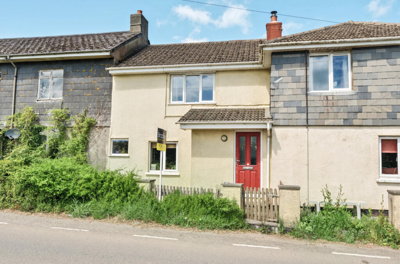
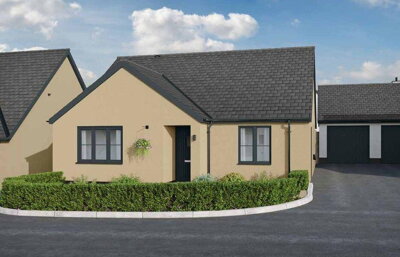
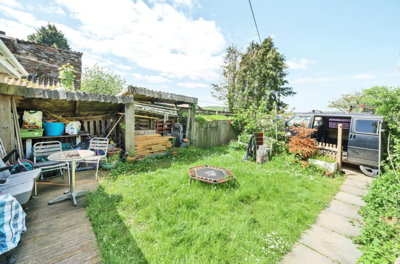
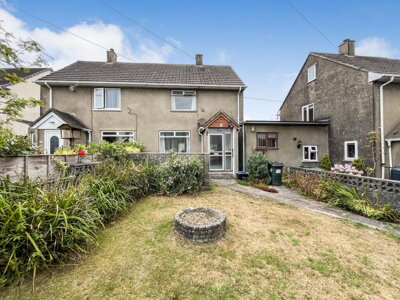
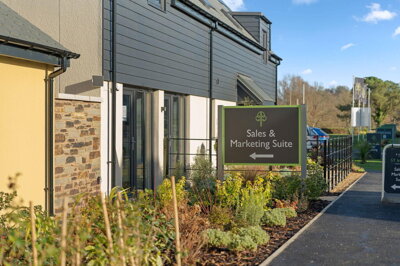
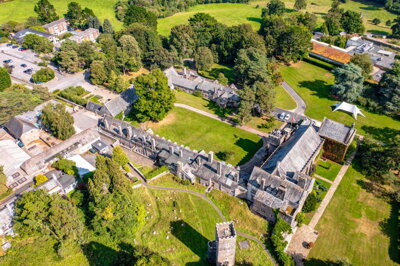
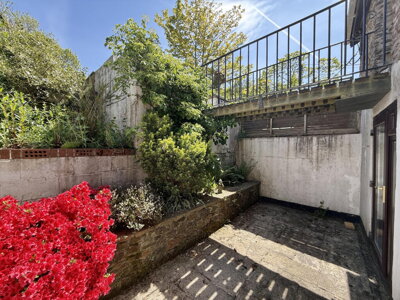
Browse 7 homes for sale in Rattery, South Hams from local estate agents.
The 2 bed house market features detached, semi-detached, and terraced properties with two separate bedrooms plus living spaces. Properties in Rattery range from Victorian and Edwardian period homes to modern new builds, with pricing varying across different neighbourhoods.
£0k
0
0
0
Source: home.co.uk
Showing 0 results for 2 Bedroom Houses for sale in Rattery, South Hams.
The Rattery property market reflects the broader appeal of South Hams as one of Devon's most desirable residential areas. Current average prices sit at £402,000, with detached properties commanding around £450,000 and semi-detached homes typically reaching £310,000. Over the past twelve months, property values in the parish have increased by an average of 1.3%, indicating steady and sustainable growth driven by continued demand from buyers seeking rural lifestyles within commutable distance of major employment centres.
Property types available in Rattery include traditional stone-built farmhouses, rendered cottages, and more recent additions to the housing stock constructed in local materials consistent with the area's vernacular architecture. Terraced properties average around £290,000, while flats in the village centre reach approximately £180,000. The prevalence of older properties means many homes feature characteristic slate roofs, solid stone walls, and original features that appeal to buyers seeking authentic character. Our listings bring together these diverse property types from estate agents operating throughout the South Hams region.
The limited number of sales - approximately 10 properties per year - reflects the scarcity of available stock in this Conservation Area rather than weak demand. Properties here tend to come to market through smaller local estate agents familiar with the village, and serious buyers often maintain relationships with multiple agencies to stay informed of upcoming listings. The South Hams housing market has demonstrated remarkable resilience, with demand for homes for sale in Rattery continuing to attract buyers from across the UK seeking to relocate from larger cities.

Rattery is a small but vibrant parish with a population of 468 residents according to the 2021 Census, creating an intimate community atmosphere where neighbours often know one another by name. The village centre centres around the historic parish church and a collection of period properties that line the country lanes connecting Rattery to neighbouring settlements. As a Conservation Area, the village maintains strict guidelines on new development and property alterations, ensuring that its traditional Devon character remains intact for future generations to appreciate.
The local economy of Rattery and the wider South Hams area is primarily agricultural, with farms and smallholdings dotting the surrounding countryside. Many residents operate small businesses from home or work remotely, taking advantage of the peaceful rural environment and excellent broadband connections now available in most parts of the parish. The proximity to Dartington, with its renowned Dartington Hall estate and craft workshops, adds a cultural dimension to village life, while the nearby River Dart provides opportunities for walking, fishing, and enjoying the natural beauty of the South Devon countryside.
Community life in Rattery revolves around the parish church, the historic village hall, and the network of public footpaths that traverse the surrounding farmland. The nearby town of Totnes, approximately five miles away, provides access to supermarkets, independent shops, medical facilities, and a weekly market that has trading roots stretching back centuries. For those seeking cultural activities, the Dartington Hall estate hosts events, workshops, and courses throughout the year, while the coastal towns of Dartmouth and Kingsbridge offer beaches, sailing clubs, and seasonal festivals that draw visitors from across the region.
Families considering a move to Rattery will find a selection of educational options within the surrounding area, with primary schooling available in nearby villages and the nearby town of Totnes offering a broader range of establishments. The South Hams district is home to several primary schools that serve the rural parishes, many of which are rated Good or Outstanding by Ofsted inspectors. Parents should research specific catchment areas and admissions policies, as these can vary depending on the precise location of properties within the parish and the distances involved to schools in neighbouring communities.
Primary schools in the surrounding area include those in Dartington, Staverton, and Buckland, all within reasonable driving distance of Rattery village. Dartington Church of England Primary School serves families seeking a faith-based education in a village setting, while schools in Totnes provide additional options for parents preferring urban-based primary education. The South Hams area has generally performed well in educational attainment measures, with primary schools maintaining standards that reflect the relatively affluent nature of the district.
Secondary education in the area is well served by schools in Totnes, where students can access a comprehensive curriculum and sixth form provision. For families seeking independent education, the nearby Dartington Hall School offers an alternative approach to secondary education within the local community. The presence of quality educational institutions in the surrounding area makes Rattery an attractive option for families looking to balance rural living with access to good schools, though parents should factor in transport arrangements when evaluating properties at different ends of the parish.
Rattery enjoys a strategic position within South Devon, offering residents access to major transport corridors while maintaining its peaceful village setting. The A38 Devon Expressway runs through the nearby area, providing direct connections to Plymouth approximately 15 miles to the west and to the M5 motorway beyond, linking the region to Bristol and the Midlands. Totnes railway station, situated approximately five miles from Rattery village centre, offers regular services to Plymouth, Exeter, and beyond, with direct trains to London Paddington taking around three hours.
For those who rely on public transport, local bus services connect Rattery with Totnes and surrounding villages, though frequency may be limited compared to urban routes, making car ownership practically essential for most residents. Bus services operated by Stagecoach and local providers offer connections throughout South Hams, though journey planning should account for rural service timetables. Cycling infrastructure in the South Hams has improved in recent years, with quiet country lanes popular among recreational cyclists and commuters alike.
Many residents who work in Plymouth or Exeter choose to drive to nearby rail stations to combine car and train journeys, taking advantage of the flexibility that this semi-rural location provides. Plymouth offers major employment opportunities in the defence, marine, and healthcare sectors, while Exeter provides access to regional government offices, university facilities, and additional retail centres. The journey from Rattery to Plymouth city centre takes approximately 35 minutes by car under normal traffic conditions, making day trips and regular commuting feasible for those working in the city.
Explore current listings and recent sales in Rattery to understand property values and availability. With around 10 sales annually and limited stock, patience may be required to find the right property. We recommend setting up alerts with local estate agents who operate in the South Hams area, as many properties in this Conservation Area are sold privately or through smaller agencies before reaching major property portals.
Contact estate agents in the South Hams area to arrange viewings of properties that match your requirements. Many homes in this Conservation Area may be sold by smaller local agents who know the village intimately. When attending viewings, take time to explore the surrounding neighbourhood, test mobile phone reception, and check broadband speeds, as these practical considerations can significantly impact daily life in a rural parish.
Obtain an agreement in principle from a lender before making an offer. This strengthens your position when dealing with sellers in a competitive market where homes for sale in Rattery attract multiple interested buyers. Local mortgage brokers familiar with South Hams properties can often secure competitive rates for countryside homes with non-standard construction.
Given Rattery's older housing stock and listed buildings, a thorough survey is essential. Costs range from £450 for a standard semi-detached home to £900 for larger detached properties. Our team recommends scheduling this inspection early in the process, as survey findings can inform negotiation on purchase price or highlight issues requiring specialist attention.
A local solicitor with South Hams experience can navigate the specifics of conservation area restrictions and historic property conveyancing efficiently. Properties in Rattery often have complex title arrangements or covenants that benefit from legal advice specific to Devon property transactions. We can connect you with conveyancing specialists who understand local requirements.
Once surveys and searches are satisfactory, your solicitor will coordinate the exchange of contracts and final registration of your ownership with the Land Registry. Completion typically takes between 8 and 12 weeks from offer acceptance, though Rattery properties with listed building status or unusual titles may require additional time for formal consents.
Properties in Rattery require careful inspection due to the age and construction methods typical of this Conservation Area. Traditional stone walls, while beautiful, can be susceptible to moisture penetration if not properly maintained, and rising damp is a common issue in older properties that may have been built without modern damp-proof courses. Prospective buyers should look for signs of damp on ground floor walls and ceilings, particularly in rooms where ventilation may be limited. Roof conditions also warrant close attention, as slate tiles can slip or crack over time, and lead flashing around chimneys may deteriorate on older roofs of 50 years or more.
The geology of South Hams includes areas of clay soil that can cause foundation movement through shrink-swell cycles, particularly during periods of drought followed by wet weather. Properties with large trees nearby or those built on shallow foundations may show signs of subsidence or heave that require professional assessment. The underlying Devonian slate and shale geology of the area generally provides stable foundations, but localised variations in superficial deposits can create conditions where ground movement becomes a concern. Our inspectors regularly identify these issues during surveys of Rattery properties.
Drainage systems in older properties are often original and may need replacement or upgrading to meet current standards. Many homes for sale in Rattery feature traditional cast iron soil pipes and ceramic drainage channels that have served for decades but now require careful evaluation. For listed buildings, any significant works will require consent from South Hams District Council planning authority, and buyers should factor potential renovation costs and specialist requirements into their budget calculations. Properties with permitted development rights removed may face additional restrictions on extensions or alterations.
Our inspectors frequently encounter specific defect patterns when surveying homes for sale in Rattery. Damp issues rank among the most common problems found, particularly rising damp through solid stone walls where original lime mortar has deteriorated over time. Properties that have been fitted with modern cement pointing or renders may paradoxically suffer worse damp problems than those maintaining traditional breathable materials. Penetrating damp through failed external joinery and deteriorated leadwork around chimneys also appears regularly in survey reports for older Rattery homes.
Timber defects represent another significant category of issues identified in Rattery properties. Our team regularly finds evidence of woodworm activity in structural timbers, particularly in properties where maintenance has been neglected during vacant periods. Wet rot in window frames, door frames, and floor joists often accompanies damp penetration issues, especially in buildings where original single-glazed windows have not been upgraded. We always recommend careful examination of any timber that shows signs of discolouration, softness, or insect activity.
Roof conditions on Rattery properties merit thorough inspection given the age of much of the local housing stock. Slipped and missing slates frequently appear on buildings over 50 years old, particularly after periods of severe weather. Decaying timber sarking, deteriorated ridge tiles, and corroded lead valleys can all lead to water ingress that damages ceiling timbers and plasterwork below. Our surveyors use thermal imaging equipment to identify hidden moisture within roof structures that may not be apparent during a visual inspection.
Electrical systems in older Rattery properties often require updating to meet current safety standards. Original wiring installed 30 or 40 years ago may not have the capacity for modern household demands and may present fire risks if the protective devices have not been upgraded. Buyers should request evidence of recent electrical testing or budget for a full rewire as part of any renovation plans. Gas and oil-fired heating systems in older homes similarly warrant professional inspection to ensure safe operation.
The average property price in Rattery stands at £402,000 according to recent market data. Detached properties average around £450,000, semi-detached homes reach approximately £310,000, and terraced properties typically sell for £290,000. Over the past twelve months, prices have increased by 1.3%, indicating stable demand in this South Hams village market. Flats in the village centre average approximately £180,000, though these represent a smaller portion of available stock in this predominantly detached and semi-detached parish.
Properties in Rattery fall under South Hams District Council's jurisdiction. Council tax bands range from A to H depending on property value and type. Most traditional cottages and farmhouses in the village centre are likely to be in bands B to D, while larger detached properties may be in higher bands. Prospective buyers should check specific bands on the Valuation Office Agency website for individual properties. Banding can affect both annual costs and potential capital gains tax considerations when selling.
Rattery is served by primary schools in nearby villages and the wider South Hams area, many of which have Good or Outstanding Ofsted ratings. Primary options include Dartington Church of England Primary School, which provides faith-based education in the neighbouring village. Secondary education is available at schools in Totnes, approximately five miles away, including Totnes Community College. The Dartington Hall School offers an independent education option nearby. Catchment areas and admissions criteria should be confirmed with the local education authority before purchasing.
Rattery is primarily car-dependent, with local bus services providing limited connections to Totnes and surrounding villages. Stagecoach services operate routes through South Hams connecting rural parishes with market towns, though journey frequencies may not suit those without private vehicles. Totnes railway station, five miles away, offers regular services to Plymouth, Exeter, and direct trains to London Paddington taking around three hours. The A38 Devon Expressway provides road access to Plymouth and the M5 motorway network. Most residents rely on a combination of car travel and rail services for commuting and longer journeys.
Rattery and the wider South Hams area have demonstrated consistent property value growth, with prices increasing by 1.3% over the past year. The desirability of rural Devon locations, limited housing supply, and the Conservation Area status that restricts new development all support long-term property values. Properties requiring renovation may offer investment potential, though buyers should budget for the costs associated with older building stock and potential specialist requirements for listed properties. Rental demand in the area is steady, driven by professionals seeking countryside living within commutable distance of Plymouth or Totnes.
For standard purchases, stamp duty land tax applies at 0% on the first £250,000 of property value, 5% on £250,001 to £925,000, and 10% on the portion up to £1.5 million. First-time buyers benefit from relief on the first £425,000, with 5% charged between £425,001 and £625,000. Properties above £625,000 do not qualify for first-time buyer relief. Your conveyancing solicitor will calculate the exact amount based on your purchase price and circumstances. The SDLT threshold changes announced in recent budgets may affect calculations for purchases above certain values.
Given the age of properties in this Conservation Area, a RICS Level 2 Survey is strongly recommended for most purchases. Costs range from £450 to £700 for a typical three-bedroom semi-detached property and £600 to £900 for larger four-bedroom detached homes. For listed buildings or properties requiring extensive renovation, a more detailed RICS Level 3 Building Survey may be appropriate. These surveys can identify issues common to older construction, including damp, timber defects, and roof condition. Our team includes surveyors experienced with South Devon properties who understand local construction methods.
Rattery sits inland, reducing coastal flood risk significantly. However, proximity to tributaries of the River Dart means some properties near watercourses may face river flooding during periods of heavy rainfall. Surface water flooding can occur in areas with poor drainage. A property search and environmental report will reveal specific flood risk designations for individual plots, and buyers should discuss any flood zone designations with their solicitor and surveyor. Properties in low-lying positions near streams or drainage channels warrant particular attention during the survey process.
When purchasing a property in Rattery, budget carefully for the additional costs beyond the purchase price. Stamp duty land tax applies to all purchases above £250,000 at standard rates, with first-time buyers receiving relief on the first £425,000 of their purchase. A typical first-time buyer purchasing a terraced property at £290,000 would pay no stamp duty, while a £450,000 detached home would incur £1,250 in SDLT charges after the first-time buyer threshold. For those who do not qualify as first-time buyers, the same £450,000 property would attract £10,000 in stamp duty.
Survey costs represent another important consideration in Rattery, where the age of the housing stock makes professional inspection particularly valuable. RICS Level 2 Surveys typically cost between £450 and £900 depending on property size, with the national average range being £400 to £900. Legal fees for conveyancing generally start from £499 for standard transactions, rising for leasehold properties or those involving more complex title issues common with historic properties. Searches, registration fees, and land registry charges typically add several hundred pounds to the total legal bill. Homemove recommends obtaining quotes from multiple providers to ensure competitive pricing on all these services.
Additional costs to factor into your budget include mortgage arrangement fees, which can range from zero to £2,000 depending on the lender and product chosen. Survey and valuation fees for mortgage purposes are often required in addition to any independent RICS survey you commission. Buildings insurance should be in place from the point of exchange, and removals costs can vary significantly depending on the volume of belongings and distance travelled. Setting aside a contingency fund equivalent to around 10% of purchase price is advisable for dealing with unexpected issues that arise during the purchase process or shortly after completion.
From £450
A thorough inspection of the property's condition, ideal for Rattery's older housing stock. Identifies defects common in traditional Devon construction including damp, timber issues, and roof problems.
From £600
A comprehensive structural survey recommended for listed buildings and period properties requiring detailed assessment. Provides extensive analysis of construction and defect identification.
From £80
Energy Performance Certificate required for all property sales. Assesses energy efficiency and provides recommendations for improvements.
From £499
Property legal services from solicitors experienced in South Hams transactions, including conservation area requirements and historic property titles.
Properties for Sale In London

Properties for Sale In Plymouth

Properties for Sale In Liverpool

Properties for Sale In Glasgow

Properties for Sale In Sheffield

Properties for Sale In Edinburgh

Properties for Sale In Coventry

Properties for Sale In Bradford

Properties for Sale In Manchester

Properties for Sale In Birmingham

Properties for Sale In Bristol

Properties for Sale In Oxford

Properties for Sale In Leicester

Properties for Sale In Newcastle

Properties for Sale In Leeds

Properties for Sale In Southampton

Properties for Sale In Cardiff

Properties for Sale In Nottingham

Properties for Sale In Norwich

Properties for Sale In Brighton

Properties for Sale In Derby

Properties for Sale In Portsmouth

Properties for Sale In Northampton

Properties for Sale In Milton Keynes

Properties for Sale In Bournemouth

Properties for Sale In Bolton

Properties for Sale In Swansea

Properties for Sale In Swindon

Properties for Sale In Peterborough

Properties for Sale In Wolverhampton

Enter your details to see if this property is within your budget.
Loans, cards, car finance
Estimated property budget
Borrowing + deposit
You could borrow between
Typical borrowing
Monthly repayment
Est. at 4.5%
Loan-to-value
This is an estimate only. Your actual budget may vary depending on interest rates, credit history, and personal circumstances. For an accurate affordability assessment, speak to one of our free mortgage advisors.
This calculator provides estimates for illustrative purposes only and does not constitute financial advice. Your home may be repossessed if you do not keep up repayments on your mortgage. Estimates based on 4.5% interest rate, repayment mortgage. Actual rates depend on your circumstances.
Homemove is a trading name of HM Haus Group Ltd (Company No. 13873779, registered in England & Wales). Homemove Mortgages Ltd (Company No. 15947693) is an Appointed Representative of TMG Direct Limited, trading as TMG Mortgage Network, which is authorised and regulated by the Financial Conduct Authority (FRN 786245). Homemove Mortgages Ltd is entered on the FCA Register as an Appointed Representative (FRN 1022429). You can check registrations at NewRegister or by calling 0800 111 6768.

We use cookies to show you personalised content and improve your experience of our website. Find out more in our Privacy policy and Cookie policy.