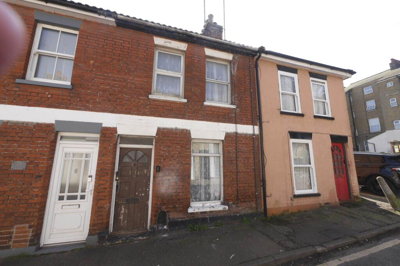
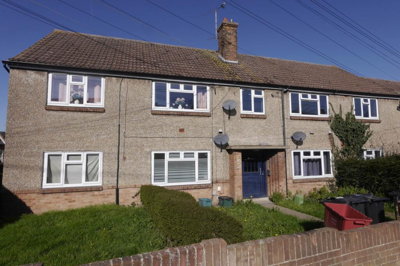
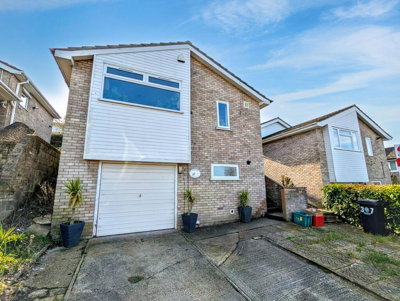
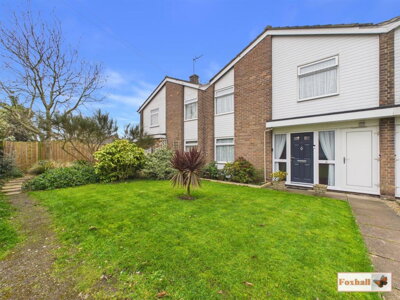
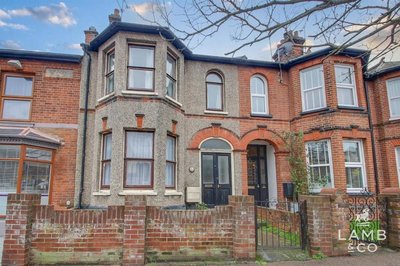
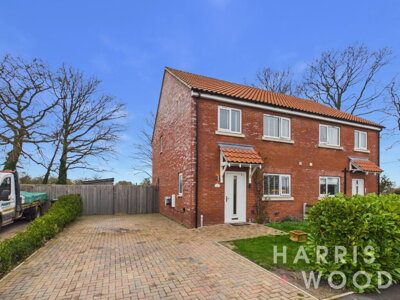
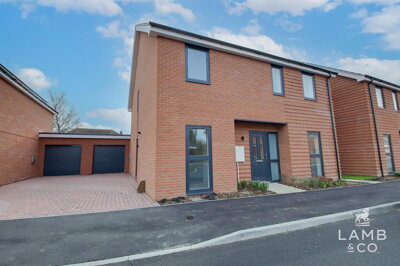
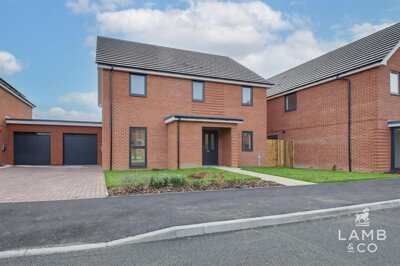
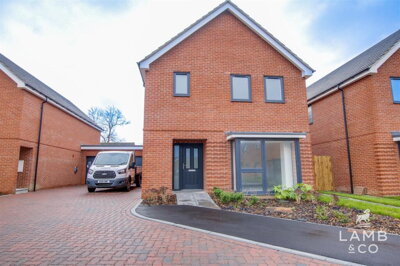
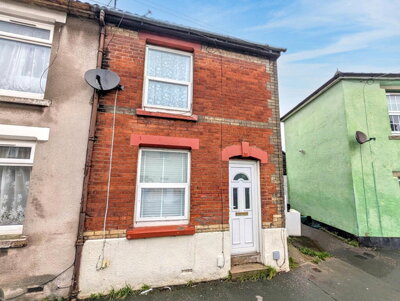
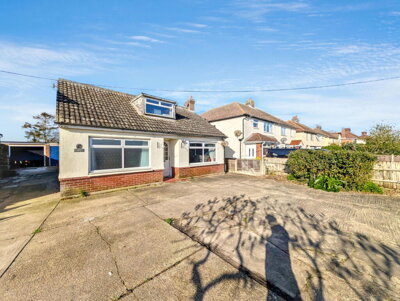
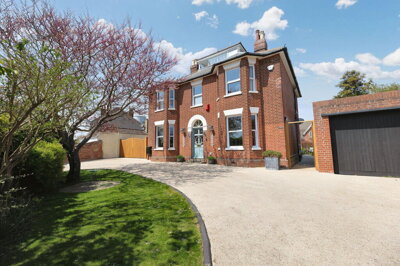
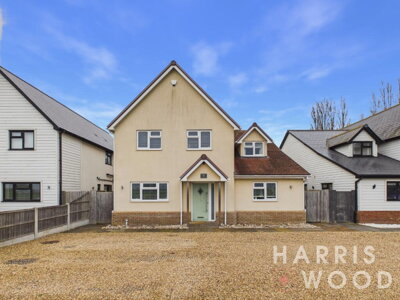
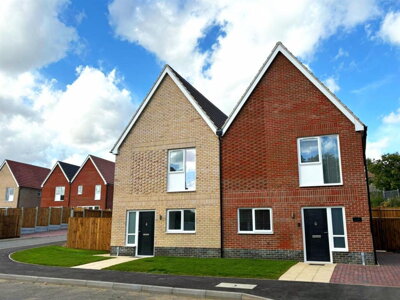
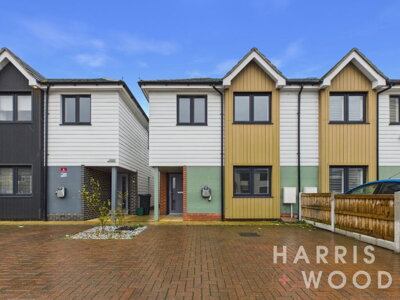
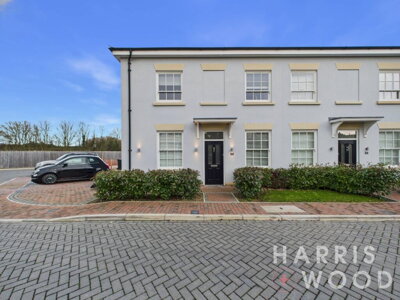
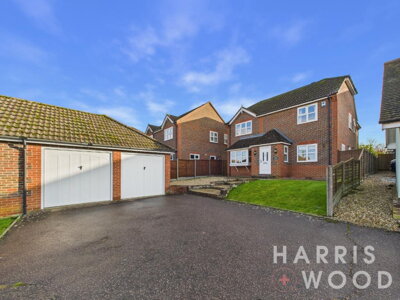
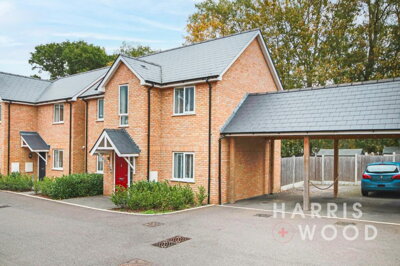
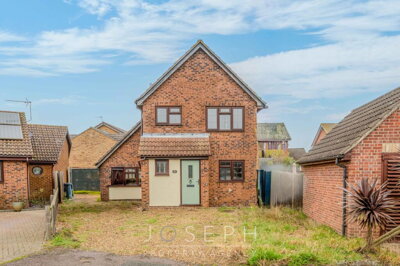
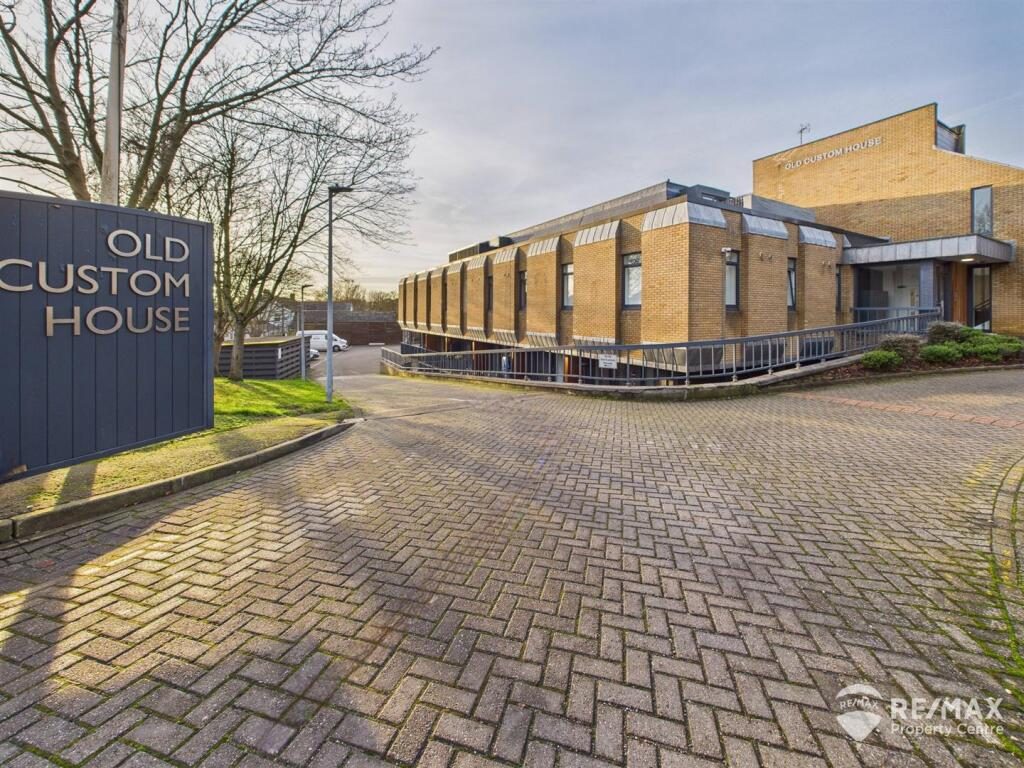
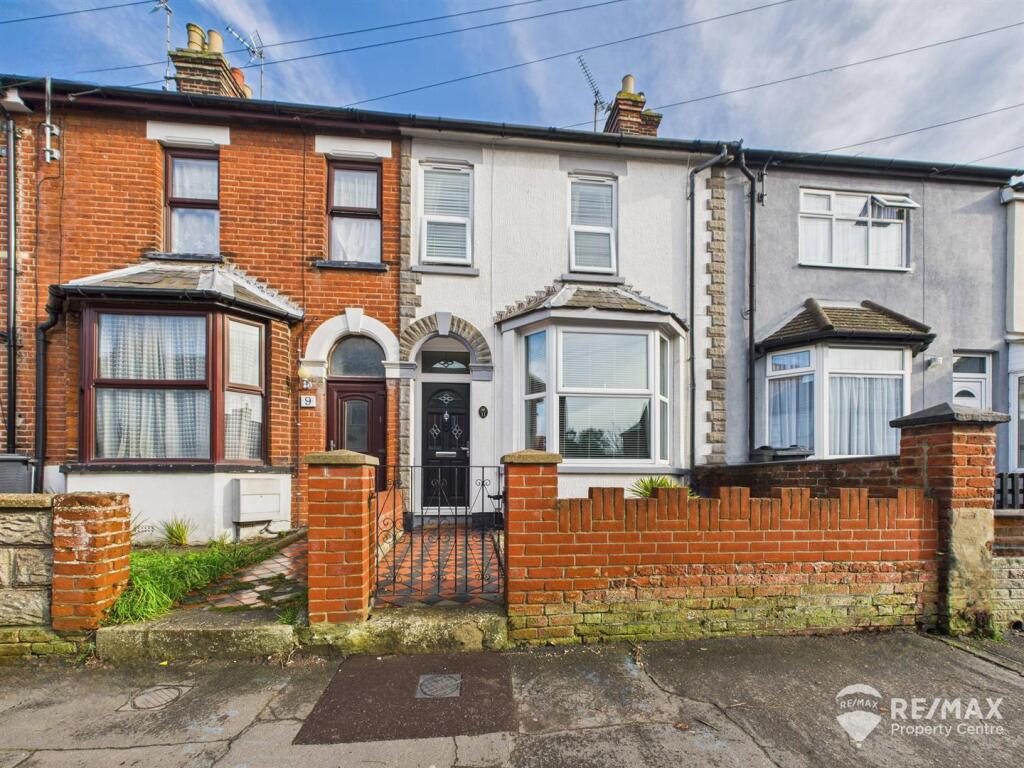
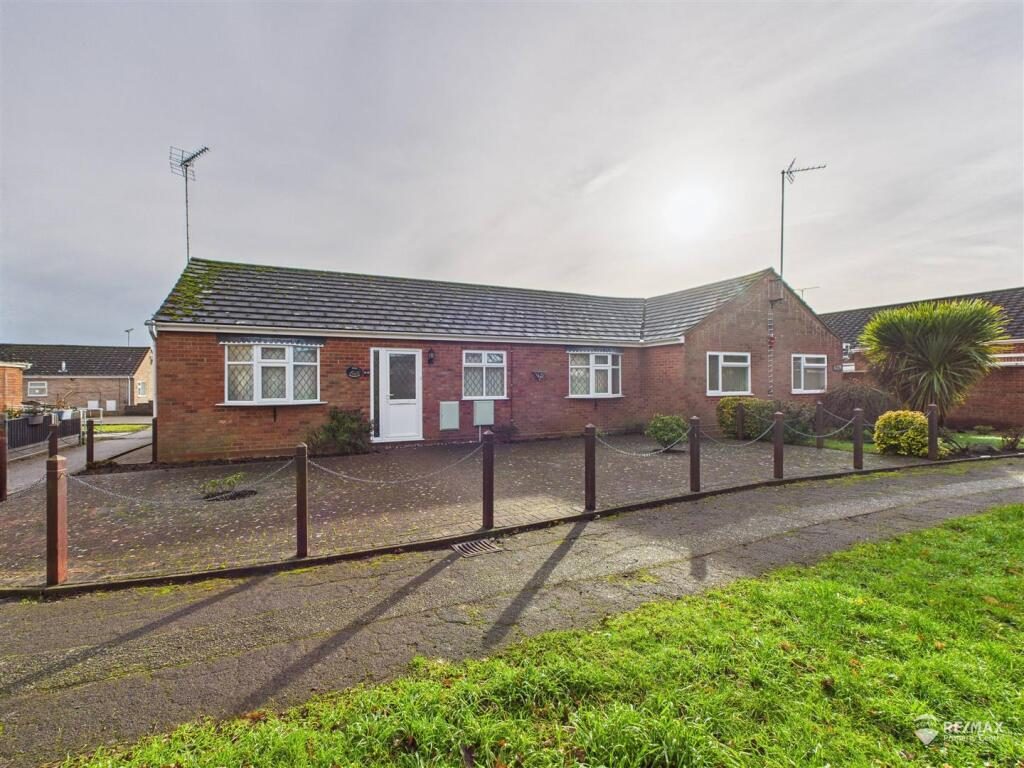
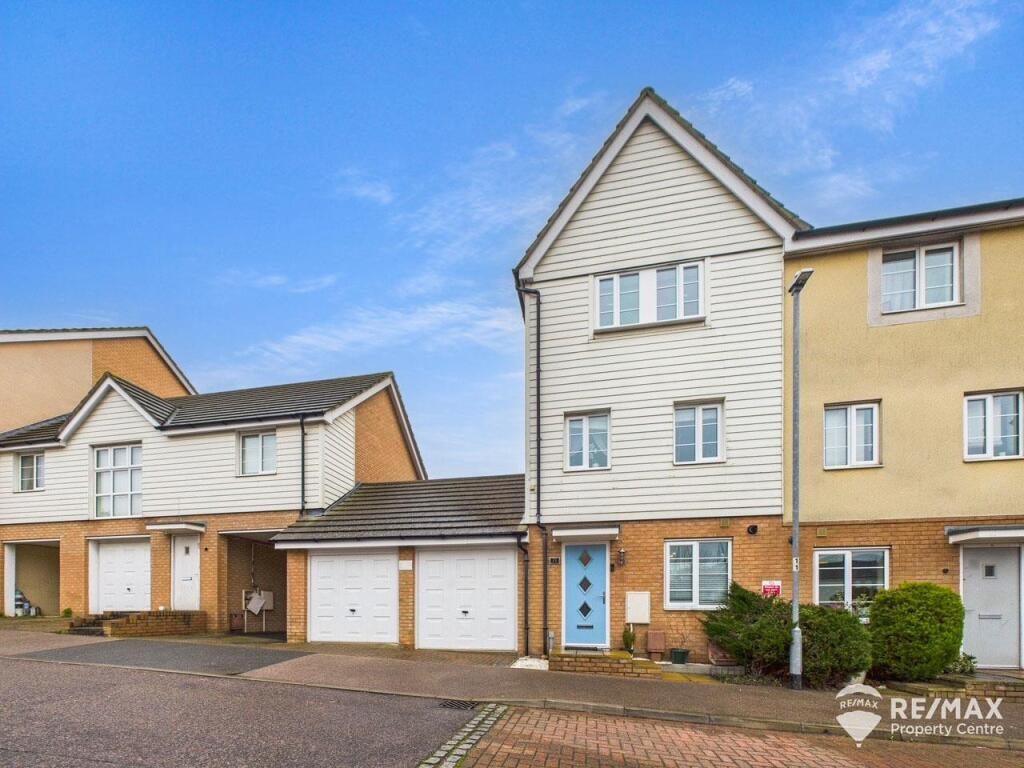
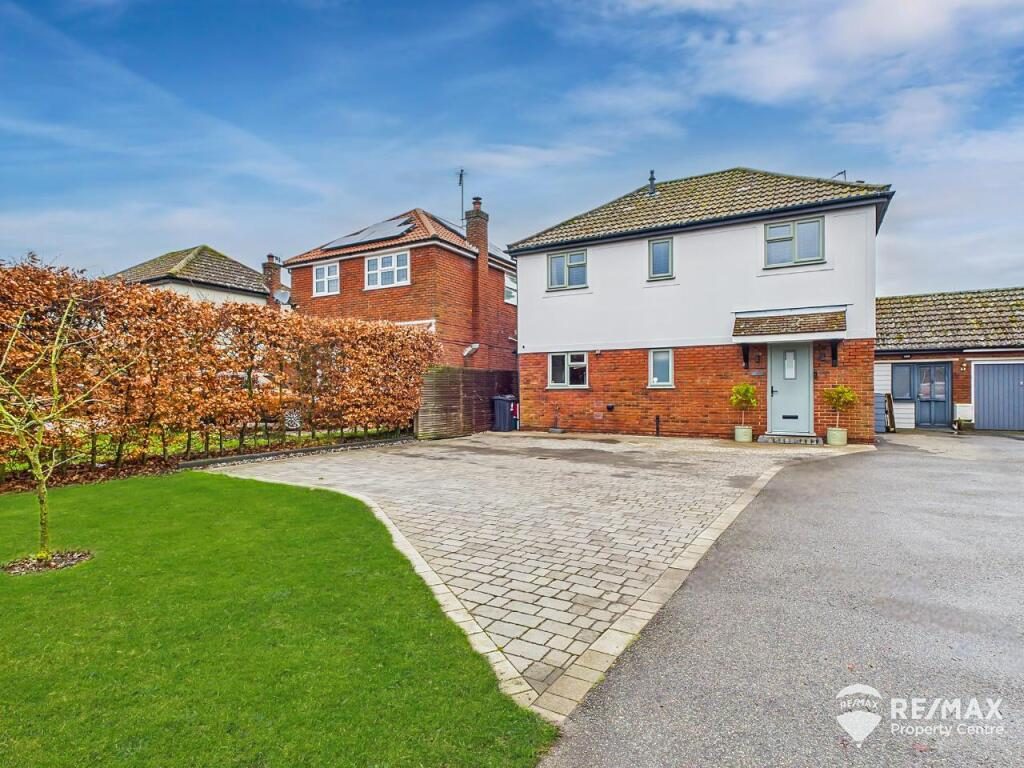
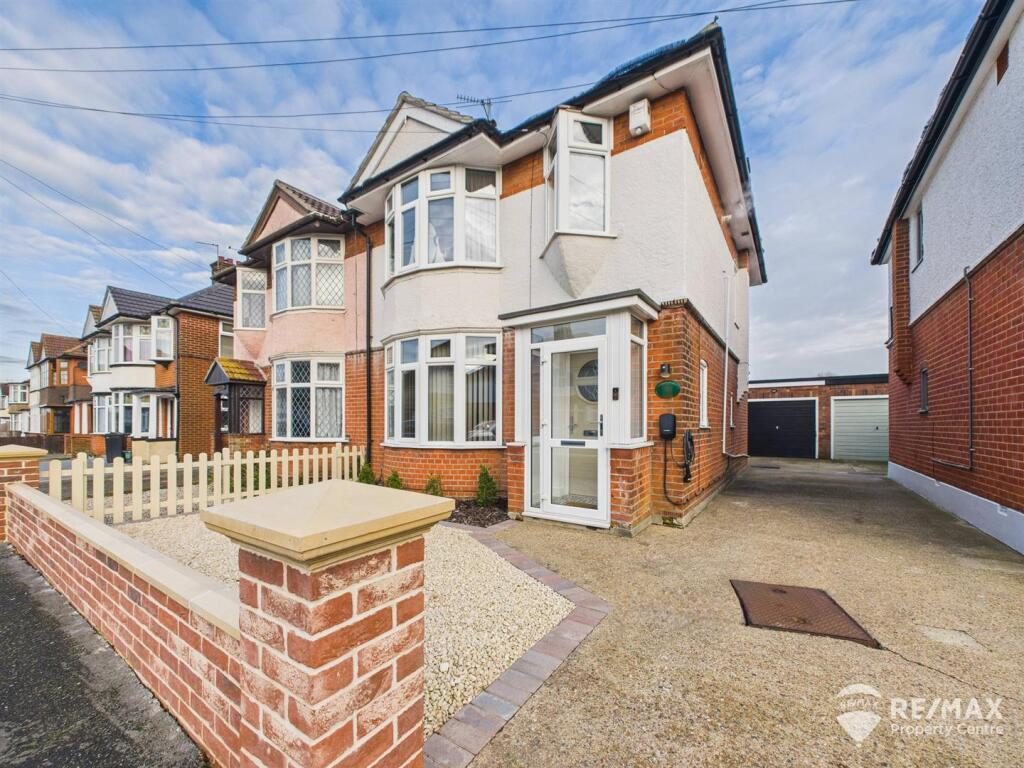
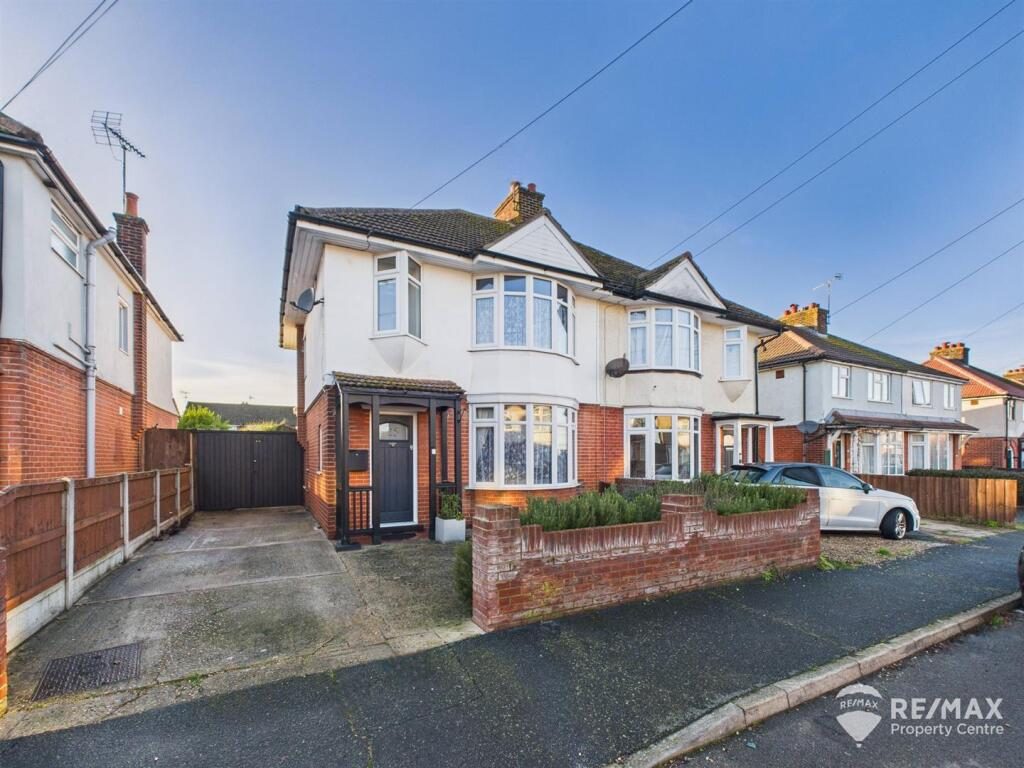
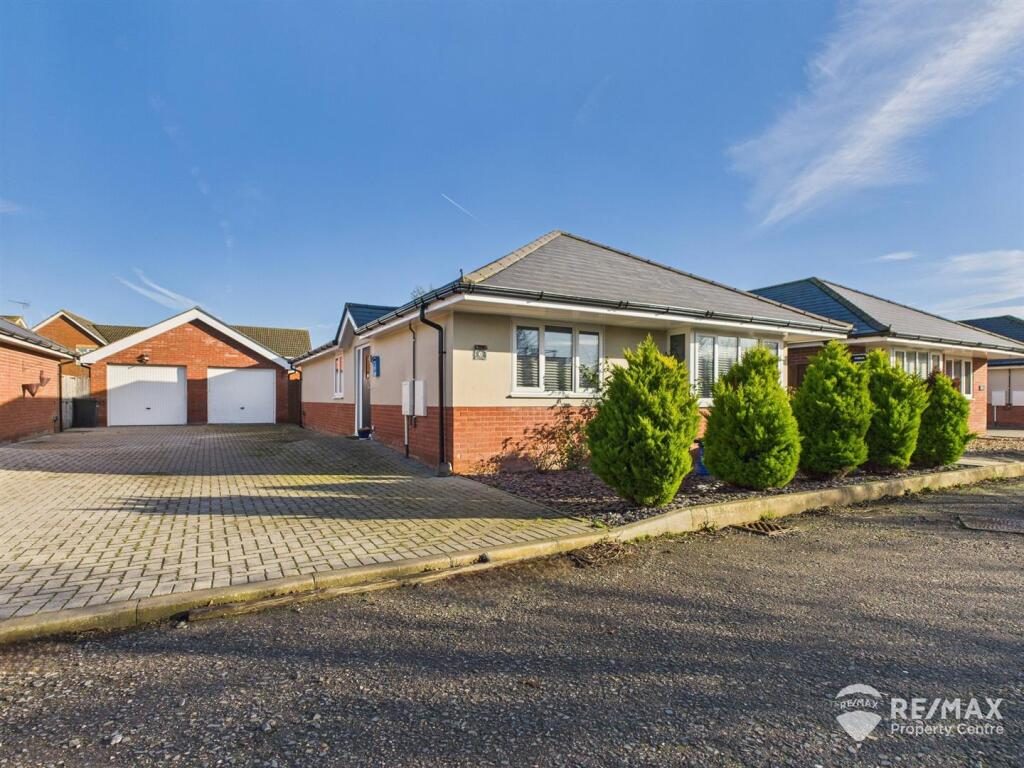
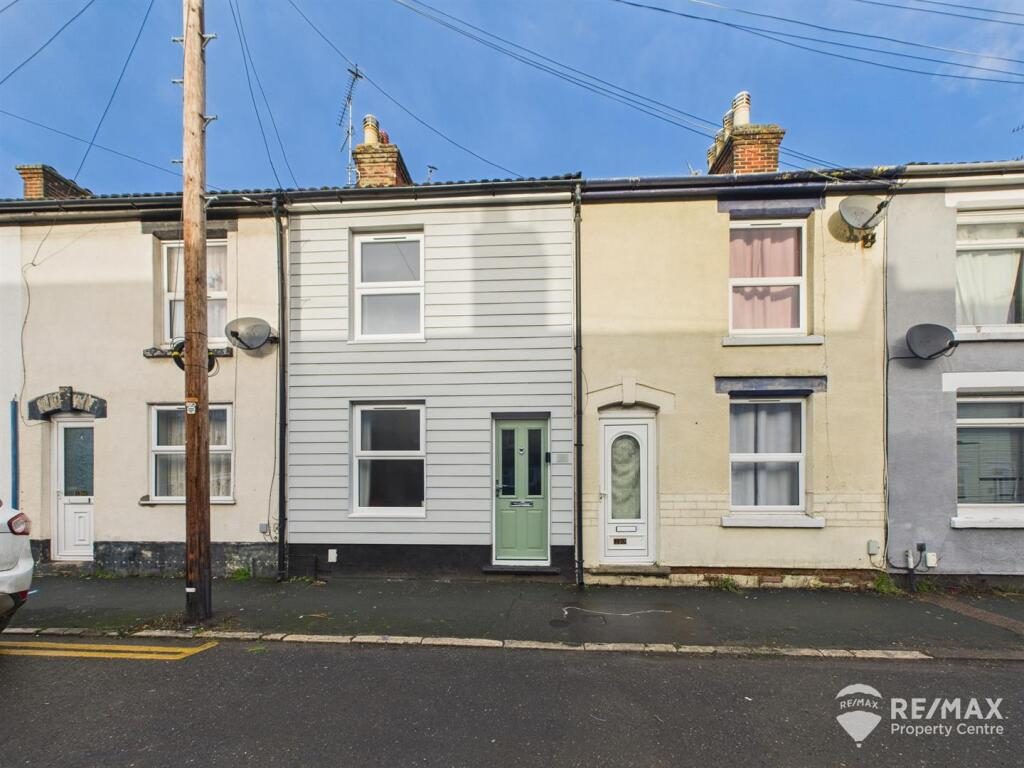
Browse 391 homes for sale in Ramsey and Parkeston from local estate agents.
The Great Wilbraham property market demonstrates the characteristics of a desirable South Cambridgeshire village with limited stock and strong buyer interest. Recent sales data shows six properties have changed hands in the village over the past twelve months, with the overall average price standing at £598,333. Detached properties command the highest prices at around £750,000, reflecting the demand for generous living space and larger gardens that characterise this rural location. Semi-detached homes average £485,000, while terraced properties start from approximately £420,000, offering more accessible entry points to the village market.
Price growth of 11% year-on-year indicates robust demand that continues to outpace supply in this tightly-held village market. The absence of significant new-build development within the village postcode means buyers are primarily looking at the existing housing stock, which includes a mix of historic cottages, Victorian and Edwardian family homes, and properties from various periods of village expansion. Properties in Great Wilbraham rarely come to market, creating competitive conditions when they do.
Prospective buyers should be prepared to act quickly and have their finances arranged, including a mortgage agreement in principle, before engaging with the local market. Given the village's small population of approximately 1,257 residents across 497 households, the community nature of property sales means that reputation and relationships with local agents can prove advantageous. Working with estate agents who understand the village's unique dynamics, rather than simply relying on national property portals, often yields better results in markets like this.

Great Wilbraham is a small village with a population of approximately 1,257 residents across 497 households, creating an intimate community atmosphere where neighbours often know one another by name. The village clusters around the historic Church of St Nicholas, a Grade I listed building dating from the 14th century, giving the centre a timeless quality with its traditional cottages, farm buildings, and village green. The Conservation Area designation protects much of the historic built environment, ensuring the village retains its essential character even as individual properties change hands and evolve with modern requirements.
The local economy centres on agriculture and the commute-dependent workforce that travels daily to Cambridge and surrounding employment hubs. Technology, bioscience, and education drive the Cambridge economy, with the University of Cambridge being a major employer that draws skilled workers to the region. This economic dynamic directly influences the Great Wilbraham housing market, as professionals seek village living with easy access to urban employment.
Local amenities include a popular village pub, The perhaps, though residents typically travel to nearby Fulbourn or Cambridge for everyday shopping, schools, and additional services, embracing the village's role as a residential community rather than a commercial centre. The surrounding Cambridgeshire countryside offers excellent walking and cycling opportunities, with the Gog Magog Hills visible to the east and various public rights of way crossing the agricultural landscape that defines the village setting.

Families considering Great Wilbraham will find educational options within the village and the surrounding South Cambridgeshire area. The village is served by local primary schools in nearby communities, with secondary education available at schools in Cambridge and the surrounding market towns. South Cambridgeshire consistently performs well in educational attainment, reflecting the demographic profile of families drawn to the area by the combination of good schools and quality of life. Parents should research specific school catchments and admission arrangements, as these can be competitive in popular villages.
For families seeking additional educational options, Cambridge offers several grammar schools, private schools, and the renowned Cambridge University colleges for older students. Further education colleges in Cambridge provide vocational and academic courses for students completing their secondary education. The presence of quality educational institutions within commuting distance adds to Great Wilbraham's appeal for family buyers, though it is advisable to confirm current school performance data and admission policies when planning a purchase, as catchment areas and Ofsted ratings can change over time.
School transport arrangements merit particular attention for families purchasing in Great Wilbraham, as primary-aged children may require transport to schools in neighbouring villages such as Fulbourn or Great Shelford. Secondary school pupils typically travel to Cambridge or the market towns, with school bus services operating from the village. These practical considerations should form part of the overall assessment when evaluating Great Wilbraham as a family location, alongside the undoubted lifestyle benefits that village living provides.
Transport connectivity defines Great Wilbraham's relationship with the wider region, with Cambridge serving as the primary destination for commuters. The village sits approximately eight miles from Cambridge city centre, with the journey typically taking 25-35 minutes by car depending on traffic conditions. The A1307 provides a direct route toward Cambridge, while connections to the A14 and M11 motorway network offer routes further afield for those working in London or other regional centres. Many residents combine car travel with occasional use of public transport, with Cambridge Park and Ride facilities providing an alternative for city-bound journeys.
Public transport options include bus services connecting Great Wilbraham to Cambridge and surrounding villages, though frequencies are limited reflecting the rural nature of the location. Cambridge railway station provides direct services to London King's Cross, with journey times of around 50 minutes to the capital. The station also connects to Birmingham, Stansted Airport, and various other destinations, making Great Wilbraham viable for professionals who occasionally travel further afield.
Cycling to Cambridge is popular among commuters, with dedicated routes and the relatively flat Cambridgeshire landscape making this a practical option for those seeking to reduce their environmental impact and travel costs. The journey by bicycle takes approximately 35-45 minutes, and secure parking facilities are available at Cambridge station for those combining cycling with rail travel. For residents working in the biotechnology and technology hubs around Cambridge's southern fringe, destinations like the Cambridge Biomedical Campus are accessible via the Cambridgeshire Guided Busway or by car.
Spend time exploring Great Wilbraham at different times of day and week to understand the village rhythm. Visit the local pub, walk the surrounding countryside, and speak with residents to gauge the community atmosphere. Review current listings and recently sold prices to understand what your budget will secure in this competitive village market. Understanding the village's character and the specific appeal of its Conservation Area properties versus more modern additions will help you identify the right property type for your circumstances.
Before viewing properties, obtain a mortgage agreement in principle from a lender or broker. This demonstrates to sellers that you are a serious buyer with financing arranged. Given the village's proximity to Cambridge, consider speaking with a mortgage advisor familiar with the South Cambridgeshire market who can advise on the full range of products available. Properties in Great Wilbraham often exceed £500,000, meaning many buyers will require substantial deposits and appropriate mortgage structuring for higher-value rural properties.
Work with local estate agents who know the village market intimately. View a range of properties including different styles and ages to understand what is available. Pay particular attention to property condition, as many homes in Great Wilbraham are older and may require maintenance or modernisation work. Viewing multiple properties will help you understand the trade-offs between character, condition, and price that define this village market.
Given the age of many properties in Great Wilbraham, a thorough survey is essential. An RICS Level 2 Survey provides an overview of condition and identifies defects, while older or listed properties may benefit from a more detailed RICS Level 3 Building Survey. The presence of clay soils in the area means foundation issues should be specifically considered. A survey will identify concerns ranging from potential subsidence on shrink-swell soils to roof condition on period properties and the presence of outdated electrical systems common in older village homes.
Once your offer is accepted, instruct a solicitor with experience of rural property transactions. They will handle searches, checks on title, and the legal transfer of ownership. Ensure they are aware of the Conservation Area designation and any planning restrictions that may affect the property. Local knowledge of South Cambridgeshire planning history and Conservation Area requirements will prove valuable when assessing what alterations or extensions might be possible.
Your solicitor will guide you through the final stages, including searches, mortgage offers, and any conditions attached to your finance. On completion day, you will receive the keys to your new Great Wilbraham home. Ensure you have buildings insurance in place from the date of exchange, as this protects your investment during the legally binding period between exchange and completion when either party faces financial penalties if they withdraw.
Properties in Great Wilbraham present unique considerations that buyers should carefully evaluate before committing to a purchase. The village's Conservation Area status imposes restrictions on alterations, extensions, and exterior changes, meaning any plans for modification may require consent from South Cambridgeshire District Council. Buyers should check the planning register for any existing permissions or enforcement notices, and consider how these restrictions align with their long-term intentions for the property.
The geological conditions in South Cambridgeshire create specific structural considerations for property buyers. The presence of Gault Clay and other shrink-swell soils means foundations may be affected by moisture changes, particularly for older properties with potentially shallow foundations. Watch for signs of subsidence, cracking, or movement in walls and floors, and ensure your survey specifically addresses these risks. Surface water flooding represents a local concern in some areas of the village, so reviewing flood risk data and checking for any history of flooding is advisable.
Many properties in Great Wilbraham are listed buildings, with the Church of St Nicholas and numerous historic houses enjoying protected status. Listed Building Consent is required for virtually any alteration to the structure or exterior of listed properties, and works carried out without consent can result in criminal prosecution. If considering a listed property, factor in the additional responsibilities and potential costs of maintaining a historic building to appropriate standards.
The predominant construction materials in Great Wilbraham reflect the village's historic character, with traditional brick construction, timber roofs, and tiled or slated coverings common throughout the housing stock. Older properties may feature solid wall construction rather than modern cavity walls, meaning different approaches to insulation and ventilation may be required. Properties built before 2000 may contain asbestos-containing materials, particularly in roof spaces, garages, and outbuildings, and a thorough survey should identify any such hazards. Specialist surveys for older and listed properties are strongly recommended, as standard mortgage valuations may not identify all potential issues.
Given the age profile of Great Wilbraham's housing stock, with many properties predating 1919 and significant numbers built throughout the Victorian and Edwardian periods, certain defects occur with particular frequency. Rising damp, penetrating damp, and condensation affect many older properties, particularly those with inadequate ventilation or original damp-proof courses that may have failed over time. Buyers should look for tide marks on ground-floor walls, musty odours, and deteriorating plaster or skirting boards as indicators of potential damp problems.
Roof condition requires careful assessment on period properties throughout the village. Worn or damaged roof coverings, failed leadwork around chimneys and valleys, and deteriorating timber elements including battens, rafters, and purlins all represent common issues. The Cambridgeshire climate, with its mix of rainfall and occasional frost, accelerates wear on roof structures, and properties may have been re-roofed at various points using different materials and standards.
Electrical and plumbing systems in older Great Wilbraham homes often require attention. Properties may contain outdated wiring systems including rubber or lead-sheathed cables that no longer meet current safety standards, and consumer units may be insufficient for modern electrical demands. Older plumbing with lead or galvanised steel pipes is common in period properties, potentially affecting water quality and requiring replacement. A qualified electrician should assess the condition of existing electrical installations before purchase.
Timber defects including woodworm and both wet and dry rot affect structural timbers, floor joists, and roof structures throughout the village's older housing stock. Regular treatment and maintenance can manage these issues, but significant infestations or decay require more substantial remedial work. Cracking in walls and floors ranges from minor cosmetic issues related to thermal movement or normal settlement to more serious problems associated with foundation movement on the area's clay soils. Any cracking should be assessed by a structural engineer if its cause cannot be clearly identified.
The average house price in Great Wilbraham currently stands at £598,333, based on recent sales data. Detached properties average around £750,000, semi-detached homes approximately £485,000, and terraced properties from £420,000. Prices have increased by 11% over the past year, reflecting strong demand for village properties in South Cambridgeshire. With only six properties sold in the village over the past twelve months, stock is limited and competition among buyers can be significant. The tight supply reflects both the village's desirability and the reluctance of residents to leave such a well-connected rural location.
Properties in Great Wilbraham fall under South Cambridgeshire District Council. Council tax bands range from A through H, with actual bands depending on the property's assessed value. Historic and listed properties may have been valued under previous systems, so specific bands should be confirmed through the Valuation Office Agency or the local council's website. Given the village's mix of period properties, including many historic cottages and farm buildings, council tax bands vary considerably across the housing stock. Buyers should factor council tax into their ongoing cost calculations when budgeting for a move to the village.
Great Wilbraham is a small village, so families typically access primary education at schools in nearby communities and secondary education at schools in Cambridge or the surrounding market towns. South Cambridgeshire generally performs well in educational attainment. Parents should research specific Ofsted ratings, admission catchment areas, and transport arrangements when considering schools for their children. Cambridge offers additional options including grammar schools and independent schools for families seeking specialist education provision. School transport from Great Wilbraham to nearby primary schools in villages like Fulbourn requires planning, and parents should confirm current arrangements before committing to a purchase.
Public transport options in Great Wilbraham are limited, reflecting its rural village status. Bus services connect the village to Cambridge and surrounding communities, though frequencies are not high. Most residents rely on car travel for daily commuting, with Cambridge city centre approximately 25-35 minutes away by car. Cambridge railway station provides excellent connectivity to London and major destinations, making Great Wilbraham viable for professionals who travel to the capital or airports for work. The M11 motorway provides access northward, while Stansted Airport is reachable within approximately 45 minutes by car for international travel.
Great Wilbraham offers solid investment fundamentals for those seeking long-term capital growth. The 11% annual price increase demonstrates continued demand for village properties in this desirable location. Proximity to Cambridge, limited new-build supply, Conservation Area protections, and the general scarcity of properties for sale all support values over time. However, the village market moves slowly with low transaction volumes, so investors should plan for a long holding period and consider rental demand from Cambridge commuters if seeking income returns. The absence of significant new-build development in the village postcode means existing properties benefit from scarcity that new developments in larger centres cannot replicate.
Stamp Duty Land Tax applies to purchases in England. For standard purchases, there is no SDLT on the first £250,000 of property value, 5% on £250,001 to £925,000, 10% on £925,001 to £1.5 million, and 12% above £1.5 million. First-time buyers benefit from relief on the first £425,000, with 5% applying between £425,001 and £625,000. Given average prices in Great Wilbraham, most buyers will pay SDLT, and those purchasing above £625,000 will not qualify for first-time buyer relief. A property lawyer or financial advisor can calculate your specific liability based on your circumstances and purchase price.
When viewing properties in Great Wilbraham, pay particular attention to the condition of older construction elements common in this historic village. Check walls for cracking, particularly diagonal cracks near windows and doors that may indicate foundation movement on the local clay soils. Examine roof coverings and timbers from inside the loft space, looking for signs of water penetration, timber decay, or pest infestation. For listed buildings, assess how previous owners have approached maintenance and whether any unauthorised works have been carried out. The quality of original features such as windows, fireplaces, and floorboards can significantly affect both the character and value of period properties here.
River and coastal flood risk in Great Wilbraham is very low to low, reflecting the village's position away from major watercourses. However, surface water flooding represents a local concern, particularly around roads and depressions in the landscape where water can accumulate during heavy rainfall. Buyers should review Environment Agency flood risk data and ask vendors about any history of surface water flooding in the property or immediate vicinity. Properties on lower-lying ground within the village should be assessed more carefully, and appropriate insurance coverage should be confirmed.
Secure your financing before property hunting in Great Wilbraham's competitive market
From 4.5% APR
Expert legal support for your Great Wilbraham property purchase
From £499
Essential condition report for Great Wilbraham's older properties
From £400
Detailed building survey for period and listed properties
From £600
Energy performance certificate for Great Wilbraham homes
From £80
Buying a property in Great Wilbraham involves several costs beyond the purchase price that buyers should factor into their financial planning. Stamp Duty Land Tax represents the most significant additional cost, with standard rates of 0% up to £250,000, 5% between £250,001 and £925,000, 10% between £925,001 and £1.5 million, and 12% on any value exceeding £1.5 million. For a typical Great Wilbraham property at the current average price of £598,333, a buyer without first-time buyer status would pay approximately £17,417 in SDLT after the nil-rate band.
First-time buyers purchasing residential property up to £625,000 can claim relief, paying 0% on the first £425,000 and 5% on the amount between £425,001 and £625,000. For the average Great Wilbraham property, this would reduce SDLT to approximately £8,667. Properties above £625,000 do not qualify for first-time buyer relief, meaning most buyers at this price level will pay standard SDLT rates.
Additional buying costs include survey fees ranging from £400-900 for an RICS Level 2 Survey, with more detailed Level 3 Building Surveys potentially costing £1,000 or more for complex historic properties. Legal fees for conveyancing typically start from around £500-1,500 plus disbursements, with searches and Land Registry fees adding several hundred pounds more. For properties in Great Wilbraham's Conservation Area, additional searches may be required to confirm compliance with planning conditions and listed building status. Mortgage arrangement fees, valuation fees, and removals costs should also be budgeted for, bringing total additional costs to potentially £5,000-10,000 or more depending on property value and individual circumstances.
Properties for Sale In London

Properties for Sale In Plymouth

Properties for Sale In Liverpool

Properties for Sale In Glasgow

Properties for Sale In Sheffield

Properties for Sale In Edinburgh

Properties for Sale In Coventry

Properties for Sale In Bradford

Properties for Sale In Manchester

Properties for Sale In Birmingham

Properties for Sale In Bristol

Properties for Sale In Oxford

Properties for Sale In Leicester

Properties for Sale In Newcastle

Properties for Sale In Leeds

Properties for Sale In Southampton

Properties for Sale In Cardiff

Properties for Sale In Nottingham

Properties for Sale In Norwich

Properties for Sale In Brighton

Properties for Sale In Derby

Properties for Sale In Portsmouth

Properties for Sale In Northampton

Properties for Sale In Milton Keynes

Properties for Sale In Bournemouth

Properties for Sale In Bolton

Properties for Sale In Swansea

Properties for Sale In Swindon

Properties for Sale In Peterborough

Properties for Sale In Wolverhampton

Enter your details to see if this property is within your budget.
Loans, cards, car finance
Estimated property budget
Borrowing + deposit
You could borrow between
Typical borrowing
Monthly repayment
Est. at 4.5%
Loan-to-value
This is an estimate only. Your actual budget may vary depending on interest rates, credit history, and personal circumstances. For an accurate affordability assessment, speak to one of our free mortgage advisors.
This calculator provides estimates for illustrative purposes only and does not constitute financial advice. Your home may be repossessed if you do not keep up repayments on your mortgage. Estimates based on 4.5% interest rate, repayment mortgage. Actual rates depend on your circumstances.
Homemove is a trading name of HM Haus Group Ltd (Company No. 13873779, registered in England & Wales). Homemove Mortgages Ltd (Company No. 15947693) is an Appointed Representative of TMG Direct Limited, trading as TMG Mortgage Network, which is authorised and regulated by the Financial Conduct Authority (FRN 786245). Homemove Mortgages Ltd is entered on the FCA Register as an Appointed Representative (FRN 1022429). You can check registrations at NewRegister or by calling 0800 111 6768.

We use cookies to show you personalised content and improve your experience of our website. Find out more in our Privacy policy and Cookie policy.