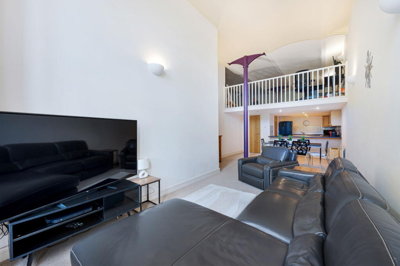
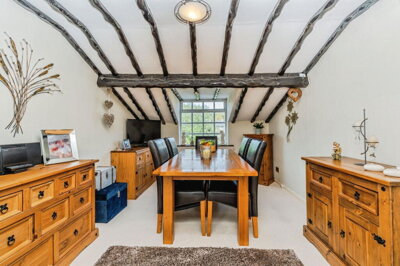
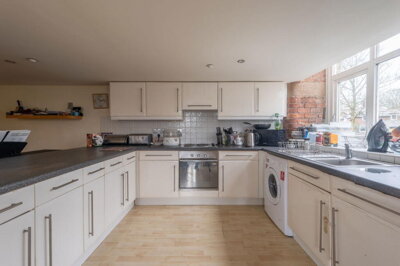
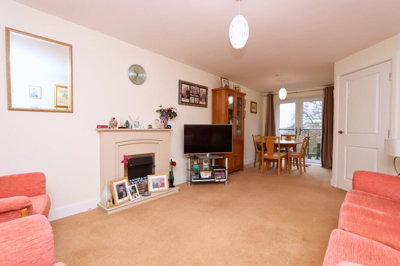
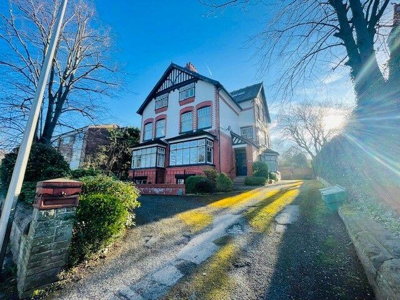
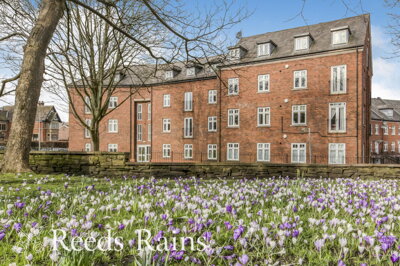
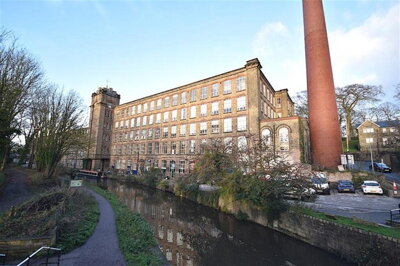
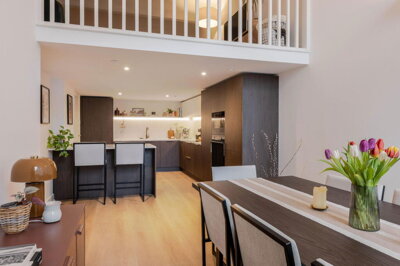
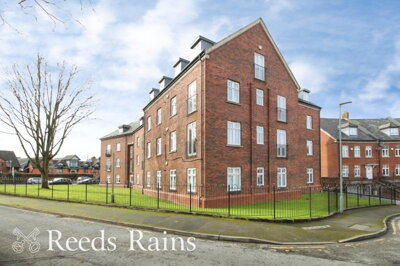
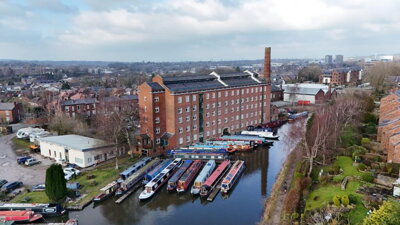
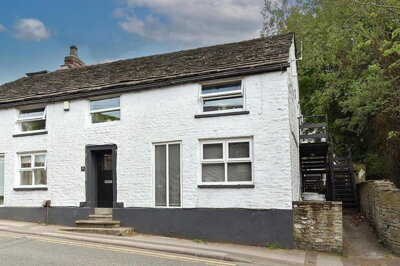
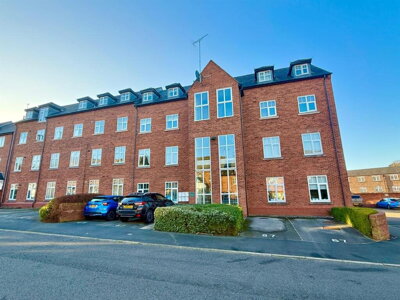
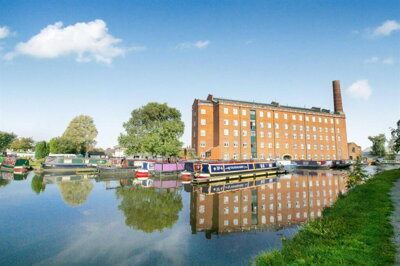
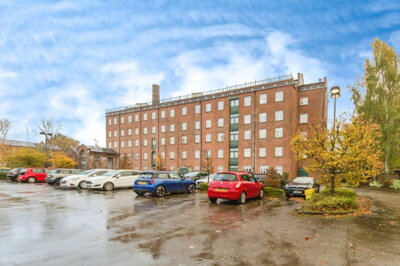
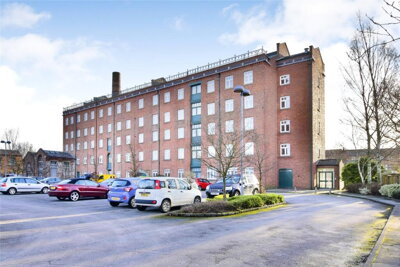
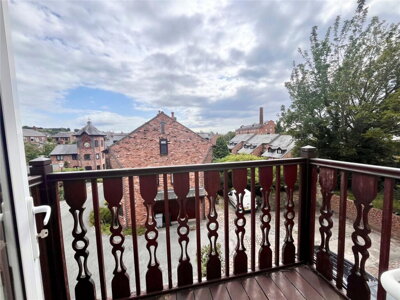
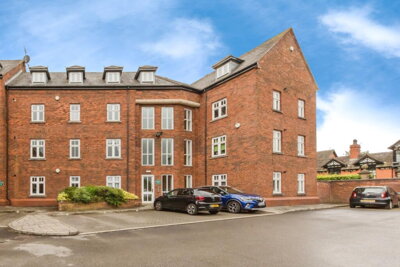
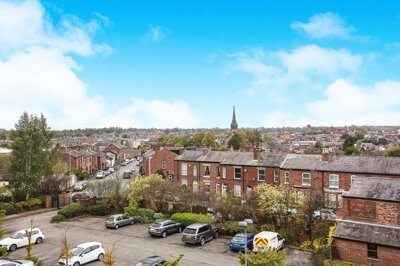
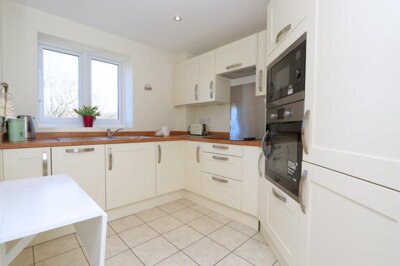
Browse 20 homes for sale in Rainow, Cheshire East from local estate agents.
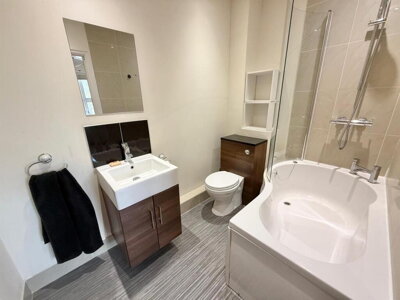
The 2 bed flat sector typically includes two separate bedrooms, dedicated living areas, and bathroom facilities. Properties in Rainow span purpose-built blocks, converted period houses, and modern apartment complexes on various floors.
£0k
0
0
0
Source: home.co.uk
Showing 0 results for 2 Bedroom Flats for sale in Rainow, Cheshire East.
The Colaton Raleigh property market has demonstrated remarkable stability over the past twelve months, with overall prices increasing by 1% across all property types. Detached properties command the highest values in the area, averaging £597,500 and showing the strongest growth at 2% year-on-year. This indicates sustained demand for family homes with generous gardens and rural settings, characteristics that define much of the housing stock in this East Devon village. The relatively modest volume of transactions, with just 10 sales recorded in the past year, reflects the tight-knit nature of the local market where properties can change hands through word-of-mouth as readily as through formal listings.
Semi-detached properties in Colaton Raleigh average £350,000, while terraced homes fetch around £330,000, offering more accessible entry points to this desirable postcode for first-time buyers and growing families. No flats have sold recently in the village, which is consistent with the predominantly houses-based housing stock typical of rural English settlements. Our platform aggregates listings from multiple estate agents operating in the Colaton Raleigh area, giving you a comprehensive view of available properties ranging from traditional Devon cottages to modern family homes. New build activity in the immediate postcode area remains limited, meaning buyers seeking brand new properties may need to consider neighbouring villages or towns such as Sidmouth or Honiton.
The stability of the Colaton Raleigh market makes it an attractive proposition for buyers prioritising long-term investment over rapid capital growth. Properties in Conservation Areas with listed building status often retain their value well, particularly those that have been sympathetically modernised while preserving their original features. Working with a solicitor experienced in local property transactions can help navigate the additional considerations that come with purchasing period homes in a designated conservation zone. The village's proximity to the Jurassic Coast World Heritage Site and the East Devon AONB ensures that the surrounding landscape will remain protected for generations to come, preserving the rural character that makes Colaton Raleigh so desirable.

Life in Colaton Raleigh revolves around the rhythms of rural England, with a population of approximately 799 residents spread across 351 households according to the 2021 Census. The village retains a strong sense of community, with traditional events and gatherings providing regular opportunities for neighbours to connect. The Church of St John the Baptist stands as a focal point of village life, its historic fabric reflecting centuries of continuous worship and community service. The village hall hosts various activities throughout the year, from craft markets to quiz nights, ensuring there is always something happening for residents of all ages.
The local economy centres around agriculture, tourism, and small independent businesses that serve both residents and visitors to this corner of East Devon. The proximity to the Jurassic Coast, a UNESCO World Heritage Site, brings seasonal visitors drawn to the area's outstanding natural beauty and fossil-rich beaches. Walking and cycling routes crisscross the surrounding countryside, taking advantage of the varied geology that includes Permian sandstones and mudstones alongside areas of river terrace deposits. The East Devon AONB designation ensures the protection of panoramic views and hedgerow-lined lanes that define the landscape character.
Local amenities in the village itself are complemented by the greater choice available in nearby towns. The market town of Sidmouth, approximately five miles away, offers a selection of independent shops, cafes, and restaurants along its elegant Regency seafront. Exmouth, on the estuary of the River Exe, provides larger supermarkets and retail options, while Exeter, Devon's principal city, lies within easy commuting distance for those working in professional services, healthcare, or education. Many Colaton Raleigh residents enjoy the best of both worlds, living in a tranquil village setting while maintaining careers and social lives in the surrounding towns and cities.
The village sits close to the River Otter valley, with the river itself flowing through the parish and creating pleasant walking routes along its banks. The surrounding countryside consists of a mix of farmland, woodland, and rolling hills characteristic of this part of East Devon. Wildlife enthusiasts appreciate the diverse habitats found locally, from hedgerow borders teeming with birds to meadows supporting populations of butterflies and wildflowers. The area's dark skies, away from major urban light pollution, make it popular with astronomers and those who simply enjoy unobstructed views of the stars on clear nights.

Families considering a move to Colaton Raleigh will find a selection of educational options within reasonable travelling distance. The village itself falls within the catchment area for primary schools in the surrounding villages, with several Good and Outstanding rated primaries serving the local community. Primary education in this part of East Devon typically focuses on building strong foundations in literacy and numeracy while encouraging curiosity about the natural world through outdoor learning opportunities that take advantage of the surrounding countryside. Small class sizes in rural primary schools often provide more individual attention for pupils, a factor that many parents cite as a significant advantage of village education.
Secondary education options include schools in Sidmouth, Honiton, and Ottery St Mary, with several offering sixth form provision for students continuing their education post-16. The Colaton Raleigh area falls within the Devon County Council education authority, and parents should verify specific catchment schools using the council's online school admission portal. Many families find that the journey times to secondary schools are manageable, particularly when compared to the longer commutes often required in urban areas. Several schools in the surrounding towns provide transport arrangements for pupils living in outlying villages, which can significantly reduce the practical burden on families.
For families prioritising educational excellence, researching individual school performance data through government transparency tools can provide valuable insights beyond basic Ofsted ratings. Schools in East Devon often benefit from strong community support and active parent-teacher associations that enhance the educational experience through additional resources and extracurricular activities. The presence of several excellent independent schools in the wider Devon area provides further options for families seeking alternative educational approaches, though these inevitably involve additional costs and travel arrangements. Local parents frequently cite the nurturing environment of rural schools as a key factor in their decision to relocate to villages like Colaton Raleigh, valuing the close relationships between teachers and pupils that are often harder to maintain in larger urban schools.
Transport connections from Colaton Raleigh balance rural tranquility with practical accessibility to larger centres of employment and commerce. The village sits on the A375 road, providing direct routes to Honiton to the north and Sidmouth to the south. For commuters working in Exeter, the journey by car typically takes around 30 minutes, making Colaton Raleigh a viable option for those who need to travel to the city regularly but prefer to live in a rural setting. The A30 trunk road, accessible via Honiton, connects Devon to Cornwall to the west and the M5 motorway to the east, opening up broader regional travel options.
Public transport options centre on bus services connecting Colaton Raleigh to nearby towns, though frequencies are naturally more limited than in urban areas. The nearest railway stations are in Honiton and Exeter, with Honiton offering regular services to London Waterloo via a journey of approximately two and a half hours. Exeter St Davids provides connections to Bristol, Plymouth, and London Paddington, expanding the range of commuting options for residents prepared to travel to the station. Many residents find that a combination of working from home several days per week and occasional train commuting makes rural village living fully compatible with professional careers.
Cycling infrastructure in the area continues to improve, with quiet country lanes providing enjoyable routes for experienced cyclists between Colaton Raleigh and surrounding villages. The flat terrain near the River Otter valley offers easier cycling than some parts of East Devon, though the characteristic Devon hills create some challenging sections for longer journeys. Electric bikes have become increasingly popular among residents, making cycling a viable option for a wider range of fitness levels and journey types. For those who need to travel further afield, Exeter Airport provides domestic flights and seasonal international connections, while Plymouth ferry port offers crossings to France and Spain for those travelling with vehicles.
Purchasing a property in Colaton Raleigh requires particular attention to issues common in older rural housing stock. The local geology presents some considerations for prospective buyers, as the area sits on Permian sandstones and mudstones with areas of clay-rich superficial deposits. These conditions can create shrink-swell risks that may affect property foundations, particularly for older buildings without modern deep foundations. A thorough building survey will identify any signs of subsidence or movement that might require attention or negotiation on price. Properties built on clay soils near large trees are particularly susceptible to foundation movement during periods of drought or heavy rainfall.
Flood risk awareness is essential when evaluating properties in Colaton Raleigh, particularly those close to the River Otter. Surface water flooding can affect low-lying areas and roads during periods of heavy rainfall, so checking flood risk assessments for specific properties before committing to a purchase makes sound financial sense. Properties in designated flood zones may face higher insurance premiums or restrictions on future development, factors that should be reflected in your offer if flood risk is confirmed. The Environment Agency publishes detailed flood maps that show both river and surface water flooding risks for any specific location in the village.
The conservation status of the village centre means that many properties will be subject to planning controls that limit alterations and extensions without consent. If you are considering any changes to a period property, consult with East Devon District Council planning department before proceeding. Listed buildings require Listed Building Consent for virtually any external or structural alterations, adding layers of bureaucracy that some buyers find worthwhile for the privilege of owning a piece of Devon's heritage. Properties with original features such as thatched roofs, flagstone floors, or exposed timber beams require specialist maintenance knowledge and budget for ongoing care. Our platform connects you with RICS surveyors who understand the unique challenges of older properties in conservation areas, ensuring you have all the information needed before committing to a purchase.
The housing stock in Colaton Raleigh presents several defect patterns that buyers should understand before proceeding with a purchase. Properties built from local red sandstone, while handsome and characteristic of the area, can suffer from weathering and spalling if mortar joints have not been properly maintained over the years. The permeable nature of some sandstone varieties means water can penetrate the fabric of walls, leading to internal damp issues that require attention. Regular repointing with appropriate lime mortar is essential for preserving these traditional walls, and a survey will assess whether this maintenance has been carried out correctly.
Thatched roofs, found on some of the village's oldest and most picturesque properties, represent a specialist category requiring expertise beyond standard building surveys. These roofs typically need re-ridging every 10-15 years and complete re-thatching every 30-40 years, representing significant ongoing costs that should be factored into your purchase budget. Insurance costs for thatched properties also tend to be higher than for standard homes, and not all insurers offer cover. A surveyor familiar with traditional building methods will be able to assess the condition of thatch accurately and advise on remaining lifespan.
Solid wall construction throughout most of the older properties means that modern insulation standards are difficult to achieve without risking condensation problems within the wall fabric. Many owners have addressed this through the installation of breathable lime-based internal insulation systems, which improve thermal performance while maintaining the breathability essential for historic walls. Electrical systems in period properties frequently date from the 1960s or earlier, requiring complete rewiring before the property meets current standards. Our network of local surveyors has extensive experience inspecting properties in East Devon villages, meaning they know exactly what to look for in properties built using traditional Devon construction methods.
Before arranging viewings, spend time exploring Colaton Raleigh at different times of day and week to understand the community atmosphere. Obtain a mortgage agreement in principle from a lender to clarify your budget, bearing in mind the average detached property price of £597,500 and semi-detached average of £350,000. Factor in additional costs including stamp duty, solicitor fees, and survey costs when calculating how much you can afford to spend on your new home. Visiting the village at different times helps you assess noise levels, traffic patterns, and the general vibe of the neighbourhood before committing.
Use Homemove to browse all available properties in Colaton Raleigh and contact local estate agents to arrange viewings. Take notes during each viewing and photograph properties that particularly appeal to you. Given the limited number of properties that typically come to market in rural villages, be prepared to act quickly when a suitable property becomes available. Ask the agent about the reason for sale, how long the property has been on the market, and whether there have been any previous offers. In a small community like Colaton Raleigh, estate agents often have advance notice of properties coming to market, so building relationships with local agents can give you an advantage.
For most properties in Colaton Raleigh, particularly older homes with significant period features, we recommend a RICS Level 2 Survey to assess the condition of the property. Survey costs for a typical 3-bedroom detached house in the area typically range from £600-800, though larger or more complex properties may cost more. The survey will highlight any structural issues, damp problems, or roof defects common in properties built from local sandstone and those with thatched roofs. For listed buildings or very old properties, a more detailed RICS Level 3 Building Survey may be advisable despite the higher cost.
Choose a solicitor with experience in rural property transactions and ideally familiarity with properties in Conservation Areas or with listed building status. Your solicitor will conduct local searches, check drainage and planning history, and manage the legal transfer of ownership. Early instruction is advisable to keep transactions moving, particularly given that rural property sales can involve additional complexity around rights of way, septic tanks, and bore hole water supplies. Properties in Colaton Raleigh may rely on private water supplies or shared drainage systems that require careful legal investigation.
Once all searches are satisfactory and mortgage offers are in place, your solicitor will arrange for contracts to be signed and deposits to be paid. Exchange of contracts represents the point at which the sale becomes legally binding, after which completion typically follows within 2-4 weeks. On completion day, the remaining funds are transferred and you receive the keys to your new Colaton Raleigh home. Take the opportunity to visit the property shortly after completion to document its condition while memories of the viewing are fresh, noting any items that may need attention in your first months of ownership.
Understanding the full costs of purchasing property in Colaton Raleigh helps you budget accurately and avoid surprises during the transaction. Stamp Duty Land Tax represents a significant expense for most buyers, with standard rates applying 0% on the first £250,000, 5% between £250,001 and £925,000, and 10% on the portion between £925,001 and £1.5 million. For a property at the Colaton Raleigh average price of £468,750, basic stamp duty would amount to approximately £10,938, calculated on the portion between £250,000 and £468,750 at the 5% rate.
First-time buyers purchasing properties up to £625,000 benefit from relief that raises the zero-rate threshold to £425,000, with 5% applying between £425,001 and £625,000. This means a first-time buyer purchasing an average-priced Colaton Raleigh property would pay no stamp duty at all, as the entire purchase price falls within the relieved band. Properties priced above £625,000 do not qualify for first-time buyer relief on any portion of the purchase price. Your solicitor will calculate the exact stamp duty liability and include it in their completion statement, typically payable within 14 days of completion.
Beyond stamp duty, budget for solicitor fees which typically range from £800 to £1,500 for a standard residential transaction, potentially higher for properties involving leases, listed building consents, or complex title issues. Survey costs for a RICS Level 2 Survey in Colaton Raleigh generally fall between £400 and £900 depending on property size, with a typical three-bedroom detached house attracting fees around £600-800. Removal costs, mortgage arrangement fees, and the cost of any immediate repairs or furnishings should also be factored into your overall moving budget to ensure a smooth transition to your new Colaton Raleigh home.
The average property price in Colaton Raleigh is currently £468,750 according to recent market data. Detached properties average £597,500, semi-detached homes £350,000, and terraced properties around £330,000. Prices have remained relatively stable over the past twelve months with an overall increase of 1%, suggesting a steady market rather than one experiencing rapid price fluctuations. Given the village's desirable location within East Devon and proximity to the Jurassic Coast, prices for the right properties in the best locations can exceed these averages significantly.
Properties in Colaton Raleigh fall under East Devon District Council jurisdiction for council tax purposes. Banding depends on the valuation of individual properties, with typical bands in the village ranging from A through to F for larger period homes. You can check the specific banding for any property through the Valuation Office Agency website using the property address. Council tax bills in East Devon generally represent good value compared to urban areas, helping to keep overall household costs manageable for village residents.
Colaton Raleigh itself has no school, but several Good and Outstanding rated primary schools serve the village catchment area in surrounding villages. Secondary education options include schools in Sidmouth, Honiton, and Ottery St Mary, with grammar schools in Exeter accessible for older children. School catchment areas should be verified directly with Devon County Council as admissions policies can change annually. The quality of rural schooling in this part of Devon is generally high, with small class sizes providing individual attention that many families value.
Bus services connect Colaton Raleigh to nearby towns including Sidmouth and Honiton, though frequencies are limited compared to urban areas. The nearest railway stations are in Honiton and Exeter, with Honiton providing regular services to London Waterloo in around two and a half hours. Most residents rely on a car for daily transport, though many combine this with home working to reduce commuting requirements. Exeter airport offers domestic and international flights for those who travel further afield.
Colaton Raleigh offers several attractions for property investors, including its desirable location within the East Devon AONB and proximity to the Jurassic Coast. The stability of the local market, with prices rising a modest 1% annually, suggests a resilient market less prone to the volatility seen in some urban areas. Rental demand in the village is likely modest given its small population, but properties that do come available for rent may attract tenants seeking the rural lifestyle the village offers. Properties with character, gardens, and proximity to village amenities typically command premium rents.
For standard purchases, stamp duty rates start at 0% on the first £250,000 of property value, rising to 5% on the portion between £250,001 and £925,000. A typical detached property in Colaton Raleigh priced at the average of £597,500 would attract approximately £17,375 in stamp duty. First-time buyers benefit from relief on the first £425,000, reducing their liability significantly. SDLT rates and thresholds are subject to change by the government, so always verify current rates at the time of your purchase.
Older properties in Colaton Raleigh, particularly those constructed from local sandstone or with traditional features like thatched roofs, require careful inspection before purchase. Common issues include damp affecting solid-wall construction, timber defects such as rot or woodworm, and the condition of original windows and doors. Properties in the Conservation Area may have outdated electrical systems or heating that requires upgrading to meet current standards. A RICS Level 2 Survey is strongly recommended for any property over 50 years old, with a Level 3 Building Survey advised for listed buildings or those of unusual construction.
Colaton Raleigh has a significant number of listed buildings within its Conservation Area, reflecting the village's historic importance in East Devon. These range from the Church of St John the Baptist, which dates from the 15th century, to numerous residential cottages and farmhouses throughout the village centre. Buying a listed building brings additional responsibilities, as virtually any external alteration requires Listed Building Consent from East Devon District Council. However, many owners find the privilege of living in a protected heritage building worth the additional bureaucracy. Specialist surveys for listed properties often reveal hidden defects that a standard survey might miss, making local expertise valuable.
Properties in Colaton Raleigh close to the River Otter face a degree of fluvial flood risk during periods of heavy rainfall and high river flows. Surface water flooding can also affect low-lying areas and roads throughout the village during storm events. Before purchasing any property near the river or in a low-lying position, request a detailed flood risk assessment from the Environment Agency. Properties with confirmed flood risk may face higher insurance premiums, and this should be reflected in your offer price. The good news is that Colaton Raleigh's inland position means it faces no coastal erosion risk, unlike some East Devon coastal communities.
Traditional properties in Colaton Raleigh typically feature solid-wall construction using local red sandstone, brick, or rendered cob and timber framing. These walls were built without damp-proof courses, making them susceptible to rising damp if ground levels have been raised over the years. Roof structures are predominantly timber, covered with slate, clay tiles, or thatch on the oldest properties. Later properties from the mid-20th century onwards will generally have cavity walls, though the village has seen limited modern development. Understanding the construction type helps you anticipate maintenance requirements and potential defect patterns when evaluating properties.
From 4.5% APR
Find competitive mortgage rates for your Colaton Raleigh purchase
From £499
Expert solicitors for your property transaction
From £400
Professional property survey by qualified inspectors
From £60
Energy performance certificate for your new home
Properties for Sale In London

Properties for Sale In Plymouth

Properties for Sale In Liverpool

Properties for Sale In Glasgow

Properties for Sale In Sheffield

Properties for Sale In Edinburgh

Properties for Sale In Coventry

Properties for Sale In Bradford

Properties for Sale In Manchester

Properties for Sale In Birmingham

Properties for Sale In Bristol

Properties for Sale In Oxford

Properties for Sale In Leicester

Properties for Sale In Newcastle

Properties for Sale In Leeds

Properties for Sale In Southampton

Properties for Sale In Cardiff

Properties for Sale In Nottingham

Properties for Sale In Norwich

Properties for Sale In Brighton

Properties for Sale In Derby

Properties for Sale In Portsmouth

Properties for Sale In Northampton

Properties for Sale In Milton Keynes

Properties for Sale In Bournemouth

Properties for Sale In Bolton

Properties for Sale In Swansea

Properties for Sale In Swindon

Properties for Sale In Peterborough

Properties for Sale In Wolverhampton

Enter your details to see if this property is within your budget.
Loans, cards, car finance
Estimated property budget
Borrowing + deposit
You could borrow between
Typical borrowing
Monthly repayment
Est. at 4.5%
Loan-to-value
This is an estimate only. Your actual budget may vary depending on interest rates, credit history, and personal circumstances. For an accurate affordability assessment, speak to one of our free mortgage advisors.
This calculator provides estimates for illustrative purposes only and does not constitute financial advice. Your home may be repossessed if you do not keep up repayments on your mortgage. Estimates based on 4.5% interest rate, repayment mortgage. Actual rates depend on your circumstances.
Homemove is a trading name of HM Haus Group Ltd (Company No. 13873779, registered in England & Wales). Homemove Mortgages Ltd (Company No. 15947693) is an Appointed Representative of TMG Direct Limited, trading as TMG Mortgage Network, which is authorised and regulated by the Financial Conduct Authority (FRN 786245). Homemove Mortgages Ltd is entered on the FCA Register as an Appointed Representative (FRN 1022429). You can check registrations at NewRegister or by calling 0800 111 6768.

We use cookies to show you personalised content and improve your experience of our website. Find out more in our Privacy policy and Cookie policy.