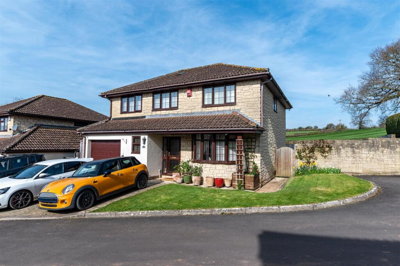
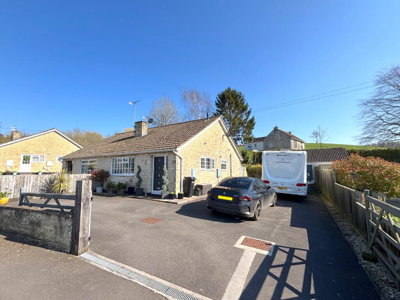
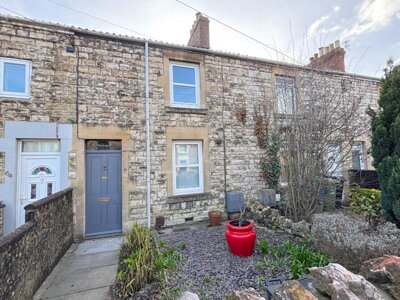
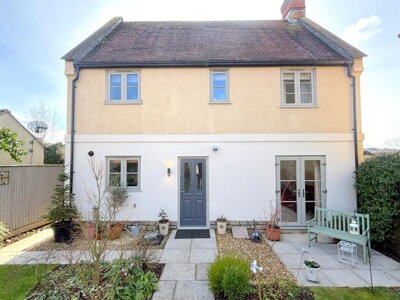
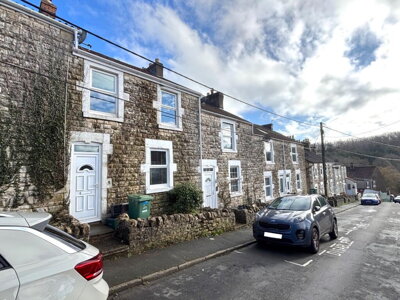
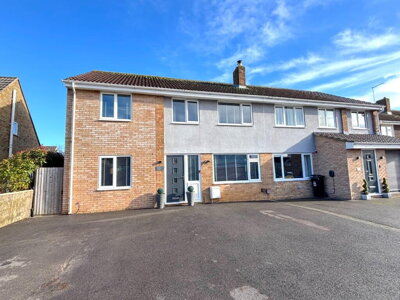
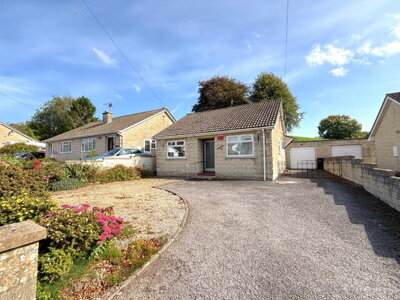
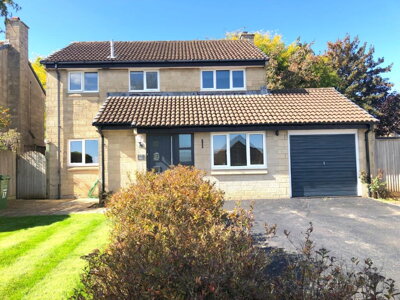
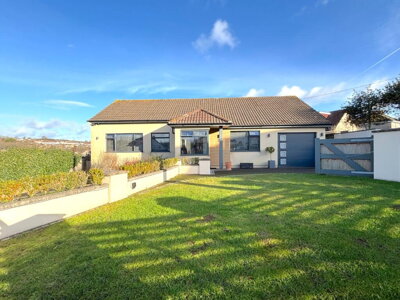
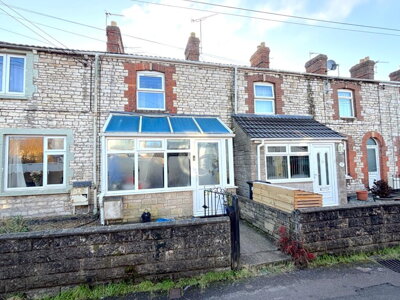
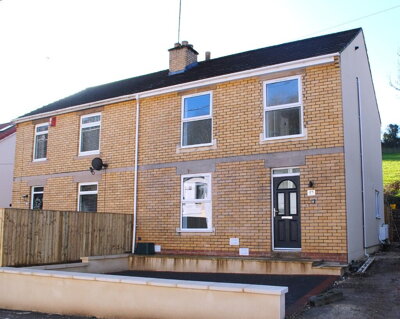
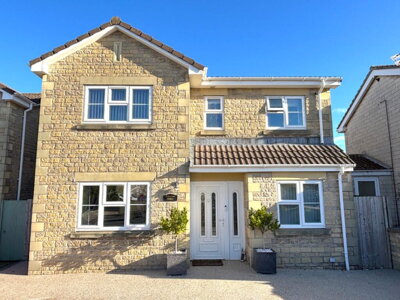
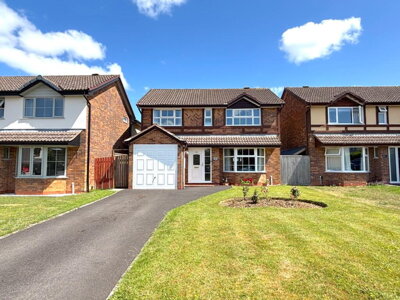
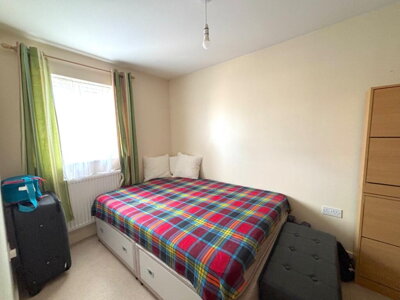
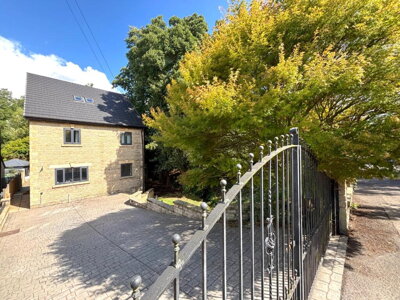
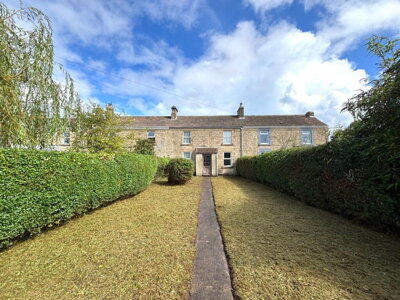
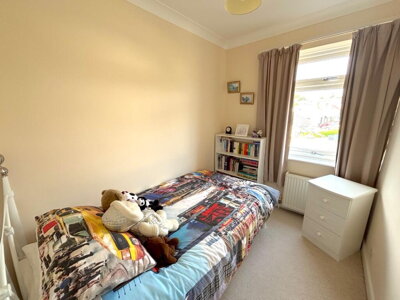
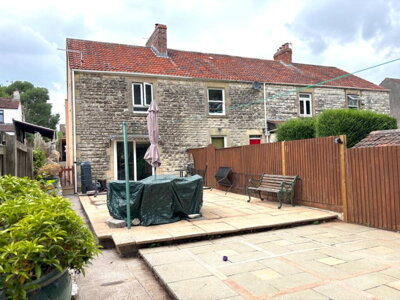
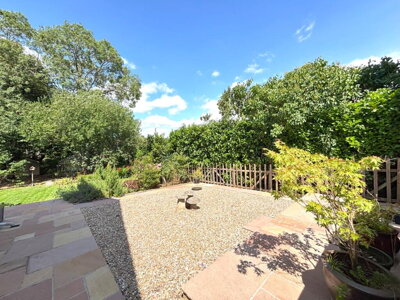
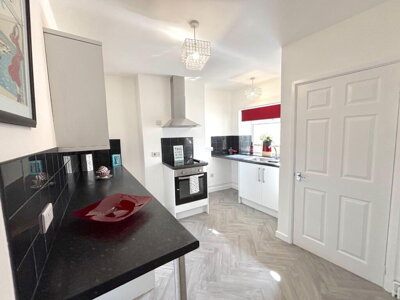
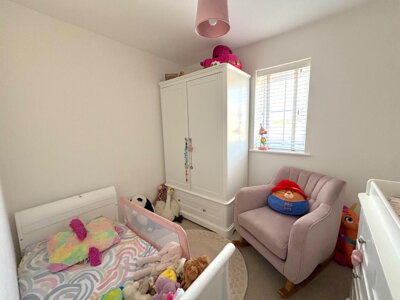
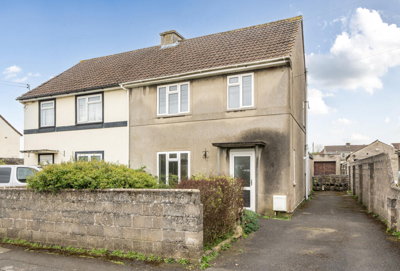
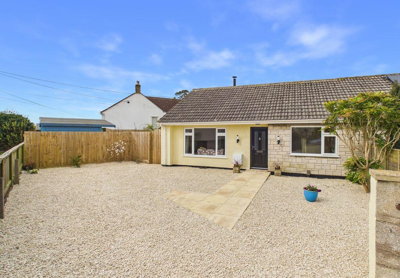
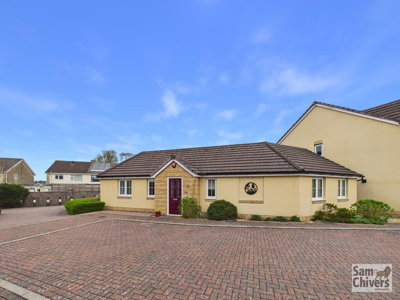
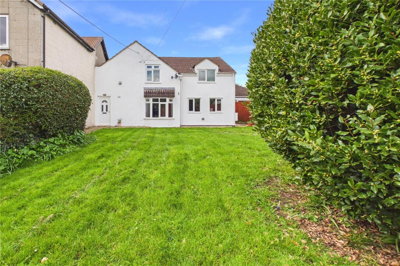
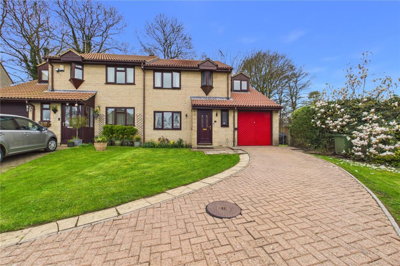
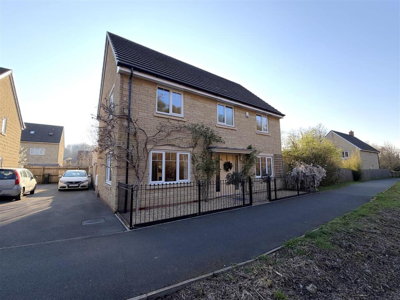
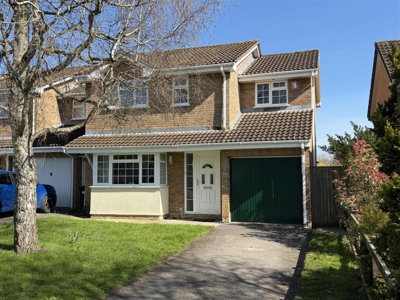
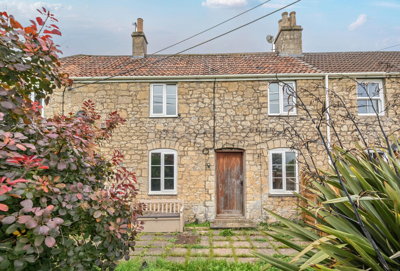
Browse 238 homes for sale in Radstock, Bath and North East Somerset from local estate agents.
The Radstock property market offers detached, semi-detached, and terraced houses spanning various price ranges and neighbourhoods. Each listing includes detailed property information, photographs, and direct contact with the marketing agent.
£308k
28
3
92
Source: home.co.uk
Showing 28 results for Houses for sale in Radstock, Bath and North East Somerset. 3 new listings added this week. The median asking price is £307,500.
Source: home.co.uk
Semi-Detached
11 listings
Avg £312,723
Terraced
9 listings
Avg £244,871
Detached
8 listings
Avg £655,625
Source: home.co.uk
Source: home.co.uk
£309,341
Average Price
+4%
12-Month Change
£426,695
Detached Average
£299,990
Semi-Detached Average
£266,965
Terraced Average
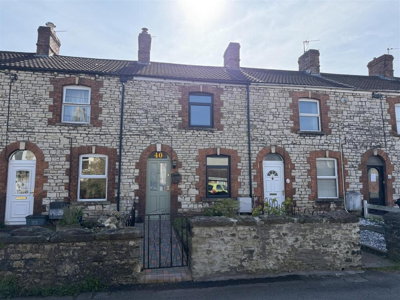
The Radstock property market offers diverse options across all price brackets. Detached properties command the highest prices at an average of £426,695, reflecting the demand for family homes with gardens in this desirable semi-rural location. Semi-detached homes average £299,990, representing strong value for three-bedroom family accommodation within easy commuting distance of Bath and Bristol. Terraced properties, many featuring the characteristic white Lias stone construction of the Mendip Hills, average £266,965 and remain popular among first-time buyers drawn to the town's Victorian character.
Price trends over the past year show the market has stabilised following a 2023 peak of £317,062, with current prices sitting approximately 2% below that high point. This correction has created opportunities for buyers seeking to enter the Radstock market at more accessible price levels. Asking prices have softened by 2% in the past six months, suggesting a buyer's market for those with finance in place. Recent sales data indicates the average price paid over the last three months reached £341,210, indicating sustained demand for quality properties in the area.
New build activity in Radstock remains limited but meaningful. The Bath Old Road development delivered 15 affordable homes through Alliance Homes, featuring eco-friendly construction with EPC band A ratings and air source heat pumps. A planning application for the former Tyning Inn site proposes nine new homes inspired by historic miners' cottages, designed to complement the conservation area's character. Valley Ridge, close to Radstock and Midsomer Norton, offers additional options including one, two, three, four, and five-bedroom homes from apartments to family houses. These developments reflect the town's commitment to growth while maintaining its distinctive architectural heritage.
Property types in Radstock span a wide range to suit different buyers and budgets. Flats average around £150,000 for asking prices, making them accessible for first-time buyers and investors. Detached homes sold in recent months have achieved prices up to £487,314, demonstrating the premium commanded by larger properties with substantial gardens in this sought-after location. The mix of property ages, from Victorian terraces built during the coal mining boom to modern eco-homes, provides options across all price ranges and buyer circumstances.

Radstock's character has been shaped by over two centuries of coal mining history, with the Somerset Coalfield driving population growth from 1763 onwards. The town's growth during the Victorian era left a legacy of handsome terraced housing, substantial stone cottages, and distinctive civic buildings constructed from local white Lias limestone. Walking through the conservation area today, visitors encounter the Grade II listed Radstock Museum housed in the 1898 Market Hall, the Parish Church of St Nicholas, and numerous historic structures that earned the town its protected status in 1999.
Today's Radstock functions primarily as a commuter settlement for the larger employment centres of Bath and Bristol, yet maintains its own distinct identity and employment base. Manufacturing industries in printing, binding, and packaging provide local jobs, while the retail sector focuses on convenience shopping serving the surrounding rural communities. The health and social work sector employs 13% of the local workforce, reflecting Somerset's aging demographic and investment in care services. Unemployment remains low at 3.72%, though 24.4% of residents are economically inactive, consistent with the national pattern for smaller towns with older populations.
The town's geography within the Mendip Hills creates a picturesque setting with limestone outcrops and valleys carved by streams. The complex geology that once made coal extraction challenging now contributes to the area's landscape character, with visible rock formations and the distinctive white stone buildings that brighten the townscape. The Radstock Basin contains grey mudstone and thin coal seams beneath the surface, a reminder of the geological forces that shaped both the land and its history. The conservation area extends beyond the town centre to include areas of open countryside where the rural landscape comes close to the heart of the community.
The steep valleys surrounding Radstock, particularly the Kilmersdon and Snail's Bottom areas, feature some of the most dramatic topography in the Mendip Hills. Properties on steep slopes require careful consideration during purchase, as documented ground movement has occurred in these areas. The white Lias limestone that characterises local building materials creates the bright, distinctive appearance that makes Radstock's conservation area so visually appealing. This same limestone underlies much of the surrounding landscape, creating the rock outcrops and scenic views that attract visitors to the area.

Families considering a move to Radstock will find educational provision serving the local community across primary and secondary levels. Primary schools in Radstock and the surrounding villages serve the local catchment area, with additional options in nearby Midsomer Norton and Westfield. St. Peter's Primary School and Welton Primary School serve different parts of the Radstock catchment, while families may also consider options in the surrounding Somerset villages. Parents should verify current catchment boundaries and Ofsted ratings directly with Bath and North East Somerset Council, as school performance can vary year by year.
The age distribution of Radstock's housing stock reflects the town's Victorian origins, with significant numbers of properties built during the coal mining boom of the 19th century. This historic housing provides character and charm but may require more attention during the property purchase process. First-time buyers and families purchasing older properties should budget for potential maintenance costs associated with traditional construction methods, including solid wall insulation and updates to electrical and plumbing systems that may predate modern standards.
For secondary education, students typically progress to schools in the wider Bath and North East Somerset area, with transport connections supporting daily commutes. The proximity to Bath allows families to access selective grammar schools in the city, subject to examination and catchment requirements. Sixth form and further education options are available at colleges in Bath and Bristol, with regular bus services supporting students who choose to continue their education while living in Radstock.
The Radstock Academy provides secondary education within the town, serving students from the surrounding villages and parishes. Given the rural nature of the catchment area, school transport arrangements are important considerations for families purchasing properties further from the town centre. Families who plan to use Bath grammar schools should factor travel time and transport costs into their decision-making, as daily commutes to city schools require reliable transportation arrangements.
Transport connectivity defines Radstock's appeal as a commuter location, with the town positioned between the employment markets of Bath and Bristol. The A367 provides the main road route connecting Radstock to Bath, approximately 12 miles to the north, while Bristol lies about 18 miles to the north-west. The Mendip Hills create a beautiful backdrop for daily travel but can extend journey times during peak hours, particularly during school runs and tourist season when additional traffic visits the area's attractions.
Public transport options include bus services connecting Radstock to Bath, Midsomer Norton, and surrounding villages. The 174 and 178 bus routes operate through Radstock, providing connections to the larger towns in the area. The nearest railway stations are found in Bath and Bristol, with direct train services to London Paddington from both cities. Many residents drive to Bath Spa or Bristol Temple Meads stations to access rail services, with parking availability varying by station and time of day.
Commuters to Bath city centre typically find driving the most practical option given limited bus frequencies, with journey times of approximately 30-40 minutes outside peak hours. Those working in Bristol may prefer the park and ride options available on the city's outskirts to avoid city centre parking costs. The M4 motorway is accessible via the A4 for journeys toward Swindon and London, while the M5 provides access to the South West peninsula. Traffic levels have increased in recent years as Radstock's popularity as a dormitory town has grown, making early departure times advantageous for commuters.
Local road infrastructure within Radstock town centre has been improved through regeneration schemes, with efforts to encourage walking and cycling within the compact town centre. The conservation area's pedestrian-friendly streets make everyday errands achievable without car travel, supporting the local economy and reducing parking pressure. For cyclists, the surrounding Somerset countryside offers scenic routes through the Mendip Hills, though the steep terrain requires appropriate fitness levels for longer journeys.
Contact a mortgage broker to obtain an agreement in principle before beginning your property search. This strengthens your position when making offers and demonstrates to sellers that you have finance available. With most Radstock properties below the first-time buyer stamp duty threshold of £425,000, buyers may find their budget goes further than expected in this market.
Explore current listings and recently sold prices using Homemove and local property portals. Understanding the local market helps you identify fairly priced properties and spot opportunities in different neighbourhoods. The 4% annual price increase and current 2% discount from the 2023 peak create specific conditions that informed buyers can exploit.
Schedule viewings of properties matching your criteria, paying attention to the condition of older properties given Radstock's Victorian housing stock. Note any signs of structural movement, damp, or historic mining-related issues. Properties in conservation areas may have restrictions on alterations, so understanding the condition and potential of any property is essential before committing.
Before completing your purchase, instruct a qualified surveyor to conduct a Level 2 Homebuyer Report. This inspection typically costs between £400 and £800 and identifies defects that may not be visible during a standard viewing. Given Radstock's mining heritage and the steep slope conditions in some areas, a thorough survey provides valuable protection against undisclosed defects.
Choose a solicitor experienced in Somerset property transactions to handle the legal aspects of your purchase. They will conduct searches, review the contract, and manage the registration process with Land Registry. Local knowledge of Bath and North East Somerset Council procedures can help expedite the transaction.
Once searches are satisfactory and finance is confirmed, your solicitor will exchange contracts and set a completion date. On completion day, the remaining funds are transferred and you receive the keys to your new Radstock home.
Properties in Radstock present unique considerations stemming from the town's mining heritage and geology. The Somerset Coalfield's extensive history of coal extraction until 1973 means some properties may sit above old mine workings or shafts. While major structural problems are not common, buyers should look for signs of subsidence such as cracking to walls, uneven floors, or doors and windows that stick. Properties on steep slopes in the Kilmersdon and Snail's Bottom valleys warrant extra scrutiny given documented instances of ground slipping in these areas.
The conservation area designation brings both benefits and obligations. Properties within the Radstock conservation area may be subject to planning restrictions on external alterations, extensions, and changes to windows or doors that could affect the street scene character. The white Lias stone construction typical of the area is attractive but may require specialist maintenance. Buyers considering work to historic properties should contact Bath and North East Somerset Council's planning department to understand current requirements before committing to a purchase.
The local geology presents considerations that informed buyers should understand. The Radstock Basin contains grey mudstone and thin coal seams beneath the surface, a legacy of the geological conditions that made mining challenging. The complex geology and narrow seams created specific mining challenges that required particular techniques, documented at the Radstock Museum. While subsidence is not widespread, properties in areas of steeper topography or near former mining infrastructure merit additional inspection.
Leasehold properties, particularly flats, require careful investigation of service charges and ground rent arrangements. Shared ownership schemes may be available for first-time buyers through housing associations operating in the area. Always review the terms of any leasehold tenure and budget for annual charges that can increase over time. Freehold terraced and semi-detached properties predominate in Radstock, offering straightforward ownership with no ground rent concerns, though shared driveways and boundary arrangements should be verified with neighbours.
The average house price in Radstock stands at £309,341 over the past year according to Rightmove data. Detached properties average £426,695, semi-detached homes £299,990, terraced properties £266,965, and flats around £150,000. Recent sales over the last three months show an average price paid of £341,210, suggesting strong demand for quality properties. The market has experienced a 4% year-on-year increase but sits approximately 2% below the 2023 peak of £317,062, creating opportunities for buyers entering the market at more accessible price levels.
Properties in Radstock fall under Bath and North East Somerset Council's jurisdiction. Council tax bands range from A through H based on property value, with most Victorian terraces falling into bands A to C. Exact bands depend on the individual property and can be verified through the Bath and North East Somerset Council website or the Valuation Office Agency listing for BA3 postcode properties. Given the range of property values in Radstock from flats to large detached family homes, bands across the full range A to G are represented in the local area.
Radstock offers primary education through local schools serving the immediate catchment area, including St. Peter's Primary School and Welton Primary School. Parents should check current Ofsted ratings and verify catchment boundaries directly with schools, as these can change year by year. Secondary school options include schools in the wider Bath and North East Somerset area, with some students travelling to Bath for selective grammar school places. The proximity to Bath provides access to highly-rated secondary schools for families willing to factor travel time into their planning, while The Radstock Academy serves students within the town itself.
Bus services connect Radstock to Bath, Midsomer Norton, and surrounding villages via routes including the 174 and 178, though frequencies may be limited outside peak hours. The nearest railway stations are in Bath and Bristol, offering direct services to London Paddington. The A367 provides the main road route to Bath, approximately 12 miles away, while Bristol is around 18 miles distant. Many residents commute by car given the relatively limited public transport options, so proximity to the main road may influence property selection for commuters who travel daily to employment in the cities.
Radstock offers several factors attractive to property investors. The town's position as a commuter settlement for Bath and Bristol ensures ongoing demand from workers seeking more affordable housing than the cities provide. Property prices have shown consistent growth with a 4% annual increase, and the low unemployment rate of 3.72% suggests economic stability. Ongoing regeneration through the 2023 Town Centre Action Plan aims to improve the high street and attract further investment. Rental demand is likely driven by commuters and key workers unable to afford purchase prices in nearby Bath, with the average terraced property offering an accessible entry point for buy-to-let investors.
Stamp duty land tax applies to all property purchases in England. For standard buyers, no tax is due on the first £250,000 of purchase price, with 5% charged between £250,001 and £925,000, 10% between £925,001 and £1.5 million, and 12% above £1.5 million. First-time buyers benefit from relief on the first £425,000, with 5% charged between £425,001 and £625,000. Most Radstock properties fall below the £425,000 first-time buyer threshold, potentially saving thousands in stamp duty costs. A first-time buyer purchasing an average terraced property at £266,965 would pay zero stamp duty under current relief provisions.
Radstock sits within the Somerset Coalfield, with coal extraction continuing until 1973. While major structural problems from mining are not widespread, buyers should be aware of potential ground instability, particularly on steep slopes in areas like Kilmersdon and Snail's Bottom where documented ground slipping has occurred. A thorough survey by a RICS-qualified inspector can identify signs of subsidence, structural movement, or other defects associated with the local geology and mining heritage. The conservation area designation also means properties may have restrictions on alterations, so understanding any mining-related covenants or planning conditions is important before purchase.
Get a competitive mortgage quote
From 4.5% APR
Expert property solicitors to handle your purchase
From £499
Professional survey for your Radstock property
From £400
Energy performance certificate for your property
From £85
Understanding the full costs of buying a property in Radstock helps buyers budget accurately and avoid surprises during the transaction. The purchase price represents the largest expense, but additional costs including stamp duty, solicitor fees, survey fees, and moving expenses can add substantially to the overall budget. First-time buyers purchasing properties up to £425,000 will pay no stamp duty under current first-time buyer relief, making Radstock an attractive option for those entering the property market for the first time.
Stamp duty land tax applies to all property purchases in England using the standard rate thresholds unless you qualify for first-time buyer relief. For a typical terraced property at the average price of £266,965, a standard buyer would pay no stamp duty as this falls within the nil rate band. A first-time buyer purchasing the same property would also pay nothing. For a detached family home at £426,695, a first-time buyer would pay 5% on the £1,695 above the £425,000 threshold, totalling approximately £85. The higher stamp duty savings available in Radstock compared to Bath make this an attractive location for cost-conscious buyers.
Survey costs warrant particular attention given Radstock's older housing stock. A RICS Level 2 Homebuyer Report typically costs between £400 and £800 depending on property size and value, with the national average around £455. Properties built before 1900, which make up a significant proportion of Radstock's Victorian housing, may incur survey premiums of 20-40% due to their construction complexity. Given the documented mining history and steep slope conditions in some areas, a thorough survey provides valuable protection against undisclosed defects that might not be visible during standard viewings.
Solicitor fees for conveyancing typically range from £500 to £1,500 plus search costs and disbursements, while mortgage arrangement fees vary by lender and deal type. Local search fees through Bath and North East Somerset Council typically cost between £200 and £400. Beyond the purchase price and immediate costs, buyers should budget for moving expenses, potential repairs to older properties, and a contingency fund for unexpected issues. The average price paid of £341,210 over the last three months provides a useful benchmark for budgeting purposes in the current market.
Properties for Sale In London

Properties for Sale In Plymouth

Properties for Sale In Liverpool

Properties for Sale In Glasgow

Properties for Sale In Sheffield

Properties for Sale In Edinburgh

Properties for Sale In Coventry

Properties for Sale In Bradford

Properties for Sale In Manchester

Properties for Sale In Birmingham

Properties for Sale In Bristol

Properties for Sale In Oxford

Properties for Sale In Leicester

Properties for Sale In Newcastle

Properties for Sale In Leeds

Properties for Sale In Southampton

Properties for Sale In Cardiff

Properties for Sale In Nottingham

Properties for Sale In Norwich

Properties for Sale In Brighton

Properties for Sale In Derby

Properties for Sale In Portsmouth

Properties for Sale In Northampton

Properties for Sale In Milton Keynes

Properties for Sale In Bournemouth

Properties for Sale In Bolton

Properties for Sale In Swansea

Properties for Sale In Swindon

Properties for Sale In Peterborough

Properties for Sale In Wolverhampton

Enter your details to see if this property is within your budget.
Loans, cards, car finance
Estimated property budget
Borrowing + deposit
You could borrow between
Typical borrowing
Monthly repayment
Est. at 4.5%
Loan-to-value
This is an estimate only. Your actual budget may vary depending on interest rates, credit history, and personal circumstances. For an accurate affordability assessment, speak to one of our free mortgage advisors.
This calculator provides estimates for illustrative purposes only and does not constitute financial advice. Your home may be repossessed if you do not keep up repayments on your mortgage. Estimates based on 4.5% interest rate, repayment mortgage. Actual rates depend on your circumstances.
Homemove is a trading name of HM Haus Group Ltd (Company No. 13873779, registered in England & Wales). Homemove Mortgages Ltd (Company No. 15947693) is an Appointed Representative of TMG Direct Limited, trading as TMG Mortgage Network, which is authorised and regulated by the Financial Conduct Authority (FRN 786245). Homemove Mortgages Ltd is entered on the FCA Register as an Appointed Representative (FRN 1022429). You can check registrations at NewRegister or by calling 0800 111 6768.

We use cookies to show you personalised content and improve your experience of our website. Find out more in our Privacy policy and Cookie policy.