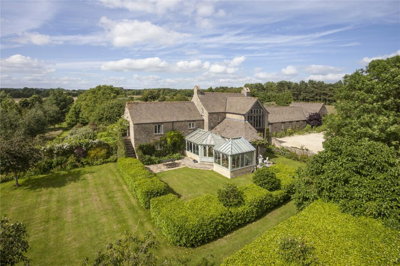
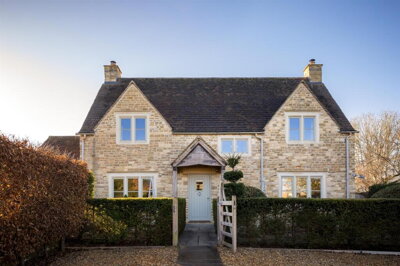
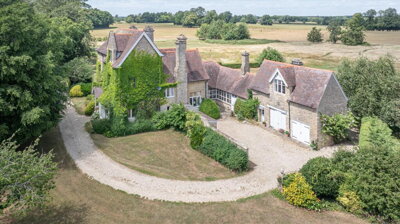
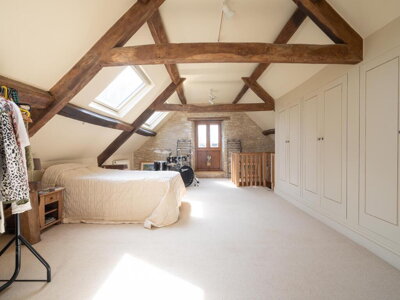
Browse 13 homes for sale in Quenington, Cotswold from local estate agents.
£573k
2
0
221
Source: home.co.uk
Source: home.co.uk
End of Terrace
1 listings
Avg £795,000
Terraced
1 listings
Avg £350,000
Source: home.co.uk
Source: home.co.uk
The Quenington property market presents a compelling picture for prospective buyers, with the average house price standing at £523,750 according to recent data. Detached properties command the highest prices in the village, with the average for this property type reaching £662,500, reflecting the premium placed on space, privacy, and the stunning Cotswold stone construction that characterises the best homes in the area. Terraced properties offer a more accessible entry point at around £385,000, making them ideal for first-time buyers or those looking to downsize without sacrificing the character that makes Cotswold living so desirable.
Price trends in Quenington have shown remarkable strength over the past twelve months, with the average price paid for properties rising by 39.9% compared to the previous year. This significant increase demonstrates the enduring appeal of Cotswold villages and the willingness of buyers to invest in properties that offer timeless charm, excellent build quality, and strong long-term value. However, prices remain approximately 59% below the peak of £1,280,474 recorded in 2022, which presents a window of opportunity for buyers who missed the previous market high.
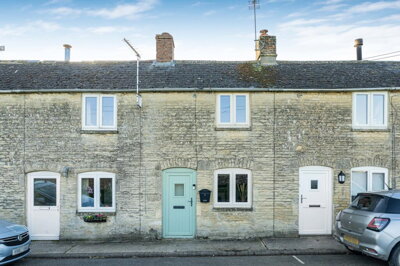
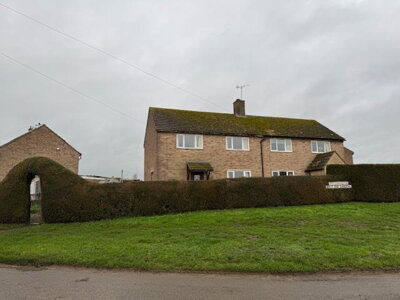
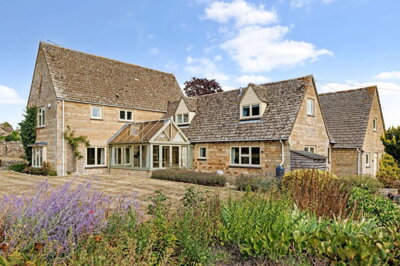
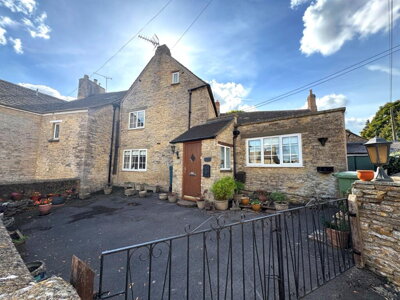
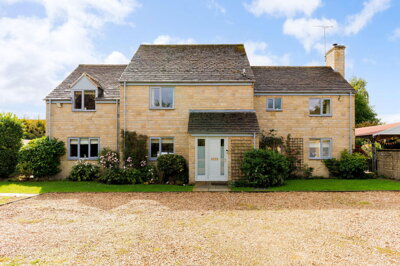
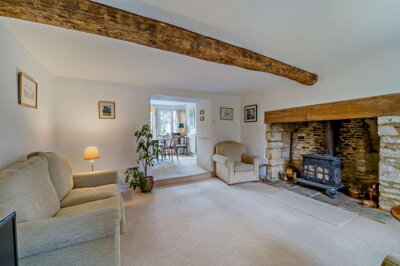
The dominant property type in the GL7 5BN postcode area, which covers much of Quenington, consists of period houses built between 1800 and 1911. These historic properties often feature traditional Cotswold stone construction, with examples such as the delightful period cottages found on Mawley Road showcasing the distinctive honey-coloured limestone that defines the region. Many properties offer spacious gardens, original features, and the kind of solid construction that has stood the test of time for over a century.
A detached property currently available on The Green illustrates the range of opportunities available in the village, described as an ideal project offering refurbishment or new build potential. This type of property appeals to buyers seeking to put their own stamp on a home, with the option to modernise internally while retaining the external character that makes Cotswold properties so desirable. Such opportunities are relatively rare in the village, where most properties are well-maintained period homes that change hands intact.

Life in Quenington offers a quintessentially English rural experience that draws buyers from across the country seeking an escape from urban pressures. The village sits within the Cotswold Area of Outstanding Natural Beauty, placing it among the most scenically privileged locations in England. Residents enjoy daily walks through rolling countryside, with the village's position offering easy access to the River Coln and the network of public footpaths that criss-cross the surrounding farmland. The village maintains its historic character, with properties featuring the famous Cotswold stone that has been used in local construction for centuries, creating a cohesive aesthetic that has earned the region its worldwide reputation for beauty.
The village community benefits from a strong local identity, with village events, traditional pubs, and parish activities contributing to a warm atmosphere that newcomers quickly become part of. The nearby towns of Cirencester and Fairford provide additional amenities, including supermarkets, independent shops, restaurants, and healthcare facilities, ensuring that residents have access to everything they need without sacrificing the peaceful environment that makes Quenington so special. The village's proximity to major road connections, including the A419, makes it practical for commuters or those who need to travel regularly to Bristol, Swindon, or Oxford.
The area attracts a mix of demographics, from young families drawn by the excellent schooling to retired couples seeking a peaceful retirement in beautiful surroundings. Property values have historically shown resilience and growth, making the area attractive to investors as well as those seeking a permanent family home. The presence of listed buildings and the likelihood of conservation area status reflects the village's commitment to preserving its heritage, which in turn protects property values and maintains the character that makes the location so desirable.
Local amenities within Quenington itself include a traditional village pub, which serves as a focal point for community gatherings and provides a convenient destination for evening meals without the need to travel. The Church of St. Swithin, with its historic architecture and active parish community, adds to the village's sense of heritage and belonging. Regular farmers markets and craft fairs in nearby Cirencester, just 5 miles away, provide opportunities to purchase local produce and artisan goods, supporting the regional economy while enjoying the best of Cotswold rural life.
Quenington enjoys a strategic position within the Cotswolds, offering residents a balance of rural tranquility and practical connectivity. The village sits near the A419, providing direct access to Cirencester approximately 5 miles to the east and Swindon further along the route. This road connection makes daily commuting feasible for those working in larger towns, with many residents choosing to travel to Cirencester, Swindon, or even Bristol for work. The journey times are manageable, with Cirencester accessible in around 15 minutes by car, making it practical for those who need to travel for work but wish to enjoy village life.
For those relying on public transport, the nearest railway stations can be found in Kemble and Swindon, offering connections to major destinations including London Paddington. Kemble station, situated around 8 miles from Quenington, provides regular services and parking facilities, making it a viable option for commuters who prefer rail travel. Bus services connect Quenington with surrounding villages and towns, though private transport remains the most practical option for most daily requirements. The village's position away from major congestion means that driving is generally pleasant and straightforward, unlike the traffic challenges faced in larger towns.
Cycling is increasingly popular in the area, with the Cotswolds offering scenic routes that are enjoyed by both recreational cyclists and commuters. The quieter country lanes provide relatively safe cycling conditions, and electric bikes have made hilly terrain more accessible for a wider range of riders. For those travelling further afield, Bristol Airport offers international flights within approximately an hour's drive, while Heathrow and Birmingham airports are also accessible for longer journeys.
The A417 provides additional connectivity, linking the A419 to the M5 motorway near Gloucester and offering routes north towards Cheltenham and Worcester. This dual route option means residents have flexibility when travelling, avoiding congestion on any single road where possible. For families with children, the reliable road connections make accessing schools in Cirencester straightforward, with several secondary school options reachable within 20 minutes by car.
Begin by exploring current listings in Quenington and understanding price trends. With average prices at £523,750 and detached properties averaging £662,500, understanding the market will help you identify value and set realistic expectations. Pay particular attention to the GL7 5BN postcode area where period properties built between 1800 and 1911 dominate the housing stock, as these require different considerations than modern homes.
Before viewing properties, obtain a mortgage agreement in principle from a lender. This strengthens your position when making offers and demonstrates to sellers that you are a serious buyer with financing arranged. Given the higher property values in the Cotswolds, many buyers opt for longer mortgage terms, and speaking with a specialist broker familiar with rural Cotswold properties can help identify the most suitable products.
Visit a selection of properties that match your criteria, paying attention to the condition of period features, Cotswold stone construction quality, and any signs of damp or structural issues common in older properties. Bring a torch and notebook to document observations, and consider returning at different times of day to assess light levels and noise from neighbouring properties.
Given the prevalence of period properties built between 1800 and 1911 in Quenington, a Level 2 survey is essential to identify any defects, structural concerns, or renovation requirements before purchase. Common issues in Cotswold stone properties include damp penetration through porous stonework, roof condition on period properties, and outdated electrical systems that may not meet current standards.
Appoint a solicitor experienced in Cotswold property transactions to handle the legal aspects of your purchase, including searches, contracts, and registration with the Land Registry. Properties in conservation areas or with listed building status require additional specialist knowledge, so ensure your solicitor has experience with heritage properties in the Cotswolds.
Once all searches are satisfactory and finances are confirmed, exchange contracts with the seller and set a completion date. Your solicitor will transfer funds and register the property in your name. For period properties, allow extra time for any conditions relating to listed building consent or conservation area requirements that may be flagged during the conveyancing process.
Purchasing a property in Quenington requires careful consideration of several factors unique to Cotswold villages and period properties. The prevalence of Cotswold stone construction means that buyers should pay particular attention to the condition of walls and pointing, as freeze-thaw cycles can cause damage over time. Properties built in the 1800-1911 period, which dominate the local housing stock, may require more maintenance than modern homes, and budgeting for ongoing upkeep is essential. A thorough RICS Level 2 survey will identify any structural issues, damp problems, or roof condition concerns that are common in older properties of this type.
Flood risk should be considered, particularly given that the River Coln runs through the nearby village of Fairford and water courses traverse the local area. While specific flood risk data for Quenington itself was not available in our research, buyers should request a local flood risk search and consider the proximity of any water features to the property. Properties in low-lying areas adjacent to streams or drainage channels warrant extra caution, and insurance implications should be understood before committing to purchase.
The presence of listed buildings in and around Quenington, including a Grade II* Listed country house near Springfield Road, Quenington, means that some properties may be subject to planning restrictions and consent requirements for alterations. Buyers should verify the listing status of any property they are considering and understand the implications for future modifications or extensions. Conservation area status, which is likely given the village's character, may also impose additional controls on external changes. These factors can enhance property values by protecting character but require careful navigation when planning renovations or extensions.
Electrical systems in period properties often require updating, as properties built before modern electrical standards may have outdated wiring that cannot handle current household demands. A qualified electrician should inspect the consumer unit, wiring age, and socket positioning before purchase. Similarly, heating systems in older Cotswold stone properties may rely on oil or bottled gas, and buyers should budget for potential conversion to alternative energy sources if sustainability is a priority.
The average house price in Quenington over the past year was £523,750 according to recent market data. Detached properties averaged £662,500 while terraced properties were around £385,000. Prices have risen significantly, up 39.9% over the past twelve months, though they remain approximately 59% below the 2022 peak of £1,280,474, which presents opportunities for buyers entering the market at more accessible price points than during the previous high.
Properties in Quenington fall under Cotswold District Council for council tax purposes. Specific band distribution in the village varies by property, with period Cotswold stone cottages and larger detached homes typically falling into bands D through H. Buyers should check the specific council tax band of any property they are considering, as bands affect ongoing running costs and can vary significantly between neighbouring properties depending on their valuation and size.
Quenington is well-served by primary schools in the surrounding villages, with schools in nearby Fairford and Bibury serving the local community. Fairford Primary School has earned a strong reputation for nurturing younger children, while Bibury Church of England Primary School offers a smaller, village-based setting that many families prefer. Secondary education options include the Corinium School in Cirencester, which serves students from across the wider area, along with other schools offering sixth form provision.
Public transport options from Quenington include bus services connecting to Cirencester and surrounding villages, though private transport is essential for most daily needs. The nearest railway station is Kemble, approximately 8 miles away, offering regular services to Swindon and connections to London Paddington. The A419 provides road connections to Cirencester and Swindon, making car travel the primary means of transport for most residents who commute to work or access amenities.
Quenington offers several attractive features for property investment. The village sits within the Cotswold Area of Outstanding Natural Beauty, which inherently protects property values through planning restrictions on new development. The limited supply of properties, combined with strong demand from buyers seeking rural lifestyles, supports long-term value appreciation. Period Cotswold stone properties have historically proven resilient, and the recent price increase of 39.9% demonstrates market strength. However, investors should consider that the village's small size means liquidity may be lower than in larger towns, and properties may take longer to sell during quieter market periods.
Stamp Duty Land Tax rates from April 2025 are 0% on the first £250,000 of property value, 5% on £250,001 to £925,000, 10% on £925,001 to £1,500,000, and 12% on amounts exceeding £1,500,000. First-time buyers receive relief on the first £425,000, paying 5% on the portion between £425,001 and £625,000. Given Quenington's average price of £523,750, a standard buyer purchasing at this price point would pay approximately £13,688 in stamp duty.
The majority of properties in Quenington are period homes, with the GL7 5BN postcode area predominantly featuring houses built between 1800 and 1911. These historic properties are characterised by traditional Cotswold stone construction, with examples visible on Mawley Road where delightful period stone cottages showcase the distinctive honey-coloured limestone typical of the region. New build properties are extremely rare in the village due to planning restrictions within the Area of Outstanding Natural Beauty.
When viewing period Cotswold stone properties in Quenington, examine the condition of external stonework carefully, looking for signs of cracking, biological growth, or deteriorating mortar that may indicate water penetration. Check window frames for wood rot and assess whether original features such as fireplaces, floorboards, and door joinery remain intact. Given the age of local housing stock, properties may require updating of electrical systems, heating, and insulation, so factor potential renovation costs into your offer.
From 4.5%
Finding the right mortgage for your Quenington property purchase is essential, with specialist brokers familiar with Cotswold property values
From £499
Expert legal services for your Quenington property transaction, including handling listed building and conservation area requirements
From £350
Essential survey for period properties, identifying defects common in Cotswold stone construction built between 1800 and 1911
From £80
Energy Performance Certificate required for all property sales, particularly important for older stone properties
Understanding the full cost of purchasing property in Quenington requires careful consideration of stamp duty and additional expenses beyond the purchase price. At the current average price of £523,750, a standard buyer would pay approximately £13,688 in Stamp Duty Land Tax under the current thresholds that apply 0% on the first £250,000, 5% on the amount between £250,001 and £925,000. First-time buyers may benefit from relief, paying 5% only on the portion between £425,001 and £625,000, reducing their SDLT liability to approximately £4,938.
Beyond stamp duty, buyers should budget for solicitor fees which typically range from £500 to £2,000 depending on the complexity of the transaction and the property type. Search fees for local authority, drainage, and environmental searches usually cost between £200 and £500. A RICS Level 2 survey, particularly important for the period properties that dominate the Quenington market, typically costs from £350 depending on property value and the survey provider chosen. This investment is especially valuable given the age of local housing stock, with many properties built between 1800 and 1911 potentially harbouring defects that require professional identification.
Additional costs include Land Registry registration fees of approximately £150 to £500, mortgage arrangement fees which vary by lender but can range from nothing to 2% of the loan amount, and removal costs which vary widely based on the volume of belongings being moved. Buildings insurance must be in place from the date of completion, and buyers purchasing leasehold properties should budget for service charges and ground rent. Given that many properties in Quenington are likely to be freehold period houses, ongoing costs are generally limited to council tax, utilities, and maintenance, though the historic nature of Cotswold stone properties means that maintenance costs can be higher than average for modern equivalents.
Renovation costs for period properties deserve particular attention, as properties described as projects or requiring refurbishment may need substantial investment in roof repairs, rewiring, plumbing updates, and insulation improvements. Listed buildings require specialist contractors for many works, which can increase costs significantly compared to standard property renovations. Setting aside a contingency fund equivalent to 10-15% of the purchase price for older properties is a sensible approach to avoid financial pressure during renovation work.
Properties for Sale In London

Properties for Sale In Plymouth

Properties for Sale In Liverpool

Properties for Sale In Glasgow

Properties for Sale In Sheffield

Properties for Sale In Edinburgh

Properties for Sale In Coventry

Properties for Sale In Bradford

Properties for Sale In Manchester

Properties for Sale In Birmingham

Properties for Sale In Bristol

Properties for Sale In Oxford

Properties for Sale In Leicester

Properties for Sale In Newcastle

Properties for Sale In Leeds

Properties for Sale In Southampton

Properties for Sale In Cardiff

Properties for Sale In Nottingham

Properties for Sale In Norwich

Properties for Sale In Brighton

Properties for Sale In Derby

Properties for Sale In Portsmouth

Properties for Sale In Northampton

Properties for Sale In Milton Keynes

Properties for Sale In Bournemouth

Properties for Sale In Bolton

Properties for Sale In Swansea

Properties for Sale In Swindon

Properties for Sale In Peterborough

Properties for Sale In Wolverhampton

Enter your details to see if this property is within your budget.
Loans, cards, car finance
Estimated property budget
Borrowing + deposit
You could borrow between
Typical borrowing
Monthly repayment
Est. at 4.5%
Loan-to-value
This is an estimate only. Your actual budget may vary depending on interest rates, credit history, and personal circumstances. For an accurate affordability assessment, speak to one of our free mortgage advisors.
This calculator provides estimates for illustrative purposes only and does not constitute financial advice. Your home may be repossessed if you do not keep up repayments on your mortgage. Estimates based on 4.5% interest rate, repayment mortgage. Actual rates depend on your circumstances.
Homemove is a trading name of HM Haus Group Ltd (Company No. 13873779, registered in England & Wales). Homemove Mortgages Ltd (Company No. 15947693) is an Appointed Representative of TMG Direct Limited, trading as TMG Mortgage Network, which is authorised and regulated by the Financial Conduct Authority (FRN 786245). Homemove Mortgages Ltd is entered on the FCA Register as an Appointed Representative (FRN 1022429). You can check registrations at NewRegister or by calling 0800 111 6768.

We use cookies to show you personalised content and improve your experience of our website. Find out more in our Privacy policy and Cookie policy.