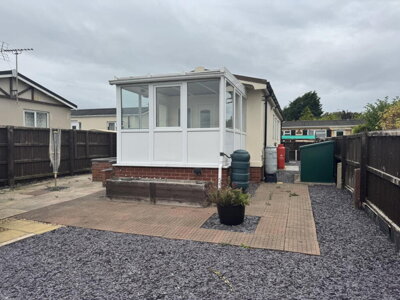
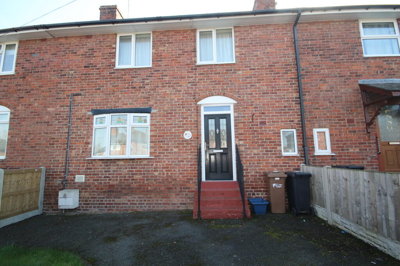
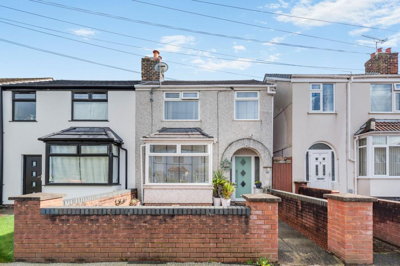
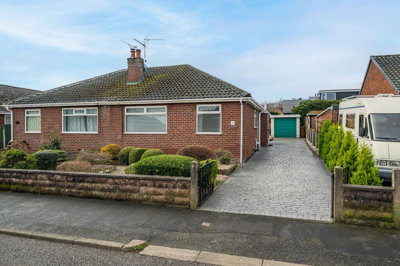
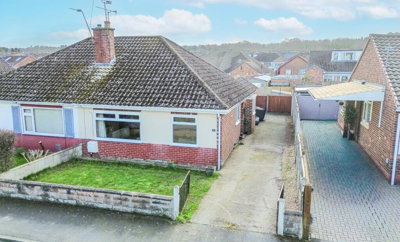
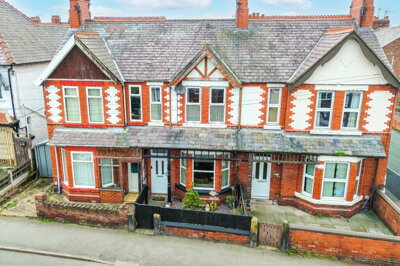
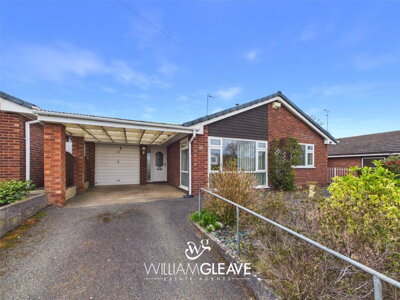
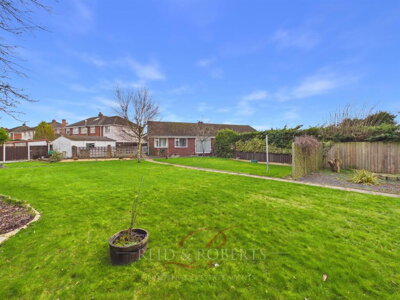
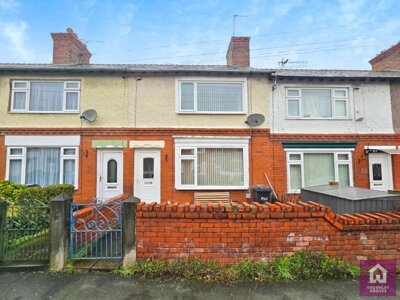
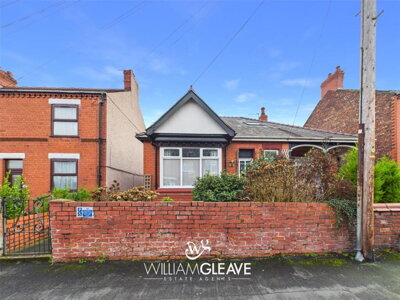
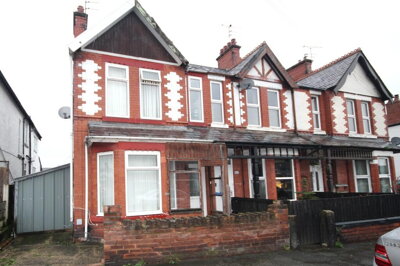
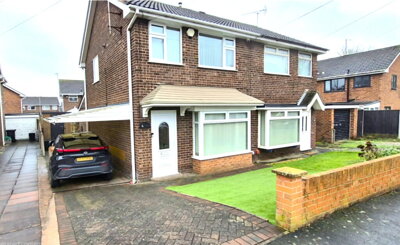
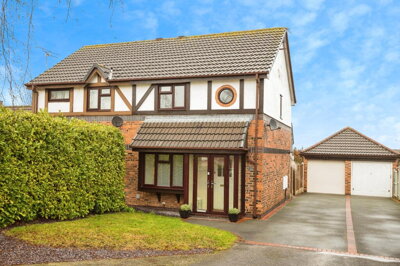
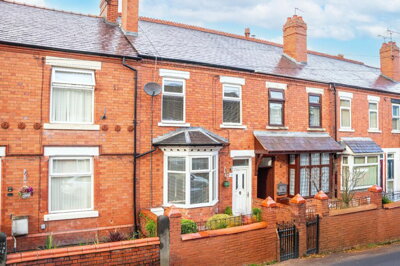
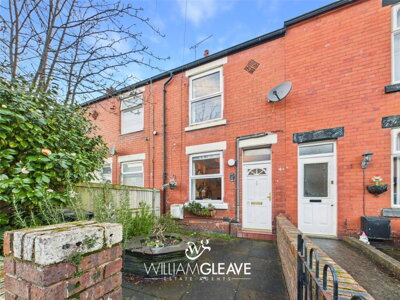
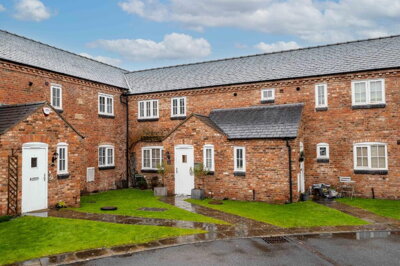
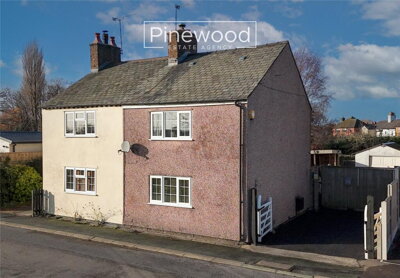
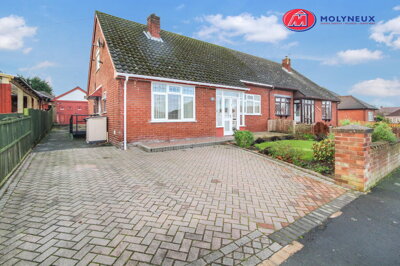
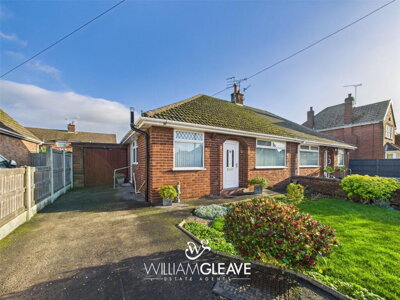
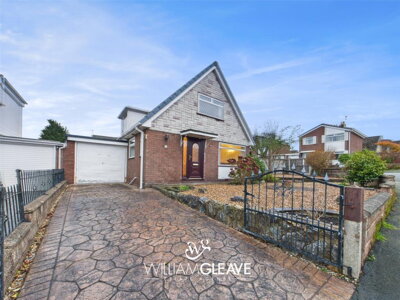
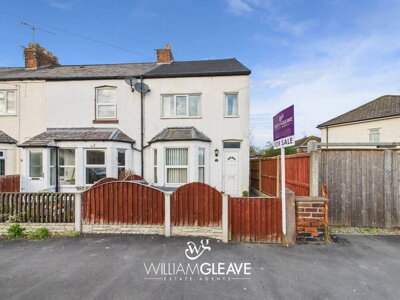
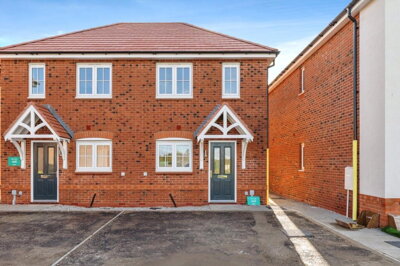
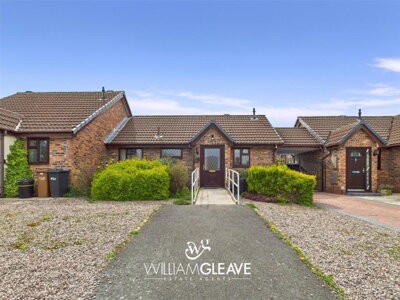
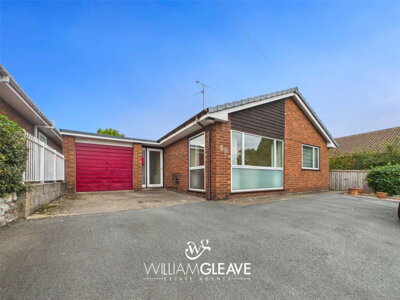
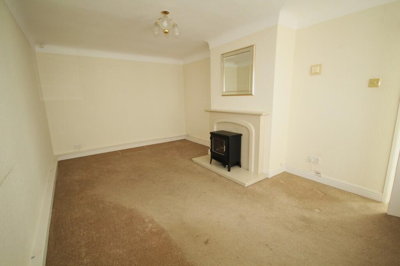
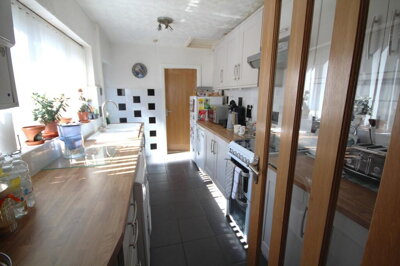
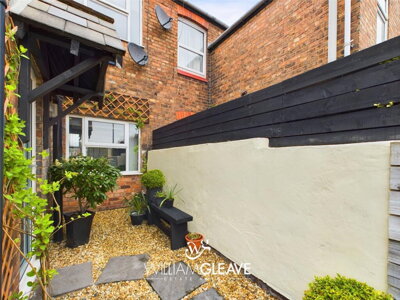
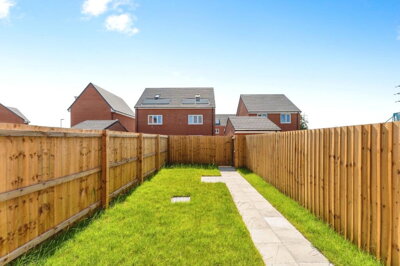
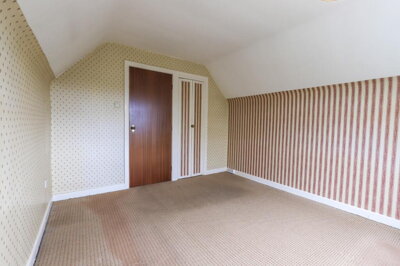
Browse 38 homes for sale in Queensferry, Flintshire from local estate agents.
The 2 bed house market features detached, semi-detached, and terraced properties with two separate bedrooms plus living spaces. Properties in Queensferry range from Victorian and Edwardian period homes to modern new builds, with pricing varying across different neighbourhoods.
£160k
1
0
217
Source: home.co.uk
Showing 1 results for 2 Bedroom Houses for sale in Queensferry, Flintshire. The median asking price is £160,000.
Source: home.co.uk
Terraced
1 listings
Avg £160,000
Source: home.co.uk
Source: home.co.uk
The Queensferry property market presents diverse opportunities across all major housing types, with recent data from Rightmove showing an overall average house price of £160,568. Zoopla reports a slightly higher figure of £196,860 for sold properties over the last twelve months, reflecting the mix of transactions completing at various price points throughout the community. Detached properties command the highest values in the area, with average sold prices reaching £200,692, making them popular among families seeking generous living space and gardens. Semi-detached homes average £132,667, presenting the most accessible entry point for buyers seeking a balance between price and accommodation, while terraced properties average £145,900, often featuring characterful period features that appeal to buyers seeking traditional Welsh homes. The average sold price for flats in the wider Flintshire area was £111,383 over the last twelve months, though specific Queensferry data was not available, suggesting a smaller flat market in the village itself.
Recent market trends indicate a cooling period following the 2022 peak of £183,253, with sold prices falling 6% over the past year and 12% from that peak. This adjustment creates opportunities for buyers who may have found the market challenging during the peak period, with more negotiating room and a wider selection of properties now available. The new build sector continues to expand on the outskirts of Queensferry, with the Summers Bridge development on Welsh Road offering homes from Bellway Homes and Anwyl Homes, including the Bellway Farndon four-bedroom detached priced at £334,995 and the Anwyl Epsom three-bedroom home at £269,995. For buyers seeking larger family homes with modern specifications, the nearby Gladstone Grange development in Hawarden by Castle Green Homes offers two, three, and four-bedroom properties ranging from £314,995 to £539,995, including the four-bedroom Wiltshire and three-bedroom Windsor with all en-suite bedrooms. These developments provide options for buyers seeking modern construction with energy-efficient specifications and manufacturer warranties, though the established housing stock in the village itself offers character and mature surroundings that many buyers find equally appealing.

Queensferry sits within the Deeside corridor of Flintshire, a region characterised by its proximity to the River Dee and excellent connectivity to both Wales and the neighbouring county of Cheshire across the border. The village maintains its own distinct identity while benefiting from integration into the wider Deeside community, offering residents a village atmosphere with town-level amenities within reach. The presence of several listed buildings, including the historic Bascule Bridge crossing the River Dee at the north end of Station Road and the Queensferry War Memorial Institute, provides architectural interest and anchors the community in its industrial heritage. The former Willans & Robinson Factory on the industrial estate between Queensferry and Sandycroft represents the area's manufacturing legacy, with its Grade II listed Central, East, and West Blocks standing as testament to the Victorian industrial heritage that shaped this part of north-east Wales.
The demographic profile of Queensferry and Sandycroft combined shows a population of 5,193 residents across 2,394 households according to the 2021 Census, with the Queensferry community itself numbering 1,906 residents. The predominant housing tenure in Flintshire is owner-occupation at 71.7%, followed by affordable tenures at 15% and private renting at 13.3%, indicating a community where the majority of residents have invested in their homes and take pride in their properties. Local amenities include shops, pubs, and essential services within the village centre, while the nearby town of Deeside provides additional retail and leisure facilities. The River Dee and surrounding countryside offer opportunities for outdoor recreation, with walking routes and nature reserves accessible from the village, though buyers should note that the area does face flood risk from tidal sources, with existing earth embankment defences in place along the river.
Flintshire maintains one of the strongest employment rates in the region at 76.5% as of 2024, significantly exceeding both the North West regional average and the national figure. Unemployment in the county has fallen to just 2.7%, indicating robust economic conditions that sustain demand for housing across communities like Queensferry. Manufacturing represents a particularly important sector in Flintshire's economy, providing employment for many residents and supporting the housing market in the Deeside corridor. However, the area does face some challenges, including a shortage of one-bedroom accommodation in both social and private rented sectors, suggesting ongoing demand for smaller housing options that buyers and investors may wish to consider.

Families considering a move to Queensferry will find a selection of educational establishments serving the village and surrounding Deeside area. Primary education is available through schools in and around Queensferry, with the community benefiting from several options within easy walking or driving distance for most residents. The wider Flintshire local authority maintains a network of primary schools, with most children attending their nearest qualifying school determined by catchment area boundaries that align with the village's geographic position. Parents are advised to check current catchment arrangements with Flintshire County Council, as these can change and directly impact school placement decisions for families moving to the area.
Secondary education in the Deeside area is served by schools in nearby towns, with secondary-aged children typically travelling to attend schools with strong academic reputations and good Ofsted ratings. The proximity to Deeside and the broader Flintshire area means that sixth form and further education options are readily accessible, with colleges in nearby towns offering A-level programmes and vocational qualifications to suit different career paths and academic aspirations. The strong employment market in Flintshire, with particular strength in manufacturing sectors, creates pathways from education into local careers, making the area attractive for families planning long-term futures. When purchasing property in Queensferry, parents should confirm current school admission arrangements and consider how catchment boundaries might affect their children's educational journey through primary and secondary phases.
For families prioritising school access, the proximity of Queensferry to Hawarden provides additional educational options, including the highly regarded Hawarden High School and primary schools in the surrounding villages. The established reputation of schools in the Deeside area makes the broader catchment worth exploring when house hunting, as school quality can significantly affect both family satisfaction and long-term property values. Buyers should research current Ofsted ratings and consider visiting schools directly to assess facilities and ethos before committing to a purchase in a specific location within the catchment.
Queensferry enjoys strong transport connections that make it practical for residents who work further afield or prefer not to rely solely on private vehicles. The village sits on the Wales-West Coast main railway line, providing direct rail services connecting the community to destinations across north Wales and into England. Journey times from nearby stations allow commuters to reach Chester in approximately 20-30 minutes by train, opening up employment opportunities in the historic city and its surrounding commercial districts. The A494 trunk road passes through the Deeside area, providing direct access to the M56 motorway network that links north-west England, while the A55 Holyhead Road offers connections to the Severn Bridge corridor and onwards to Birmingham and the Midlands beyond.
For residents who travel by car, the strategic position of Queensferry on the border between Wales and England provides flexibility in commuting options and access to regional centres. Parking provision in the village accommodates residents with vehicles, though the excellent public transport links reduce pressure on parking during peak commuting hours. Local bus services connect Queensferry with surrounding communities, providing options for those who prefer not to drive for everyday journeys to shops, schools, and local services. Cyclists will find the flat terrain of the Deeside area relatively manageable, with routes available for both recreational cycling and commuting purposes, though the coastal position means that wind and weather conditions should be factored into cycling plans throughout the year.
The accessibility of Queensferry makes it particularly attractive to commuters working in Chester, Liverpool, or Manchester, where employment opportunities may offer higher salaries than the local area while the lower property prices in Queensferry enable buyers to access larger homes or reduce mortgage commitments. The flat landscape of the Deeside corridor, combined with dedicated cycle paths and the proximity of the Wales Coast Path, provides additional options for active commuters seeking to reduce car dependency. The Hawarden Airport nearby also serves regional business travel, adding to the connectivity options available to residents of Queensferry and the surrounding communities.
Before committing to a purchase, spend time exploring Queensferry at different times of day and week to understand the neighbourhood character, noise levels, and community dynamics. Check local amenities, travel times to work, school catchments, and any planning applications that might affect the area. This due diligence helps ensure the location matches your lifestyle expectations and identifies any factors that might affect your enjoyment of the property or its future resale value.
Contact lenders or mortgage brokers to obtain an agreement in principle before viewing properties. Having this in place demonstrates your seriousness to sellers and estate agents, speeds up the formal mortgage application when you find your ideal home, and helps you understand your true budget. With Flintshire's strong employment market, many local and national lenders offer competitive mortgage products for buyers in the area.
View multiple properties in Queensferry to compare the different housing types, conditions, and price points available. Take notes and photographs to help you remember each property, and consider attending viewings with a friend or family member for a second opinion on significant purchases. Pay particular attention to the condition of properties, especially older homes that may have maintenance requirements not immediately apparent.
Once you have had an offer accepted, instruct a RICS qualified surveyor to conduct a Level 2 HomeBuyer Report. For properties in Queensferry, expect to pay between £400 and £600 depending on property size and value. This survey identifies structural issues, defects, and maintenance concerns that may not be visible during a standard viewing, including any signs of movement or flood damage that may affect the property.
Appoint a solicitor to handle the legal aspects of your purchase, including searches, contracts, and land registry matters. Your solicitor will liaise with the seller's representatives, arrange local authority searches covering flood risk and planning history, and guide you through exchange and completion. Flintshire County Council searches typically cost around £150 to £300 for properties in the Queensferry area.
Once all searches are satisfactory and mortgage finance is confirmed, both parties sign contracts and pay deposits to exchange. Completion typically follows two to four weeks later, when the remaining funds are transferred and you receive the keys to your new Queensferry home.
Properties in Queensferry present some specific considerations that buyers should investigate thoroughly before completing a purchase. The village's proximity to the River Dee means that flood risk requires careful assessment, with the area identified as currently at risk from tidal flooding and projections suggesting increased coastal flood danger by 2120 due to climate change. Existing flood defences, including raised earth embankments, are in place, but buyers should review Environment Agency flood maps, check whether properties have experienced flooding, and consider the adequacy of defences for their intended tenure. Buildings insurance costs may be higher in flood-risk areas, and mortgage lenders take flood risk into account when assessing properties, so understanding this factor is essential for informed decision-making.
The local geology presents another consideration, with Queensferry situated on loamy and clayey soils of coastal flats with naturally high groundwater levels. Clay soils are susceptible to shrink-swell behaviour, which can cause ground movement affecting properties with shallow foundations, particularly older buildings. Buyers should look for signs of subsidence or movement such as cracking to walls, sticking doors or windows, and uneven floors. A thorough RICS Level 2 survey will identify any concerns related to ground conditions, but understanding the geological context helps buyers appreciate why professional surveys are particularly valuable in this area. Properties near trees on clay soils may face additional subsidence risk as roots draw moisture from the ground during dry periods, causing the clay to shrink and the foundations to settle unevenly.
The housing stock in Queensferry includes a mix of property ages, with traditional buildings likely making up a significant proportion given the area's Victorian industrial heritage and the presence of historic cottages and post-war housing throughout the village. Traditional properties constructed before 1919 typically feature solid walls made from bricks and stones bound with lime and sand mortars, with slate or stone-tiled roofs. Post-1919 construction introduced cavity walls and new building methods that may affect how properties perform in terms of insulation and renovation potential. Buyers considering older properties should budget for potential maintenance requirements and investigate whether the property is listed, as Grade II listed buildings require consent for alterations from Flintshire County Council and must be maintained to preserve their character. The village itself is not designated as a Conservation Area according to available information, providing more flexibility for external alterations compared to designated areas, though this should be confirmed with the local planning authority before committing to any changes.
The combination of flood risk, clay soils, and mixed-age housing stock means that professional surveys are particularly valuable for buyers in Queensferry. While a standard mortgage valuation simply confirms the property is worth the purchase price, a RICS Level 2 survey provides detailed information about construction, condition, and defects that may not be apparent during viewings. For properties in this area, the additional cost of a thorough survey is money well spent, potentially revealing issues that could affect safety, require expensive repairs, or impact insurability.
Understanding the full costs of purchasing property in Queensferry helps buyers budget accurately and avoid surprises during the transaction process. Stamp Duty Land Tax (SDLT) applies to all property purchases in Wales, with current thresholds and rates from April 2024 requiring careful calculation based on the purchase price and buyer status. For standard purchases, there is no SDLT on properties up to £250,000, with rates of 5% on the portion from £250,001 to £925,000, 10% from £925,001 to £1.5 million, and 12% on any amount above £1.5 million. First-time buyers in Wales benefit from relief on purchases up to £450,000, paying 0% on the first £225,000 and 5% on the remainder up to that threshold, providing meaningful savings for those stepping onto the property ladder.
Beyond SDLT, buyers should budget for solicitor conveyancing fees, with costs typically ranging from £500 to £1,500 depending on the complexity of the transaction and whether the property is freehold or leasehold. Local search fees charged by Flintshire County Council usually amount to around £150 to £300, covering drainage, environmental, and planning searches specific to the Queensferry area. A RICS Level 2 HomeBuyer Report costs approximately £400 to £600 for properties in the area, while a Level 3 Building Survey for larger or older properties may cost £600 to £1,000. Survey costs increase for properties valued over £500,000, with averages around £586 compared to approximately £384 for properties under £200,000, reflecting the additional inspection time required. Land Registry fees, mortgage arrangement fees, and building insurance premiums complete the typical cost picture, meaning buyers should ensure they have additional funds available beyond their deposit and mortgage amount.
For a typical Queensferry property priced at the Rightmove average of £160,568, a first-time buyer would pay no SDLT, saving significantly compared to the cost of purchasing in many other areas. However, buyers purchasing new build properties like those at the Summers Bridge development, where four-bedroom homes are priced at £334,995, would incur SDLT on the portion above the relevant threshold. The average sold price in the area remains below the £250,000 SDLT nil-rate band, providing a natural advantage for buyers in terms of purchase costs compared to areas with higher average property values.
According to Rightmove, the average house price in Queensferry over the last year was £160,568, while Zoopla reports £196,860 for sold properties over twelve months. Detached properties average £200,692, semi-detached homes £132,667, and terraced properties £145,900. The market has seen a 6% reduction from the previous year and a 12% decline from the 2022 peak of £183,253, creating opportunities for buyers in what is now a more accessible price range. The average sold price for flats in the wider Flintshire area was £111,383 over the same period.
Council tax bands in Queensferry are set by Flintshire County Council, with bands ranging from A to H based on property value. Most residential properties in the village fall within bands A through D, with band A properties paying the lowest rates and band D or above attracting higher charges. Prospective buyers should check the specific band for any property they are considering, as this forms part of the ongoing costs of ownership alongside utilities and maintenance. Council tax payments fund local services including education, waste collection, and road maintenance, so understanding the band helps buyers estimate their ongoing commitments accurately.
Queensferry and the surrounding Deeside area offer primary education through local schools with established reputations in the community. Secondary education is provided by schools in nearby towns, with several options accessible within reasonable travel distances. Parents should verify current catchment boundaries with Flintshire County Council, as these determine school placement eligibility and can affect property desirability for families with school-aged children. The proximity to Hawarden provides additional options, including primary schools serving the surrounding villages and secondary schools with strong academic records. Families are encouraged to visit schools directly and review current Ofsted ratings before purchasing property in a specific catchment area.
Queensferry sits on the Wales-West Coast main railway line, providing direct connections to destinations across north Wales and into England, with Chester reachable in approximately 20-30 minutes. The A494 trunk road offers access to the M56 motorway, while local bus services connect the village with surrounding communities. This combination makes Queensferry practical for commuters who work in Chester, Liverpool, Manchester, or other regional centres while preferring village living. The flat terrain of the Deeside area also makes cycling a viable option for shorter journeys, particularly during drier months.
Queensferry benefits from its position within the strong Flintshire economy, where the employment rate of 76.5% exceeds regional and national averages, and unemployment stands at just 2.7%. The ongoing development activity in the area, including the Summers Bridge development and proposals for new housing on Chester Road East, indicates continued demand for homes in the community. However, buyers should note the flood risk from the River Dee and the projected increase in tidal flood danger by 2120, which could affect long-term property values in certain locations. Properties with good flood resilience measures and locations on higher ground may prove more resilient investments. The area also benefits from excellent transport connections that make it attractive to commuters, supporting rental demand for working professionals seeking affordable housing near major employment centres.
Standard SDLT rates in Wales apply no tax on purchases up to £250,000, with 5% charged between £250,001 and £925,000, 10% from £925,001 to £1.5 million, and 12% above that threshold. First-time buyers benefit from Welsh first-time buyer relief, paying 0% on the first £225,000 and 5% on amounts between £225,001 and £450,000. For example, a first-time buyer purchasing a typical Queensferry property at £160,568 would pay no SDLT, while a £334,995 new build would incur SDLT on the portion above £225,000. The relatively low average property price in Queensferry means that most purchases fall below the SDLT nil-rate band, providing a cost advantage for buyers compared to many other areas.
Queensferry faces significant tidal flood risk from the River Dee, with existing flood defences including raised earth embankments currently protecting the community. However, projections indicate increased danger from sea flooding by 2120 due to climate change. Surface water flooding is also a concern across Flintshire. Buyers should check Environment Agency flood maps, review any flood history for the specific property, and consider requesting a flood risk assessment as part of their due diligence. Properties in higher-risk zones may face higher insurance premiums and could be more difficult to mortgage. The clay soil conditions in the area can also contribute to surface water drainage challenges during periods of heavy rainfall, particularly in low-lying areas near the river. Professional surveys can identify any signs of previous flooding or water damage that may not be apparent during viewings.
Secure financing for your Queensferry property purchase
From 3.94%
Expert legal services for your property transaction in Queensferry
From £499
Professional survey for your Queensferry home
From £400
Energy performance certificate for Queensferry property
From £80
Properties for Sale In London

Properties for Sale In Plymouth

Properties for Sale In Liverpool

Properties for Sale In Glasgow

Properties for Sale In Sheffield

Properties for Sale In Edinburgh

Properties for Sale In Coventry

Properties for Sale In Bradford

Properties for Sale In Manchester

Properties for Sale In Birmingham

Properties for Sale In Bristol

Properties for Sale In Oxford

Properties for Sale In Leicester

Properties for Sale In Newcastle

Properties for Sale In Leeds

Properties for Sale In Southampton

Properties for Sale In Cardiff

Properties for Sale In Nottingham

Properties for Sale In Norwich

Properties for Sale In Brighton

Properties for Sale In Derby

Properties for Sale In Portsmouth

Properties for Sale In Northampton

Properties for Sale In Milton Keynes

Properties for Sale In Bournemouth

Properties for Sale In Bolton

Properties for Sale In Swansea

Properties for Sale In Swindon

Properties for Sale In Peterborough

Properties for Sale In Wolverhampton

Enter your details to see if this property is within your budget.
Loans, cards, car finance
Estimated property budget
Borrowing + deposit
You could borrow between
Typical borrowing
Monthly repayment
Est. at 4.5%
Loan-to-value
This is an estimate only. Your actual budget may vary depending on interest rates, credit history, and personal circumstances. For an accurate affordability assessment, speak to one of our free mortgage advisors.
This calculator provides estimates for illustrative purposes only and does not constitute financial advice. Your home may be repossessed if you do not keep up repayments on your mortgage. Estimates based on 4.5% interest rate, repayment mortgage. Actual rates depend on your circumstances.
Homemove is a trading name of HM Haus Group Ltd (Company No. 13873779, registered in England & Wales). Homemove Mortgages Ltd (Company No. 15947693) is an Appointed Representative of TMG Direct Limited, trading as TMG Mortgage Network, which is authorised and regulated by the Financial Conduct Authority (FRN 786245). Homemove Mortgages Ltd is entered on the FCA Register as an Appointed Representative (FRN 1022429). You can check registrations at NewRegister or by calling 0800 111 6768.

We use cookies to show you personalised content and improve your experience of our website. Find out more in our Privacy policy and Cookie policy.