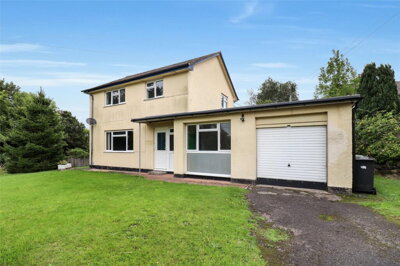
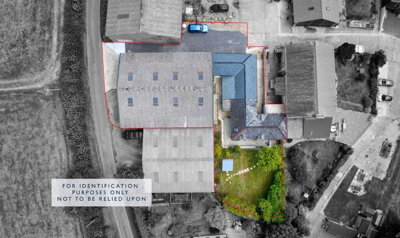
Browse 2 homes for sale in Queen's Nympton from local estate agents.
The larger property sector typically features multiple bathrooms, substantial reception space, and private gardens or off-street parking. Four bedroom houses in Queen's Nympton span detached, semi-detached, and occasionally terraced configurations, with styles ranging from period properties to modern executive homes.
The property market around Queen's Nympton reflects the broader trends in North Devon, where demand for rural homes with character has remained strong. Recent sales data in the EX36 postcode area shows a range of property values, with individual homes selling between £375,000 and £895,000 depending on size, condition, and land attached. A property on North Woodhouse sold for £515,800 in June 2021, while Garramarsh Farm achieved £895,000 the same month, demonstrating the premium that larger rural estates command in this locality. Detached properties in nearby villages such as Meshaw and Filleigh are currently listed around £450,000 to £695,000, offering prospective buyers a benchmark for the local market.
Property types available in the wider South Molton area include three-bedroom detached bungalows priced around £400,000 and larger five-bedroom detached houses from £399,950 to £450,000. The housing stock in this part of North Devon is predominantly houses and bungalows, with detached and semi-detached properties forming the majority given the rural nature of the area. Flats and apartments are relatively uncommon in Queen's Nympton itself, with most accommodation consisting of individual homes with substantial gardens and outdoor space. New build activity is concentrated in nearby towns like South Molton rather than within the quiet hamlet itself, meaning buyers seeking character and period features will find ample choice among existing properties.
The ONS Census data indicates that almost 8 in 10 households across England lived in houses or bungalows in 2021, though this proportion decreased slightly from 78.6% in 2011 to 77.9% in 2021. Given the rural character of Queen's Nympton, the local housing stock is likely to feature an even higher proportion of detached properties than the national average. Properties here typically offer generous plot sizes, with gardens extending to half an acre or more for larger rural estates. This generous outdoor space is particularly attractive to families with children, dog owners, and those interested in gardening or smallholding activities.

Queen's Nympton is described as a quiet hamlet wrapped in rolling fields, offering residents an authentic taste of North Devon countryside life. The civil parish, which was established in 1894 when it split from the wider area, maintains a strong sense of community despite its small size. The village is characterised by traditional Devon architecture, including stone walls, thatched cottages, and timber-framed barns that reflect the area's agricultural heritage. Local footpaths and bridleways crisscross the surrounding countryside, providing excellent opportunities for walking, horse riding, and enjoying the natural landscape that defines this part of Devon.
The proximity to South Molton, just two miles away, means residents of Queen's Nympton have convenient access to a comprehensive range of amenities. South Molton hosts a twice-weekly pannier market where local producers sell fresh produce, crafts, and artisan goods. The town offers independent shops, traditional pubs, cafes and restaurants, a supermarket for everyday shopping, and a health centre serving the surrounding villages. Leisure facilities include a leisure centre with swimming pool and tennis courts, ensuring residents have access to recreational activities without needing to travel to larger towns. The combination of peaceful hamlet living with nearby market town amenities makes Queen's Nympton particularly attractive to families and those seeking a slower pace of life while remaining well-connected.
The local economy around Queen's Nympton is tied primarily to agriculture, with farming remaining an important industry in the surrounding countryside. Many residents work locally in South Molton or commute to nearby towns for employment in the growing service sector. The village benefits from strong community spirit, with local events and activities bringing residents together throughout the year. For those working from home, the peaceful environment and attractive countryside views provide an inspiring backdrop, while reliable internet connections allow for effective remote working despite the rural location.

Families considering a move to Queen's Nympton will find good educational options available in the surrounding area. South Molton Community College serves the local secondary education needs, providing schooling for students from Year 7 through to Sixth Form. The college offers a range of academic and vocational courses, and its presence in the nearby market town means secondary-aged children can attend school without lengthy commutes. Primary education is available in South Molton and surrounding villages, with several primary schools serving the local community and providing education for younger children within easy reach of Queen's Nympton.
The 2021 Census data for Queen's Nympton Parish indicates the population has grown substantially, reflecting the attractiveness of the area to families. Parents moving to the village can expect reasonable class sizes compared to urban schools, along with strong community involvement in education. For families requiring specialist educational support or alternative schooling options, the broader North Devon area offers additional choices, with private and faith schools available in towns within reasonable driving distance. When purchasing property near Queen's Nympton, it is advisable to check specific catchment areas and school admission policies, as these can influence which schools your children would be eligible to attend.
Primary schools in the South Molton area serve children from reception through to Year 6, with most offering before and after-school clubs to support working parents. The journey from Queen's Nympton to primary schools in South Molton typically takes around 10 minutes by car, making drop-offs and pick-ups manageable for daily routines. For secondary education, South Molton Community College provides a comprehensive curriculum with opportunities for GCSE study and A-level courses at Sixth Form. The college also offers vocational pathways for students who prefer practical qualifications over traditional academic routes.
Transport connectivity from Queen's Nympton is primarily road-based, with the A361 providing the main artery connecting North Devon to the rest of the county. This road runs through South Molton, offering links to Barnstaple to the west and, via the A361, connections to Tiverton and the M5 motorway to the east. Journey times to Exeter typically take around an hour by car, making day trips and occasional commuting feasible for those working in the larger city. The rural location means that owning a car is practically essential for residents, though the short distance to South Molton provides access to local bus services connecting to surrounding towns and villages.
Public transport options serving Queen's Nympton include bus services that link South Molton with nearby towns and villages in North Devon. These services provide connectivity for those without private vehicles, though frequencies are likely to be limited compared to urban areas, making advance planning necessary for appointments and social activities. For commuters working in Exeter or beyond, the train station at Exeter provides connections to major UK destinations including London Paddington, with journey times of around two hours to the capital. Many residents of North Devon choose to work locally, either in South Molton itself or in the growing service sector employers in nearby towns, enjoying the benefits of countryside living while maintaining economically active lives.
Exeter Airport, located approximately 45 minutes drive from Queen's Nympton, offers domestic flights and a range of European destinations for business and leisure travel. The M5 motorway junction at Tiverton provides access to the national motorway network, connecting North Devon with Bristol, Birmingham, and the wider motorway network beyond. For those who travel regularly for work, the combination of local amenities in South Molton and good road connections to larger centres makes Queen's Nympton a practical base for professionals who need to commute occasionally while enjoying countryside living day to day.
Explore Queen's Nympton and surrounding villages to understand the property market, compare prices, and identify the type of property that suits your needs. Consider visiting at different times of day and checking local amenities. Use our platform to set up property alerts for new listings matching your criteria.
Obtain a mortgage agreement in principle before beginning property viewings. Contact local brokers who understand the North Devon market to discuss your borrowing options and budget realistically. Factor in additional costs including stamp duty, solicitor fees, survey costs, and moving expenses when calculating your total budget.
Use Homemove to browse available properties and arrange viewings with estate agents. Take notes on property condition, garden sizes, and any potential issues that might require further investigation. When viewing period properties, pay attention to the condition of roofs, windows, and evidence of damp or structural movement.
Once you have an offer accepted, arrange a RICS Level 2 survey to assess the property condition. Given the age of many homes in North Devon and the prevalence of traditional construction methods, a thorough survey is essential to identify any structural or maintenance issues before you commit to the purchase.
Choose a conveyancing solicitor with experience in rural Devon property transactions. They will handle legal searches, contracts, and the transfer of ownership on your behalf. For properties with septic tanks or private water supplies, additional searches may be required to verify compliance with current regulations.
Your solicitor will coordinate the final steps, including searches, mortgage arrangements, and any conditions of sale. On completion day, you will receive the keys to your new home in Queen's Nympton. We recommend arranging buildings insurance from the moment contracts are exchanged to protect your investment.
Properties in and around Queen's Nympton are predominantly older construction, with many homes likely dating from the Georgian, Victorian, or earlier periods given the village's heritage. Traditional building materials used throughout North Devon include stone, cob, lime mortar, and thatch, all of which require specific maintenance approaches compared to modern brick construction. When viewing properties, pay close attention to the condition of roofs, as thatched roofs and slate roofs on older properties can be expensive to repair or replace. Look for signs of damp, particularly in properties with solid walls rather than cavity construction, as traditional building methods are more susceptible to moisture ingress if not properly maintained.
The geology of Devon includes clay-rich soils that can experience shrink-swell behaviour in response to moisture changes, potentially affecting foundations and causing structural movement over time. While specific ground conditions should be verified through a professional survey, buyers should be aware of potential signs of subsidence such as cracks in walls, doors that stick, or uneven floors. Drainage is another important consideration in rural properties, where septic tanks or private water supplies may be in use rather than mains services. Always verify planning permissions for any extensions or alterations, as properties in conservation areas or with listed building status may have restrictions on changes you can make. The age and construction type of a property should guide your choice of survey, with older or more complex buildings potentially benefiting from a detailed RICS Level 3 Building Survey.
Common defects in older Devon properties include inadequate ventilation leading to condensation, dampness from poor weatherproofing, and issues with timber framed elements that may have been affected by woodworm or wet rot over time. Roof junctions on period properties often require maintenance, particularly where original verges, ridges, and valleys have deteriorated. Drainage systems on older properties may include cast iron guttering and underground drainage that could need updating. Our inspectors routinely identify these issues during surveys, and their reports give you the information needed to negotiate on price or request that the seller addresses problems before completion.
Traditional construction in the Queen's Nympton area reflects centuries of building practice adapted to local materials and conditions. Stone construction using local Devon stone has been prevalent for centuries, with properties built using rubble stone laid in lime mortar that allows the building to breathe. This lime mortar is softer than modern cement mortars and requires specialist knowledge to repair correctly. Properties built with lime mortar pointing should never be repointed with cement, as this can trap moisture within the wall and cause deterioration of the stonework over time.
Cob construction is another traditional building method found in parts of Devon, particularly for older cottages and farm buildings. Cob walls are made from earth mixed with straw and other fibres, creating thick walls with excellent thermal mass. These properties require careful maintenance to prevent damp from penetrating the earth structure, and any renders applied to cob walls should be lime-based rather than cement. Timber frame construction is also common, both in traditional post-and-beam structures with exposed beams and in more recent barn conversions. These timber frames, often constructed from local oak or softwoods, can be susceptible to damp and wood-boring insects if not properly maintained.
Thatched roofing remains a distinctive feature of properties in the North Devon countryside, with traditional water reed or long straw thatch providing excellent insulation when properly maintained. Thatched roofs require re-ridgeing every 10-15 years and complete re-thatching every 30-60 years depending on the material used. Buildings insurance for thatched properties can be more expensive, and specialist insurers should be sought to ensure adequate cover for the rebuild cost. Our surveyors are experienced in assessing thatched properties and will identify any deterioration of the roof structure or covering that requires attention.
Specific average price data for Queen's Nympton itself is limited due to the small number of sales in this civil parish. However, recent sales in the wider EX36 postcode area show properties selling between £375,000 and £895,000, with detached family homes and rural estates commanding the higher end of this range. A property on North Woodhouse sold for £515,800 in June 2021, while Garramarsh Farm achieved £895,000 the same month. Detached bungalows in the surrounding South Molton area are typically priced around £400,000, while larger five-bedroom detached houses range from £400,000 to £695,000 depending on location and condition. The premium for rural estates with land in the Queen's Nympton area remains strong due to limited supply and consistent demand from buyers seeking countryside living.
Properties in Queen's Nympton fall under North Devon District Council for council tax purposes. Bands range from A to H depending on the property's assessed value, with most family homes in rural North Devon typically falling in bands C to E. A typical three-bedroom detached home in the EX36 area would likely fall into band D, with annual charges currently around £1,800 to £2,000. Prospective buyers should check the specific council tax band for any property they are considering, as this affects ongoing running costs and may be subject to review following improvements or changes to the property.
South Molton Community College serves secondary education needs with a comprehensive curriculum from Year 7 through to Sixth Form. Primary schools in South Molton include South Molton Primary School, which serves Reception through Year 6 with good Ofsted ratings. The proximity to these schools makes Queen's Nympton suitable for families, with the journey taking approximately 10 minutes by car. School performance data and specific admission catchment areas should be verified when buying property if school places are a priority, as catchment boundaries can change and popularity varies year by year.
Public transport options are limited, with bus services connecting South Molton with surrounding villages providing the main alternative to private vehicles. The A361 road through South Molton offers connections to Barnstaple, Tiverton, and the M5 motorway for access to the wider road network. Exeter, with its train station offering services to London Paddington in around two hours and Exeter Airport with domestic and European flights, is approximately an hour away by car. Most residents rely on private vehicles for daily transport, though local bus services support those without cars for essential journeys to South Molton and beyond.
The significant population growth in Queen's Nympton, from 32 residents in 2001 to 192 in 2021, demonstrates increasing appeal for this rural location and suggests strong future demand. Properties with land, traditional character features, and good access to South Molton are likely to retain their value well in the medium to long term. The North Devon housing market has seen sustained demand, particularly for homes offering countryside living with reasonable connectivity to larger towns. Barn conversions and character cottages continue to attract premium prices from buyers seeking the Devon lifestyle. As with any property investment, long-term prospects depend on maintaining the property well and broader market conditions, but the fundamental appeal of the area suggests stable demand for quality homes.
Stamp Duty Land Tax rates for residential properties purchased in 2024-25 are 0% on the first £250,000 of purchase price, 5% on £250,001 to £925,000, 10% on £925,001 to £1.5 million, and 12% above £1.5 million. For a typical family home priced around £450,000 in the South Molton area, stamp duty would amount to £10,000. First-time buyers purchasing properties up to £625,000 can benefit from relief, paying 0% on the first £425,000 and 5% on the balance between £425,001 and £625,000, significantly reducing costs for those eligible. Given property prices in the Queen's Nympton area, most purchases fall within the standard SDLT bands, though higher-value rural estates approaching £1 million may incur higher rates.
Properties in North Devon often feature traditional construction methods including stone, cob, lime mortar, and thatch, each requiring specialist maintenance knowledge and appropriate repair techniques. The clay-rich soils in parts of Devon can cause foundation movement through shrink-swell behaviour, so a thorough survey by a qualified RICS surveyor is essential before purchase. Our inspectors will assess the condition of roofs, drainage systems, and any private water or waste services, which are common in rural properties not connected to mains services. Properties with listed building status or in conservation areas may have restrictions on alterations, and any permissions required from North Devon District Council should be verified before committing to a purchase.
When purchasing a property in Queen's Nympton, budget carefully for all associated costs beyond the purchase price. Stamp duty Land Tax is calculated on a tiered system, with standard rates of 0% up to £250,000, rising to 5% on the portion between £250,001 and £925,000. For a typical family home priced around £450,000 in the South Molton area, stamp duty would amount to £10,000. First-time buyers purchasing properties up to £625,000 can benefit from relief, paying 0% on the first £425,000 and 5% on the balance, significantly reducing costs for those eligible.
Additional buying costs include solicitor fees for conveyancing, typically ranging from £500 to £1,500 depending on complexity and property value. A RICS Level 2 survey costs between £380 and £630 on average, with higher costs for larger or more complex properties. Survey costs in Devon and the South West tend to reflect local property values, with premium properties potentially incurring higher fees. An Energy Performance Certificate is mandatory and costs from around £85 to £120. Mortgage arrangement fees, valuation fees, and broker charges may also apply depending on your lender and deal. Factor in moving costs, potential repairs or renovations, and ongoing costs such as council tax, utility bills, and buildings insurance when calculating your total budget for moving to Queen's Nympton.
For properties with thatched roofs, budget for higher buildings insurance premiums compared to standard properties, as insurers apply additional premiums for re-thatching risk. Properties with septic tanks will have ongoing maintenance costs and may require upgrades to comply with current regulations, which can add several thousand pounds to initial costs. If the property is not connected to mains gas, heating costs may be higher using oil, LPG, or electric heating systems. Our surveyors will identify any potential issues during the inspection that might require further expenditure, allowing you to factor these into your budget or renegotiate the purchase price accordingly.
From £380
A detailed inspection of the property condition, ideal for standard homes
From £600
Comprehensive building survey for older or complex properties
From £85
Energy performance certificate required for all sales
From £499
Solicitors to handle your property purchase
From 3.5%
Find the best mortgage deal for your purchase
Properties for Sale In London

Properties for Sale In Plymouth

Properties for Sale In Liverpool

Properties for Sale In Glasgow

Properties for Sale In Sheffield

Properties for Sale In Edinburgh

Properties for Sale In Coventry

Properties for Sale In Bradford

Properties for Sale In Manchester

Properties for Sale In Birmingham

Properties for Sale In Bristol

Properties for Sale In Oxford

Properties for Sale In Leicester

Properties for Sale In Newcastle

Properties for Sale In Leeds

Properties for Sale In Southampton

Properties for Sale In Cardiff

Properties for Sale In Nottingham

Properties for Sale In Norwich

Properties for Sale In Brighton

Properties for Sale In Derby

Properties for Sale In Portsmouth

Properties for Sale In Northampton

Properties for Sale In Milton Keynes

Properties for Sale In Bournemouth

Properties for Sale In Bolton

Properties for Sale In Swansea

Properties for Sale In Swindon

Properties for Sale In Peterborough

Properties for Sale In Wolverhampton

Enter your details to see if this property is within your budget.
Loans, cards, car finance
Estimated property budget
Borrowing + deposit
You could borrow between
Typical borrowing
Monthly repayment
Est. at 4.5%
Loan-to-value
This is an estimate only. Your actual budget may vary depending on interest rates, credit history, and personal circumstances. For an accurate affordability assessment, speak to one of our free mortgage advisors.
This calculator provides estimates for illustrative purposes only and does not constitute financial advice. Your home may be repossessed if you do not keep up repayments on your mortgage. Estimates based on 4.5% interest rate, repayment mortgage. Actual rates depend on your circumstances.
Homemove is a trading name of HM Haus Group Ltd (Company No. 13873779, registered in England & Wales). Homemove Mortgages Ltd (Company No. 15947693) is an Appointed Representative of TMG Direct Limited, trading as TMG Mortgage Network, which is authorised and regulated by the Financial Conduct Authority (FRN 786245). Homemove Mortgages Ltd is entered on the FCA Register as an Appointed Representative (FRN 1022429). You can check registrations at NewRegister or by calling 0800 111 6768.

We use cookies to show you personalised content and improve your experience of our website. Find out more in our Privacy policy and Cookie policy.