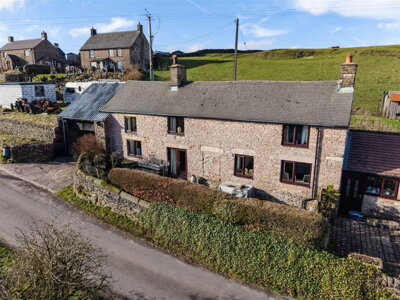
Browse 1 home for sale in Quarnford, Staffordshire Moorlands from local estate agents.
Three bedroom properties represent a significant portion of the Quarnford housing market, offering space for families with multiple reception rooms and gardens in many cases. Browse detached, semi-detached, and terraced options ranging from period character homes to contemporary developments.
£425k
1
0
32
Source: home.co.uk
Showing 1 results for 3 Bedroom Houses for sale in Quarnford, Staffordshire Moorlands. The median asking price is £425,000.
Source: home.co.uk
Detached
1 listings
Avg £425,000
Source: home.co.uk
Source: home.co.uk
The Quarnford property market reflects the character of the area itself - traditional, stable, and deeply rooted in its Peak District heritage. Rightmove data shows an average property price of £315,147, with detached properties commanding around £492,150 and semi-detached homes averaging £283,809. Terraced properties in the village typically sell for approximately £214,315, offering more accessible entry points for first-time buyers or investors. Over the past year, approximately 35 properties have changed hands in the area, indicating steady market activity despite the village's modest size.
Price trends in the local postcode area SK17 0SZ show property values have risen by 7.5% over the past twelve months, demonstrating continued demand for Peak District homes. Rightmove records indicate that sold prices around Quarnford were 2% higher than the previous year and 4% above the 2023 peak of £302,747. However, some sources show longer-term fluctuations, with values 65% below the 2017 peak of £585,000 - a reminder that the rural market can experience significant cycles influenced by broader economic conditions and demand patterns.
New build activity within Quarnford itself remains minimal, as is typical for villages within the Peak District National Park where development is carefully controlled to preserve the landscape. However, the nearby town of Buxton offers new build options including Foxlow Fields by Keepmoat Homes on Ashbourne Road, with two to four-bedroom homes ranging from £237,000 to £445,000. Hallstead Meadow by Spirit Homes in the SK17 8BU postcode offers additional choice with two to four-bedroom houses and one to two-bedroom bungalows. Heathfield Nook by Barratt Homes is also coming soon to Burlow Road, providing further options for buyers who prefer modern construction methods and energy efficiency ratings while remaining within easy reach of Quarnford's amenities.

Life in Quarnford centres on the rhythms of the natural world rather than urban conveniences, offering residents an authentic taste of Peak District living. The village forms part of the Staffordshire Moorlands district, bordered by the limestone dales of the White Peak and the gritstone moorlands of the Dark Peak, giving the local landscape remarkable variety within a small radius. Walking trails crisscross the surrounding countryside, connecting Quarnford to neighbouring hamlets like Flash, where a historic Methodist chapel built in 1784 still stands as a reminder of the area's long human presence.
The local economy has evolved from its industrial past - when coal mining at Goldsitch Moss and Knotbury employed dozens of workers in the 19th century - to one driven primarily by agriculture and tourism. Historical records show that 20 coal miners and colliers worked the local mines in 1841, declining to 14 by 1881 as the industry contracted, with the last mine closing between 1925 and 1932. Today, properties like Quarnford Lodge operate as successful self-catering accommodation, serving visitors drawn to the area's outstanding natural beauty. The village pub serves as a social hub, while nearby Buxton provides access to supermarkets, healthcare facilities, and a wider range of shops and restaurants. Community events throughout the year bring residents together, fostering the neighbourly atmosphere that makes rural village life so appealing.
The population of Quarnford remains small, as is typical for Peak District parishes, which contributes to the tight-knit community atmosphere. Properties in the village reflect centuries of continuous habitation, with Manor Farm bearing a date stone from 1739 and Goldsitch House containing elements dating to the 17th century. This historic character creates an environment where traditional architecture - including traditional gritstone walls, stone slate roofs, and timber-framed structures - defines the streetscene rather than modern developments. The Peak District National Park Authority's strict planning policies ensure that any new construction or alterations respect this vernacular character, protecting the visual coherence that makes the area so attractive to buyers.

Families considering a move to Quarnford will find educational options focused primarily on primary level provision within the immediate vicinity. The village itself has limited schooling facilities due to its small population, but surrounding communities in the Staffordshire Moorlands and Derbyshire borders offer several good primary schools within a reasonable driving distance. Parents should research specific catchment areas carefully, as rural school admissions policies can be competitive for popular settings, often prioritising proximity to the school address.
Secondary education for Quarnford residents typically involves travel to larger settlements such as Buxton, where schools serve a wider geographic area across the High Peak and Staffordshire Moorlands. The town offers secondary options, though families should verify current performance data and Ofsted ratings when evaluating schools, as provision can vary. For sixth form and further education, pupils usually travel to Leek, Macclesfield, or other nearby towns that provide a broader range of A-level courses and vocational qualifications to suit different career pathways.
The proximity to the Peak District itself offers educational benefits that complement formal schooling, with many families valuing the opportunities for outdoor learning, geography fieldwork, and environmental education that the National Park provides. Schools in the wider area often incorporate the local landscape into their curriculum, and the area's rich history - including its industrial heritage and Methodist nonconformist traditions - offers valuable cultural learning opportunities that urban settings cannot replicate.
Quarnford's rural location within the Peak District means that private transport forms the backbone of daily life for most residents. The village sits along country lanes that connect to the A515 and A53, providing routes to Buxton (approximately 30 minutes by car) and Leek (around 40 minutes). Manchester lies roughly an hour's drive to the northwest, while Derby and Nottingham are accessible within an hour to the east via the A50. The scenic nature of these routes makes commuting more pleasant than motorway journeys, though weather conditions can occasionally affect road surfaces on higher ground during winter months.
Public transport options from Quarnford are limited, as is common in dispersed rural areas. Bus services connecting the village to nearby towns operate on reduced frequencies compared to urban routes, making car ownership effectively essential for most residents. The nearest railway stations are in Buxton (with connections to Manchester) and Macclesfield (on the mainline to London Euston), both requiring a drive to reach. These stations open up commuting possibilities for those working in larger cities while enjoying the lifestyle benefits of rural living.
Cycling is popular in the Quarnford area, with the varied terrain attracting both recreational and commuting cyclists. The Peak District's network of quiet lanes and designated cycle paths makes cycling viable for shorter journeys, particularly during summer months. However, the hilly geography means cycling requires reasonable fitness, and many residents view cycling as a leisure activity rather than a practical commuting solution. Walking remains a favourite mode of exploring the local area, with footpaths connecting Quarnford to surrounding villages and open countryside.
Explore property listings and recent sales data for Quarnford to understand current values. With detached properties around £492,150 and terraced homes nearer £214,315, prices vary significantly by property type. Visit the area at different times to assess daily life, local amenities, and how the village feels during peak tourist seasons when visitors flock to the Peak District.
Contact lenders or brokers to obtain an agreement in principle before viewing properties. This strengthens your position when making offers and demonstrates to sellers that you have financing in place. Given the rural nature of Quarnford, some lenders may require specialist advice due to property types or conservation considerations affecting certain homes.
View multiple properties in Quarnford to compare the varying styles of traditional Peak District homes. Look beyond the immediate presentation to assess the condition of roofs, stonework, and drainage systems. Older properties in the National Park may require more maintenance than modern equivalents, so factor potential renovation costs into your budget.
Commission a Level 2 Survey before completing your purchase. Given that many Quarnford properties date from the 18th and 19th centuries, specialist attention to damp, structural movement, and historic building fabric is essential. Survey costs typically range from £350 for properties under £400,000 to around £450 for homes valued between £400,000 and £500,000.
Choose a solicitor experienced in rural and conservation-area transactions to handle your legal work. They will conduct local authority searches, check for planning restrictions imposed by the Peak District National Park Authority, and ensure the property's title is clear. Exchange and completion will follow once all conditions are satisfied.
Buying property in Quarnford requires attention to specific local factors that differ from standard urban property purchases. The village's position within the Peak District National Park means that all properties fall under the National Park Authority's planning jurisdiction, which imposes strict controls on alterations, extensions, and even external paint colours. Before purchasing, verify whether any planned changes to the property would require consent, as breach of planning control can result in enforcement action.
The age of Quarnford's housing stock - with many properties dating to the 18th and 19th centuries - means that building defects common to older homes frequently occur. Penetrating damp through traditional gritstone walls is particularly prevalent, especially where inappropriate modern materials such as cement render or silicone-based paints have been applied. Our inspectors frequently find that solid stone walls require breathing materials like lime mortar rather than modern cement-based products that trap moisture within the structure. Prospective buyers should look for signs of damp, check the condition of stone slating on roofs, and verify that timber elements such as floors and structural beams are free from rot or woodworm damage.
Ground stability represents another consideration for Quarnford buyers, as the area has a documented history of coal mining, particularly at Goldsitch Moss and Knotbury. While most mining activity ceased by the early 20th century, old mine workings can occasionally cause ground movement. The underlying geology of the Dark Peak area, with its mudstones and clay-rich soils, also carries some potential for shrink-swell subsidence during periods of drought or heavy rainfall. Our surveyors assess these risks during inspections and will recommend further investigation by a structural engineer or geotechnical specialist where concerns arise.
Energy efficiency deserves careful attention in traditional Peak District properties. Solid-walled construction and original single-glazed windows mean that many older homes have poor thermal performance, resulting in high heating costs. While period features add significant charm, buyers should balance this against the investment required to improve energy ratings. Planning permission may be required for replacing windows with double-glazed units in Listed Buildings or properties within the National Park, so factor these considerations into your purchase costs.
Our inspectors regularly examine properties across the Peak District, and Quarnford presents unique challenges that make professional surveys particularly valuable. The village's housing stock predominantly consists of traditional gritstone and limestone buildings, many constructed before modern building regulations introduced cavity wall insulation and damp-proof courses. These solid-walled properties require experienced surveyors who understand how historic construction responds to the local climate and moisture patterns.
We find that many Quarnford properties have undergone piecemeal alterations over decades, with previous owners adding extensions, replacing windows, or modifying roof structures in ways that may not comply with current building standards. Our Level 2 Survey identifies these alterations and assesses whether they were properly authorised under Peak District National Park planning controls. Without professional assessment, buyers risk purchasing properties with hidden defects or unresolved planning issues.
Ground conditions around Quarnford also warrant specialist attention, as the underlying geology combines Carboniferous limestone with mudstone deposits that can experience shrink-swell movement during seasonal moisture changes. Our surveyors document any signs of structural movement and recommend further investigation where necessary, protecting buyers from costly future repairs.
Traditional properties in Quarnford were built using locally quarried gritstone and limestone, materials that define the village's distinctive character within the Peak District landscape. These solid stone walls, typically 400-600mm thick, were constructed without cavity spaces, relying on the inherent breathability of natural stone to manage moisture. Understanding this construction type is essential for assessing property condition and planning any renovations that preserve the building's structural integrity.
Roofing on traditional Quarnford properties traditionally used stone slates sourced from local quarries, with later properties incorporating Staffordshire Blue clay tiles or imported Welsh slate as these materials became more available during the 19th century. Our inspectors pay close attention to roof condition, as stone slate roofs require specialist repair skills that are increasingly rare in modern building trades. Missing or slipped slates can allow water penetration into roof structures that may have suffered decades of gradual decay if not addressed promptly.
Foundation depths on older Quarnford properties tend to be shallow compared to modern standards, reflecting the construction practices of their era and the stable geological expectations of the time. Properties like Manor Farm with its 1739 date stone have endured successfully for nearly three centuries, though this does not guarantee immunity from ground movement. Our surveyors examine foundation elements visible above ground level and note any signs of subsidence, heave, or historic movement that might indicate underlying instability requiring professional assessment.
Our inspectors frequently identify damp penetration through traditional gritstone walls, particularly where previous owners have applied modern cement renders or silicone-based paints that trap moisture within the solid wall structure. We also commonly find deteriorating stone slate roofs with missing or slipped tiles, original timber windows requiring attention, and occasional signs of structural movement related to the local clay-rich geology. Electrical systems in older properties often require updating to meet current safety standards, and many homes lack adequate insulation for modern living requirements.
All properties within Quarnford fall under Peak District National Park Authority jurisdiction, which imposes strict controls on alterations, extensions, and even external colour changes to preserve the area's special character. Our surveyors check properties for signs of unauthorised works that might require retrospective planning permission, and we advise buyers to factor potential consent requirements into any purchase plans. Properties with Listed Building status face additional restrictions under heritage protection legislation, requiring consent from both the National Park Authority and Historic England for significant alterations to historic fabric.
Flood risk assessment forms part of our standard property surveys, with particular attention given to properties near watercourses or in valley locations where surface water can accumulate during heavy rainfall. Quarnford is identified as a parish within the Peak District National Park Authority's Strategic Flood Risk Assessment, indicating that flood risk is a material consideration for the area. Our surveyors examine the property and surrounding area for evidence of previous flooding and assess drainage systems that handle stormwater from the local catchment.
Rightmove data shows an average property price of £315,147 in Quarnford, with significant variation by type. Detached properties average around £492,150, semi-detached homes cost approximately £283,809, and terraced properties typically sell for £214,315. Zoopla records higher average prices of £800,000 based on recent premium sales, including a property on New Road that sold for £800,000 in July 2025. The postcode area SK17 0SZ has seen prices rise by 7.5% over the past year.
Properties in Quarnford fall under Staffordshire Moorlands District Council, which sets council tax bands based on property values assessed in 1991. Most traditional stone cottages and farmhouses in the village would typically fall within Bands C to E, though specific properties should be verified through the Valuation Office Agency website using the property address.
Quarnford itself has very limited schooling facilities due to its small population, with primary-aged children typically attending schools in surrounding villages and towns. Parents should research specific school catchments carefully, as admission policies in rural areas can prioritise proximity. Secondary education options include schools in nearby Buxton and Leek, with travel arrangements necessary given the rural location.
Public transport links from Quarnford are limited, reflecting its rural village location. Bus services connect to nearby towns but operate on reduced frequencies. The nearest railway stations are in Buxton (with Manchester connections) and Macclesfield (on the London Euston mainline), both requiring a car journey to reach. Most residents rely on private vehicles for daily commuting and shopping trips.
Quarnford offers potential for property investment, particularly given the continued demand for Peak District homes from buyers seeking rural lifestyles. Prices have shown recent growth of around 7.5% annually in parts of the area, and the National Park designation limits new supply, supporting values. Holiday let potential exists given the area's tourism appeal, though any commercial use must comply with planning conditions and National Park policies.
Stamp Duty Land Tax rates for 2024-25 start at 0% on the first £250,000 of residential purchases, rising to 5% on amounts between £250,001 and £925,000. Properties priced above £925,000 incur 10% on the next portion, with 12% applied above £1.5 million. First-time buyers receive relief on the first £425,000, paying 5% between £425,001 and £625,000. For a typical Quarnford property at £315,147, most buyers would pay no stamp duty at all.
Understanding the full costs of buying property in Quarnford extends beyond the purchase price to include Stamp Duty Land Tax, legal fees, survey costs, and moving expenses. The current SDLT thresholds for 2024-25 set the zero-rate band at £250,000 for standard residential purchases, meaning that many properties in Quarnford - where the average price sits around £315,147 - will incur some stamp duty liability. For a property priced at £315,147, a buyer would pay SDLT of approximately £3,257, calculated at 5% on the £65,147 portion above the £250,000 threshold.
First-time buyers enjoy more generous relief, with the zero-rate band extending to £425,000 and a 5% rate applying between £425,001 and £625,000. For a first-time buyer purchasing a typical Quarnford property at £315,147, no stamp duty would be payable. This relief can make a significant difference to the upfront costs of purchasing your first home, though it does not apply to buy-to-let purchases or second homes, where an additional 3% surcharge applies to each SDLT band.
Beyond stamp duty, budget for a RICS Level 2 Survey at approximately £350 to £450 depending on property value, plus conveyancing fees starting from around £499 for standard transactions. Search fees, land registry fees, and mortgage arrangement fees will add several hundred pounds more. For properties within the Peak District National Park, factor in potentially higher solicitor costs to handle the additional planning and environmental searches required. Moving costs from local towns like Buxton or Leek will depend on distance and volume of belongings, but typically range from £500 to £2,000 for a full-service removal company.
Properties for Sale In London

Properties for Sale In Plymouth

Properties for Sale In Liverpool

Properties for Sale In Glasgow

Properties for Sale In Sheffield

Properties for Sale In Edinburgh

Properties for Sale In Coventry

Properties for Sale In Bradford

Properties for Sale In Manchester

Properties for Sale In Birmingham

Properties for Sale In Bristol

Properties for Sale In Oxford

Properties for Sale In Leicester

Properties for Sale In Newcastle

Properties for Sale In Leeds

Properties for Sale In Southampton

Properties for Sale In Cardiff

Properties for Sale In Nottingham

Properties for Sale In Norwich

Properties for Sale In Brighton

Properties for Sale In Derby

Properties for Sale In Portsmouth

Properties for Sale In Northampton

Properties for Sale In Milton Keynes

Properties for Sale In Bournemouth

Properties for Sale In Bolton

Properties for Sale In Swansea

Properties for Sale In Swindon

Properties for Sale In Peterborough

Properties for Sale In Wolverhampton

Enter your details to see if this property is within your budget.
Loans, cards, car finance
Estimated property budget
Borrowing + deposit
You could borrow between
Typical borrowing
Monthly repayment
Est. at 4.5%
Loan-to-value
This is an estimate only. Your actual budget may vary depending on interest rates, credit history, and personal circumstances. For an accurate affordability assessment, speak to one of our free mortgage advisors.
This calculator provides estimates for illustrative purposes only and does not constitute financial advice. Your home may be repossessed if you do not keep up repayments on your mortgage. Estimates based on 4.5% interest rate, repayment mortgage. Actual rates depend on your circumstances.
Homemove is a trading name of HM Haus Group Ltd (Company No. 13873779, registered in England & Wales). Homemove Mortgages Ltd (Company No. 15947693) is an Appointed Representative of TMG Direct Limited, trading as TMG Mortgage Network, which is authorised and regulated by the Financial Conduct Authority (FRN 786245). Homemove Mortgages Ltd is entered on the FCA Register as an Appointed Representative (FRN 1022429). You can check registrations at NewRegister or by calling 0800 111 6768.

We use cookies to show you personalised content and improve your experience of our website. Find out more in our Privacy policy and Cookie policy.