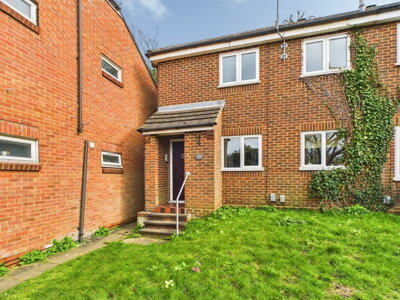
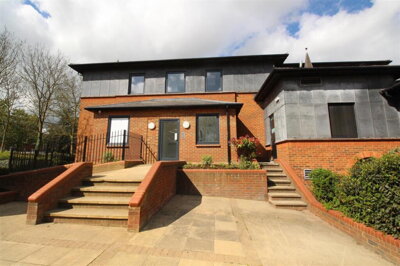
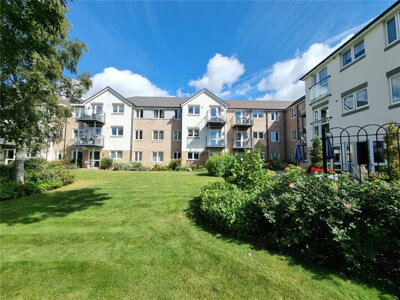
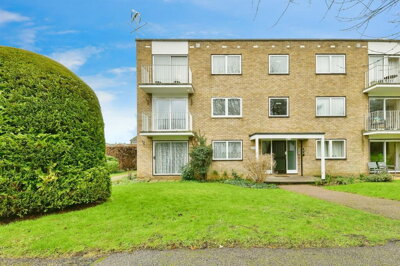
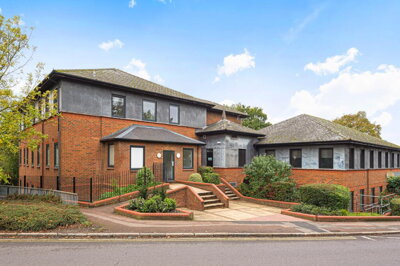
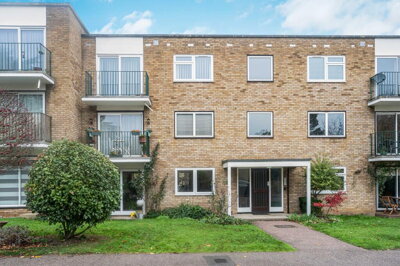
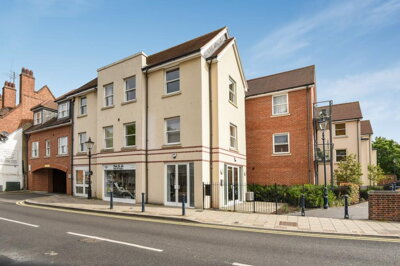
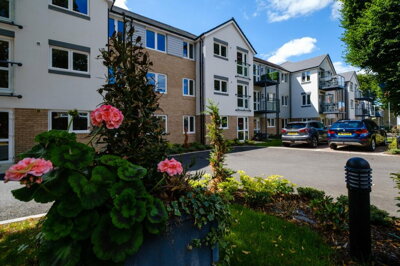
Browse 9 homes for sale in Preston from local estate agents.
One bed apartments provide a separate bedroom alongside distinct living space, bathroom, and kitchen areas. Properties in Preston are available in various building types including mansion blocks, contemporary developments, and house conversions.
The property market in Preston, North Hertfordshire, is characterised by a predominance of detached family homes commanding premium prices. Detached properties make up 66.67% of all sales in the village, with the majority of these homes priced between £500,000 and £1,000,000. The average sold house price in Preston over the past 12 months stands at £1,240,000, reflecting the area's desirability and the strong demand for family homes in this tranquil village setting. Our listings include everything from characterful period cottages to substantial detached houses, providing options for buyers at various stages of their property journey.
For buyers considering the wider North Hertfordshire district, current average prices by property type provide useful context. Detached properties average £797,000, semi-detached homes £482,000, terraced properties £377,000, and flats and maisonettes £230,000. This data demonstrates that Preston's village premiums significantly exceed these district averages, underscoring the premium commanded by the village's unique character and sought-after postcode. New build activity in the area includes Dower House, a conversion project transforming the former Princess Helena Private Girls School into six luxury homes, along with barn conversions offering discerning buyers contemporary living within historic settings. Oakfield (also known as Sadlers Court) represents another recent development in the village, with prices starting from £1.695 million for its collection of two to five bedroom homes.
Preston's housing history reveals a fascinating pattern of development that continues to shape the village today. By 1911, the village contained just 71 homes, of which only 26 remain today as part of the historic core. Between 1950 and 1975, 32 high-end detached houses and bungalows were built, followed by another 20 between 1976 and 2011. This mid-century expansion created the predominant architectural character seen throughout much of the village today, with properties from this period representing excellent value compared to the older heritage stock while still offering the character and space that defines Preston's appeal to families seeking a village lifestyle without the constraints of listed building regulations.

Life in Preston, North Hertfordshire, revolves around community, heritage, and the natural beauty of the Chiltern Hills. The village sits at an elevation of approximately 143 metres (469 feet) on a chalk ridge, providing residents with panoramic views across the Hertfordshire countryside. The village green serves as the heart of community life, surrounded by historic buildings including The Red Lion public house, a traditional 18th-century inn that has been welcoming visitors for centuries. The Church of St Martin, constructed of brick with roughcast covering and limestone ashlar detailing, stands as a prominent landmark and spiritual centre for the parish. The combination of ancient architecture, rolling farmland, and woodland walks creates an enviable quality of life for those seeking respite from urban living.
The village's heritage is protected by its Conservation Area, designated in 1970 and subsequently amended in 1984 and 1990, encompassing School Lane, parts of Chequers Lane, Hitchin Road, Preston Road, Church Lane, and Crunnells Green. Within the parish, there are 61 listed buildings and structures across 41 sites, with 33 of these situated within the Conservation Area. Two buildings hold Grade II* status: Princess Helena College within the Conservation Area, and Tudor House. The remaining 59 buildings are Grade II listed, including notable examples such as Bunyans Cottage, Chequers Cottages, and the K6 Telephone Kiosk. The earliest surviving brick buildings in Preston date from the 17th century, while The Red Lion and the manor house at Temple Dinsley represent early 18th-century construction. The architectural character combines red brick construction with flint detailing, materials that reflect both local building traditions and the geological characteristics of the Chiltern Hills.
The village's location within the North Hertfordshire district places it within the broader Innovation Corridor stretching between Cambridge and London, a region characterised by strong economic growth in technology, life sciences, and computing sectors. North Hertfordshire is a net exporter of labour, with approximately 22.9% of working residents commuting to Greater London. This strong London connection contributes significantly to local property values and ensures that Preston maintains its appeal to professionals seeking a village lifestyle without sacrificing career opportunities. Despite its small population, Preston offers residents a rich of history, community spirit, and natural beauty that continues to attract buyers seeking an exceptional quality of life in this corner of North Hertfordshire.

Education is a significant draw for families considering Preston, North Hertfordshire, with Preston's standout feature being Princess Helena College set within the grounds of Temple Dinsley. This renowned independent boarding and day school provides exceptional educational provision for girls from preparatory age through to sixth form. The college occupies a magnificent Grade II* listed building surrounded by 26 acres of formal gardens and parkland, creating an inspiring environment for academic and personal development. The school's presence within the village adds considerably to local property values and attracts families from across the UK and internationally who seek the advantages of a rural Hertfordshire education. Boarding facilities and the established reputation of the college make it a particularly attractive option for families requiring comprehensive educational provision within the village itself.
For families seeking state education, Preston is well positioned within the catchment areas of several highly regarded primary and secondary schools in the surrounding North Hertfordshire area. Primary school options in nearby Hitchin and the surrounding villages serve the local community, with many schools achieving good or outstanding Ofsted ratings. Secondary education is provided through comprehensive schools in Hitchin, including the prestigious Hitchin Boys' School and Hitchin Girls' School, both of which have established reputations for academic excellence. Grammar school provision is available through the Hertfordshire selective education system, with spaces allocated based on the 11-plus examination results. Families moving to Preston benefit from this excellent range of educational options, with the flexibility to choose between state and independent provision according to their children's needs and aspirations.
Transport connections from Preston benefit from the village's strategic position within North Hertfordshire, offering residents convenient access to major road and rail networks. The village lies approximately 2 miles from Hitchin, a thriving market town providing excellent local amenities, shopping facilities, and railway connections. Hitchin railway station offers regular services to London King's Cross, with journey times of approximately 35-40 minutes, making the capital accessible for daily commuters. The station also provides connections to Cambridge, Peterborough, and Brighton, opening up a wide range of employment and leisure destinations across the region. For those travelling by car, the A505 and A602 roads provide good links to surrounding towns and villages, while the nearby A1(M) motorway offers direct access to London and the north.
Bus services connect Preston with Hitchin and surrounding villages, providing essential local transport for those without private vehicles. The village's position on the chalk ridge of the Chiltern Hills at 507 feet elevation means that road conditions can be affected by winter weather, though the local council maintains priority routes throughout the colder months. Cycling infrastructure in the area has improved in recent years, with scenic country lanes popular among recreational cyclists and commuters alike. For air travel, London Luton Airport is approximately 30 minutes' drive from Preston, offering both domestic and international flights. London Stansted Airport is also within reasonable driving distance, providing additional options for frequent travellers. The combination of rail, road, and air connections makes Preston an excellent base for professionals who need to travel regularly for work while enjoying the benefits of village living.
Before starting your property search in Preston, arrange a mortgage agreement in principle with a lender. This demonstrates your financial readiness to estate agents and sellers, giving you a competitive edge when making offers on village properties that may attract multiple bids. Our mortgage partners can help you explore the best rates available for high-value properties in this price range, with products suitable for both primary residences and second homes.
Study the local property market data, including average prices, property types available, and recent sales in the SG4 postcode area. Understanding that Preston's average property price is £1,332,857 and that detached homes dominate the market will help you set realistic expectations and identify suitable properties. Pay particular attention to the distinction between period properties requiring renovation and modern homes that may command premiums for their condition and lack of maintenance requirements.
Once you have identified properties that match your criteria, arrange viewings through Homemove or directly with local estate agents. Preston's village properties range from historic listed buildings requiring specialist surveys to modern family homes, so consider what level of maintenance and potential renovation work you are prepared to undertake. We recommend viewing properties at different times of day and in varying weather conditions to assess lighting, drainage, and access before committing to an offer.
When you find your ideal home in Preston, submit a formal offer through the estate agent. Given the village's popularity and limited housing stock, be prepared for negotiation on price and terms. The market's 26% year-on-year price growth indicates strong demand, so presenting a strong offer backed by your mortgage agreement in principle is essential. For listed buildings or properties in Conservation Areas, factor in the additional time and costs associated with obtaining planning consent for any proposed alterations.
Before completing your purchase, we strongly recommend commissioning a RICS Level 2 Home Survey. Given Preston's significant heritage stock and clay soils prone to subsidence, this survey will identify any structural issues, damp problems, or roof defects that may affect the property. For listed buildings or properties in poor condition, a RICS Level 3 Building Survey provides more comprehensive analysis. The cost for a Level 2 survey on a Preston property typically ranges from £455 to £700 depending on property size and value.
Appoint a solicitor to handle the legal aspects of your purchase, including local searches, property registration, and exchange of contracts. Your solicitor will investigate any planning restrictions affecting the property, including Conservation Area Article 4 directions and listed building consents, and ensure all documentation is in order for completion. Given the heritage-rich nature of Preston properties, we recommend instructing a solicitor with experience handling period properties and listed buildings.
Buying property in Preston requires awareness of several area-specific considerations that can significantly impact your investment. The village's rich heritage means that a substantial proportion of properties fall within the Conservation Area or are listed buildings, bringing additional planning controls and responsibilities. Properties in the Conservation Area require planning permission for certain alterations, including extensions, dormer conversions, and some external changes. Listed buildings carry even more stringent requirements, with any alterations requiring specific consent from the planning authority. These restrictions can affect your ability to modify or extend a property in the future, so understanding the implications before purchasing is essential. Our team can help you understand how these designations may affect your plans for any property you are considering.
The geology of Hertfordshire presents specific challenges that buyers should investigate thoroughly. Preston sits on the chalk ridge of the Chiltern Hills at approximately 143 metres elevation, with underlying geology that includes Cretaceous chalks and Cenozoic rocks such as Reading beds (mottled and yellow clays and sands) and London Clay. The clay-rich soils are susceptible to shrink-swell behaviour, a primary cause of subsidence in the region. Properties with shallow foundations, particularly older buildings constructed before modern building regulations, may show signs of movement or cracking. The presence of large trees near properties can exacerbate these issues, as tree roots extract moisture from the soil during dry periods, causing the clay to contract. Surface water flooding is more prevalent in North Hertfordshire than river flooding, with recent climate events increasing awareness of drainage and water management. A thorough RICS Level 2 survey will identify any existing subsidence damage, damp issues, or structural concerns that may require remediation, providing you with a complete picture of the property's condition before you commit to purchase.
Building materials in Preston typically include brick construction from the 17th to 20th centuries, with flint detailing used throughout the village reflecting the local geology of the Chiltern Hills. Quaternary flint has been a dominant building stone in Hertfordshire for centuries, and many walls and buildings in Preston showcase this traditional material. The earliest surviving brick buildings date from the 17th century, while significant 20th-century development has created the predominant architectural character seen today. Properties from this period may have experienced multiple renovations and material changes, including re-roofing with heavier concrete tiles that can cause structural stress. Outdated electrical systems and plumbing are common in older properties, potentially requiring investment after purchase. For properties converted from agricultural or educational use, such as the Dower House development, building standards and insulation may vary between original and new elements. Always request documentation about recent renovations, building control sign-offs, and any specialist surveys when considering period properties in the village.
Hertfordshire has a history of chalk mining from the 1700s to the 1900s, with over 100 subsurface mining cavities up to 200 years old known throughout the county. While no specific mining activity is recorded directly in Preston, this county-wide issue is worth investigating for properties on the village's periphery. Inadequate capping of historic mining shafts has caused subsidence problems in other Hertfordshire towns including Hemel Hempstead, Hatfield, and Stevenage. Your RICS survey should include assessment of any signs of mining-related subsidence, particularly for properties built on or near former chalk workings. Always request documentation about recent renovations, building control sign-offs, and any specialist surveys when considering period properties in the village.
The average sold house price in Preston, North Hertfordshire, over the last 12 months is £1,240,000 according to property data for the SG4 postcode area. Rightmove reports an overall average of £1,332,857 for the same period. House prices in Preston have risen 26% compared to the previous year, significantly outpacing both the wider Hertfordshire county average (which declined by 2%) and the North Hertfordshire district average (which fell by 1.9%). This strong growth reflects the continued demand for village properties in this desirable location, with detached family homes commanding the highest prices and representing nearly 67% of all sales.
Preston falls under North Hertfordshire District Council for council tax purposes. Properties are allocated bands A through H based on their value at 1991 prices, with the majority of detached family homes in the village typically falling into bands E through G given the premium values in this SG4 postcode area. Exact council tax bands vary by individual property and can be confirmed through the Valuation Office Agency website or your conveyancing solicitor during the purchase process. The village's combination of period properties dating from the 17th century through to modern executive homes means that bands span a wide range across the housing stock, from modest cottages to substantial detached residences.
Preston is home to Princess Helena College, a prestigious independent girls' school set within the grounds of Temple Dinsley, offering education from preparatory age through sixth form. The school occupies a Grade II* listed building and is a significant attraction for families moving to the area, with boarders and day pupils drawn from across the UK and internationally. For state education, the village is well positioned within the catchment areas of highly regarded primary and secondary schools in nearby Hitchin, including the selective Hitchin Boys' School and Hitchin Girls' School which both consistently achieve strong academic results. Families should verify current catchment boundaries and admission arrangements with Hertfordshire County Council before purchasing, as these can change and may affect access to preferred schools.
Preston is approximately 2 miles from Hitchin railway station, which provides regular services to London King's Cross in around 35-40 minutes, making it practical for daily commuting to the capital. The station also offers connections to Cambridge, Peterborough, and Brighton, opening up employment and leisure opportunities across the region. Bus services connect Preston with Hitchin and surrounding villages, providing essential local transport for those without private vehicles. For air travel, London Luton Airport is approximately 30 minutes' drive away, offering domestic and international flights to numerous destinations.
Preston's property market has demonstrated strong performance, with prices rising 26% year-on-year and the village maintaining values significantly above the wider North Hertfordshire average. The combination of limited housing stock, excellent transport links to London via Hitchin station, and the presence of Princess Helena College ensures continued demand from families and professionals seeking village living. However, the average house price is approximately 11 times higher than local average earnings, indicating a premium market that may limit capital growth potential for investors. Properties in Conservation Areas and listed buildings may offer renovation potential through permitted development opportunities, though planning restrictions apply and any works must respect the heritage character of the village. As with any property investment, thorough due diligence and professional advice are essential.
Stamp Duty Land Tax (SDLT) rates for 2024-25 are 0% on the first £250,000 of residential property purchases, 5% on the portion from £250,001 to £925,000, 10% on the portion from £925,001 to £1,500,000, and 12% on any amount above £1,500,000. First-time buyers benefit from increased thresholds: 0% on the first £425,000 and 5% on the portion from £425,001 to £625,000, with no relief available above £625,000. Given Preston's average property price of £1,332,857, most buyers will pay SDLT in the higher rate bands, with a typical calculation yielding approximately £74,535.60 in SDLT before any first-time buyer reliefs. Your solicitor or conveyancer will calculate the exact amount due based on your circumstances and whether you qualify for any reliefs or exemptions.
Period properties in Preston, which make up a significant portion of the village's housing stock given the 61 listed buildings alone, carry specific risks that buyers should carefully consider. The clay-rich soils underlying much of North Hertfordshire create shrink-swell subsidence risks, particularly for older properties with shallow foundations that may be affected by tree roots and seasonal moisture changes. Conservation Area and listed building status imposes restrictions on alterations, extensions, and even external appearance changes that can limit the property's adaptability to changing needs. The flint and brick construction common throughout the village, while durable, may require specialist maintenance and repair techniques that differ from modern building practices. We strongly recommend commissioning a RICS Level 3 Building Survey for any listed property or significant period home in Preston to identify these and other potential issues before purchase.
Chalk mining was carried out throughout Hertfordshire from the 1700s to the 1900s, leaving over 100 known subsurface cavities throughout the county that are up to 200 years old. While specific mining activity is not documented directly in Preston village itself, the county-wide nature of this historical industry means that properties in the wider SG4 area should be investigated. Inadequately capped historic mining shafts have caused documented subsidence problems in other Hertfordshire towns including Hemel Hempstead, Hatfield, and Stevenage. Your conveyancing solicitor should commission a mining search as part of the local searches process, and any signs of irregular settlement or cracking should be investigated by a structural engineer with experience of mining-related subsidence.
Understanding the full costs of buying property in Preston, North Hertfordshire, is essential for budgeting effectively. Stamp Duty Land Tax (SDLT) represents a significant expense, particularly for higher-value properties in this village market. With the average property price at £1,332,857, most buyers will fall into the higher SDLT bands. For a property priced at this average level, SDLT would be calculated as 0% on the first £250,000 (nil), 5% on £250,001 to £925,000 (£33,750), and 10% on the balance from £925,001 to £1,332,857 (£40,785.60), totaling approximately £74,535.60 before any first-time buyer reliefs for which you may be eligible. These calculations should be verified with your solicitor or through HMRC's online SDLT calculator before making an offer.
Beyond SDLT, additional buying costs include mortgage arrangement fees (typically 0-2% of the loan amount), valuation fees, survey costs, and legal fees. A RICS Level 2 survey for a property in this price range will typically cost between £500-£700 depending on property size and condition, with larger detached family homes commanding higher fees. For Preston properties, this investment is particularly valuable given the prevalence of older construction and heritage buildings that may require specialist assessment. Legal fees for conveyancing typically range from £500 to £2,000 depending on complexity, with leasehold properties and listed buildings generally incurring higher costs due to additional documentation requirements including heritage consents and Conservation Area compliance. Search fees, Land Registry fees, and telegraphic transfer charges add further minor expenses. We recommend budgeting approximately 3-5% of the purchase price to cover these additional costs, ensuring you have sufficient funds available when contracts are ready to exchange.
Properties for Sale In London

Properties for Sale In Plymouth

Properties for Sale In Liverpool

Properties for Sale In Glasgow

Properties for Sale In Sheffield

Properties for Sale In Edinburgh

Properties for Sale In Coventry

Properties for Sale In Bradford

Properties for Sale In Manchester

Properties for Sale In Birmingham

Properties for Sale In Bristol

Properties for Sale In Oxford

Properties for Sale In Leicester

Properties for Sale In Newcastle

Properties for Sale In Leeds

Properties for Sale In Southampton

Properties for Sale In Cardiff

Properties for Sale In Nottingham

Properties for Sale In Norwich

Properties for Sale In Brighton

Properties for Sale In Derby

Properties for Sale In Portsmouth

Properties for Sale In Northampton

Properties for Sale In Milton Keynes

Properties for Sale In Bournemouth

Properties for Sale In Bolton

Properties for Sale In Swansea

Properties for Sale In Swindon

Properties for Sale In Peterborough

Properties for Sale In Wolverhampton

Enter your details to see if this property is within your budget.
Loans, cards, car finance
Estimated property budget
Borrowing + deposit
You could borrow between
Typical borrowing
Monthly repayment
Est. at 4.5%
Loan-to-value
This is an estimate only. Your actual budget may vary depending on interest rates, credit history, and personal circumstances. For an accurate affordability assessment, speak to one of our free mortgage advisors.
This calculator provides estimates for illustrative purposes only and does not constitute financial advice. Your home may be repossessed if you do not keep up repayments on your mortgage. Estimates based on 4.5% interest rate, repayment mortgage. Actual rates depend on your circumstances.
Homemove is a trading name of HM Haus Group Ltd (Company No. 13873779, registered in England & Wales). Homemove Mortgages Ltd (Company No. 15947693) is an Appointed Representative of TMG Direct Limited, trading as TMG Mortgage Network, which is authorised and regulated by the Financial Conduct Authority (FRN 786245). Homemove Mortgages Ltd is entered on the FCA Register as an Appointed Representative (FRN 1022429). You can check registrations at NewRegister or by calling 0800 111 6768.

We use cookies to show you personalised content and improve your experience of our website. Find out more in our Privacy policy and Cookie policy.