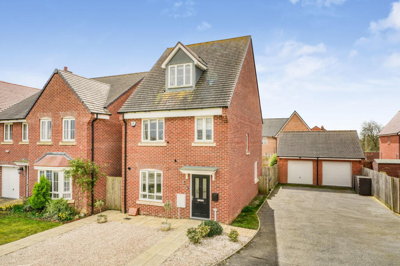
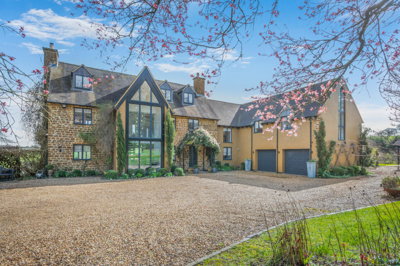
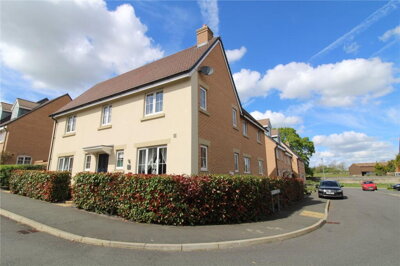
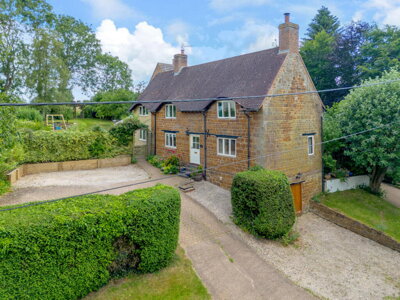
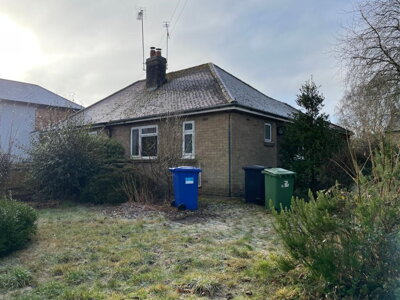
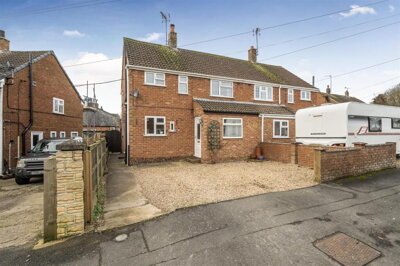
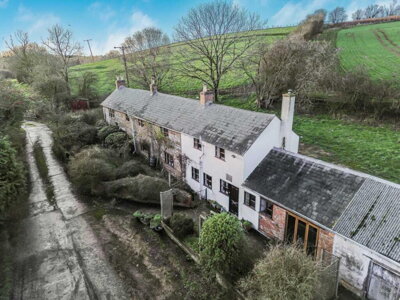
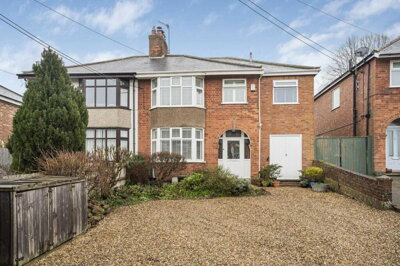
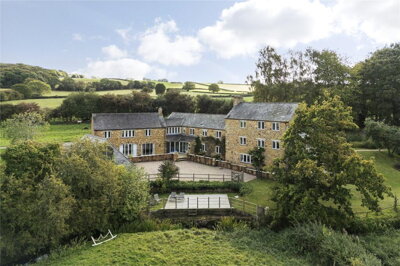
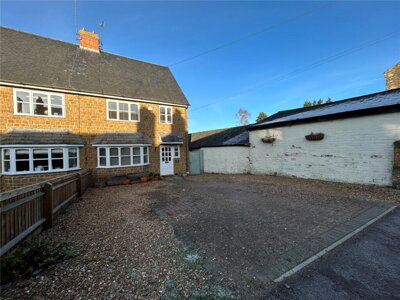
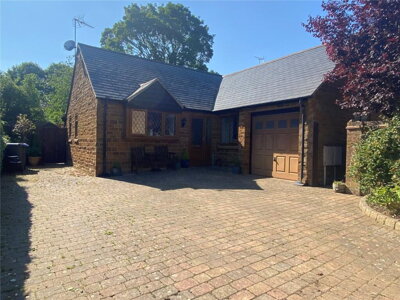
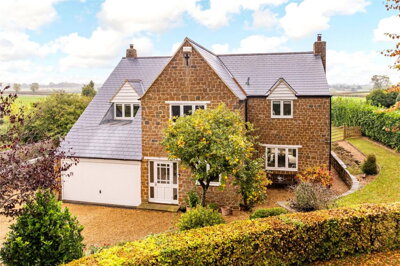
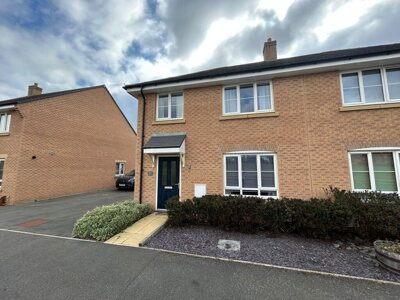
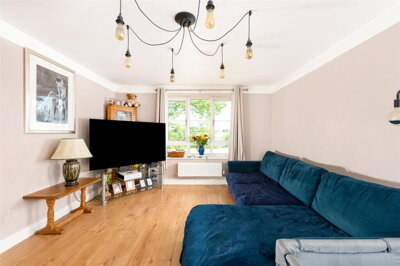
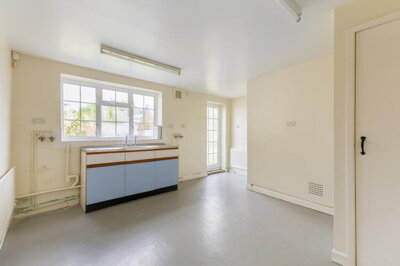
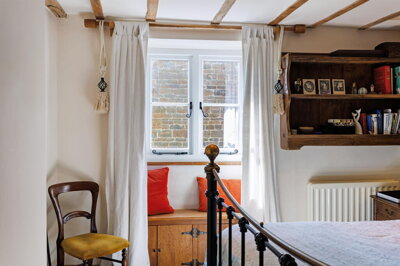
Browse 22 homes for sale in Preston Capes from local estate agents.
The property market in Preston Capes demonstrates the strength of rural Northamptonshire living, with an overall average price of £865,000 reflecting the premium placed on homes in this desirable village location. Recent transactions in the area include a detached bungalow on High Street that sold for £1,080,000 in February 2025, while semi-detached properties have changed hands for between £435,000 and £525,000. The High Street corridor particularly commands strong prices, with the average sold house price in this prime location reaching approximately £635,000. These figures underscore the consistent demand for quality homes in Preston Capes, driven by buyers seeking village charm without compromising on property size or standard.
Property types in Preston Capes predominantly consist of detached and semi-detached homes, with the village's rural character meaning that flats are exceptionally rare in this area. The village lacks active new-build developments within its immediate boundaries, which means that buyers typically purchase from the existing housing stock of characterful period properties. This scarcity of new homes contributes to the village's enduring appeal and helps maintain property values over time. Beyond High Street, properties on roads like Old Forge Lane offer additional character options, with Ivy Cottage exemplifying the traditional detached homes available on the village's outer lanes. Our platform continuously updates listings as new properties come to market, ensuring you have access to the latest opportunities in this competitive village property market.

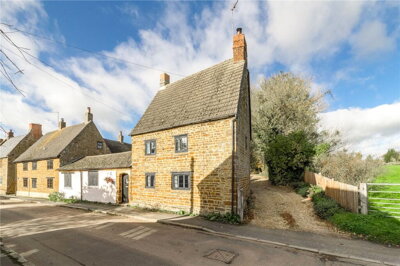
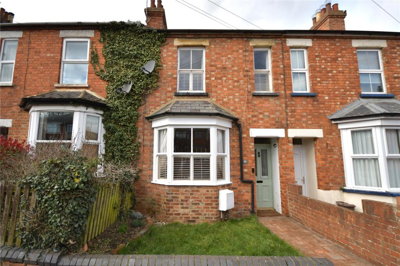
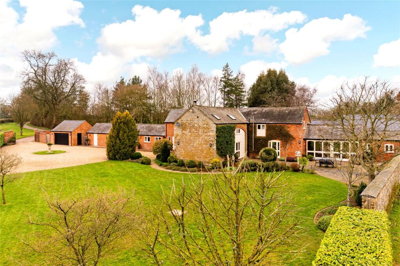
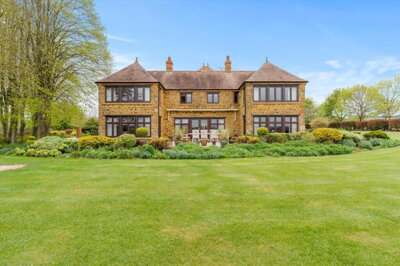
Life in Preston Capes offers residents a quintessential English village experience, characterised by winding country lanes, traditional stone cottages, and a strong sense of community spirit. The village takes its name from its position below the ironstone crest of the surrounding hills, creating a landscape of rolling farmland and patchwork fields that define the Northamptonshire countryside. Properties in the village often feature local ironstone and traditional brick construction, with older homes like Old Stone Cottage and Ivy Cottage exemplifying the architectural character that makes this area so appealing to buyers seeking authentic rural living. The village's intimate scale means that neighbours know one another, creating an environment particularly suited to families and those seeking a quieter pace of life away from urban bustle.
Despite its small size, Preston Capes benefits from proximity to the market town of Daventry, which provides comprehensive shopping facilities, healthcare services, and recreational amenities within a short drive. The surrounding countryside offers extensive walking and cycling opportunities, with public footpaths crossing farmland and through nearby villages including Canons Ashby and Newnham, making this area ideal for outdoor enthusiasts and those who appreciate Britain's natural beauty. Local community events and village traditions maintain the social fabric that distinguishes Preston Capes from larger towns, while the presence of traditional pubs and parish activities ensures that residents can enjoy an active social life without travelling far. The combination of rural tranquility and practical accessibility makes Preston Capes a compelling choice for buyers prioritising quality of life.

Families considering a move to Preston Capes will find educational options available within reasonable travelling distance, with primary education typically accessed through schools in surrounding villages and the nearby town of Daventry. The village's location within West Northamptonshire places it within the local authority's education catchment system, meaning that property purchases can affect school admissions decisions. Parents are advised to verify current catchment boundaries and admission policies directly with Northamptonshire County Council, as these can change annually and significantly impact school placement outcomes. The rural nature of the area means that primary school transport arrangements may be necessary for families without private vehicles, particularly for younger children attending schools in nearby villages.
Secondary education options in the area include schools in Daventry and surrounding towns, with several establishments offering a range of academic and vocational programmes for students aged 11-18. Sixth form provision is available at larger secondary schools and sixth form colleges within commuting distance, providing pathways to higher education for older students. For families prioritising academic excellence, researching individual school performance data, including examination results and Ofsted inspection outcomes, is strongly recommended before committing to a property purchase. The village's position means that school commutes will require planning, but many families find that the benefits of rural living more than compensate for the additional travel time involved in accessing educational facilities.
Commuting from Preston Capes requires private vehicle travel for most residents, as the village lacks direct railway connections and public transport options are limited in common with many small Northamptonshire villages. The A361 primary road passes through nearby Daventry, providing access to the broader strategic road network including the M1 motorway at Northampton, approximately 25 miles distant. This road connectivity enables commuters to reach major employment centres including Milton Keynes, Birmingham, and Northampton within reasonable journey times, making Preston Capes suitable for professionals who work in these cities but prefer rural residence. Journey times by car to Northampton typically take around 40-50 minutes, while Birmingham can be reached in approximately one hour depending on traffic conditions.
For those relying on public transport, bus services operate between Daventry and surrounding towns, though frequencies are likely to be limited given the rural nature of the area. The nearest railway stations are located in Long Buckby and Banbury, both offering East Midlands Railway and Chiltern Railways services connecting to Birmingham, Leicester, and London. Long Buckby station provides direct services to Birmingham New Street and offers parking facilities for commuters travelling further afield. The village's position off the A361 means that cycling can be challenging for commuting purposes, though the flat terrain does suit recreational cycling throughout the surrounding countryside. Residents planning daily commutes should carefully assess transport requirements and consider test journeys during typical working hours before committing to a property purchase.
Begin your property search by exploring current listings in Preston Capes through our platform, comparing prices against recent sold prices to understand value in this premium village market. The average property price of £865,000 provides a useful benchmark, though individual properties range significantly based on size, condition, and features. Consider engaging a local estate agent with knowledge of the NN11 postcode area, as they can provide insights into individual streets and properties that online research cannot reveal.
Before viewing properties, obtain a mortgage agreement in principle from a lender to confirm your borrowing capacity and demonstrate your seriousness to sellers. With properties in Preston Capes often exceeding £500,000, most buyers will require substantial mortgage facilities. This step helps you understand your true budget and prevents disappointment later in the process when you find your ideal home.
Visit properties that match your criteria, taking time to assess not only the home itself but also the surrounding neighbourhood, neighbouring properties, and general village atmosphere. Pay particular attention to the condition of older properties, as traditional construction methods may reveal maintenance requirements that are not immediately apparent. Take photographs and notes to help compare properties after viewings.
Once you have agreed a purchase, arrange a Level 2 Survey (Homebuyer Report) through our platform to assess the property's condition thoroughly. Given that many homes in Preston Capes are likely to be older properties with traditional construction, this survey identifies defects such as damp, roof condition, and structural issues that may not be visible during viewings. Survey costs typically start from £350 and can save thousands in unexpected repairs.
Appoint a solicitor with experience in rural Northamptonshire property transactions to handle the legal aspects of your purchase, including searches, contracts, and land registry matters. Conveyancing services start from £499 and ensure that all local authority searches, including planning and environmental enquiries, are completed thoroughly before you commit to the purchase.
Once all searches are satisfactory and mortgage finance is confirmed, you will exchange contracts and pay your deposit, typically 10% of the purchase price. Completion usually follows within 28 days, after which you will receive the keys to your new Preston Capes home and can begin moving in.
Purchasing a property in Preston Capes requires careful attention to the specific characteristics of rural Northamptonshire homes, beginning with the construction materials common to the area. Many properties feature traditional Northamptonshire ironstone or local brick construction, which offers excellent durability but may require ongoing maintenance, particularly for mortar pointing and exterior finishes. Understanding the age of the property and its construction history helps you anticipate maintenance requirements and budget accordingly for essential repairs. Older properties may also contain outdated electrical systems, heating arrangements, or insulation that require upgrading to modern standards.
The village's rural location means that flooding risk, while not specifically identified for Preston Capes, warrants investigation through official Environment Agency mapping and local authority records before purchase. Drainage in older properties can present challenges, particularly in villages where infrastructure may not have kept pace with modern usage demands. Planning history should be checked to ensure that any extensions or alterations have received proper approvals and comply with current regulations. Given that the village sits within the Daventry postal area, council tax bands fall under West Northamptonshire Council jurisdiction, and prospective buyers should verify current banding and any applicable local charges.
The average house price in Preston Capes over the past year was £865,000, reflecting the village's premium rural location in West Northamptonshire. This figure encompasses all property types sold, from traditional cottages priced around £435,000 to substantial detached homes exceeding £1,080,000. The village has experienced significant price growth, with current prices standing 48% above the 2015 peak of £582,667, indicating sustained demand for homes in this desirable location. Properties on High Street command particularly strong prices, averaging approximately £635,000 based on recent sales data.
Properties in Preston Capes fall under West Northamptonshire Council jurisdiction for council tax purposes. The specific tax band assigned to a property depends on its valuation, with bands typically ranging from A through to H for residential properties in the area. Most properties in Preston Capes are likely to fall in mid-to-upper bands given the village's premium property values. Prospective buyers should check individual property details on the Valuation Office Agency website to confirm the exact band before purchase, as this affects annual running costs. Council tax funds local services including refuse collection, road maintenance, and community facilities.
Preston Capes itself does not have schools within the village boundary, with primary education typically accessed through establishments in surrounding villages and the town of Daventry. Parents should research individual school performance data, including recent Ofsted inspection outcomes and examination results, to identify the most suitable options for their children. School catchment areas are determined by West Northamptonshire Council and can be verified through the local authority's school admissions information. Transport arrangements should be considered, as school journeys may require private vehicle use or public bus services depending on specific locations.
Public transport connectivity in Preston Capes is limited, consistent with its small village character and rural location in Northamptonshire. Bus services operate between Daventry and surrounding towns, though frequencies are likely to be reduced compared to urban areas. The nearest railway stations are at Long Buckby and Banbury, both providing services to major cities including Birmingham and London. Long Buckby station offers direct trains to Birmingham New Street and has parking facilities for commuters. Most residents rely on private vehicles for daily commuting and essential travel, making car ownership necessary for full enjoyment of village life.
Preston Capes has demonstrated consistent property value growth, with prices currently 48% above the 2015 market peak, suggesting that the village remains attractive to buyers seeking long-term capital appreciation. The village's rural character, limited new build supply, and proximity to major employment centres in the Midlands support continued demand for local properties. Rental yields in villages like Preston Capes tend to be lower than in urban areas due to the premium nature of the housing stock, making the primary appeal one of capital growth and quality of life rather than rental income. Local property investment should be considered alongside personal housing needs rather than purely as a yield opportunity.
Stamp duty land tax on a property purchase in Preston Capes depends on the purchase price and your buyer status. Standard rates for 2024-25 apply 0% duty on the first £250,000, 5% on the portion from £250,001 to £925,000, 10% up to £1.5 million, and 12% above that threshold. First-time buyers benefit from relief on the first £425,000, with 5% applying between £425,001 and £625,000, though this relief is not available above £625,000. Given average property prices in Preston Capes of £865,000, most buyers would expect to pay stamp duty on their purchase, and professional advice should be sought to calculate exact liabilities.
Purchasing a property in Preston Capes involves several costs beyond the property price itself, with stamp duty land tax representing one of the most significant expenses for buyers. At current rates for 2024-25, buyers pay no stamp duty on the first £250,000 of a property purchase, with 5% applying to the portion between £250,001 and £925,000. Given that the average property price in Preston Capes stands at £865,000, a typical buyer would expect to pay approximately £30,750 in stamp duty. Properties exceeding £925,000 attract higher rates of 10% on the amount between £925,001 and £1.5 million, and 12% on any portion above that threshold. First-time buyers benefit from increased thresholds of 0% up to £425,000 and 5% between £425,001 and £625,000, though this relief phases out completely for purchases above £625,000.
Beyond stamp duty, buyers should budget for solicitor conveyancing costs starting from approximately £499 for standard transactions, covering legal work, local authority searches, and land registry documentation. A RICS Level 2 Survey typically costs from £350 depending on property size, while an Energy Performance Certificate costs from £80. Mortgage arrangement fees vary by lender but commonly range from 0% to 1.5% of the loan amount, and should be factored into your overall comparison when choosing between mortgage products. Survey costs become particularly important in Preston Capes, where many properties are likely to be older period homes that may harbour hidden defects not apparent during viewings. Building insurance must be arranged before completion, and removals costs will depend on the distance and volume of your belongings. Taking a comprehensive view of all associated costs before commencing your property search helps prevent financial surprises and ensures a smoother transaction through to completion.
Properties for Sale In London

Properties for Sale In Plymouth

Properties for Sale In Liverpool

Properties for Sale In Glasgow

Properties for Sale In Sheffield

Properties for Sale In Edinburgh

Properties for Sale In Coventry

Properties for Sale In Bradford

Properties for Sale In Manchester

Properties for Sale In Birmingham

Properties for Sale In Bristol

Properties for Sale In Oxford

Properties for Sale In Leicester

Properties for Sale In Newcastle

Properties for Sale In Leeds

Properties for Sale In Southampton

Properties for Sale In Cardiff

Properties for Sale In Nottingham

Properties for Sale In Norwich

Properties for Sale In Brighton

Properties for Sale In Derby

Properties for Sale In Portsmouth

Properties for Sale In Northampton

Properties for Sale In Milton Keynes

Properties for Sale In Bournemouth

Properties for Sale In Bolton

Properties for Sale In Swansea

Properties for Sale In Swindon

Properties for Sale In Peterborough

Properties for Sale In Wolverhampton

Enter your details to see if this property is within your budget.
Loans, cards, car finance
Estimated property budget
Borrowing + deposit
You could borrow between
Typical borrowing
Monthly repayment
Est. at 4.5%
Loan-to-value
This is an estimate only. Your actual budget may vary depending on interest rates, credit history, and personal circumstances. For an accurate affordability assessment, speak to one of our free mortgage advisors.
This calculator provides estimates for illustrative purposes only and does not constitute financial advice. Your home may be repossessed if you do not keep up repayments on your mortgage. Estimates based on 4.5% interest rate, repayment mortgage. Actual rates depend on your circumstances.
Homemove is a trading name of HM Haus Group Ltd (Company No. 13873779, registered in England & Wales). Homemove Mortgages Ltd (Company No. 15947693) is an Appointed Representative of TMG Direct Limited, trading as TMG Mortgage Network, which is authorised and regulated by the Financial Conduct Authority (FRN 786245). Homemove Mortgages Ltd is entered on the FCA Register as an Appointed Representative (FRN 1022429). You can check registrations at NewRegister or by calling 0800 111 6768.

We use cookies to show you personalised content and improve your experience of our website. Find out more in our Privacy policy and Cookie policy.