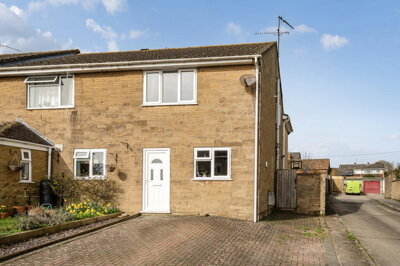
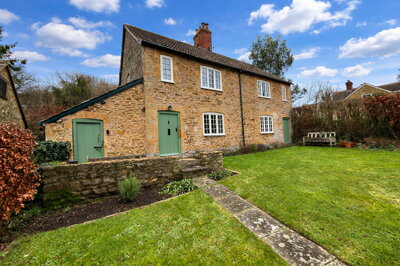
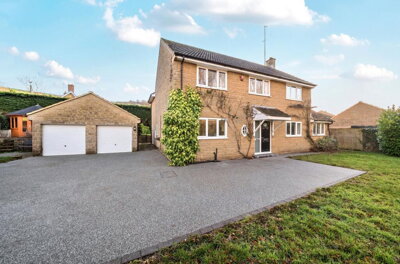
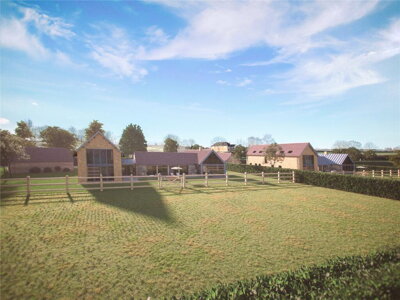
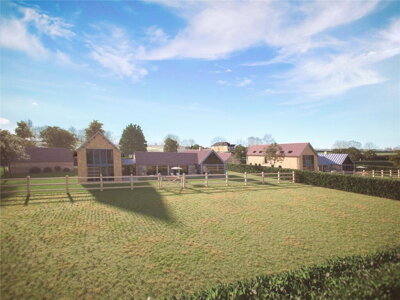
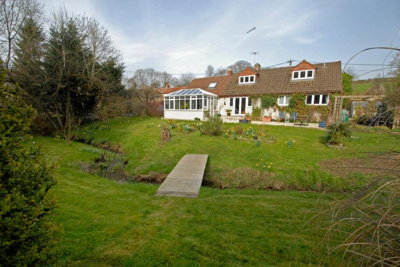
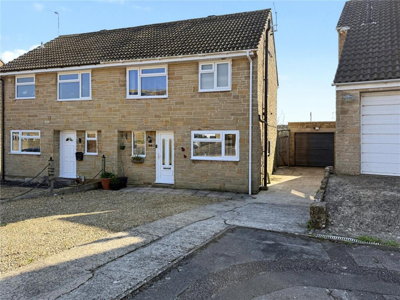
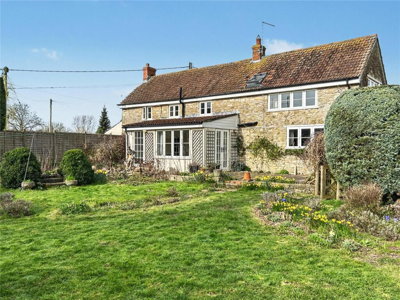
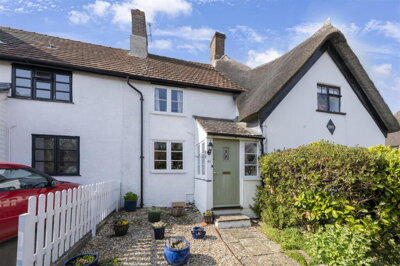
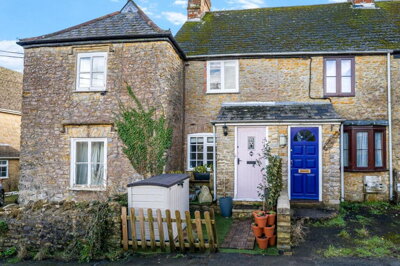
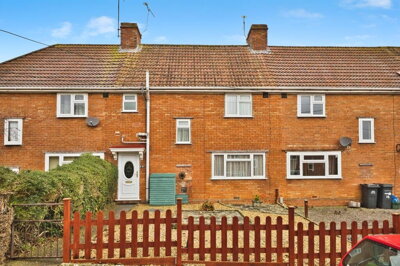
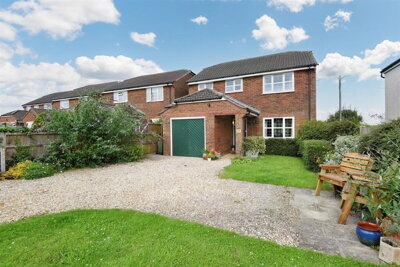
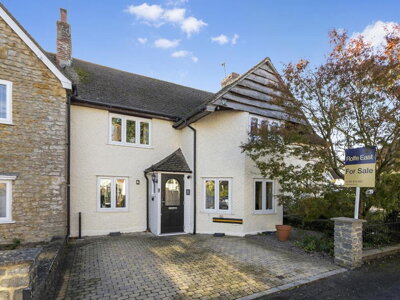
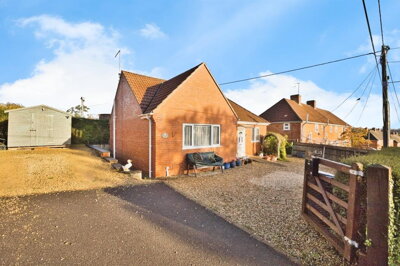
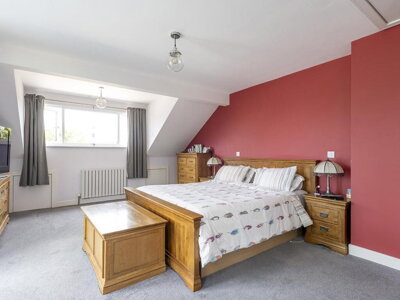
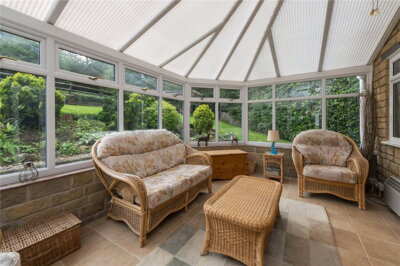
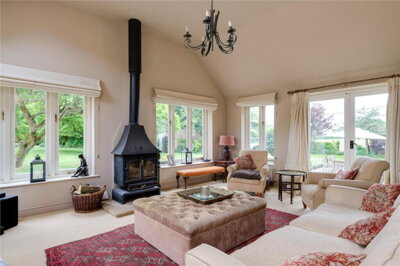
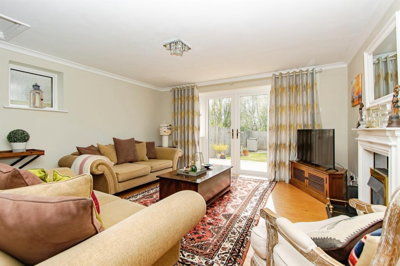
Browse 26 homes for sale in Poyntington, Dorset from local estate agents.
The Poyntington property market offers detached, semi-detached, and terraced houses spanning various price ranges and neighbourhoods. Each listing includes detailed property information, photographs, and direct contact with the marketing agent.
£2.25M
3
0
162
Source: home.co.uk
Showing 3 results for Houses for sale in Poyntington, Dorset. The median asking price is £2,250,000.
Source: home.co.uk
Detached
3 listings
Avg £1.66M
Source: home.co.uk
Source: home.co.uk
The Poyntington property market reflects its status as an exclusive rural village, with detached homes representing the majority of available stock at an average price of £625,000. Semi-detached properties offer a more accessible entry point at around £450,000, though these homes are equally characterful and benefit from the same stunning Hamstone construction that defines the village. Over the past twelve months, prices in Poyntington have increased by approximately 1.8%, demonstrating sustained demand for rural Dorset property despite the national economic landscape.
New build development within the DT9 postcode area is essentially non-existent, as Poyntington's conservation area status and listed building heritage protect against significant new construction. This scarcity of modern housing stock means buyers are purchasing into a property type that simply cannot be replicated, enhancing the long-term investment appeal of village homes. The housing stock consists almost entirely of period properties, predominantly built before 1919, with a smaller proportion constructed between 1919 and 1945. Post-1980 properties are exceptionally rare, ensuring that buyers who do find a home here are investing in genuine Dorset heritage.
The village's housing stock is overwhelmingly detached, with approximately 80-90% of properties taking this form, reflecting the generous plot sizes and traditional layout of historic Hamstone homes. Semi-detached properties make up the remaining 10-20% of the housing stock, while terraced homes and flats are virtually non-existent in the village, as the historic development pattern never produced the terraced rows common in nearby towns. This dominance of detached period properties contributes to the village's exclusive character and explains why average prices remain strong even in uncertain market conditions.
Our inspectors have surveyed numerous properties throughout Poyntington, and we consistently find that buyers here are purchasing not just a home but a piece of Dorset's architectural heritage. The golden Hamstone walls, traditional slate roofs, and original sash windows create an aesthetic that simply cannot be replicated in modern construction. When you buy in Poyntington, you are acquiring a property that belongs to a vanishing world of rural English charm.

Poyntington is a small, tight-knit community of approximately 150 to 200 residents living across 60 to 80 households, creating the intimate village atmosphere that many buyers seek but rarely find. The village centre is designated as a Conservation Area, reflecting the national significance of its architectural heritage and ensuring that the golden Hamstone buildings that line the lanes remain preserved for generations to come. Living here means becoming part of a community where neighbours know each other, village events bring people together, and the pace of life allows for genuine appreciation of the surrounding countryside.
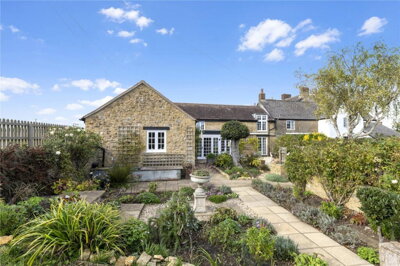
The local economy centres primarily on agriculture, with residents often commuting to nearby towns such as Sherborne or Yeovil for employment. The village itself offers a peaceful lifestyle focused on outdoor pursuits, with extensive footpaths crossing farmland and rolling Dorset countryside. The predominant Hamstone construction throughout the village creates a warm, golden appearance that changes throughout the day as sunlight catches the traditional limestone. Properties typically feature slate or clay tile roofs, adding to the authentic period character that makes Poyntington so visually distinctive.
The village's location on the Somerset and Dorset border provides easy access to the best that both counties offer, from market towns to countryside walks. The underlying Jurassic limestone geology, particularly the Inferior Oolite and Fuller's Earth Clay formations, has shaped not only the local building traditions but also the rolling landscape that makes this area so attractive to buyers seeking a rural retreat. The Fuller's Earth Clay present in some areas of the village requires careful consideration during property purchases, as this clay is prone to shrink-swell movement in response to moisture changes, potentially affecting foundations over time.
We frequently advise buyers to understand the specific plot and orientation of any property they are considering. South-facing gardens are prized in this north-facing village location, where the valley topography can result in some properties receiving limited direct sunlight during winter months. Properties positioned on the southern slopes of the village tend to command a premium due to better natural light levels and more favourable garden conditions.

Families considering a move to Poyntington will find a selection of educational options within easy reach, with primary schools available in nearby villages and market towns. The village's small population means that local primary education is typically accessed in surrounding communities, where village schools serve small cohorts and provide individual attention for pupils. Primary schools in nearby Compton Abdale, Windwhistle, and other surrounding villages offer good standards of education with the benefit of small class sizes that many parents actively seek.
Secondary education options include well-regarded schools in Sherborne, a historic town known for its excellent educational institutions including the renowned Sherborne School for boys and Sherborne Girls. The town also offers state secondary options including Gryphon School and Sherborne School for Girls, providing families with a range of choices depending on their preferences and children's requirements. Parents should research specific catchment areas and school admission policies, as these can vary depending on the exact location of a property in relation to school boundaries.
Properties in Poyntington do not fall within the immediate catchment of any single school, meaning that school travel arrangements and transport logistics should be factored into any purchase decision. The village's peaceful nature and strong community feel make it an ideal environment for children to grow up, with safe lanes for cycling and extensive countryside for exploration. Many families who move to Poyntington embrace the rural lifestyle that allows children to develop independence in a safe environment while building connections with nature.
The broader Dorset and Somerset area offers additional educational opportunities at sixth form and further education level, with Yeovil College and Richard Huish College providing good options for older students. For families prioritising educational establishment credentials, Sherborne remains the primary draw, with its centuries-long reputation for academic excellence attracting families from across the region and beyond. We recommend visiting potential schools during term time to get a genuine feel for the institution before committing to a property purchase.
Poyntington's rural location means that private transport is essential for most daily activities, with the village lanes connecting to the wider road network leading to nearby towns and villages. The A30 provides relatively straightforward access to the south coast, while connections to the A303 offer routes towards London and the southwest of England. Journey times to Sherborne typically take around 10 to 15 minutes by car, with Yeovil accessible in approximately 20 to 25 minutes. These nearby towns provide access to supermarkets, healthcare facilities, and additional services that the village itself cannot offer.
For those commuting further afield, railway connections are available in Sherborne, with services connecting to major destinations including London Waterloo. The journey time from Sherborne to London takes approximately two and a half hours, making occasional commuting feasible for those with flexible working arrangements. More frequent commuters often choose to drive to larger stations such as Castle Cary or even Bristol Parkway for better service frequencies and shorter journey times to the capital.
Bus services connect Poyntington with surrounding villages and towns, though these typically operate on limited timetables suited to occasional rather than daily commuting use. The 44 bus service runs between Sherborne and Yeovil, passing through nearby villages and providing a lifeline for those without cars. However, we always advise buyers to ensure they can manage without daily bus use, as services can be reduced during school holidays and occasional timetable changes. Cyclists will appreciate the quiet country lanes that characterise the area, though the hilly Dorset terrain requires reasonable fitness for longer journeys by bicycle.
Before viewing properties, spend time exploring Poyntington at different times of day and week to understand the village's character, noise levels from nearby farms, and the availability of local services in surrounding villages. Visit the local pub if one exists, speak with existing residents, and get a feel for how the community operates throughout different seasons.
Contact a mortgage broker to obtain an Agreement in Principle before making any offers. With average property prices at £575,000, securing appropriate finance is essential for a smooth purchase process. We recommend speaking with a broker who understands the rural property market and can advise on specialist mortgage products for period properties, including those in conservation areas.
Work with estate agents familiar with the local market to arrange viewings of suitable properties. Given the small number of sales each year - typically around 4 transactions annually - opportunities may arise quickly and require prompt action. Be prepared to move decisively when the right property becomes available, as competition for homes in this village can be strong.
Given the age of properties in Poyntington, a thorough survey is essential. For a typical detached home, expect to pay between £500 and £800 for a Level 2 survey that checks for damp, structural movement, and timber defects common in Hamstone properties. Our team has identified common issues including rising damp in solid walls, timber decay in roof structures, and chimney stack deterioration that affect many properties here.
Choose a conveyancing specialist familiar with rural properties and conservation area requirements to handle the legal aspects of your purchase, including any planning conditions that may apply. Conservation area consents may be required for certain works, and a solicitor with local experience can advise on these matters efficiently.
Once all searches and surveys are satisfactory, your solicitor will coordinate the exchange of contracts and final completion, typically allowing two to four weeks between these stages. Ensure buildings insurance is arranged from the point of exchange, as you become legally responsible for the property at this stage.
Properties in Poyntington require careful inspection due to their age and traditional construction methods. The Jurassic limestone geology underlying the village includes areas of Fuller's Earth Clay, which can cause shrink-swell movement affecting foundations. Look for signs of cracking, uneven floors, or doors and windows that stick, as these may indicate historic or ongoing structural movement. Our inspectors frequently find that properties built on or near areas of Fuller's Earth Clay require careful monitoring and may need specialist foundation considerations if extension works are planned.
The prevalence of Hamstone construction means that walls are typically solid rather than cavity construction, which can lead to different considerations for insulation and ventilation compared to modern properties. Solid walls are more susceptible to penetrating damp, particularly in properties where the Hamstone has deteriorated or where original lime mortar has been replaced with inappropriate cement-based mortars. We always recommend checking the condition of mortar joints carefully, as the use of hard cement mortar on soft Hamstone can accelerate weathering and stone decay over time.
Many homes will have original electrical wiring and plumbing systems that may require updating to meet current standards. Our surveyors commonly find that period properties in Dorset have wiring that predates modern safety requirements, with many homes still operating on their original fuse box and cable runs. Budget for potential re-wiring costs when purchasing older Hamstone properties, as this can be a significant expense that should be factored into your overall purchase budget.
Roof conditions should be checked carefully, as natural slate and clay tiles can suffer from slipped or broken tiles, failing pointing, and deterioration of timber elements over time. We frequently identify issues with chimney stacks in Poyntington properties, including deteriorating mortar, failed flaunching, and deteriorated lead flashings that can allow water penetration into the property structure. Properties within the conservation area may have restrictions on alterations and extensions, so buyers should clarify what works require planning permission before proceeding. Properties that are also listed buildings will require Listed Building Consent for most alterations, adding another layer of consideration to any renovation plans.
The average house price in Poyntington stands at approximately £575,000 based on recent sales data. Detached properties average around £625,000, while semi-detached homes are available from approximately £450,000. The market is very active with only around 4 property sales recorded in the past 12 months, reflecting the village's small size and the rarity of available properties. This scarcity means that well-presented homes in the village rarely stay on the market for long, and competitive offers are common for properties in good condition.
Poyntington has a low to very low risk of flooding from rivers and the sea, which is reassuring for buyers. However, some areas of the village, particularly along minor watercourses and in low-lying parts, carry a moderate to high risk of surface water flooding during periods of heavy rainfall. We always recommend checking the specific flood risk for the property's exact location using the government flood risk checking tool, and discussing any local drainage concerns with neighbours who may have lived in the area for many years.
Properties in Poyntington fall under South Somerset District Council for council tax purposes. Specific bandings vary by property depending on the valuation, though period Hamstone properties in the village typically range from Band C to Band F. Prospective buyers should verify the exact council tax band with the local authority before completing a purchase, as this forms part of the ongoing costs of owning property in the village.
Primary education near Poyntington is served by schools in nearby villages and the historic town of Sherborne, which also offers excellent secondary education including the renowned Sherborne School. Primary schools in surrounding villages such as those in the Four Rivers Learning Trust provide good local options with small class sizes that many families value. Families should research specific catchment areas, as admission policies can affect which schools children can attend, and the village's location means that school transport arrangements should be considered when choosing a property.
Poyntington offers strong investment appeal due to its conservation area status, historic Hamstone properties, and the scarcity of available homes. The village attracts buyers seeking rural Dorset character that simply cannot be replicated through new build development. While the market is small with limited liquidity, properties in the village have demonstrated stable price growth, with a 1.8% increase over the past twelve months. The restriction on new build development within the village ensures that existing properties retain their value and scarcity premium over time.
Stamp Duty Land Tax on a £575,000 property for a standard buyer would be calculated as follows: 0% on the first £250,000, then 5% on the amount between £250,001 and £525,000, and 10% on the remainder. This totals approximately £16,250. First-time buyers purchasing properties up to £625,000 may qualify for relief on the first £425,000, significantly reducing their SDLT liability to around £7,500 in Stamp Duty Land Tax.
Our inspectors frequently identify several recurring issues in Poyntington's period Hamstone properties. Rising damp and penetrating damp are common concerns, particularly in solid-walled properties where ventilation may be inadequate. Timber defects including woodworm and both wet and dry rot affect many older roofs and floor structures. Chimney stack deterioration is particularly prevalent, with failed pointing, damaged flaunching, and corroded lead flashings allowing water ingress. Our RICS Level 2 survey will identify these issues and any others specific to the property you are purchasing.
From 4.5%
Specialist mortgage advice for rural properties and conservation areas
From £499
Expert legal services for Poyntington property purchases
From £500
Comprehensive survey for Hamstone and period properties
From £85
Energy performance certificate for your new home
When purchasing a property in Poyntington, buyers should budget for additional costs beyond the purchase price. For a property at the current average price of £575,000, Stamp Duty Land Tax for a standard buyer amounts to approximately £16,250. This is calculated using the current thresholds: 0% on the first £250,000, 5% on the portion between £250,001 and £525,000, and 10% on amounts exceeding £525,000. First-time buyers purchasing properties up to £625,000 benefit from increased thresholds, paying 0% on the first £425,000 and 5% on amounts between £425,001 and £625,000, reducing their SDLT to approximately £7,500.
Additional purchase costs include solicitor fees, which typically range from £800 to £2,500 depending on complexity, plus search fees, Land Registry fees, and removal costs. For the Hamstone properties prevalent in Poyntington, a RICS Level 2 survey costing between £500 and £800 is strongly recommended to identify any structural or condition issues before commitment. Given the age of properties in the village and the prevalence of traditional construction methods, this survey fee represents excellent value for money when compared to the potential cost of discovering serious defects after purchase.
Buildings insurance must be in place from the point of exchange, and buyers should factor in valuation fees if required by their mortgage lender. Setting aside approximately 3% to 5% of the property price for these additional costs ensures a smooth transaction without unexpected financial pressures. For a £575,000 property, this means budgeting between £17,250 and £28,750 on top of your deposit and mortgage amount. We always recommend speaking with a financial advisor to ensure you have a complete picture of all costs involved in your purchase before proceeding.
The historic Hamstone construction found throughout Poyntington presents specific challenges that our surveyors understand intimately. Hamstone is a relatively soft limestone that weathers more rapidly than harder stone types, meaning that walls may show signs of erosion, spalling, or surface deterioration over time. Original lime mortar pointing is essential for the long-term health of Hamstone walls, and we frequently identify issues where modern cement mortar has been incorrectly used, creating a hard band that traps moisture and accelerates stone decay.
The solid wall construction common to virtually all properties in Poyntington means that damp penetration requires different treatment than in modern cavity-walled homes. We see rising damp affecting ground floor walls where original damp-proof courses have failed or were never installed. Penetrating damp occurs where roof details, chimney stacks, or window surrounds have deteriorated, allowing water ingress into the wall structure. Our inspectors always check these vulnerable areas carefully during surveys.
Timber defects represent another significant category of issues in Poyntington's older properties. The natural slate and clay tile roofs common to the village shelter timber roof structures that may be affected by woodworm (common furniture beetle), wet rot, or dry rot. We check all accessible timber elements, including roof trusses, purlins, floor joists, and window frames, for signs of decay or infestation. Electrical systems in older properties frequently require updating, as wiring installed decades ago rarely meets current standards and regulations.
Properties for Sale In London

Properties for Sale In Plymouth

Properties for Sale In Liverpool

Properties for Sale In Glasgow

Properties for Sale In Sheffield

Properties for Sale In Edinburgh

Properties for Sale In Coventry

Properties for Sale In Bradford

Properties for Sale In Manchester

Properties for Sale In Birmingham

Properties for Sale In Bristol

Properties for Sale In Oxford

Properties for Sale In Leicester

Properties for Sale In Newcastle

Properties for Sale In Leeds

Properties for Sale In Southampton

Properties for Sale In Cardiff

Properties for Sale In Nottingham

Properties for Sale In Norwich

Properties for Sale In Brighton

Properties for Sale In Derby

Properties for Sale In Portsmouth

Properties for Sale In Northampton

Properties for Sale In Milton Keynes

Properties for Sale In Bournemouth

Properties for Sale In Bolton

Properties for Sale In Swansea

Properties for Sale In Swindon

Properties for Sale In Peterborough

Properties for Sale In Wolverhampton

Enter your details to see if this property is within your budget.
Loans, cards, car finance
Estimated property budget
Borrowing + deposit
You could borrow between
Typical borrowing
Monthly repayment
Est. at 4.5%
Loan-to-value
This is an estimate only. Your actual budget may vary depending on interest rates, credit history, and personal circumstances. For an accurate affordability assessment, speak to one of our free mortgage advisors.
This calculator provides estimates for illustrative purposes only and does not constitute financial advice. Your home may be repossessed if you do not keep up repayments on your mortgage. Estimates based on 4.5% interest rate, repayment mortgage. Actual rates depend on your circumstances.
Homemove is a trading name of HM Haus Group Ltd (Company No. 13873779, registered in England & Wales). Homemove Mortgages Ltd (Company No. 15947693) is an Appointed Representative of TMG Direct Limited, trading as TMG Mortgage Network, which is authorised and regulated by the Financial Conduct Authority (FRN 786245). Homemove Mortgages Ltd is entered on the FCA Register as an Appointed Representative (FRN 1022429). You can check registrations at NewRegister or by calling 0800 111 6768.

We use cookies to show you personalised content and improve your experience of our website. Find out more in our Privacy policy and Cookie policy.