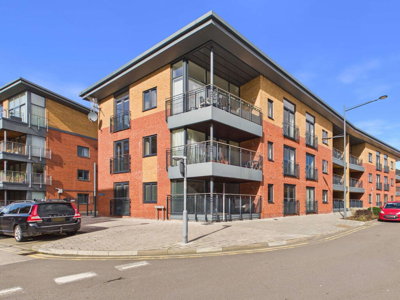
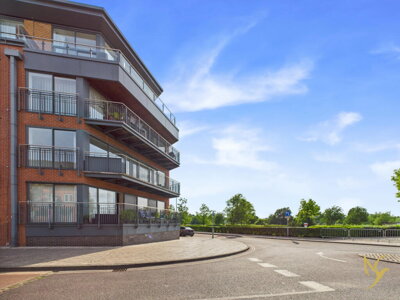
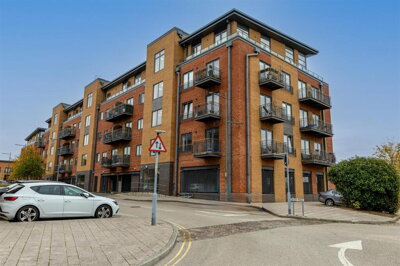
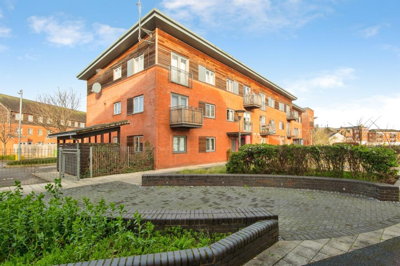
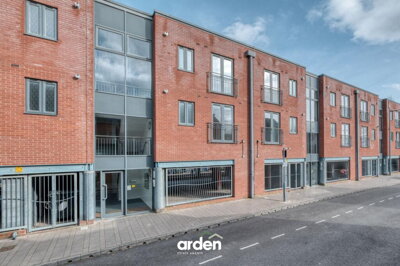
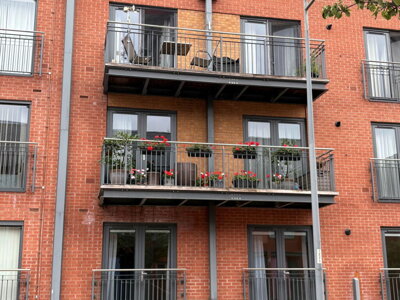
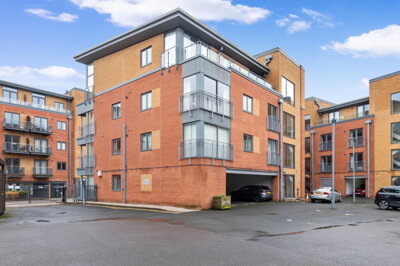
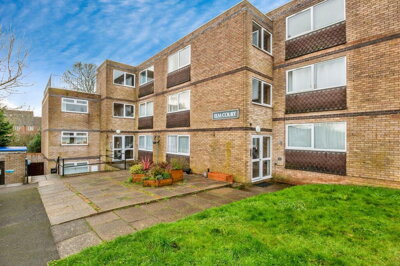
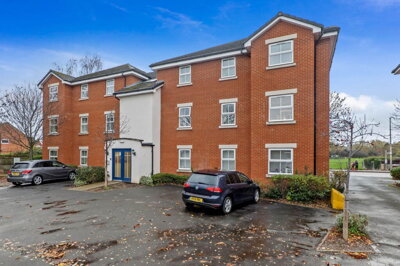
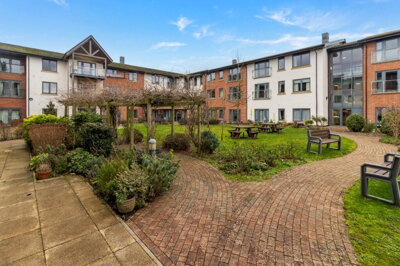
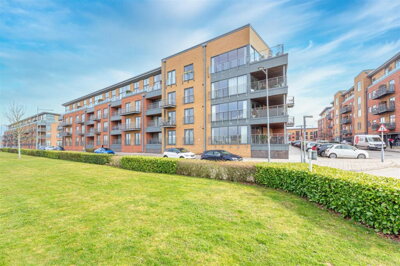
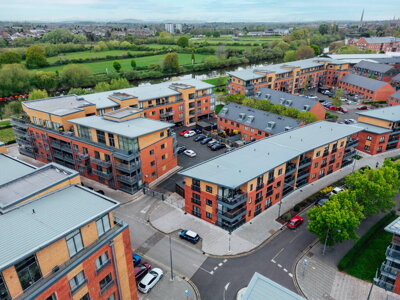
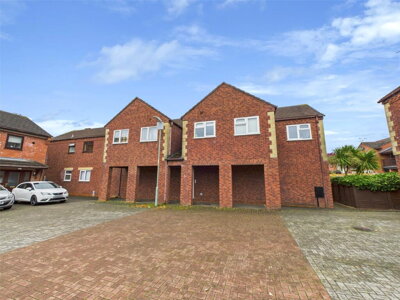
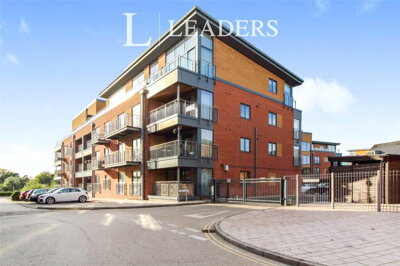
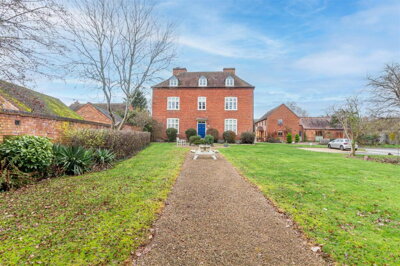
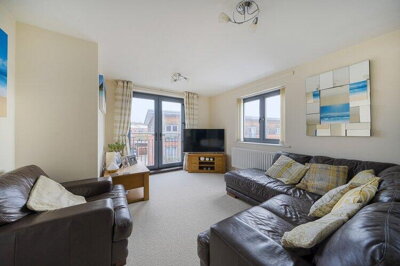
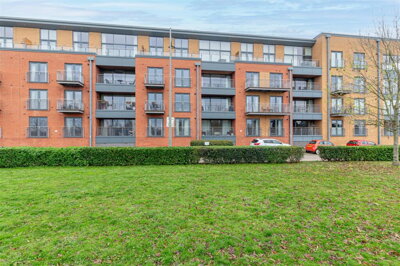
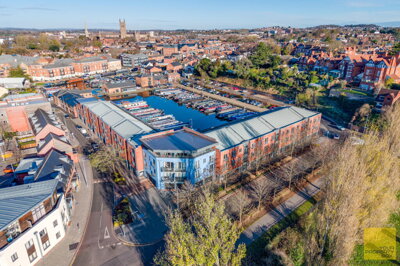
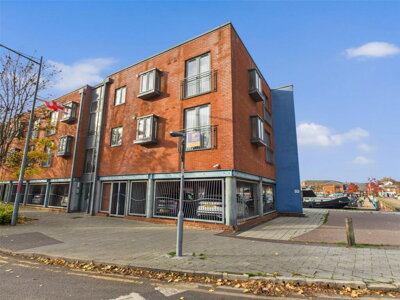
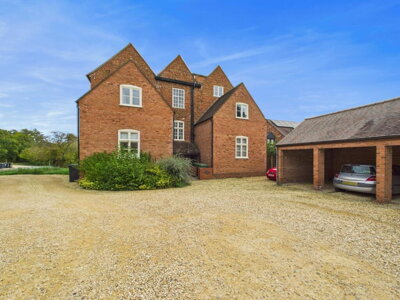
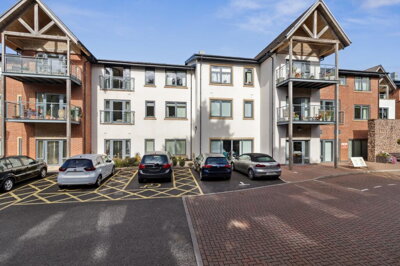
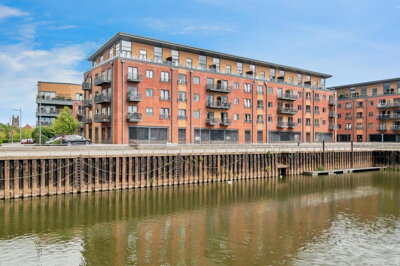
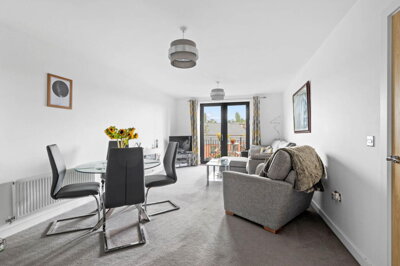
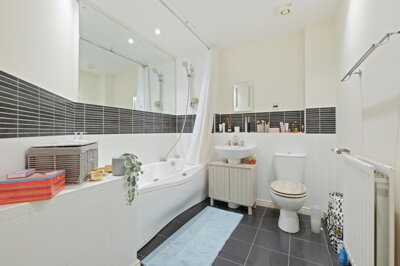
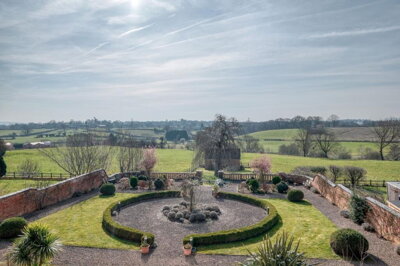
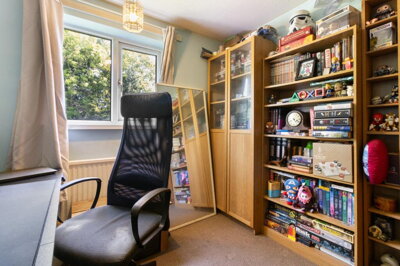
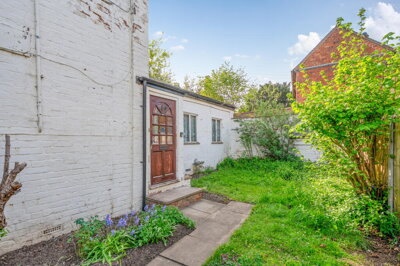
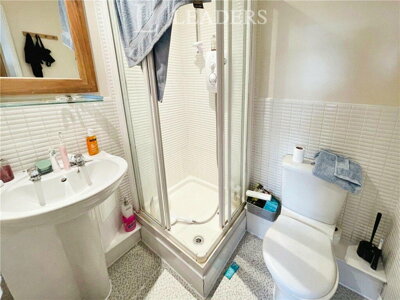
Browse 30 homes for sale in Powick, Malvern Hills from local estate agents.
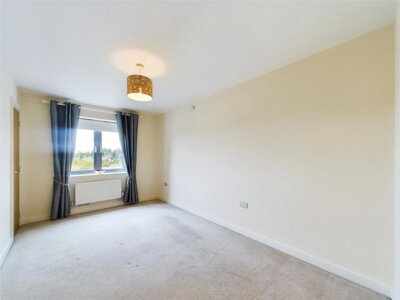
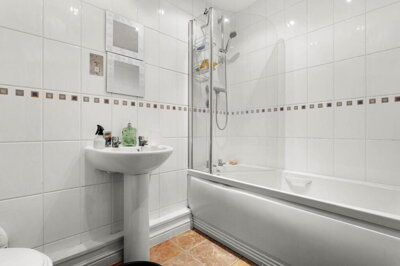
The 2 bed flat sector typically includes two separate bedrooms, dedicated living areas, and bathroom facilities. Properties in Powick span purpose-built blocks, converted period houses, and modern apartment complexes on various floors.
£0k
0
0
0
Source: home.co.uk
Showing 0 results for 2 Bedroom Flats for sale in Powick, Malvern Hills.
The Atherington property market reflects the character of the village itself - predominantly made up of detached and semi-detached homes that offer generous living spaces and gardens. Detached properties command the highest prices, with the average sitting at £471,000, making them ideal for families seeking room to grow or those who simply want the privacy that comes with a standalone home. Semi-detached properties average £315,000, offering excellent value for buyers who want a comfortable family home without the premium attached to detached living. The market has shown steady growth, with property prices increasing by 1.32% over the past twelve months, indicating sustained demand for homes in this desirable North Devon village.
Terraced properties in Atherington average £250,000, providing an accessible entry point into the local property market for first-time buyers or those on a tighter budget. These homes often feature the traditional construction methods typical of the area, including locally-sourced stone and cob walls, which lend character and solidity to the properties. Flats, though less common in this predominantly residential village, average £165,000 and may be found in conversions of period properties. The limited new-build activity in the immediate EX31 3 postcode area means that buyers seeking modern specifications may need to look at wider North Devon, though the character of existing properties more than compensates for any lack of new development.
The village has seen consistent transaction volumes, with 12 property sales completing in the past twelve months. This modest turnover reflects the tight-knit nature of the local market, where properties can sometimes sell through word-of-mouth before reaching major portals. Buyers who find the right property in Atherington often report that the sense of community and quality of life quickly убеждает them that they have made the right choice for long-term living in North Devon.

Atherington's housing stock tells the story of centuries of building tradition in North Devon, with many properties constructed using methods that differ substantially from modern builds. Understanding these traditional construction techniques is essential for any buyer, as they influence everything from maintenance requirements to insurance considerations. The most common materials found in the village include locally-sourced stone, render over cob, and traditional brick, often with slate roofing that has protected homes for generations.
Cob construction is particularly prevalent in this part of Devon, representing a building method that has been used in the region for hundreds of years. Cob walls are built from a mixture of subsoil, straw, and water, creating thick, solid walls that offer excellent thermal mass but require specific maintenance regimes. When viewing cob properties in Atherington, look carefully at the condition of the render finish, as moisture penetration can lead to deterioration of the underlying cob structure. Properties built before 1919 may also feature exposed stonework or combinations of different construction materials, reflecting the pragmatic approach of historical builders who used whatever materials were readily available locally.
The geology beneath Atherington and the surrounding Torridge area includes Devonian and Carboniferous rocks, with overlying deposits of clay, silt, sand, and gravel. This clay-rich ground presents particular challenges for older properties, as clay soils are prone to shrink-swell movement during periods of drought or heavy rainfall. Our inspectors regularly find signs of minor structural movement in properties built on these soil types, and buyers should be alert to cracking in walls, sticking doors, and uneven floors that may indicate underlying ground movement. Properties near the River Taw catchment area benefit from the drainage provided by this watercourse, but low-lying areas may still be susceptible to surface water flooding during periods of intense rainfall.
Life in Atherington revolves around community, countryside, and a pace of life that feels a world away from busy urban centres. The village forms part of the River Taw catchment area, with the gentle Taw flowing through nearby landscape and providing scenic walks for residents. The presence of St Mary's Church, a Grade I listed building dating from the medieval period, anchors the village in history and serves as a focal point for community events and gatherings. The churchyard and surrounding lanes create a quintessentially English village scene that attracts visitors and provides residents with a strong sense of place and heritage.
The local economy of Atherington and its surrounding parish draws from agriculture, tourism, and small local enterprises that serve both residents and the wider North Devon community. Many working-age residents commute to Barnstaple, the principal town of North Devon, for employment in retail, healthcare, education, and professional services. The village itself offers essential amenities within easy reach, while more extensive shopping, dining, and entertainment options are available in nearby market towns. The strong community spirit is evident in local events, parish council activities, and the network of footpaths and bridleways that connect residents with the beautiful Devonshire countryside surrounding their homes.
The village's position within the Torridge District means residents have access to local council services while benefiting from the close proximity to Barnstaple's facilities. The area is popular with those seeking to escape larger towns and cities, with buyers drawn to the combination of working from home possibilities, excellent countryside walks, and the strong community networks that village life fosters. The River Taw valley provides particularly beautiful walking routes, while the nearby coastline of North Devon offers additional recreational opportunities for residents willing to travel the short distance to the coast.

Families considering a move to Atherington will find a selection of educational options available within reasonable travelling distance. The village itself falls within the catchment area for primary schools serving the surrounding rural communities, with several good primary schools located in nearby villages and towns. These smaller rural schools often benefit from strong community connections, dedicated teaching staff, and excellent pupil-to-teacher ratios that allow for personalised attention. Parents should research specific school admissions criteria and catchment boundaries, as these can vary and may influence which schools children in the area attend.
Secondary education is typically provided at schools in the wider North Devon area, with several secondary schools and colleges located in Barnstaple and surrounding towns. These institutions offer a range of GCSE and A-level courses, as well as vocational qualifications for students pursuing alternative pathways. For families for whom education is a primary consideration, we recommend visiting potential schools, reviewing their most recent Ofsted reports, and understanding the admissions process well in advance of any property purchase. The presence of several grammar schools in the wider Devon area also provides academic options for those who qualify through the selection process.
Transport arrangements for school-aged children in Atherington require consideration, as the rural nature of the village means that school transport may be provided by the local authority for those living beyond certain distances from schools. Many families find that the school run becomes part of their daily routine, with journey times of 15 to 30 minutes being typical for secondary school age children attending schools in Barnstaple. The investment in a reliable vehicle is often a practical necessity for families choosing to live in this part of North Devon.
Transport connectivity from Atherington reflects its rural village character, with residents relying primarily on private vehicles for daily commuting while benefiting from occasional public transport links for longer journeys. The village sits within reasonable driving distance of the A361 North Devon link road, which connects the region to the M5 motorway at Tiverton, providing access to Bristol, Exeter, and the national motorway network. Journey times by car to Barnstaple take approximately 20 to 30 minutes under normal traffic conditions, making day trips and weekly shopping runs entirely feasible for residents without a local employer.
Public transport options for Atherington residents include local bus services that connect the village to nearby towns and villages, though these may operate on limited timetables typical of rural areas. The nearest railway stations can be found in Barnstaple and Umberleigh, offering connections to Exeter and beyond via the Tarka Line service. For commuters working in Exeter or other larger cities, the train journey provides a relaxing alternative to driving, though journey times of around one to two hours should be factored into any commuting plans. Cyclists will find that the Devon countryside offers scenic routes for leisure and occasional commuting, though hilly terrain requires a reasonable level of fitness.
The strategic position of Atherington relative to the A361 makes it well-suited for those who need to commute to Tiverton or beyond while enjoying the benefits of village life. The North Devon link road has transformed connectivity for the region over recent decades, and residents can reach the M5 at Tiverton in approximately 45 minutes to one hour depending on traffic conditions. This has opened up employment opportunities in the wider South West for those willing to combine remote working with occasional office attendance.
Start by exploring property listings in Atherington on Homemove to understand what is available at your budget. With an average price of £376,647, you can expect detached homes around £471,000, semi-detached around £315,000, and terraced properties from £250,000. Consider engaging with local estate agents who know the village intimately and may have access to properties before they appear on major portals.
Once you have identified properties of interest, arrange viewings to assess condition, space, and suitability. Before making any offer, we strongly recommend obtaining a mortgage agreement in principle from a lender. This demonstrates your seriousness to sellers and helps you understand exactly how much you can borrow, typically up to four to five times your annual income depending on your circumstances.
When you find your perfect home in Atherington, submit a formal offer through the estate agent. Upon acceptance, instruct a conveyancing solicitor immediately to handle the legal aspects of your purchase. Your solicitor will conduct searches, review contracts, and liaise with the seller's representatives to ensure a smooth transaction. Budget for solicitor fees from around £499 for standard conveyancing work.
Given that Atherington has a significant proportion of older properties, many built before 1919, we strongly recommend booking a RICS Level 2 Survey before completing your purchase. This inspection will identify any structural issues, damp, roof defects, or timber problems that may not be visible during a standard viewing. Survey costs typically range from £500 to £700 for properties in the £300,000 to £400,000 range, but can save you thousands in unexpected repair costs.
Once your survey is complete, searches are satisfactory, and your mortgage offer is confirmed, your solicitor will arrange for contracts to be exchanged. This legally binds both parties to the transaction. Completion typically follows within 28 days, after which you will receive the keys to your new Atherington home.
The Atherington housing stock includes a significant number of older properties constructed using traditional methods that differ substantially from modern builds. Many homes feature cob walls, a traditional Devon building material made from subsoil, straw, and water that requires specific maintenance to prevent damp issues. When viewing properties, look for signs of damp particularly at low levels on walls, which may indicate rising damp or problems with moisture penetration. Roof conditions should also be carefully assessed, as older slate roofs may have slipped or damaged tiles that require attention and can lead to water ingress if left unaddressed.
The geology of the Atherington area includes clay-rich soils that can present shrink-swell risk during periods of drought or heavy rainfall, potentially causing subsidence or structural movement in properties. Look for signs of cracking in walls, doors that stick, or uneven floors that may indicate underlying structural issues. Properties in or near the River Taw catchment area may also carry some flood risk, particularly surface water flooding during periods of intense rainfall, so checking the Environment Agency flood maps for your specific property is essential. If you are considering a listed building or a property within a potential conservation area, be aware that special rules may apply regarding alterations, extensions, and permitted development rights.
Timber defects represent another significant consideration when purchasing older properties in Atherington. The combination of traditional construction and age means that many properties will have timber elements that could be affected by woodworm, wet rot, or dry rot. Our inspectors regularly check floorboards, structural timbers, and roof structures for signs of deterioration. Electrical wiring and plumbing in properties over 50 years old may also require updating to meet current standards, and we recommend factoring potential rewire or re-plumb costs into your offer. The thick walls of traditional cob and stone properties offer excellent thermal mass but may lack modern insulation levels, potentially leading to higher heating costs unless remedial works have been carried out.
As of February 2026, the average property price in Atherington is £376,647. Detached properties average £471,000, semi-detached homes are around £315,000, and terraced properties typically cost £250,000. Flats in the village average £165,000. Property prices have increased by 1.32% over the past twelve months, indicating a stable and gradually growing market in this North Devon village. The modest number of 12 sales in the past year reflects the tight supply typical of small rural villages, where buyers often compete for limited available properties.
Properties in Atherington fall under Torridge District Council, with most residential properties attracting council tax bands between A and D depending on the property's valuation. Band A properties may pay around £1,200 to £1,400 per year, while higher-valued homes in Band D could pay approximately £1,800 to £2,200 annually. Exact figures should be confirmed with Torridge District Council closer to your purchase date, as council tax rates are subject to annual revision by the local authority.
Atherington is served by several primary schools in the surrounding villages and towns, with good options for families seeking strong early years education. Secondary school provision includes schools in Barnstaple and the wider North Devon area, with several institutions offering GCSE and A-level courses. We recommend checking the most recent Ofsted ratings for schools in the catchment area and understanding how admissions criteria work, particularly for popular schools that may be oversubscribed. School transport arrangements should also be confirmed, as the rural location means journey times of 15 to 30 minutes are common for secondary school children.
Atherington is a rural village with limited public transport options compared to urban areas. Local bus services connect the village to nearby towns, though services typically operate on reduced timetables typical of rural Devon. The nearest railway stations are in Barnstaple and Umberleigh, offering connections on the Tarka Line to Exeter and the national rail network. Most residents use private vehicles as their primary means of transport, with Barnstaple accessible within 20 to 30 minutes by car and the A361 providing links to the M5 motorway at Tiverton for longer journeys.
Atherington offers solid potential for property investment, particularly given the limited supply of homes in this small village combined with strong demand for rural properties in North Devon. The 1.32% price increase over the past year demonstrates steady growth, while the scarcity of new-build development means existing properties retain their value. Rental demand exists from professionals working in Barnstaple and surrounding areas who prefer the quality of life offered by a village setting. The village's position within the Torridge District and its proximity to the River Taw also contribute to its long-term appeal for both owner-occupiers and landlords.
For standard buyers purchasing a property in Atherington, you will pay no stamp duty on purchases up to £250,000. For properties priced between £250,001 and £925,000, the rate is 5% on that portion. First-time buyers may benefit from relief paying 0% on the first £425,000 and 5% on the amount between £425,001 and £625,000. Your solicitor will calculate the exact amount due based on your purchase price and circumstances, and we recommend budgeting for this cost alongside other purchase fees.
Given the prevalence of older properties in Atherington, common risks include damp penetration through cob or solid walls, roof deterioration requiring repair or replacement, and potential structural movement related to clay soils. Timber defects such as woodworm or rot can affect structural elements and floorboards. The clay-rich geology of the area can cause shrink-swell movement during drought or heavy rainfall, potentially leading to subsidence. We strongly recommend a RICS Level 2 Survey for any property over 50 years old to identify these issues before purchase. Listed buildings may require more specialist surveys and your solicitor should confirm any planning restrictions that apply to historic properties in the village.
From 3.84%
Expert mortgage advice and competitive rates for Atherington property purchases
From £499
Professional property solicitors to handle your Atherington purchase
From £500
Essential survey for older Atherington properties
From £80
Energy performance certificate for your new home
When purchasing a property in Atherington, it is essential to budget for all associated costs beyond the purchase price itself. Stamp duty, now officially called Stamp Duty Land Tax, applies to all purchases above £250,000 at the following rates: 5% on the portion from £250,001 to £925,000, 10% from £925,001 to £1,500,000, and 12% on any amount exceeding £1,500,000. For a typical Atherington property at the village average of £376,647, a standard buyer would pay approximately £6,332 in stamp duty, calculated as 5% of £126,647.
First-time buyers purchasing property in Atherington benefit from increased thresholds, paying no stamp duty on the first £425,000 and 5% on the portion between £425,001 and £625,000. This relief can save first-time buyers thousands of pounds compared to standard rates. However, first-time buyer relief is only available to those who have never owned property anywhere in the world, and the relief is withdrawn entirely for purchases exceeding £625,000. Beyond stamp duty, remember to budget for solicitor fees from around £499 to £1,500 depending on complexity, a RICS Level 2 Survey from £500 to £700, removal costs, and potential mortgage arrangement fees that can add £500 to £2,000 to your upfront costs.
The total cost of purchasing a property in Atherington can therefore add around 3% to 5% to your purchase price when all fees are included. For a property at the village average of £376,647, you should budget for total additional costs of approximately £11,000 to £19,000 depending on your circumstances, whether you qualify for first-time buyer relief, and the complexity of your transaction. Your solicitor will provide a detailed breakdown of all costs before you commit to proceeding.
Properties for Sale In London

Properties for Sale In Plymouth

Properties for Sale In Liverpool

Properties for Sale In Glasgow

Properties for Sale In Sheffield

Properties for Sale In Edinburgh

Properties for Sale In Coventry

Properties for Sale In Bradford

Properties for Sale In Manchester

Properties for Sale In Birmingham

Properties for Sale In Bristol

Properties for Sale In Oxford

Properties for Sale In Leicester

Properties for Sale In Newcastle

Properties for Sale In Leeds

Properties for Sale In Southampton

Properties for Sale In Cardiff

Properties for Sale In Nottingham

Properties for Sale In Norwich

Properties for Sale In Brighton

Properties for Sale In Derby

Properties for Sale In Portsmouth

Properties for Sale In Northampton

Properties for Sale In Milton Keynes

Properties for Sale In Bournemouth

Properties for Sale In Bolton

Properties for Sale In Swansea

Properties for Sale In Swindon

Properties for Sale In Peterborough

Properties for Sale In Wolverhampton

Enter your details to see if this property is within your budget.
Loans, cards, car finance
Estimated property budget
Borrowing + deposit
You could borrow between
Typical borrowing
Monthly repayment
Est. at 4.5%
Loan-to-value
This is an estimate only. Your actual budget may vary depending on interest rates, credit history, and personal circumstances. For an accurate affordability assessment, speak to one of our free mortgage advisors.
This calculator provides estimates for illustrative purposes only and does not constitute financial advice. Your home may be repossessed if you do not keep up repayments on your mortgage. Estimates based on 4.5% interest rate, repayment mortgage. Actual rates depend on your circumstances.
Homemove is a trading name of HM Haus Group Ltd (Company No. 13873779, registered in England & Wales). Homemove Mortgages Ltd (Company No. 15947693) is an Appointed Representative of TMG Direct Limited, trading as TMG Mortgage Network, which is authorised and regulated by the Financial Conduct Authority (FRN 786245). Homemove Mortgages Ltd is entered on the FCA Register as an Appointed Representative (FRN 1022429). You can check registrations at NewRegister or by calling 0800 111 6768.

We use cookies to show you personalised content and improve your experience of our website. Find out more in our Privacy policy and Cookie policy.