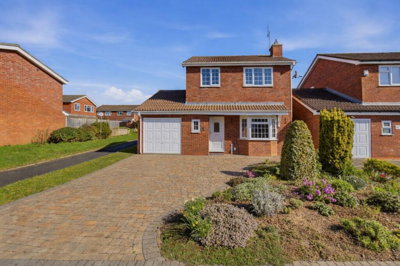
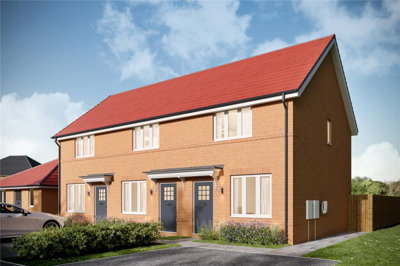
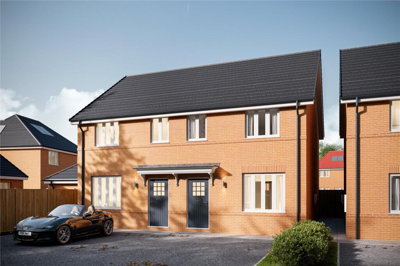
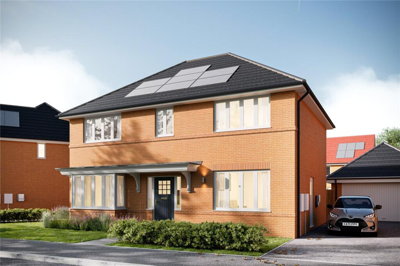
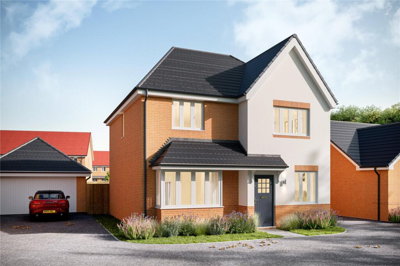
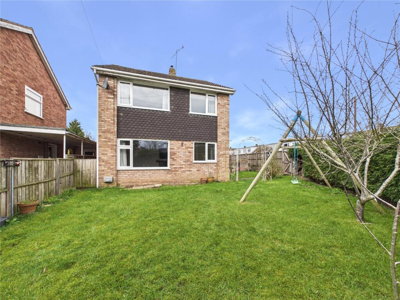
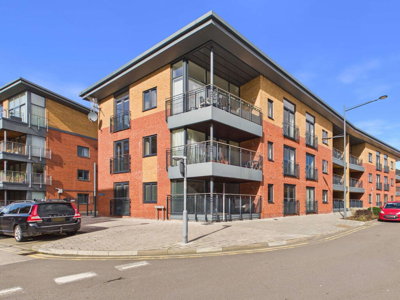
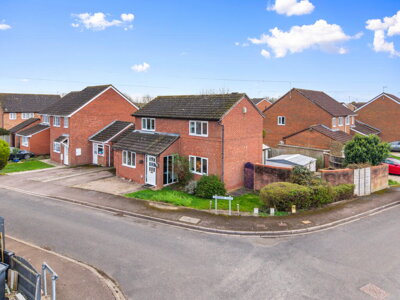
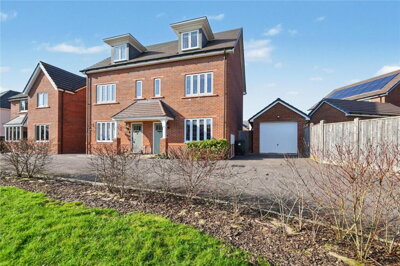
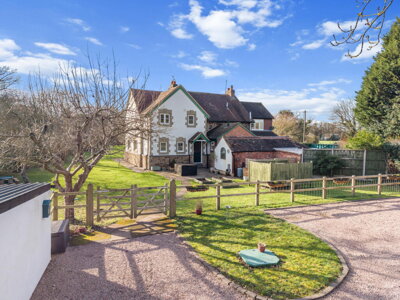
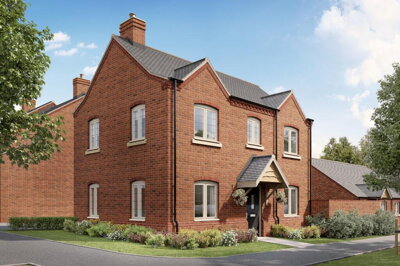
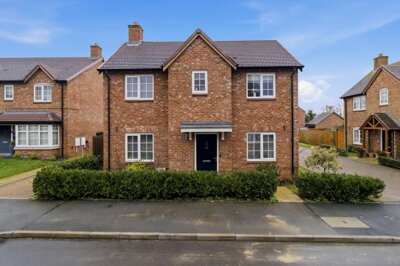
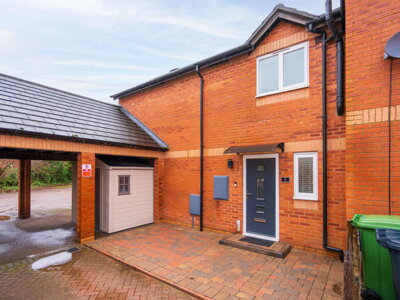
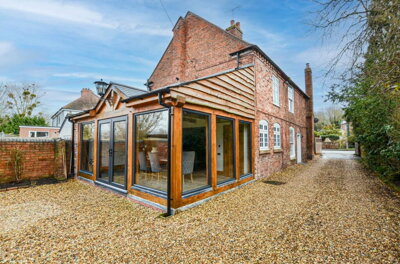
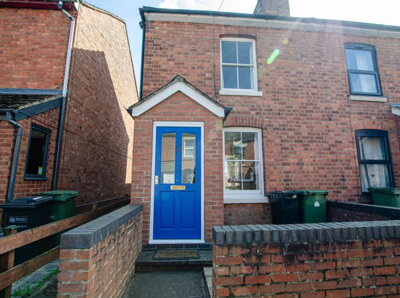
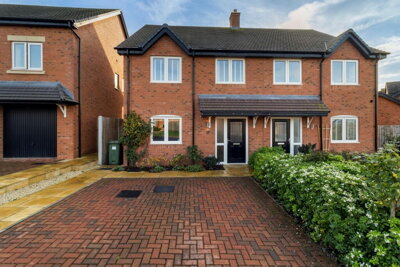
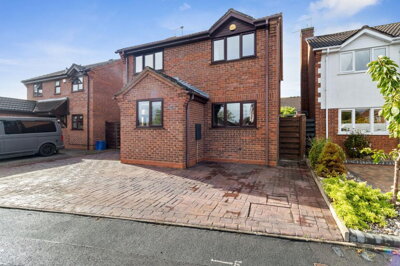
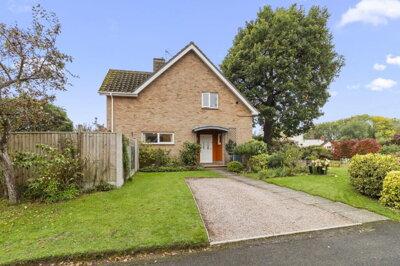
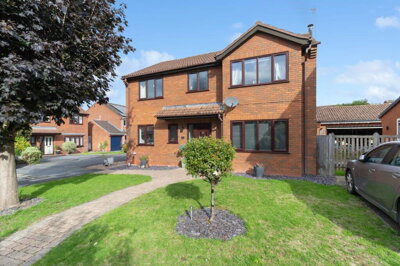
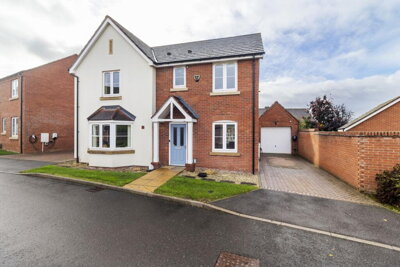
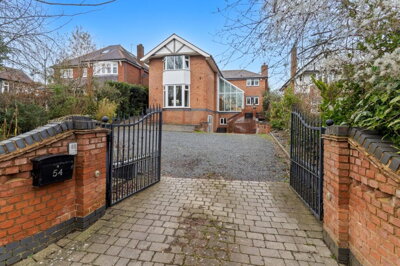
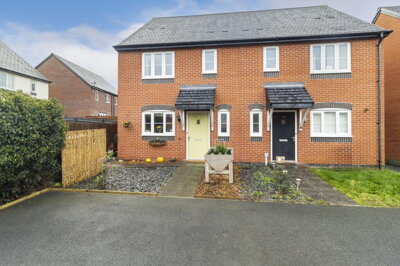
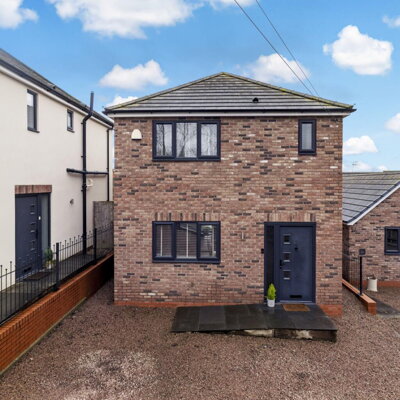
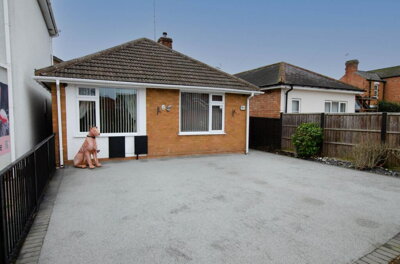
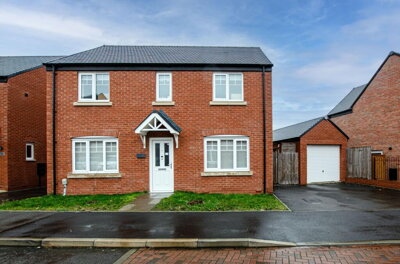
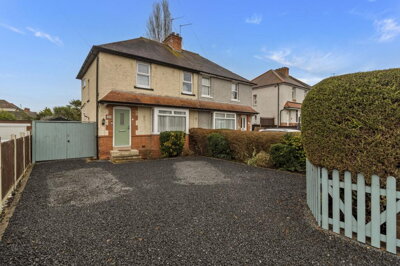
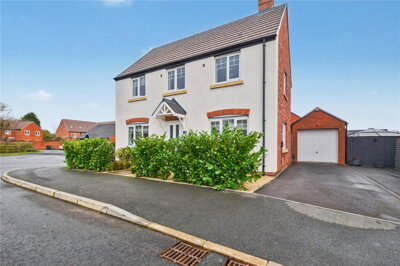
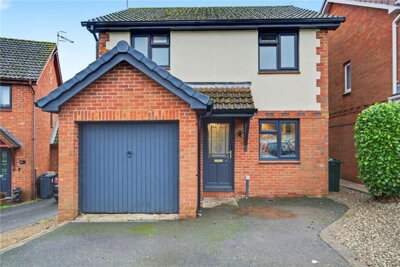
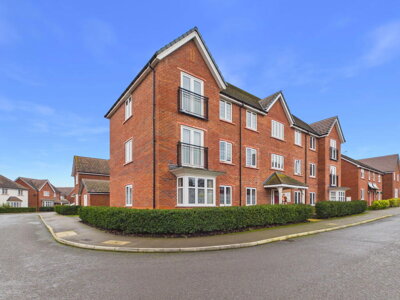
Browse 377 homes for sale in Powick, Malvern Hills from local estate agents.
£420k
23
1
122
Source: home.co.uk
Source: home.co.uk
Detached
9 listings
Avg £536,889
Barn Conversion
2 listings
Avg £675,000
Detached Bungalow
2 listings
Avg £597,500
End of Terrace
2 listings
Avg £320,000
Semi-Detached
2 listings
Avg £300,000
Apartment
1 listings
Avg £290,000
Bungalow
1 listings
Avg £750,000
Cottage
1 listings
Avg £230,000
Park Home
1 listings
Avg £197,000
Town House
1 listings
Avg £420,000
Source: home.co.uk
Source: home.co.uk
The Atherington property market presents a diverse range of options for prospective buyers, with prices reflecting the village's desirable rural location and the quality of housing stock available. As of February 2026, the average house price stands at £376,647, representing a 1.32% increase over the preceding twelve months. This steady growth indicates sustained demand for properties in this North Devon village, driven by buyers seeking countryside living combined with reasonable commuting connections to employment centres. Detached properties command the highest prices, with the average sitting at £471,000, while semi-detached homes offer more accessible entry points at around £315,000. These figures demonstrate the premium placed on space and privacy that characterises the rural North Devon market.
Terraced properties in Atherington typically fetch around £250,000, making them suitable options for first-time buyers or those seeking a smaller footprint with all the benefits of village life. Flats in the area average approximately £165,000, though this segment of the market tends to be smaller given the predominantly houses-and-cottages character of the village. The market composition reflects Atherington's traditional nature, with very few purpose-built flat developments in the immediate area. No active new-build developments were identified within the immediate EX31 postcode area, meaning that buyers seeking brand new properties may need to consider neighbouring towns or wider North Devon for such options.
The village's housing stock spans multiple eras, from historic farmhouses dating back centuries to well-maintained post-war properties. Many homes in the village centre feature traditional construction methods using local materials, reflecting the agricultural heritage of the area. The relative scarcity of properties coming to market, combined with consistent demand from buyers drawn to rural village life, creates a competitive environment where well-presented homes can command strong prices. Prospective buyers should expect to act decisively when a suitable property becomes available, as properties in villages like Atherington tend to attract interest quickly.

Life in Atherington offers a quintessentially English village experience, where the pace of life slows and community connections flourish. The parish had a population of 428 according to the 2011 Census, with 169 households, creating an intimate village atmosphere where neighbours often know one another by name. The community supports a range of local events and activities, with the historic St Mary's Church serving as both a place of worship and a venue for village gatherings. The local economy draws from agriculture, tourism, and small local businesses, with many residents choosing to commute to Barnstaple or other larger centres for employment while enjoying the tranquility of rural village life.
The surrounding North Devon countryside provides an abundance of recreational opportunities, with miles of footpaths, rolling farmland, and Areas of Outstanding Natural Beauty within easy reach. The village itself features traditional architecture that reflects its historical roots, with many properties constructed from local stone, cob, and brick under slate roofs. The predominant use of cob, a traditional Devon building material made from subsoil, straw, and water, gives many properties their distinctive character and solid construction. Atherington's position inland offers protection from coastal flooding while remaining within reasonable distance of Devon's beautiful beaches, giving residents the best of both worlds.
The village's location near the River Taw catchment area means that certain properties, particularly those adjacent to watercourses or in lower-lying fields, may face elevated flood risk during periods of intense rainfall. However, the majority of the village sits on slightly elevated ground, and the surrounding topography generally provides good natural drainage. Residents appreciate the sense of separation from busy tourist routes while maintaining easy access to the coast and moorland for days out. The village pub, located in a neighbouring community, serves as a popular gathering spot for evening meals and social occasions.

Understanding the traditional construction methods used throughout Atherington helps buyers appreciate the character of local properties and anticipate maintenance requirements. The predominant building material in this part of North Devon is cob, an earth-based construction material formed from a mixture of clay-rich subsoil, straw, and water. Cob walls are typically thick, often measuring 450-600mm in depth, providing excellent thermal mass that helps regulate indoor temperatures throughout the year. However, cob is permeable by nature and requires adequate protection from persistent rain, typically through solid render or stone facing.
Many properties in Atherington feature rendered external walls, often applied over original cob or brick construction. The render requires periodic maintenance, and buyers should look for signs of cracking, blistering, or areas where the render has become detached from the substrate beneath. Traditional lime-based renders allow the walls to breathe, which is essential for the long-term health of cob construction. Modern cement renders, while durable, can trap moisture within the wall structure and lead to deterioration over time. Our surveyors frequently identify render condition as an area requiring attention in older North Devon properties.
Roofing throughout the village predominantly uses natural slate, sourced historically from quarries in Wales and Cornwall, with some local slate also used. The structural framework typically consists of timber rafters and purlins, with traditional hand-cut timber being more common than modern machine-cut alternatives in older properties. Properties with original slate roofs may show signs of wear, including slipped or missing tiles, deterioration of lead flashing, and decay in timber fascias and soffits. Flat roof extensions, where present, often use felt or similar materials that have limited lifespan compared to pitched alternatives.
Transport connections from Atherington centre on road infrastructure, with the village positioned to take advantage of North Devon's main arterial routes. The A361, known as the North Devon Link Road, provides direct access to Junction 27 of the M5 motorway near Tiverton, connecting residents to the wider national motorway network and cities including Bristol, Exeter, and Birmingham. The journey to Barnstaple takes approximately 20 minutes by car, offering access to the widest range of employment, shopping, and leisure facilities in the region. Exeter, with its international airport and train station with services to London Paddington, is accessible within approximately one hour's drive.
Public transport options are more limited, reflecting the village's rural nature, but bus services connect Atherington to surrounding villages and towns for those without private vehicles. The Stagecoach bus network provides connections to Barnstaple and surrounding communities, though service frequencies are not as frequent as in urban areas. The nearest railway station is in Barnstaple, offering services on the Tarka Line to Exeter and beyond, with onward connections to the rest of the national rail network. For residents working remotely or running businesses from home, superfast broadband coverage continues to improve across North Devon, making rural living increasingly practical for knowledge economy workers. The village's position away from major congestion points means that daily commuting by car is generally stress-free, with easy access to the stunning landscapes of Exmoor National Park for weekend adventures.
Cyclists appreciate the quieter country lanes that connect Atherington to neighbouring villages, though the hilly terrain requires a reasonable fitness level for regular commuting by bicycle. The National Cycle Route 3 passes through nearby towns, providing longer-distance touring options for those who enjoy cycling for pleasure as well as transport. Walking to local amenities in the immediate vicinity is pleasant, with footpaths across farmland connecting the village to surrounding countryside. For family activities, the beach at Saunton is approximately 45 minutes away by car, while Exmoor National Park offers endless opportunities for walking, cycling, and wildlife observation.
Spend time exploring Atherington and surrounding villages to understand the local property market, community atmosphere, and proximity to amenities. Visit at different times of day and week to gauge noise levels, traffic patterns, and the general vibe of the neighbourhood. Speak with local residents if possible to gain insights into village life, seasonal considerations, and any planning issues that might affect your decision.
Contact a mortgage broker or lender to obtain an Agreement in Principle before making offers. This strengthens your position as a serious buyer and helps you understand your true budget, given that the average property in Atherington costs around £376,647. Brokers familiar with the North Devon market can advise on suitable products, including those accepting properties with non-standard construction such as cob buildings.
Work with local estate agents to arrange viewings of properties matching your criteria. Given limited stock in small villages like Atherington, be prepared to move quickly on properties that meet your requirements. Take photographs during viewings and revisit properties if you are seriously considering making an offer, ideally at different times of day and in varying weather conditions.
Arrange a RICS Level 2 Survey for any property you intend to purchase. Given Atherington's older housing stock, including cob and pre-1919 properties, a thorough survey is essential to identify any structural issues, damp problems, or timber defects before commitment. For listed buildings or particularly old properties, a more detailed RICS Level 3 Building Survey may be more appropriate.
Choose a conveyancing solicitor to handle the legal aspects of your purchase. They will conduct searches, review contracts, and manage the transfer of ownership through to completion. Local solicitors in Barnstaple often have experience with North Devon properties and can advise on specific local issues such as rights of way, drainage arrangements, and any conservation area restrictions.
Once all surveys, searches, and legal work are satisfactory, you will exchange contracts and pay your deposit. Completion typically follows within days or weeks, after which the keys are yours. At this point, arrange for building insurance to commence, notify utility companies of your moving date, and coordinate with removal firms.
Properties in Atherington, like much of rural North Devon, include a significant proportion of older buildings that present characteristic defects which our surveyors encounter regularly. Damp affects many traditional properties in this area, manifesting as rising damp where protective damp-proof courses have failed or were never installed, penetrating damp where render or roof elements have deteriorated, and condensation resulting from inadequate ventilation in solid-walled properties. The local geology, which includes areas with clay deposits, creates potential for shrink-swell movement that can affect foundations and lead to cracking in walls.
Timber defects represent another common concern in Atherington's older housing stock. Our inspectors frequently identify woodworm activity in structural timbers, particularly in roof voids where conditions are often damp and poorly ventilated. Both wet and dry rot can affect floorboards, joists, and structural elements, especially where moisture has been allowed to accumulate over time. Properties with original single-glazed windows and outdated heating systems often show signs of condensation-related timber decay in window frames and surround. Buyers should budget for potential remediation works identified during survey.
Roof conditions require careful assessment given the age of many properties. Slippage of slate tiles, deterioration of lead flashing at junctions and penetrations, and decay in timber fascias and soffits are commonly identified issues. Properties with dormer windows or complex roof shapes require particular attention as these features are prone to leaking if not properly maintained. Chimney stacks should be examined for stability, pointing condition, and the integrity of any flues still in use. Our RICS Level 2 Survey provides detailed assessment of all accessible roof elements and flags any areas requiring specialist investigation or immediate attention.
Property buyers considering Atherington should pay particular attention to construction type and age, given the prevalence of traditional buildings in the village. Many properties feature cob construction, which requires specific maintenance knowledge and can be susceptible to moisture-related issues if not properly cared for. Look for signs of damp, particularly rising damp in solid-walled properties, and ask about recent maintenance to external renders and traditional lime-based pointing. The local geology includes areas with clay deposits, which can present shrink-swell risk during periods of drought and heavy rainfall, potentially affecting foundations. A thorough RICS Level 2 Survey is strongly recommended to identify any structural concerns before purchase.
Flood risk should also factor into your decision-making process. While Atherington sits inland and avoids direct coastal exposure, its location within the River Taw catchment area means that properties near watercourses or in low-lying positions may face river or surface water flooding risk during periods of intense rainfall. Check the Environment Agency's flood risk maps for specific properties and consider whether buildings insurance premiums might be affected. The presence of listed buildings in the village also means that planning restrictions may apply to certain properties, particularly those in or near any conservation area, so always verify with the local planning authority whether consent is required for any planned alterations.
Electrical and plumbing systems in older properties warrant careful inspection. Many homes in Atherington will have undergone partial rewiring or plumbing upgrades over the years, but the presence of original consumer units, cloth-covered wiring, or galvanised water pipes indicates systems that require attention. Gas or oil heating systems should be checked for age and efficiency, with particular attention to any solid fuel appliances that may require maintenance or safety certification. Ask vendors for documentation of any works carried out, including building regulation approvals where required.
With many properties in Atherington built using traditional methods including cob construction and dating from the pre-1919 period, a professional RICS Level 2 Survey is essential before purchase. Our inspectors understand local construction types and can identify issues specific to North Devon properties that a generic survey might miss.
As of February 2026, the average property price in Atherington, North Devon, is £376,647. Detached properties average £471,000, semi-detached homes around £315,000, terraced properties £250,000, and flats approximately £165,000. Prices have increased by 1.32% over the past twelve months, indicating a stable and gradually growing market. The village attracts buyers seeking traditional character properties and rural lifestyles, with demand consistently outstripping supply given the limited number of properties typically available at any one time.
Properties in Atherington fall under North Devon District Council. Council tax bands range from A to H depending on property value and size, with Band A properties paying significantly less than Band H properties. A typical three-bedroom family home in Atherington might fall into Band C or D, while larger detached properties could be Band E or F. Contact North Devon District Council directly or check the Valuation Office Agency website to confirm the specific band for any property you are considering purchasing. Council tax payments fund local services including education, waste collection, and road maintenance.
Atherington itself is a small village, so families typically access primary education at schools in nearby villages and towns. The surrounding area offers a choice of primary schools rated Good or Outstanding by Ofsted, with schools in villages like Umberleigh and towns including Barnstaple serving local communities. Secondary education is available in Barnstaple, with several secondary schools offering comprehensive education, and grammar school provision available for those meeting academic criteria. School transport arrangements should be confirmed with North Devon District Council before committing to a purchase, as journey times from rural villages can be significant.
Public transport options in Atherington reflect its rural village setting, with limited bus services connecting to surrounding villages and towns. The Stagecoach network provides services linking Atherington to Barnstaple, where the nearest railway station offers Tarka Line services to Exeter and beyond. For daily commuting, a car is highly beneficial, with easy access to the A361 North Devon Link Road connecting to the M5 motorway at Tiverton within approximately 30 minutes. Remote workers can take advantage of improving broadband speeds, making rural living increasingly practical for those not dependent on daily commuting.
Atherington offers appeal for property investment due to its rural character, strong community spirit, and proximity to North Devon's tourist attractions and coastline. Property prices have shown steady growth, and demand from buyers seeking countryside living continues to support the market. Rental demand exists from commuters working in Barnstaple, remote workers seeking peaceful surroundings, and holidaymakers interested in self-catering accommodation. However, the village's small size means that rental opportunities are limited compared to larger towns, and investors should carefully assess demand before committing to a purchase.
Stamp Duty Land Tax applies to all property purchases in England. For properties purchased at the average price of £376,647, a typical buyer would pay 5% on the amount between £250,000 and £376,647, equating to approximately £6,332. First-time buyers may qualify for relief, paying 0% up to £425,000 on properties meeting eligibility criteria, with 5% on amounts between £425,000 and £625,000. Properties above £625,000 do not qualify for first-time buyer relief, and additional 3% surcharge applies for second properties. Always verify current rates with HMRC or your solicitor as thresholds can change between Budget statements.
Atherington contains several listed buildings, with St Mary's Church being a notable Grade I listed structure the village. Other properties within the village may be listed at Grade II or Grade II*, which means that any external or significant internal alterations require consent from North Devon District Council planning authority. Listed buildings often require specialist maintenance using traditional materials and methods, which can increase ongoing maintenance costs compared to unlisted properties. If you are considering purchasing a listed property, our surveyors can advise on the specific implications and whether a more detailed RICS Level 3 Building Survey would be appropriate.
From £350
A thorough inspection of the property condition, ideal for traditional homes in Atherington
From £500
Comprehensive survey for older, larger or complex properties
From £60
Energy performance certificate required for sale
From £499
Legal services for your property purchase
Understanding the full costs of purchasing property in Atherington is essential for budgeting effectively. Beyond the property price, buyers must account for Stamp Duty Land Tax, legal fees, survey costs, and moving expenses. As of the 2024-25 tax year, standard SDLT rates apply 0% on the first £250,000 of property value, 5% on the portion from £250,001 to £925,000, 10% up to £1.5 million, and 12% on any amount exceeding £1.5 million. For a property at the average Atherington price of £376,647, this results in SDLT of approximately £6,332 above the nil-rate band.
First-time buyers benefit from increased thresholds, paying 0% up to £425,000 and 5% on amounts between £425,001 and £625,000. Properties above £625,000 do not qualify for first-time buyer relief. Survey costs for a property in this price range typically fall between £500 and £700 for a comprehensive RICS Level 2 Survey, rising for larger or more complex properties. Legal and conveyancing costs generally start from around £499 for basic transactions, with additional disbursements for local authority searches, Land Registry fees, and bankruptcy checks. Always obtain detailed quotes from your solicitor before instruction to avoid unexpected charges.
Additional costs to factor into your budget include removals and storage if required, buildings insurance from the point of contract exchange, mortgage arrangement fees, and potential renovation costs identified during survey. Properties in Atherington, particularly those of traditional construction, may require ongoing investment in maintenance and upgrades, so setting aside a contingency fund is prudent. Mortgage valuation fees are typically charged by the lender but reflect a basic assessment rather than the comprehensive inspection provided by an independent RICS survey.
Properties for Sale In London

Properties for Sale In Plymouth

Properties for Sale In Liverpool

Properties for Sale In Glasgow

Properties for Sale In Sheffield

Properties for Sale In Edinburgh

Properties for Sale In Coventry

Properties for Sale In Bradford

Properties for Sale In Manchester

Properties for Sale In Birmingham

Properties for Sale In Bristol

Properties for Sale In Oxford

Properties for Sale In Leicester

Properties for Sale In Newcastle

Properties for Sale In Leeds

Properties for Sale In Southampton

Properties for Sale In Cardiff

Properties for Sale In Nottingham

Properties for Sale In Norwich

Properties for Sale In Brighton

Properties for Sale In Derby

Properties for Sale In Portsmouth

Properties for Sale In Northampton

Properties for Sale In Milton Keynes

Properties for Sale In Bournemouth

Properties for Sale In Bolton

Properties for Sale In Swansea

Properties for Sale In Swindon

Properties for Sale In Peterborough

Properties for Sale In Wolverhampton

Enter your details to see if this property is within your budget.
Loans, cards, car finance
Estimated property budget
Borrowing + deposit
You could borrow between
Typical borrowing
Monthly repayment
Est. at 4.5%
Loan-to-value
This is an estimate only. Your actual budget may vary depending on interest rates, credit history, and personal circumstances. For an accurate affordability assessment, speak to one of our free mortgage advisors.
This calculator provides estimates for illustrative purposes only and does not constitute financial advice. Your home may be repossessed if you do not keep up repayments on your mortgage. Estimates based on 4.5% interest rate, repayment mortgage. Actual rates depend on your circumstances.
Homemove is a trading name of HM Haus Group Ltd (Company No. 13873779, registered in England & Wales). Homemove Mortgages Ltd (Company No. 15947693) is an Appointed Representative of TMG Direct Limited, trading as TMG Mortgage Network, which is authorised and regulated by the Financial Conduct Authority (FRN 786245). Homemove Mortgages Ltd is entered on the FCA Register as an Appointed Representative (FRN 1022429). You can check registrations at NewRegister or by calling 0800 111 6768.

We use cookies to show you personalised content and improve your experience of our website. Find out more in our Privacy policy and Cookie policy.