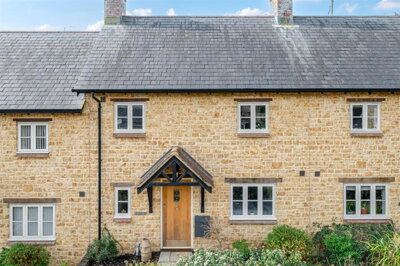
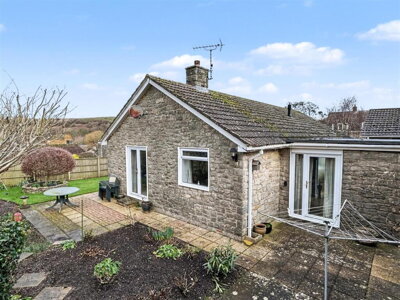
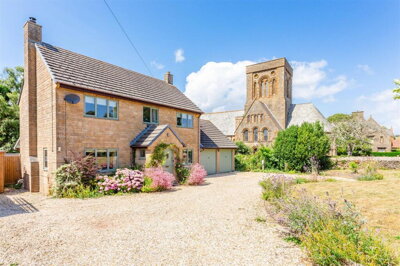
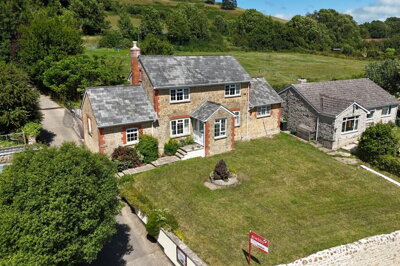
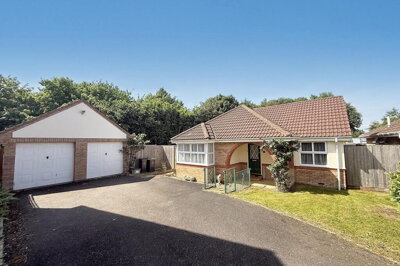
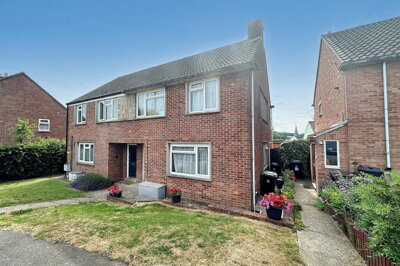
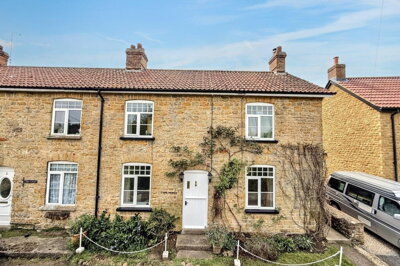
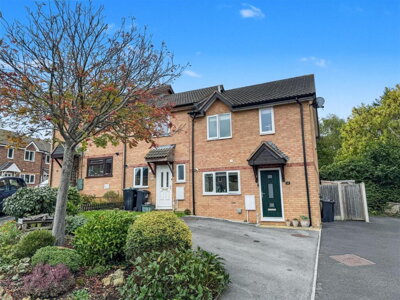
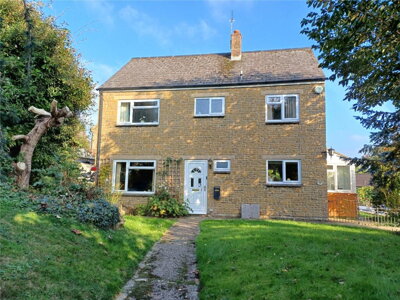
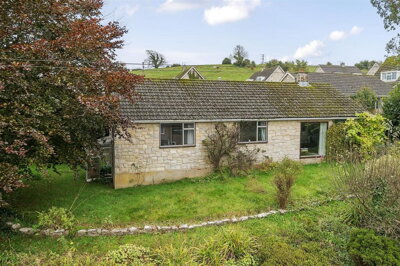
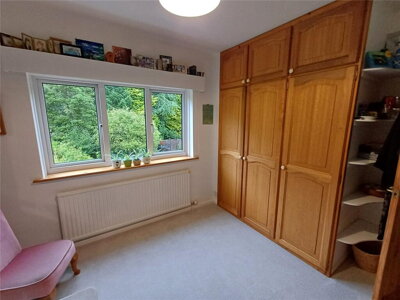
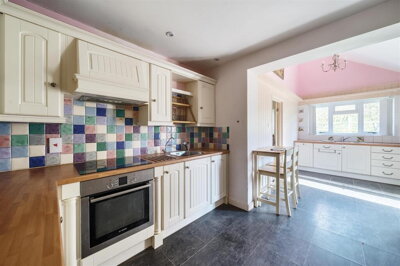
Browse 16 homes for sale in Powerstock, Dorset from local estate agents.
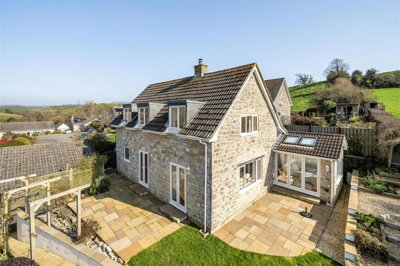
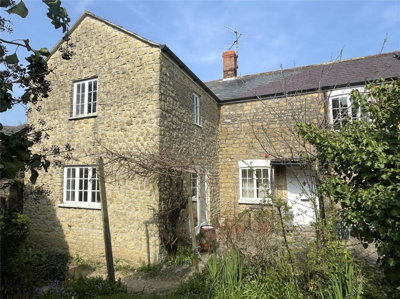
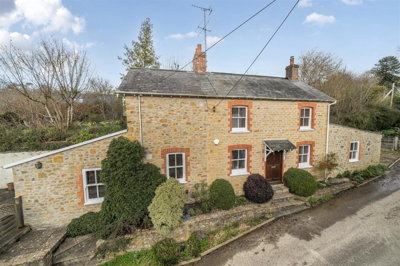
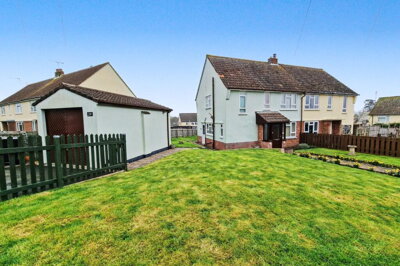
Three bedroom properties represent a significant portion of the Powerstock housing market, offering space for families with multiple reception rooms and gardens in many cases. Browse detached, semi-detached, and terraced options ranging from period character homes to contemporary developments.
£463k
2
0
23
Source: home.co.uk
Showing 2 results for 3 Bedroom Houses for sale in Powerstock, Dorset. The median asking price is £462,500.
Source: home.co.uk
Detached
1 listings
Avg £525,000
Semi-Detached
1 listings
Avg £400,000
Source: home.co.uk
Source: home.co.uk
The Powerstock property market is characterised by its limited supply and strong demand, with period properties commanding premium prices due to their rarity and the village's protected status. Recent sales data from the DT6 postcode area reveals significant price variation, ranging from £250,000 for traditional cottages such as Townsend Farm Cottage and 4 Townsend on Kings Lane, to over £4 million for substantial rural estates like Glebe Farm, which sold in September 2024. Mid-range properties typically fall between £400,000 and £725,000, with semi-detached cottages like 1 Knapp Cottages selling for £430,000 and detached period homes like Lindisfarne achieving £725,000 in 2021. Establishing a precise average house price is challenging due to the limited number of transactions, but these individual sales provide useful benchmarks for prospective buyers.
The nearby Burton Bradstock area provides useful comparable data, showing an average property price of £501,955 over the past year, representing a 7% decrease from the previous year and a 23% reduction from the 2021 peak of £649,909. These broader market trends suggest a cooling period that may present opportunities for buyers in Powerstock, though the village's unique character and limited supply typically support prices at a premium to surrounding areas. The Old Vicarage on DT6 3TE sold for £1,950,000 in July 2020, demonstrating the premium achievable for substantial period properties with historical significance. A property at Sort on DT6 3TQ achieved £1,639,000 in January 2017, further illustrating the value placed on character properties with land in this sought-after location.
Conservation area restrictions and the presence of Grade II Listed buildings significantly influence what buyers can do with their properties, making specialist surveys essential before purchase. Our listings include handsome Grade II Listed farmhouses, character cottages within the conservation area, and detached family homes set within generous gardens and grounds. The village's historic building stock is primarily constructed from local Hamstone and limestone, with rendered exteriors and traditional features that appeal to buyers seeking authentic Dorset character. Properties in Powerstock are predominantly freehold houses and cottages, with very few flats or apartments available in the village itself, reflecting the historical development pattern of this rural settlement.

Powerstock is a small but close-knit rural community where neighbours know each other and village life revolves around the seasons and local events. The village sits within the Powerstock Common and is surrounded by footpaths and bridleways that provide endless opportunities for walking, cycling, and enjoying the outstanding natural beauty of the Dorset Area of Outstanding Natural Beauty. The village pub serves as the social heart, offering local ale, good food, and a warm welcome to residents and visitors alike, while the historic St Mary's Church adds to the timeless atmosphere that makes Powerstock so special. The population is modest, reflecting the village's intimate scale, though the community punches above its weight in terms of cultural events, local initiatives, and environmental stewardship.
The local economy in Powerstock and surrounding West Dorset is built upon agriculture, tourism, and small local businesses, with many residents choosing to commute to nearby Bridport for work or to run their own enterprises from home. The nearby coast at West Bay and Bridport offers additional amenities, beaches, and recreational activities just a short drive away, giving residents the best of both worlds. The Powerstock Estate, a historic landed estate that includes many of the village's properties, plays a significant role in maintaining the village's rural character and managing the surrounding farmland and woodland. This stewardship approach has helped preserve the village's timeless appearance and community spirit for generations of residents.
The geological landscape around Powerstock reflects the characteristic West Dorset mix of chalk, greensand, and clay formations that create the rolling hills and valleys the region is famous for. This varied geology contributes to the fertility of the surrounding farmland and the distinctive character of local building materials, with many properties built using locally sourced stone that blends harmoniously with the landscape. The combination of rural tranquility, natural beauty, and community spirit makes Powerstock an exceptionally desirable place to call home for those seeking a slower pace of life without sacrificing access to modern amenities. Many residents work remotely or operate home-based businesses, taking advantage of the village's peaceful environment and the reliable internet connections now available in rural Dorset.

Families considering a move to Powerstock will find a selection of primary schools in the surrounding area, with the closest options located in nearby villages and towns that serve the wider rural community. Primary schools in the vicinity include St Mary's Catholic Primary School in Bridport, which provides faith-based education for younger children, while state primary schools in neighbouring villages offer excellent local education within the tight-knit communities they serve. Small class sizes at village primary schools allow for individual attention and strong pastoral care that parents often cite as a key advantage of rural schooling. The Ofsted ratings for schools in the Bridport area indicate good and outstanding provision across various key stages, giving parents confidence in local educational standards.
Secondary education options in the area include The Gryphon School in Bridport, a well-regarded comprehensive school that serves students from across the surrounding villages and has developed a strong reputation for academic achievement and extracurricular activities. For families seeking grammar school education, nearby towns may offer selective options, though transportation arrangements would need to be considered given Powerstock's rural location. Sixth form provision is available in Bridport, providing local options for older students who wish to remain in the area for their further education. Many families find that the quality of education available in the surrounding area more than compensates for the additional travel involved in reaching schools from this rural village location.
Early years childcare and preschool facilities are available in nearby villages, with many rural communities working together to provide essential services for young families. Parents should check current school admission policies and catchment area boundaries, as these can change and may differ from historical assumptions for this rural location. The admissions process for Dorset schools can be competitive, particularly for popular primary schools in nearby villages, so early registration is advisable. Transport options to schools include school bus services operated by Dorset Council, though routes and availability should be confirmed before purchasing a property in Powerstock.
Powerstock enjoys a peaceful rural setting while maintaining reasonable connectivity to the wider road network, with the A35 providing direct access to the major transport hubs of Exeter and Poole. The village sits approximately 3 miles from the market town of Bridport, where residents can access everyday amenities including supermarkets, independent shops, healthcare facilities, and a twice-weekly market that has been trading for centuries. Daily commuting by car to larger employment centres is feasible, though many residents choose to work remotely or operate home-based businesses, taking advantage of the village's peaceful environment. The A35 connects to the M27 motorway network via Southampton and Bournemouth, providing access to the wider south coast employment market.
Public transport options from Powerstock include bus services connecting the village to Bridport and surrounding villages, though frequency may be limited compared to urban areas, making a car virtually essential for most residents. The 31 and X53 bus routes serve the surrounding area, providing connections to Bridport, West Bay, and other coastal villages, though weekend and evening services are significantly reduced. The nearest railway stations are located in Dorchester and Crewkerne, offering mainline services to London Waterloo, Bristol, and Exeter, with journey times to the capital typically taking around 2.5 to 3 hours. Many residents who commute to London opt to drive to a more conveniently located station such as Bournemouth or Southampton Airport Parkway for shorter journey times.
Cycling is a popular option for shorter journeys, with the surrounding countryside offering both challenging hill routes and more leisurely lanes that showcase the best of Dorset's scenery. The county's developing cycle network and the popularity of cycling tourism in Dorset mean that residents can often combine commuting with recreation. For air travel, Bournemouth Airport provides a range of domestic and European flights, while Southampton Airport and Exeter Airport offer additional options for longer-haul destinations. The village's position within the Dorset AONB means that walking and cycling routes are well-maintained and signposted, making active travel a practical option for local journeys.
Before starting your property search, take time to understand what makes Powerstock unique. Visit at different times of day and week, speak to residents, and explore the walking routes and local amenities. Understanding the conservation area restrictions and listed building implications will help you make an informed decision about whether the village suits your lifestyle and property aspirations. Many properties in Powerstock are constructed from local Hamstone or limestone, so familiarising yourself with traditional building methods will help you assess property condition during viewings.
Contact a mortgage broker to arrange an Agreement in Principle before viewing properties. Given the varied price points in Powerstock, from £250,000 cottages to multi-million-pound estates, knowing your exact budget will help you focus your search on realistic options. Having your mortgage finance approved in principle also strengthens your position when making an offer on a sought-after village property. Some buyers in this price range may benefit from specialist lenders who understand the complexities of lending on period and listed properties in conservation areas.
Work with local estate agents who know the Powerstock market intimately. View multiple properties to understand the range available, paying attention to construction materials, condition, and any planning restrictions. Consider commissioning preliminary searches on properties that interest you before committing to a full survey. The limited supply of properties in Powerstock means that when a suitable property does come to market, quick action is often required, making prior preparation essential.
Given that most Powerstock properties are period cottages or historic farmhouses, a RICS Level 2 Survey is essential to identify common defects in older properties. These may include damp issues, roof condition concerns, timber defects, and potential subsidence risks associated with local clay geology. For Grade II Listed properties, consider a more comprehensive Level 3 Survey that provides detailed analysis of construction and appropriate repair methods. Our inspectors have extensive experience surveying period properties in West Dorset and understand the specific issues affecting properties built with traditional materials and methods.
Choose a solicitor with experience in rural and listed properties to handle the legal aspects of your purchase. They will manage local authority searches, check for planning restrictions, and ensure all necessary consents are in place for any properties within the conservation area. Exchange and completion can then proceed smoothly toward your new home in Powerstock. Specialist conveyancers understand the additional checks required for listed buildings and conservation area properties, including the implications of any works that may have been carried out without necessary consents.
Properties in Powerstock require careful scrutiny due to their age and traditional construction methods, with buyers needing to understand the implications of owning a period cottage or listed building in a conservation area. Common issues in older West Dorset properties include damp, which can affect solid-wall construction without modern damp-proof courses, and roof problems arising from traditional timber structures and heritage roofing materials. Electrical and plumbing systems in historic properties often require updating to meet current standards, so budgeting for these potential works is essential before purchase. The prevalence of period properties in Powerstock means that most homes will have some character features that require ongoing maintenance and care.
The local geology presents potential shrink-swell risks associated with clay soils common in parts of West Dorset, which can affect properties with shallow foundations. While specific flood risk data for Powerstock was limited, surface water flooding from local watercourses should be considered, and appropriate surveys can identify any history of water ingress or drainage issues. Properties situated near the Powerstock Common may have different foundation requirements due to the underlying ground conditions. A thorough survey will check for signs of movement, cracking, or other indicators of subsidence or heave that may require attention.
Planning restrictions in the conservation area and Listed Building Consent requirements for Grade II properties mean that renovation and extension plans may be subject to stricter controls than in non-protected areas. Buyers should factor in the additional time and cost required for any works requiring consent, and should understand that mortgage lenders may have specific requirements for older properties. The presence of local stone construction, typically Hamstone or limestone, requires understanding of traditional maintenance approaches that preserve the character of the property while ensuring structural integrity. Service charges and maintenance arrangements for shared facilities, while less common in this village setting, should still be verified where applicable. A RICS Level 2 Survey from our team will identify any potential issues and provide guidance on the maintenance requirements specific to properties of this age and construction type.
Establishing a precise average house price in Powerstock is challenging due to the limited number of transactions in this small village. Recent sales range from approximately £250,000 for traditional cottages like Townsend Farm Cottage to over £4 million for substantial rural estates such as Glebe Farm, which sold in September 2024. Mid-range period properties typically sell between £400,000 and £725,000, with comparable data from nearby Burton Bradstock showing an average price of £501,955 over the past year. Properties in Powerstock command a premium due to their rarity, conservation area status, and the village's sought-after location within the Dorset AONB.
Properties in Powerstock fall under Dorset Council's jurisdiction, with council tax bands ranging from A to H depending on the property's value and type. Most traditional cottages and smaller period properties typically fall into bands A to D, while larger detached homes and farmhouses may be in higher bands. The DT6 postcode area includes properties across all bands, reflecting the variety from modest cottages to substantial rural estates. Prospective buyers should check specific properties on the Valuation Office Agency website or request band information during the conveyancing process, as council tax forms a significant part of ongoing ownership costs.
Primary schools in nearby villages serve the Powerstock community, with small class sizes and strong community connections being notable advantages of rural education in this area. The Gryphon School in Bridport provides secondary education for the area and maintains a good reputation for academic standards and student achievement. Families should verify current catchment areas and admission policies, as these can change and may differ from historical assumptions for this rural location. The quality of local education is generally high, with Ofsted ratings for schools in the Bridport area indicating good and outstanding provision across various key stages.
Public transport options in Powerstock are limited, with bus services connecting the village to Bridport and surrounding areas, though frequencies may not suit those dependent on public transport for daily commuting. The nearest railway stations are in Dorchester and Crewkerne, providing mainline services to London Waterloo and other major destinations, though journey times of 2.5 to 3 hours to the capital mean that most residents who commute by train drive to more convenient stations. Most residents find that a car is essential for daily life in this rural village, though the village is well-positioned for access to the A35 for journeys further afield.
Powerstock's property market benefits from consistent demand driven by the village's unique combination of rural charm, conservation status, and proximity to the Dorset coast. Properties rarely come to market, creating supply constraints that typically support prices over time. The area appeals to buyers seeking a peaceful lifestyle investment, with strong potential for rental income if properties are let as holiday cottages given Dorset's tourism popularity. However, conservation restrictions and the age of the housing stock mean that property management requires careful consideration, and investors should budget for the higher maintenance costs associated with period properties.
Stamp duty rates for 2024-25 apply 0% on the first £250,000 of residential property purchases, 5% on the portion from £250,001 to £925,000, 10% from £925,001 to £1.5 million, and 12% on amounts exceeding £1.5 million. First-time buyers benefit from relief on the first £425,000, with 5% applying between £425,001 and £625,000, though no relief is available above £625,000. For a typical Powerstock cottage at £430,000, a standard buyer would pay £9,000 in stamp duty, calculated as 5% on the £180,000 above the £250,000 threshold. A first-time buyer purchasing the same property would pay just £250, as the first £425,000 is tax-free under first-time buyer relief.
Understanding the full cost of purchasing property in Powerstock requires budgeting beyond the advertised price, with stamp duty land tax forming a significant element of the total purchase cost. For a typical Powerstock cottage priced at £430,000, a standard buyer would pay £9,000 in stamp duty, calculated as 5% on £180,000 above the £250,000 threshold. First-time buyers would benefit from relief, paying just £250 on the same property, as the first £425,000 is tax-free for those meeting first-time buyer criteria. Higher value properties, such as the substantial period farmhouses that occasionally come to market, would attract additional rates on portions exceeding £925,000 and £1.5 million.
Additional buying costs include solicitor fees for conveyancing, which typically range from £800 to £2,500 depending on the complexity of the transaction and whether the property is freehold or leasehold. Survey costs should be budgeted at £400 to £1,000 for a RICS Level 2 Survey, which is particularly important for older Powerstock properties where defects may not be immediately apparent. Mortgage arrangement fees, valuation fees, and broker costs can add another £1,000 to £2,000 to your total expenditure. Given the prevalence of listed buildings and conservation area properties in Powerstock, additional legal work may be required, so budget accordingly.
Ongoing costs after purchase include council tax, which varies by property band in the DT6 postcode area, along with buildings and contents insurance, utility bills, and maintenance costs that may be higher for period properties. Energy efficiency improvements in older cottages can reduce utility costs over time, and should be considered alongside any renovation plans for properties that may have solid walls without modern insulation. Setting aside a contingency fund equivalent to at least 10% of the purchase price is advisable to cover unexpected repairs or improvements that period properties frequently require. Many buyers find that the additional costs of maintaining a character property are offset by the lifestyle benefits of living in this beautiful conservation village.
From £400
Recommended for most Powerstock properties including period cottages and listed buildings
From £600
Comprehensive survey for older or listed properties
From £80
Energy performance certificate for your property
From £499
Expert solicitors for property transactions
Properties for Sale In London

Properties for Sale In Plymouth

Properties for Sale In Liverpool

Properties for Sale In Glasgow

Properties for Sale In Sheffield

Properties for Sale In Edinburgh

Properties for Sale In Coventry

Properties for Sale In Bradford

Properties for Sale In Manchester

Properties for Sale In Birmingham

Properties for Sale In Bristol

Properties for Sale In Oxford

Properties for Sale In Leicester

Properties for Sale In Newcastle

Properties for Sale In Leeds

Properties for Sale In Southampton

Properties for Sale In Cardiff

Properties for Sale In Nottingham

Properties for Sale In Norwich

Properties for Sale In Brighton

Properties for Sale In Derby

Properties for Sale In Portsmouth

Properties for Sale In Northampton

Properties for Sale In Milton Keynes

Properties for Sale In Bournemouth

Properties for Sale In Bolton

Properties for Sale In Swansea

Properties for Sale In Swindon

Properties for Sale In Peterborough

Properties for Sale In Wolverhampton

Enter your details to see if this property is within your budget.
Loans, cards, car finance
Estimated property budget
Borrowing + deposit
You could borrow between
Typical borrowing
Monthly repayment
Est. at 4.5%
Loan-to-value
This is an estimate only. Your actual budget may vary depending on interest rates, credit history, and personal circumstances. For an accurate affordability assessment, speak to one of our free mortgage advisors.
This calculator provides estimates for illustrative purposes only and does not constitute financial advice. Your home may be repossessed if you do not keep up repayments on your mortgage. Estimates based on 4.5% interest rate, repayment mortgage. Actual rates depend on your circumstances.
Homemove is a trading name of HM Haus Group Ltd (Company No. 13873779, registered in England & Wales). Homemove Mortgages Ltd (Company No. 15947693) is an Appointed Representative of TMG Direct Limited, trading as TMG Mortgage Network, which is authorised and regulated by the Financial Conduct Authority (FRN 786245). Homemove Mortgages Ltd is entered on the FCA Register as an Appointed Representative (FRN 1022429). You can check registrations at NewRegister or by calling 0800 111 6768.

We use cookies to show you personalised content and improve your experience of our website. Find out more in our Privacy policy and Cookie policy.