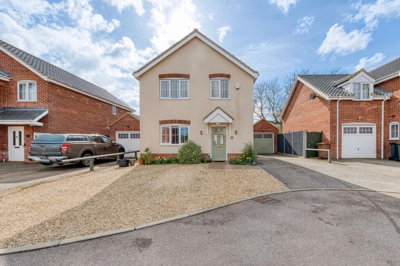
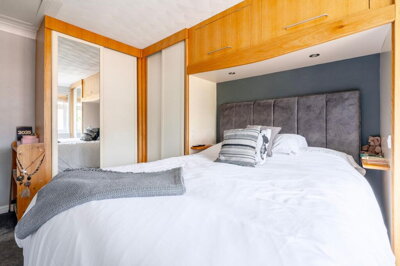
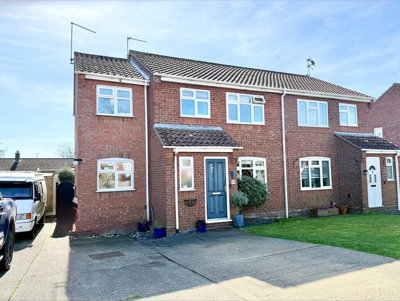
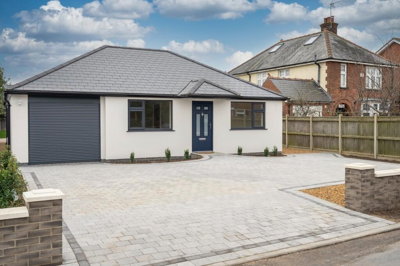
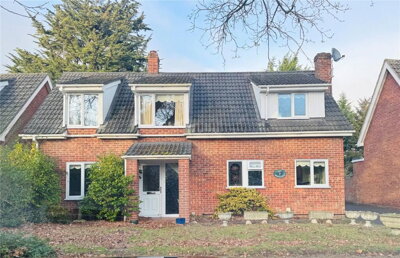
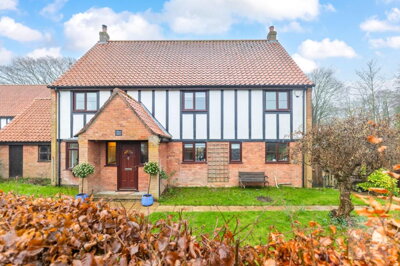
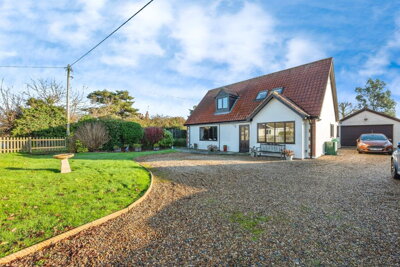
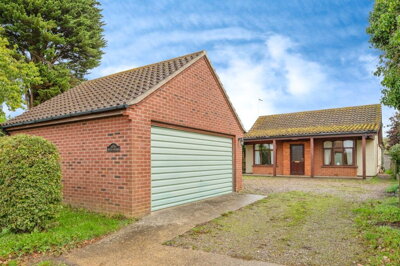
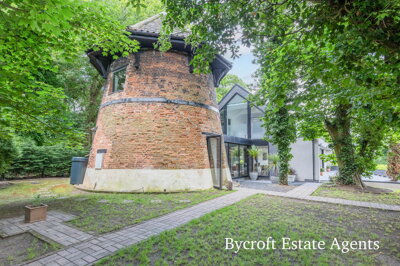
Browse 9 homes for sale in Potter Heigham from local estate agents.
The larger property sector typically features multiple bathrooms, substantial reception space, and private gardens or off-street parking. Four bedroom houses in Potter Heigham span detached, semi-detached, and occasionally terraced configurations, with styles ranging from period properties to modern executive homes.
The Potter Heigham property market centres predominantly on detached homes, which dominate sales activity in the parish. Analysis of recent transactions shows 108 detached properties sold since 2018, compared to 26 semi-detached homes and just 13 terraced properties. This housing stock reflects the village's rural character and the popularity of larger homes with gardens, particularly those offering views across the Broads or proximity to the river. Detached properties command an average price of £325,780, while semi-detached homes average £238,000 and terraced properties average £282,500, according to Rightmove data from the past twelve months.
Price trends in Potter Heigham show interesting patterns that buyers should understand. Historical sold prices over the last year were 12% up on the previous year, according to Rightmove, though they remain 15% down on the 2023 peak of £355,274. This moderation from the peak presents opportunities for buyers entering the market now. Plumplot data indicates 12 recorded sales in 2024 with an average price of £261,000, while 2025 saw 5 recorded sales with a higher average of £371,500, suggesting continued market activity. Flats in the village remain rare, with limited sales data showing prices around £85,000 for the few units that have changed hands since 2018. The market lacks significant new-build development within the immediate postcode area, meaning most properties are established homes with character and history.

Potter Heigham offers a distinctive lifestyle rooted in Norfolk's waterways and rural heritage. As part of the Norfolk Broads, the village attracts visitors drawn to sailing, fishing, and birdwatching opportunities that the surrounding wetlands provide. The River Thurne flows through the village, with Potter Heigham Bridge serving as both a practical crossing and a beloved local landmark. This medieval bridge, Grade II* listed and a Scheduled Ancient Monument, dates back centuries and serves as a reminder of the village's long history. The presence of the Thurne Mickey navigation further connects the village to Broads' boating tradition, making it a natural base for water sports enthusiasts.
The village supports everyday needs through local facilities including a village shop, traditional pub, and tea rooms. The Broads Authority has a notable presence in the area, managing the delicate balance between conservation and public access that characterises this protected landscape. Tourism forms a significant part of the local economy, with visitors flocking to enjoy the network of waterways, nature trails, and the distinctive landscape of low-lying marshland. However, this economic factor brings challenges, as community leaders have expressed concern about the growth of second homes and holiday lets. Evidence suggests this trend is causing Potter Heigham's resident population to shrink, which could eventually impact local services and community facilities that permanent residents depend upon.
The close-knit nature of the village means that new residents are quickly integrated into community life. Local events, from village hall gatherings to waterside activities, provide regular opportunities to meet neighbours and become part of the fabric of this distinctive Broads community. The slower pace of life here appeals particularly to those seeking an escape from urban pressures, while still maintaining reasonable access to larger towns for work, shopping, and entertainment. For families, the sense of community can be particularly valuable, with local children often forming friendships that last through their school years.
Families considering a move to Potter Heigham will find educational options within reasonable travelling distance. The village falls within the Norfolk local education authority, which oversees a network of primary and secondary schools across the district. Primary-aged children typically attend schools in nearby villages or towns, with the closest options located in surrounding Broads communities. Secondary education is generally provided in larger settlements such as Great Yarmouth or the market towns of the North Norfolk coast, requiring daily transportation arrangements for families with school-age children.
For those seeking alternative educational approaches, the surrounding area offers various options including faith schools and establishments with particular educational philosophies. Sixth form and further education opportunities are concentrated in larger towns, meaning families should factor commuting arrangements into their decision-making process. The presence of the Broads Authority in the region also creates unique environmental and outdoor learning opportunities that schools sometimes incorporate into their curriculum, giving children valuable exposure to conservation, wildlife, and waterway management. Parents should always verify current school performance data and catchment area boundaries directly with Norfolk County Council, as these can change and may influence which schools children can access from Potter Heigham.
Transport to schools from Potter Heigham typically requires car travel, particularly for secondary pupils attending schools in Great Yarmouth or other towns. Several families in the village share transport arrangements, creating informal car-pooling networks that help reduce the burden of school runs. For younger children, the primary school options in nearby villages such as Hemsby or Caister-on-Sea may be accessible, though parents should check current admission policies as catchment areas can be competitive during peak enrollment periods.
Transport connectivity in Potter Heigham reflects its rural village character, with road travel forming the primary means of access. The village sits near the A149 coastal road, providing connections to Great Yarmouth to the east and the charming towns of the North Norfolk coast including Cromer and Sheringham to the west. Norwich, Norfolk's principal city, lies approximately 20 miles to the south-west and can be reached via a combination of A-roads through the Broads landscape. The journey time by car to Norwich city centre typically takes around 40-45 minutes under normal traffic conditions, making day trips and city amenities accessible for residents.
Public transport options are limited compared to urban areas, as expected for a village of Potter Heigham's size. Bus services connect the village to surrounding communities and market towns, though frequencies are typically reduced compared to urban routes. Rail services are available in larger nearby towns, with Norwich offering direct connections to London Liverpool Street, with journey times of approximately two hours. For commuters working in Norwich or Great Yarmouth, car travel remains the most practical option for daily work journeys. Cyclists can enjoy the flatter terrain of the Broads landscape, though the network of rural lanes requires appropriate care and awareness of agricultural traffic. Parking in the village itself is generally straightforward, a significant advantage over more congested coastal locations.
For those who work remotely or have flexible working arrangements, Potter Heigham's connectivity is generally adequate. The A47 provides a faster route to Norwich for those who need to travel occasionally to the city, bypassing some of the slower roads through the Broads. Local broadband services have improved in recent years, though speeds can vary depending on the exact location within the village, with some properties near the river potentially experiencing slower connections than those closer to the village centre.
Start by exploring current listings on Homemove to understand what properties are available in Potter Heigham. With average prices around £293,000-£302,000, review the difference between detached homes averaging £325,780 and smaller terraced options around £282,500. Understanding the market before viewings helps you make informed decisions quickly. Consider registering with local estate agents who operate in the Broads area, as some properties may be marketed exclusively through individual agencies rather than major portals.
Before arranging viewings, contact lenders to obtain a mortgage agreement in principle. Having this documentation strengthens your position when making offers and demonstrates to sellers that you are a serious buyer with financing already considered. Several competitive mortgage products are available for properties in this price range. Speak to a mortgage broker who understands the local market, as they may identify products suited to older properties or those in flood risk areas that some mainstream lenders view more cautiously.
Visit properties that match your requirements, paying particular attention to the property's position relative to flood risk areas. Given Potter Heigham's location within the Norfolk Broads and proximity to the River Thurne, understanding flood risk for any specific property is essential. Take notes on the condition of properties and ask questions about recent maintenance and any history of flooding. Properties near the river or in low-lying areas of the village may have different insurance considerations that should be explored before committing.
Once your offer is accepted, arrange a RICS Level 2 Home Survey before proceeding to exchange contracts. This inspection, typically costing between £400-800 depending on property size and value, identifies any defects or structural concerns. Given the age of many properties in Potter Heigham and the presence of listed buildings, a thorough survey provides valuable protection for your investment. We work with qualified surveyors who understand the specific construction methods found in traditional Broads properties.
Appoint a solicitor with experience in rural Norfolk properties to handle the legal aspects of your purchase. They will conduct searches, review the title, and manage the transfer of funds. Local knowledge of the Broads Authority requirements and any planning restrictions in this protected landscape can be particularly valuable. Your solicitor should investigate any flood risk assessments, environmental reports, and any rights of access that may affect the property.
Once all searches are satisfactory and your solicitor is ready, you will exchange contracts and pay your deposit. Completion typically follows shortly after, when the remaining funds are transferred and you receive the keys to your new Potter Heigham home. At this stage, ensure your buildings insurance is in place, as this is typically required from the point of completion onwards.
Flood risk represents the most significant environmental consideration for anyone purchasing property in Potter Heigham. The village sits adjacent to the River Thurne, and the Environment Agency has issued flood warnings and alerts for the area, with high water levels expected during periods of heavy rainfall and tidal surges. The Broads Authority mapping shows parts of Potter Heigham fall within high flood risk zones 2 and 3, meaning insurance costs and property resilience measures should factor into your budget. Properties near the river or in low-lying areas may require flood resilience features such as raised electrical sockets, non-return valves for drains, and flood-resistant building materials. Always request information about any historical flooding when viewing properties.
The presence of listed buildings throughout Potter Heigham means that many properties fall within conservation considerations. The village features numerous Grade I, II*, and II listed structures including the Church of St Nicholas, Potter Heigham Bridge, and several historic farmhouses and mills. If you are considering a listed property, be aware that any alterations or extensions will require consent from the Broads Authority or Historic England. Building materials and maintenance approaches may be specified to preserve the character of these heritage assets. Listed status does not prevent purchase or occupation but does create additional responsibilities and considerations that your solicitor should explain clearly.
Understanding the tenure of properties is essential before committing to a purchase. While most detached and terraced properties in Potter Heigham are likely freehold, flats and some newer developments may be leasehold with associated ground rent and service charges. Verify the remaining lease term and any escalation clauses in the documentation your solicitor provides. Properties with large gardens or waterside access may have additional maintenance responsibilities or shared arrangements with neighbouring owners that should be documented clearly.

The average sold house price in Potter Heigham is approximately £293,450 according to Zoopla data from the last twelve months, while Rightmove reports £302,453. Property types vary significantly in value, with detached homes averaging £325,780, terraced properties around £282,500, and semi-detached homes at approximately £238,000. Prices have shown stability with a minimal 0.1% fall reported by OnTheMarket, though they remain below the 2023 peak of £355,274. First-time buyers will find that most properties in the village fall within accessible price brackets compared to coastal locations elsewhere in Norfolk.
Properties in Potter Heigham fall within the North Norfolk District Council jurisdiction. Council tax bands are assigned based on property value and range from Band A for the lowest-valued homes to Band H for the most expensive properties. Most detached homes in the village typically fall within bands C to E, while smaller terraced properties may be in bands A to C. You can verify the specific band for any property through the Valuation Office Agency website using the property address. Council tax rates in North Norfolk are generally competitive compared to some neighbouring districts, though prospective buyers should check current charges with the local authority.
Potter Heigham is a small village without its own primary school, so families typically travel to nearby villages or towns for educational provision. Secondary schools are located in larger settlements such as Great Yarmouth, with many families arranging transport for daily commutes. The surrounding area offers various educational options including faith schools and alternative approaches. Parents should check current Ofsted ratings and admission criteria with Norfolk County Council, as catchment areas determine which schools children can access from Potter Heigham. Some families choose to relocate specifically to access particular school catchments, so understanding these boundaries before purchasing is advisable.
Public transport options in Potter Heigham reflect its rural village character, with bus services providing connections to surrounding communities and market towns, though frequencies are lower than in urban areas. The nearest railway stations are located in larger towns, with Norwich offering direct services to London Liverpool Street in approximately two hours. Most residents rely on car travel for daily commuting, with the A149 providing access to Great Yarmouth and the North Norfolk coast. Cyclists benefit from the flat terrain of the Broads landscape, though should use appropriate care on rural lanes where agricultural vehicles are common.
Potter Heigham offers a unique proposition for property investment, combining the appeal of the Norfolk Broads with relatively accessible pricing compared to coastal hotspots. The village's rural character and waterside location attract holidaymakers, making some properties suitable for holiday let investments. However, buyers should be aware of the impact of second homes on the permanent resident population and any local policy responses to this issue. Flood risk is a genuine consideration that affects insurance costs and property values, and anyone considering investment should factor this carefully. Properties with good flood resilience measures and those in lower-risk positions may prove more stable investments over the longer term.
Stamp duty land tax applies to all property purchases in England, with current thresholds starting at 0% for properties up to £250,000. For homes between £250,001 and £925,000, the rate is 5%, rising to 10% for the portion between £925,001 and £1.5 million. First-time buyers benefit from increased thresholds, paying 0% up to £425,000 and 5% between £425,001 and £625,000. Most properties in Potter Heigham, with average prices around £293,000-£325,000 for detached homes, fall within the lower tax brackets, making them relatively affordable in stamp duty terms compared to properties in more expensive regions.
Yes, flood risk is a significant consideration when buying in Potter Heigham. The village sits within the Norfolk Broads and is adjacent to the River Thurne, which means certain areas face higher flood risk, particularly during periods of heavy rainfall or tidal surges. The Environment Agency designates parts of Potter Heigham within flood zones 2 and 3, and properties in these areas may face higher insurance premiums or require specific flood resilience measures. When viewing properties, ask about any history of flooding, check the property's position relative to known flood risk areas, and consider commissioning a detailed flood risk assessment as part of your due diligence. Properties with established flood resilience features may prove more attractive to lenders and insurers.
The Potter Heigham property market is dominated by detached homes, which account for the majority of sales in the parish. Sales data since 2018 shows 108 detached properties sold, compared to 26 semi-detached homes and just 13 terraced properties. Flats are particularly rare, with only one recorded sale since 2018. Most properties in the village are traditional older homes, often built with brick, flint, or traditional timber methods characteristic of the Broads. The scarcity of flats means that single buyers or couples seeking smaller properties may face limited options. New-build developments within the immediate area are virtually non-existent, so buyers seeking modern specifications may need to look at neighbouring villages or accept that most properties will require some degree of modernisation.
First-time buyer and remortgage options available for Potter Heigham properties
From 4.5%
Expert solicitors handling rural Norfolk property transactions
From £499
Essential inspection for older Broads properties before purchase
From £380
Energy performance certificate for Potter Heigham homes
From £60
Understanding the full cost of purchasing property in Potter Heigham extends beyond the advertised asking price. Stamp duty land tax represents a significant consideration for all buyers, though the relatively moderate price points in this village work in purchasers' favour. For standard buyers purchasing a detached home averaging £325,780, stamp duty would be calculated at 5% on the amount above £250,000, resulting in a charge of approximately £3,789. First-time buyers purchasing properties up to £425,000 would pay no stamp duty at all on most homes in this village, representing a meaningful saving.
Beyond stamp duty, buyers should budget for additional costs including solicitor fees, survey charges, and mortgage arrangement fees. Conveyancing for a Potter Heigham property typically starts from around £499 for standard transactions, though complex purchases involving listed buildings or unusual tenure arrangements may cost more. A RICS Level 2 survey, essential for identifying defects in older properties common to this village, generally costs between £380 and £629 depending on property size and value. Properties in Potter Heigham, particularly those of traditional Broads construction with timber elements or near the river, benefit particularly from thorough surveys that can identify damp, structural movement, or flood damage. Mortgage arrangement fees vary by lender but typically range from zero to £2,000, and should be factored into your comparison of different mortgage products. Buildings insurance must be in place from the point of completion, while contents cover is optional but recommended for protecting your belongings in your new home.
Properties for Sale In London

Properties for Sale In Plymouth

Properties for Sale In Liverpool

Properties for Sale In Glasgow

Properties for Sale In Sheffield

Properties for Sale In Edinburgh

Properties for Sale In Coventry

Properties for Sale In Bradford

Properties for Sale In Manchester

Properties for Sale In Birmingham

Properties for Sale In Bristol

Properties for Sale In Oxford

Properties for Sale In Leicester

Properties for Sale In Newcastle

Properties for Sale In Leeds

Properties for Sale In Southampton

Properties for Sale In Cardiff

Properties for Sale In Nottingham

Properties for Sale In Norwich

Properties for Sale In Brighton

Properties for Sale In Derby

Properties for Sale In Portsmouth

Properties for Sale In Northampton

Properties for Sale In Milton Keynes

Properties for Sale In Bournemouth

Properties for Sale In Bolton

Properties for Sale In Swansea

Properties for Sale In Swindon

Properties for Sale In Peterborough

Properties for Sale In Wolverhampton

Enter your details to see if this property is within your budget.
Loans, cards, car finance
Estimated property budget
Borrowing + deposit
You could borrow between
Typical borrowing
Monthly repayment
Est. at 4.5%
Loan-to-value
This is an estimate only. Your actual budget may vary depending on interest rates, credit history, and personal circumstances. For an accurate affordability assessment, speak to one of our free mortgage advisors.
This calculator provides estimates for illustrative purposes only and does not constitute financial advice. Your home may be repossessed if you do not keep up repayments on your mortgage. Estimates based on 4.5% interest rate, repayment mortgage. Actual rates depend on your circumstances.
Homemove is a trading name of HM Haus Group Ltd (Company No. 13873779, registered in England & Wales). Homemove Mortgages Ltd (Company No. 15947693) is an Appointed Representative of TMG Direct Limited, trading as TMG Mortgage Network, which is authorised and regulated by the Financial Conduct Authority (FRN 786245). Homemove Mortgages Ltd is entered on the FCA Register as an Appointed Representative (FRN 1022429). You can check registrations at NewRegister or by calling 0800 111 6768.

We use cookies to show you personalised content and improve your experience of our website. Find out more in our Privacy policy and Cookie policy.