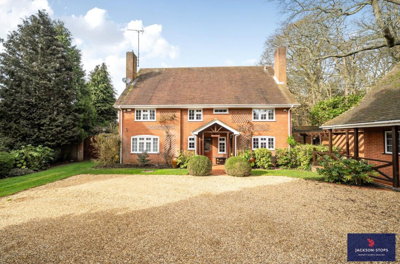
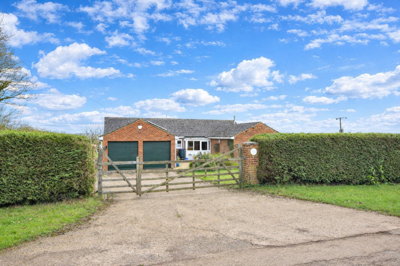
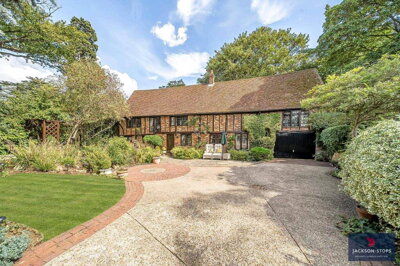
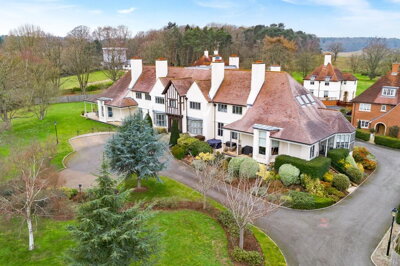
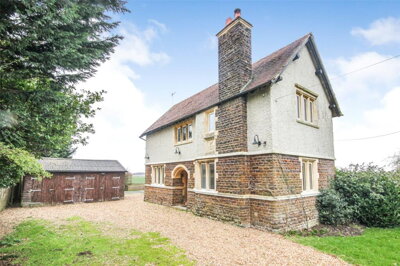
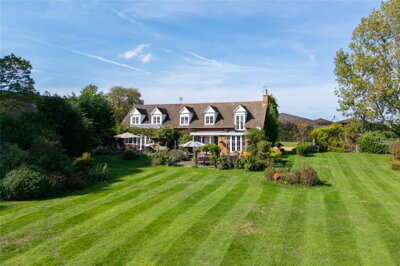
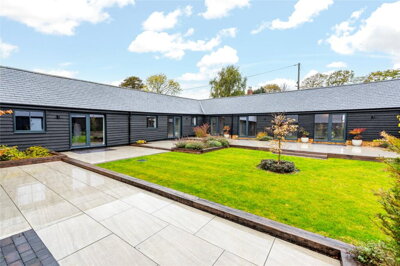
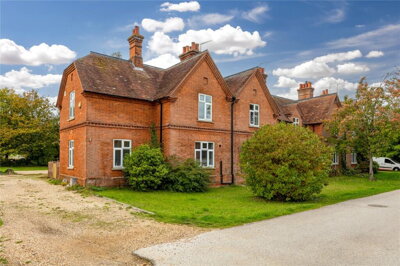
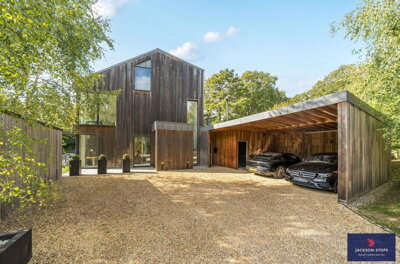
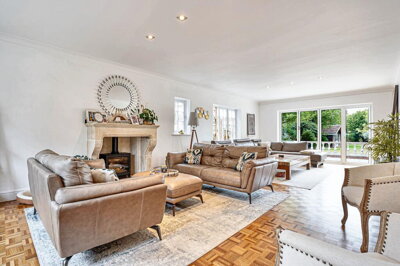
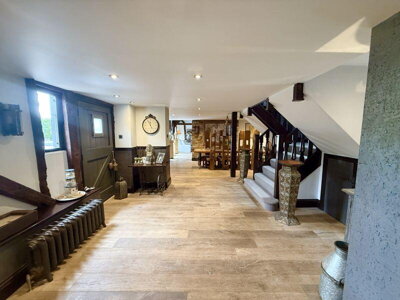
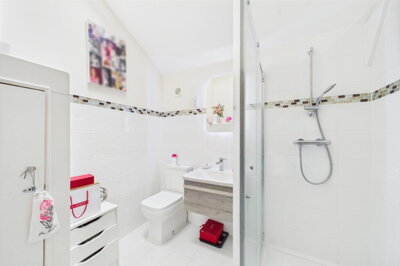
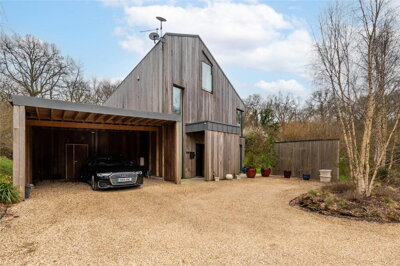
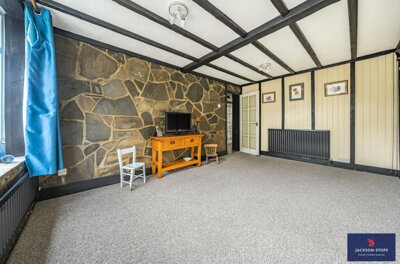
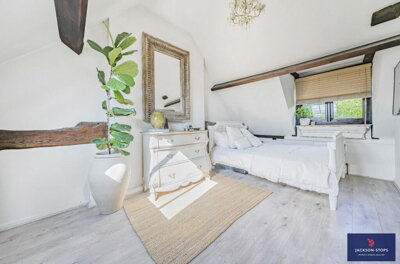
Browse 15 homes for sale in Potsgrove, Central Bedfordshire from local estate agents.
£1.45M
1
0
34
Source: home.co.uk
Source: home.co.uk
Detached
1 listings
Avg £1.45M
Source: home.co.uk
Source: home.co.uk
The Whatfield housing market presents a compelling opportunity for buyers seeking rural Suffolk property at competitive prices. Our current listings include properties across all price segments, from charming cottages to substantial family homes. Detached properties in Whatfield command an average price of £429,375, reflecting the premium placed on space, privacy, and the traditional architecture that characterises the village. Semi-detached homes offer more accessible entry points at around £231,000 on average, making them popular choices for first-time buyers and families looking to establish themselves in the area.
Recent market activity shows interesting trends that buyers should understand when making their purchase decisions. House prices in Whatfield have experienced a significant year-on-year increase of 189% according to our data, though this figure reflects a relatively small number of high-value transactions that can skew average calculations. More practically, prices remain 24% below the 2019 peak of £510,000, suggesting that the market has corrected from its previous highs and now offers better value for long-term buyers. The neighbouring Wheatfields area (IP7 postcode) shows similar patterns with an average price of £383,750, down 8% from its 2022 peak of £415,000. These figures indicate a stabilising market where buyers can negotiate sensibly without the extreme competition seen in some other parts of Suffolk.
Property types available in Whatfield range from traditional period cottages with original features to modern family homes built in recent decades. The completed Church Farm Place development by Landex New Homes added fifteen quality homes to the village, demonstrating continued investment in the community while maintaining the character that makes Whatfield special. For buyers seeking new build properties, surrounding villages such as Hadleigh, Semer, and Elmsett offer additional options within easy reach of Whatfield, with developments including contemporary detached houses and bungalows in the broader IP7 postcode area.

Whatfield embodies the classic English village experience, offering residents a quality of life that increasingly appeals to families and professionals seeking respite from urban pressures. The village sits within the Dedham Vale Area of Outstanding Natural Beauty, an area renowned for its stunning landscapes, public footpaths, and the artistic heritage of John Constable. Residents wake each morning to views across rolling farmland and can spend evenings walking through meadows alive with wildlife. The village community remains active and welcoming, with regular events at the local village hall and strong participation in seasonal celebrations that bring neighbours together throughout the year.
Daily necessities are well catered for, with a village shop meeting everyday requirements and the larger town of Hadleigh providing comprehensive amenities within a convenient ten-minute drive. Hadleigh offers a selection of independent shops, supermarkets, healthcare facilities including a doctors surgery and pharmacy, and a variety of cafes and restaurants. For more extensive shopping or entertainment, the towns of Sudbury and Ipswich are easily accessible, providing theatres, larger retail centres, and specialist services that complement what is available locally.
The character of housing in Whatfield reflects its heritage as a working agricultural village that has evolved over centuries. Traditional Suffolk construction methods dominate the older properties, featuring local brickwork, timber-framed structures, and render finishes that give homes their distinctive appearance. The village hosts a mix of property ages, from charming pre-1919 cottages with original features through to more modern developments built to accommodate growing interest in rural living. Walking through the village, you will notice the variety of architectural styles that have accumulated over generations, each contributing to the overall character that makes Whatfield distinctive.
Families considering a move to Whatfield will find a selection of educational options within reasonable travelling distance. Primary education is available at several local schools in surrounding villages, with settings designed to serve small rural communities while maintaining high standards of teaching. These schools benefit from smaller class sizes that allow teachers to provide individual attention and support to each pupil. Parents frequently report satisfaction with the nurturing environment that village primary schools provide, where children develop both academically and socially within a supportive community.
Primary schools in nearby villages generally serve Whatfield families well, with settings typically located within a short drive of the village. The exact school serving your property will depend on your location within Whatfield and current catchment arrangements, which can change over time as local education authorities review their school admissions policies. We recommend visiting potential schools and speaking with headteachers to understand their approach to education before committing to a property purchase, particularly if you have young children approaching school age.
Secondary education options in the area include schools in Hadleigh and further afield in Sudbury, each offering different strengths across academic and vocational pathways. Several schools in the wider Babergh area have earned good and outstanding Ofsted ratings, providing reassurance for parents researching their options. For families with specific educational requirements or particular school preferences, understanding catchment areas becomes important when purchasing property in Whatfield. The routing of secondary school admissions can significantly impact daily family life, and we recommend contacting the local education authority to confirm current arrangements and any planned changes to school provision in the area.
Connectivity from Whatfield combines the peace of rural living with practical access to major employment centres. The village sits conveniently positioned for road travel, with the A14 providing direct routes to Ipswich to the east and Cambridge to the west. This main arterial road transforms the practicalities of commuting, making destinations that might seem distant in miles readily accessible in time. Residents working in Ipswich find the journey manageable at around 30 minutes by car, while those travelling further afield benefit from the straightforward motorway connections that the A14 provides.
Rail services from nearby stations extend travel options beyond road transport. Sudbury station offers direct services connecting to Cambridge and London Liverpool Street, with journey times to the capital typically around 90 minutes. Many commuters find that Sudbury provides a more practical option than driving to stations further east, though some residents prefer the faster journey times available from Manningtree or Colchester. For international travel or connections to broader rail networks, Stansted Airport can be reached within approximately an hour's drive, while Felixstowe port provides access to European ferry services.
Local bus services connect Whatfield with surrounding villages and market towns, serving those who prefer not to drive or who are working towards sustainable travel options. Bus routes link the village with Hadleigh and Sudbury, providing options for shopping trips and accessing services without relying on a car. The village benefits from sufficient parking provision for residents, avoiding the stresses that plague more congested urban areas. For residents working from home or seeking to reduce their carbon footprint, the peaceful environment of Whatfield provides an ideal setting.
Before committing to a purchase, explore current listings to understand what properties are available at your budget. Our platform shows over 80 properties in and around Whatfield, with prices ranging from terraced homes to substantial detached properties averaging around £389,700. Consider arranging mortgage agreement in principle before viewing to demonstrate serious intent to sellers and to understand your true borrowing capacity.
Contact estate agents listing properties in Whatfield to arrange viewings at times that suit you. We recommend viewing multiple properties to compare locations within the village, proximity to amenities, and the condition of different property types. Pay attention to factors such as aspect, garden size, and parking provision during viewings, and take notes to help you compare properties afterwards.
Once you find your ideal property and have an offer accepted, we strongly recommend commissioning a RICS Level 2 Survey. Properties in rural Suffolk often feature traditional construction methods and age-related maintenance considerations that benefit from professional assessment. A survey identifies any issues before you commit, potentially saving significant expense and providing valuable negotiating leverage.
Your solicitor will handle the legal aspects of your purchase, conducting searches with Babergh District Council, checking title deeds, and managing the transfer of funds. Choose a solicitor with experience in Suffolk property transactions to ensure smooth progress through the process, as local knowledge can help navigate any issues that arise with traditional property titles.
Once all searches are satisfactory and financing is confirmed, you will exchange contracts and pay your deposit. Completion typically follows within weeks, at which point you receive the keys to your new Whatfield home and can begin settling into village life. Rural property transactions can sometimes take longer than average due to the complexity of traditional property titles, so patience is advisable.
Properties in Whatfield showcase the traditional construction methods that characterise rural Suffolk villages, with buildings dating from various eras requiring different considerations during purchase. Pre-1919 properties commonly feature solid brick walls constructed from locally sourced Suffolk reds or whites, timber-framed structures with oak or elm components, and pitched roofs covered with handmade clay tiles or natural slate. These traditional materials have proven durable over centuries but require ongoing maintenance to perform effectively.
Our inspectors frequently encounter issues related to traditional construction that buyers should understand before purchasing in Whatfield. Solid brick walls lack the cavity found in modern properties and can suffer from rising damp if original damp-proof courses have failed or were never installed. Timber-framed structures may be vulnerable to woodworm attack or fungal decay, particularly where ventilation is poor or timber has become damp. Roof coverings of clay tile or slate develop problems with slipped or broken tiles over time, and the mortar used in traditional ridge tiles often requires renewal every few decades.
The village location means many gardens contain mature trees, which while adding to the rural character, can present specific considerations for property owners. Trees close to buildings may cause subsidence through clay soil shrinkage in dry periods or through root damage to foundations. Our surveyors pay particular attention to the relationship between trees and structures, noting any signs of movement or damage that might indicate foundation issues requiring attention.
Properties in Whatfield, like many rural Suffolk villages, often feature construction characteristics that warrant careful inspection during the purchase process. Traditional buildings dating from the pre-1919 era commonly incorporate solid brick walls, timber-framed structures, and pitched roofs covered with clay tiles or slate. These materials can develop issues over time, including damp penetration, timber decay, and roof tile damage, particularly where maintenance has been neglected. A thorough survey will assess these elements and provide you with a clear picture of any remedial work required.
Potential buyers should investigate whether properties fall within any conservation area designations and identify any listed building status that might affect future renovations or alterations. Our research has not confirmed specific conservation area boundaries in Whatfield, but buyers should verify this through Babergh District Council planning records. Flood risk appears minimal given the village's inland location, though we recommend checking the Environment Agency flood mapping service for property-specific assessments. Understanding these factors helps you budget appropriately for any restrictions or works that might affect your purchase.
The combination of traditional construction and age-related wear means that professional surveys are particularly valuable for Whatfield properties. Our RICS Level 2 Survey provides a detailed assessment of condition, identifying defects that might not be apparent during a casual viewing and giving you the information needed to make confident decisions about your purchase. Survey findings often provide valuable leverage for price negotiations or allow you to request that sellers address specific issues before completion.
The average house price in Whatfield over the last year was £389,700 according to our property data. Detached properties sold for approximately £429,375 on average, while semi-detached homes achieved around £231,000. Prices have shown year-on-year increases of 189% though remain approximately 24% below the 2019 peak of £510,000, suggesting good value for buyers entering the market now. Property prices in the neighbouring Wheatfields area (IP7) averaged £383,750, showing similar market conditions across this part of rural Suffolk.
Properties in Whatfield fall under Babergh District Council jurisdiction. Council tax bands are assigned based on property valuation and will vary by individual home. You can check specific bandings through the Valuation Office Agency website using the property address. The bands typically range from A through to H, with corresponding annual charges set by the council. First-time buyers or those on lower incomes may be eligible for council tax reduction schemes through Suffolk County Council.
Whatfield is served by several primary schools in surrounding villages, with local parents praising the nurturing environment and small class sizes these rural settings provide. Secondary education options include schools in Hadleigh and Sudbury, with several achieving good or outstanding Ofsted ratings. We recommend researching current school performance data and understanding catchment area boundaries before purchasing if education provision is a priority for your family. School catchment areas can change, so verify current arrangements with Suffolk County Council admissions team.
Whatfield has reasonable connectivity for a rural Suffolk village. Local bus services link the village with surrounding communities and market towns including Hadleigh. Rail connections are accessible from stations in Sudbury, providing services to Cambridge and London Liverpool Street. The A14 road provides efficient car access to Ipswich and Cambridge, with typical journey times of around 30 minutes to Ipswich and under 90 minutes to central London by rail from Sudbury. Stansted Airport is reachable within approximately an hour for international travel.
Whatfield offers several factors that appeal to property investors and homebuyers alike. The village sits within an Area of Outstanding Natural Beauty, which tends to support long-term property values by limiting new development and maintaining the attractive rural character that buyers seek. Rural Suffolk continues to attract buyers seeking escape from urban areas, maintaining demand for village properties. Current prices sitting below 2019 peaks may present buying opportunities for those planning to stay long-term. The village's character and location within Constable Country ensure ongoing appeal to buyers prioritising quality of life.
Stamp duty Land Tax (SDLT) rates for standard residential purchases start at 0% on the first £250,000 of property value. The rate increases to 5% on the portion between £250,001 and £925,000. First-time buyers benefit from relief on the first £425,000, with 5% applying between £425,001 and £625,000. Above £625,000, standard rates apply. For example, a £389,700 property would attract no SDLT for first-time buyers but would cost £6,985 for those who have previously owned property.
Many older English villages feature conservation area designations and concentrations of listed buildings, though specific confirmation for Whatfield requires direct verification through Babergh District Council planning portal. If present, conservation area status would impose restrictions on external alterations, while listed building consent would be required for changes to the building itself. Our research has not confirmed specific designations, and we recommend buyers verify planning constraints before committing to a purchase, particularly if they have plans for future alterations.
Given Whatfield's inland location and elevation above major waterways, general flood risk appears minimal for properties in the village. However, we recommend checking the Environment Agency online flood mapping service for property-specific assessments, as local topography and drainage patterns can create variations within short distances. Surface water flooding after heavy rainfall can occasionally affect low-lying areas, and this is worth verifying particularly for properties with large gardens or those near streams and ditches common in rural Suffolk.
From 4.5% APR
Compare mortgage deals from leading lenders
From £499
Professional property solicitors for your purchase
From £350
Detailed survey of property condition
From £85
Energy performance certificate
Understanding the full costs of purchasing property in Whatfield helps you budget accurately and avoids surprises during the transaction process. The primary tax consideration is Stamp Duty Land Tax (SDLT), which applies to all freehold property purchases above certain thresholds. For a property priced at the Whatfield average of £389,700, standard buyers pay SDLT on the amount above £250,000, which equates to £6,985 at current rates. First-time buyers benefit from increased thresholds, paying nothing on the first £425,000 and only 5% on amounts between £425,001 and £625,000, meaning a first-time buyer purchasing at average Whatfield prices would pay no SDLT at all.
Beyond stamp duty, buyers should budget for solicitor fees typically ranging from £500 to £1,500 depending on complexity, survey costs from £350 for a basic RICS Level 2 assessment, and search fees from around £300 for local authority searches with Babergh District Council. Mortgage arrangement fees vary significantly between lenders, ranging from zero to around £2,000, and you should factor in valuation fees if your lender requires one. Land Registry fees for registering your ownership depend on property value but are generally modest. We recommend setting aside an additional 10% of your purchase price for incidentals and potential negotiations following survey findings, ensuring you have flexibility to address any issues that arise during the purchase process.
Properties for Sale In London

Properties for Sale In Plymouth

Properties for Sale In Liverpool

Properties for Sale In Glasgow

Properties for Sale In Sheffield

Properties for Sale In Edinburgh

Properties for Sale In Coventry

Properties for Sale In Bradford

Properties for Sale In Manchester

Properties for Sale In Birmingham

Properties for Sale In Bristol

Properties for Sale In Oxford

Properties for Sale In Leicester

Properties for Sale In Newcastle

Properties for Sale In Leeds

Properties for Sale In Southampton

Properties for Sale In Cardiff

Properties for Sale In Nottingham

Properties for Sale In Norwich

Properties for Sale In Brighton

Properties for Sale In Derby

Properties for Sale In Portsmouth

Properties for Sale In Northampton

Properties for Sale In Milton Keynes

Properties for Sale In Bournemouth

Properties for Sale In Bolton

Properties for Sale In Swansea

Properties for Sale In Swindon

Properties for Sale In Peterborough

Properties for Sale In Wolverhampton

Enter your details to see if this property is within your budget.
Loans, cards, car finance
Estimated property budget
Borrowing + deposit
You could borrow between
Typical borrowing
Monthly repayment
Est. at 4.5%
Loan-to-value
This is an estimate only. Your actual budget may vary depending on interest rates, credit history, and personal circumstances. For an accurate affordability assessment, speak to one of our free mortgage advisors.
This calculator provides estimates for illustrative purposes only and does not constitute financial advice. Your home may be repossessed if you do not keep up repayments on your mortgage. Estimates based on 4.5% interest rate, repayment mortgage. Actual rates depend on your circumstances.
Homemove is a trading name of HM Haus Group Ltd (Company No. 13873779, registered in England & Wales). Homemove Mortgages Ltd (Company No. 15947693) is an Appointed Representative of TMG Direct Limited, trading as TMG Mortgage Network, which is authorised and regulated by the Financial Conduct Authority (FRN 786245). Homemove Mortgages Ltd is entered on the FCA Register as an Appointed Representative (FRN 1022429). You can check registrations at NewRegister or by calling 0800 111 6768.

We use cookies to show you personalised content and improve your experience of our website. Find out more in our Privacy policy and Cookie policy.