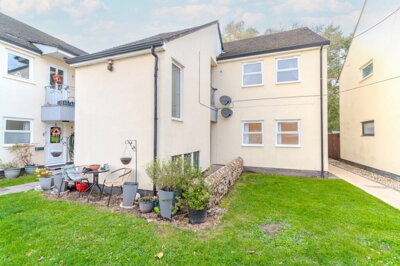
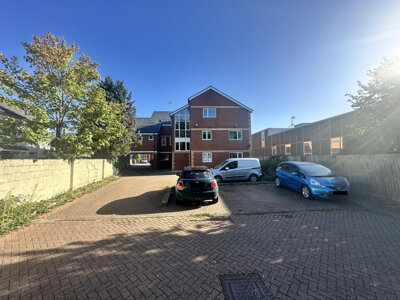
Browse 2 homes for sale in Portskewett, Monmouthshire from local estate agents.
Studio apartments feature open-plan living spaces without separate bedrooms, incorporating sleeping, living, kitchen, and bathroom facilities. The Portskewett studio market includes properties in modern apartment complexes, converted Victorian and Georgian buildings, and purpose-built developments.
£0k
0
0
0
Source: home.co.uk
Showing 0 results for Studio Flats for sale in Portskewett, Monmouthshire.
£473,000
Average Price
Up 39% year-on-year
Village Road Prices
86+
Properties Sold (12 months)
£502,500
Detached Average
The Nannerch property market has demonstrated impressive resilience and growth, with prices climbing significantly over the past twelve months. Historical sold prices in the village were 49% up on the previous year and 20% above the 2023 peak of £395,000, indicating sustained demand from buyers who recognise the value of this semi-rural location. Detached properties command the highest prices in the area, averaging around £502,500, while terraced properties offer more accessible entry points at approximately £355,000. The village's limited housing stock, combined with its desirable setting and excellent transport connections, continues to drive competition among buyers.
Most properties in Nannerch are built from the local carboniferous limestone that characterises the area's architectural heritage. The village has expanded thoughtfully over the past fifty years, with new development complementing rather than overwhelming the historic core around the Church of St Michael and All Angels and Main Street. Properties on Bryn Celyn have also shown strong performance, with prices rising 35% year-on-year and now standing 64% above the 2021 peak. For buyers seeking character homes with genuine heritage, Nannerch's collection of Grade II and Grade II* listed buildings offers exceptional options, though these require careful consideration regarding maintenance obligations and planning restrictions.
The village's position in the Wheeler Valley creates distinctive micro-market conditions that differ from surrounding areas. With streams tumbling down steep-sided valleys surrounding the village, properties in lower positions may have different exposure to damp and ground conditions compared to those on higher ground. The 462 residents who call Nannerch home benefit from this scenic setting while maintaining easy access to employment centres in Chester, Liverpool, and Manchester. Limited new build activity in the immediate postcode area means buyer competition focuses on the existing housing stock, which predominantly consists of detached properties constructed from traditional rubble stone with slate roofs and brick stacks.
Properties in Nannerch span several eras of construction, from early 19th-century labourers' cottages to thoughtfully integrated modern development. The village's architectural heritage includes late Georgian houses like Nannerch Hall, an early 19th-century rubble stone dwelling with slate roof and brick stacks, alongside traditional whitewashed cottages such as Pen-yr-erw. Many homes retain original features including stone flag floors, open fireplaces, and exposed beam ceilings that appeal to buyers seeking authentic period character. The predominance of carboniferous limestone construction throughout the village creates a cohesive visual identity while requiring specific maintenance approaches using traditional materials.

Life in Nannerch offers a distinctive quality that has attracted families and professionals seeking respite from urban pressures while maintaining convenient access to larger employment centres. With a population of around 462 residents according to 2024 estimates, the village retains an intimate, community-focused atmosphere where neighbours know one another and local events bring people together throughout the year. The village's historic centre, clustered around the Church of St Michael and All Angels and Main Street, showcases the architectural beauty of local limestone construction that has characterised building in this area since at least the early 19th century. The surrounding countryside provides excellent walking opportunities, with the Clwydian Range offering breathtaking views and challenging trails for outdoor enthusiasts.
The local economy of Nannerch has evolved considerably from its industrial past, when inhabitants traditionally worked in iron and lead mines and limestone quarries. Today, the village serves largely as a residential community for commuters who value the peaceful surroundings and strong community spirit. The Penbedw Estate families historically played a significant role in village life, funding the church, school, and village hall while providing employment opportunities. This legacy of community investment continues to shape the village's character, with local amenities and social facilities maintained by active residents who take pride in their surroundings. The village's position in the Wheeler Valley, with streams tumbling down steep-sided valleys, adds to its scenic charm and provides natural features that enhance the living experience.
The community spirit in Nannerch manifests through various local initiatives and facilities that bring residents together throughout the year. The village hall, originally established through the patronage of the Penbedw Estate families, continues to serve as a focal point for social activities and community events. Local walking routes connect residents with the broader footpath network across the Clwydian Range, while the proximity to Mold provides access to weekly markets, independent shops, and additional amenities without requiring a major urban commute. For families, this combination of village atmosphere and accessible services creates an appealing environment for raising children in a close-knit community setting.

Families considering a move to Nannerch will find a selection of educational options within reasonable travelling distance across Flintshire. The village's historic school, funded in part by the Penbedw Estate families who shaped much of Nannerch's development, served the community for generations and reflected the importance placed on education in this area. Primary education options in the surrounding area include schools in nearby villages and towns, with many families able to access quality provision within a short drive. Secondary education is typically pursued at schools in larger nearby towns such as Mold, which serves as the administrative centre for Flintshire and offers comprehensive schooling options for older children.
Flintshire maintains a network of primary and secondary schools, with several achieving strong ratings from education inspectors. For families prioritising academic excellence, the grammar school system in nearby areas provides selective education opportunities for suitable students. Sixth form and further education provision is available at colleges in Mold, as well as larger sixth form centres in towns like Flint and Rhyl. Parents should research specific catchment areas and admission policies when considering schools, as these can significantly impact educational placement. The proximity to the border means some families also explore educational options in England, particularly in Chester, which offers a different selection of primary and secondary schools alongside further education colleges.
When evaluating school options from Nannerch, parents should consider both Ofsted ratings and accessibility from the village location. Schools in Mold typically offer the most convenient daily commute for secondary-aged children, with several offering strong academic results and extensive extracurricular programmes. Primary school-aged children may find shorter journeys to schools in surrounding villages, though some families choose the additional travel time to access specific educational approaches or religious education provision. Transport arrangements should form part of any property search criteria, particularly for families with children at different educational stages.
Nannerch enjoys excellent connectivity despite its rural village setting, making it particularly attractive to commuters who work in larger cities but wish to enjoy village life. The village's expansion over the past fifty years has been driven largely by improved road infrastructure, which has made commuting to major employment centres increasingly practical. The A494 road provides direct access toward Chester and the M56 motorway, connecting residents to Manchester's economic opportunities within approximately an hour's drive. For those working in Liverpool, the journey is similarly manageable via the A55 North Wales Expressway, which runs parallel to the coast and provides fast access to the city.
Public transport options include bus services connecting Nannerch to surrounding villages and towns, though frequency may be limited compared to urban routes. The nearest railway stations are located in larger towns, providing connections to the broader rail network for travel further afield. Many residents choose to combine driving with rail travel, parking at stations in Flint or Chester before continuing their journey by train. For international travel, Liverpool John Lennon Airport and Manchester Airport are both accessible within approximately an hour's drive, offering flights to destinations across Europe and beyond. Cyclists will appreciate the scenic routes available in the local area, though the hilly terrain around the Clwydian Range requires a reasonable level of fitness for longer rides.
The road infrastructure serving Nannerch has improved significantly over the past five decades, transforming the village from a relatively isolated community into a viable location for daily commuters. The A494 provides a direct route through Buckley and Queensferry toward Chester city centre, where extensive employment opportunities and retail facilities attract workers from across the region. For longer-distance commuting, the M56 motorway junction near Chester provides connections to Manchester Airport and the Greater Manchester area within approximately 60 minutes under normal traffic conditions. Weekend connectivity to coastal destinations along the North Wales coastline remains excellent via the A55, making the most of the village's position between mountain and sea.
Spend time exploring Nannerch at different times of day and week to understand the neighbourhood character, noise levels, and community dynamics. Visit local amenities, check journey times to your workplace, and speak to residents about their experience of living in the village. Review recent sale prices on our platform to understand current market values and identify properties that match your requirements. Consider the geological implications of the glacial boulder clay soils on potential properties and factor in any conservation area restrictions that might affect your plans.
Before arranging viewings, obtain a mortgage agreement in principle from a lender to confirm your budget and demonstrate your seriousness to sellers. This document shows estate agents and vendors that you are a qualified buyer with funding already considered. Our mortgage comparison service helps you find competitive rates suitable for properties in the Nannerch price range, from terraced cottages to substantial detached homes. Given the village's average prices between £473,000 and £590,000 depending on source, securing suitable financing is essential before entering serious negotiations.
Contact estate agents active in the Nannerch market to arrange viewings of properties that interest you. Our platform lists properties from local agents, making it easy to compare options and schedule visits. Consider viewing several properties before making an offer to ensure you have reference points for comparison and understand what represents value in the current market. Pay particular attention to the construction materials and condition of period properties, as traditional rubble stone construction may require different assessment criteria than modern brick-built homes.
Once your offer is accepted, arrange a RICS Level 2 Home Survey before proceeding to completion. Given Nannerch's geological setting on glacial boulder clay and the prevalence of older limestone properties, a professional survey can identify potential issues including damp, structural movement, or roof condition problems. Survey costs typically range from £400 to £1,000 depending on property value and size, with the additional consideration that many Nannerch properties are listed buildings or within conservation areas requiring specialist assessment.
Appoint a solicitor experienced in Flintshire property transactions to handle the legal aspects of your purchase. They will conduct searches with Flintshire County Council, handle property registration, and manage the transfer of funds. Our conveyancing comparison service connects you with solicitors offering competitive fixed fees for residential purchases in the area. Given the prevalence of conservation areas and listed buildings in Nannerch, your solicitor should be familiar with the additional considerations these designations bring to property transactions.
Once all searches are satisfactory and contracts are signed, your solicitor will exchange deposits and agree a completion date with the seller's legal team. On completion day, the remaining funds are transferred, and you receive the keys to your new Nannerch home. Register your ownership with the Land Registry and update your address details with relevant organisations. Remember to arrange buildings insurance from exchange onwards, as this protects your investment from the point contracts become binding.
Properties in Nannerch present several considerations that buyers should investigate carefully before committing to a purchase. The village sits on a bedrock of carboniferous limestone overlain by glacial boulder clay, which carries potential implications for ground conditions. Clay soils are susceptible to shrink-swell movement, particularly during periods of drought or heavy rainfall, and buyers should look for signs of subsidence or structural movement in older properties. The presence of historical mining activity in the wider Flintshire area, where inhabitants traditionally worked in iron and lead mines, adds another dimension to ground stability considerations that a thorough survey can address.
Nannerch's two designated conservation areas impose planning restrictions that affect what buyers can and cannot do with their properties. Any alterations, extensions, or significant changes to properties within these areas require consent from Flintshire planning authority, and works to listed buildings require additional specialist approval. The village contains numerous Grade II and Grade II* listed buildings including the Church of St Michael and All Angels, Nannerch Hall, Tyn-Llan, Rectory Cottage, and The Old Rectory. Buyers should factor in the potential costs and timescales of obtaining necessary permissions when planning renovation projects. Many properties are constructed from local rubble stone with slate roofs and brick stacks, and maintaining these traditional features using appropriate materials and methods can be more expensive than standard modern alternatives.
For buyers considering flats or apartments in the village, understanding the lease terms, service charges, and ground rent arrangements is essential. Properties in Nannerch are predominantly houses rather than flats, with detached homes forming the majority of recent sales. Freehold houses offer the most straightforward ownership structure, though some period properties may have unusual tenure arrangements that require investigation. Checking the condition of shared boundaries, drainage arrangements, and any shared facilities will help avoid unexpected costs after purchase. The village's position in the Wheeler Valley means some properties may have streams or water features nearby that require consideration for drainage and flood risk assessment.
Purchasing a property in Nannerch involves several costs beyond the purchase price itself, and understanding these expenses helps buyers budget effectively for their move. Stamp duty land tax in Wales applies to residential purchases above £225,000, with rates calculated on a tiered basis. For a typical Nannerch property priced around £473,000, buyers would pay SDLT on the portion between £225,001 and £400,000 at 6%, plus the portion between £400,001 and £473,000 at 7.5%. First-time buyers may benefit from reduced rates if the property value is within eligible thresholds, though relief does not apply above £260,000 for full first-time buyer exemption.
Additional buying costs include solicitor fees for conveyancing, which typically range from £500 to £1,500 depending on the complexity of the transaction and whether the property is freehold or leasehold. Search fees with Flintshire County Council usually amount to around £250 to £400, covering local authority searches for planning history, environmental matters, and highways information. A RICS Level 2 survey costs between £400 and £1,000 depending on property size and value, while an Energy Performance Certificate is a mandatory requirement costing approximately £80 to £120. Mortgage arrangement fees vary by lender but often range from £500 to £2,000, though many buyers choose to add these to their mortgage rather than pay upfront. Factor in removal costs, potential estate agent fees if selling simultaneously, and a contingency fund for unexpected repairs identified during surveys when calculating your total moving budget.
For investors purchasing at the upper end of the Nannerch market, the higher SDLT rates apply to portions above £750,000. Given that detached properties average around £502,500, most family homes fall below this threshold, though premium period properties or substantial detached houses may attract the additional rates. Properties within conservation areas or listed buildings may incur additional survey costs due to their specialist nature, as surveyors need to assess historical construction methods and any existing defects common to period properties. Budget accordingly for these additional professional fees when calculating the total cost of purchasing a character home in Nannerch.
Average house prices in Nannerch have shown strong growth, with figures ranging from approximately £473,000 according to Rightmove data to £590,000 according to Zoopla depending on the methodology used. Detached properties average around £502,500, while terraced properties offer lower entry points at approximately £355,000. The village has experienced significant price appreciation, with overall prices rising 49% year-on-year and 20% above the 2023 peak. Property prices on streets like Village Road have risen 39% compared to the previous year and stand 56% above 2021 levels, demonstrating sustained demand for homes in this desirable Flintshire village.
Properties in Nannerch fall under Flintshire County Council jurisdiction for council tax purposes. Council tax bands in Flintshire range from Band A for the lowest value properties to Band I for the highest, with most family homes in rural villages like Nannerch typically falling in Bands C through E. The specific band depends on the property's assessed value as of April 1991. Buyers should check the banding with Flintshire County Council directly, as this affects ongoing annual costs alongside other local charges for services such as refuse collection and street cleaning. Properties with higher rateable values, such as substantial detached period homes, may fall into higher bands, so verifying the specific banding before purchase helps avoid unexpected cost increases.
Nannerch itself has a historic village school that served the community for generations, though families should verify current provision as schooling options can change. The surrounding Flintshire area offers good primary school options in nearby villages and towns, with schools in Mold providing strong Ofsted-rated provision for younger children. Secondary education is typically pursued at schools in Mold or surrounding towns, with several achieving excellent results. For families seeking grammar school options, schools in areas like Altrincham or Wirral are accessible for commuters. Parents should verify current school performance data and admission policies directly with schools or Flintshire education authority, as catchment area boundaries can impact placement eligibility.
Public transport options in Nannerch are limited compared to urban areas, with bus services providing connections to surrounding villages and towns but at frequencies that may not suit all commuters. The village is primarily accessed by road, with the A494 providing routes toward Chester and the M56 motorway network. For rail travel, the nearest stations are in larger towns, requiring a short drive to access. Many Nannerch residents rely on private vehicles for daily commuting, though the village's position makes Liverpool and Manchester accessible for occasional rail travel. Liverpool John Lennon Airport is approximately 45 minutes away by car, while Manchester Airport takes around an hour.
The Nannerch property market has demonstrated strong investment credentials, with prices rising 49% year-on-year and maintaining upward momentum above previous peaks. The village benefits from its semi-rural setting within easy reach of major employment centres in Chester, Liverpool, and Manchester, which sustains demand from commuters seeking quality of life improvements. Limited housing supply in this small village, combined with its two conservation areas restricting development, helps support property values. For investors, rental demand is likely strongest among professionals and small families seeking the village lifestyle, though buyers should verify rental potential with local letting agents and consider management requirements for period properties. The average sold price of £535,000 to £590,000 for recent transactions indicates a stable market with consistent demand.
Stamp duty land tax in Wales operates under Welsh Government rules, which differ from England. As of 2024-25, residential property purchases incur no SDLT on values up to £225,000, with rates of 6% on the portion between £225,001 and £400,000, rising to 7.5% between £400,001 and £750,000, and higher rates above this threshold. First-time buyers in Wales may qualify for relief on properties up to £260,000, eliminating tax on the first £180,000 and reducing rates on the remainder. Given average Nannerch prices around £473,000 to £590,000, most purchases will incur SDLT, though first-time buyer relief can provide meaningful savings for eligible purchasers. A typical £473,000 purchase would attract approximately £11,250 in SDLT after the nil-rate threshold.
From 4.5% APR
Compare competitive mortgage rates for your Nannerch purchase
From £499
Expert property solicitors for your Flintshire purchase
From £400
Professional survey to identify defects in Nannerch properties
From £80
Energy performance certificate for your new home
Nannerch's rich architectural heritage is protected through two designated conservation areas and numerous listed buildings that reflect the village's long history and the craftsmanship of local builders. The Grade II* listed Church of St Michael and All Angels stands the village, its medieval origins and later modifications representing centuries of religious and community life. Nannerch Hall, a late Georgian two-storey house of rubble stone with slate roof and brick stacks, exemplifies the quality of construction that characterises the village's historic properties. The concentration of listed buildings around Main Street and the village centre creates an exceptional environment for buyers seeking authentic period homes.
Additional Grade II listed structures include agricultural buildings that demonstrate the village's rural economy, such as the barn with attached cow house at Penbedw Uchaf and similar buildings at Gelli Bach and Walgoch Farm. The former granary at Penbedw Uchaf represents the agricultural infrastructure that supported the local community, while residential listings include Tyn-Llan, Rectory Cottage, The Old Rectory, and Pen-yr-erw - a labourer's cottage of whitened rubble stone with original stone stack heightened in brick. Each property type represents different aspects of village life and brings specific considerations for maintenance and potential renovation within planning constraints.
Buyers considering listed properties should understand that consent requirements extend beyond major works to include changes that might seem minor, such as replacing windows, doors, or roof materials. The planning authority expects works to listed buildings to use matching materials and traditional techniques, which can increase costs compared to standard home improvements. However, these restrictions also protect the character and value of period properties, ensuring that Nannerch's architectural heritage is preserved for future generations. A RICS Level 3 Building Survey may be more appropriate than a standard Level 2 survey for particularly old or complex listed properties, as it provides more detailed assessment of historic construction methods and potential defects.
Properties for Sale In London

Properties for Sale In Plymouth

Properties for Sale In Liverpool

Properties for Sale In Glasgow

Properties for Sale In Sheffield

Properties for Sale In Edinburgh

Properties for Sale In Coventry

Properties for Sale In Bradford

Properties for Sale In Manchester

Properties for Sale In Birmingham

Properties for Sale In Bristol

Properties for Sale In Oxford

Properties for Sale In Leicester

Properties for Sale In Newcastle

Properties for Sale In Leeds

Properties for Sale In Southampton

Properties for Sale In Cardiff

Properties for Sale In Nottingham

Properties for Sale In Norwich

Properties for Sale In Brighton

Properties for Sale In Derby

Properties for Sale In Portsmouth

Properties for Sale In Northampton

Properties for Sale In Milton Keynes

Properties for Sale In Bournemouth

Properties for Sale In Bolton

Properties for Sale In Swansea

Properties for Sale In Swindon

Properties for Sale In Peterborough

Properties for Sale In Wolverhampton

Enter your details to see if this property is within your budget.
Loans, cards, car finance
Estimated property budget
Borrowing + deposit
You could borrow between
Typical borrowing
Monthly repayment
Est. at 4.5%
Loan-to-value
This is an estimate only. Your actual budget may vary depending on interest rates, credit history, and personal circumstances. For an accurate affordability assessment, speak to one of our free mortgage advisors.
This calculator provides estimates for illustrative purposes only and does not constitute financial advice. Your home may be repossessed if you do not keep up repayments on your mortgage. Estimates based on 4.5% interest rate, repayment mortgage. Actual rates depend on your circumstances.
Homemove is a trading name of HM Haus Group Ltd (Company No. 13873779, registered in England & Wales). Homemove Mortgages Ltd (Company No. 15947693) is an Appointed Representative of TMG Direct Limited, trading as TMG Mortgage Network, which is authorised and regulated by the Financial Conduct Authority (FRN 786245). Homemove Mortgages Ltd is entered on the FCA Register as an Appointed Representative (FRN 1022429). You can check registrations at NewRegister or by calling 0800 111 6768.

We use cookies to show you personalised content and improve your experience of our website. Find out more in our Privacy policy and Cookie policy.